What Happens When Your Property Stops Competing With Newer Homes

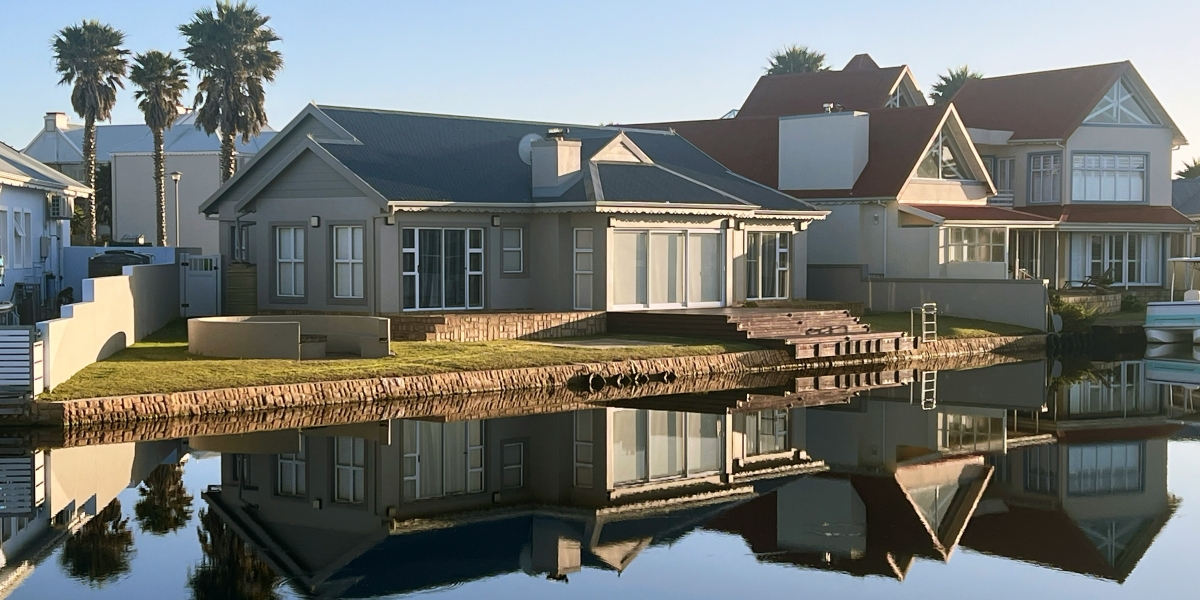
Real estate markets constantly evolve as new homes enter neighborhoods. Fresh construction often attracts attention because buyers enjoy modern layouts, updated materials, and energy-efficient features. When new houses appear nearby, older properties may face stronger competition during the selling process.
Many homeowners begin listing their property with confidence, expecting buyers to appreciate its location, size, and history. After spending time on the market, some sellers notice that buyers seem more interested in recently built homes nearby. This shift can make it harder for an older property to stand out.
Competing with newer homes does not mean a property cannot sell. It simply means sellers must understand how buyers evaluate homes when modern options exist in the same area. Buyers often compare several listings before scheduling a visit.
Understanding why newer homes draw attention helps homeowners make smarter decisions about how to move forward.
New Construction Creates Fresh Buyer Expectations
New homes often shape what buyers expect when searching for property. Builders frequently highlight open layouts, larger kitchens, smart technology, and energy-efficient appliances. These features influence how buyers view other homes in the same price range.
Older properties may still offer strong value through location, larger lots, or unique architectural details. Buyers sometimes overlook these strengths when modern features dominate their search results.
Some sellers eventually decide to explore alternative selling options when competition becomes challenging. Direct buyers such as Myers House Buyers often work with homeowners who want a simpler solution rather than trying to compete with brand-new construction.
Recognizing how new construction affects buyer expectations helps homeowners evaluate their selling strategy more clearly.
Buyers Often Compare Features Room by Room
When buyers browse listings, they frequently compare homes side by side. Kitchen design, bathroom updates, flooring materials, and lighting fixtures become important decision points.
Newer homes typically include updated finishes that match current design trends. Stainless steel appliances, large kitchen islands, and modern cabinetry can attract immediate attention.
Older homes may still offer solid construction and comfortable layouts. When design elements appear outdated, though, buyers sometimes focus more on newer properties that require fewer updates.
This comparison process happens quickly during online browsing. Buyers may move on from a listing if another home appears to offer more modern features within the same price range.
Maintenance Concerns Influence Buyer Decisions
Another reason buyers lean toward newer homes involves maintenance expectations. Newly built properties usually come with modern systems such as heating, cooling, plumbing, and electrical installations.
Buyers often assume that newer homes will require fewer repairs during the first several years of ownership. This perception can make older homes seem riskier, even when the property remains well-maintained.
Homeowners selling older properties sometimes notice buyers asking questions about roof age, plumbing condition, or energy efficiency. These concerns do not necessarily prevent a sale, yet they influence how buyers evaluate the property.
Providing clear information about maintenance history can help address these concerns and build buyer confidence.
Presentation Still Plays a Powerful Role
Even when competing with newer homes, presentation remains an important factor. Buyers often respond strongly to homes that appear clean, bright, and well-organized.
Simple improvements can help highlight the strengths of an older property. Fresh paint, updated lighting, and organized living spaces often create a more welcoming impression during showings.
Well-maintained landscaping can also improve how buyers perceive the property from the outside. A tidy yard and clear pathways suggest that the home has been cared for over time.
These adjustments do not transform an older home into a new one, yet they help buyers focus on the property’s potential rather than comparing it directly with new construction.
Pricing Strategy May Need Adjustment
Pricing becomes especially important when newer homes appear nearby. Buyers naturally compare properties that fall within similar price ranges.
If an older home carries the same price as a newly built property, buyers may prefer the newer option. Adjusting the price to reflect the home’s age and features can help attract more attention.
Real estate markets often reward realistic pricing strategies. A price that reflects the home’s value relative to nearby properties encourages buyers to consider it seriously.
Reviewing comparable sales in the neighborhood can help sellers understand where their property fits within the market.
Market Timing Can Influence Competition
The timing of a home sale can also affect how strongly it competes with new construction. When several new homes appear on the market at the same time, older properties may receive less attention during the initial listing period.
Market conditions change throughout the year as buyer activity increases or slows. Some seasons bring more competition from builders, while others create opportunities for existing homes to stand out.
Understanding these patterns can help homeowners plan their selling strategy more carefully. Monitoring nearby developments and listing trends provides valuable insight into market conditions.
A well-timed listing may help an older property attract buyers who prefer established neighborhoods rather than new developments.
Looking Ahead With a Practical Approach
Competing with newer homes can feel challenging at first. Buyers often focus on modern features, updated designs, and lower maintenance expectations when comparing properties.
Older homes still offer many advantages, including mature landscaping, established communities, and unique character. These qualities appeal to buyers who value location and charm.
By focusing on presentation, pricing, and clear communication about the property’s strengths, homeowners can improve their chances of attracting serious interest. Understanding buyer expectations allows sellers to adapt their approach rather than feeling discouraged by new construction nearby.
Every home sale involves a balance between market conditions and property presentation. With thoughtful preparation and realistic expectations, older homes can still find the right buyer and achieve a successful sale.
FAQs
1. Why do newer homes attract more buyers than older properties?
Newer homes often feature modern layouts, updated finishes, and energy-efficient systems. These features align with current buyer expectations, making them more appealing at first glance.
2. Can an older home still compete with new construction?
Yes, older homes can compete by highlighting strengths such as location, larger lot sizes, and unique character. Proper presentation and realistic pricing also make a big difference.
3. How does pricing affect competition with newer homes?
Pricing is crucial. If an older home is priced too close to a new build, buyers may choose the newer option. Adjusting the price to reflect the condition and features helps attract more interest.
4. Can Myers House Buyers help if my home isn’t competing well with newer properties?
Yes, Myers House Buyers provides a direct selling option for homeowners who want to avoid competing with new construction, offering a faster and simpler process without relying on market comparisons.