Seven Friends, One Night, and the Sound of New York City in TIMINGS

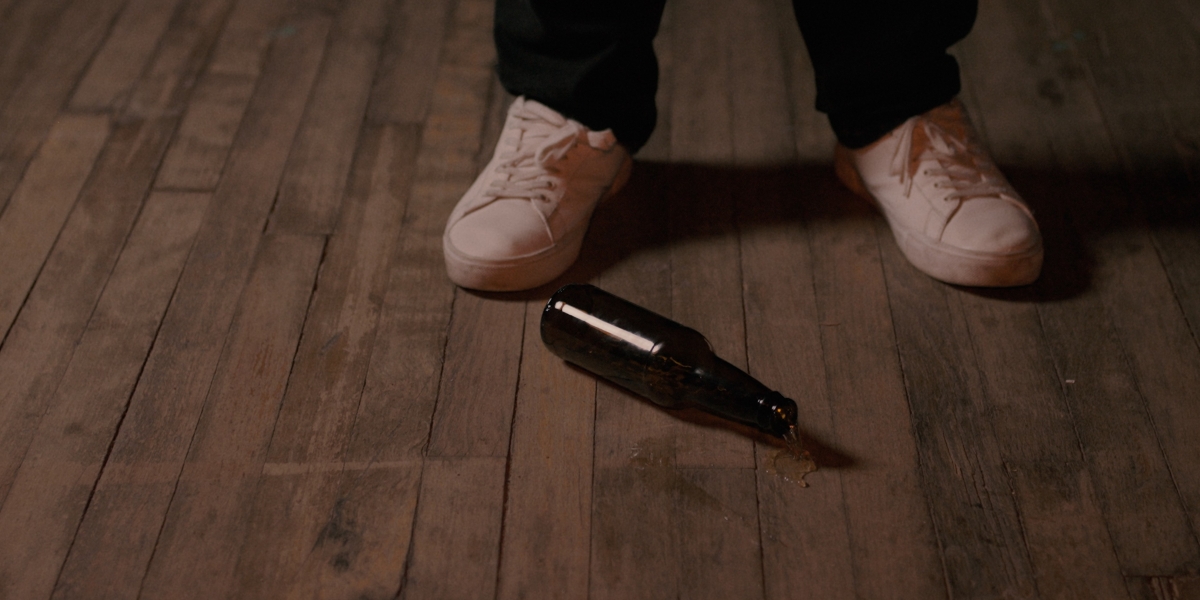
Saying goodbye in New York City never happens cleanly. There is no quiet exit, no graceful fade. Someone announces they are leaving, and suddenly every bar stool, every late-night sidewalk conversation, every shared cab ride home carries a weight it did not have the week before. TIMINGS, the new feature film from Axtravaganza Films, lives inside that exact feeling. The film makes its New York City premiere at New York CineFest on Saturday, April 25th.
Jeffrey Moore directed. Ricky Whitcomb wrote the screenplay. Together, they built a 100-minute drama around seven friends spending one final evening together before one of them leaves the city for good. A few fleeting hours of celebration force the group to confront their relationships, their identities, and what it truly means to belong. Shot entirely on location in New York City during February 2025, the film feels less like a production and more like a night you half-remember having yourself.
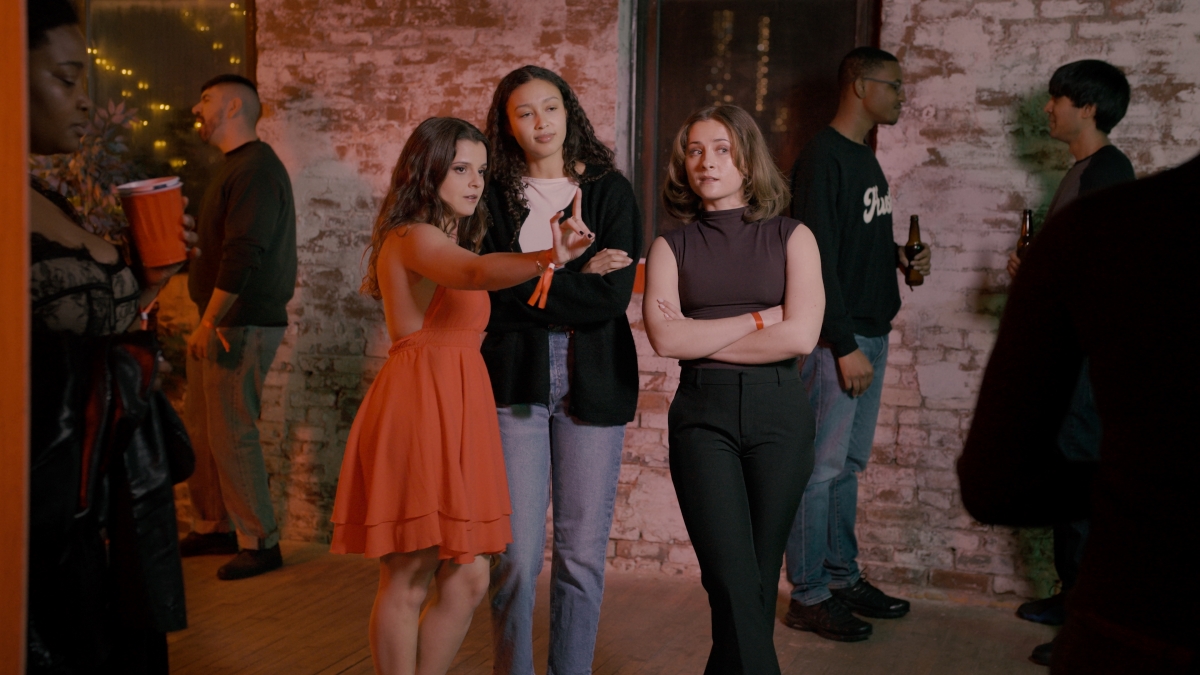
Photo Courtesy: Jeffrey Moore / Ricky Whitcomb
What Drives the Story Behind TIMINGS?
Most New Yorkers have lived some version of this night. Somebody in the friend group gets a job offer upstate, signs a lease in another city, or simply decides they have had enough. The rest of the crew rallies for one big send-off, and somewhere between the second round of drinks and the walk to the next spot, things get real. Whitcomb’s screenplay takes that familiar setup and peels it open.
Over a single evening, the characters wrestle with romantic entanglements they have been avoiding, resentments they have buried under jokes, and personal crossroads they are not ready to face out loud. The script earns its emotional beats through small, specific interactions rather than grand speeches. A glance across a crowded bar. A joke that lands wrong. Two people stepping outside for a conversation they should have had months ago.
Film Critical Space awarded TIMINGS 4.5 out of 5 stars, praising the screenplay for condensing a genuine journey of self-discovery into one compressed night. The review highlighted how humor defuses tension throughout the film without ever cheapening the deeper personal conflicts at play.
Whitcomb has called Astoria home for over 16 years. Originally from Buffalo, he previously wrote the short film Route 91 and the stage play What’s on Your Mind, produced at the Kraine Theater. TIMINGS is his first feature-length screenplay, and the Astoria roots show. He writes New York friendships the way they actually sound, not the way they look in studio comedies.
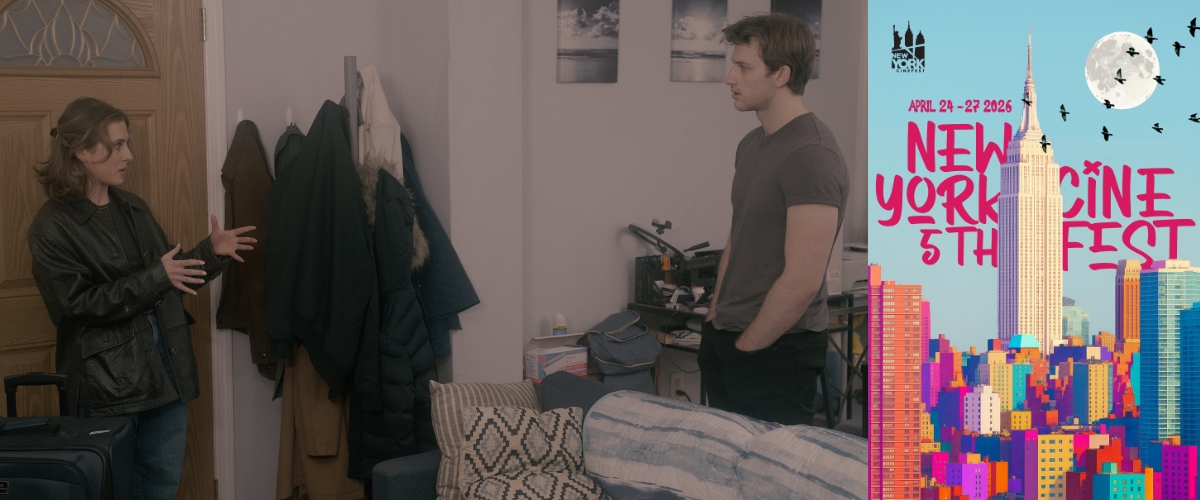
Photo Courtesy: Jeffrey Moore / Ricky Whitcomb
How Does the Film Capture the Energy of New York?
Quinn Nehr, Jacquie Bonnet, Mateo Parodi, Scott Keyes, Logan McKenzie, Michael Jayson, and Kait Dieppa anchor an ensemble cast playing the kind of tight-knit circle that forms naturally among transplants and service-industry workers in the city. Bartenders, servers, dreamers still chasing creative ambitions, and people quietly running the math on whether they can afford another year. Each character starts as a recognizable type and then, scene by scene, reveals something more complicated underneath.
Moore keeps his camera close. Handheld shots trail the characters through crowded rooms and down lamp-lit streets, and the pacing stays conversational even when emotions run high. Film Critical Space noted that the bright color palette and neon lighting mirror both the frenzy and the magnetism of the city, while the sound design shifts cleanly between dialogue-heavy scenes and loud, festive moments. The combined effect drops the audience right into the middle of the night rather than observing it from a distance.
That immersive quality sets TIMINGS apart from most ensemble dramedies. You do not want to watch these friends have their last night out. You feel like you are there, nursing a drink at the end of the bar, catching fragments of their conversations.
Who Are the Filmmakers Behind the Camera?
Moore grew up in Ohio before settling in New York City, where he founded Axtravaganza Films in 2008. Over more than two decades, he has produced and directed upwards of 100 music videos, frequently working with skeleton crews or handling every production role himself. That background gave him fluency across concept development, shooting, lighting, and post-production. He is also an associate member of the Society of Camera Operators. TIMINGS marks his feature film directorial debut, and his years of music video work show up in the rhythmic editing and strong visual instincts on display throughout the film.
Nicole Madar produced. Her career spans film, theater, and corporate project management, with credits including Technical Director at the Lee Strasberg Theatre and Film Institute, Tour Manager for StarQuest International Dance Competitions, and Associate Production Manager at TINC Productions. Like Moore and Whitcomb, she is making her feature film debut with TIMINGS.
Three first-timers at the feature level might raise eyebrows on paper. On screen, the combination of Moore’s visual confidence, Whitcomb’s ear for authentic dialogue, and Madar’s production discipline holds together with a cohesion that belies the team’s indie-scale resources.
A Soundtrack Pulled Straight from the City’s Music Scene
Every song in TIMINGS comes from a New York City-based independent artist. No licensed catalog tracks. No studio-commissioned score. The filmmakers went directly to the city’s own music community and built the entire sonic world of the film from what they found there.
Ellajay, a vocalist whose collaborations stretch across indie pop and electronic folk, contributed alongside Elijah Mann. Mann is a Brooklyn-based electro-folk singer-songwriter who has played rooms like Rockwood Music Hall and The Bowery Electric, and his blend of Americana and electronic textures brings genuine emotional warmth to the scenes he scores. Adam Tilzer, a composer and musician with credits in both film and independent releases, also provided music. His production work has connected many of the artists on the TIMINGS soundtrack, and that web of real-life collaboration mirrors the interconnected friend group at the center of the story.
Kiirstin Marilyn, Jordan Popky, and Trophy Wife bring sounds ranging from indie rock to atmospheric pop. MCCB, Balcony Talk, Reliant Tom, and Spirits of Leo each add their own distinct texture. Ten acts in total, all rooted in the same city that the film portrays.
The payoff is a soundtrack that does not sit passively behind the action. When a scene unfolds inside a bar or spills onto a late-night sidewalk, the music sounds like something you would actually hear walking past a venue on Avenue A or stumbling into a basement show in Bushwick. It makes the world of the film feel specific and lived-in rather than scored and polished.
Where and When to See TIMINGS
New York CineFest is entering its fifth year as a platform for independent filmmakers, and TIMINGS screens as part of the festival’s April lineup. The premiere takes place Saturday, April 25th at 4:15 PM at Cinema Village, the historic independent cinema on East 12th Street in Manhattan. Few venues in the city carry the same association with independent and international film, making it a natural home for a movie this deeply rooted in New York’s creative fabric.
New York CineFest operates as the sister festival to the NoHo CineFest in Los Angeles. Over its first four years, the festival has earned a reputation for thoughtful programming and a networking environment that draws engaged audiences alongside industry professionals.
Tickets are available now through the festival’s ticketing platform. A preview of the film’s tone and visual style is up on YouTube via the official trailer.
Why This Film Hits Different Right Now
New York has watched wave after wave of departures in recent years. Rising costs, shifting priorities, pandemic-era recalibrations of what people want from their daily lives. The decision to stay or leave has become one of the defining conversations of this generation of New Yorkers, and TIMINGS does not try to answer that question. It sits with the feeling instead.
What the film captures better than almost anything else in recent indie cinema is the specific ache of knowing a group will never be exactly the same again. The friend who leaves changes the geometry of every remaining relationship. Inside jokes lose their context. The booth at the regular spot feels emptier than it should. Moore and Whitcomb understood that, and they built a film around the hours just before that shift became permanent.
Paired with a soundtrack that could only have come from the streets of this city, TIMINGS is indie filmmaking with a real sense of place and a genuine emotional center. For anyone who has loved New York and wondered how much longer they could hold on, or watched a friend tape up boxes and head for somewhere quieter, this film has something honest to say about what gets left behind.