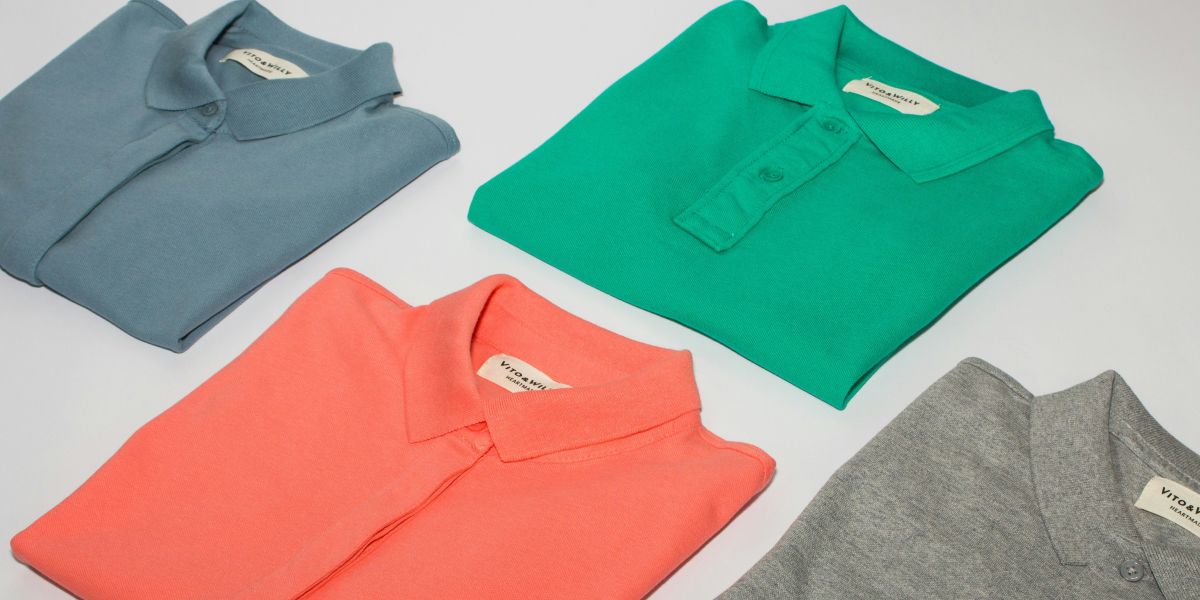
Smart Branding: Why Totally Branded Polo Shirts are the Standard for Modern Teams

Table of Contents

  1. Introduction
  2. The Importance of Branding in Today’s Market
  3. Understanding Polo Shirts as a Branding Tool
  4. The Benefits of Branded Polo Shirts
  5. Totally Branded: A Leader in Custom Apparel
  6. Case Studies: Successful Branding with Polo Shirts
  7. Choosing the Right Polo Shirt for Your Team
  8. Designing Effective Branded Apparel
  9. Maintaining Your Brand Image through Apparel
  10. Future Trends in Corporate Branding

Introduction

In an era where brands compete fiercely for consumer attention, effective branding has become paramount. Smart branding strategies can help create recognition and potentially foster loyalty among customers and employees alike. One of the most effective tools in a company’s branding arsenal is apparel, particularly branded polo shirts. This article explores why totally branded polo shirts have become a popular choice for modern teams, highlighting their role in enhancing brand visibility and cohesion.

The Importance of Branding in Today’s Market

Branding extends beyond just a logo or a catchy tagline; it encompasses the entire experience a customer has with a company. In today’s marketplace, where consumers are inundated with choices, strong branding may help differentiate one business from another. Companies that invest in thoughtful branding strategies often enjoy:

  1. Increased customer loyalty
  2. Higher perceived value
  3. Enhanced credibility and trust
  4. Greater employee pride and engagement

In this environment, branded apparel serves as a tangible expression of a company’s identity, reinforcing its values and message.

Understanding Polo Shirts as a Branding Tool

Polo shirts have transcended their origins as sportswear to become versatile pieces that can be worn in various settings, from casual outings to corporate environments. Their popularity stems from several factors:

  1. Comfort: Made from breathable fabrics, polo shirts provide comfort without sacrificing style.
  2. Versatility: They can be worn on numerous occasions, making them suitable for both formal and informal settings.
  3. Style: With various colors and styles available, they offer ample opportunity for customization.

These characteristics make polo shirts an ideal canvas for branding efforts.

The Benefits of Branded Polo Shirts

When businesses choose to incorporate branded polo shirts into their uniform or promotional strategy, they can unlock numerous benefits:

  1. Enhanced Visibility: Employees wearing branded apparel act as walking advertisements for the company.
  2. Team Cohesion: Uniforms can foster a sense of belonging among team members, potentially enhancing collaboration.
  3. Professional Appearance: Well-designed polo shirts may project professionalism, helping to build trust with clients.
  4. Cost-Effective Marketing: Once produced, branded apparel continues to promote the brand without ongoing costs.

The implications of these benefits extend beyond mere aesthetics; they impact employee morale, customer perceptions, and overall business success.

Totally Branded: A Leader in Custom Apparel

When it comes to customizing polo shirts that may represent your brand identity, Totally Branded stands out as a notable provider in the industry. Offering a wide range of high-quality materials and customization options, Totally Branded can help your team’s apparel align well with your brand’s ethos and aesthetic.

Their commitment to quality means that businesses can expect durable products that are likely to maintain their appearance even after multiple washes, a crucial factor for maintaining a professional image.

Case Studies: Successful Branding with Polo Shirts

Numerous companies have successfully utilized branded polo shirts to enhance their corporate identity and market presence:

  1. Tech Startups: Many emerging tech companies have adopted branded polo shirts for their employees during trade shows and networking events. This creates a unified look that signals professionalism while allowing individual personalities to shine through subtle design choices.
  2. Non-Profits: Organizations often use branded polo shirts during fundraising events or community outreach programs to enhance visibility and promote their missions effectively.
  3. Retail Chains: Retail companies frequently equip their staff with branded apparel to create a consistent customer experience across different locations.

Each case illustrates how tailored apparel can amplify brand messaging while fostering community among team members.

Choosing the Right Polo Shirt for Your Team

Selecting the perfect polo shirt requires careful consideration of various factors:

  1. Fabric Quality: Opt for breathable materials like cotton or polyester blends to help ensure comfort throughout the day.
  2. Fit and Style: Choose styles that cater to different body types and personal preferences to accommodate all team members.
  3. Color Scheme: Ensure that color choices align with your brand’s palette while being versatile enough for various occasions.
  4. Customization Options: Assess embroidery or printing options available through providers like Totally Branded to ensure your logo is represented correctly.

By keeping these elements in mind, you should be able to select polo shirts that not only look good but also resonate with your brand’s identity.

Designing Effective Branded Apparel

Designing an appealing polo shirt involves more than just slapping on a logo; it requires thoughtful consideration about how design elements convey your brand’s message:

  1. Logo Placement: Consider where your logo will be placed; over the heart is traditional, but options like sleeves or back collars may create visual interest.
  2. Typography: If text accompanies your logo, ensure that fonts are legible and reflect your brand’s personality.
  3. Color Psychology: Colors evoke emotions; thus, choose hues that align with your brand’s message while appealing to your target audience.
  4. Feedback Loop: Engage team members in the design process; their input may lead to greater acceptance and pride in wearing the apparel.

A well-designed shirt not only looks appealing but also cultivates team spirit and reflects core values.

Maintaining Your Brand Image through Apparel

Once your team is dressed in branded polo shirts, maintaining this image requires ongoing effort:

  1. Care Instructions: Provide clear guidelines on washing and care to help maximize longevity.
  2. Replacement Plan: Establish protocols for replacing worn-out items to maintain a polished appearance at all times.
  3. Regular Updates: Refresh designs periodically to keep up with evolving trends while staying true to your brand identity.

By prioritizing maintenance, companies can help ensure that their branding efforts remain effective over time.

Future Trends in Corporate Branding

As we look ahead, several trends are likely to shape the future of corporate branding through apparel:

  1. Sustainability: Eco-friendly materials are gaining popularity among consumers who prioritize environmental responsibility.
  2. Inclusivity in Design: Brands are increasingly recognizing the need for designs that cater to diverse body types and preferences.
  3. Technology Integration: Incorporating smart textiles or QR codes into apparel could create interactive experiences for consumers.

Staying ahead of these trends will help empower brands to remain relevant while continuing to engage their audiences effectively.

The evolution of branding strategies continues to highlight the importance of cohesive visual identity across various platforms, including apparel like polo shirts from providers such as Totally Branded. Embracing these strategies not only strengthens team spirit but also may elevate overall brand perception in an ever-competitive marketplace. By investing wisely in branded clothing solutions today, businesses could lay the groundwork for enduring success tomorrow.
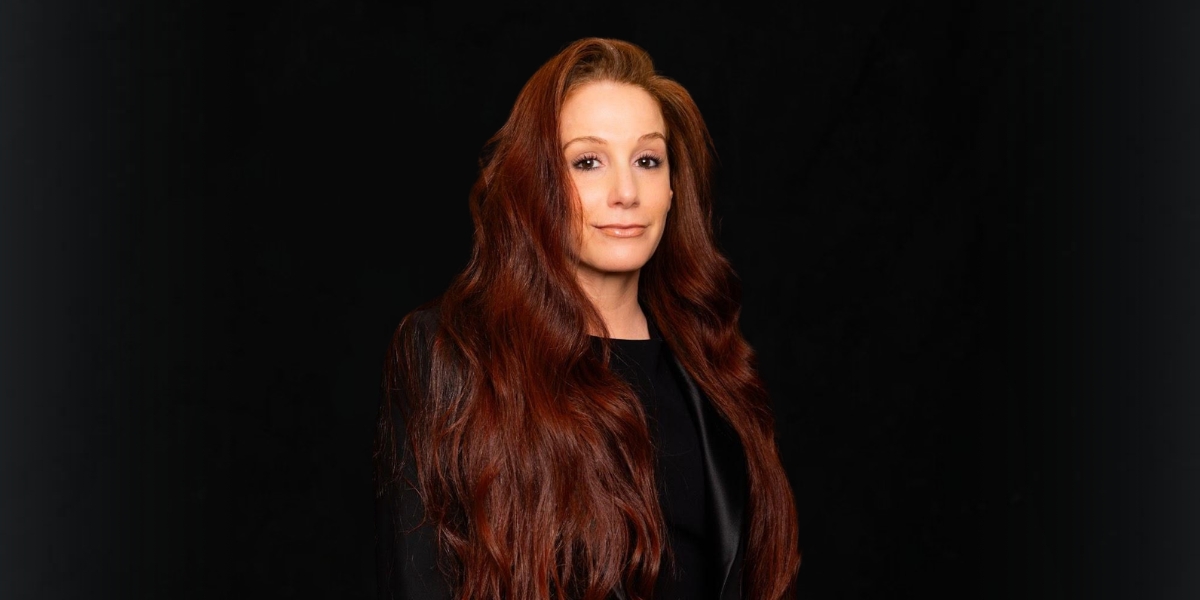

Beyond Hiring Metrics: Katie Warnock on How Vendor Decisions Can Elevate DEI Commitments in Nonprofits

By: Matt Emma

Diversity, Equity, and Inclusion (DEI) has become a defining priority for nonprofits and charter schools, particularly in how they recruit and support diverse communities. Yet, according to Katie Warnock, CEO of Staffing Boutique, the conversation often stops short of where its impact could be most meaningful. She explains that while organizations invest in building diverse teams, fewer examine whether their vendor relationships reflect the same values, creating a disconnect between intention and execution.

Staffing Boutique operates within the nonprofit and charter school sector, supporting organizations with recruitment strategies tailored to education and mission-driven environments. With more than two decades of experience in this space, Warnock has developed a perspective shaped by direct involvement in hiring, operations, and day-to-day client engagement. She frames her work as embedded, allowing her to see patterns as they emerge and evolve.

From her perspective, DEI has not diminished in importance within nonprofits. Instead, she notes that it remains deeply embedded in hiring practices and public-facing messaging. However, she suggests that organizations consider whether those commitments extend beyond staffing. “If you are committed to diversity in your hiring, but your vendors do not reflect those same values, then you may be addressing only part of the equation,” Warnock explains. “DEI should be reflected in every operational decision, not just those tied to workforce composition.”

She suggests that this gap is not always intentional. Many organizations treat hiring and vendor selection as separate functions, without recognizing how both contribute to broader economic inclusion. Warnock observes that partnerships with large, private equity-backed firms often feel like the default choice, particularly when board networks or existing relationships influence decisions. At the same time, she encourages organizations to consider how these choices could shape opportunities within their ecosystem.

Her argument is also grounded in economic impact. According to a report, companies in the top quartile for ethnic diversity are 36% more likely to outperform financially, reinforcing the broader value of inclusive practices. Warnock connects this idea to vendor selection, suggesting that extending inclusion to procurement can create additional pathways for underrepresented businesses to participate in economic growth. In her view, this is where DEI moves from principle to practice.

She also points to policy frameworks that reinforce this approach. New York State Executive Law Article 15-A establishes requirements for state agencies to promote participation from minority and women-owned business enterprises in public contracting, covering everything from contracts and subcontracts to certain areas of procurement. The legislation not only sets participation goals but also introduces mechanisms such as certification programs and oversight through the Division of Minority and Women’s Business Development, aiming to ensure that these opportunities are structured and measurable.

Warnock suggests that frameworks like this demonstrate how DEI can move beyond intent and into operational accountability. She notes that incorporating these considerations into budgets as a defined line item helps ensure that inclusion is not treated as an afterthought, but as a planned and trackable component of organizational strategy.

In ongoing conversations across the sector, Warnock notes that the reactions have consistently reinforced the gap she focused on. “The feedback has further supported what I have seen firsthand for years,” she says. “There are businesses ready to contribute, but they are not always given a seat at the table.”

Her connection to New York City adds another layer to her viewpoint. Having built her career within the city’s nonprofit and education ecosystem, Warnock is closely tied to the communities she serves. She references her familiarity with local schools, neighborhoods, and networks as part of what informs her approach. This proximity, she explains, reinforces the importance of aligning organizational values with real-world impact, particularly in communities where those decisions are felt most directly.

At its core, her message is a call for reflection rather than criticism. Warnock suggests that organizations take a closer look at how their values are expressed across all aspects of their work, from hiring to partnerships. “DEI is not something that should only exist in mission statements or internal policies,” she explains. “It has to show up in how decisions are made every day, including who you choose to work with.”

As nonprofits continue to navigate evolving expectations around inclusion, her perspective introduces a broader lens. By extending DEI beyond hiring and into operational choices, organizations may find new ways to align their actions with their stated commitments, creating a more consistent and comprehensive approach to inclusion.

The “Better Bundle” Thesis: How LocalPlay TV Is Rebuilding Local Broadcast in the Streaming Economy

In the modern media landscape, streaming has reshaped how audiences consume entertainment, yet it has not fully replaced one of the most enduring pillars of American television: local broadcast. While on-demand platforms have expanded choice and convenience, access to live sports, national events, and trusted local news has become increasingly fragmented and sometimes more expensive and inefficient than consumers may have expected. LocalPlay TV is positioning itself within this gap, not as a content provider, but as an infrastructure company focused on restoring access through architectural precision.

At its core, LocalPlay TV is built on a simple premise. Local broadcast television has never disappeared. It continues to deliver some of the most-watched programming in the country, including major sporting events, primetime network programming, and critical community information. What has changed is the method of access. For many households, receiving these broadcasts now requires either a technical antenna setup or a return to bundled services that may reintroduce higher costs, long-term commitments, and unnecessary complexity.

LocalPlay TV approaches this challenge by focusing on infrastructure rather than aggregation. The company provides access to facilities that allow subscribers to operate their own over-the-air television receivers across devices they already use, including smart televisions, mobile phones, and streaming platforms. This model intends to maintain the traditional mechanics of broadcast reception while aligning with modern consumption habits, delivering a more efficient and lower-cost path to access.

This distinction is central to the company’s positioning. LocalPlay TV does not create, curate, retransmit, or store programming. Instead, it supports an environment where subscribers receive broadcasts as they are transmitted by local stations. The architecture is designed to preserve the integrity of the broadcast system while eliminating the friction that has made local television feel increasingly disconnected from a streaming-first world.

From a business perspective, this infrastructure-first approach reflects a broader trend in the media economy. As content platforms compete for exclusivity and attention, they have increasingly moved away from local access, despite its continued importance to viewers. This creates a new category where infrastructure, not content ownership, becomes the critical control point. LocalPlay TV’s model aligns with this shift, emphasizing compliance, operational clarity, and scalable access over content acquisition. In this context, efficiency becomes economic: reducing the cost of access without requiring control of the content itself.

The company’s “Better TV Bundle” concept reflects this approach. Rather than replacing existing streaming subscriptions, it aims to complement them. Consumers can maintain control over their entertainment stack, combining on-demand services such as Netflix and Amazon Prime Video with access to live local broadcast television, without reverting to high-cost legacy bundles. The result is not a return to cable, but a more precise and cost-efficient version of the bundle, aligned with how audiences already choose to watch.

Ease of use has also been a defining factor in the platform’s development. Traditional over-the-air setups often involve installation challenges, signal calibration, and ongoing maintenance, steps that many modern consumers are unwilling to manage. By removing these physical barriers while preserving individual control of reception, LocalPlay TV seeks to make local broadcast access more convenient and economically accessible for a broader audience.

For investors and industry observers, the company represents a disciplined approach to innovation. Rather than attempting to redefine broadcasting, it reinforces the existing system through infrastructure that adapts to contemporary device ecosystems. The focus is not on disruption for its own sake, but on solving a structural inefficiency that has emerged in the transition to streaming.

As the television ecosystem continues to fragment, the importance of foundational access becomes more apparent. LocalPlay TV is building within that foundation, operating on the belief that long-term value may lie in enabling more efficient access, not controlling it. In doing so, it contributes to a model where streaming convenience and local broadcast accessibility are no longer in conflict, but may be integrated into a single, coherent viewing experience.

Culprit Underwear: Printed Booty Shorts, Bras, and… Boxers for Women?

Culprit Underwear began with a simple observation: men often found it challenging to find underwear that offered both comfort and personality. The available styles were either made of cotton but lacked style or featured unappealing prints with uncomfortable fabrics, often feeling more like plastic. There was a noticeable gap in the market for a balance of comfort, natural breathability, and personality.

The founders sought to create underwear that would support you, move with you, and bring a smile to your face. Since they could not find a product with these qualities in one place, Culprit introduced a new approach.

They started by designing men’s boxer briefs using premium, sustainably harvested micromodal fabric that offered exceptional softness. They also developed prints with humor and attitude. Customers who wanted expressive options could finally find underwear that was not only comfortable but also matched their personalities. These prints were distinctive, as each one told a story, helping Culprit stand apart from competitors.

As the brand grew, something interesting happened. Women started purchasing the men’s boxers for themselves. Many loved the relaxed fit and breathable fabric, which helped Culprit gain attention from customers searching for boxers for women. This feedback led the team to explore creating a dedicated line for women. They hired a designer and developed a version of women’s boxers shaped specifically for women’s bodies.

This led to the release of LadyBoxers, which has since become a popular choice among customers seeking ladies’ boxers, printed boxers for women, and women’s lounge shorts. The launch video received over 13 million organic views, suggesting how strongly the concept resonated with audiences.

A Brand Built Without a Safety Net

Culprit’s story did not stem from a traditional business background. The founders previously worked in commercial production, rather than fashion or direct-to-consumer operations. Investors were initially hesitant, so the company had to be bootstrapped from the beginning. Early cash limitations led to production delays and required the team to grow at a steady pace. Instead of allowing these challenges to slow their progress, they focused on staying efficient and maintaining product quality.

Their commitment helped create real momentum. Culprit received recognition in Forbes 30 Under 30 for marketing and from Inc 5000 for being one of the best places to work. The launch video released during lockdown gained over 4 million views. Customers searching for boy shorts for women, women’s boxer briefs, and ladies’ boxer briefs found a brand that paired comfort with personality.

Two Real-Life “Culprit Capers”

Culprit Underwear: Printed Booty Shorts, Bras, and… Boxers for Women?

Photo Courtesy: Culprit Underwear

Culprit’s playful attitude can also be seen in their real-life experiences. During the early days of the pandemic, the factory producing their ladies’ boxer underwear shut down. Their fabric was locked inside. To keep his company moving forward, founder Dylan Trussell embarked on a rescue mission to retrieve their materials. They still look back on that day as their first unofficial “Culprit caper.”

Their second caper occurred a few years later during peak season. Their fulfillment warehouse went bankrupt during Thanksgiving weekend. With holiday orders approaching, they had to move everything to a new location immediately.

They called their plan S.T.E.A.L., which stood for Strategically Transfer Everything to an Alternate Location. A security guard stopped them mid-move and asked for proof that the inventory belonged to them. The team lifted their waistbands to reveal “Culprit” written on the elastic, and the guard ended up assisting them with the move. This experience highlighted the brand’s resilience and humor during stressful moments.

Boxer Briefs for Women: The Philosophy That Makes Culprit Different

Culprit offers something distinctive. Their philosophy brings softness together with prints that feature personality and detailed storytelling. Whether someone is looking for booty shorts, women’s boxer briefs, women’s boxer shorts, women’s plus-size boxer underwear, or boxer briefs for women, they discover designs that are playful and bold while prioritizing comfort.

Ladies’ Boxer Shorts and More: Looking Ahead to Full Apparel Comfort

Culprit Underwear: Printed Booty Shorts, Bras, and… Boxers for Women?

Photo Courtesy: Culprit Underwear

The team plans to expand Culprit’s signature micromodal fabric into sweatpants, hoodies, and t-shirts. Their goal is to bring the same level of comfort to everyday clothing. Customers who enjoy ladies’ boxer shorts, women’s boxer briefs, or women’s boxer underwear may find a complete selection of soft apparel following the same thoughtful approach.

Culprit Underwear continues to show that underwear can feel comfortable and express personality at the same time. By listening to their customers, staying creative, and approaching challenges with determination and humor, they have created a brand that appeals to anyone who wants comfort with character.