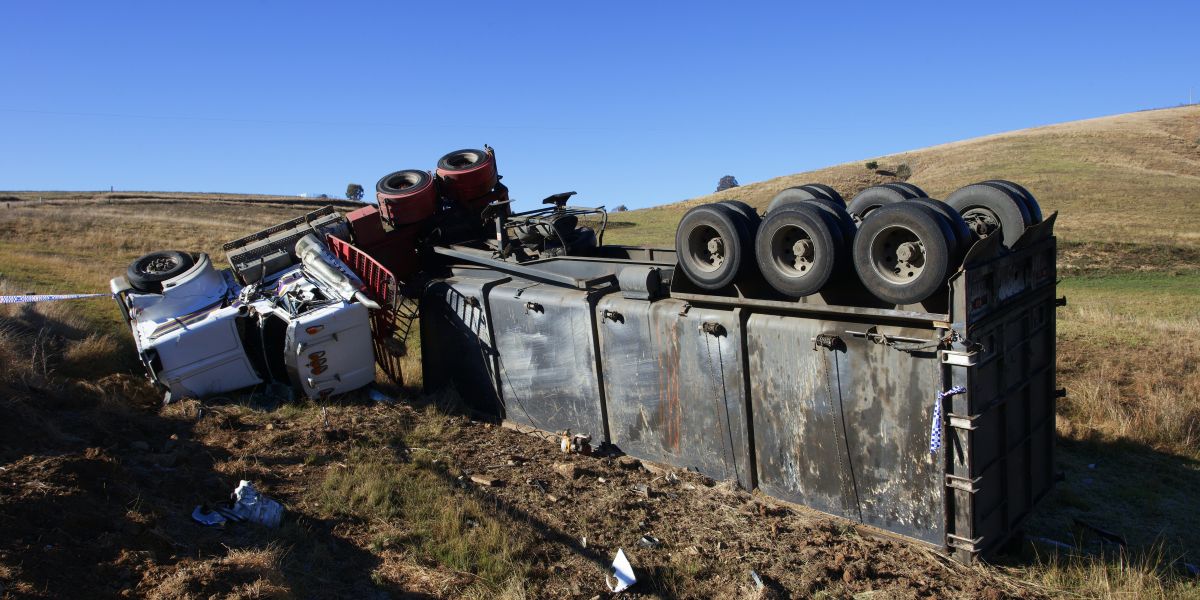
After a car accident, it is completely normal to feel overwhelmed. One minute you are driving through Charlotte on your usual route, and the next you are dealing with vehicle damage, medical appointments, and calls from insurance adjusters. In the middle of all that, trying to figure out your legal rights can feel like just one more burden. Many people are unsure where to even begin when they need to find car accident attorney in Charlotte who truly understands what they are going through.
The reality is that every accident brings its own set of questions. Who pays for the medical bills? What if injuries show up days later? What happens if the insurance company offers a settlement that feels too low? Speaking with a Charlotte Car Accident Lawyer can help you make sense of your options and protect your interests before you sign anything or make statements that could affect your claim.
Working with a Car Accident Law Firm in North Carolina does not have to feel intimidating. A simple phone call can give you clarity and direction. Firms like Rosensteel Fleishman Car Accident & Injury Lawyers in Charlotte focus on helping injured individuals understand their legal options in plain English. Reaching out for a consultation can give you peace of mind and help you decide what steps make sense for your situation.
Why It Matters to Work With a Car Accident Lawyer in Charlotte
When you are injured in a crash, local experience makes a meaningful difference. A Car Accident Lawyer in Charlotte understands North Carolina traffic laws, insurance requirements, and how local courts typically handle injury claims. This familiarity allows your attorney to anticipate potential challenges and build a case that reflects the realities of the Charlotte legal system.
Insurance companies often move quickly after an accident. Their goal is to limit payouts, even when you are facing ongoing medical treatment or time away from work. A Car Accident Attorney in Charlotte, NC can step in early, communicate directly with insurance representatives, and help ensure that you are not pressured into accepting an unfair settlement. Having someone on your side who regularly handles these cases can help level the playing field.
Beyond legal knowledge, there is also value in having a Charlotte lawyer who understands the community. From busy intersections on Independence Boulevard to heavy traffic near Uptown, local attorneys know the common causes of collisions in the area. That insight can help strengthen your claim and present a clearer picture of how the accident happened.
Understanding North Carolina Liability Rules
North Carolina follows a contributory negligence rule. This means that if you are found even partially at fault for the accident, you could be barred from recovering compensation. That standard makes it especially important to work with a Car Accident Lawyer who can carefully investigate the crash, gather evidence, and protect you from unfair blame.
Your attorney may review police reports, speak with witnesses, examine medical records, and consult accident reconstruction professionals when necessary. They look closely at details such as traffic signals, weather conditions, and driver behavior. Small facts can make a significant difference under North Carolina law.
Having legal guidance early on helps avoid costly mistakes. Something as simple as an offhand comment to an insurance adjuster could later be used to argue that you were partially responsible. With the support of a knowledgeable Attorney in Charlotte, you can move forward with greater confidence.
Key Factors to Consider When You Search for Legal Help
Choosing the right legal representation is a personal decision. While many firms advertise their services, it helps to look beyond slogans and focus on practical considerations. Finding a Car Accident Lawyer who communicates clearly and treats you with respect can make the entire process less stressful.
You may want to consider factors such as:
- Experience handling car accident claims in North Carolina
- Clear explanations of fees and contingency arrangements
- Availability to answer questions and return calls
- A track record of resolving cases through negotiation or litigation
- Comfort level during your initial consultation
A consultation is your opportunity to ask questions and see whether the attorney listens to your concerns. Do they explain the process in plain terms? Do they outline possible outcomes without making unrealistic promises? These conversations can give you a better sense of whether the firm is a good fit for your needs.
It is also important to look at how the firm approaches client relationships. A Car Accident Attorney in Charlotte, NC should make you feel heard. Accidents affect more than just your vehicle. They impact your health, your finances, and your family life. An attorney who takes time to understand those effects can build a stronger claim on your behalf.
Questions to Ask During Your Consultation
During your first meeting, consider asking how the firm evaluates damages, including medical expenses, lost wages, and pain and suffering. You can also ask how long cases like yours typically take and what role you will play in the process.
Clarity around communication is essential. Ask who will handle your case day to day and how often you can expect updates. Understanding these details from the start helps set realistic expectations and builds trust between you and your legal team.
How Rosensteel Fleishman Supports Injury Victims in Charlotte
Rosensteel Fleishman Car Accident & Injury Lawyers is based in Charlotte and focuses on helping individuals recover after serious accidents. Attorneys Corey Rosensteel and Matthew Fleishman have spent years working with clients who are dealing with medical treatments, vehicle repairs, and the emotional stress that follows a crash. Their approach centers on listening first and then developing a strategy tailored to the facts of each case.
One advantage of working with a local firm is accessibility. When you call 1-704-714-1450, you are reaching a team that understands the specific challenges facing accident victims in the area. They are familiar with local courts, insurance adjusters, and common accident patterns throughout Mecklenburg County. That familiarity can help streamline your claim and avoid unnecessary delays.
Clients often appreciate that the firm handles communication with insurance companies directly. Instead of fielding constant calls or worrying about what to say, you can focus on your recovery. A Charlotte Car Accident Lawyer from Rosensteel Fleishman gathers documentation, calculates damages, and negotiates for fair compensation while keeping you informed every step of the way.
The Benefits of Hiring a North Carolina Injury Law Firm Post Accident
Hiring a Car Accident Law Firm in North Carolina after a crash offers several practical benefits. First, it ensures that evidence is preserved quickly. Skid marks fade, witnesses move, and memories change. Acting promptly can protect important details that support your claim.
Second, a local firm understands how to value cases under North Carolina law. Medical costs, rehabilitation, future treatment, and lost earning capacity must all be carefully reviewed. An experienced Car Accident Lawyer evaluates both current and long-term impacts to help pursue compensation that reflects the full scope of your losses.
Finally, working with a Charlotte lawyer provides peace of mind. Instead of guessing about legal deadlines or paperwork, you have guidance from a professional who handles these matters regularly. That support can make a difficult time feel more manageable.
What a Car Accident Attorney in Charlotte Does for Your Case
A Car Accident Attorney in Charlotte, NC takes on more than just paperwork. From the moment you hire them, they begin building a comprehensive picture of what happened and how it has affected your life. This includes reviewing medical records, calculating financial losses, and assessing non-economic damages such as pain and suffering.
Your attorney also communicates with opposing counsel and insurance companies. Negotiations can be complex, especially when liability is disputed. Having a Car Accident Lawyer represent you sends a clear message that you are serious about protecting your rights. It often leads to more thoughtful settlement discussions.
If a fair resolution cannot be reached through negotiation, your attorney can file a lawsuit and prepare for court. While many cases settle before trial, being prepared to litigate strengthens your position. A well prepared Attorney in Charlotte understands courtroom procedures and can present your case clearly if needed.
How a Personal Injury Attorney Can Be Helpful After a Personal Injury Accident in Charlotte, NC
After a serious crash, you may be dealing with physical pain, emotional stress, and financial uncertainty. A personal injury attorney helps organize the legal side of your recovery so you can focus on healing. They track medical expenses, coordinate with healthcare providers, and document how your injuries affect your daily life.
In some cases, injuries do not fully appear until days or weeks after the accident. A knowledgeable Car Accident Lawyer recognizes this pattern and advises clients not to settle too quickly. Rushing into an agreement could leave you responsible for future medical bills.
Having someone who understands both the legal and human side of injury claims can make a real difference. Clients often find comfort in knowing that their concerns are taken seriously and that they have a clear plan moving forward.
Taking the First Step Toward Clarity and Support
Finding the right legal help after a crash does not have to be complicated. It starts with a conversation. Whether you were rear-ended at a stoplight or involved in a more serious collision on a Charlotte highway, understanding your options can reduce uncertainty and help you make informed decisions.
Our Law Firm’s Charlotte Office Location
Rosensteel Fleishman Car Accident & Injury Lawyers offers free consultations for individuals injured in accidents. That initial call allows you to explain what happened and ask questions without pressure. As Corey Rosensteel often tells clients, “Our job is to help people understand their rights and feel confident about the decisions they make.” That straightforward approach reflects the firm’s commitment to clear communication and client care.
If you are unsure about your next step, reaching out to a Charlotte Car Accident Lawyer can provide reassurance. Calling 1-704-714-1450 connects you with a team ready to listen and explain how the legal process works in your situation.
Call Rosensteel Fleishman for Guidance After Your Charlotte Accident
A single phone call can make a challenging situation feel more manageable. By contacting Rosensteel Fleishman at 1-704-714-1450, you can discuss your accident, learn about your rights, and decide whether pursuing a claim makes sense for you. Compassionate guidance and clear answers are just a conversation away.
Disclaimer: This article is intended for informational purposes only and does not constitute legal advice. The content presented here is general in nature and may not apply to your specific circumstances. For personalized legal guidance, it is recommended that you consult with a qualified attorney who can assess your situation and provide advice based on your individual needs.