Dr. Robert Melillo Advancing a Universal Understanding of Autism and Giving Voice Without Losing Genius


Dr. Robert Melillo stands as one of the influential figures in the world of autism research and clinical care. For over three decades, his work has focused on one central question that has challenged neuroscience, medicine, and families alike: What is the root cause of autism, and how can it be changed in meaningful, measurable ways?

Dr. Melillo begins with a foundational understanding that the brain and body cannot be studied as separate parts. They function as one integrated system, governed by the brain and nervous system. Achieving this level of understanding requires extensive knowledge of functional neurology, neuroscience, neuroanatomy, neuroimmunology, neurophysiology, and the body’s sensory motor systems. Very few individuals in the world possess this combination of expertise. This comprehensive scientific background is what has allowed Dr. Melillo to ask questions and arrive at answers that may offer insights that others have not yet considered.

Unlike those who study autism exclusively through research or clinical practice, Dr. Melillo works at the intersection of both. He is a researcher, clinician, academic, and educator whose work has influenced how autism is understood and treated globally. His primary focus has been on the most complex and least understood form of the condition, non-speaking autism, often described as one of the greatest mysteries in modern neuroscience.

Through original research and decades of clinical application, Dr. Melillo and his research team have developed and published what is currently considered to be the only universal neurological model of autism. This model proposes an explanation for all presentations across the autism spectrum, their differences, and their shared neurological foundations. It has changed how autism is viewed, not as a collection of unrelated symptoms, but as an integrated developmental condition rooted in how the brain and body mature together.

A Career Dedicated to Understanding the Developing Brain

Dr. Melillo’s academic background reflects his lifelong commitment to understanding brain development from its earliest stages. He holds a PhD in Developmental Cognitive Neuroscience, a master’s degree in Clinical Rehabilitation Neuropsychology, and a doctorate in chiropractic medicine with board certification in neurology. He also completed a fellowship in Childhood Neurodevelopmental Disorders and has spent over 30 years teaching postgraduate education in developmental functional neurology.

In addition to his academic roles, Dr. Melillo directs a research laboratory focused on brain development and rehabilitation sciences. His research has been published extensively in peer-reviewed journals, including the British Medical Journal and the Journal of Autism and Developmental Disabilities. He has authored over 100 scientific papers examining brain development, hemispheric connectivity, and neurodevelopmental disorders.

What distinguishes Dr. Melillo’s work is its consistency and depth. His research questions arise directly from clinical observation, and his clinical methods are continuously refined through scientific study. This direct link between research and real-world outcomes has allowed him to test theories not only in theory but in practice.

A Universal Model of Autism

One of Dr. Melillo’s most significant contributions is the development of a universal neurological model of autism. While many theories focus on genetics, behavior, or isolated brain regions, his model explains autism as a developmental imbalance in brain connectivity and neural networks, particularly between the two hemispheres of the brain.

This model offers insights into:

  • The wide range of abilities and challenges seen across the autism spectrum.

  • Why some individuals develop speech while others do not.

  • Why exceptional strengths and significant challenges often coexist.

  • Why autism presents differently across ages and developmental stages.

  • Why individuals with different genetic profiles may still fit within the same neurological framework.

  • Why biomedical, gut, and neuroimmune symptoms are often secondary effects of a primary neurological imbalance and not the root cause.

Most importantly, this model explains autism as a condition of development, not degeneration. The brain is not broken. It has developed unevenly, most often because certain neural networks are genetically stronger than others. These strengths frequently reflect unusually high abilities, but they also create vulnerabilities in weaker systems.

This distinction is critical because development can be supported and guided, and change is possible.

Understanding Non-Speaking Autism

Non-speaking autism remains one of the most misunderstood conditions in neuroscience. It is often assumed that the inability to speak reflects low intelligence or lack of understanding. Dr. Melillo’s research suggests that this belief may not be accurate.

His findings show that many non-speaking individuals possess strong cognitive abilities, particularly in left-hemisphere functions such as visual reasoning, pattern recognition, and problem-solving. The inability to speak is not due to a lack of language comprehension, but rather a disruption in the brain systems responsible for organizing and coordinating speech.

Dr. Melillo’s research identifies specific developmental disconnections involving neural timing, coordination, and communication between brain regions that interfere with speech production. In simple terms, the brain knows what it wants to say, but the systems required to express it are not always working together effectively.

By clearly explaining what is happening neurologically, his work offers answers to a question that has remained unresolved for decades: why speech is inaccessible despite clear awareness and intelligence. This understanding has changed how non-speaking autism is viewed and treated, replacing assumptions with clarity and evidence.

Addressing the Root Cause, Not the Symptoms

A central principle of Dr. Melillo’s work is that symptoms are not the problem; they are signals. Treating behaviors without addressing the underlying neurological imbalance may only mask the condition.

His approach focuses on identifying and changing the root developmental issues affecting:

  • Brain connectivity and hemispheric balance

  • Neural timing and coordination

  • Sensory and motor integration

  • Brain–body and immune system communication

One area of particular importance in his research is the role of retained primitive reflexes. These early reflexes are meant to disappear as the brain matures. When they persist, they interfere with higher-level skills such as attention, emotional regulation, learning, and speech. Dr. Melillo’s research has shown strong associations between retained primitive reflexes and altered hemispheric connectivity in autism spectrum disorders.

By addressing these foundational issues, meaningful neurological change is possible.

The Melillo Method: A Comprehensive, Measurable Approach

The Melillo Method is the clinical application of this research. The Melillo Method 10-Level System is one of the most comprehensive and targeted neurological programs ever developed. Each treatment plan is individually designed based on an extensive neurological examination, functional and cognitive testing, laboratory analysis, and brain mapping.

This program does not manage symptoms. It addresses root causes through objective, goal-directed, daily functional and developmental measurements. Whether delivered in-office, virtually, or through a hybrid model, there is no other program that integrates this level of precision and personalization.

Interventions may include:

  • Movement-based neurological exercises

  • Sensory and cognitive stimulation

  • Targeted neuroimmune therapies

  • Nutritional, dietary, and lifestyle support

  • Non-invasive brain-based therapies

  • Advanced brain stimulation tools

  • Speech and academic therapies

  • Brain-based digital therapies and virtual environments

  • Targeted neurofeedback

Progress is measured objectively through neurological assessments rather than subjective observation alone. The goal is never to change who a person is, but to remove the barriers that may prevent full expression of their abilities.

Preserving Strengths While Creating Access

Dr. Melillo consistently emphasizes that individuals on the autism spectrum are not defined by deficits. Many possess exceptional abilities, particularly in analytical thinking, creativity, memory, and visual processing.

His work seeks to give individuals a voice without diminishing their strengths. By improving neurological and immune balance and creating access to communication, individuals are better able to express their intelligence, personality, and creativity without losing what makes them unique.

Clinical Leadership and Global Impact

Dr. Melillo and his highly trained multidisciplinary team operate specialized clinics in New York City that are rapidly becoming a global destination for families seeking answers beyond conventional approaches. Demand continues to grow, with waiting lists forming as families from around the world seek care based on measurable outcomes.

Beyond clinical work, Dr. Melillo has trained more than 10,000 healthcare professionals globally and continues to educate clinicians through advanced fellowship programs. He has authored a foundational textbook, Neurobehavioral Disorders of Childhood: An Evolutionary Perspective, as well as over eight bestselling books, including Disconnected Kids, now in its third edition and translated into 18 languages.

In response to growing international demand, Dr. Melillo and his team have begun expanding Melillo Method Centers globally. Initial centers are launching in Medellín, Mexico City, and Sydney, with ongoing requests from cities worldwide. The goal is simple: to help ensure access to this approach, whether in New York, virtually, or through dedicated centers around the world.

A Future Built on Understanding, Not Labels

Dr. Robert Melillo’s work represents a shift in how autism is understood — away from labels and limitations, and toward development, clarity, and possibility. By identifying the root neurological causes of autism and demonstrating how they may be addressed in measurable ways, his work provides both explanation and direction.

At its core, this work is grounded in respect: respect for the brain, respect for development, and respect for the individual. The goal has never been to change who someone is, but to help them become the fullest version of themselves.


Disclaimer: The information provided in this article is for educational and informational purposes only and is not intended as medical advice. Always consult with a qualified healthcare professional or physician before making any decisions regarding medical treatment or therapies.


How to Choose the Right Sauna Heater for Your New York Apartment or Home

Building a home sauna in New York City and the surrounding region involves factors and limitations that are rarely encountered in suburban or rural settings. Living space is often tight, aging electrical infrastructure can create limitations, and close proximity to neighbors makes sound management essential. Still, many New Yorkers have found ways to incorporate saunas into apartments, brownstones, and private homes by repurposing underused areas like closets, extra bathrooms, and basement corners into relaxing personal retreats.

The heater represents the single most important decision in any sauna build, and New York’s specific constraints make that choice even more critical. Understanding how to navigate space limitations, electrical capacity, and building regulations ensures the investment delivers years of reliable performance without complications.

Understanding New York’s Unique Sauna Challenges

New York’s dense urban environment creates specific challenges for home sauna installations that demand careful planning and heater selection from the very start.

Space Constraints

In New York, every bit of space matters. Many home saunas in city apartments are designed to fit into areas no larger than a small closet. With such compact layouts, the heater needs to operate efficiently without taking up unnecessary room. Wall-mounted models are often preferred over floor-standing options, as they help maximize available floor space for seating and comfort.

Electrical Limitations in Older Buildings

Many New York buildings, particularly brownstones and pre-war apartments, weren’t designed for modern electrical demands. Panels often run close to capacity, and adding a sauna heater requiring 30-50 amp dedicated circuits can push systems beyond their limits. 

Before selecting any heater, verify available electrical capacity with a licensed electrician to prevent expensive surprises. Some buildings may require panel upgrades, while others need new circuits run through walls that can’t easily accommodate new wiring.

Co-op and condo boards add another layer of complexity, often requiring approval for electrical work. Starting the approval process early, before purchasing equipment, prevents frustration and wasted investment.

Ventilation and Building Code Compliance

New York building codes have specific requirements for sauna installations, particularly ventilation, clearances to combustibles, and electrical safety. 

Most residential saunas need dedicated ventilation, either direct venting to outside air or connection to existing HVAC systems. This requirement influences heater placement and sometimes limits where saunas can be built. Working with contractors familiar with New York codes ensures installations meet requirements and pass inspections.

Choosing the Right Heater Type for New York Spaces

Once the constraints are clear, the next decision involves selecting a heater type that works within New York’s practical limitations while still delivering authentic sauna performance.

Electric Sauna Heaters

Electric sauna heaters dominate New York installations for practical reasons. Wood-burning heaters require chimneys and produce smoke, which makes them impractical for most apartment buildings. Gas heaters need gas line access that many buildings don’t have or won’t allow modifications to access. Electric heaters simply plug into (hardwired) electrical service without requiring additional infrastructure.

For New York apartments and homes, electric heaters offer several critical advantages:

  • No ventilation beyond standard sauna requirements: Unlike wood or gas, electric sauna heaters don’t produce combustion byproducts requiring special venting systems.
  • Compact footprint: Modern electric heaters come in space-saving designs specifically engineered for small residential installations.
  • Reliable temperature control: Accurate thermostats keep the temperature steady without the need for frequent adjustments, which is especially helpful when sauna time has to fit into a busy New York lifestyle.
  • Lower installation complexity: While professional installation remains essential, electric heaters avoid the permitting nightmares of adding chimneys or gas lines in multi-unit buildings.

Wall-Mounted vs. Floor-Standing Heaters

For most compact apartment saunas in New York, wall-mounted heaters are often the most practical choice. They mount directly to the wall, freeing up valuable floor space and allowing more room for seating. Residential wall-mounted models are generally designed to provide ample heating power for smaller sauna spaces, delivering efficient and consistent performance without overwhelming the room.

Options like HUUM Drop sauna heaters exemplify this space-saving approach, offering high stone capacity in a wall-mounted design that maximizes floor space while delivering excellent steam quality for urban installations.

Floor-standing heaters are often better suited for more spacious installations, such as basement saunas in Brooklyn brownstones, bonus rooms in outer-borough homes, or larger apartments with dedicated wellness areas. These models typically accommodate a greater volume of sauna stones, which can enhance steam quality (löyly). However, they do require additional floor space, which may be difficult to allocate in many apartment settings.

The trade-off comes down to space versus steam quality. Wall-mounted heaters deliver perfectly acceptable performance for most users, while floor-standing models provide marginally better steam at the cost of precious square footage.

Sizing the Heater Correctly

Even the best heater fails to deliver if it’s incorrectly sized for the space, making accurate capacity calculations critical before making any purchase.

The Calculation That Matters

Heater sizing is generally based on a simple guideline: about one kilowatt of heating power for every fifty cubic feet of sauna space. Calculate the sauna’s cubic footage by multiplying length by width by height in feet to determine the minimum power needed.

New York installations often include features that increase heating demands beyond the basic formula. Glass doors create an open, less claustrophobic feel, which is crucial in small spaces, but glass conducts heat away faster than insulated wood walls. Adding extra heating capacity compensates for heat loss through glass and ensures quick heat-up times.

Undersized heaters struggle in New York’s climate too. Cold winters mean saunas often start from very cold baseline temperatures, requiring more power to reach optimal conditions. A slightly oversized heater reaches temperature faster, saving time for busy professionals who want sauna sessions without extended waiting periods.

Electrical Capacity Reality Check

Before choosing a specific heater, it’s important to confirm that the building’s electrical system can support it. Most high-quality residential sauna heaters require 240V service and a dedicated circuit to operate safely and effectively.

In older buildings, the overall electrical capacity for an apartment may be limited, and adding a sauna circuit could place additional strain on the existing system. A licensed electrician can evaluate whether the current panel can handle the extra load or if upgrades may be required. Clarifying this early in the process helps prevent choosing a heater that may not be compatible with the building’s electrical infrastructure.

Photo: Unsplash.com

Key Features for New York Installations

Certain heater features that might be optional in suburban installations become essential considerations for New York’s unique urban context.

Built-In vs. External Controls

Space-efficient installations benefit from heaters with built-in controls that integrate the timer, temperature adjustment, and safety features into the heater housing itself. This eliminates the need for separate control panels that consume additional wall space and require extra wiring. For tight New York apartments, this simplification matters both aesthetically and practically.

External control panels offer flexibility in placement and often include more advanced features like Wi-Fi connectivity for remote operation. These work well in larger installations where wall space isn’t constrained and where the convenience of preheating the sauna remotely justifies the added complexity.

Safety Features and Auto-Shutoff

Life in New York can be unpredictable, so saunas may go unused for stretches of time during busy periods and then be used more frequently when schedules open up. Reliable safety features protect against accidents during these irregular usage patterns. Automatic shutoff timers prevent heaters from running indefinitely if someone forgets to turn them off. High-temperature safety cutoffs protect against malfunction scenarios.

These features are essential safeguards in multi-unit buildings where equipment failures could affect more than just the owner’s unit.

Installation Considerations

Electrical work involving 240V service must be performed by a licensed electrician, especially when it involves installing new circuits or modifying an electrical panel. Attempting a DIY installation can create issues with building code compliance, permits, and insurance coverage if a problem or claim arises.

Finding electricians experienced with sauna installations helps too. The work involves specific requirements around clearances, wiring methods, and safety devices that general electricians might not encounter regularly.

For co-op and condo owners, it’s important to account for board approval timelines when planning a sauna installation. Some boards meet on a monthly basis and require applications to be submitted well in advance. This review process can extend the overall project schedule, so beginning early helps prevent delays when materials have been purchased but installation must wait for formal approval.

Final Thoughts

Selecting the right sauna heater for a New York home means considering available space, electrical capacity, and building guidelines alongside heating performance. In many apartments, a wall-mounted electric heater provides steady, efficient heat while preserving valuable floor area. Homes with more space, such as those with a basement or extra room, may opt for floor-standing models that can deliver richer steam and a more immersive sauna experience.

The most important step is to understand your limitations before committing to a specific model. Take accurate measurements of your space, confirm your electrical capacity with a qualified professional, and select a heater that fits comfortably within those boundaries. Brands like SaunaHeaters.com can help navigate these New York-specific challenges, as they understand the common constraints of urban installations and can offer models that work within tight spaces and limited electrical capacity.

Many New Yorkers have carved out their own private wellness spaces despite living in some of the most space-limited properties in the world. With thoughtful planning and the right heater selection, enjoying a consistent, restorative sauna session at home can become a practical and attainable goal.

Author Bio

Ryan Williams is a sauna specialist at SaunaHeaters.com who helps customers plan reliable, high-performing sauna heating setups. He advises on heater selection, room sizing, electrical requirements, and installation details to prevent common mistakes that can affect performance or safety. Outside of work, Ryan enjoys playing tennis, hiking trails, spending time with family and friends, hanging out with his dog Ollie, and taking sauna breaks.

The Review Extortion Epidemic Targeting New York Businesses and How Some Are Fighting Back

New York, NY – When a Manhattan massage therapy practice opened its doors one morning, the owner was met with a disturbing scenario: seven one-star Google reviews posted overnight. None of the reviewers was a real customer. Each review was believed to be fraudulent, part of a coordinated effort to extort the business.

By the end of the day, every fake review had been removed.

What happened in between offers a revealing look into a growing problem facing New York businesses, and how those who recognize the signs early and know where to turn can potentially stop the damage before it becomes permanent.

A New Kind of Digital Shakedown

The Review Extortion Epidemic Targeting New York Businesses and How Some Are Fighting Back

Photo Courtesy: Chaz Edward Local Marketing

The attack began subtly. A single one-star review appeared from a name the business owner didn’t recognize. After checking appointment records, it became clear the reviewer had never visited the practice. Less than 24 hours later, six more one-star reviews appeared in rapid succession.

The final review included a message instructing the business to “contact” the reviewer through their Google profile.

It was likely not a coincidence.

This tactic, known as review extortion, is becoming increasingly reported across New York’s small-business ecosystem, from healthcare practices and restaurants to home service providers and professional offices.

How Review Extortion Has Evolved

The Review Extortion Epidemic Targeting New York Businesses and How Some Are Fighting Back

Photo Courtesy: Chaz Edward Local Marketing

Gone are the days of obvious “pay us or else” emails. Today’s review extortionists operate with far greater sophistication.

They post reviews that appear authentically negative at first glance. They stagger submissions to resemble organic dissatisfaction. They use vague language that avoids triggering automated moderation until the final review reveals their intent.

“These aren’t unhappy customers, they’re organized scammers,” explains Chaz Edward, a local search and Google Maps specialist whose agency has managed and analyzed thousands of Google Business Profiles across competitive markets.

“When you observe review behavior at scale, the patterns can be unmistakable,” Edward says. “These actors understand how Google’s trust systems work. They exploit that knowledge just long enough to create panic, and panic is what they seem to monetize.”

The financial impact could be significant. Numerous studies have shown that even a half-star drop in a Google rating can significantly reduce customer trust, visibility, and revenue, a reality extortionists seem to understand all too well. This decline often leads to lost business opportunities and diminished online presence, making it harder for businesses to recover.

Recognizing the Anatomy of an Attack

Early detection is critical. According to reputation specialists, common warning signs can include:

  • Multiple negative reviews were posted within hours or days
  • Reviewer profiles with little or no history
  • Generic complaints lacking specific, verifiable details
  • Reviews from individuals who cannot be confirmed as customers
  • A final review prompting the business to initiate contact

That final point is often the giveaway. Legitimate customers typically expect businesses to reach them through normal support channels. Extortionists, by contrast, usually push owners to initiate private contact through Google profiles, where payment demands could follow. Being aware of these signs is the first step toward preventing significant reputation damage.

How the Manhattan Attack Was Stopped

In the Manhattan case, the business did not attempt to negotiate or respond publicly. Instead, the owner contacted Chaz Edward’s agency, which immediately identified the activity as a coordinated extortion attempt.

The response was swift and methodical.

Edward’s team documented each review, captured timestamps and profile details, and cross-checked customer records to confirm none of the reviewers were legitimate clients. Using Google’s Merchant Extortion reporting process, the agency submitted a formal case outlining the coordinated nature of the attack using Google’s Merchant Extortion Form, while simultaneously flagging each review individually through the business’s Google Business Profile.

Within approximately 90 minutes, the first reviews began disappearing. By the close of business, all seven fraudulent reviews had been removed.

According to Edward, speed and knowing exactly which tools to use made the difference.

Preparing Businesses Before the Next Attack

While rapid intervention can neutralize an active extortion attempt, experts emphasize that prevention and preparedness are just as important. Many businesses are now looking to include review management as part of their ongoing digital marketing strategy. This includes staying updated on best practices, setting up monitoring tools, and training staff to recognize and report suspicious behavior quickly.

To help businesses better understand their options, Edward has made a free Review Extortion Action Sheet publicly available, along with a comprehensive guide outlining 128 ethical methods for addressing and removing fake or harmful reviews. The resource is designed to help business owners recognize extortion patterns early and respond without escalating the situation.

The materials outline practical steps businesses can take before, during, and after an attack, from monitoring review activity and maintaining accurate customer records to understanding Google’s policy-based enforcement mechanisms.

Educating employees on identifying fake reviews has proven to be one of the most effective prevention strategies.

A Growing Threat and a Defensible One

Review extortion is unlikely to disappear anytime soon. As long as online ratings directly influence consumer behavior, bad actors will continue to exploit unfamiliarity and fear.

What has changed is access to information and the ability for businesses to act decisively.

“The biggest advantage extortionists rely on is hesitation,” Edward notes. “When business owners understand what they’re dealing with and how the system actually works, they’re much less vulnerable.”

For New York businesses, the lesson is clear: reputation defense is no longer optional. Knowing how review systems can be manipulated and how to respond may be the difference between a brief disruption and lasting damage.

With proactive measures, businesses can protect themselves from the devastating effects of review extortion.

Media Contact

Chaz Edward
Founder & Local Search Strategist
Chaz Edward Local Marketing
Website: https://chazedward.com
Review Extortion Resource: https://review-guide.chazedward.com/

For media inquiries regarding Google Business Profiles, Google Maps visibility, online reviews, and local reputation management.

Faisal Mushtaq Is Rewriting the Rules of Innovation Conferences With TechCon Global

By: Digital Networking Agency (DNA)

In a time when innovation continues to accelerate rapidly, the platforms meant to support it have often fallen behind. Large industrial shows, exclusive conferences, closed-door investor meetings, and high entry barriers have long shaped the global technology event scene. Faisal Mushtaq experienced that issue firsthand and chose to challenge it.

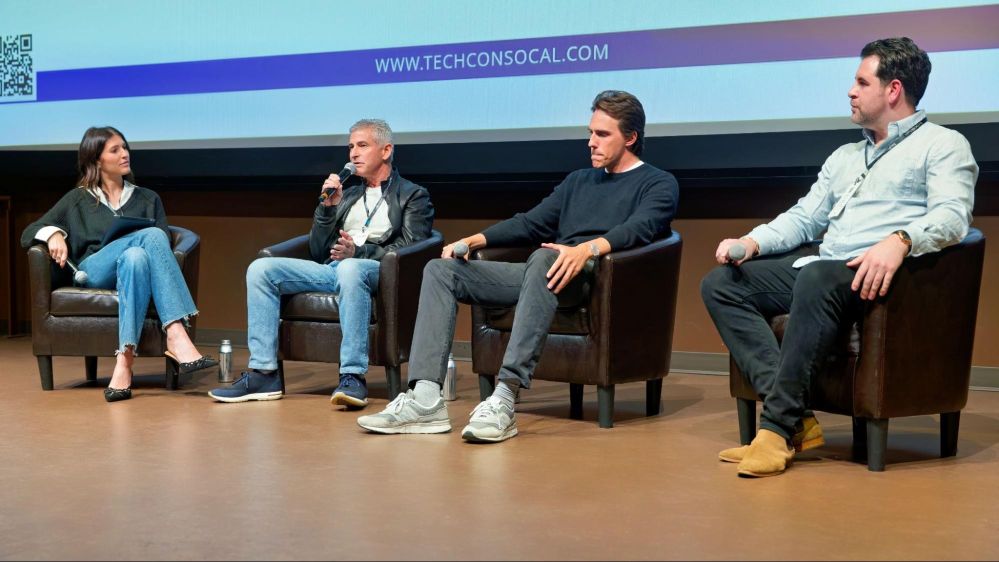
A seasoned technology executive, entrepreneur, investor, and author, Faisal is the Founder and CEO of TechCon Global, a mission-driven platform redefining what innovation conferences can and should be. Rather than functioning as transactional networking events, TechCon Global is designed as a living ecosystem, one that connects founders, investors, universities, and industry leaders with the express goal of driving measurable outcomes.

“Too many great ideas never see the light of day simply because the founders don’t have access,” Faisal says. “TechCon Global was created to bridge that gap.”

From Corporate Leadership to Ecosystem Builder

Faisal’s journey to founding TechCon Global was shaped by decades of experience at the high levels of global technology leadership and multiple successful startups. He has served in executive roles at companies such as Cisco and GlobalLogic (Hitachi Company), and most notably as Chief Technology Officer and Senior Vice President at Sleep Number, where he led major innovation and digital transformation initiatives. In addition, he has played a key role in the success of multiple startups, with hundreds of millions of dollars in M&A transactions.

While operating inside large enterprises, Faisal gained a unique vantage point. He worked closely with startups, academic institutions, and emerging technologies, but repeatedly saw how innovation pipelines favored established players over early-stage founders.

“The system wasn’t broken,” he explains. “But it was incomplete.”

That realization planted the seed for TechCon Global: A platform designed not just to convene conversations but to democratize access to capital, mentorship, and visibility.

A Conference Model Built on Impact 

Faisal Mushtaq Is Rewriting the Rules of Innovation Conferences With TechCon Global

Photo Courtesy: Faisal Mushtaq / TechCon Global

Unlike traditional tech conferences, TechCon Global operates with a mission-first approach. Inclusion, collaboration, learning, and real-world impact sit at the core of its model.

At the heart of TechCon Global is its Startup Innovation Showcase, a curated platform that connects early-stage founders directly with investors, enterprise leaders, and academic partners. The goal is not just exposure, but acceleration helping startups move from concept to capital, and from pitch to partnership.

Faisal’s dual perspective as both a former corporate executive and an active angel investor gives him a rare advantage. He understands what founders need to succeed, and what investors look for when backing innovation.

“We’re not here to sell hope,” he says. “We’re here to build bridges.”

Enabling Learning from Leading Minds

TechCon Global brings together speakers across four distinct personas:

  • Investors from leading venture capital, private equity, and corporate investment firms.  
  • Senior executives (CEOs, CTOs, CIOs, and COOs) from public companies and large private enterprises
  •  Entrepreneurs who have achieved successful exits or are actively scaling high-growth ventures
  • Leaders from academic institutions, incubators, and innovation hubs who are shaping the next generation of founders and technologists

This carefully selected group of speakers shares real-world experiences, insights, and lessons to inform, inspire, and motivate the TechCon Global audience.

Building Communities That Outlast the Event

TechCon Global’s rapid growth reflects that philosophy. What began as a single vision has expanded into a multi-city platform, with major conferences planned for 2026 in San Diego, Austin, and Silicon Valley.

Each event is designed to serve its regional innovation ecosystem while remaining globally connected. Universities, venture firms, corporate partners, and government stakeholders all play an active role in turning TechCon Global into a cross-sector collaboration engine rather than a one-off gathering.

“Our conferences don’t end when the lights go out,” Faisal notes. “They’re designed to spark long-term relationships.”

Elevating Underrepresented Voices in Tech

Faisal Mushtaq Is Rewriting the Rules of Innovation Conferences With TechCon Global

Photo Courtesy: Faisal Mushtaq / TechCon Global

A defining pillar of TechCon Global is its commitment to inclusion. Faisal is intentional about creating platforms for founders and leaders who have historically been overlooked, whether due to geography, background, or lack of institutional access.

“Talent is everywhere,” he says. “Opportunity is not.”

By partnering with universities and community organizations, TechCon Global brings diverse voices into the innovation conversation, ensuring that ideas are evaluated on merit rather than proximity to power.

A Founder With a Long-Term Vision

International expansion is already on the roadmap, along with deeper collaborations with academic institutions and a significant scaling of the Startup Innovation Showcase. The ambition is clear: to help thousands of founders gain access to capital, mentorship, and opportunity.

“I want to build systems that outlast all of us,” he says. “If TechCon Global can help even a fraction of founders succeed who otherwise wouldn’t have had the chance, then we’re doing something right,” Faisal states.

Redefining What Innovation Looks Like

At a time when the global tech industry is reassessing its values from who gets funded to who gets heard, TechCon Global represents a shift toward a more open, collaborative future.

As innovation continues to shape economies and societies, leaders like Faisal Mushtaq are proving that how we convene matters just as much as what we build.

And in that space between ideas and opportunity, TechCon Global is quietly but decisively changing the game.

Computer Vision Syndrome The Modern Challenge Affecting Almost Over 70% of Americans, and One Pharmacist’s Quest to Help His Daughters

By: William Jones

In an age where the average American spends over seven hours daily staring at screens, a silent epidemic is unfolding before our very eyes. Computer Vision Syndrome (CVS), a constellation of eye and vision problems resulting from prolonged digital device use, now reportedly affects more than 70% of the population, making it one of the most widespread health concerns of the 21st century.

The symptoms are familiar to nearly everyone: eye strain, headaches, blurred vision, dry eyes, and neck and shoulder pain. Yet despite its prevalence, CVS remains largely unaddressed in mainstream healthcare, with millions experiencing these issues in silence as they navigate work, school, and leisure.

For pharmacist and father Devan Patel, the crisis became personal when he watched his two daughters struggle with the telltale signs of digital eye fatigue.

“Watching my girls squint at their devices and complain about tired eyes after homework sessions was heartbreaking,” Devan reflects. “As a pharmacist, I understood this wasn’t just about needing a break from screens; this was a legitimate physiological response to our modern lifestyle. I knew something had to be done.”

The CVS Epidemic: A Growing Crisis

The numbers present a concerning reality. Studies indicate that between 70-90% of people who use computers or digital devices for extended periods report some symptoms of Computer Vision Syndrome. For children and adolescents, whose screen time has increased in recent years, the implications are particularly concerning, with potential long-term effects on visual development still being studied.

The pandemic only accelerated this trend. Remote work, virtual schooling, and increased digital entertainment transformed our relationship with screens from significant to inescapable. What was once a concern primarily for office workers has become a common challenge affecting everyone from elementary students to retirees.

A Journey to Japan: Discovering EYEMUSE™

Devan’s search for solutions led him to groundbreaking research emerging from an unexpected source: Kirin Holdings, Ltd. in Japan. While globally recognized for its beverage empire, Kirin has quietly pioneered biotechnology research for decades, and its scientists have developed something remarkable, EYEMUSE™, a patented postbiotic specifically targeting digital eye fatigue.

Unlike traditional probiotics, which contain live bacteria, postbiotics use heat-killed bacterial strains that offer unique health benefits. EYEMUSE™ utilizes heat-killed Lacticaseibacillus paracasei KW3110, a strain that clinical research suggests could significantly reduce severe eye fatigue and discomfort associated with screen time.

“When I learned about EYEMUSE’s clinical research, I was fascinated by the mechanism,” Devan explains. “This postbiotic works by activating immune cells and stimulating IL-10 cytokine production, which helps maintain a balanced immunologic response and reduce digital stress-related eye fatigue. It was addressing CVS from a completely different angle than anything I’d seen before.”

The discovery was so compelling that Devan made an extraordinary decision: he flew to Japan to meet with the research team at their headquarters.

“Meeting the scientific team behind EYEMUSE™ and seeing their research facilities firsthand was incredible,” Devan shares. “The depth of their clinical studies and the rigor of their approach led me to believe this could be truly innovative science.”

A Collaborative Approach to a Modern Problem

Recognizing that addressing Computer Vision Syndrome required comprehensive expertise, Devan partnered with Doctor of Optometry Dr. Sangita Vadapalli to develop a solution that combined cutting-edge science with practical application.

The Eye-Mazen Gummy™ is the first eye health gummy developed to incorporate EYEMUSE’s postbiotic technology, containing also a Patented Cognzin, which was shown in clinical studies to help with attention, focus, and concentration. The product specifically targets the needs of kids, gamers, and business professionals who spend more than six hours daily on computers or digital devices, precisely the populations most affected by CVS.

Clinical studies of the EYEMUSE™ ingredient showed encouraging results, with participants experiencing reduced eye fatigue symptoms, including ocular discomfort and muscle stiffness, the hallmark complaints of Computer Vision Syndrome sufferers.

From Father to Innovator

For Devan, the journey from concerned parent to pioneer in eye health innovation reflects values instilled by his own upbringing.

“My parents taught me early on about hard work, integrity, and truly caring about others’ well-being,” Devan says. “Becoming a father has only deepened my understanding of that responsibility. When I see my daughters taking their daily Eye-Mazen Gummy™ without any fuss, knowing it’s supporting their eye health as they navigate school and homework, that’s when the science truly comes to life.”

As Computer Vision Syndrome continues to affect an ever-growing portion of the population, innovative approaches like postbiotic technology could represent a new frontier in addressing one of modern life’s most pervasive health challenges.

With over 70% of Americans now experiencing CVS symptoms, the question is no longer whether digital eye fatigue is a real problem, but rather, how quickly can science and innovation rise to meet this modern epidemic.


Disclaimer: The information provided in this article is for informational purposes only and is not intended as medical advice. The claims made about the effectiveness of products or treatments have not been evaluated by the Federal Trade Commission (FTC) or other regulatory bodies. Individual results may vary. Always consult with a healthcare professional before making any changes to your health regimen or if you have any concerns regarding your eye health or vision.

NATIONAL CRICKET LEAGUE USA and the 2.5 Billion-Person Sport America Is Finally Learning to See

Cricket doesn’t need an introduction. It already exists, fully formed, deeply loved, and watched by an estimated 2.5 billion people worldwide. It is the rhythm of evenings in India, the backdrop of weekends in the U.K., the heartbeat of communities across the Caribbean, Australia, Africa, and the Middle East. For generations, it has functioned as a shared global language.

What’s new is not cricket’s scale.
What’s new is America’s relationship to it.

In the United States, cricket is no longer just something people bring with them. It’s something being built here intentionally, locally, and with patience. At the center of that effort is National Cricket League USA, which has taken a distinctly American approach to a global sport: build understanding before demanding loyalty.

The National Cricket League USA is not simply importing cricket; it is reshaping how the game fits into American life. Matches are designed to be shorter, more accessible, and easier to follow for first-time viewers. The format respects cricket’s traditions while adapting its pacing, presentation, and atmosphere to align with how American audiences actually watch sports.

This isn’t dilution. It’s translation.

By tightening match windows, blending competition with culture, and placing equal weight on the in-stadium experience and broadcast reach, NCL USA is demonstrating that cricket can thrive in the United States without losing its identity. Longtime fans recognize the game. New fans can enter without intimidation.

That philosophy extends beyond the professional field.

NATIONAL CRICKET LEAGUE USA and the 2.5 Billion-Person Sport America Is Finally Learning to See

Photo Courtesy: NCL USA

Sports cultures don’t begin in stadiums. They begin in parks, in schools, on college campuses, and in neighborhoods where curiosity comes before allegiance.

NCL USA has focused on familiarity before fandom. Youth clinics introduce the game without pretense. Community nights welcome families seeing cricket for the first time alongside those who grew up with it. College partnerships turn discovery into habit. This isn’t about rushing adoption; it’s about building recognition.

At the same time, the audience is already there.

During the NCL USA tournament held in October, the league drew one of the most-watched cricket audiences in the country, with viewership spanning domestic fans and international audiences eager to see how cricket translates on American soil. For global viewers, the appeal was immediate: a beloved sport in a new setting. For American viewers, it was an invitation to watch without needing to already know, to stay long enough to understand.

That dual audience matters. Cricket doesn’t need to prove its global relevance. It needs to establish its domestic one.

The league’s ecosystem extends beyond the professional level. The Collegiate Cricket League plays a critical role in that transition, embedding the sport where experimentation thrives. College campuses are where cricket becomes social, picked up between classes, explained peer to peer, and shared organically. It’s where rules turn into instincts, and curiosity turns into community.

Together, NCL USA and CCL form a pipeline that looks less like a launch and more like a foundation. Youth to college, college to professional, participation in viewership. This is how American sports endure, not through spectacle alone, but through systems that invite people in.

All of this is unfolding with a clear horizon ahead. When cricket takes the global stage at the 2028 Summer Olympics, it won’t arrive as an unfamiliar import. It will arrive with context, played by kids who learned it here, followed by students who watched it here, and supported by fans who have already made room for it.

NATIONAL CRICKET LEAGUE USA and the 2.5 Billion-Person Sport America Is Finally Learning to See

Photo Courtesy: NYSE

Cricket doesn’t need America to validate it.

America, however, is beginning to change what cricket can become.

By building a domestic foundation through the National Cricket League USA, the sport is gaining something it has never fully had before: a lasting American chapter, grown slowly, understood deeply, and connected to a global audience that already numbers in the billions.

That shift doesn’t announce itself loudly.

But it’s the kind that history tends to remember.

Netflix – Members Only: Palm Beach-Gale Brophy — Reality TV Personality & Owner of Estates by Brophy— Invites You to Experience the Catskills’ Luxurious Retreat

By: Vicky Talbot, Let’s Eat PR 212 

When fans tune into the hit Netflix sensation Members Only Palm Beach, they’re immediately captivated by the magnetic presence of Gale Brophy—the elegant, bold, and unforgettable personality whose charm has helped propel the show into Netflix’s global Top 10.

But off-screen, Brophy is just as dazzling as the creative force behind Brophy Estates, a breathtaking collection of luxury vacation properties in the heart of the Catskill Mountains. Now, renters, brides, families, and corporate groups have a rare and exciting opportunity—not just to vacation in one of the region’s most stunning estates, but to stay on the private grounds owned by one of reality TV’s newest breakout stars.

Photo Courtesy: Estates By Brophy

A Luxury Escape That Feels Like a Cinematic Dream

The crown jewel of Brophy’s hospitality empire is RiverView Estate by Brophy—a magnificent three-dwelling private compound built in 1996 and set among rolling mountain ranges, lush gardens, shimmering pools, waterfalls, and sweeping riverfront grasslands. With panoramic views of the famed Upper Delaware River, the estate blends wilderness tranquility with luxury refinement.

Featuring 11 bedrooms, 1 open suite, 8.5 bathrooms, three full kitchens, an indoor spa room, a dry sauna, expansive great rooms, and entertainment features including a pool table, RiverView Estate is designed for large-scale comfort and unforgettable gatherings.

Whether guests are planning a serene mountain escape or a celebration worthy of a Netflix storyline, the estate exceeds every expectation.

Photo Courtesy: Estates By Brophy

Where Weddings Become Iconic

Couples searching for the perfect rustic-chic destination wedding will find no setting more enchanting than Brophy’s signature venues. Just 2.5 hours from New York City, her estates offer soaring mountain views, romantic riverfront scenery, and an atmosphere that feels as magical as a movie set—or in this case, a hit reality series.

Brophy Estates has become a premier destination for:

  • Luxury weddings
  • Corporate retreats
  • Spa weekends
  • Family reunions
  • Bar/Bat Mitzvahs
  • Charity events
  • High-profile private celebrations

Combined, the estates can host up to 72 guests, making them one of the region’s most coveted luxury rental destinations.

Adventure, Beauty & VIP Experiences

The surrounding foothills of the Catskills offer year-round adventure: kayaking, fly fishing, hiking, swimming, mountain drives, lakeside afternoons, boutique shopping, farm-to-table dining, and stunning seasonal foliage.

For fly-fishing enthusiasts, the estates offer one mile of private riverfront—a rare experience that draws anglers from around the world.

Whether it’s tranquility or adrenaline, Brophy Estates provides the perfect escape.

Introducing DeerRidge Estate by Brophy — A 40-Guest Mountainside Masterpiece

Expanding her Catskills legacy, Gale Brophy recently unveiled DeerRidge Estate by Brophy, a spectacular mountainside property accommodating up to 40 guests. Perched high above the valleys, DeerRidge offers rustic elegance, contemporary comfort, and cinematic natural beauty.

Guests enjoy:

  • Multiple spacious lodges
  • Great rooms with floor-to-ceiling views
  • Gourmet kitchens
  • Expansive outdoor entertaining spaces
  • Panoramic mountain and forest vistas

Perfect for weddings, wellness retreats, large family gatherings, and corporate escapes, DeerRidge delivers complete privacy and refined mountain luxury.

And best of all—DeerRidge Estate by Brophy is available for bookings starting right now.

📧 Book directly: RiverviewBrophy@gmail.com

A Star’s Estate With a Heart for Charity

Beyond television and hospitality, Gale Brophy remains deeply committed to philanthropy. Through the Gale Brophy Foundation Inc., she supports meaningful causes, including wellness and healing initiatives inspired by her lifelong connection to horses and her passion for empowering others.

Her estates reflect that same mission—welcoming guests into a world built on beauty, serenity, generosity, and purpose.

A Reality-TV Icon’s Retreat—Now Open for Your Stay

For fans of

Members Only Palm Beach, Netflix 

for brides dreaming of a breathtaking mountaintop wedding,

for corporations seeking a transformative retreat,

and for families yearning for the ultimate getaway—

Brophy Estates offers a one-of-a-kind chance to vacation like a star.

A stay here isn’t just a rental.

It’s a memory.

An adventure.

A once-in-a-lifetime escape shaped by the glamorous, generous spirit of Gale Brophy herself.


Book Your Stay

📧 Email: RiverviewBrophy@gmail.com

🌐 Website: https://www.galebrophy.net/

🏡 Airbnb: https://www.airbnb.com/rooms/13897453?viralityEntryPoint=1&s=76

Instagram 

https://www.instagram.com/estatesbybrophy?igsh=ZWpvNml1NTkwNnI5

https://www.instagram.com/gale_brophy?igsh=MTAxYzB4ZnY0bDE0YQ==


Teen Virtuoso Belle Chi Captivates the International Stage

A Young Pianist Bridging Talent and Discipline

At just 17 years old, Belle Chi has received more than 20 first prizes in international competitions, establishing her identity as a piano prodigy. The name Belle Chi has been appearing with increasing frequency in international classical music circles, reflecting a career shaped by discipline, curiosity, and steady artistic growth. Known for a thoughtful approach to repertoire and a calm authority on stage, she represents a new generation of pianists navigating both tradition and modern performance expectations. From solo recitals to concerto appearances, her work balances technical precision with expressive clarity—qualities that will be on full display in her upcoming performance in Japan with an orchestra including NHK Symphony members, where she will take on two contrasting piano concertos in a single evening, demonstrating musical adaptability rather than spectacle.

Child Actress and Award-Winning Pianist

Teen Virtuoso Belle Chi Captivates the International Stage

Photo Courtesy: Matt Baker

Music has been only one part of Belle Chi’s early professional life. In addition to her piano studies, she has appeared as a child actress featured on TVBS News, one of Asia’s leading streaming and broadcast networks. This experience fostered early familiarity with cameras, audiences, and professional production environments, equipping her with skills that translate naturally to the concert stage.

Balancing media exposure with classical training requires structure and focus. For Belle Chi, this balance has supported the development of confidence without distracting from long-term musical goals. Observers often note her composed demeanor during performances, a quality shaped by years of preparation in both artistic and public settings.

Recognition Through Prestigious International Competitions

Competitive performance has played a role in establishing Belle Chi within the global piano community. In 2025, she earned First Prize in the Professional Young Artist B category at the Pacific Stars International Piano Competition, an event that drew nearly 700 participants from more than 50 countries. 

These results are significant not because of scale alone, but because they reflect consistent evaluation by independent juries. For Belle Chi, competitions have served as structured milestones rather than defining endpoints, helping refine repertoire choices and performance standards.

A Demanding Concert Program in Japan

The upcoming concert featuring Belle Chi pairs Felix Mendelssohn’s Piano Concerto No. 1 with Sergei Prokofiev’s Piano Concerto No. 1. Both works demand precision, endurance, and stylistic contrast. Performing them in the same program requires sustained concentration and careful pacing.

The orchestra will include members of the NHK Symphony Orchestra, an ensemble widely recognized for its role in Japan’s classical music landscape. The performance will take place at Minato Mirai Hall, a venue known for its acoustical design and international programming.

Interpretive Approach and Musical Perspective

When discussing the repertoire, Belle Chi has described a personal connection to Mendelssohn’s concerto, particularly its rhythmic energy and lyrical clarity. She has also noted the playful, unpredictable character of Prokofiev’s writing, which allows for contrast and character within a compact structure.

This interpretive awareness reflects a broader artistic philosophy. Rather than emphasizing volume or speed, Belle Chi focuses on articulation, balance, and long-form structure. Her performances often highlight how contrasting composers approach form and expression, offering audiences a straightforward musical narrative.

Experience as a Concerto Soloist

Teen Virtuoso Belle Chi Captivates the International Stage

Photo Courtesy: Matt Baker

Concerto performance has become an essential part of Belle Chi’s development. She has appeared with orchestras in Europe and Asia, including a sold-out gala performance at the Pallas Theatre in Nicosia with the Cyprus Symphony Orchestra, conducted by Charles Olivieri-Munroe. That appearance followed her high evaluation for Chopin’s Piano Concerto No. 1 at the Chopin in Cyprus International Concerto Competition.

For Belle Chi, working with orchestras provides an opportunity to engage in musical dialogue rather than solo display. This collaborative mindset aligns with guidance commonly emphasized by institutions such as The Juilliard School and Curtis Institute of Music, which stress ensemble awareness as a foundation for long-term artistic growth.

Artistic Identity and Public Perception

Critics and educators often describe Belle Chi as focused and deliberate at the keyboard. Her stage presence remains restrained, allowing musical structure to guide interpretation. This approach aligns with established performance standards set by organizations such as the International Music Council, which emphasize cultural continuity and interpretive responsibility.

A quote frequently associated with her work describes her as “an unbelievably charming pianist whose music enchants both heart and mind. A true prodigy.” While such descriptions reflect audience response, her ongoing work suggests a focus on sustained development rather than labels.

Looking Ahead on the Concert Stage

As Belle Chi continues to expand her repertoire and performance schedule, her trajectory reflects careful planning rather than rapid exposure. The upcoming Japan performance represents another step in a broader artistic path shaped by study, collaboration, and measured public engagement.

Audiences attending the February concert can expect a program centered on contrast, clarity, and compositional insight. Through disciplined preparation and thoughtful interpretation, Belle Chi continues to contribute meaningfully to contemporary classical performance.

Which Electric Bike Should You Choose for Everyday Use

In recent years, electric bikes (e-bikes) have shifted from niche gadgets to practical tools for daily commuting, errands, and even fitness. With so many models and styles on the market now, it can be hard to know which one is the right choice for your everyday needs. Whether you’re aiming to cut down on car trips, tackle a hilly commute, or simply enjoy riding with less effort, choosing the right e-bike can make a difference.

Whether you’re a first-time buyer or upgrading from an old model, here are the key things to consider—and how to find great electric bikes for sale that might fit your lifestyle.

Define Your Everyday Purpose

Before anything else, think about how you’ll be using your e-bike:

  • Daily commute: Prioritize comfort, reliability, and range.
  • Errands & grocery trips: Look for cargo-friendly or commuter e-bikes.
  • College campus or city use: Lightweight and nimble bikes work best.
  • Fitness rides: Hybrid or trekking e-bikes offer a good balance.

Once you know your primary use, you can narrow down the style that suits you most.

Understand Key E-Bike Categories

Here are the most common types you’ll encounter:

  • Commuter / City E-Bikes: Efficient and comfortable for urban riding. Often fitted with fenders, lights, and racks.
  • Hybrid E-Bikes: A mix between road and mountain bikes—versatile for various terrains.
  • Folding E-Bikes: Great for small storage spaces or combining with public transit.
  • Cargo E-Bikes: Designed to carry heavier loads, ideal if you run errands regularly.

Your daily route and needs will likely determine which type makes the most sense.

Motor Power and Battery Life

The heart of any e-bike is its motor and battery:

  • Motor Types: Hub motors (rear or front) are common and affordable, while mid-drive motors might deliver smoother power and potentially better hill performance.
  • Battery Range: Think in terms of how far you’ll ride each day. If your commute is 20–30 km, a battery range of at least 50 km might be a reasonable target.
    Make sure to check manufacturer claims against real rider reviews, as terrain and rider weight can affect performance.

Comfort and Fit Matter

An uncomfortable bike becomes a chore to ride. Consider:

  • Frame size: Choose one that matches your height and inseam measurement.
  • Handlebars and saddle: Upright positions are more relaxed; sportier bars lean you forward.
  • Suspension: Front suspension or seat post suspension can smooth rough roads.

Test rides are invaluable here—comfort is deeply personal.

Features for Everyday Use

Look for practical extras that might make daily riding easier:

  • Built-in lights and reflectors for safety
  • Integrated racks or panniers for carrying items
  • Fenders to keep you dry and clean
  • Good quality brakes (hydraulic disc brakes are often a good choice)

These small details could add up to a more enjoyable and functional ride.

Budget and Value

Electric bikes can vary significantly in price, from entry-level models under €1,000 to premium bikes above €3,000. Decide what features matter most to you and find a bike that might offer reliability and quality within your budget.
You don’t always need the most expensive model—but try to avoid cutting corners on core components like the motor, battery, and frame.

Where to Find Reliable Options

When shopping for your next ride, choose a trusted source with a range of quality bikes. For example, you can explore excellent electric bikes for sale that suit everyday commuting, running errands, and all-around use.

Final Thoughts

Choosing the right electric bike for everyday use comes down to understanding how you’ll ride, what features matter most, and finding a bike that fits both your body and your budget. With thoughtful research and test rides, you might soon be cruising comfortably—and sustainably—on your perfect e-bike.

Happy cycling!

The Peculiarities of Red Chairs: A Decade of Poetry and Photography by Paul Aaron Domenick

Some books you read. Others you sit with. The Peculiarities of Red Chairs: A Decade of Healing My Trauma with Poetry and Photography by Paul Aaron Domenick belongs in the second group, a hybrid art book that invites you to look, linger, and listen to what images and words can say together.

A photographer, poet, and longtime high school English teacher, Domenick has spent the last ten years building a body of work in which photographs and poems are inseparable.

Each page feels like a quiet conversation between the lens and the line break. An image opens an emotional door, and the poem steps through it. The result is a collection that is as thoughtfully structured as it is deeply felt.

The book unfolds in chapters that mirror different photographic approaches: color and monochrome, candids, composites, slow exposures, diptychs, still lifes, portraits, and finally the striking Red Chair series.

Each section has its own visual rhythm. In one chapter, richly colored images feel almost cinematic. In another, stark black-and-white compositions strip everything down to form and shadow. Domenick uses these shifts in style the way a poet uses stanza breaks, to signal a new mood or a turn of thought.

Alongside each cluster of photographs, Domenick’s poems act as both echo and counterpoint. They do not simply describe what is in the frame. Instead, they deepen it. A still life might be paired with a poem about memory and the objects we refuse to throw away. A portrait might sit next to lines about identity, love, or the fragile ways people try to be seen. His language is accessible but carefully crafted, with a teacher’s ear for cadence and a poet’s instinct for the one word that makes a line land.

What makes the book especially compelling is its sense of continuity. This is not a random “best of” portfolio. It is a decade-long arc in which you can feel the artist changing, technically and emotionally, as you move through the pages. Early images sometimes carry a raw, searching energy. Later ones feel more deliberate and more willing to sit with nuance and ambiguity. The same is true of the poems. They move from sharply confessional pieces to more spacious and reflective meditations.

Domenick’s perspective as a queer artist and as someone who has wrestled with addiction and pain is present throughout. It is never the sole focus, but it infuses the work with honesty and urgency. The photographs are not just pretty. They are charged. Chairs, rooms, windows, and bodies become recurring motifs, almost like characters returning in a long poem. You start to notice how often the ordinary world, furniture, light, and everyday spaces carry emotional weight.

The Red Chair series, which gives the book its title, is where these elements come together most clearly. The red chair appears in different locations and moods, a visually simple object that becomes a kind of anchor.

Sometimes it feels like a witness. At other times, it feels like a stand-in for the artist himself. Paired with poems that trace inner landscapes of memory, loss, and connection, the series reads like a visual poem presented in chapters.

For readers and viewers, The Peculiarities of Red Chairs offers many points of entry. Photography lovers will appreciate the range of techniques and the careful composition. Poetry readers will find plenty of lines to underline in the margins, lines about love, survival, and self-understanding that linger long after the page is turned. Anyone curious about how art forms can collaborate rather than compete will find the book a compelling case study in interdisciplinary storytelling.

In the end, Domenick’s work suggests that poetry and photography are not separate languages. They are two dialects of the same language. Both are ways of framing experience, choosing where to place the focus, what to crop out, and what to bring closer. Over ten years, he has used them together to build something that feels less like a product and more like a life’s ongoing conversation with pain, with beauty, and with the possibility of finding meaning in both.

If you would like to experience this conversation for yourself, pick up a copy of The Peculiarities of Red Chairs and spend some time with its images and poems. Share it with a friend, a book club, or an art lover who appreciates work that lives between genres.

Order your copy from Amazon, and let Paul Aaron Domenick’s decade of poetry and photography find a place on your shelf.