Crunch Cloud Migration Roadmap: Planning a Secure and Scalable Move

Many businesses don’t suddenly decide to move to the cloud; the need usually arises from small problems: systems slowing, costs rising, and teams spending most of their time fixing existing structures rather than working on improvements. Over time, this leads to issues piling up and limits growth.

This is where companies begin exploring cloud migration services, seeking a practical way to better manage their technology and, at the same time, improve security, performance, and future system scaling.

A well-planned migration roadmap helps avoid downtime, reduce risk, and keep operations stable throughout the transition.

Understanding the Business and Technical Landscape

Before moving workloads, companies must assess their current infrastructure. This includes analyzing applications, data dependencies, compliance requirements, and performance needs. Some systems may be ready, but others might require modernization or complete rebuilding.

At this stage, businesses should define clear objectives. Common goals include:

  • reducing operational costs
  • improving system availability
  • enhancing cybersecurity
  • enabling faster product development.

These views guide decisions about cloud platforms, structure models, and timelines.

A thorough assessment ensures migration prioritizes high-value systems while minimizing disruption to critical operations.

Choosing the Right Migration Strategy

Not all parts should move to the cloud in the same way; companies normally choose from several approaches, depending on the complexity of the technical process and their work priorities.

Lift-and-shift strategies enable the transfer of applications with minimal changes, supporting rapid cloud adoption. Re-platforming involves moderate changes to improve performance and cost efficiency. Re-architecting the applications entirely from scratch to take full advantage of cloud-native services – such as microservices and managed databases.

The right mix of strategies allows businesses to balance speed, cost, and long-term scalability.

Prioritizing Security from the Start

Security must be built into every stage of the migration roadmap. This includes setting up who can access systems, protecting sensitive information, securing networks, and keeping everything under constant review.

Cloud environments require a new level of security based on a shared responsibility model. Cloud providers manage the underlying systems, but companies still need to protect their own systems, data, and user access. Most engineers use standard security checks and clear access rules to keep the software secure during migration.

Planning security early reduces the risk of gaps appearing during system migration.

Designing for Scalability and Performance

A big advantage of cloud computing is dynamic scaling. When well planned, the migration process ensures applications are equipped to handle sudden traffic changes, growth, and increasing demand.

This means choosing the right servers, storage, and workload management tools, while ensuring backup and recovery plans are in place, because a well-designed cloud system can adjust automatically as demand changes without affecting performance. 

By designing for scalability early, companies avoid expensive rework later.

Executing Migration in Phases

Cloud transformations most often occur in phases. Pilot projects allow teams to test migration tools, validate security configurations, and refine processes before larger deployments and phased execution, reducing risk and providing insights into effectiveness and cost savings. It also allows internal teams to gain experience with how the systems operate in the cloud, and close monitoring and adjustments at every phase ensure the systems remain stable and efficient.

Long-Term Optimization and Governance

Cloud migration does not end once workloads are transferred; ongoing optimization is required to control costs, improve performance, and maintain security standards.

Effective governance frameworks define many of the company’s strategies:

  • usage policies
  • cost management strategies
  • compliance controls
  • operational best practices. 

While automation tools support:

  • monitoring
  • scaling
  • incident response
  • reduce manual workload for IT teams

By continuously improving cloud operations, businesses maximize the long-term value from their investment.

A successful cloud migration plan combines careful consideration of the process steps, strong expertise, and well-managed security, and businesses that treat migration as a structured transformation achieve better performance, scalability, and resilience.

With the right roadmap in place, companies can transition confidently to cloud environments that support innovation, operational efficiency, and sustainable growth.

Polpo: A Greenwich CT. Treasure With a Legendary History

By: Vicky Talbot, Let’s Eat PR 212

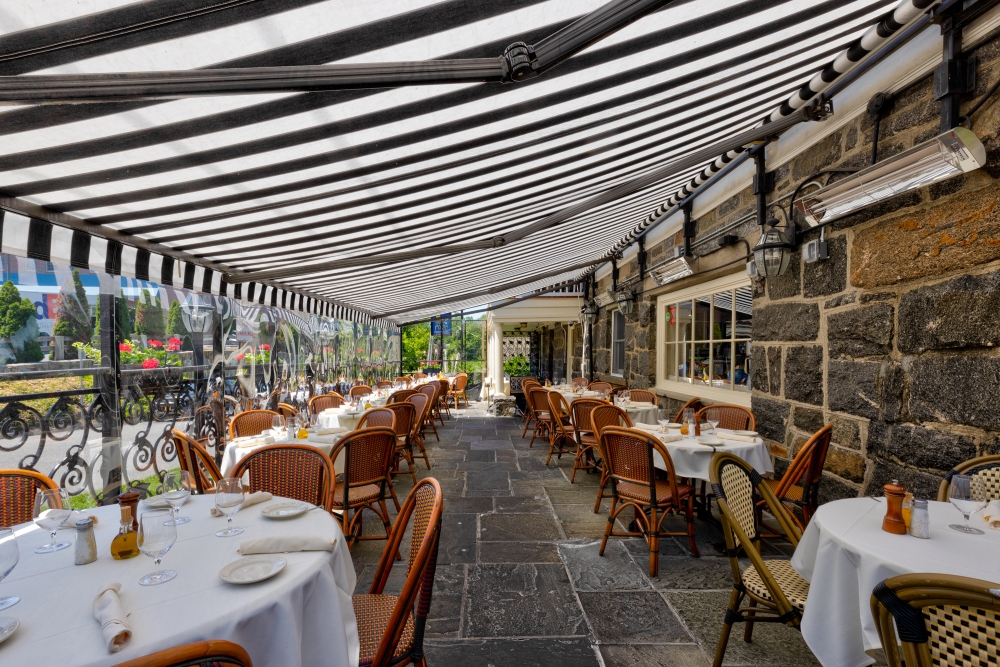
Some restaurants serve food; others serve experiences. Polpo Restaurant & Saloon, created by the incomparable Ron Rosa, offers both — and does so with an authenticity and warmth that feels rare to find today. My recent visits before the holidays reminded me how truly special a restaurant can be when the heart behind it is real.

Stepping Into a Place That Feels Like Home

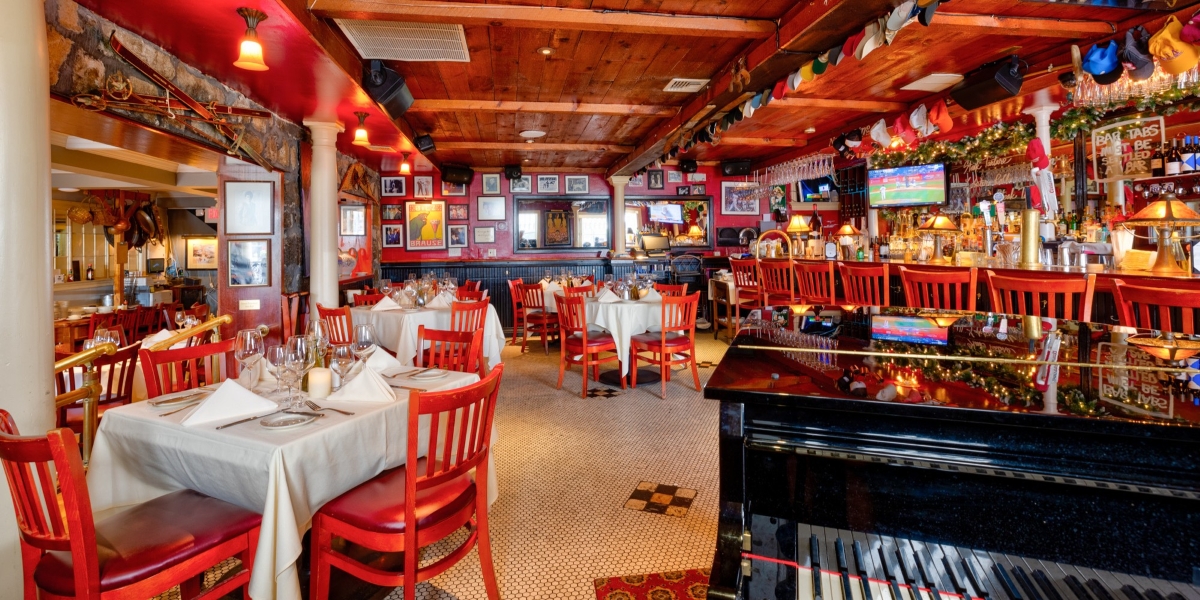
From the moment I slid onto a barstool at Polpo, I felt instantly welcomed. The bartender told me the story of the countless caps hanging from the restaurant’s ceiling — a tradition stretching decades, representing loyal guests, beloved sports teams, universities, neighborhoods, and roots. Each hat is a memory left behind by someone who felt at home at Polpo.

The friendliness wasn’t performative; it was natural. I was with a close friend who lives locally, and she smiled at me knowingly — “See? This is why we love it here.”

Polpo: A Greenwich CT. Treasure With a Legendary History

Photo Courtesy: Polpo

A Meal Worth Returning For — Twice

That first night, we ordered my favorites:

  • Little neck clams
  • Baked clams
  • A perfectly mixed dirty martini
  • And the unforgettable Cappellini Scoglio — lobster, crabmeat, and shrimp in a delicate fish broth, brimming with freshness

We shared every dish, savoring each bite. It was so impressive that we returned again days later — this time seated near the piano, where timeless music filled the room. Sinatra. Gershwin. Billy Joel. Songs that evoked a sense of joy and nostalgia.

We began with meatballs and a crisp Caesar salad, followed by Polpo’s exquisite Bouillabaisse, with fresh spaghetti on the side. Every plate was homemade, beautifully balanced, and infused with the kind of old-world Italian culinary soul that is increasingly rare.

But to understand Polpo, you must understand the man behind it.

Polpo: A Greenwich CT. Treasure With a Legendary History

Photo Courtesy: Polpo

The Remarkable Journey of Ron Rosa

Few restaurateurs have a story as rich as Ron Rosa — a life shaped by reinvention, resilience, and a natural gift for hospitality.

Brooklyn Beginnings & Early Ambition

Ron started at Brooklyn Tech, studying engineering. While in school, he waited tables and quickly showed a talent for hospitality, eventually becoming a manager at the illustrious Copacabana, one of New York’s most glamorous nightclubs.

The Acting Bug & A Detour to California

He fell in love with the arts, studying acting at the American Place Theater, and even modeled to support himself. Like many dreamers of that era, he set off for California to chase fame — only to realize that his true calling was back home in New York, in the world of restaurants.

A Front-of-House Legend

Returning to NYC, Ron became maître d’ at El Morocco, the iconic Manhattan hotspot. His charm, timing, wit, and warmth made him unforgettable. He had that rare ability to make everyone — from young families to celebrities — feel like they belonged.

That talent led him to open:

  • Ecco, which quickly attracted Manhattan’s most recognizable personalities
  • Campagnola, now considered a New York institution

Actors, politicians, musicians, socialites, and intellectuals all became regulars. Ron was known for creating rooms buzzed with energy, authenticity, and joy — a gift he refined over decades.

A Life-Changing Journey Through Europe

After a major life transition, Ron traveled across Europe: Rome, London, Zurich, Amsterdam. Fate intervened when he kept crossing paths with Dominique, a striking and elegant woman working in fashion. Ron’s charm eventually won her over, and the two began their life together.

Polpo is Born

A friend from New York had opened a struggling restaurant in Greenwich called Moreno, tucked away in an obscure location. Ron saw a possibility where others saw a risk. He bought it, renamed it Polpo, and transformed it into what it is today — a beloved Greenwich staple celebrating 26 years of success.

He kept the chef who had been with him for years, along with loyal staff who understood his ethos:

fresh ingredients, classic techniques, uncompromising quality.

As Ron says:

“I cook like my grandmother from Calabria. No one buys a better product than me.”

Prime beef. Colorado lamb. Kosher chicken. Homemade pasta. Only the absolute best.

Dominique — The Elegant Force Beside Him

Dominique is not just Ron’s partner in life, but an essential part of Polpo’s identity. Guests often remark on her grace, warmth, and presence — she greets diners, oversees details, and helps create the refined yet welcoming atmosphere that defines Polpo.

Together, Ron and Dominique are the heartbeat of the restaurant.

A Restaurant That Draws Legends

Polpo’s warm, unpretentious exclusivity attracts high-profile guests who want a beautiful meal without the spotlight. Over the years, Polpo has welcomed:

  • President Bill Clinton
  • Judge Judy Sheindlin
  • Hideki Matsui
  • Clive Davis
  • Chris Drury

And during my own dinner, I looked up to see Robert Plant — legendary vocalist of Led Zeppelin and one of my personal musical heroes — walk in casually for dinner. A moment I won’t forget.

Why I Fell in Love With Polpo

When I interviewed Ron by phone after my visits, I felt an unexpected connection. We both knew New York before it became polished.

We both worked in industries transforming in the ’90s.

We both have roots in the Long Island waterways, knowing how to clam and appreciating the purity of fresh seafood.

Our shared experiences made me understand exactly why Polpo feels the way it does — honest, joyful, deeply human.

Polpo is not just a restaurant.

It’s a celebration of Ron’s journey, Dominique’s grace, and a community that has grown around their shared vision.

For me, Polpo isn’t just a place I dined at.

It’s a place I’ll likely return to. A place that feels like where I belong.

https://polporestaurantgreenwich.com/