How Paul Davis Restoration Helps Restore Peace of Mind After Property Damage in the Mid-Hudson Valley


By: Austin Morgan

Restoring Peace Of Mind After Property Damage In The Mid-Hudson Valley

Property damage can turn a normal day into one of the most stressful experiences a homeowner will ever face. A burst pipe, an overflowing water heater, or a sudden leak does not just affect walls and floors. It interrupts routines, displaces families, and creates uncertainty about what comes next. Paul Davis Restoration of the Mid-Hudson Valley exists to answer those difficult moments with calm, clarity, and expert care, focusing not only on repairing homes but also on restoring peace of mind.

From the first phone call, the team approaches every loss as more than a job. Each situation represents a life disrupted, a family under pressure, and a home that needs to feel safe again. That perspective shapes how Paul Davis Restoration of the Mid-Hudson Valley communicates, schedules, and executes every phase of restoration.

A Partner In The Most Stressful Moments

Many restoration companies focus strictly on equipment and square footage. Paul Davis Restoration of the Mid-Hudson Valley focuses first on people. The team sees customers as partners, not projects, and that mindset consistently shows up in the way clients describe their experience. One customer shared that the team “made a difficult situation better by providing excellent, prompt, and courteous service with integrity,” a reflection of how seriously the company takes its responsibility during stressful times.

Another homeowner described feeling overwhelmed when damage occurred in their house, but noted that the technicians “made me feel better” andwere “informative and never left my house without explaining everything.” Giving that level of attention is not an extra; it is how the company believes restoration should always be done. Instead of leaving families in the dark, the team takes time to explain what is happening, what comes next, and why each step matters.

Guiding Homeowners Through Insurance And Restoration

The aftermath of a loss involves more than repairs. There are insurance adjusters to meet, claims to document, and timelines to coordinate, sometimes with homeowners associations and carriers. Paul Davis Restoration of the Mid-Hudson Valley manages insurance claims as part of its service, helping customers navigate a process that can otherwise feel confusing and slow.

One townhouse owner experienced water heater damage on the second floor that affected floors and walls throughout the home. While the HOA and the insurance process seemed to drag on, this homeowner described how Paul Davis Restoration delivered “a high-quality job putting my floors and walls back,” and closed by saying, “Nice job, thanks.” Even when other parties move slowly, the restoration work is handled with urgency and care, and the team keeps homeowners informed about what is happening behind the scenes.

In another situation, a homeowner experienced a water leak on the first floor. The Paul Davis Restoration team arrived within hours to document the damage and begin the cleanup. The homeowner noted that the project manager was very informative and guided them through the restoration process, while the technician was described as skilled, knowledgeable, and efficient in preventing further damage. That combination of technical expertise and patient guidance removes uncertainty, replacing it with a clear plan and a trusted partner.

Skilled, Certified Professionals With Local Roots

Paul Davis Restoration of the Mid-Hudson Valley combines local ownership with nationally recognized standards of care. The team includes Institute of Inspection, Cleaning, and Restoration (IICRC) certified professionals, bringing methods and industry-excellent practices to every job. That technical foundation supports services that range from water mitigation and structural drying to mold remediation and rebuilding.

As a locally owned and operated business, the company understands the unique characteristics of homes and neighborhoods in the Mid-Hudson Valley. Families in the area trust it for 24/7 emergency service, free estimates and consultations, and high-quality workmanship backed by warranties. An A rating with the Better Business Bureau underscores the company’s commitment to ethical practices and long-term customer satisfaction. At the same time, in-house project managers and strong supplier relationships help the team deliver accurate, competitive pricing without sacrificing quality.

Communication, Compassion, And Consistency

Communication is central to the way Paul Davis Restoration of the Mid-Hudson Valley operates. Customers are encouraged to reach out whenever questions or concerns arise, even outside of traditional business hours. When aspects of a project, such as asbestos testing, abatement, or mold remediation, introduce unavoidable delays, the team keeps homeowners updated to avoid surprises.

Rapid Response When Every Minute Counts

Time matters after a loss, especially when water is involved. Prompt action can make the difference between a simple dry-out and extensive reconstruction. Paul Davis Restoration of the Mid-Hudson Valley prioritizes rapid response because it sends a clear message that the homeowner’s situation is urgent and important. When customers describe technicians arriving within hours, setting up drying equipment, and quickly preventing further damage, they are describing a team that understands the technical and emotional urgency of restoration.

To make getting help simple, homeowners in need of emergency or scheduled service can visit the Paul Davis Restoration of the Mid-Hudson Valley website to request assistance, learn more about services, and begin documenting their loss.

Flexible Service Around Real Life

Beyond technical expertise and speed, the company is known for its ability to adapt to the realities of everyday life. The team takes the time to understand each property and family, planning work around children’s nap schedules, pets, and other unique needs. Customers frequently remark that they never feel like “just another job.” Instead, they describe professionals who are considerate in their communication and respectful of the home.

One reviewer noted how rare it is these days to see the level of professionalism and communication from their project manager, emphasizing that the team ensured they were well supported throughout the process. Another shared that their project manager “makes promises he can deliver on,” keeps customers informed at every step, and clearly cares about the outcome, rating the experience a “10/10.” Feedback like this reflects more than polite service. It shows a culture that values trust, empathy, and follow-through from the first visit to the final walk-through.

How To Contact Paul Davis Restoration Of The Mid-Hudson Valley

For homeowners in the Mid-Hudson Valley, having a reliable restoration partner can make the difference between a stressful, confusing recovery and a clear, supported path back to normal. Paul Davis Restoration of the Mid-Hudson Valley provides that partnership through certified expertise, thoughtful communication, and a genuine commitment to each customer’s well-being.

Residents can explore helpful resources and see examples of the team’s work on the company’s YouTube channel, where educational content helps demystify the restoration process. Community updates and stories are also shared on the company’s Facebook page, giving local homeowners a closer look at the people behind the service.

Whether the situation involves a sudden water leak, lingering damage from a past incident, or questions about how to prepare for potential risks, Paul Davis Restoration of the Mid-Hudson Valley stands ready to respond. With a focus on people first and homes second, the company continues to help families across the region rebuild not only their properties, but their peace of mind.


Future Security Through Domain Strategies

Most businesses view domain registrations as routine expenses. This fundamental misconception, which treats domains as mere routine expenses rather than strategic assets, may lead to high costs through preventable brand protection failures and missed market positioning opportunities. It is valuable to view domains as investments: each registration is potentially prime digital real estate that can appreciate while protecting your brand. The strategic acquisition of domain assets may create a robust defensive perimeter around your business identity, helping transform what many organizations mistakenly perceive as mere administrative overhead into a potential sustainable competitive advantage. Entrepreneurs who adopt this perspective recognize that domain portfolios function similarly to property investments, where critical factors such as location, timing, and strategic assembly play a role in determining long-term value creation and competitive advantage. Shifting perspective from expense management to asset building can change how organizations approach their digital foundation.

Understanding Domain Strategy as a Long-Term Business Investment

Domain names represent finite resources in an increasingly crowded digital marketplace. Unlike physical real estate, premium domain inventory continues to shrink as businesses worldwide establish their online presence. Organizations that have recognized this reality early secured valuable namespace that now commands significant premiums on secondary markets. The investment mindset requires viewing each domain registration not simply as a cost, but as a stake in digital territory that could strengthen brand architecture. Strategic domain acquisition involves understanding market trends, anticipating consumer behavior patterns, and securing variations before competitors recognize their potential. Companies successfully building digital trust understand that consistent domain ownership signals stability and professionalism to customers and partners alike.

Calculating True Domain Portfolio Value

Assessing domain portfolio worth extends beyond registration costs. Consider defensive value in protecting against brand dilution, traffic capture from common misspellings, and geographic expansion potential. Professional appraisal tools can help quantify these factors systematically. Organizations seeking accurate valuations can leverage comprehensive domain appraisal platforms that take into account market comparables and traffic potential.

Timing Your Domain Investments

Market timing can greatly influence domain investment returns. Emerging industry terminology, regulatory changes that create new service categories, and technological shifts all generate valuable namespace opportunities. Monitoring these trends may position you to secure relevant domains before rising demand drives prices higher.

Future-Proofing Your Digital Presence with Strategic Domain Selection

Selecting domains requires balancing immediate utility against future expansion possibilities. Short, memorable addresses tend to carry premium value, but longer descriptive domains often convert better for specific service offerings. The strategic approach involves mapping current business operations against projected growth trajectories, then securing a namespace supporting both realities. Industry-specific extensions like .tech, .legal, or .health may offer alternatives when preferred .com addresses remain unavailable. Geographic extensions serve companies planning international expansion, allowing localized presence while maintaining global brand consistency. Understanding how domain registration data services work helps organizations manage privacy considerations while building their portfolios.

Extension Strategy Considerations

Modern domain portfolios typically incorporate multiple extensions that serve the essential purpose of protecting core brand identity across various digital platforms and online marketplaces where businesses operate. Essential considerations that every brand owner should carefully evaluate when building a comprehensive domain strategy include the following key factors:

  1. Primary .com registration for enhanced credibility and memorability

  2. Country-code extensions matching target market locations

  3. Industry-specific extensions reinforcing service categorization

  4. Common misspelling variations to prevent traffic leakage

  5. Competitor-blocking registrations for similar naming patterns

Defensive Registration Priorities

Prioritizing defensive registrations helps protect against brand confusion and malicious impersonation by bad actors online. When developing your domain registration strategy, you should focus initially on securing exact-match variations of your brand name, and then, as your protective coverage grows, systematically expand your portfolio to include phonetic equivalents and common abbreviations that your customers might naturally attempt when trying to reach your website.

Building Your Resilient Multi-Domain Portfolio

Constructing effective domain portfolios requires systematic approaches that balance protection breadth against budget constraints. Start by auditing existing registrations, identifying gaps in brand coverage, and establishing renewal management processes to avoid accidental lapses. Intelligent investors understand that portfolio building typically begins with strategic entry points rather than attempting comprehensive coverage immediately. Savvy digital strategists may claim a free domain name through bundled service offerings, establishing a presence before scaling their protective measures. This approach allows testing market response and validating business concepts without depleting resources needed for broader protection strategies.

Your Strategic Path Forward in Domain Investment

Domain strategy is one of the few digital investments that can provide both immediate operational value and long-term growth potential. Treating domains as strategic assets can help create a competitive advantage. Start by reviewing your domains as investments, finding gaps, and creating management processes. Today’s domain decisions may determine tomorrow’s brand protection and market positioning success.

Gift Baskets in 2026: Trends Shaping the Future of Gifting

Gifting has never been just a way to mark milestones, build relationships, or show appreciation. Gift baskets continue to be one of the most adaptable and thoughtful gifts to give in 2026. Integrating presentation, variety, and personalization, gift baskets today are evolving to meet the changing preferences of consumers, trends in their lifestyles, and an increased emphasis on valuable experiences.

Innovation and thoughtful design are playing a key role in defining the future of gift baskets, thanks to curated gourmet selections and eco-friendly packaging. These trends are helping people and companies make better gift selections that may be seen as both up-to-date and memorable.

Personalization Takes Center Stage

Personalization is one of the most important trends that is likely to influence gift baskets in 2026. People are increasingly seeking gifts that are more closely tailored to their tastes and interests. Rather than standard collections, today’s curated baskets often have specific themes, such as wellness, artisan cuisine, global flavors, or seasonal collections based on various celebrations.

Online ordering and customization tools have made it easier for people to select products that match the preferences of the recipient. Whether it’s a basket of gourmet treats, coffee blends, or luxurious chocolates, personalization can add emotional value and make the gift seem more meaningful.

Wine-themed baskets, for example, remain popular because they can be adapted to suit various occasions, from corporate appreciation to holiday celebrations. Many buyers explore curated collections like the wine gift baskets to find options that balance quality, presentation, and versatility.

Sustainability and Eco-Friendly Packaging

Environmental awareness is still influencing consumer behavior, and gift baskets are no exception. By 2026, brands focused on sustainable materials, including recyclable packaging, reusable baskets, and responsibly sourced products, are likely to have made this a top priority.

Customers are becoming more interested in gifts that not only please the recipient but may also minimize environmental impact. Single-use plastics and non-recyclable materials are being replaced by natural fibers, wooden crates, and reusable containers. Additionally, a significant number of gift basket creators are collaborating with local manufacturers and small batch producers, helping to build more sustainable supply chains.

This trend of eco-friendly gifting reflects the broader cultural movement toward blending quality with responsibility.

The Rise of Experiential Gifting

Another significant trend is the growing interest in experiential gifting. Today’s gift baskets may extend beyond tangible items, offering aspects that create unique experiences or moments. Tasting guides, recipe kits, pairing ideas, and curated collections are becoming increasingly popular.

For example, gourmet food baskets can be based on matching cards or serving suggestions, transforming the gift into an interactive experience rather than simply a set of items. Specifically, wine and gourmet pairings are gaining popularity because they foster shared experiences and create lasting memories around the table.

This focus on experiences aligns with the shift in lifestyles, where many people value memorable experiences over material possessions.

Corporate Gifting Evolves

Another area where gift baskets are trending in 2026 is in corporate gifting. Companies are increasingly recognizing that well-considered gifts can play an important role in establishing relationships with clients, partners, and employees. An expertly curated gift box sends the message of appreciation and attention to detail.

Businesses are opting for high-end baskets that reflect their brand’s value, with an emphasis on quality, presentation, and cultural sensitivity. Seasonal gifts, milestone gifts, and remote gifting have contributed to the demand for more advanced gift basket options.

Corporate settings tend to favor neutral and elegant designs, as these appeal to a wide range of recipients and maintain a sleek, sophisticated look.

Global Flavors and Artisanal Products

As international cuisine continues to influence global food culture, gift baskets featuring international flavors and artisanal products are gaining popularity. Customers are increasingly drawn to unique ingredients, artisanal goods, and specialty items that might not be found in typical retail outlets.

This trend highlights the growing appreciation for authenticity and craftsmanship. Whether it’s homemade preserves, foreign chocolates, or locally-inspired snacks, these items bring an element of discovery and adventure to the gift-giving process.

Artisanal products also provide an opportunity for gift-givers to support small-scale businesses and independent manufacturers, adding another layer of meaning to the gift.

Digital Convenience Meets Luxury Presentation

Technology is significantly shaping the process of selecting and delivering gift baskets. Online services have made gift-giving more convenient, with flexible delivery options and real-time tracking. At the same time, buyers are not willing to compromise on luxury presentation or attention to detail.

Gift basket providers that are thriving in 2026 are successfully integrating digital convenience with luxurious aesthetics. The packaging is designed to be of high quality, the wrapping is done elegantly, and the contents are well-organized so that the unboxing experience feels special and memorable.

Gift baskets have also become more popular due to the ability to deliver cleanly packaged gifts to virtually any location around the globe.

Looking Ahead

Gift baskets are shaped by their creativity, quality, and the significance of the connections they represent. These gifts are being designed and appreciated in ways that are becoming more personalized, sustainable, experiential, and influenced by global trends.

Gift baskets remain a timeless yet flexible option as lifestyles continue to evolve. Their ability to merge functionality with beauty ensures that they continue to be significant for party-giving, corporate gifting, and everyday expressions of appreciation.

For those looking for curated selections and modern gifting ideas, a wide variety of thoughtfully arranged wine and gift baskets are available, catering to different occasions, preferences, and styles—proving that, even in a rapidly changing world, the art of giving remains as meaningful as ever.

Gracefully Free Offers A Faith-Filled Guide to Healing, Growth, and New Beginnings After Divorce

Divorce is more than a legal separation. It is an emotional, spiritual, and deeply personal unraveling of the life you once knew. In Gracefully Free: A Guide to Thriving After Divorce, Glendora Sealy speaks directly to those standing at that fragile crossroads, offering hope, direction, and reassurance that life after heartbreak can potentially be not only healed but also deeply fulfilling.

This book is for anyone searching for ways to heal emotionally after divorce while navigating grief, fear, and uncertainty. With honesty and compassion, Sealy addresses the raw emotional aftermath of separation, guiding readers through the process of overcoming divorce grief and reclaiming emotional strength. She reminds readers that divorce does not have to be the end of their story. It can be the beginning of profound personal and spiritual growth.

Rooted in lived experience and faith, Gracefully Free stands out as a source of Christian encouragement after divorce. The author brings spiritual insight throughout the pages, offering reassurance about God’s healing after divorce and gentle reminders to trust God, even when the future feels unclear. For readers seeking faith and divorce recovery, this book provides grounded, practical steps alongside faith-based emotional healing that may restore hope without minimizing pain.

Beyond emotional and spiritual restoration, the book offers practical guidance for rebuilding everyday life. Chapters on self-care after divorce emphasize nurturing mental, emotional, and physical well-being, because healing is holistic. Readers are encouraged to prioritize rest, boundaries, reflection, and self-love after divorce, learning to rebuild confidence one step at a time with intention.

For parents, Gracefully Free is a compassionate companion through the complexities of parenting after divorce. The author addresses single parenting after divorce, offering reassurance, organization strategies, and emotional support for divorced parents. Her guidance on co-parenting after divorce and co-parenting strategies focuses on communication, stability, and children’s emotional healing, recognizing that divorce and children’s healing should be handled with care, patience, and love.

Financial uncertainty is another challenge many face, and Sealy meets this head-on with practical insight into financial independence after divorce. Readers are guided through rebuilding stability, managing resources, and regaining confidence, which is an essential step in rediscovering themselves after divorce and stepping into independence with a sense of security.

What makes Gracefully Free especially powerful is its focus on purpose. Through reflective exercises and mindset shifts, readers are guided to find purpose and embrace new beginnings after divorce. Sealy reframes heartbreak as a reason for growth, helping readers cultivate a positive mindset, build resilience, and step into a life that may be defined by intention rather than loss.

At its heart, this book is about transformation. It speaks to women seeking Christian self-help for women, parents rebuilding families, and individuals ready to move from survival to thriving. It is about rediscovering yourself after divorce, learning emotional strength after separation, and believing, perhaps for the first time in a long while, that joy can still be possible.

The book is not a quick fix. It is a steady, faith-filled guide that walks beside you as you heal, rebuild, and rise.

Your divorce does not define you. Your next chapter has the potential to define you. Step into healing, purpose, and freedom. Buy Gracefully Free today and begin your journey toward the life waiting for you.


Disclaimer: The information provided in the article is intended for general informational and inspirational purposes only. It is not a substitute for professional advice, including legal, financial, or psychological counseling. While the author shares personal insights and experiences, individual results may vary. Readers are encouraged to consult with a licensed professional for specific concerns related to their divorce, emotional well-being, financial independence, or co-parenting.

Canine Protection International (CPI): Inside the Elite Protection Dog Team Trained to Guard Families

By: Seraphina Caldwell

On a sprawling three-acre property just north of Dallas, a German Shepherd named Argo sits calmly beside his handler on a sun-dappled patio. No leash connects them. No treats are visible. The dog’s attentive eyes occasionally scan the horizon before returning to rest on his owner’s face. It’s an ordinary scene of companionship, until a signal, a single quietly spoken command, transforms the placid animal. In less than a second, Argo explodes with an aggressive bark, almost a scream, before launching across the yard toward a man emerging from behind a distant shed, intercepting the potential threat with the kind of precision usually reserved for elite human operatives.

This is no ordinary protection dog demonstration. It’s the culmination of thousands of hours of elite, functional training at Canine Protection International (CPI), where dogs become part of an exclusive, world-class unit—the protection dog team designed to guard families, not perform for show.

Beyond Sport Training: The Science of Functional Protection

The distinction between sport-trained protection dogs and CPI’s Elite Family & Estate Protection Dogs lies in a fundamental philosophical difference that permeates every aspect of the training process.

“Many people think a protection dog is just an aggressive dog, but the reality is more complex,” says Alex Bois, owner of CPI. “These dogs must be completely stable, confident in every scenario we put them in, and neutral to the world moving around them. Should they be called upon, they will go from calm and relaxed to exploding with aggression.”

While most training centers in North America and Europe rely on what CPI calls “dog sport training,” the company has pioneered an approach focused on functional outcomes in real-world scenarios. Industry research suggests that many so-called ‘protection dogs’ fail basic scenario testing because they are conditioned to respond only to specific cues, such as a decoy using predefined threatening gestures that real-world assailants would not replicate.

Instead, CPI’s methodology emphasizes what behavioral scientists call “context-independent response training,” enabling dogs to respond to threats under a handler’s command across varied environments without requiring equipment or artificial signals from a decoy. This requires a complete reconceptualization of traditional protection training.

The Three-Phase Training Protocol

CPI’s training methodology unfolds across three meticulously designed phases, beginning with foundational training that instills core capabilities regardless of a dog’s previous experience. Unlike sport training, which aims for precision in controlled environments, CPI’s approach prioritizes adaptability.

The second phase focuses on teaching specific skills in both obedience and protection. A training expert notes that this phase is where the divergence from sport training becomes most evident: “Sport dogs learn to perform for short durations in predictable environments. CPI dogs learn to perform indefinitely in unpredictable environments. It’s a fundamental difference in neural conditioning.”

Perhaps most distinctive is CPI’s third phase: functionality. During this period, dogs transition from performing in controlled “classroom” environments to demonstrating their capabilities in diverse real-world settings. Exercises include scenarios that would confound conventionally trained animals, such as responding to passive threats without obvious cues of aggression, navigating complex environments, and maintaining protective vigilance despite distractions.

“If you can teach two people a common language, you can accomplish anything,” the CPI training philosophy states, highlighting their approach to creating a communication system between dog and handler that transcends traditional command structures. CPI owners do not become dog trainers. They do not bring treats and a ball for the delivery of their new dog. Instead, they learn how to handle through effective communication, praise, and a bond that strengthens every day, a testament to the thousands of hours spent training every dog and the unique program that separates CPI from the rest.

The Investment: Science Over Sentiment

“Investing in a CPI protection dog isn’t simply a matter of cost. It’s about precision. The investment varies depending on the dog’s level of training, natural ability, and client-specific requirements. CPI’s rigorous selection process evaluates hundreds of European-bred candidates each year and accepts fewer than 2% into the program. It’s not uncommon for CPI to reject dogs later sold to brokers and then to competitors, a fact Bois acknowledges with concern.

“A lot of dogs we fail end up for sale elsewhere as ‘protection dogs, ‘” he says. “Buyer beware. There are no regulations in this industry.”

Rather than choosing dogs for looks or lineage alone, CPI uses a battery of temperament tests, nerve strength assessments, and early socialization screenings. Their aim? Total behavioral reliability in high-stress environments.

“Temperament is everything,” Bois says. “A dog that hesitates under pressure is a liability. We only train dogs that show exceptional composure and judgment.”

The Integration Process: Creating a Family Guardian

CPI’s state-of-the-art 2,400-square-foot facility, located next to the owner’s home, serves as both a training center and a home environment, enabling dogs to transition seamlessly between protection and companionship roles. This dual-context training proves critical for what behavioral scientists term “contextual discrimination”, the ability to determine appropriate responses based on environmental and handler cues.

When clients purchase a dog—investments ranging from $100,000 to $300,000—the relationship is just beginning. CPI’s proprietary three-day integration process includes:

  • Instruction in public settings
  • Complete Off-leash handling techniques
  • Car entry and exit protocols
  • Home and public protection exercises
  • Integration with family members and existing pets

“Our philosophy of ‘extreme ownership’ permeates every facet of our operations,” CPI materials explain, highlighting their commitment to client satisfaction that extends far beyond the sale.

A Moral Framework for Canine Protection

Critics have raised ethical concerns about conditioning dogs to be aggressive. Bois is candid about the tension but insists CPI’s approach balances protection with animal welfare. These dogs are subjected to extreme challenges and pressure. In the end, the dog always wins, tail wagging and ready for the next fight. “As a human, you can’t learn effective, functional self-defence without being punched in the face a few times and learning to overcome the feeling. The same goes for dogs; a Schutzhund sleeve and a padded stick are a joke to these dogs, they will fight through a drugged-up full-grown man.”

“These dogs aren’t just brutes,” Bois explains. “They’re stable, loving family members with a job to do.”

It’s this balance, perhaps more than anything, that explains CPI’s loyal following. Clients often return for their second, third, or even fourth dog. Bois doesn’t push testimonials. He doesn’t have to.

The Final Return

As Argo circles back from his simulated threat interception, he slides quietly into a down position, resting his head between his paws. There’s no raised voice, no visible tension. Just a glance from his handler, and calm is restored.

For the families who own CPI dogs, that calm isn’t just emotional. It’s strategic. It’s worth every cent. And at up to $300,000 for a pair of dogs, it represents more than luxury; it’s layered, living security.

In a crowded and often unregulated industry, Canine Protection International has carved a niche that’s as refined as it is rare. Their dogs don’t just bark on cue. They act with conviction. Their handlers aren’t taught to control their dogs with treats and toys. They’re taught to trust them with their lives.

And in the process, CPI hasn’t just trained a generation of elite protection dogs. They’ve redefined what it means to be safe.

Mortgage Before Marriage Changes How Couples Prepare Financially for Marriage

In a time when financial stress impacts both personal well-being and relationships, a growing movement is encouraging people to take control of their financial future before making lifelong commitments. That movement is led by Mortgage Before Marriage, a financial education platform founded by Alex Edward to help individuals and couples build wealth, clarity, and confidence before entering marriage or long-term partnerships.

Mortgage Before Marriage is built on a simple but powerful idea championed by Edward: strong relationships begin with strong financial foundations. By focusing on real estate education, money mindset, and intentional financial planning, the platform equips people with the tools to make smarter decisions about their future, both financially and emotionally.

A New Conversation About Love and Money

For many generations, money has been a difficult subject to discuss in relationships. Couples often wait until after engagement or marriage to address finances, which can lead to misunderstandings, stress, and conflict later on.

Edward created Mortgage Before Marriage to change that pattern by encouraging people to understand their financial habits and goals before merging their lives with someone else. Its programs help individuals gain clarity on budgeting, saving, debt, and long-term planning, enabling them to enter relationships from a position of stability rather than uncertainty.

Real Estate as a Foundation for Financial Independence

At the core of Mortgage Before Marriage is real estate education. The platform helps participants understand how mortgages work, how to evaluate buying opportunities, and how to use property ownership as part of a broader wealth-building strategy. Through comprehensive lessons and expert insights, participants gain the knowledge needed to navigate the real estate market with confidence. This foundational understanding empowers them to make informed decisions that support their long-term financial success.

Rather than encouraging impulsive purchases, the program focuses on preparation and planning. Participants learn how to assess their financial readiness, understand credit, and explore the long-term benefits of owning property when the timing is right. This thoughtful approach ensures individuals are well prepared to make sound decisions aligned with their financial goals and values.

This approach is especially relevant in today’s economy, where many people feel unsure about whether homeownership is possible. Mortgage Before Marriage removes confusion and replaces it with practical guidance, making real estate feel accessible rather than intimidating. By offering step-by-step strategies, the platform empowers individuals to take control of their financial futures. It provides clarity on how to navigate the complex mortgage landscape, ensuring participants feel confident in their ability to make informed decisions.

Building Stronger Relationships Through Financial Clarity

Money remains one of the most common sources of conflict in relationships. Mortgage Before Marriage addresses this issue directly by teaching couples how to communicate openly about financial expectations and goals before marriage. By creating space for honest conversations and shared financial goals, the platform helps partners build trust and reduce financial stress.

Through education, community, and practical tools, Alex Edward and Mortgage Before Marriage are helping individuals and couples prepare for the future with confidence. The mission reflects a growing belief that financial independence and healthy relationships go hand in hand, and that preparation today can lead to stronger partnerships tomorrow.

By equipping couples with knowledge and a deeper understanding of their finances, they foster an environment where open communication thrives. The platform encourages thoughtful decision-making and provides a path to achieving shared financial goals. As a result, individuals and couples feel empowered to make informed choices that benefit their relationship and future.


Disclaimer: The information provided in this article is for general educational purposes only and should not be construed as financial advice. For personalized financial planning or mortgage-related guidance, we recommend consulting with a certified financial advisor or mortgage professional.

From Trauma to Healing: How Author Tonya McBean Turned Pain into Purpose

By: Farzana Bashir

In a world where emotional wounds often remain hidden beneath the surface, the journey to healing can feel daunting. If someone had told Tonya McBean years ago that her greatest heartbreaks would one day become the foundation of her life’s work, she might have found it difficult to believe. Back then, she was simply trying to survive. But that is the nature of breaking points: they can either bury a person or help them build resilience. And healing—true healing—is rarely accidental. It is a conscious decision made every single morning, even when one doesn’t feel ready.

Tonya McBean is a bestselling author of The Chasing Book Series and a podcaster dedicated to exploring the complexities of narcissism and the profound impact it can have on people’s lives. With a Master’s degree in Psychotherapy and more than two decades of experience in the medical field, she has witnessed firsthand the struggles many face when navigating the challenges of emotional abuse. Her story is not just her own; it serves as a potential source of hope for those who may feel lost in the darkness.

The Chasing Book Series: A Path to Healing

Tonya’s personal journey was a significant influence in the creation of The Chasing Book Series, a collection of six books that can stand alone yet remain interconnected through recurring themes of calm, peace, healing, Jesus, and rescue. Each book aims to provide readers with tools and insights to break free from the chains of emotional abuse and reclaim their lives.

From Trauma to Healing: How Author Tonya McBean Turned Pain into Purpose

Photo Courtesy: Tony McBean Books that guide readers to peace, faith, and wholeness.

  1. The Shattered Faberge Egg – This book shares her experience of marrying a gay narcissist she met in church, exploring the complexities of love, betrayal, and self-discovery.
  2. Choosing Calm – A 30-day devotional guiding readers through daily reflections and practices to cultivate inner peace amid chaos.
  3. Chasing Peace – A guide offering strategies for dealing with difficult people, equipping readers to navigate challenging relationships with grace and strength.
  4. Chasing Healing – Here, Tonya shares her battle with narcissistic abuse and its potential link to her autoimmune disease, Chronic Active Epstein Barr Virus (CAEBV), detailing her journey toward healing.
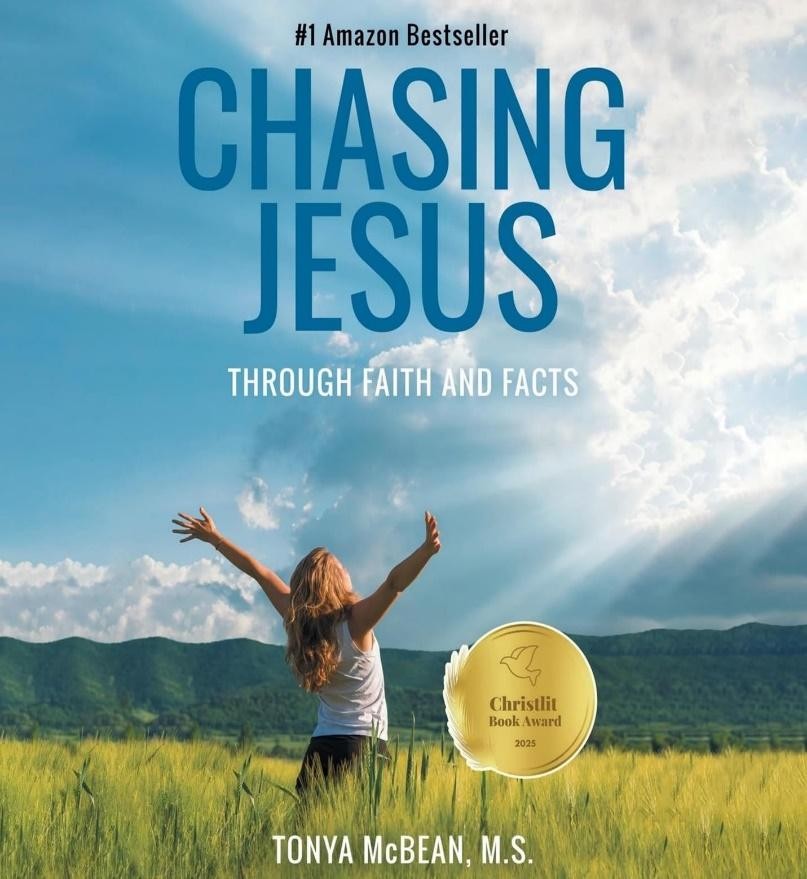
  5. Chasing Jesus – A fact-based exploration aimed at supporting belief in Jesus and providing concrete evidence to help address doubts and strengthen faith.
  6. Chasing Rescue – A practical guide filled with tools to survive narcissistic abuse, drawn from Tonya’s own experiences to help others find safety and healing.

The Power of Personal Story

Healing is possible, and for Tonya, it began with sharing her story. Raised by a narcissist and later married to one, she experienced years of emotional and financial abuse. The scars of her past manifested in C-PTSD (Chronic Post-Traumatic Stress Disorder), but through therapy and faith, she eventually found a way out. Her journey stands as a testament to the resilience of the human spirit and the potential for transformation through education and faith.

One of the most profound moments in her healing process came when she realized she no longer needed to defend herself against the actions of others. For years, she had tried to control the narrative and to set things right. Ultimately, she discovered that her freedom lay in letting go.

“And then it was done. She was done. She wasn’t mad anymore. She had detached and no longer cared what they did. Her need to control, to set things right, was over. She no longer needed to defend herself. All the things they had done no longer mattered because she didn’t need to be right. She needed to be done. And now, she is free from stress.”

This realization liberated her, allowing her to detach from the pain and embrace a life of peace.

A Message of Hope

Tonya’s mission is to support others who are struggling with similar experiences. She wants her readers to know they are not alone and that healing can be within reach. The Chasing Book Series serves as a safe space for those seeking solace and guidance. Each page is infused with hope, encouraging readers to keep going even when the path feels uncertain and the future seems bleak.

In a society that often stigmatizes mental health struggles, Tonya recognizes the importance of fostering understanding and support. Her books are not just reflections of her experiences—they are a call to action for anyone who has faced emotional abuse. She aims to empower readers to break free from cycles of pain and create lives filled with joy and purpose.

Engaging with the Community

As Tonya continues to share her story, she invites others to join her on this journey. Through her podcast, Chasing Rescue, she delves deeper into the themes of her books, offering insights and real-life examples of healing. Each episode is designed to inspire and motivate, providing listeners with practical tools to navigate their own challenges.

She is also active on social media—Facebook, Instagram, LinkedIn, and Twitter—where she connects with her audience and shares uplifting messages. Through these platforms, she fosters a community of support, helping to break the silence surrounding emotional abuse and encouraging a movement of healing and empowerment.

The Importance of Faith

At the core of Tonya’s journey is her unwavering faith in Jesus Christ. Her Christian beliefs have carried her through her darkest moments, grounding her in hope and strength. She believes faith is a powerful catalyst for healing and encourages her readers to explore their own spiritual journeys.

From Trauma to Healing: How Author Tonya McBean Turned Pain into Purpose

Photo Courtesy: Tony McBean
Chasing Jesus: A book which helps in finding Jesus beyond belief, through faith and facts

In Chasing Jesus, she presents evidence supporting belief in Christ, aiming to address doubts and reinforce the idea that faith can be a guiding light during times of turmoil. Her philosophy is simple: healing is possible through education and faith. By embracing these principles, anyone can transform their life and inspire others to do the same.

Awards and Recognition

Throughout her career as an author and speaker, Tonya has received numerous awards recognizing the impact of her work, including The Eric Hoffer Award, The Christlit Book Award, and The Literary Titan Book Award. She was also a finalist for Book of the Year 2025. Two of her books have become Amazon bestsellers. Her first book, The Shattered Faberge Egg, was adapted into a major motion picture in 2017, streaming on Tubi and Amazon Prime, and downloaded by millions worldwide.

Summary: Keep Going

As individuals embark on their own journey toward healing, Tonya reminds them that they are not alone. The path may be challenging, filled with hurdles and moments of despair, but it also offers opportunities for growth and transformation. Her books and podcast serve as constant companions, providing guidance along the way. The podcast is available on YouTube and Spotify, with a new episode coming in 2026 focused on parent wounds. The seventh and latest book in the series is set for release in 2026 as well.

Tonya calls on others to join this journey, lift one another up, share their stories, and work together to create a community where healing becomes not just possible, but expected. Healing is always within reach. Setbacks will come, hurdles will appear, and people may try to degrade or diminish others, but that is not the end. The most powerful uprising occurs when a person wins the war within themselves, reaching a place of emotional maturity and understanding they never thought possible. All it takes is enough strength to take the first step—a step toward healing, a step that could change the course of an entire life.

From Victim to Victor: How the Doctrine of Redemption is Lived, Not Just Preached

Within the halls of theological discourse, the doctrine of redemption is often treated as a pristine construct—a magnificent, yet abstract, theory of divine exchange. It is parsed in systematic theologies, debated in seminaries, and proclaimed from pulpits with intellectual vigor. Yet, for many, it remains a distant promise, a theological concept struggling to bridge the chasm to a lived reality marred by pain, trauma, and ingrained brokenness. To understand redemption not as a theory but as a tangible, breathing truth, one must turn not merely to a commentary but to a life. The memoir Brokenness and Miracles by Linda Sutherland does not simply discuss redemption; it serves as its definitive, flesh-and-blood case study. With the authority of one who was pulled from the “horrible pit” of Psalm 40, Sutherland dissects the often-abstract concept of redemption, revealing it as a gritty, lifelong, and glorious process of repair authored by God Himself.

Sutherland’s authority is not academic; it is existential. She writes from the epicenter of human devastation—a childhood scorched by the traumatic loss of her mother, systematic neglect, and the profound evil of parental sexual grooming. Her narrative does not shy away from the precise vocabulary of abuse; she details the “grooming,” the “neglect,” the “hunger,” and the “terror” with unflinching clarity. This is not a gratuitous detail, but the essential establishment of the raw material with which divine grace would work. Before the miracle, one must understand the depth of the need. She meticulously catalogs the consequential sins that such trauma bred in her own heart—theft, deception, and a hardened rage—establishing a comprehensive portrait of total depravity not as a doctrine, but as a personal biography. In doing so, she constructs an undeniable premise: if grace can reach here, it can reach anywhere.

It is against this meticulously painted backdrop of darkness that the doctrine of redemption shines with transformative clarity. Sutherland’s life becomes the living bridge between two lexicons: the vocabulary of human sin and the vocabulary of divine salvation. The theological concept of “new creation in Christ” from II Corinthians 5:17 ceases to be a mere verse. In her story, it is the palpable moment in her aunt’s home when the question, “Linda, do you know that Jesus loves you?” shattered her hardened heart. It is the observable transformation of a girl who picked cigarette butts off the street into a woman whose desires and speech were fundamentally altered. She does not speculate on God’s ability to heal and make new; she catalogues it. Her narrative stands as a definitive rebuttal to the insidious lie that some pasts are too broken, some scars too deep, for future purpose or purity.

Furthermore, Sutherland embodies the doctrine of Providence—God’s active, sovereign orchestration of events for His purposes and the good of His people. Her theology is not passive; it is traced in the active verbs of God’s intervention. Providence was the phone call to her aunt and uncle from social services. It was the exact, timely provision of a thousand dollars for college bills. It was the discovery of the cancerous tumor on her wrist, not as a random blow, but as another arena for divine faithfulness in a long chain of rescues. Each “hard thing” in her narrative—from cancer to the shattering split within her ministry and family—is presented not as a contradiction to God’s goodness, but as the very context in which His sustaining power is most vividly displayed. She demonstrates that redemption is not a one-time event but a continuous thread, weaving through every season of suffering and joy, proving that God is always working to bring good from the broken pieces.

Ultimately, Linda Sutherland emerges from these pages as a singular authority: a theologian of the broken heart. Her expertise was forged in the crucible of unspeakable pain and tempered over decades of faithful ministry as a pastor’s wife, teacher, and co-founder of a church and school. For over fifty years, she has applied the truths that rescued her to the task of guiding others through their own valleys. When she writes of forgiveness, she does so having forgiven the unforgivable. When she writes of hope, she does so from the far side of despair. When she writes of family restoration, she does so as one who has pleaded for it in tears and witnessed its miraculous, answer-to-prayer inception.

Brokenness and Miracles ultimately argues that true redemption is neither clean nor easy. It is a messy, lifelong journey of restoration, often marked by tears and setbacks. Yet, it is undeniably real. Linda Sutherland’s life stands as the incontrovertible evidence. She does not just preach redemption; she is its living proof, offering not just a story of survival, but a masterclass in the applied theology of grace.

To witness a definitive testament of grace that transforms profound trauma into a legacy of faith, secure your copy of Brokenness and Miracles by Linda Sutherland.

Lauren Lea Fenn-Ellis: The Founder Helping Entrepreneurs Bring Order, Clarity, and Calm Back Into Their Businesses

Early Beginnings and a Natural Pull Toward Structure

Before she became the CEO and founder of Lauren Lea OBM, Lauren Lea Fenn-Ellis spent the early years of her career inside the fast-paced world of financial services. She quickly rose through the ranks and became one of the youngest operational managers in the company at the time, leading teams across the UK, Europe, and Australasia.

Her work exposed her to large-scale systems, high-stakes operations, and the real challenges that businesses face when structure is lacking. She learned how to build processes, lead people, and bring order to environments that moved quickly and demanded precision. That experience laid the foundation for much of what she does today.

The Inspiration Behind the Leap

Lauren always had a talent for turning chaos into clarity. Over the years, she noticed a pattern. While large corporations had complex systems in place, many entrepreneurs had the passion and talent but lacked operational support. Their ideas were strong, but their foundations often lacked the stability needed for sustainable growth.

Realizing she could create a meaningful impact beyond a corporate setting, she decided to pursue a new path. She wanted to work directly with founders, help them reclaim their time, and create businesses that reflected their long-term vision rather than constant stress. This shift marked the beginning of a new chapter and the start of her work in operational management for entrepreneurs.

The Transition from Corporate to Entrepreneurship

Leaving a stable corporate career was one of the most significant turning points in Lauren’s life. She moved from being part of a large organization to taking full responsibility for her own business. Instead of seeing that as a setback, she viewed it as evidence that clarity, systems, and discipline can help businesses grow.

She built her business in the same way she builds systems for clients – with intention, community, and structure. She surrounded herself with like-minded founders, invested in her own growth, and applied the very frameworks she teaches.

Lauren Lea Fenn-Ellis: The Founder Helping Entrepreneurs Bring Order, Clarity, and Calm Back Into Their Businesses

Photo Courtesy: Lauren Lea Fenn-Ellis

What Makes Her Work Different

In an industry that often focuses only on efficiency, Lauren brings something deeper. She blends strategy with emotional intelligence. She believes operational support should not just help businesses run more effectively but also contribute to making the owner feel more at ease.

Her method is grounded in honesty, clarity, and understanding each client as a whole person. She listens to their goals, challenges, and the personal pressures they may face behind the scenes. That approach allows her to design systems that feel more aligned rather than forced.

She also leads OBM Associates, a small team of experienced operational business managers who collaborate to provide clients with well-rounded, strategic solutions. Their shared mission is clear: to help create sustainable growth while allowing founders to thrive independently.

Meaningful Moments Along the Way

Throughout her career, Lauren has supported founders during pivotal moments that have shaped their businesses. One story that stayed with her involved a serial entrepreneur who was overwhelmed by the lack of structure across several brands.

Lauren stepped in, reorganized the internal systems, clarified the strategy, and helped build a team that could support growth. The client later shared that she felt a greater sense of ease and direction. These moments serve as reminders of why Lauren’s work matters.

Looking Ahead

Lauren’s vision for the future is rooted in sustainable expansion. She sees Lauren Lea OBM continuing to evolve in ways that reflect the needs of her clients. She plans to expand the service portfolio, deepen her team’s expertise, and continue shaping a brand that brings peace and clarity to busy founders.

Personally, she plans to invest in her own development, creative expression, and travel. Every new experience helps fuel her perspective and enriches the way she supports clients.

The Philosophy Behind Her Work

Lauren believes that operations are not just about systems. They are about creating calm, clarity, and independence. When a business is built with care and structure, the founder can step back with confidence. That balance between heart and strategy is at the core of her work, and it is why clients trust her to guide their growth.

Her work and presence can be found on her professional platforms at @laurenleaobm, @obmassociates, and LinkedIn.

Understanding Vagus Nerve Stimulation: How It Works and Why It Matters

Introduction

The human nervous system plays a central role in regulating physical health, emotional balance, and cognitive performance. Among its many components, the vagus nerve stands out as one of the most influential pathways connecting the brain to vital organs throughout the body. In recent years, scientific and medical interest in stimulating this nerve has grown significantly due to its potential to support mental health, neurological function, and overall well-being.

This article explores the science behind vagus nerve stimulation, its mechanisms, applications, benefits, and future potential in modern healthcare.

Understanding the Vagus Nerve and Its Role in the Body

The vagus nerve is the longest cranial nerve in the human body, extending from the brainstem down to the heart, lungs, and digestive tract. It is a major component of the parasympathetic nervous system, which is responsible for “rest and digest” functions such as slowing the heart rate, promoting digestion, and calming the nervous system.

A vagus nerve stimulator works by gently activating this nerve, encouraging the body to shift away from chronic stress responses and toward a more balanced physiological state. By influencing communication between the brain and key organs, stimulation of the vagus nerve may help impact mood regulation, inflammation control, heart rate variability, and cognitive clarity.

The Science Behind Vagus Nerve Stimulation

Vagus nerve stimulation (VNS) involves delivering controlled electrical signals to the vagus nerve. These signals activate afferent pathways that send information from the body to the brain, particularly to regions involved in emotional regulation, attention, and autonomic control.

Research suggests that stimulating the vagus nerve could potentially increase the release of neurotransmitters such as serotonin, norepinephrine, and acetylcholine. These chemicals play an important role in mood stability, focus, and stress resilience. Additionally, VNS has been shown to influence brain plasticity, allowing neural networks to adapt and function more efficiently over time.

Medical and Therapeutic Applications

Originally developed for clinical use, vagus nerve stimulation has been applied in the treatment of several neurological and psychiatric conditions. One of its earliest and most established uses is in managing treatment-resistant epilepsy, where it has been shown to reduce seizure frequency in some patients.

Beyond epilepsy, VNS has also been approved or studied for conditions such as major depressive disorder, chronic pain, migraines, tinnitus, and post-traumatic stress disorder. Ongoing research is exploring its potential role in addressing inflammatory disorders, autoimmune conditions, and even cardiovascular health due to the vagus nerve’s influence on immune and heart function.

Non-Invasive Vagus Nerve Stimulation Devices

Advances in technology have led to the development of non-invasive vagus nerve stimulation devices, making this therapy more accessible than ever before. Unlike surgically implanted systems, non-invasive devices typically stimulate branches of the vagus nerve through the skin, often via the ear or neck.

These devices are designed for ease of use and can be incorporated into daily routines. They allow users to experience the potential benefits of vagus nerve stimulation without the risks typically associated with surgical procedures. This innovation has significantly expanded interest in VNS among individuals seeking supportive wellness solutions alongside traditional medical care.

Potential Benefits for Mental and Physical Well-Being

One of the most compelling aspects of vagus nerve stimulation is its broad range of potential benefits. By activating the parasympathetic nervous system, VNS may help reduce stress, promote relaxation, and improve emotional regulation. Many users report enhanced calmness, improved sleep quality, and better stress tolerance.

Physiologically, vagus nerve stimulation could support improved digestion, reduced inflammation, and healthier heart rate variability. These effects are closely linked to overall resilience and long-term health. Because the vagus nerve connects to multiple organ systems, its stimulation has a uniquely holistic impact on the body.

Safety, Research, and Future Developments

Vagus nerve stimulation is generally considered safe when used according to clinical or manufacturer guidelines. Non-invasive devices, in particular, have demonstrated favorable safety profiles with minimal side effects, such as mild skin irritation or temporary sensations at the stimulation site.

Research into VNS continues to expand rapidly. Scientists are investigating optimal stimulation parameters, long-term effects, and new therapeutic applications. As understanding of the brain-body connection deepens, vagus nerve stimulation is expected to play an increasingly important role in both preventive health and personalized medicine.

Summary

Vagus nerve stimulation represents a fascinating intersection of neuroscience, technology, and holistic health. By targeting one of the body’s most influential neural pathways, this approach offers promising possibilities for improving mental resilience, physical balance, and overall quality of life.

Whether used in clinical settings or through modern non-invasive devices, a vagus nerve stimulator highlights the growing recognition that supporting the nervous system is essential to long-term well-being and optimal human performance.


Disclaimer: The information provided in this article is for informational purposes only and does not constitute medical advice. The vagus nerve stimulator discussed is designed for relaxation and wellness, and while it may have certain certifications, it is not FDA-approved as a medical treatment device. Individual results may vary, and the device should not be used as a substitute for professional medical advice, diagnosis, or treatment. Always consult with a healthcare provider before using any new wellness or health-related device.