Men’s Wedding Bands That Tell a Story: Discover Thorum’s One-of-a-Kind Rings

When it comes to choosing men’s wedding bands, today’s couples often seek something beyond just a traditional ring. They may prefer something meaningful, durable, and unique, something that tells a story. Thorum stands out in this regard.

Founded in 2012 by a passionate husband-and-wife team, Thorum has spent over a decade reimagining what wedding rings can be. Based in Nashville, Tennessee, this small, family-oriented brand creates wedding bands using materials that are far from ordinary.

Wedding Rings Made From the Extraordinary

Thorum is known for crafting jewelry from some of the most unique materials available. Each ring is designed to be bold, distinctive, and memorable. Their collections include men’s wedding bands made from:

  • Meteorite from outer space

  • Dinosaur bone, millions of years old

  • Whiskey barrel wood with rich character

  • WWII rifle stock for a piece of real history

  • Ironwood timber, known for its strength and durability

These materials turn each ring into a conversation piece, ideal for men who want a wedding band that reflects their individuality and adventurous spirit. Each material used has its own story, making the ring a timeless keepsake.

Designed and Crafted in the USA

All Thorum wedding bands are designed, polished, and assembled in the United States. The brand takes pride in maintaining strict quality standards while supporting local craftsmanship.

Every ring undergoes a detailed production process to make sure it meets Thorum’s high standards for durability, comfort, and design. The result is a wedding band that not only looks incredible but also holds up over time.

Built for Real Life, Backed for Life

One of the common concerns when buying men’s wedding bands is durability. Thorum addresses this by offering a lifetime commitment to quality on all products. This means customers can wear their rings with confidence every day.

In addition, all orders are shipped within 1 business day, making Thorum a convenient choice for couples who value reliable service without compromising on quality. Their commitment to customer satisfaction is reflected in their fast, efficient shipping service.

A Brand With Heart and Values

Thorum isn’t a mass-production jewelry company; it’s a small, family-oriented team that believes in meaningful craftsmanship. The brand’s roots as a husband-and-wife startup are still reflected in everything they do, from customer service to design philosophy.

Their mission is simple: create wedding bands that symbolize strength, commitment, and individuality—much like the relationships they represent. This personal touch gives each piece its own unique essence.

More Than Wedding Bands: Expanding Into Watches

While Thorum is well-known for its men’s wedding bands, the brand has expanded into unique watches as well. These timepieces follow the same philosophy as their rings: bold materials, expert craftsmanship, and timeless design.

This expansion allows customers to build a complete collection of accessories that reflect their personality and lifestyle.

Why Choose Thorum Men’s Wedding Bands?

  • Jewelry made from materials such as meteorite, dinosaur bone, whiskey barrel, WWII rifle stock, and ironwood timber

  • All orders ship within 1 business day

  • Lifetime commitment to quality on all products

  • Established by a husband-and-wife team in 2012

  • Designed, polished, and assembled in the USA

  • Small, family-oriented team

  • Unique wedding ring designs, and now watches too!

For men who want something more than a standard ring, Thorum offers wedding bands with history, character, and soul.

Final Thoughts

If you’re looking for men’s wedding bands that depart from tradition and embrace originality, Thorum delivers on every level. With over a decade of experience, exceptional materials, and a commitment to quality, Thorum creates rings that are as unique as the love stories they represent.

From meteorite to dinosaur bone, each Thorum ring is more than jewelry; it’s a piece of history.

Southampton Arts Center Launches New Arts Education Program in Partnership with Southampton School District

Over 500 Works Showcased From Southampton Students’ Grades K-12  

Southampton Arts Center is pleased to announce the launch of an innovative arts education program in collaboration with the Southampton School District. This exciting partnership will kick off with the inaugural student artist exhibition, titled “First Light: Celebrating Student Artists of Southampton,” which will open on February 7th and run through May 3rd,  honoring the extraordinary talent of Southampton school district students, grades K-12, and the dedication of their incredible art teachers. The exhibition’s objectives are to provide access & exposure, inspiration & engagement, and visibility while celebrating student creativity. 

SAC Chairperson Simone Levinson’s longstanding commitment to public education and background in education reform have led to this new initiative. She stated, “We welcome Southampton, all school districts, and the general public to witness how the practice of art enhances life. There is no greater experience than a child walking into a museum and spotting their own work on the wall; this can change their life forever. We are excited to create opportunities for the next generation of artists, collectors, and patrons of the arts. With this opportunity to exhibit, perform, and be welcomed to SAC, we follow our mission of building community through the arts.” 

Southampton Arts Center Launches New Arts Education Program in Partnership with Southampton School District

Photo Courtesy: Southampton Arts Center

Throughout this three-month period, the Southampton Arts Center (SAC) will expand its Kids Programs, providing additional workshops to engage its youngest artists, including special opportunities for grades K-12 during school breaks. SAC will also be providing student membership cards to all 1,200 students in the Southampton district, further encouraging their participation in the arts. An array of media will be showcased in the exhibition, including photography, 3D designs, painting, ceramics, collage, multimedia, poetry, culture, and more. 

Mayor of Southampton William Manger commented: “This important new partnership between the Southampton Arts Center and the Southampton School District reflects our shared commitment to arts education and to supporting young artists in our community. “

The exhibition receptions, scheduled for February 7th and February 11, will feature a variety of interactive activities, refreshments, and a children’s Valentine’s Day collage workshop led by Deborah Acquino. Highlighting the importance of educator involvement, the showcased works will include contributions from talented art teachers such as Andrew DeLeo, Jennifer Charron, Pamela Collins, and Justine Moody, each of whom will exhibit their own artwork as a testament to exemplifying their artistic spirit, as practicing artists, to the next generation of artists. Throughout the exhibition’s run, visitors can engage in interactive experiences, including a children’s scavenger hunt, as well as artistic expressions that will allow visitors to be featured in the exhibition. 

Nancy Caine, Director of Orchestras and Chairperson for Fine Arts in the Southampton Public Schools, expressed her excitement about this collaboration: “I am delighted about the partnership between Southampton Arts Center and our Southampton school community. Our staff brings tremendous knowledge, skill, and enthusiasm to our students at every level. SAC is giving us an incredible opportunity to showcase all our student creations in art, music, theater, poetry, and culture. I am honored and humbled to have a role in making this inaugural year a success.” 

Brian Zahn, Ed.D., Assistant Superintendent for Curriculum & Instruction of the Southampton Union Free School District, stated, “We are so proud of our partnership with the Southampton Arts Center (SAC), located in the heart of our community. This partnership will provide the opportunity for every art student in our schools to showcase their creativity and talent for all to see. Our collaboration and partnership with the SAC highlights both organizations’ commitment to ensuring that every child has access to high-quality arts education here on the East End of Long Island. We are so grateful to the SAC, our community donors, our teachers, and our students for their hard work and efforts. We are confident that “First Light” will illuminate the amazing talents of our students and the support that they receive from our outstanding community partners at the SAC.” 

Dr. Fatima Morrell, Superintendent of Southampton Union Free School District, commented, “It is with pride, enthusiasm, and excitement that the vision and partnership of Southampton Schools and Southampton Arts Center (SAC) have become a reality. This amazing partnership includes a Southampton Student Arts Exhibition, artist engagements, funded fieldtrips, and membership cards providing unlimited access for every Southampton student to attend the SAC’s amazing exhibits. These opportunities have come to fruition with the launching of our Student Art Exhibit at the SAC on 2/7/26. I am extremely grateful to Board Chairwoman Simone Levinson for her innovation and forward thinking to bring funded, high-leverage art experiences and enrichment into the educational lives of the Southampton Students. I am truly appreciative of the hard work of Executive Director Christina Strassfield, Assistant Superintendent Dr. Brian Zahn, and the Southampton Art Teachers who have launched a dream and a vision from paper to reality for our scholars. A tremendous thank you to our Sponsors Merryl and James Tisch, whose philanthropic support has made this opportunity possible. A very special thank you to all the students of Southampton Schools whose beautiful art we will marvelat  and appreciate at the upcoming exhibit at a major Southampton Arts institution. Soaring Together!” 

This program was made possible through the generosity of Loews Chairman of the Board James Tisch and Merryl Tisch, the former Chancellor of the New York State Board of Regents. 

First Light: Celebrating Student Artists of Southampton’s Opening Receptions : 

  • Community opening reception on February 7th from 4:00PM to 6:00PM 
  • Student Family Reception on February 11th, featuring three live performances: a flute ensemble from 4:00-5:00 PM, strings from 5:00-6:00 PM, and Jazz Saxophone from 6:00-7:00 PM. 

Southampton Arts Center’s programs are made possible by the New York State Council on the Arts with the support of the Office of the Governor and the New York State Legislature

Gallery Hours:

Friday – Sunday | 12 – 5 PM

25 Jobs Lane Southampton, New York 11968

631.283.0967

southamptonartscenter.org

About Southampton Arts Center

Southampton Arts Center is committed to community building through the arts. We present and produce inspiring, inclusive, socially and regionally relevant programs across all disciplines – welcoming, connecting, and collaborating with the diverse members of New York’s East End community and beyond. SAC is a not for profit 501(c)(3) organization.  

For more information about Southampton Arts Center, located at 25 Jobs Lane, Southampton, New York 11968, visit southamptonartscenter.org or call 631.283.0967. Follow SAC on Facebook and Instagram @southamptonartscenter. For press inquiries, contact SAC at pr@southamptoncenter.org.

This exhibition has been sponsored in part with General Operating Support by the New York State Council on the Arts, with the support of the Governor, the New York State Legislature, and the Suffolk County Office of Cultural Affairs

The Intelligence Shift: Why Our Next Era Won’t Belong to Humans Alone

In HuMachine Era: Artificial Intelligence and the Reshaping of Society’s Future, sociologist and technology analyst Professor Madee Salehi argues that society is potentially standing at the threshold of an even more profound transformation. According to the book, humanity may be entering a new historical era, one that could be defined not by machines replacing humans, but by the fusion of human cognition with artificial intelligence. Salehi refers to this emerging condition as the HuMachine era.

This is not necessarily science fiction. It is a sociological forecast grounded in decades of scholarship across engineering, sociology, and computer science. Salehi’s central claim is that artificial intelligence could represent a structural shift in how societies think, work, govern, and define intelligence itself. For example, New York, with its dense concentration of institutions, data flows, and decision-making systems, might serve as a real-time laboratory for observing this transformation.

A Society Moving at Machine Speed

One of the book’s most compelling insights is that AI does not merely increase efficiency. It may change the tempo of social life. AI systems operate continuously, process information instantaneously, and scale decisions beyond human capacity. Current societies are already defined by acceleration, which creates a new alignment between social behavior and machine logic.

Salehi shows how AI has quietly embedded itself into daily routines. Predictive systems guide finance, insurance, healthcare, and logistics. Artificial Intelligence agents assist with writing, diagnosis, research, and analysis. These systems are not necessarily peripheral tools; they appear to be becoming active participants in decision-making environments.

What distinguishes the HuMachine Era from a typical industrialized society is its insistence that these developments are not simply technical upgrades. They may represent early signals of a compositional transformation, one in which human intelligence and machine intelligence could merge into a new social reality with properties neither possesses alone.

Human Judgment in an AI-Saturated World

Salehi is careful to reject the standard narrative that AI replaces human thinking. Instead, he frames AI as an amplifier that reshapes cognition itself. In the HuMachine era, thinking becomes distributed. Humans increasingly rely on intelligent systems to filter information, evaluate options, and simulate outcomes.

The book draws on examples from education, medicine, journalism, and organizational life to illustrate this shift. Students learn in environments where algorithms adapt instruction in real time. Physicians collaborate with diagnostic systems that process data at scales no human can match. Professionals across fields increasingly think with AI, not after it.

This partnership, Salehi argues, may produce a new mindset. Human intuition remains essential, but it is now embedded within computational frameworks that influence how problems are framed and solved. Intelligence becomes collaborative rather than individual.

Institutions Struggling to Keep Pace

A central theme of the HuMachine Era is institutional lag. Technologies evolve exponentially, while social institutions change incrementally. Salehi identifies this mismatch as one of the defining tensions of the AI age.

Educational systems are debating AI policies while students have already integrated it into learning. Legal frameworks struggle to regulate technologies that evolve faster than legislation can keep pace. Organizations adopt AI tools without fully understanding their long-term structural consequences.

Salehi warns that failure to adapt is not neutral. It may create instability, inequality, and governance gaps. The challenge is not whether AI will be integrated, but whether societies will do so deliberately or reactively.

Redefining Civic and Social Identity

Beyond economics and institutions, HuMachine Era explores how AI reshapes collective identity. As intelligent systems mediate communication, public services, and political discourse, they subtly alter how people relate to authority, expertise, and one another.

Salehi argues that societies could be moving away from a purely human-centered framework of agency. Non-human intelligent actors now participate in shaping outcomes, norms, and expectations. This does not necessarily erase human values, but it could force their renegotiation.

In New York, this shift may require integrating algorithmic decision-making into vital managerial processes. One clear example is the management of heavy traffic slowdowns during rush hours. It could also become a necessity in urban development decisions, given the city’s high population density and scarcity of resources. In such contexts, AI might be essential for optimizing planning and resource allocation.

Ethics in the HuMachine Era

The book discusses ethical questions, not as abstract philosophy but as practical social challenges. Salehi emphasizes that AI ethics cannot be treated as an afterthought. When intelligent systems influence access to resources, information, and opportunity, ethical considerations become structural.

Issues of accountability, bias, surveillance, and equity take on new urgency in dense urban environments. Who is responsible when algorithmic decisions cause harm? How are fairness and transparency enforced when systems are too complex for easy explanation?

Salehi does not offer simplistic solutions. Instead, he calls for evolving ethical frameworks that recognize AI as an autonomous actor within social systems, not merely a neutral tool.

Luxury Iva: Curating Modern Influence at the Intersection of Lifestyle and Strategy

Redefining Influence in the Digital Economy

Based in New York City, Iva represents a new generation of creators redefining what influence truly means in today’s digital economy. In an environment where exposure is increasingly accessible but genuine impact remains rare, Iva has built her presence on intention, clarity, and long-term vision. Her work exists at the intersection of luxury lifestyle, personal branding, and strategic content creation — where aesthetics are not accidental, but purposeful.

Rather than positioning herself within the fast-paced cycle of trends, Iva has chosen a more deliberate path: cultivating influence as a structured, evolving brand.

Influence as Strategy, Not a Trend

With a sharp understanding of positioning and long-term brand value, Iva approaches influence not as a trend, but as a business. Every element of her content — from visuals to narrative — is aligned with a broader brand architecture designed to grow sustainably over time.

Her approach prioritizes consistency, relevance, and credibility. Instead of chasing numbers or virality, she focuses on building resonance. This disciplined mindset allows her personal brand to remain coherent across platforms and partnerships, strengthening trust with both audiences and collaborators.

A Refined Visual Language with Real-Life Context

Iva’s content reflects a refined visual language grounded in real-life context. Her aesthetic is elevated yet natural, aspirational yet authentic. Editorial-style visuals coexist seamlessly with curated lifestyle moments, creating a narrative that feels intentional rather than performative.

This balance allows her work to transcend surface-level luxury, offering depth and perspective that resonate with a more discerning audience.

Luxury Iva: Curating Modern Influence at the Intersection of Lifestyle and Strategy

Photo Courtesy: Iva

Building Community Through Digital Presence

Through her Instagram platform, @iamilvinaa, Iva connects with a global audience drawn to intentional living, elevated taste, and thoughtful self-presentation. Her digital presence is not centered on constant output, but on meaningful curation — a space where visuals, messaging, and values align.

Her audience is composed of individuals who appreciate quality over quantity and seek inspiration grounded in structure and direction. This relationship reinforces her role not just as a creator, but as a point of reference within the aspirational lifestyle space.

Professionalism, Structure, and High Standards

Drawing from a background shaped by professionalism, structure, and high standards, Iva brings clarity and consistency to every collaboration. Brands working with her encounter a creative partner who understands alignment, storytelling, and the importance of protecting brand equity.

From initial concept to final execution, her work is guided by strategic thinking rather than noise. Each collaboration is approached with intention, ensuring that the final result feels organic, elevated, and mutually reinforcing.

A Global Perspective from New York City

Operating from New York City — one of the world’s most influential cultural and commercial centers — Iva naturally engages with a global mindset. Her presence reflects the pace, sophistication, and diversity of the city itself, positioning her at the crossroads of fashion, lifestyle, and modern entrepreneurship.

This global perspective enables her to collaborate with brands and audiences across markets while maintaining a clear and consistent identity.

Luxury Iva: Curating Modern Influence at the Intersection of Lifestyle and Strategy

Photo Courtesy: Iva

Influence Built to Last

In an era where visibility is easy but impact is rare, Iva stands out by treating influence as a craft. Her work is intentional, elevated, and designed for longevity. Rather than fleeting attention, she cultivates presence — a personal brand built with the same care and foresight as a luxury company.

Luxury Iva represents a modern vision of influence: strategic, authentic, and built to last.

Stanley Slaczka: Forging Resilience from Military Discipline to Award-Winning Authorship

In the diverse landscape of independent authors, Stanley Slaczka presents a compelling profile shaped by discipline and structure. An award-winning writer and U.S. Army veteran, his literary journey extends from practical self-help to broader philosophical explorations. His work reflects a mind dedicated to applying systematic principles, honed in military service, to the challenges of personal growth and intellectual empowerment. This examination explores his writings, connecting the rigorous ethos of his past to the actionable insights he offers readers today.

Stanley Slaczka’s authority is forged not in traditional academia, but in the structured environment of a U.S. Army tank crew. His biography is central to his appeal: a veteran who served over a decade as an armored crewman, a committed autodidact, and an author whose mission is to translate military-grade discipline into tools for civilian life. His works form a cohesive philosophy centered on building resilience through deliberate structure, offering a unique perspective rooted in hands-on experience and relentless self-education.

Stanley Slaczka carves a unique path in the world of authorship, one paved with the discipline of military service rather than academic tradition. As an award-winning U.S. Army veteran and writer, his work embodies a compelling thesis: that the structured, strategic mindset honed in the armored confines of a tank crew can be systematically applied to conquer life’s personal and professional battles. His journey from a decade of service as an armored crewman to a recognized author is fueled by a voracious commitment to self-education, forming the bedrock of a literary portfolio dedicated to building resilience, focus, and systematic thinking. This profile explores how Slaczka’s distinctive background fuels a philosophy of empowered action, making his work a distinctive voice for seekers of practical, no-nonsense strategies.

The Cornerstone: The Structure of Perseverance

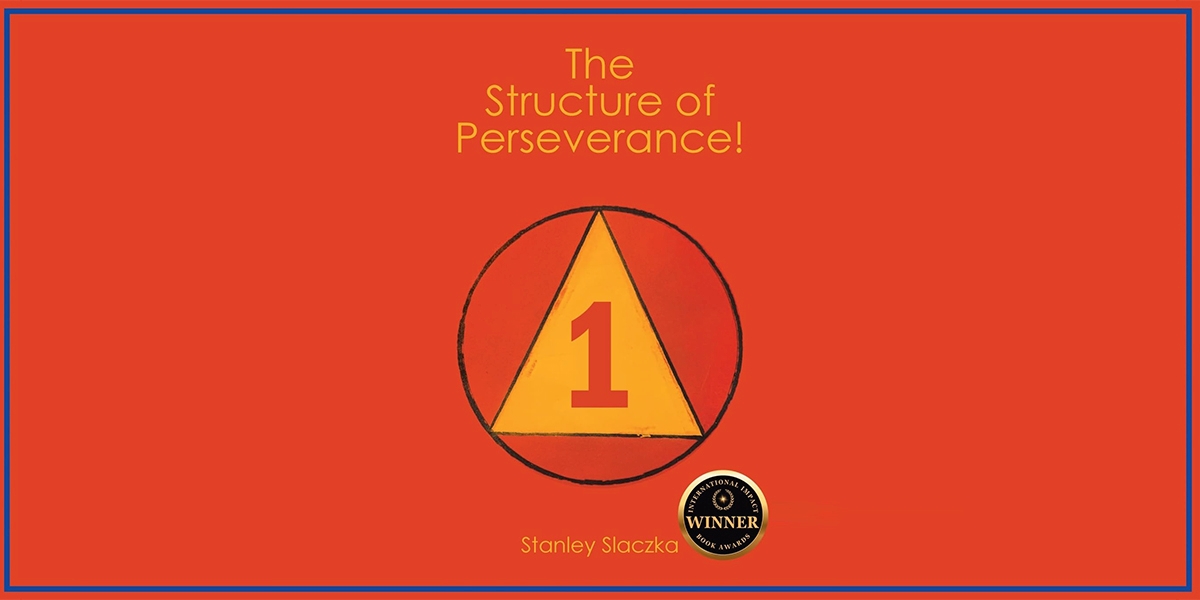
Slaczka’s most recognized work serves as the keystone of his philosophy. Published in 2022, The Structure of Perseverance! crystallizes his core belief: that qualities like resilience and focus are not innate traits but systems that can be architected and mastered. This book distills military experience into a civilian manual, promising a “clear and actionable system” for deconstructing obstacles and building a framework for overcoming them. Recognized with an International Impact Book Award, it targets aspiring leaders, students, transitioning veterans, and anyone seeking a logical framework for self-mastery. It is positioned as the essential toolkit for developing the mental discipline he credits for his own productivity.

Expanding the Philosophical Framework

The systematic thinking that defines The Structure of Perseverance! also informs Slaczka’s broader literary projects. He extends his principles of order and design beyond the individual, exploring their application to theoretical social and organizational concepts. These writings function as a larger thought experiment, applying his signature mindset—analytical, structured, and oriented toward foundational systems—to different scales of problem-solving. This portion of his bibliography demonstrates the wide-ranging application of his core philosophy, from personal habits to abstract design.

Diverse Expressions: Advocacy and Artistry

Beyond these core works, Slaczka’s bibliography showcases his range. Let’s Start Helping The Homeless and The Homeless Veterans!: Getting Started: Manual 1 translates his structured approach to social activism, aiming to create systematic solutions for complex societal issues. In contrast, Songs and Poetry by Tankerstan! reveals a creative outlet under his military pseudonym. This collection, intended to “connect with your creativity,” offers a more personal glimpse behind the disciplined authorial persona, highlighting the balance between rigorous thought and artistic expression.

Analysis: The Unifying Methodology

Analyzing Slaczka’s works reveals a consistent intellectual thread. His writing style is direct and emphatic, mirroring military clarity—ideas are delivered as actionable commands. The unifying message is that deliberate structure is the antidote to chaos, whether in one’s personal life or in one’s thinking. His proposed solutions are invariably architectural: building a structure of perseverance, designing systems, and creating manuals for action. His target audience is those who feel overwhelmed by unstructured systems and seek clarity, control, and a definitive methodology for improvement.

A Voice for Practical Empowerment

In a crowded self-development landscape, Slaczka’s work resonates with those who seek clarity and agency. His direct, imperative writing style—free from jargon—serves a clear purpose: to instruct and activate. The primary value for readers lies in gaining a replicable process. Whether navigating career transitions, educational goals, or personal challenges, the “structure” he provides acts as a stabilizing framework. It appeals particularly to veterans adapting their skills to civilian life, professionals in high-stakes environments, and any individual who believes that progress is built on discipline rather than chance. His award-winning recognition underscores a successful translation of a potent, experience-based philosophy into a tool for universal application.

A Distinct Voice of Discipline

Stanley Slaczka occupies a distinct niche in contemporary non-fiction. He is neither a conventional self-help guru nor a purely theoretical thinker. He is a practical architect of mindset, using the medium of books to provide blueprints for resilience and focused action. His work’s significance lies in its uncompromising consistency and its foundation in lived discipline. Whether one engages with his award-winning guide to perseverance or his broader philosophical explorations, his collective works present a coherent, distinctive worldview. They are the product of a mind that looks at life’s challenges and asks, “What is the most effective structure to solve this?”

Stanley Slaczka’s contribution to contemporary non-fiction is defined by its actionable rigor and the authentic weight of its source. He stands as a practical architect of mindset, providing not just ideas but executable blueprints for personal leadership and resilience. His work demonstrates that the principles of structure, observation, and systematic action are powerful catalysts for growth, regardless of their origin. For readers weary of vague advice, Slaczka’s oeuvre offers a compelling alternative: a forged-in-experience system for building a more focused, persistent, and self-directed life. His distinct voice champions the empowering belief that the most effective tools for navigating chaos are discipline, structure, and a well-engineered plan.

Stanley Slaczka’s distinctive works, spanning from award-winning personal development to unique philosophical explorations, are available for readers seeking a structured approach to complex challenges. To explore his complete bibliography, including The Structure of Perseverance!, visit his official website at stanleyslaczka.com. All titles are also available for purchase in print and digital formats on Amazon and through other major book retailers.

The Portrait Photography Awakening: Industry-Defining Event at the Arnold Clark Photography Mastermind

In the summer, at the end of August, the professional photography industry was weathering a storm of uncertainty. The “digital disruption” was no longer a prediction; it was a daily reality. Across the globe, seasoned pros were closing their doors, overwhelmed by a race-to-the-bottom in pricing and a flooded market of “shoot-and-burn” hobbyists. The prevailing sentiment in online forums was grim: the era of the great American portrait studio was ending.

But in Omaha, Nebraska, three visionaries decided to stage a counter-offensive. Theresa, Bill, and Billy Clark of Arnold Clark Photography didn’t just want to host a seminar; they wanted to create a “mountain-top” experience that would prove, once and for all, that the business of photography was not only alive but capable of reaching heights previously unimagined.

The Portrait Photography Awakening: Industry-Defining Event at the Arnold Clark Photography Mastermind

Photo Courtesy: Arnold Clark Photography

The Mystery of the Golden Box

The revolution began not with an email, but with a physical experience. In early June, 100 select industry leaders received a package that violated professional standards. It was a luxurious, heavy, mysterious box that functioned as a “You’ve Made It” trophy before a single word was read.  As “unboxing” videos surfaced across the web, the entire industry watched with bated breath. The invitations signaled that this wasn’t going to be a standard convention; it was an elite summit for the “Masterminds” of the craft.

This was the first strategic stroke of the Mastermind. Gary Box, the Oklahoma-based powerhouse behind the massive “Inside the Box” Facebook community, utilized his digital reach to broadcast this “unboxing” phase to hundreds of photographers worldwide. As the “Elite 100” shared their invitations online, a sense of prestige and “fear of missing out” (FOMO) gripped the industry. The invitation itself was the first lesson: Luxury is not told; it is felt.

The Visionaries: Arnold Clark Photography & The Support Team

The event was hosted by the powerhouse team at Arnold Clark Photography: Theresa, Bill, and Billy Clark. Known for their “off the charts” success, the Arnold Clark Photography opened its doors to prove that the high-end studio model wasn’t just surviving, it was thriving.

To ensure the logistics of such an ambitious undertaking matched their high standards, they brought in seasoned industry veterans like Lori Nordstrom to assist with the execution. While the Clarks provided the core vision and the “mountain-top” blueprint, Nordstrom’s background in Photography education offered a helpful supporting hand in rounding out the event’s educational lineup. Her presence added a solid layer of professional insight to a weekend that was, first and foremost, a testament to the Arnold Clark Photography family’s industry-changing leadership.  She helped bridge the gap between legends like Clark Martin, Sal Cincotta, and Ralph Romagera and the rising stars of the industry. Her touch ensured that the event felt less like a corporate summit and more like a high-stakes family reunion.

Day One: The “Be Our Guest” Gala

The Portrait Photography Awakening: Industry-Defining Event at the Arnold Clark Photography Mastermind

Photo Courtesy: Arnold Clark Photography

As the sun set over the Omaha Country Club, the 100 attendees arrived at a scene that felt like the Oscars of the Midwest. The banquet hall was a cathedral of inspiration. Six massive Jumbotron screens flanked the room, cycling through a breathtaking slideshow of cinematic imagery that reminded everyone in the room why they fell in love with the craft in the first place.

Then came the moment that has since passed into industry legend: the dessert. In a display of “over-the-top” generosity that left even the most seasoned pros speechless, the Clarks bypassed the standard plated dessert. Instead, the doors swung open to reveal individual, full-sized, brightly colored floral cakes for every single guest. It wasn’t just a meal; it was a psychological breakthrough. It modeled the “Clark Standard”—the idea that “good enough” is the enemy of “great,” and that genuine hospitality means anticipating a need the client didn’t even know they had.

The night dissolved into dancing and “rubbing elbows” with the likes of Shawn Lee, Dan McClanahan, and Megan Dipiero.  For many, such as Sana Antisdaleand Marcy Ralph, it was the first time they realized they weren’t alone in their pursuit of excellence.

Day Two: The “Ted-Talk” Masterclass

The following day, the team moved to the Arnold Clark Photography Studio, a space that served as a “proof of concept” for the entire weekend. Here, the “Mastermind” truly took shape. The afternoon was dedicated to a series of high-impact, “Ted-style” talks delivered by a dozen industry influencers.

Theresa Clark and Gary Box led a series of “Ted-Style” presentations that focused on the discipline of the craft. One of the biggest takeaways, emphasized by both Gary and Theresa, was a sobering yet inspiring reality: succeeding in this industry requires immense hard work. They debunked the myth that success is easy or automated, stressing that a “first-class package” must be delivered from the first phone call to the final product delivery.

The morning sessions were particularly impactful, focusing on the “Elite 100” ‘s responsibility to nurture the profession. The theme was “The Tide Rises All Boats”—the idea that by sharing education and maintaining high standards, the entire industry is elevated.

The “Rising Tide” Philosophy

The most profound moments happened in the quiet morning sessions. As Sabina Cavalli and Nate Peterson observed, the overarching theme was Responsibility. The leaders in the room discussed the “Tide Rises All Boats” philosophy—the belief that the elite 100 had a duty to return to their respective states and “bring others on board” through education.

To cement this legacy, the Clarks presented each guest with a personalized, coffee-table style book featuring the bios and masterworks of everyone in attendance. It was a tangible piece of history, ensuring that the connections made in Omaha would not fade with the flight home.

The Blueprint: Shifting from Commodity to Couture

Inside the walls of the 12,000-square-foot Arnold Clark Photography studio, the “Elite 100” weren’t just shown slides; the Clarks opened their playbook. The curriculum was designed to dismantle the “starving artist” myth.  

The Clarks focused on three “Mastermind” pillars that redefined the industry standard:

  • The Psychology of the High-End Sale: Teresa demonstrated that luxury clients don’t buy “pixels or paper”—they buy an experience and a legacy. They walked attendees through their proprietary consultation process, proving that high-level sales are rooted in emotional connection rather than high-pressure tactics.
  • The “Boutique” Efficiency Model: While the rest of the industry was working harder for less money, Billy Clark showcased how to streamline production without sacrificing quality. He taught the importance of valuing one’s time, showing that a high-end studio survives on margin, not volume.
  • Physical Artistry in a Digital World: In an era where photographers were merely handing over USB drives, the Clarks emphasized the return to finished, physical wall art. They argued that a photograph isn’t “real” until it’s printed, framed, and hanging in a client’s home—a move that instantly separated the professionals from the hobbyists.

The Lasting Impact

As the weekend concluded, the atmosphere in Omaha had shifted from “grim” to “electrified.” While legendary Educators helped facilitate the breakout sessions and logistical flow, the most meaningful takeaway was the Clark family’s radical transparency. By showing their actual books, their studio space, and their daily workflows, they proved that the “Death of the American Portrait Studio” was a myth—provided you dared to lead with luxury.

The “Omaha Awakening” didn’t just end when the 100 leaders flew home. It sparked a ripple effect across social media, as the “Inside the Box” community and other forums began to adopt Clark’s “Value-First” mentality. The storm of uncertainty hadn’t passed, but for those who attended, the Clarks had provided the compass to navigate through it.

The Legacy of the Arnold Clark Photography Mastermind

As the “Elite 100” left Omaha, the “withdrawals” were immediate. The high of being surrounded by 99 other people who “got it” was a rare gift. But the impact was lasting. Attendees like John Rak and Ralph Romagera returned to their studios not just with new techniques, but with a new spirit.

The Arnold Clark Photography Mastermind proved that the photography business is alive and well. It reminded the world that while anyone can take a picture, it takes a Mastermind to build a legacy. The Clarks, with the assistance of Gary Box and Lori Nordstrom, didn’t just host an event; they gave a “gift of a lifetime” to an industry that they love, ensuring that the fire of professional excellence would burn brighter than ever before.

The Clark Box Mastermind proved that the “sky” was not falling—it was simply the ceiling that others were afraid to break through. By combining the digital reach of Gary Box, the social heart of Lori Nordstrom, and the unparalleled generosity of Theresa, Bill, and Billy Clark, the event changed the trajectory of the portrait industry. It proved that in an age of low prices and “good enough” technology, there will always be a thriving, lavish, and profitable home for Excellence. 

Sheldon Clarke Builds Success Across Security, Finance, and Social Media

By: Lila Pembroke

There’s a particular breed of ambition that doesn’t announce itself with fanfare; it simply does. Sheldon Clarke embodies this quietly ferocious determination, the kind that transforms a high school athlete from Kingston, Jamaica, raised in Ansonia, Connecticut, into a digital-age Renaissance man who prefers the challenge of exploring multiple lanes rather than remaining in just one. This mindset has fueled his journey from sports to the digital world, continuously evolving his approach, making him a unique force across industries.

Long before Sheldon Clarke became synonymous with strategic empire-building, he was a force on the court and field, basketball nets yielding to his precision, football fields bearing witness to his relentless drive. Those Friday night lights weren’t just about scoring points; they were his earliest classroom in discipline, resilience, and the intoxicating rush of calculated risk. What most athletes carry as nostalgia, Clarke viewed as a blueprint. It was this early experience that shaped his approach to every new venture, providing the foundation for his success.

The transition from sports to security seemed, at first glance, orthogonal. Yet there’s an elegant logic to it; both demand vigilance, strategic positioning, and an understanding of vulnerabilities. His security company wasn’t merely a business venture; it was Clarke’s first step toward making protection, whether physical or financial, a cornerstone of his work. He wasn’t guarding buildings; he was learning to guard futures.

When Sheldon Clarke, known in digital circles as Flylegacy, pivoted toward credit repair and business funding, skeptics might have seen a possible scatter. Those paying attention might have seen a pattern. He’d identified a fundamental truth: in America, financial literacy often lacks equitable distribution, and access to capital remains gated by invisible hierarchies. Clarke positioned himself not as a salesman but as a translator, decoding the arcane language of FICO scores and SBA loans for communities that may have been systematically excluded from these conversations.

Sheldon Clarke Builds Success Across Security, Finance, and Social Media

Photo Courtesy: Sheldon Clarke

But perhaps most fascinating is how Sheldon Clarke has alchemized presence itself into currency. His social media influence didn’t materialize through manufactured authenticity or aspirational theater, the typical influencer playbook. Instead, he offered something increasingly rare: genuine expertise combined with unvarnished transparency. In an era of purchased followers and rented credibility, Flylegacy built his platform the old-fashioned way, one strategic insight at a time, always staying grounded in authenticity.

His foray into sports betting completes the portrait. This isn’t mere gambling; it’s data science meets intuition, the athlete’s understanding of momentum aligning with the entrepreneur’s appetite for calculated exposure. Where others see chance, Clarke sees systems, patterns, and exploitable edges, constantly analyzing every move for the most informed outcome.

What emerges from Sheldon Clarke’s trajectory isn’t a story of reinvention but of integration. The athlete’s discipline. The security expert’s situational awareness. The financial strategist’s long vision. The influencer’s understanding that attention, properly directed, becomes infrastructure. He hasn’t abandoned previous selves; he’s enhanced them into something singular, evolving with each challenge he faces.

Today, from his digital command center, Sheldon Clarke operates at the intersection of capital, content, and community, three forces that increasingly help define contemporary success. He’s proof that the most interesting careers are not necessarily climbed but built, brick by strategic brick, by those willing to trust their own synthesis over society’s prescribed paths.

In the Sheldon Clarke playbook, diversification isn’t hedging. It’s amplification. Each venture doesn’t dilute focus; it expands perspective. And in an economy increasingly unforgiving of single-skill specialists, that might be the most valuable lesson Flylegacy offers: Build yourself into an ecosystem, not a monument. This approach ensures a stronger foundation that can withstand market changes.

The question isn’t what Sheldon Clarke will do next. It’s what he’s already building that we might not have noticed yet, which will inevitably lead to even greater opportunities for growth.

Never Too Old for War: How a 50-Year-Old Infantryman Redefined Service After 9/11

In the wake of the September 11 attacks, as a wave of young patriots flooded recruiting stations, one man’s enlistment stood in stark, almost unimaginable contrast. Robert J. Shano, Master Sergeant (U.S. Army, Retired), AKA Bob Shano, wasn’t a teenager seeking direction or a college student answering a call to duty. He was a 50-year-old Vietnam-era veteran, a former Sergeant First Class with a family, a career outside the military, and a body that had already endured decades of soldiering. His decision to re-enter the U.S. Army as an Infantryman was met with disbelief, even by recruiters. Yet, his subsequent eleven-year journey—which included three combat tours in Iraq and Afghanistan, culminating in a mandatory retirement at age 62—would cement Master Sergeant Bob Shano’s place as a respected figure and lead to a reconsideration of what it means to be a warrior.

Shano’s story, detailed in his unvarnished memoir Never Too Old for War, is far more than a tale of personal grit. It is a profound testament to the timeless soldiering virtues of experience, resilience, and leadership—qualities that are often considered to be overshadowed in a youth-centric modern military. His service acts as a crucial bridge between eras; he carried the pragmatic, no-nonsense ethos of the Vietnam-generation Army into the complex, asymmetric battlefields of the Global War on Terror. Where some saw a man past his prime, the battlefield revealed an asset of great value: a leader whose judgment was shaped by time, not just training.

His firsthand accounts challenge the belief that physical prowess is the sole domain of the young. Arriving in Iraq at 52, Shano was able to consistently max the Army Physical Fitness Test, often outpacing soldiers half his age. He acclimated to the blistering 130-degree heat of the Mesopotamian desert through sheer will and discipline, forgoing the constant hydration of his younger comrades to build endurance. In his gunner’s hatch, exposed and vigilant during countless convoy missions through the dangerous streets of Baghdad, he demonstrated a mental fortitude that often surpassed the nerves of youth. “The battlefield is no place for mercy or compassion,” he writes, a lesson forged in one era and adapted to another. “You had to be ruthless and uncompromising.”

But Shano’s true authority emerges not just in his ability to endure, but in his critique of the institutional army he rejoined. With the unique perspective of a soldier who had served in the stripped-down, mission-focused force of the 1970s, he views today’s military as sometimes overly entangled in bureaucracy, obsessive documentation, and a risk-averse culture. He laments the rise of “toxic leadership”—leaders who manage by PowerPoint and regulation rather than common sense and moral courage. He witnessed, with palpable frustration, a culture where following protocol often took precedence over achieving the mission, recalling an incident where a sergeant refused him a ride across a stream because he wasn’t wearing a helmet, despite the tactical absurdity of the situation.

His critique is not the grumbling of a stubborn relic; it is the hard-earned wisdom of a master tactician. Shano argues that true leadership is often innate, a quality of “guts and brains” honed in action, not necessarily bestowed by a certificate from a leadership course. He saw, in the tragic failures from the Abu Ghraib scandal to the bureaucratic betrayal of veterans by the VA system, the consequences of an institution that at times lost sight of its core values: duty, integrity, and taking care of its people.

Master Sergeant Bob Shano’s ultimate legacy is his redefinition of service. He demonstrated that the warrior spirit is not bound by a birth certificate, but by character. He showed that experience can be a force multiplier on the modern battlefield, where split-second decisions carry profound consequences. And he issued a call for a return to the fundamental principles that make an army effective: trust in its people, leadership from the front, and an unwavering focus on the mission. In an era of rapid technological change, Never Too Old for War is a reminder that the most essential component of any military remains the timeless, resilient, and experienced human heart of the soldier.

Ready to witness a testament of unwavering duty and truth? Secure your copy of Never Too Old for War and explore the unvarnished reality of service, leadership, and sacrifice from the front lines.

Self-Employment Income Verification Explained: Tax Returns, Bank Statements, and Pay Stubs

Verifying income is a critical step when applying for loans, renting a home, securing insurance, or meeting tax and compliance requirements. For self-employed individuals, income verification can feel more complicated than it is for traditional employees. Instead of a single employer issuing regular documentation, freelancers, contractors, and business owners must rely on multiple records to accurately demonstrate their earnings. Understanding which documents are important and how they interact can make the process far smoother.

This guide breaks down the most common forms of self-employment income verification, including tax returns, bank statements, and pay stubs, and explains when and how each is used.

Why Income Verification Matters for the Self-Employed

Lenders, landlords, and financial institutions use income verification to assess stability and repayment ability. Since self-employed income can fluctuate, third parties often require more than one document to confirm consistency over time. Proper documentation helps establish credibility, reduces delays in approval processes, and minimizes follow-up requests.

Being prepared with organized records can also support tax filings, audits, and business planning. Income verification is not just about proving earnings to others, but also about maintaining accurate financial visibility for yourself.

Tax Returns as Primary Proof of Income

Tax returns are the most widely accepted documents for verifying self-employment income. They provide an official summary of earnings that has been reported to tax authorities, making them highly reliable in the eyes of lenders and regulators.

Most institutions request one to two years of personal tax returns, including Schedule C for sole proprietors or relevant business schedules for partnerships and corporations. These forms show gross income, expenses, and net profit, which is often the figure used to evaluate affordability.

While tax returns offer credibility, they also have limitations. They are historical documents and may not reflect recent changes in income. Additionally, deductions that reduce taxable income can sometimes make earnings appear lower than actual cash flow, which is why supplemental documentation is often requested.

Using Bank Statements to Show Cash Flow

Bank statements provide a real-time snapshot of income activity. For self-employed individuals, they help demonstrate ongoing revenue and financial consistency. Lenders often ask for three to twelve months of personal or business bank statements to confirm deposits and spending patterns.

Consistent deposits from clients or customers strengthen your case, especially when paired with invoices or contracts. Separating business and personal accounts can make this process much clearer, as it allows reviewers to identify income sources quickly.

Bank statements are particularly useful when tax returns are outdated or when income has recently increased. However, they may raise questions if deposits are irregular or if large cash transactions lack explanation, so clear record-keeping is essential.

Pay Stubs for the Self-Employed

Although pay stubs are commonly associated with traditional employment, they can also play a role in self-employment income verification. Business owners who pay themselves through payroll systems often generate pay stubs to document wages, taxes, and deductions.

For freelancers and independent contractors, pay stubs may be created for internal records or to meet third-party documentation requirements. In these cases, tools like a free pay stub generator can help create standardized records that outline earnings clearly and professionally.

However, it is important to note that pay stub generators generate documents based on user-entered information. These are not official employer-issued pay stubs or W-2 forms. They can be helpful for personal record-keeping or as supplemental documentation, but should not be used to misrepresent income or submitted as official proof of income in situations where accurate, employer-issued documents are required (e.g., for tax filings, large loans, or government applications).

Pay stubs are especially helpful when applying for rentals or short-term financing, where recent income proof is required rather than annual totals. While they may not replace tax returns, they can support them by showing current earning patterns.

Additional Supporting Documents

In many cases, income verification involves combining multiple forms of evidence. Invoices, client contracts, profit and loss statements, and 1099 forms can all strengthen your documentation package. These records help explain how income is earned and whether it is recurring or project-based.

For business owners who operate as both employers and employees within their own companies, payroll documentation tools such as a W-2 maker may also be relevant when issuing year-end wage statements.

The key is consistency across all documents. Discrepancies between tax returns, bank statements, and pay stubs can trigger additional scrutiny, so accuracy matters.

How Lenders and Landlords Review These Documents

Reviewers typically look for income stability, not just high earnings. They assess trends over time, average monthly income, and the sustainability of revenue sources. Multiple documents that tell the same financial story increase confidence.

Providing organized files with clear labels and explanations can significantly speed up the process. When income fluctuates, a brief written summary explaining seasonal patterns or one-time projects can also be helpful.

Valuable Practices for Self-Employed Income Verification

Staying prepared year-round makes income verification far easier. Maintain separate business accounts, save monthly statements, and keep copies of invoices and contracts. Regularly updating financial records ensures that you are never scrambling for documentation when an opportunity arises.

Working with an accountant or financial advisor can also help align your tax strategy with income verification needs, ensuring that deductions and reporting choices do not unintentionally limit access to financing or housing.

Final Thoughts

Self-employment income verification does not have to be overwhelming. By understanding how tax returns, bank statements, and pay stubs work together, self-employed individuals can confidently prove their earnings when it matters most. With accurate records and proactive organization, income verification becomes a straightforward process that supports both personal and professional goals.

Disclaimer: The information provided in this article is intended for general informational purposes only and should not be considered as legal, tax, or financial advice. While the tools mentioned, such as pay stub and W‑2 generators, can be useful for personal record‑keeping or small business applications, they should not be used to misrepresent income or replace official employer-issued pay stubs or W-2 forms. Generated documents are not officially recognized by tax authorities or financial institutions and cannot be used for tax filing, government applications, or legal income verification purposes. Using generated pay stubs or W-2 forms to mislead lenders, landlords, or other third parties is illegal and may lead to serious legal consequences, including fraud charges. For official income verification, always rely on documents issued by your employer, such as actual W-2 forms, pay stubs, or other payroll records that comply with the relevant legal and tax requirements. If you have questions regarding your specific tax situation, we recommend consulting with a licensed accountant or tax professional to ensure compliance with tax laws and accurate reporting.

Logan Goetz: Structure, Consistency, and a Grounded Approach to Hair at Craft Collective Salon Group

By: Iris Langley

A Stylist Focused on Precision and Practical Results

Logan Goetz approaches hairstyling with a structured, intentional mindset centered on consistency, clarity, and real-world wearability. As a stylist at Craft Collective Salon Group, Logan’s work reflects an understanding that great hair should function seamlessly in daily life while still feeling polished and confident.

Rather than relying on shortcuts or trend-driven decisions, Logan prioritizes thoughtful execution and long-term results. Clients value the process’s reliability and the confidence that comes from knowing their hair will grow out well and remain manageable between appointments.

Entering the Industry With a Technical Mindset

Logan’s path into the hair industry was shaped by an appreciation for structure and repeatable results. Early in training, Logan focused on mastering core fundamentals, including cutting balance, clean sectioning, and controlled color placement.

This emphasis on technique provided a strong foundation that allows Logan to adapt across different hair types and styles without sacrificing consistency. The approach reflects patience, discipline, and respect for the craft’s technical side.

Strong fundamentals continue to guide Logan’s work today.

A Consultation Process Built on Clarity

Consultation plays a central role in Logan’s client experience. Each appointment begins with a direct, focused conversation designed to align expectations and establish a clear plan for the service.

Logan believes that clarity upfront leads to better outcomes. Options are explained clearly, maintenance is discussed openly, and clients are guided toward solutions that fit both their goals and their routines. This transparency helps clients feel confident and informed throughout the appointment.

Clients appreciate the straightforward communication style and practical guidance.

Commitment to Hair Health and Longevity

Hair health is an important priority in Logan’s work. Color services are approached strategically, with attention to integrity, durability, and long-term condition. Unnecessary processing is avoided in favor of techniques that support strength and manageability.

Education is part of every service. Logan takes time to explain how clients can care for their hair between visits, helping extend results and maintain overall hair health.

This philosophy aligns closely with Craft Collective Salon Group’s commitment to sustainable, responsible beauty practices.

The Experience in the Chair

Clients often describe time in Logan’s chair as calm, organized, and professional. Appointments feel structured without being rushed, allowing space for careful execution and open communication.

Logan’s steady presence creates an environment where clients feel comfortable asking questions and providing feedback. The focus remains on delivering consistent, dependable results every time.

Growing Within the Craft Collective Salon Group Culture

Craft Collective Salon Group’s collaborative environment supports Logan’s continued development. Being part of a salon that values education, shared standards, and professional growth allows skills to evolve while maintaining consistency and quality.

The culture emphasizes accountability and teamwork, reinforcing Logan’s belief that excellence is built through shared commitment rather than competition.

Consistency as a Professional Standard

Consistency defines Logan’s professional reputation. Clients know they can expect clear communication, careful execution, and results that align with the consultation.

This reliability has helped build long-term client relationships rooted in trust and confidence. Logan treats every appointment as an opportunity to reinforce that trust through preparation and attention to detail.

Looking Ahead With Focus

As Logan continues to grow at Craft Collective Salon Group, the focus remains on refinement, continued education, and strengthening client relationships. The goal is steady improvement rather than constant reinvention.

This approach reflects a grounded, professional vision of hairstyling built around structure, care, and reliability.

A Stylist Known for Dependable Craft

Logan Goetz represents the kind of stylist clients seek out for clear guidance, consistent results, and a composed, professional presence. The work reflects a dedication to craft that prioritizes longevity, trust, and quality.

To learn more about Logan Goetz or book an appointment, visit the profile at Meet the Team page.