Why Pre-Qualification Traffic Converts Better Than Direct Apply Traffic

If you audit enough loan affiliate websites, a pattern becomes very obvious. Most sites do not fail because of bad traffic or weak affiliate programs. They fail because they send users into the funnel at the wrong stage.

Direct “Apply Now” traffic looks attractive on the surface. It feels faster. It feels more aggressive. Many beginners assume it should convert better because it pushes users straight to a lender form. In reality, it is one of the main reasons loan affiliate websites fail within their first year.

Pre-qualification traffic consistently outperforms direct apply traffic over time. This is not theory. It comes from reviewing conversion data, lead rejection reports, compliance warnings, and traffic behavior across dozens of loan affiliate projects.

This article explains why pre-qualification traffic works better, why most affiliates get this wrong early, and how profitable loan sites are actually built and sustained using this approach.

The Core Mistake Most Loan Affiliate Sites Make

New loan affiliates usually build their site backwards.

  • They start with lender offers.
  • They design pages around payouts.
  • They push “Apply Now” buttons everywhere.

This approach ignores how borrowers actually behave.

Most loan visitors are not ready to apply when they land on a site. They are uncertain, anxious, and often confused. Many do not know if they qualify at all. When you send these users directly to an application, several things happen.

  • They abandon the form early.
  • They submit incomplete or low-quality data.
  • They trigger fraud and quality filters.
  • They get rejected by lenders.

This creates a dangerous cycle. Low conversion rates lead affiliates to buy more traffic or chase new offers instead of fixing the funnel. Within six to twelve months, most sites shut down.

What Pre-Qualification Traffic Really Means

Pre-qualification traffic does not mean asking users to fill out a full loan application.

It means filtering and educating users before they ever reach a lender form.

A proper pre-qualification flow usually includes:

  • Basic loan amount selection
  • Simple credit profile questions
  • Employment or income type
  • Location or state eligibility
  • Clear explanation of what happens next

This process does three important things.

  • It aligns user expectations.
  • It removes unqualified users early.
  • It sends cleaner, more intentional traffic to lenders.

Affiliates who work with networks like Lead Stack Media quickly learn that lead quality matters more than raw clicks.

Why Direct Apply Traffic Looks Good but Fails Long-Term

Why Pre-Qualification Traffic Converts Better Than Direct Apply Traffic


Photo: Unsplash.com

Direct apply traffic often shows early activity. You might see clicks. You might even see a few leads. This creates false confidence.

But when you look deeper, the problems appear fast.

High Drop-Off Rates

Some loan application forms are long. They ask for sensitive information. When users are not mentally prepared, they quit halfway through. This kills conversion rates and damages trust with affiliate managers.

Low Approval Rates

Users who are not pre-qualified often apply for loans they cannot get. Lenders reject these leads, and networks start flagging your traffic.

Compliance Risk

Pushing users directly to applications without clear disclosures increases compliance issues. This is especially risky in payday and bad credit verticals.

Poor SEO Performance

Pages built only to push “Apply Now” buttons tend to be thin, repetitive, and low value. Google does not reward these pages long-term.

Why Pre-Qualification Traffic Converts Better

Pre-qualification works because it respects how borrowing decisions are made.

Borrowers want clarity before commitment.

It Builds Micro-Commitment

Answering a few simple questions feels safe. Users are more likely to continue once they have invested small effort.

It Filters Out Noise

Unqualified users drop off early, before costing you money or damaging your account.

It Improves Lead Quality

Users who reach the application stage after pre-qualification are more serious. Approval rates increase. Reversals decrease.

It Matches Network Expectations

Trusted loan affiliate networks like Lead Stack Media prioritize affiliates who send consistent, clean traffic. Pre-qualified leads help you build long-term relationships instead of short-term spikes.

Why Most Loan Affiliate Sites Fail in the First Year

Pre-qualification is one piece of a larger picture. Most failures come from stacking multiple mistakes together.

Unrealistic Timelines

Many founders expect profitability in weeks. Loan SEO and lead gen are slow. Trust takes time. Data takes time.

Offer-Centric Thinking

Successful sites are user-centric. Failed sites obsess over payouts instead of borrower intent.

No Funnel Testing

Affiliates often switch traffic sources rather than fix funnel leaks. Pre-qualification steps are rarely tested properly.

Weak Content Strategy

Sites built only for conversions struggle to rank. Educational content paired with pre-qualification performs far better.

How Profitable Loan Sites Are Actually Built

Profitable loan affiliate sites do not look flashy. They look boring and intentional.

Here is what they do differently from day one.

They Start With Borrower Questions

Every page answers a real borrower concern:

  • Am I eligible?

  • What are my chances?

  • What happens if I apply?

  • Will this hurt my credit?

Pre-qualification flows are designed around these questions.

They Separate Education From Application

Content pages educate.
Tools pre-qualify.
Applications come last.

This structure reduces friction and builds trust.

They Use Soft CTAs

Instead of “Apply Now,” they use:

  • Check eligibility

  • See available options

  • Pre-qualify in minutes

These phrases convert better because they reduce pressure.

Pre-Qualification and SEO Work Together

Pre-qualification is not just a conversion strategy. It is an SEO advantage.

Search engines reward pages that:

  • Solve user problems

  • Keep users engaged

  • Reduce bounce rates

  • Demonstrate expertise

Educational loan content paired with interactive pre-qualification tools naturally performs better than thin affiliate pages.

This is why many long-term sites quietly outperform aggressive competitors without chasing trends.

How Lead Stack Media Fits Into Sustainable Growth

Networks like Lead Stack Media are built around quality and scalability. They work best with affiliates who understand funnel design, not just traffic buying.

Affiliates who succeed with Lead Stack Media typically:

  • Send pre-qualified traffic

  • Follow compliance guidelines

  • Maintain consistent volume

  • Focus on long-term SEO and CRO

This relationship compounds over time. Better lead quality leads to better offers, higher caps, and priority support.

Common Myths That Keep Affiliates Stuck

Myth 1: More Traffic Fixes Low Conversions

It does not. Funnel structure matters more than volume.

Myth 2: Aggressive CTAs Convert Better

They convert clicks, not approvals.

Myth 3: Loan Niches Are About Speed

They are about trust and qualification.

Breaking these myths is often the difference between shutting down and scaling.

A Realistic Timeline for Loan Affiliate Success

If you build with pre-qualification in mind, here is a realistic path:

Months 1–3:

  • Content creation

  • Funnel setup

  • Basic testing

Months 4–6:

  • Early SEO traction

  • Funnel refinement

  • Lead quality improvements

Months 7–12:

  • Stable conversions
  • Network trust
  • Predictable revenue

This timeline scares impatient founders. It attracts serious ones.

Final Thoughts

Pre-qualification traffic converts better than direct apply traffic because it aligns with human behavior, lender expectations, and long-term SEO.

Most loan affiliate websites fail because they chase speed instead of structure. They push users too fast, skip trust-building steps, and ignore qualification.

Profitable sites slow down the process in the right places. They educate first. They filter early. They apply last.

If you want a loan affiliate site that survives past its first year, stop thinking like a marketer chasing clicks. Start thinking like a system builder managing risk, trust, and quality.

That mindset is what separates failed sites from sustainable ones.

Disclaimer: The information provided in this article is for educational purposes only and reflects the author’s professional experience in the loan affiliate industry. It is not intended as financial, legal, or investment advice. The strategies and recommendations discussed may not apply to every situation, and results may vary depending on individual circumstances. Always conduct thorough research and consult with a financial professional before making any decisions related to loan affiliate marketing.

Why Home-Based Nursing Is Becoming Essential to Reducing Hospital Readmissions in NYC

Hospital readmissions remain a persistent challenge across the healthcare system. Many patients return shortly after discharge, not because of a single major setback, but because small issues quietly escalate once they are back at home.

Each return visit carries real consequences. Costs rise, hospital beds fill, and recovery gets interrupted—often just as patients are beginning to regain stability.

In New York, where hospitals routinely operate near capacity, the days immediately following discharge matter more than ever. When skilled nursing support continues in the home during early recovery, problems are more likely to be caught early, and avoidable return trips become far less common.

Why Hospital Readmissions Continue to Happen

Discharge day can feel like a finish line, but recovery truly begins once patients return home. Instructions that made sense in a hospital room can become harder to follow when daily routines resume and symptoms begin to shift.

Medication changes are one of the most common trouble spots. New prescriptions, discontinued medications, and adjusted doses can easily create confusion. Side effects may initially resemble normal recovery, allowing warning signs to slip by. Missed doses, incorrect timing, and even double-dosing can happen quickly, especially when more than one caregiver is involved.

Follow-up care introduces another layer of risk. Appointments are often scheduled days later, while questions surface immediately. Phone calls turn into voicemail loops, and families are left waiting. During that gap, early symptoms can escalate into dehydration, infection, uncontrolled pain, or breathing difficulties.

Hospital readmissions rarely stem from a single mistake. More often, they result from small gaps that accumulate during an already fragile period of recovery.

How Home-Based Nursing Supports Post-Discharge Care

Home-based nursing helps bridge the gap between hospital instructions and daily life at home. Nurses monitor symptoms, reinforce medication routines, and provide continuity during the most vulnerable stage of recovery.

Small changes often appear before a crisis. Swelling, fever, confusion, shortness of breath, or unusual fatigue can signal trouble early. With consistent oversight, patterns emerge before those warning signs turn into emergencies.

Medication support also becomes more manageable. Schedules are organized, treatments are used correctly, and side effects are tracked in real time. Families no longer have to guess whether a symptom is part of recovery or something that needs attention.

Clear, consistent communication strengthens the process. When updates move smoothly between home and care teams, concerns can often be addressed through same-day calls or clinic visits—avoiding unnecessary emergency readmissions.

Why Chronic Conditions Increase Readmission Risk

Chronic illness raises the risk of readmission because recovery rarely moves in a straight line. Symptoms fluctuate, routines slip, and small problems can become urgent without close monitoring.

Stroke recovery often unfolds unevenly. Strength, balance, speech, and swallowing may improve, then regress. Falls, dehydration, and medication complications frequently surface during rehabilitation at home. Consistent nursing oversight helps track these shifts and identify changes that require a timely response.

Neurological conditions introduce additional complexity. Tremors, stiffness, confusion, and sleep disruption can vary day to day. Medication timing plays a critical role in mobility and safety, and missed or delayed doses can have outsized consequences. Risk increases when families are unsure which changes are expected and which signal a need for intervention.

Long-term conditions further heighten vulnerability after discharge. Heart and lung issues can worsen with fluid changes or infection. Diabetes may destabilize during periods of stress or reduced appetite. At home, everyday factors—poor sleep, missed meals, limited mobility—can quietly compound risk. Readmissions become more likely when symptoms go untracked, and support feels fragmented.

Private Duty Nursing and the Importance of Continuity

Continuity plays a central role in preventing avoidable hospital returns. After discharge, many patients receive brief, task-focused support. Visits may be spaced out, leaving families to manage gaps on their own.

Private duty nursing provides steadier oversight. When the same nurse—or a small, consistent care team—knows a patient’s baseline symptoms and daily routines, changes are easier to recognize. Follow-through improves, and care becomes simpler to coordinate.

The difference often appears in everyday details. Medication side effects may seem mild at first, then worsen over several days. Skin issues, swelling, shortness of breath, or reduced appetite can remain subtle until patterns emerge. Ongoing nursing presence makes it easier to spot those patterns and respond before symptoms lead to a hospital return.

Consistent nursing routines also support safer transitions. Regular check-ins at home reinforce instructions, reduce confusion, and help patients regain confidence as recovery continues.

How Home Care Providers Help Reduce Hospital Readmissions

Home care providers play an important role in reducing hospital readmissions when post-discharge support remains organized, responsive, and consistent. In the early days after discharge, patients often need clear routines, timely answers, and steady follow-through as symptoms shift and recovery unfolds at home.

Nurse-led planning helps bring structure to that period. Care stays focused on keeping instructions clear, tracking symptoms as they evolve, and guiding families on what to watch for next. Services such as nurse care management support post-discharge recovery by improving coordination, reinforcing medication routines, and keeping communication consistent across care teams.

For more complex situations—such as frequent medication changes, higher fall risk, or multiple chronic conditions—expanded coverage can provide added reassurance. Having reliable clinical oversight reduces uncertainty and helps prevent small issues from escalating.

Across the New York metropolitan area, private duty nursing has become an essential part of post-discharge and long-term home-based care. Providers such as Affinity Home Care support patients through private duty nursing and nurse care management services designed to help individuals recover safely at home and remain there during ongoing treatment.

Search behavior reflects this growing need. Families leaving the hospital often look for terms like private duty nursing Long Island when symptoms feel uncertain, and support needs change quickly. Consistent home-based nursing helps catch problems early, maintain continuity, and keep recovery on track—reducing avoidable hospital returns.

Looking Ahead: Recovery Beyond the Hospital

Hospital readmissions remain common because recovery does not end at discharge. Once patients return home, care often becomes fragmented, symptoms can shift quickly, and small uncertainties can grow into urgent problems.

Home-based nursing helps reduce that risk by extending clinical oversight into daily life. Consistent symptom monitoring, medication support, early intervention, and clear communication with care teams all help stabilize recovery during its most vulnerable stage.

Private duty nursing adds continuity. With steady presence and familiar routines, patients and families are better able to follow care plans, recognize changes, and respond before complications escalate. When support remains consistent beyond the hospital, recovery at home becomes more predictable, more manageable, and better sustained.

Pennsylvania Marketing Agency Virsa Labs Helps Contractors and Detailers Automate Lead Generation with AI Systems

By: Alex Morgan

New York, NY — Small service businesses often face a persistent challenge unrelated to service quality. Leads can go cold quickly when response times are delayed. For contractors, detailers, and home service providers managing active jobs, this timing can create a difficult tradeoff between completing work and responding to inquiries.

A Pennsylvania-based marketing agency specializing in contractor and detailing marketing is addressing this issue through AI-powered automation systems designed to help capture, qualify, and follow up with leads more consistently, without requiring additional staff.

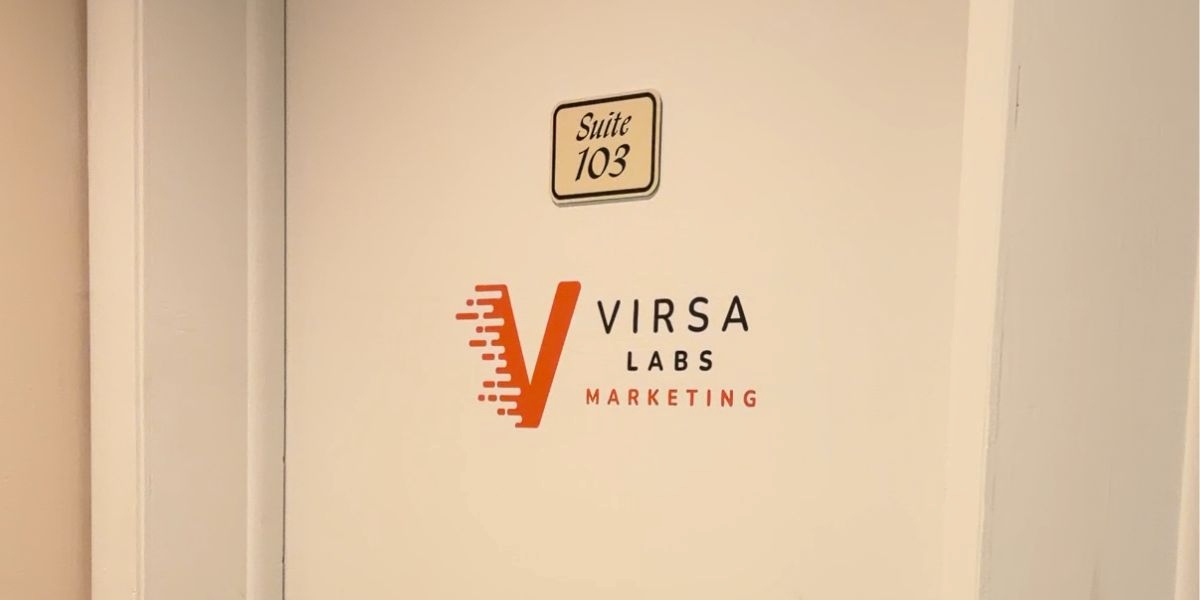
Virsa Labs Marketing, founded in 2024 by Harjot Dehal and Arshdeep Singh, is headquartered at 3005 Brodhead Rd, Ste 103 in Bethlehem, Pennsylvania. Dehal, a Bethlehem native with a master’s degree in Computer Science specializing in Artificial Intelligence from NJIT, and Singh, an Easton resident who studied Computer and Data Science at Penn State, built the agency on a foundation of technical expertise and local market knowledge. The company has built national reach while maintaining a focus on localized market optimization, combining immediate response automation with search engine visibility strategies tailored specifically for service-based businesses. The agency maintains a 5.0-star Google Business Profile with 65-plus reviews and has supported a wide range of service businesses with local SEO, paid ads, and automation systems.

The Response Time Problem

“They’re excellent at their craft, but they’re in the field doing actual work when leads come in,” explained Singh. “By the time they call back hours later, that customer may have already booked with a competitor who responded more quickly.”

The financial impact of a delayed response can extend beyond individual missed opportunities. When businesses consistently miss the commonly cited 30-minute response window, they may develop a perception of poor communication, even when their actual service quality remains strong.

The automation platforms address this through instant engagement protocols. When potential customers submit contact forms, call during off-hours, or message through social media, AI-powered systems immediately respond with customized messaging, qualification questions, and scheduling options.

These systems operate continuously, nurturing leads around the clock, responding quickly, and supporting conversion efforts while business owners sleep or focus on delivering services. For companies that traditionally relied on manual outreach and personal phone calls, this technology represents a shift in how initial customer interactions can be managed.

Real Growth Through Systematic Infrastructure

Case Study: S3 Detailing (Wilmington, NC)

S3 Detailing in Wilmington, North Carolina, partnered with Virsa Labs to develop their digital infrastructure, including website optimization, Google presence, and automation systems.

“Andy and HD at Virsa Labs are phenomenal,” Sullivan explained. “Their marketing expertise has not only fueled my business growth but also helped me automate, scale, and streamline operations through their powerful SEO strategies and CRM solutions. They’ve been an invaluable partner in taking my business to the next level”

The company has since expanded to include S3 Pressure Washing and maintains active scheduling across both divisions.

Beyond Lead Capture: Complete Journey Automation

What Gets Automated

Many marketing agencies focus primarily on traffic generation or lead capture. Virsa Labs Marketing emphasizes automation across multiple stages of the customer journey, including appointment reminders that help reduce no-shows, post-service review requests that support reputation building, and reactivation campaigns for past customers.

For service businesses balancing active projects, this approach can help reduce administrative strain and improve organization. Automated appointment reminders sent 24 hours and one hour before scheduled visits have been shown to reduce missed appointments, supporting scheduling efficiency.

Will McDonald, a roofing manager who experienced this approach, noted, “Great, personalized experience. We’ve recommended multiple small businesses their way.”

The review automation component addresses another common challenge. Many satisfied customers do not leave reviews unless prompted. The agency’s systems automatically request reviews following completed jobs, making reputation building more consistent rather than sporadic. This ongoing review activity can contribute to improved Google visibility and consumer trust.

Building Sustainable Growth Through Better Systems

Service businesses working with the agency often report shifts in how they generate and manage customer inquiries. What previously depended heavily on referrals and word-of-mouth becomes more predictable through improved search visibility and structured follow-up processes.

This pattern appears across multiple industries. Contractors who previously relied on referrals now generate more consistent inquiry volume through optimized Google presence and advertising. Detailers who once managed calls during service sessions now use systems that handle communication without constant interruption. The focus shifts from working longer hours to working more efficiently with better-organized lead flow.

National Reach with Local Market Expertise

Though based in the Lehigh Valley region of Pennsylvania, Virsa Labs Marketing serves clients across North Carolina, Oregon, Maryland, Idaho, Washington, New Hampshire, and New Jersey. This geographic diversity suggests the systems can be adapted across different markets, while the agency maintains particular strength in local SEO and geographic targeting.

Example: VersionEX Auto (Eugene, OR)

VersionEX Auto in Eugene, Oregon, partnered with the Pennsylvania-based agency to develop digital infrastructure aligned with their operational standards. Despite the distance, the team delivered localized websites, organized communication workflows, and advertising campaigns designed to reflect VersionEX’s branding while targeting their regional market.

The consistent outcomes across these markets highlight a common principle. While tactics may vary by industry and location, timely response, structured follow-up, and local search visibility often play a central role in service business growth.

Technology Configured for Service Business Workflows

The automation platforms Virsa Labs Marketing implements are configured specifically for service businesses rather than adapted from unrelated industries. Their CRM systems track lead sources, manage sales pipelines, and maintain communication histories while integrating with existing phone numbers and operational processes.

This integration matters because many small business owners previously attempted automation but discontinued use due to complexity or poor workflow fit. The agency focuses on implementations designed to support existing operations rather than disrupt them.

The agency also emphasizes transparency in tracking and attribution. Clients receive reporting showing where leads originate, whether from organic search, Google Ads, Facebook advertising, or referrals. This visibility allows for more informed marketing decisions rather than relying on assumptions.

Transparent Approach Without Contractual Lock-In

Unlike agencies that require long term commitments, Virsa Labs Marketing operates without extended contracts. This approach reflects confidence in ongoing performance as a basis for retention rather than obligation.

No Long-Term Contract Model

The agency offers free website and SEO audits prior to engagement, allowing business owners to evaluate strategies and set expectations before proceeding.

“We focus on clarity and honesty above everything else,” explained a company representative. “If we don’t believe our services are the right fit, we’d rather provide guidance than move forward unnecessarily.”

This philosophy extends beyond sales conversations. The team regularly provides consultations and insights to entrepreneurs seeking to improve their digital presence, even when formal engagement is not immediately pursued.

Community Investment Beyond Client Work

Virsa Labs Marketing maintains involvement in the Lehigh Valley community. In late 2025, founders Harjot Dehal and Arshdeep Singh sponsored Easton High School’s FBLA chapter, supporting student development in entrepreneurship and leadership. The agency is developing a Community Scholarship program recognizing students demonstrating service and innovation.

Dehal, a Phillipsburg High School graduate, serves on the committee at Easton Sikh Sadh Sangat Inc. Gurdwara, participating in youth programs and community initiatives. Singh, an Easton Area High School graduate, brings his Penn State education and local connections to client relationships.

This community engagement reflects the agency’s emphasis on long-term relationships rather than purely transactional growth.

Looking Forward

For service businesses evaluating their 2026 marketing strategies, automation is increasingly viewed as an important component of scalable operations. Customer expectations now often include quick responses, convenient scheduling, and organized follow-up regardless of business size.

The agency’s experience across roofing, HVAC, remodeling, exterior services, and automotive detailing suggests these systems can be applicable across service industries. Whether operating locally or across regions, the underlying challenge remains capturing attention, maintaining engagement, and converting interest efficiently.

Businesses interested in learning how AI-powered automation and local SEO may influence lead generation can contact Virsa Labs Marketing at team@virsalabs.io or visit virsalabs.io to request a complimentary digital presence audit.

About Virsa Labs Marketing

Virsa Labs Marketing is a digital marketing agency based at 3005 Brodhead Rd Ste 103 in Bethlehem, Pennsylvania, specializing in local SEO, web design, paid advertising, and AI-powered marketing automation for service businesses. The agency serves clients throughout the Lehigh Valley region, including Bethlehem, Allentown, and Easton, while maintaining a growing national portfolio. With experience in the contractor and automotive detailing industries, Virsa Labs Marketing focuses on building lead generation systems designed to support measurable business outcomes without requiring long-term contracts.