Can a Lawyer for SSDI Help With Chronic Illness Claims?

Are endless SSDI denials leaving you frustrated with your chronic condition? You’re not alone. Team up with an expert lawyer who can spot the gaps and turn those rejections into real approvals.

Living with chronic illness and, on the other hand, applying for Social Security Disability Insurance (SSDI) adds another layer of stress, with confusing paperwork and long wait times. 

Despite this, many claims are denied, specifically for conditions that are more difficult to measure. Getting help from an SSDI lawyer can simplify the process, strengthen your application, and improve your chances of receiving the support you need.

Read on to learn why repeated rejections happen and where expert support can help.

Why Chronic Illness Claims Face Extra Hurdles

Chronic conditions often lack clear tests, making verification challenging for the Social Security Administration (SSA). 

Unlike a broken bone, which can be diagnosed with an X-ray, these types of conditions rely on daily symptoms that disrupt work and life, but proving you can’t work enough to earn a living often feels personal.

Where Most Applicants Get Stuck: Most of the applicants don’t clearly explain how their symptoms affect daily work, and missing medical visits or job details often lead to quick application rejections. As a result, over 65% of claims are denied each time. 

What Changes with the Expert Guidance: A lawyer for SSDI spots these issues early and frames your conditions in accordance with SSA rules to show why work isn’t possible. This makes the process more stable right from the beginning.

How Proper Medical Evidence Can Make or Break a Claim

The accuracy of your medical reports must show that your illness lasts at least a year and affects your ability to work. Collecting these medical records can feel overwhelming, specifically when you’re already suffering. 

What Usually Goes Wrong: Many applicants assume their diagnosis alone is enough. In reality, the SSA often pays more attention to what a doctor actually writes between the lines than to the name of the condition itself.

What Changes with the Expert Guidance: An expert lawyer can organize your medical records, request detailed statements from doctors, and address any gaps in your documentation correctly. This adds more clarity, strengthens the claim, and reduces the chance of denial.

Where Paperwork and Eligibility Often Go Wrong

SSDI requires valid work credits, income history, and application forms that explain how an illness affects your daily life. Here, many applicants often make mistakes by underestimating SSA requirements.

Why Claims Fall Apart At This Stage: Applications may skip important sections or overstate abilities. Financial records and job history often lack clear timelines, which only adds to the confusion throughout the process.

What Changes with the Right Guidance: A professional legal support team helps review eligibility and ensure your application forms highlight real limitations. This expert guidance makes the process more precise and less stressful for the applicant.

What Happens After an SSDI Claim Is Denied?

Denials are common, but appeals require solid evidence. Hearings can be helpful for chronic illness claims, but many applicants go in without proper preparation.

What Usually Goes Wrong: Missing the 60-day appeal deadline often leads to additional denials. Many applicants appear before judges without solid evidence, particularly when dealing with symptoms that are not readily observable.

How the Process Looks With Proper Support: An expert SSDI lawyer files appeals on time. Also collects updated medical records and builds strong arguments. Their understanding of SSA rules helps improve the chances of approval.

Final Thoughts 

Chronic illness SSDI claims typically encounter high denial rates and demand thorough documentation. The entire SSDI process often takes months or even years. 

Legal guidance allows applicants to focus on health while an attorney manages paperwork and deadlines. With proper guidance on the process, applicants with chronic illnesses can improve their chances of receiving SSDI benefits.


Disclaimer: The information provided in this article is intended for general informational purposes only and should not be construed as legal advice. For assistance with Social Security Disability Insurance (SSDI) claims, it is recommended to consult with a qualified SSDI attorney. Results may vary based on individual circumstances, and all claims are subject to the Social Security Administration (SSA) approval process.
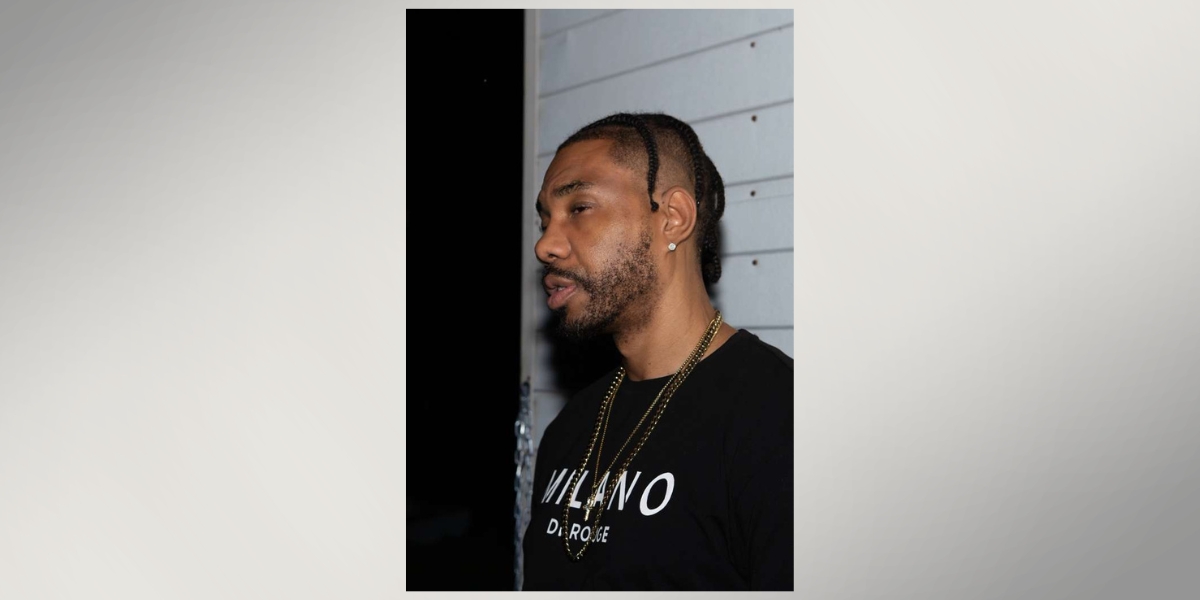

Leroy aka Lbee Delivers a Powerful Funeral Performance in NYC

Hip-hop often lives on stages, in studios, and through speakers, but sometimes its most powerful moments happen far away from the spotlight. For Leroy aka Lbee, one of those moments came in New York City, where music became a bridge between loss, love, and legacy.

While in NYC, Leroy, aka Lbee, was asked by his family to perform at the funeral of his cousin, Robert Evans, aka Jigga, who tragically lost his life in a crash in Virginia. The request carried deep meaning. As Leroy shared, it was something his cousin would have wanted: music as a final celebration of life rather than silence. What followed was an emotional performance that resonated throughout the room, leaving a lasting impression on everyone present.

When Music Becomes a Tribute

Performing at a funeral is not about promotion or exposure; it’s about presence. At that Queens, NYC gathering, Leroy, aka Lbee, used his voice to honor family, memory, and shared pain. The response was overwhelming. Attendees connected deeply with the performance, embracing the honesty and vulnerability that define his music. In that moment, hip-hop became healing.

The performance, captured on video, shows a raw and unfiltered side of Leroy, one rooted in real experiences rather than industry polish. It was a reminder that music, at its core, exists to serve people, especially during life’s hardest moments.

https://youtube.com/shorts/RvndlVGQJLs

From Reflection to Creation

Shortly after the funeral performance, Leroy remained in New York City and transitioned from tribute to creation. He went on to film the upcoming music video for Solid, a track from Mixed Emotions, working with visual creator Stunna Shot That. The shift from mourning to motion reflected the very themes that define the project: resilience, growth, and emotional honesty.

Mixed Emotions: More Than an EP

Mixed Emotions is not a rushed release. It represents years of personal growth, loss, and self-discovery. Tracks like “Gas,” “Tactics,” and “Thottie Hottie” helped Leroy build momentum while staying patient with his process. The project explores relationships, setbacks, and the mental battles that come with evolution, making it relatable to listeners navigating similar paths.

To make the release a full experience, fans who purchase the album can get a Game Change Union shirt that blends music, lifestyle, and community.

Beyond Music: Building Game Change Union

Leroy, aka Lbee’s vision, extends far beyond recording songs. Through Game Change Union, he designs and prints his own shirts, turning the brand into a representation of mindset, discipline, and independence. Balance plays a major role in his life; basketball, boxing, gym training, and even chess help keep his mind sharp and focused.

This hands-on approach allows him to stay closely connected to every aspect of his creative output, from music to merchandise. Each element reflects a personal standard that values intention, consistency, and self-awareness over volume or trend. That same mindset influences how he approaches daily routines, treating creative work and personal discipline as interconnected rather than separate pursuits.

Expanding Reach Without Losing Control

Continuing his independent rise, Leroy aka Lbee recently secured a distribution deal with Symphonic Distribution. The partnership allows his music to reach major global streaming platforms while preserving full creative freedom, an important milestone that reflects both growth and ownership.

A Moment That Defines the Journey

The funeral performance in Queens was not planned as a career moment, yet it embodied everything Leroy aka Lbee stands for: patience, honesty, and the courage to feel deeply.

Leroy, aka Lbee, isn’t just releasing music; he’s documenting life as it happens, turning real moments into records that live beyond him.

Discover more about Leroy aka Lbee, his music, and Game Change Union at leroygamechangeunion.com.

Traveling Through Bulgaria and Romania — Where Europe Still Feels Unscripted

Some trips impress you right away. Others take their time. Traveling through Bulgaria and Romania belongs firmly in the second category.

These are not countries that rush to show you their best side. They don’t market themselves loudly or bend to expectations. Instead, they continue living their daily lives, and if you happen to pass through with enough patience, they let you watch.

Two Countries, One Underlying Rhythm

Bulgaria and Romania are different in obvious ways — language, architecture, temperament — but when you travel through them slowly, you start noticing what they share.

Life moves at a human pace. Villages wake up early and settle in early. People linger in cafés without apology. Conversations happen face-to-face. You’re rarely treated as a “tourist” and more often as someone passing through a place that already exists quite happily without you.

Crossing the border doesn’t feel like crossing into a new world. It feels like a shifting tone.

Bulgaria is quieter, more reserved, almost introspective. Romania feels more expressive, more openly warm. But both value the same things: continuity, community, and a kind of grounded practicality that’s becoming rare elsewhere in Europe.

Bulgaria — Calm, Solid, Unconcerned

Bulgaria doesn’t perform for visitors. It doesn’t try to charm you with highlights or sell itself as an experience. Cities feel functional first, interesting second. Rural areas feel worked rather than preserved.

You might spend an afternoon doing nothing more than drinking coffee and watching people pass. No one rushes you. No one interrupts. It feels normal — and that’s the point.

Hospitality here is quiet. It arrives without explanation. A chair appears. A drink is poured. No fuss is made.

Romania — Lived-In and Generous

Romania feels more outwardly expressive. Villages are colorful. People talk easily. Invitations come without much thought.

Here, everyday life spills into public space. Children play where history happened. Meals stretch longer than planned. Evenings are social by default.

Romania doesn’t separate its past from its present. Medieval towns are still towns. Churches are still used. Nothing feels staged.

Why Traveling Them Together Works

Seeing Bulgaria and Romania on the same trip sharpens your understanding of both. Bulgaria’s restraint highlights Romania’s warmth. Romania’s expressiveness brings out Bulgaria’s depth.

Together, they tell a fuller story of a part of Europe that hasn’t been overly filtered or packaged. A place where traditions continue not because they’re protected, but because they’re useful.

Traveling with local insight matters here. Moving through the region with Balkan Trails allowed space for detours, conversations, and unplanned moments — the kind of things that rarely fit into rigid itineraries but define how a place is actually experienced.

Movement through Bulgaria and Romania tends to be incremental rather than dramatic. Trains arrive when they arrive. Roads curve instead of cutting straight lines. Distances that look short on a map take longer than expected, and no one seems bothered by that. Waiting becomes part of the rhythm rather than a disruption. You learn quickly that efficiency is not the measure of a good day here. Progress is felt through accumulation, with small observations stacking quietly on top of each other. A shopkeeper closing early. A neighbor stopping by without warning. A pause in conversation that is not awkward, just unfilled. The landscape mirrors this pace. Hills roll rather than rise. Fields stretch without demanding attention. Travel becomes less about reaching the next stop and more about staying present while moving through what is already unfolding.

Food as the Common Language

In both countries, food is about inclusion, not presentation.

Meals are simple, filling, and shared. Nobody explains dishes. Nobody asks if you liked them. You eat what’s there, talk while you eat, and sit longer than expected.

Food marks the day more than schedules do. Breakfast is quiet. Lunch is practical. Dinner is social.

What Stays With You

You don’t leave Bulgaria and Romania with a checklist of highlights completed. You leave with quieter impressions: the sound of church bells across fields, the weight of a ceramic bowl, the feeling of sitting somewhere with no reason to move.

These countries don’t dazzle. They steady you.

And once you’ve experienced that kind of travel — unhurried, unscripted, genuinely human — it’s hard to return to anything else without noticing what’s missing.

Tina Vidal-Duart on Opera’s Vanishing Voices: Breaking Barriers and Building Audiences

By: Ethan Lee

As a new year begins, the conversation around the preservation and future of opera is gaining renewed urgency. Opera’s Vanishing Voices, a poignant documentary now available to global audiences, seeks to challenge the misconceptions surrounding this transformative art form. We sat down with Tina Vidal-Duart, executive producer of Opera’s Vanishing Voices, to discuss the film’s mission to redefine opera’s image, the surprising accessibility of live performances, and why protecting these voices is a cultural imperative for 2026.

Q: The new year often brings a sense of reflection and renewal. Why is this the right moment for Opera’s Vanishing Voices to reignite the global conversation about opera?

Tina Vidal-Duart: Opera companies around the world are facing an existential moment. Just this week, even the Metropolitan Opera announced layoffs and mounting budget deficits. But this isn’t the first time opera’s future has been questioned—and history shows us that reinvention is not only possible, it’s essential. In the 1990s, Luciano Pavarotti reignited global passion for opera through Pavarotti and Friends, boldly blending classical performance with contemporary genres and artists.

Every enduring music genre evolves to stay relevant, especially if it hopes to inspire younger audiences seeking experiences that feel fresh, accessible, and emotionally resonant. Opera is no exception. What’s needed now is a thoughtful industry pivot—one that honors the power and tradition of the art form while embracing innovation through immersive technology, shorter and more engaging productions, native-language performances, and collaborations with today’s popular music.

That evolution is at the heart of Opera’s Vanishing Voices, which takes audiences on a compelling journey from the brink of collapse to creative rebirth. It’s a story of how opera can transform itself—not just to survive, but to captivate new generations and reclaim its place on the world stage.

Q: The documentary features a diverse group of cultural leaders and artists. Can you tell us about the voices featured in the film and how they help redefine the image of opera?

Tina Vidal-Duart: The film features an extraordinary group of artists who are actively reshaping the future of opera. Limmie Pulliam, for example, is breaking barriers as one of the first Black lead opera singers in an art form that has historically been overwhelmingly white. His voice—and the characters he brings to life—serve as powerful representation for young Black and minority audiences, showing them that opera is a space where they belong, and that with passion and determination, there are no limits on who they can become.

Samy Hawk, winner of MTV’s Becoming a Pop Star, electrified Miami audiences by proving that opera can be both impactful and undeniably cool—blending operatic technique with rap and contemporary sound in a way that feels authentic and accessible.

And Nicoletta Pavarotti reminds us that while change often invites skepticism, it is precisely that willingness to evolve that has revived opera in the past—and will do so again. 

At its core, this film underscores a universal truth: adaptation is what allows art, and life itself, to survive. Stagnation, on the other hand, leads only to decline.

Q: One of the biggest barriers to opera is the perception of cost and exclusivity. How does the documentary address this, especially in the current entertainment landscape where pop concert tickets can be incredibly expensive?

Tina Vidal-Duart: One of the biggest misconceptions about opera is that it’s expensive or exclusive—when in reality, it’s one of the most cost-effective art forms today. In a world where concert tickets routinely cost hundreds, if not thousands of dollars, you can experience world-class opera in Miami for as little as $22 for main-season performances, and even free through Florida Grand Opera’s Community Series.

This documentary directly challenges the outdated idea that opera is elitist. At its core, opera was never meant to be reserved for a select few—it was created to tell powerful human stories, accessible to everyone. By breaking down these myths, the film reframes opera not as an exclusive luxury, but as a living, affordable, and deeply relevant art form meant to be shared by all.

Q: Beyond the potential loss of the art form, what are the broader themes the documentary explores regarding opera’s role in society, education, and even science?

Tina Vidal-Duart: Opera plays a vital role in a healthy, civilized society. It creates space for cultural dialogue, reflects the full spectrum of the human experience, and serves as both an artistic and economic engine. By weaving together music, drama, and visual storytelling, opera tackles complex social, political, and cultural issues—inviting reflection, empathy, and meaningful community connection. It gives voice to new narratives while standing as a marker of a society’s cultural depth and evolution.

Beyond its artistic impact, arts and culture generate more than $2 billion annually in Florida, support over 20,000 jobs, and attract millions in tourism—making opera not just culturally essential, but economically indispensable. And perhaps most importantly, music has been scientifically shown to support healing and improve health outcomes. Through initiatives like the music therapy program at Florida Grand Opera, opera extends far beyond the stage—providing comfort, recovery, and emotional healing for first responders, trauma survivors, and countless others. This is the power of opera: it heals, it connects, and it strengthens society from the inside out.

Q: For those inspired to support this mission, how can audiences be part of opera’s future?

Tina Vidal-Duart: The most powerful way people can support opera is by showing up and investing in it. Buy tickets—not just to one performance, but to the full season. Fill the seats. Bring friends. Engage online by watching, liking, sharing, and leaving five-star reviews for Opera’s Vanishing Voices (vanishingvoices.org)—because visibility matters.

But most importantly, give. As grant funding for arts and culture continues to shrink, the future of opera increasingly depends on community support. When institutions like Florida Grand Opera receive donations, it sends a clear message: that arts and culture are not optional—they are essential. We show the world the value of opera the same way we preserve anything meaningful—by investing in it. Giving is how we keep these voices alive.

To support directly, donations can be made at: https://fgo.org/donate-now/

As cultural institutions and communities plan for the year ahead, Opera’s Vanishing Voices offers a timely reminder that the future of opera is still being written. By reconsidering opera not as a luxury but as an opportunity for connection and emotional discovery, audiences can help ensure that this powerful art form continues to thrive. To learn more or to watch the film, visit vanishingvoices.org.

MAD Man Marketing: The Reason Why Missouri Businesses Are Choosing Organic Growth Over Ads

By: Kattie Muniz

For many small and mid-sized businesses across Missouri, marketing has become a gamble. Paid ads promise fast leads but often deliver inconsistent results, rising costs, and little clarity about what is actually working. At the same time, business owners know they should care about SEO and organic visibility, but too many agencies make it feel overly technical or deliberately opaque. 

Michael DiMaria founded MAD Man Marketing to solve that exact problem. 

Based in Missouri and launched in 2023, MAD Man Marketing helps local businesses grow sustainably by uncovering opportunities already waiting within their online presence. Instead of pushing ad spend or packaged services, the agency focuses on education, transparency, and long-term organic growth that compounds over time. 

“At this point, information is free,” DiMaria says. “You can find almost anything on Google or ChatGPT. What businesses actually need is someone to do the work properly, explain what matters, and show where growth is leaking without trying to sell them something first.”

Mad Man Marketing’s Approach: Strategy Over Vanity Metrics

DiMaria brings more than a decade of experience in marketing strategy, SEO, and building brand authority. His work centers on helping businesses become visible when customers are actively searching for their services, rather than relying on interruptive ads or inflated performance dashboards. 

Too often, DiMaria says, businesses are shown vanity metrics that look impressive but don’t directly translate into revenue. 

“Traffic doesn’t matter if it doesn’t convert, and conversions don’t matter if they are expensive or unsustainable,” he explains. “MAD Man Marketing focuses on metrics that tie directly to business outcomes, not numbers that exist just to justify a monthly retainer.”

The agency’s approach integrates SEO, content, messaging, branding, and psychology into one cohesive strategy. Its goal isn’t to generate short-term spikes but durable visibility and trust that reduce dependence on paid advertising altogether. 

How MAD Man Marketing Helps Missouri Businesses Grow Without Wasteful Ad Spend

While many agencies lean heavily on PPC and automation tools, MAD Man Marketing prioritizes organic lead generation, but that doesn’t mean ads are ignored entirely. Instead, they simply aren’t treated as the foundation for growth. 

“Paid ads can work, but they shouldn’t be the crutch holding your business up,” DiMaria says. “Organic growth builds authority. Authority builds trust. And trust is what brings in better leads over time.”

Rather than replacing one dependency with another, MAD Man Marketing works to give business owners clarity about how their digital presence actually performs and where revenue is being lost. 

Education And Transparency are at The Core of MAD Man Marketing

A defining feature of MAD Man Marketing is its commitment to education. The agency doesn’t believe clients should be dependent on them to understand their own marketing. 

“We charge for work done, not knowledge withheld,” DiMaria says. “If a business wants to understand what we’re doing and why, that should never be a problem.”

That belief led to the creation of the complimentary Revenue Leak Strategy, a free, in-depth breakdown of missed organic opportunities. The strategy identifies where businesses are losing visibility, traffic, and leads, and provides clear, actionable insights that owners can use whether or not they hire the agency.

“There are no strings attached, and no phone call is required,” DiMaria says. “If a business walks away with clarity and never becomes a client, then that’s still a win.”

MAD Man Marketing: A Long-Term Partner for Missouri Businesses

MAD Man Marketing positions itself as a boutique agency by design. Unlike large, factory-style firms with rigid systems and hundreds of accounts, the agency focuses on hands-on strategy, direct communication, and custom execution.

“Our clients don’t get lost in a pipeline,” DiMaria says. “Every strategy is built for the business in front of us, not pulled from a template.”

That approach has helped MAD Man Marketing build trust within Missouri’s local business community, where long-term relationships often matter more than fast wins.

“We’re invested in the communities we serve,” DiMaria adds. “If local businesses grow smarter and stronger, that benefits everyone.”

A Clear Next Step

For Missouri business owners who are tired of guessing where their leads should be coming from, MAD Man Marketing offers a clear starting point.

Local businesses can request a complimentary Revenue Leak Strategy to see where they may be missing organic leads and how to recover them, no ad spend required.

Disclaimer: The information provided in this article is for general informational purposes only and does not constitute professional advice. For personalized strategies and guidance, please consult with a marketing expert or business advisor.

Allan Palacios Chan Turns Madonna’s Frozen Into a Cinematic Orchestral Event

By: RoRo Yone

With a sweeping symphonic reimagining of the pop classic, the rising symphonic pop artist fuses operatic technique and crossover storytelling into a genre-defining release.

Opera singers cover pop songs all the time. Few transform them into cinematic events.

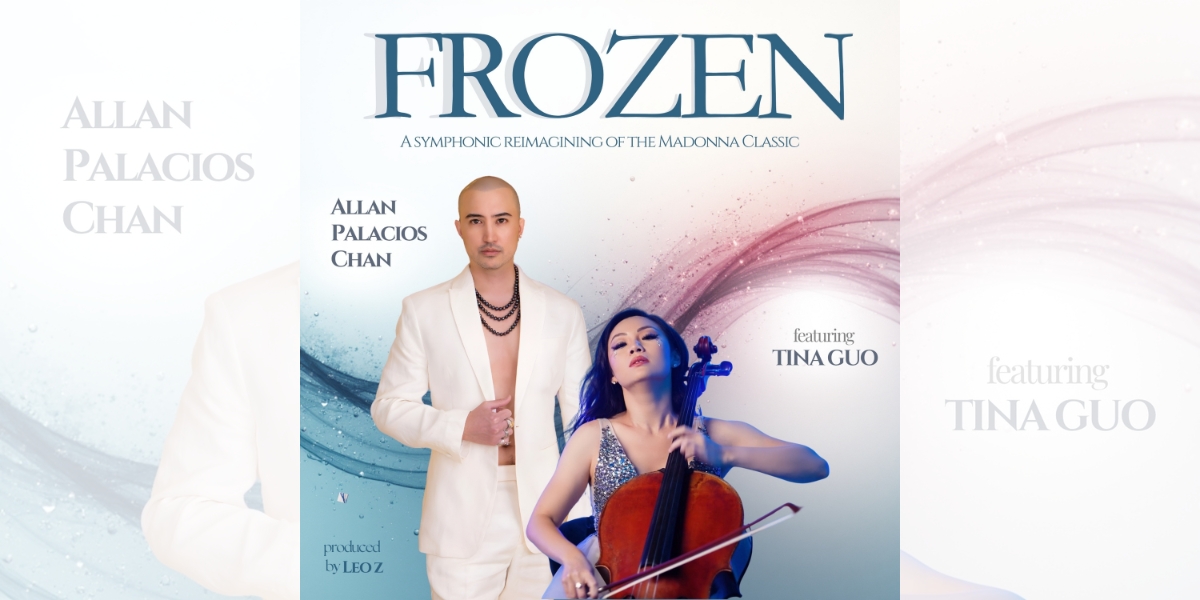
Symphonic pop artist Allan Palacios Chan does exactly that with his sweeping orchestral reimagining of Madonna’s Frozen—a crossover release that expands the song into something immersive, dramatic, and emotionally charged. Rather than novelty, Chan offers orchestral storytelling: a fully realized symphonic landscape where voice, strings, and tension unfold with the scale of film music and the emotional clarity of contemporary song.

Allan Palacios Chan Turns Madonna’s Frozen Into a Cinematic Orchestral Event

Photo Courtesy: Ted Soqui Photography

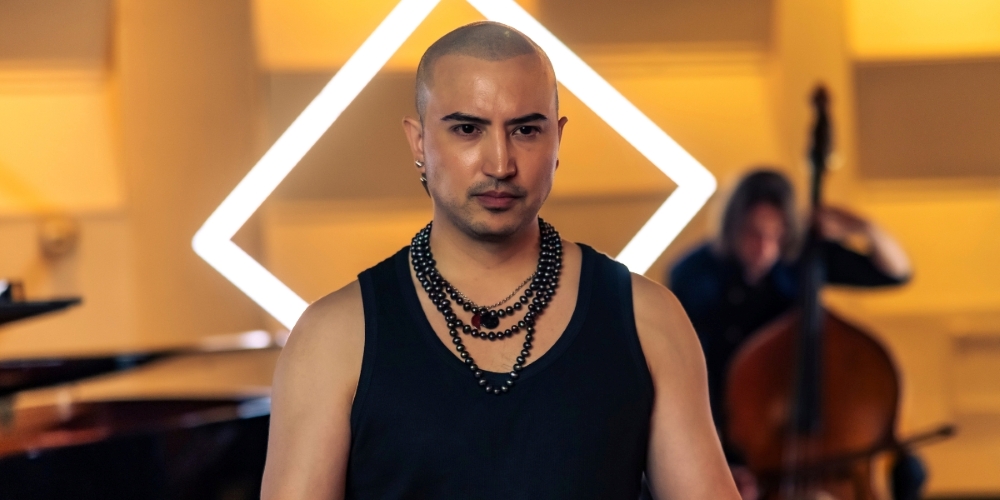
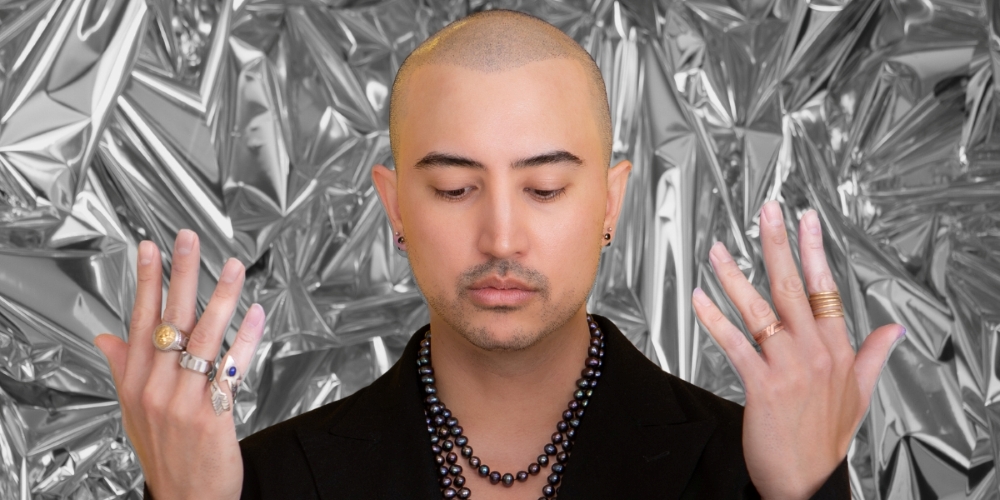
Hailed by Opera News as a “clarion high tenor,” praised by Seen and Heard International as a “standout performer,” and described by Arts Knoxville as “a marvelous storyteller and portrayer of emotion,” Chan has steadily emerged as a leading symphonic pop artist working at the intersection of classical rigor and crossover repertoire. His work occupies a distinctive artistic space—one where operatic technique supports narrative, orchestral color shapes emotion, and familiar songs are reframed rather than simply reinterpreted.

That vision finds powerful expression in Frozen, produced in collaboration with acclaimed arranger, pianist, and crossover specialist Leonardo de Bernardini, known professionally as Leo Z. The track reimagines Madonna’s ethereal hit as an expansive orchestral meditation, transforming its mantra-like melodies into a cinematic arc shaped by strings, voice, and emotional restraint. It is crossover music elevated through orchestral scale—designed to be felt as much as heard.

Allan Palacios Chan Turns Madonna’s Frozen Into a Cinematic Orchestral Event

Photo Courtesy: Arden Ash Photography

The origins of the collaboration trace back to Chan’s 2022 philanthropic tour in the Philippines, where he performed to raise funds for Indigenous students attending the Notre Dame school system in Mindanao. During the tour, Renen de Guia of Ovation Productions recognized Chan’s artistic vision and introduced him to an international network of industry leaders. That introduction connected Chan—already developing his voice as a symphonic pop artist—with Los Angeles–based agent Gina Orr (NSYNC) and Leo Z, whose collaborators include Andrea Bocelli, Josh Groban, and David Archuleta. What began as a chance meeting rooted in service evolved into a shared commitment to orchestral storytelling and crossover expression.

Anchoring Frozen is Grammy-nominated cellist Tina Guo, whose commanding presence shapes the recording’s emotional core. Her cello embodies the piece’s central dualities—ice and fire, restraint and release—expanding the song into a fully orchestral experience. The ensemble also features Tamir Barzilay on drums, Annie Zhou on guzheng, Miles Jay on double bass, and Leo Z on piano, creating a richly layered orchestral framework that supports Chan’s symphonic pop approach.

At the center of the recording is Chan’s voice—clear, agile, and emotionally direct. His tenor ascends to a ringing high C during the interlude, not as virtuosic display, but as narrative release. It is here that Chan’s role as a symphonic pop artist becomes most vivid: operatic resources deployed in service of atmosphere, emotional clarity, and crossover storytelling. As Arts Knoxville observed, Chan is “a marvelous storyteller and portrayer of emotion,” a distinction that resonates throughout the performance.

The sonic world of Frozen was crafted at EastWest Studios in Los Angeles, where Chan collaborated with Grammy Award–winning mastering engineer Eric Boulanger and an orchestra composed of graduates from Juilliard, the Colburn School, and the Curtis Institute of Music. Selected in collaboration with concertmaster Mark Robertson and conducted by maestro Randy Miller, the ensemble brought both technical precision and expressive unity to the project. The result is an orchestral soundscape that balances classical discipline with the emotional immediacy central to symphonic pop.

“The heart of the song is about transformation,” Chan explains. “We wanted to translate that into an orchestral experience—where strings, percussion, and voice move through tension toward release.” That ethos defines not only Frozen but Chan’s broader artistic trajectory as a symphonic pop artist shaping crossover music through narrative intent.

The accompanying music video, directed and edited by Landon Donoho and filmed at EastWest Studios, mirrors the score’s emotional arc through restrained cinematic imagery. Fire and ice motifs underscore themes of polarity and transformation, while the visual language emphasizes scale without spectacle, allowing the music’s orchestral architecture to remain central.

Frozen is the latest release from Chan’s ongoing project Songs from the Attic, a curated series of crossover reinterpretations rendered through orchestral and symphonic pop frameworks. The project includes reimaginings of Billy Joel’s And So It Goes, Enya’s Orinoco Flow, and The Cranberries’ Zombie, each revealing new emotional dimensions through orchestral storytelling.

Beyond the studio, Chan has appeared at Carnegie Hall and the Kennedy Center, collaborated with the Philippine Madrigal Singers, and performed in New York City alongside The Voice USA champion Sofronio Vasquez. He has sung the Philippine National Anthem at major international events and remains active in cultural and diplomatic performances supporting Filipino and Asian American arts organizations.

As a symphonic pop artist committed to reshaping how crossover music is experienced, Allan Palacios Chan invites listeners to hear familiar songs anew. In Frozen, that invitation feels especially resonant—an orchestral reminder that transformation begins with the courage to listen deeply.

Follow Allan:

Website: www.AllanPalaciosChan.com | YouTube: @AllanPalaciosChan

| IG: @allanPCtenor | FB: Allan Palacios Chan / The Allan Palacios Chan Fan Club (group) | TikTok: @allan.palacios.ch | Spotify/YouTube/Apple Music: Allan Palacios Chan 


Press Release by

RoRo Yone

Artist Manager and Promotional Director

music@roroyone.com

703-531-7423

From Global Influence to American Impact: How Dr. Sonnie Badu Is Shaping Faith Leadership

As discussions around leadership, faith, and cultural responsibility continue to evolve in America, a globally recognized voice is increasingly becoming part of the national conversation.

For Dr. Sonnie Badu, internationally recognized gospel artist and faith leader, the United States is not an entirely new audience—but it marks a new chapter. Now based in Atlanta, his expanding presence in the U.S. reflects a deliberate alignment of his global experience with local leadership engagement and community involvement.

Dr. Badu’s influence spans multiple continents. Long before establishing a permanent ministry base in the U.S., his work shaped worship culture, leadership development, and faith-centered dialogue across Africa and the global Diaspora. His music, teachings, and community initiatives have reached millions worldwide, not as transient trends, but as enduring expressions of spiritual and cultural connection.

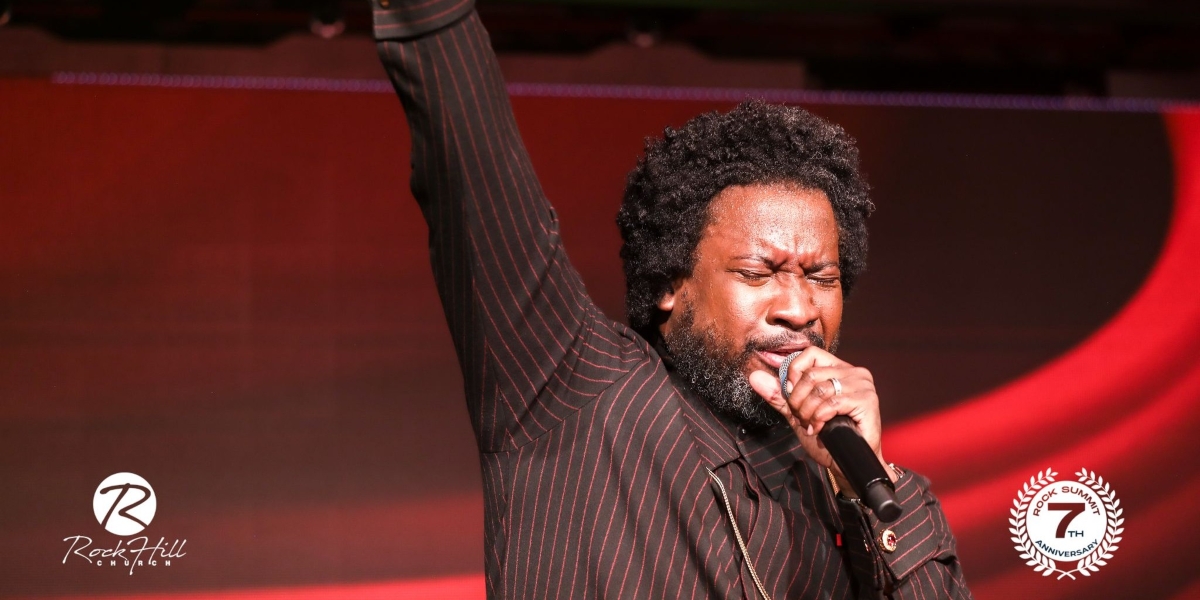
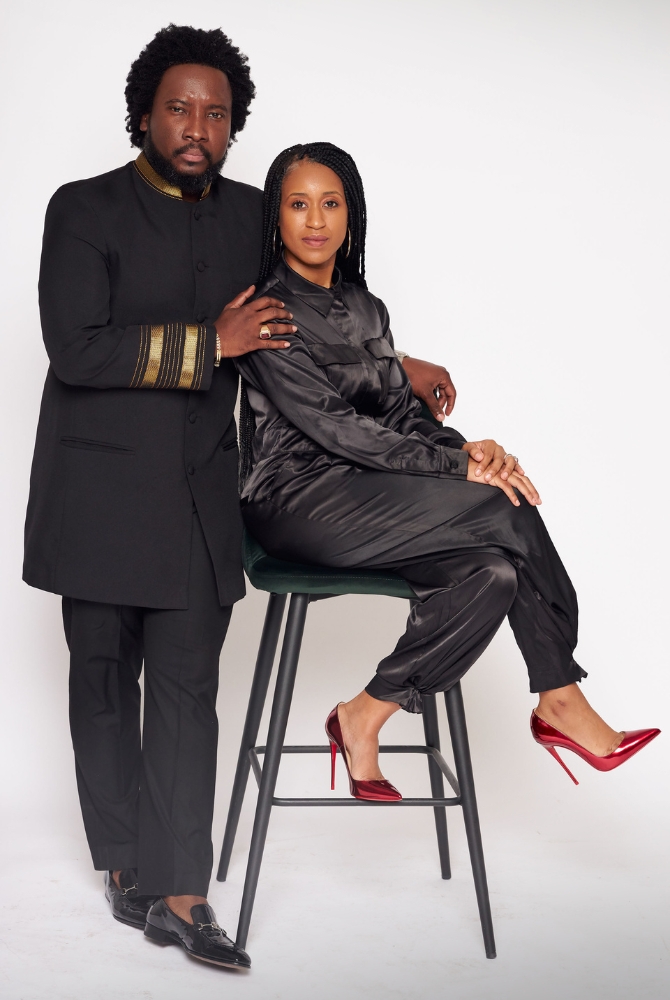
This global foundation now informs his work in the United States through RockHill Church, a faith-centered institution that Dr. Badu co-founded and leads alongside First Lady Annie Badu. As the church celebrates its eighth anniversary in 2026, it has evolved beyond a traditional congregation into an institution increasingly recognized for its leadership, community building, and purpose-driven impact.

From Global Influence to American Impact: How Dr. Sonnie Badu Is Shaping Faith Leadership

Photo Courtesy: RockHill Church

RockHill Church’s growth mirrors Dr. Badu’s leadership philosophy: consistency over spectacle, stewardship over self-promotion, and long-term influence over short-term visibility. Over the past eight years, the church has developed a reputation for principled teaching, leadership formation, and meaningful community engagement—values that resonate in both faith-based and secular spaces across the country. This approach, which prioritizes sustainable development and community service, is rooted in the belief that leadership should focus on responsibility and lasting impact.

Dr. Badu’s contributions in Georgia have not gone unnoticed. At the founding of RockHill Church, he was named an Honorary Georgia Citizen in recognition of his early contributions to the state’s cultural and community landscape. This honor was elevated two years ago when Dr. Badu was named Outstanding Georgia Citizen, reflecting his sustained service and the measurable impact of his leadership.

Central to the church’s growth and impact is First Lady Annie Badu. Her leadership initiatives focus on strengthening families, empowering women, and fostering spiritual development. Through these efforts, she has played an integral role in turning RockHill Church’s vision into action, ensuring that its mission aligns with both the spiritual and practical needs of its members and the broader community. Her work continues to shape the church’s direction, ensuring that its efforts remain relevant to the diverse needs of the people it serves.

As RockHill Church prepares to commemorate its eighth anniversary from March 1–3, 2026, Dr. Badu’s growing national presence highlights a broader shift in American faith leadership—one that values global perspectives, cultural intelligence, and ethical governance. His approach exemplifies how faith leaders can blend international experience with local engagement to create a leadership model that is both effective and accountable.

“Leadership is not defined by how widely your name is known,” Dr. Badu reflects. “It is about how faithfully you steward responsibility and serve people over time.”

In an era where public leaders are increasingly held accountable for their authenticity and integrity, Dr. Badu’s journey offers a clear example of how global influence can be thoughtfully integrated into America’s evolving leadership landscape. His work, grounded in faith, shaped by experience, and measured by impact, offers valuable insights for leaders in both faith-based and secular settings.

As RockHill Church continues its journey, its eighth anniversary marks not only a reflection on past growth but also a renewed commitment to serving communities and creating a space where faith, leadership, and cultural understanding can continue to thrive. The church’s influence will likely continue to shape broader conversations about leadership and responsibility in today’s society.


Disclaimer: The views expressed in this article are based on information provided by Dr. Sonnie Badu and RockHill Church. This article is intended for informational purposes only and does not constitute an endorsement of any religious beliefs or practices. All statements, achievements, and recognitions mentioned reflect Dr. Badu’s personal and professional journey and his contributions to the community. The content of this article should not be interpreted as an attempt to influence religious perspectives or convert individuals.