Understanding Medical Malpractice Claims: A Guide to the Legal Process

When a trusted doctor’s mistake leads to life-changing injuries or the devastating loss of a loved one, the search for justice and answers can feel overwhelming. Medical malpractice claims are among the most complex and resource-intensive types of lawsuits, and choosing the right attorney is absolutely critical to securing both fair compensation and accountability for the error. This comprehensive guide walks you through the key steps, essential legal concepts, and emotional considerations you need to know if you are considering the difficult decision of suing a doctor for malpractice.

Understanding Medical Malpractice

Medical malpractice occurs when a healthcare provider’s negligence causes demonstrable harm to a patient. This harm can manifest in various ways, including complex surgical errors, a critical misdiagnosis, serious medication mistakes, birth injuries, and the failure to diagnose serious conditions like cancer or infection. To succeed in a claim, four specific elements must be proven by the plaintiff: Duty of care (the doctor owed a professional duty to the patient); Breach (the doctor failed to meet the accepted standard of care); Causation (the breach directly caused the injury or harm); and Damages (the patient suffered measurable losses—physical, financial, or emotional).

Common types of medical malpractice that form the basis of these lawsuits include delayed diagnosis (when prompt identification could have altered the outcome), surgical mistakes (errors during a procedure), improper treatment (prescribing the wrong therapy or procedure), and failure to obtain informed consent (failing to adequately inform the patient of risks). Understanding these fundamental basics helps you recognize whether the harm you or a loved one suffered may constitute a viable legal claim.

How to Find the Right Medical Malpractice Attorney

Selecting the right legal partner is one of the most important decisions you will ever make in this process. Not all attorneys have the deep, specialized experience, the necessary financial resources, or the network of medical experts required to build and win complex malpractice cases against major hospitals and insurers. When searching for lawyers to sue doctors, you must be extremely selective.

You should prioritize Experience by looking for attorneys who specialize solely in medical malpractice and have a proven, documented track record of winning complex cases, especially those similar to yours (e.g., birth injury, neurological damage, or surgical error). Check their Credentials for state bar association memberships, professional awards, and active involvement in relevant legal organizations. Always read verified Reputation metrics, including online reviews and seek referrals from former clients or even medical professionals in non-related fields. Crucially, prepare thoroughly for the Initial Consultation by writing down specific questions, such as: What is your success rate in medical malpractice cases similar to mine? How do you initially evaluate the viability of potential claims? What resources do you use for obtaining essential medical expert review? How exactly are your fees and case costs handled?

The Medical Malpractice Claim Process

The process for filing a medical malpractice lawsuit is highly detailed, strictly regulated, and requires close, sustained collaboration between you, your attorney, and medical experts.

The first step is Gathering Evidence and Medical Records. Your attorney will initiate a process to obtain all relevant medical records, hospital reports, and witness statements. Board-certified Medical Experts often review the care you received to meticulously identify deviations from accepted standards, as these experts play a central role in proving negligence. They provide crucial, objective opinions on whether the doctor’s actions met the standard of care and whether that failure directly caused your injuries.

After gathering sufficient evidence, your attorney files a formal complaint with the court, initiating the Filing the Claim and Legal Steps. The process then unfolds in distinct stages: Investigation (initial case review and expert consultation); Filing (submission of the lawsuit); Discovery (both sides exchange evidence and take depositions—sworn testimonies—from witnesses); Motions (legal arguments about evidence or case dismissal); Negotiation (settlement talks, mediation, or arbitration); and finally, Trial (if no settlement is reached, the case proceeds to a formal hearing). Due to the complexity, the Typical Timeline for malpractice lawsuits can range from 18 to 36 months from filing to resolution, depending significantly on the complexity of the medical facts, the involvement of multiple experts, and the specific court schedules.

Challenges in Medical Malpractice Cases

Medical professionals and their powerful insurers almost always mount aggressive defenses, making these cases uniquely challenging and demanding of specialized legal skill. Proving Negligence is the primary hurdle, as the burden is legally on you to demonstrate clearly that a doctor’s actions fell below accepted medical standards. Insurance companies often employ specific Insurance Company Tactics to deny, delay, or minimize claims. Attorneys skilled in handling these aggressive tactics can make a critical difference. Furthermore, strict legal deadlines mean that Legal Missteps, particularly mistakes in filing deadlines or paperwork, can instantly jeopardize your entire case. Working with experienced Suffolk County legal representation for medical negligence can provide the necessary local expertise to help you avoid these costly administrative and legal errors and ensure your rights are protected throughout the entire legal proceeding.

Legal Costs, Fees, and Financial Considerations

Understanding the financial structure of malpractice litigation provides clarity and reduces stress. Most medical malpractice attorneys work on a contingency fee basis—a major benefit meaning they only get paid if and when you win your case, either through a settlement or a trial award. Typical fees range from 30–40% of the final settlement or award, plus out-of-pocket Case costs for experts and court filings, which are usually deducted from your recovery. Always review all terms in the Fee agreements carefully before signing.

Not all cases proceed to a full trial. Alternative Dispute Resolution Options like Mediation (where a neutral third party helps both sides reach a voluntary settlement) and Arbitration (where a panel or single arbitrator renders a binding decision) can offer quicker, less adversarial ways to resolve disputes, saving time and stress.

What to Expect After Filing a Lawsuit

After your lawsuit is filed, you will enter the Discovery and Depositions phase, which is a key period of formal fact-finding and sworn testimony. The majority of cases then enter Settlement Negotiations, and most settle before trial. If no settlement is reached, the case proceeds to a Trial to be heard by a judge or jury. Finally, the Post-Settlement or Verdict stage involves the collection of funds, addressing any potential appeals, and the crucial consideration of future care needs. For victims of birth injury or catastrophic injury, your attorney may secure eligibility for long-term care or structured settlements, which provide payments over time.

Emotional Support and Patient Rights

Facing a malpractice lawsuit while recovering from injury is emotionally and physically taxing. Essential emotional support is available through counseling services for trauma, anxiety, and loss, support groups specifically for patients and families affected by medical errors, and patient advocacy organizations. Many families also seek the guidance of New York cerebral palsy lawyers to navigate the complexities of birth injury claims and secure the resources needed for long-term care; furthermore, you must educate yourself about your rights as a patient, such as the fundamental right to access your medical records and the right to informed consent for all procedures. Being proactive helps protect you and your loved ones in future medical situations.

Proactive Steps

Choosing the right attorney to sue a doctor for malpractice can profoundly impact the outcome of your claim, meaning the difference between achieving justice and facing deep disappointment. By taking the proactive steps of understanding the key legal concepts, adhering strictly to procedural deadlines, and working closely with a dedicated, compassionate legal team, you can successfully secure the accountability and fair compensation you and your family deserve. If you or a loved one has suffered injury or loss due to clear medical negligence, reaching out for a confidential consultation with a skilled attorney is the necessary first step—they will fight tirelessly for your rights and guide you through every stage of this demanding legal process.


Disclaimer: The content in this article is provided for general knowledge. It does not constitute legal advice, and readers should seek advice from qualified legal professionals regarding particular cases or situations.
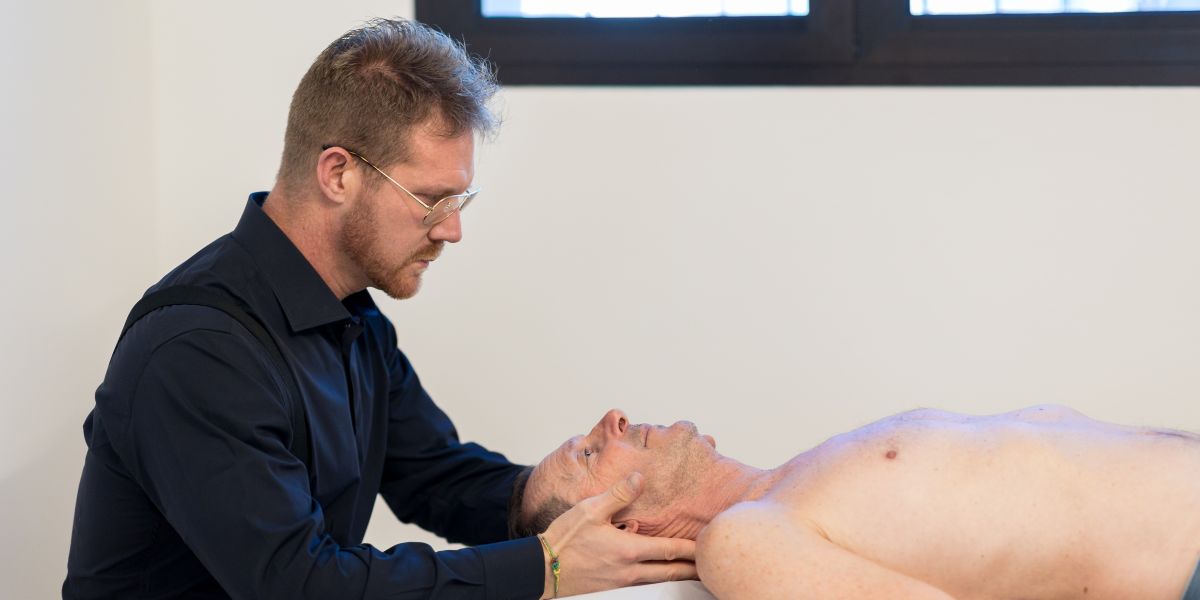

Andrea Bellato: Why Breathing Patterns Hold the Key to Spinal Health

Breathing is the most fundamental and unconscious of all human functions. We take over 20,000 breaths a day, most of them without a second thought. But what if this simple, automatic act holds a hidden key to our physical well-being? What if the way we breathe has a profound impact on our posture, our stability, and our experience of pain? This is the fascinating and revolutionary idea at the heart of Dr. Andrea Bellato’s work. The Italian physiotherapist and osteopath is a practitioner in the integration of respiratory strategies into the treatment of musculoskeletal pain, and he is demonstrating that sometimes, the most powerful path to healing is as simple as taking a deep breath.

Dr. Bellato’s approach is based on a deep understanding of the biomechanics of respiration. He sees the diaphragm not just as a muscle of breathing, but as a critical muscle of core stability. “The diaphragm is the roof of our core,” he explains. “It works in concert with the abdominal muscles, the back muscles, and the pelvic floor to create a stable and supportive cylinder around our spine. If our breathing is dysfunctional, this entire system can be compromised.”

He has identified a number of common dysfunctional breathing patterns that can contribute to chronic pain. Some people are “chest breathers,” using their neck and shoulder muscles to lift their rib cage, which can lead to chronic neck tension and headaches. Others are “paradoxical breathers,” drawing their abdomen in as they inhale, which can create instability in the lower back. Still others are “breath holders,” unconsciously tensing their diaphragm in response to stress, which can create a cascade of tension throughout the body.

Dr. Bellato is a master at identifying these dysfunctional patterns. He will watch a patient breathe, feeling the movement of their rib cage, their abdomen, and their spine. He will use his hands to assess the tension in their diaphragm and their accessory muscles of respiration. He is like a conductor listening to an orchestra, able to hear the subtle dissonances and imbalances that are disrupting the harmony of the whole.

Once he has identified the dysfunctional pattern, his treatment is a gentle and educational process. He will use manual therapy techniques to release tension in the diaphragm and surrounding tissues, freeing the body to move more naturally and efficiently. He will then teach the patient a series of simple and effective breathing exercises, helping them retrain their nervous system and establish a new, more functional breathing pattern. It is a process of unlearning old habits and remembering a more ancient and intuitive way of being in the body.

For many of his patients, this focus on breathing is a revelation. They have spent years focusing on the site of their pain, stretching their tight muscles and strengthening their weak ones, all to no avail. The idea that the root of their problem could be something as simple as the way they breathe can be a profound and empowering insight. It is a reminder that the body is a holistic system, and that sometimes, the most powerful interventions are the most subtle ones.

Dr. Bellato’s work is at the forefront of a growing movement in the world of physical therapy, one that recognizes the profound and often overlooked connection between our breath and our bodies. He is demonstrating that breathing is not just a chemical process; it is a biomechanical one, a powerful tool that can be used to release tension, to build stability, and to create a more resilient and pain-free body. He is a practitioner who is reminding us of the wisdom that is already within us, the healing power that is as close as our very next breath.

Disclaimer: The information provided in this article is for general informational purposes only and is not intended as medical advice or a substitute for professional healthcare consultation. Always seek the guidance of a qualified healthcare provider for any medical concerns or questions. The practices and approaches described in this article may not be suitable for everyone, and individual results may vary.

Elipse International Ltd: A Comprehensive Deep Dive Into One of Africa’s Rising Mining and Mineral Powerhouses

By: Chinedu Nsofor

Elipse International Ltd stands today as one of Nigeria’s most dynamic indigenous mining and mineral trading companies, a business shaped by vision, discipline, and an unwavering commitment to value creation across the entire mineral supply chain. From its early beginnings to its present position as a trusted exporter and processing-driven enterprise, Elipse International represents the evolving face of Africa’s extractive industry, where local expertise meets global demand with professionalism, structure, and purpose.

The company traces its origins to 2008, when it began operations as Elipse International Solutions. As its activities expanded and its corporate structure evolved, the business was rebranded in 2013 as Elipse International Ex-Solutions. Building on this growth and in a move to strengthen trust and corporate identity, the company was subsequently registered as Elipse International Ltd, its current and official name. From the outset, the business was deliberately structured not as a conventional mining outfit but as a fully integrated mineral solutions provider. Managed by seasoned professionals with extensive experience in geology, mining operations, mineral processing, logistics, and international trade, Elipse International was designed to bridge Nigeria’s abundant mineral wealth with international industrial markets. Its corporate membership of the Nigerian Shippers Council further reflects its credibility, compliance, and alignment with regulated export frameworks.

At the heart of Elipse International is a clear and deliberate vision to become Africa’s leading provider of high-quality mining and metal products while contributing meaningfully to economic development, industrial growth, and community empowerment. The company’s mission is driven by transparency, consistency, ethical conduct, and long-term partnership building. Client satisfaction is not treated as a slogan but as a core operational philosophy that guides how minerals are sourced, processed, tested, and delivered. Trust is earned through reliability, quality assurance, and integrity, and these values are embedded across every layer of the organization.

Elipse International operates extensively across the mining value chain, beginning with exploration and mineral extraction. The company is actively engaged in the mining of both ferrous and non-ferrous minerals, drawing from Nigeria’s rich and diverse geological landscape. Its mineral portfolio is broad and strategically aligned with global industrial demand, including copper ore, lead ore, zinc ore, tin ore, manganese ore, lithium, tantalite, columbite, antimony ore, chromite, molybdenum, zircon, monazite, and other critical industrial minerals. Each mineral category is handled with technical precision, from licensed extraction through careful handling to preparation for processing or export.

Mining activities are executed with a strong emphasis on operational efficiency, safety, and environmental responsibility. Depending on geological conditions, Elipse International deploys appropriate mining techniques, including open pit, underground, and alluvial methods. These approaches are selected to optimize yield while minimizing environmental impact and ensuring worker safety. The company understands that sustainable mining practices are not optional but essential for long term viability, regulatory compliance, and community trust.

Beyond extraction, Elipse International provides quarrying services that support construction and infrastructure development. These quarry operations are structured to manage technical, environmental, economic, and social risks effectively. Through careful planning and execution, the company delivers consistent quality materials while maintaining strict adherence to regulatory standards and community expectations.

A defining strength of Elipse International is its unwavering commitment to quality assurance through mineral inspection and testing. Before any mineral product enters the export stream, it undergoes rigorous sampling, laboratory testing, and grade verification. This process ensures compliance with international specifications and provides buyers with confidence in the authenticity and consistency of supplied materials. The company’s record of approximately ninety-eight percent grade compliance stands as a testament to this discipline and technical rigor.

Mineral processing represents another vital pillar of Elipse International’s operations. Through dedicated processing facilities, raw ores are transformed into value-added products that meet international industrial standards. Crushing, grinding, beneficiation, and preparation processes are carefully managed to enhance mineral quality and suitability for smelting, manufacturing, or further industrial use. This processing-focused approach enables the company to deliver higher value products rather than exporting raw materials alone, thereby strengthening local industrial capacity and improving export earnings for the Nigerian economy.

Elipse International has also established an extensive network of mineral buying centers strategically located across key mining regions, including Jos, Zamfara, Niger, Bauchi, and Nasarawa States. These centers serve as transparent and reliable hubs where artisanal and small-scale miners can sell their minerals under fair and standardized conditions. By creating accessible market points, the company strengthens local mining communities, ensures a steady supply, and promotes responsible sourcing. Minerals purchased through these centers include copper, lead, zinc, tin, tantalite, columbite, antimony, zircon, monazite, and other industrial minerals critical to global manufacturing.

What truly distinguishes Elipse International is its ability to manage the entire mineral journey from discovery to global delivery. The process begins with geological exploration and surveying using modern techniques to identify viable deposits. Once mining commences, extracted materials move through processing and quality verification stages before being prepared for export. The company manages logistics from mine sites to ports, ensuring secure handling, timely shipment, and adherence to international trade standards. This integrated approach reduces operational risk, improves efficiency, and guarantees consistent delivery to global partners.

In response to the rapidly growing global demand for lithium driven by electric vehicles, renewable energy storage, and advanced electronics, Elipse International has taken a strategic step through the establishment of Elipse Lithium Ltd. This subsidiary focuses exclusively on lithium mining, processing, and distribution. With a substantial number of lithium concessions under its portfolio, Elipse Lithium Ltd is positioning Nigeria as a serious participant in the global lithium value chain. The initiative emphasizes local processing, job creation, technology transfer, and the creation of transparent lithium buying centers that support small-scale miners while meeting international demand.

These strategic expansions reflect the leadership philosophy guiding the company under its Principal Chief Executive Officer, Denzel Henry Akogwu. A seasoned business leader with over fifteen years of experience in Nigeria’s mining and exploration sector, Akogwu has played a central role in shaping Elipse International’s disciplined growth, operational depth, and ethical positioning. His leadership approach emphasizes innovation, accountability, and alignment with global environmental and ethical mining standards, ensuring that expansion is both sustainable and responsible.

Under his direction, Elipse International has grown from a regional operation into a nationally recognized mining and mineral trading enterprise with numerous fully licensed mining concessions across several Nigerian states. His strategic foresight also informed the establishment of Elipse Lithium Ltd in response to the global clean energy transition, ensuring that Nigeria remains competitive in the supply of critical future-facing minerals.

Beyond commercial operations, the company’s leadership recognizes the importance of social responsibility and community development. Through structured engagement and philanthropic initiatives supported by the Elipse Foundation, Elipse International contributes to healthcare access, education support, food relief programs, and skills development within host communities. This people-centered approach reinforces the company’s belief that mining should be transformative, not extractive alone.

Elipse International continues to invest in operational capacity and technological advancement. The acquisition and conversion of processing facilities, the development of modern mineral processing centers, and the deployment of enterprise systems reflect a forward-looking strategy focused on scalability, efficiency, and long term competitiveness.

With operational bases in Jos and Zamfara and international representation including offices in China, Elipse International maintains a strong global footprint. Its products serve international markets, particularly across Asia and the Middle East, where demand for reliable and ethically sourced minerals continues to grow. Through consistent delivery, quality assurance, and principled business conduct, the company has built durable relationships with buyers, smelters, manufacturers, and commodity traders.

In every respect, Elipse International Ltd represents a modern African mining enterprise rooted in local capacity and driven by global standards. From exploration, mining, and quarrying to processing, buying centers, inspection, export, and strategic expansion into lithium, the company exemplifies how indigenous businesses can lead responsibly, compete globally, and convert natural resources into sustainable value. As global demand for critical minerals accelerates, Elipse International stands well-positioned as a trusted partner shaping the future of Africa’s mineral economy with integrity, expertise, and long-term vision.

Promoting Wellness at Every Age: The Strategic Use of CMO Services

Wellness is no longer something you think about only when a problem shows up. Today, you’re encouraged to take a proactive view of wellbeing, one that evolves as your needs change from childhood through later life.

Challenges look different at every stage of life. A child struggling at school, a new parent navigating benefits, or an older adult managing multiple conditions all need tailored support. This is why coordinated and person-centered oversight has become such an important part of modern care.

That said, structured support systems, such as care management organizations (CMOs), can become invaluable. CMOs guide people through complex systems of health care and support. You stay focused on living well instead of getting lost in paperwork, appointments, or confusing eligibility rules.

Navigating Complexity Before Support Is in Place

Fragmentation is one of the most common challenges patients face. Services are often spread across agencies, clinics, and programs that don’t naturally talk to one another.

Families may juggle appointments, repeat the same story, or miss out on social services simply because no one is connecting the dots. These gaps can be especially risky during care transitions, when even small missteps may derail progress. This is where structured coordination becomes more than helpful; it becomes necessary.

How CMO Can Help

CMO services are designed to respond directly to these challenges by offering comprehensive care management that adapts to your situation. Rather than pushing you into a rigid system, this model promotes an individualized approach that considers medical, emotional, and social factors together. Through clear care plans and shared accountability, support becomes easier to understand and easier to use.

By acting as care coordination organizations, CMOs link clinical providers with community resources, which can help ensure that service referrals are timely and appropriate. They may reduce stress and improve continuity, whether the need involves health home care management, housing assistance, or educational support. Over time, this structured oversight can support a smoother transition of care and potentially better long-term stability.

Supporting Children and Teens Through Coordinated Care

When you’re advocating for a young person, the stakes feel higher. Children facing behavioral healthcare services needs or substance use issues often require input from multiple systems at once. CMOs bring these pieces together through care coordination for children that respects family voice and choice.

A child and family team may include clinicians, educators, and community partners working as unified team members rather than disconnected providers. This approach encourages early intervention, consistent communication, and the use of evidence-based resources such as cognitive behavioral therapy or CBT for kids when appropriate. Organizations likewise tap family support organizations and community-based supports that can reinforce progress beyond clinical settings.

Planning ahead matters, too. A clear family crisis plan can ensure that everyone knows what to do if challenges escalate, reducing fear and uncertainty during difficult moments.

Promoting Wellness at Every Age: The Strategic Use of CMO Services

Photo: Unsplash.com

Addressing Adult and Senior Needs Across Life Stages

Priorities shift again as you move into adulthood. Programs supporting Medicare beneficiaries or participants in a pregnancy medical program require careful alignment between medical services and everyday realities. CMOs often collaborate with local health departments and a clinically integrated network to reduce gaps in access and follow-up.

Caring for seniors brings its own complexity. Multiple conditions, medication management, and changing mobility needs can overwhelm individuals and families alike. Through partnerships with a care management vendor and coordinated oversight, adults receive guidance that may simplify decisions and promote dignity and independence even at the later stages of life.

Why Coordinated Care Improves Outcomes

What makes these models effective is their holistic design. By integrating behavioral health, physical care, and practical supports, CMOs have the potential to strengthen social capital within communities. They also create measurable improvements by aligning goals across providers and focusing on outcomes rather than volume.

When systems work together, you’re more likely to feel supported, informed, and confident in the path ahead. This structure allows care coordination organizations to respond quickly, adapt plans as needs change, and maintain consistency even during life’s disruptions.

The Demand for Coordinated Care

The global care management solutions market is projected to reach USD$ 14.5 billion by 2033, more than double its 2024 value of USD$ 6.3 billion. This rapid growth highlights how essential coordinated oversight has become.

As systems shift toward value-based care, the focus is no longer on isolated treatments but on long-term results that improve patient outcomes. A dedicated care manager helps bridge gaps between providers, payers, and families, ensuring that services align with established standards of practice while still reflecting real human needs.

In places like New Jersey, these models are especially visible, supporting both public and private initiatives. From behavioral health to physical wellness, coordinated systems can reduce duplication, improve communication among healthcare professionals, and strengthen patient engagement through clearer goals and expectations.

A Smarter Path to Lifelong Wellness

Promoting wellness at every age isn’t about adding more services. It’s about making existing ones work better together. Care management organizations offer a strategic framework that turns complexity into clarity. By centering coordination, communication, and respect for individual needs, CMOs can help you move through each stage of life with greater stability, resilience, and peace of mind.

Disclaimer: The information provided in this article is for general informational purposes only and is not intended as medical advice. Readers should consult with healthcare professionals or relevant experts before making any decisions regarding wellness, care management services, or medical treatment. The use of Care Management Organizations (CMOs) and other services discussed may vary based on individual needs and regional healthcare systems.

Unique Valentine’s Day Gift Ideas to Impress Your Sweetheart

Every February, the usual Valentine’s gifts, roses, chocolates, and stuffed animals, flood the internet, and it’s easy to feel uninspired. If you’re looking for something more unique and personal, you’re not alone. Many people are craving gifts that show genuine thought rather than just another generic item. The good news? You don’t need a huge budget or crafting skills to find a thoughtful gift that leaves a lasting impression. For a wide range of unique gifts and gift boxes, check out Celebration Box.

Why People Want Less Traditional Valentine’s Gifts

Valentine’s Day used to be straightforward: flowers, chocolate, and dinner. But that formula no longer holds the same charm. People are spending more time at home, engaging in analog hobbies, and focusing on what genuinely brings them joy. Trends show a growing interest in handmade projects and experiences over random items that just clutter the drawer. For 2026, even snail mail and handwritten letters are becoming popular again, showing people are craving slower, more intentional moments.

Consumers are seeking gifts that spark connection and conversation. The trend is shifting from obligation to intention, and it’s the perfect time to explore unique gifts that reflect this change.

How To Choose Unusual Valentine’s Day Gifts

Before adding something to your cart, ask yourself: What feels special and personal for this person right now? If you stay close to that answer, you’ll already be ahead of the curve compared to generic red baskets. Consider these three categories to help guide your search: useful daily luxuries, quirky keepsakes, and experience-based gifts. You don’t have to splurge; the ideal gifts often come from paying attention to the small details that matter most to your partner.

Useful Daily Luxuries That Still Feel Romantic

Heart-Shaped Dutch Oven for the Home Cook:

  • Heart-shaped cast iron in blush or red.
  • Ideal for small loaves or one-pot dinners.
  • A functional, year-round piece that adds charm to their kitchen.

Leather Journal That Becomes a Keepsake:

  • Real leather, refillable A5 journal with a snap cover.
  • Personalize with an engraved message or inside joke.
  • A thoughtful gift that can be cherished for years.

Cozy Pajamas They’d Never Buy for Themselves:

  • High-quality pima cotton pajama set.

  • Soft and romantic with a subtle heart print.

  • Comfortable, breathable cotton for a luxurious feel.

Quirky and Cute Unusual Valentine’s Day Gifts

Stationery for Handwritten Love Notes:

  • A box of flat note cards with personal messages.
  • Great for the trend of snail mail and handwritten letters.

Snail Mail Valentine Card Kits:

  • DIY kits for crafting Valentine’s cards.

  • Includes multiple cards and fun themes.

  • Extends the joy of Valentine’s Day beyond one day.

Chocolate, But Make It Different:

  • Skip generic chocolate boxes.
  • Opt for artisanal truffles or fruit-swirl bark with freeze-dried berries.
  • A unique, artistic twist on the classic chocolate gift.

Fun Decor for Their Space:

  • Neon signs in pink or red for a cool glow.
  • Throw pillows with subtle love themes.
  • Outdoor decor like string lights or doormats for a cozy, welcoming touch.

Crafty and Hands-On Valentine’s Gifts

Crochet Kits for Couples:

  • Beginner crochet kits with themes like peanut butter and jelly.
  • A fun, shared creative activity for couples.

Needlepoint Patterns for the Craft Obsessed:

  • Simple needlepoint kits with themes like champagne bottles and hearts.
  • A relaxing, slow-paced project for those who love crafting.

Personalized and Spiritual Unusual Valentine’s Day Gifts

Tiny Tarot Necklace:

  • A necklace that holds a tiny Tarot deck.
  • Combines style with their spiritual interests for daily readings.

Books That Read Like a Chat With a Friend:

  • A book with a humorous or strong voice.
  • Mark chapters with sticky notes to make it more personal.
  • Transforms reading into a shared experience.

Nostalgic and Sentimental Gift Ideas

Custom Reel Viewers With Your Own Photos:

  • Customizable reel viewers filled with personal photos.
  • A fun, interactive way to relive memories and create a unique keepsake.

Shared Jewelry Shopping Trips:

  • Give a jewelry card for a date at a fine jewelry store.
  • Let them pick out a meaningful piece together.
  • Makes the jewelry more memorable and personal.

Shopping Tips and Delivery Logistics

When shopping online, be sure to check shipping deadlines and terms. Many brands offer free shipping when your cart reaches a certain value, and if you’re in a rush, look for store pickup to avoid shipping delays.

If you’re ordering a last-minute gift, check the retailer’s delivery timeline and choose expedited shipping if necessary. Many brands also offer gift wrap for a small fee, which can enhance the unboxing experience. If you’re completely out of time, gift cards paired with a small treat can save the day.

The Heart of the Gift

Hunting for unique Valentine’s Day gifts is about more than just trends. It’s about thinking deeply about the person you’re shopping for and selecting something that feels personal. Whether it’s cozy heart-shaped cookware, a handwritten love note, or a custom photo reel, the best gifts are ones that show you truly see and appreciate the person.

It’s not about perfection or spending a lot of money. Instead, focus on creating moments of genuine connection. Your gift should reflect the love you share — and that is the most meaningful gift of all.

Creating and Sharing Game Design Documents as Editable PDFs

You may have experienced the misery of assembling a game design document with a group of people spread out to separate cities or even working independently, but switching hardware, you know how cluttered it can become. Mechanics shift. Storylines evolve.

Ideas of art and level design are updated. What began as a single Word document or spreadsheet may grow to be a snarled mess of conflicting versions, confusing remarks, and missing formatting. This is the place where an editable PDF can truly offer salvation, providing a fixed, reusable design blueprint that remains unalterable regardless of who, where, or when.

Why PDF Works Great for Game Design Documents

PDF (Portable Document Format) is not only used for complete reports or contracts. Since it maintains layout, fonts, images, and formatting across all devices and operating systems, your document can appear as intended, even when opened on a Mac, PC, tablet, or phone.

In the case of game design documents, that reliability is particularly important when you are merging text (mechanics, narrative), visuals (art references, level sketches), tables (game mechanics, asset lists, progression charts), and other assets.

What a Solid Game Design Document Should Include

A functional GDD balances breadth and clarity. Here’s a typical structure:

  • Game Overview: working title, genre, target platform(s), overall concept or “elevator pitch.”
  • Core Mechanics & Controls: what players can do (movement, combat, interaction), control schemes, physics or rules, and user interface basics.
  • Story / Setting / Characters: lore, world-building, major story arcs or events, character bios, narrative tone.
  • Art & Assets Overview: style guidelines, moodboards, reference images, key visual direction, audio or soundtrack notes if relevant.

How to Create an Editable PDF GDD 

  1. Start with a draft in a flexible format (Word, Google Docs, spreadsheet, design tool, whatever suits your workflow). Lay out all sections: mechanics, story, levels, art, roadmap, etc.
  2. Export or convert the draft to PDF, ensuring the layout, headings, images, and formatting are clean and organized.
    Use an online PDF editing tool to make the document editable: add text boxes, image placeholders, comment/annotation support, editable fields, etc. Using the smallpdf editor, you can upload your PDF, then adjust, annotate, merge pages, or update content on the go.

  3. Establish a versioning/collaboration strategy:

  • Maintain a “master editable” PDF for ongoing work and updates.
  • Export milestone or finalized versions as “read‑only” to share with external collaborators or to archive.
  • Include a change log page inside the PDF (who changed what, when) for clarity and accountability.

Why This Workflow Helps, Especially for Indie or Small Teams

When you’re building a game in a small team (or solo), time is constrained, resources are limited, but flexibility and clarity matter a lot. An editable PDF GDD offers:

  • Consistent presentation assets, mechanics, level designs, and art references all look the same across devices.

  • Ease of sharing and collaboration, no need for everyone to own a specific software; PDFs open everywhere.

  • A single source of truth instead of juggling multiple documents or formats, the whole team refers to one living, up‑to‑date file.

Things to Keep in Mind & How to Mitigate Common Pitfalls

Of course, PDFs aren’t perfect for real-time collaborative editing like a shared online document. Too many people editing at once can cause conflicts, and without discipline, version control can become chaotic. To avoid this:

  • Keep your GDD modular; split large documents into sections (mechanics, story, art, levels) if they become unwieldy.
  • Keep a clear naming/versioning scheme (e.g., “GDD_Main_v1.2_2025-11-26.pdf”).
  • Archive major milestones as read-only snapshots.

When you want a reliable, easy-to-use, cross-platform solution to build and share your GDD, try the Smallpdf Editor. It’s simple, efficient, and helps streamline the way you document and evolve your game ideas. Smallpdf is used by many creators as part of their documentation workflow, and tools like this can support more organized project planning.