Invisible Wounds: Ken Grimes’ Journey to Help First Responders in Tin Box Heroes

By: Paul White

First responders are trained to run toward danger while others run away. They see trauma up close, carry life and death decisions home with them, and return for the next shift as if nothing happened. Over time, that kind of exposure leaves a mark, not on the body, but on the mind and spirit. These are the invisible wounds. And for many, they become unbearable.

In his newly released book, Tin Box Heroes, veteran firefighter and paramedic Ken Grimes shifts the conversation from silent suffering to a more complex, more hopeful truth. Recovery is possible.

Written as both a memoir and a practical guide, the book addresses the cumulative psychological injuries caused by decades of exposure to chaos, tragedy, and responsibility. These wounds are not the result of weakness. They are the predictable outcome of doing this job well for too long without proper recovery. Each year, an estimated 250 first responders die by suicide due to work-related trauma. Grimes wrote this book with one goal in mind. Bring that number to zero.

Rather than focusing on heroism or accolades, the book draws on lived experience to build trust. “The only reason it’s a memoir,” Grimes explains, “is to show that I’ve walked this path.” What follows is not a story about surviving trauma, but about learning how to live again after it.

Grimes began in the fire service at age sixteen. Over more than four decades, he served as a firefighter, paramedic, and trauma flight medic. His career included responses to large-scale disasters, including Hurricanes Katrina, Maria, and Irma. Like many in the profession, he kept going. He stayed functional. He stayed productive. Outwardly, he appeared successful.

Internally, the weight was building.

In 2017, after returning from hurricane response work, that weight finally collapsed inward. What followed was a personal breakdown that forced an honest reckoning. Although he eventually recovered, the cost was high. His marriage ended. His emotional world narrowed. The job had shaped him in ways he did not fully understand until everything stopped working.

That reckoning became the foundation of Tin Box Heroes.

At its core, the book explores what happens when first responders live in a constant state of fight-or-flight, even after the danger has passed. This chronic state affects relationships, health, sleep, and the ability to feel joy. Grimes describes how two people can stand side by side watching the same sunset. One sees beauty. The other is involuntarily pulled back into a traumatic memory. The world looks different after you have seen too much.

Importantly, the book is not written only for first responders. Dedicated chapters address spouses, family members, and employers directly. Grimes explains why first responders may appear distant, irritable, or emotionally unavailable, and how those behaviors are often survival adaptations rather than character flaws. Understanding that difference can change marriages, families, and careers.

Employers are challenged to reconsider how they interpret performance issues. What looks like disengagement or misconduct is often trauma expressing itself. With awareness and support, workplaces can become part of the solution instead of another source of harm. Grimes argues that leadership has a responsibility not just to operational readiness, but to human sustainability.

The book also offers a clear roadmap for recovery. Drawing from his own transformation, from a man who looked successful but felt miserable, to someone who now describes his life as calm, grounded, and joyful, Grimes outlines practical steps for building resilience. Mental, physical, and spiritual health are treated not as optional, but essential.

He compares resilience to physical training. Just as a boxer conditions their body for the ring, first responders must train for the psychological demands of their work. Resilience does not happen by accident. It requires intention, discipline, and support.

Now serving as a fire chief responsible for others’ well-being, Grimes takes this role personally. Writing the book began as part of his own healing. Publishing it became a moral decision. If his experience could help someone avoid the same pain, then staying silent was no longer an option.

The message of Tin Box Heroes is clear. This job carries invisible wounds that can be deadly. But they do not have to be. With awareness, compassion, and the right tools, first responders can reclaim their lives. Families can better understand the people they love. Leaders can build healthier systems.

For those who spend their lives saving others, believing that recovery is possible may be the most crucial rescue of all.

Connect with Ken Grimes: Instagram | Facebook

Building Financial Clarity with Purpose: The Story of Matthew Kuhns, CFPTM and Kuhns Wealth

By: Gaya Solomon, LPL Financial Marketing

Dr. Matthew Kuhns, CERTIFIED FINANCIAL PLANNERTM, has built his career around one central belief: financial planning should bring clarity, confidence, and direction to people’s lives.  As President and Director of Investment Management and Financial Planning at Kuhns Wealth, Matthew has established a firm rooted in thoughtful strategy, personal connection, and long-term vision.  Kuhns Wealth stands today as a reflection of his professional journey, expertise, and commitment to helping individuals and families navigate complex financial landscapes with purpose. 

Matthew’s path to leadership in financial planning is borne from extensive experience across multiple facets of the financial services industry.  Prior to founding Kuhns Wealth, he spent more than a decade building and leading successful financial operations, including eight years leading the Edward Jones office in Reston, Virginia, preceded by two years managing a Cardinal Bank office in Arlington, Virginia.  These roles provided Matthew with firsthand exposure to the financial concerns facing professionals, business owners, and families at different stages of life, insight that continues to shape his planning philosophy today. 

Throughout his career, Dr. Kuhns developed a reputation for translating complexity into clarity.  Rather than focusing solely on products or transactions, his approach emphasizes comprehensive planning, integrating investments, retirement strategies, tax awareness, and legacy considerations into a cohesive plan.  This holistic perspective became the foundation for Kuhns Wealth, a firm designed to bring all the pieces of a client’s financial life together in a clear and actionable way. 

At Kuhns Wealth, planning is deeply personal.  The firm specializes in working with individuals and families whose financial situations are multifaceted, including professionals with evolving income structures and long-term planning needs.  Matthew and his team focus on creating customized strategies that align financial decisions with personal goals, values, and future aspirations.  The objective is not just to manage finances, but to help clients make confident decisions that support the life they envision. 

Dr. Kuhns’s leadership has shaped Kuhns Wealth into a practice known for its disciplined process and collaborative approach.  Planning is ongoing and adaptive, recognizing that careers evolve, families change, and priorities shift over time.  Clients are guided through each phase with intention, ensuring their plans remain aligned as circumstances change. This commitment to continuity and clarity has become a defining characteristic of his firm. 

Matthew’s commitment to clarity extends beyond just client meetings. He and his team at Kuhns Wealth focus on developing long-term, adaptable strategies that take into account not only the immediate financial concerns of clients but also the evolving nature of their lives. Whether helping professionals with fluctuating incomes or guiding families through complex estate planning, Matthew’s approach is built on a foundation of clear communication and strategic foresight. This dedication to comprehensive, ongoing planning is what sets Kuhns Wealth apart, ensuring clients feel confident and well-prepared at every stage of their financial journey.

Beyond his professional accomplishments, Matthew brings a broad perspective to his work as a planner.  His academic background, combined with personal interests in the arts and community involvement, informs a well-rounded approach to financial planning —one that acknowledges both the technical and human sides of wealth.  These experiences reinforce his belief that financial success is not measured solely in numbers, but in the freedom and confidence it provides. 

Today, Kuhns Wealth continues to grow as a result of Matthew Kuhns’s dedication to thoughtful planning and client-centered service.  The firm’s mission, to help clients pursue financial independence with clarity and confidence, resonates with those seeking a long-term planning partner rather than a transactional relationship. 

In an increasingly complex financial world, Matthew Kuhns, CFPTM, has built more than a firm. He has built a planning practice grounded in trust, expertise, and purpose, helping clients move forward with confidence, one well-designed plan at a time.

Disclaimer: The content provided in this article is for informational purposes only and does not constitute financial advice. Readers are encouraged to seek professional guidance tailored to their individual financial needs and circumstances before making any financial decisions.

Securities and advisory services offered through LPL Financial, a registered investment advisor. Member

FINRA/SIPC. Financial Planning offered through Kuhns Wealth, a registered investment advisor and separate entity from LPL Financial

Optimizing Employee Engagement With Cloud-Based HR Solutions

In today’s rapidly evolving business landscape, organizations are continuously seeking innovative ways to enhance employee engagement and streamline HR processes. The rise of cloud-based HR solutions has revolutionized the manner in which companies manage their human resources, offering tools that are not only efficient but also adaptable to diverse business needs. These cutting-edge solutions empower HR professionals to focus more on strategic initiatives rather than mundane administrative tasks, paving the way for a more motivated and productive workforce. By leveraging these technologies, companies can gain deeper insights into employee behaviors and needs, ultimately fostering a culture of engagement and loyalty.

Understanding the Role of Cloud-Based HR Solutions

Cloud-based HR solutions have emerged as a cornerstone of modern human resource management, providing a centralized platform for managing a wide range of HR functions. These solutions facilitate seamless collaboration and data sharing across different departments, enhancing communication and reducing the risks of data silos. In addition, cloud-based platforms offer robust security measures, ensuring that sensitive employee information is protected against unauthorized access. Moreover, with the ability to access HR data from anywhere and anytime, organizations enjoy greater flexibility, enabling them to make informed, data-driven decisions quickly.

The dynamic nature of cloud-based HR solutions means they can be easily updated to keep pace with regulatory changes and changing organizational needs. This agility ensures that the HR department remains compliant and aligned with best practices, thus reducing the risk of legal repercussions. Furthermore, the scalability offered by these solutions allows businesses to expand their HR capabilities without significant upfront investments in IT infrastructure, supporting growth and expansion efforts.

Boosting Employee Engagement Through Personalization

One notable advantage of cloud-based HR solutions is their ability to personalize the employee experience. These systems are equipped to capture and analyze vast amounts of data related to employee interactions and performance, enabling organizations to tailor their engagement strategies. By understanding individual preferences and work patterns, HR teams can design programs that resonate with their workforce, whether through personalized training programs, targeted rewards, or flexible work arrangements.

By understanding individual preferences and work patterns, HR teams can design programs that resonate with their workforce. This personalized approach aligns with the philosophy highlighted in quality quotes, emphasizing meaningful engagement over generic, one-size-fits-all initiatives.

Personalization extends beyond just benefits and rewards; it also includes the empowerment of managers and team leaders to engage with employees on a personal level. Cloud-based tools provide managers with real-time data on team performance and morale, offering insights that can help identify areas where additional support or intervention may be necessary. This capability is crucial in developing a supportive work environment where employees feel valued and understood, thereby enhancing their commitment and productivity.

Human Resources Reporting Business Central

Effective reporting is integral to evaluating and enhancing HR strategies, and cloud-based platforms like Business Central excel in this area. With advanced reporting capabilities, organizations can generate comprehensive reports on various HR metrics, including employee attendance, performance, and satisfaction levels. These reports offer valuable insights into workforce trends and conditions, empowering HR professionals to identify challenges and opportunities quickly.

Furthermore, human resources reporting business central enables companies to track key performance indicators (KPIs) and set actionable goals aligned with broader business objectives. This alignment ensures that engagement strategies are not only well-targeted but also contribute to the overall success of the organization. By continually analyzing these reports, businesses can fine-tune their approaches to retain top talent and foster a culture of continuous improvement.

Harnessing Analytics for Informed Decisions

The integration of analytics within cloud-based HR solutions is pivotal in driving informed decision-making. Analytics provide a granular view of employee data, highlighting patterns and trends that might otherwise go unnoticed. With predictive analytics, organizations can forecast potential issues such as turnover risks and proactively mitigate them through targeted interventions. By identifying these trends early, companies can implement strategies that enhance employee satisfaction and retention.

Analytics also plays a crucial role in measuring the effectiveness of existing HR programs. By evaluating the impact of initiatives on employee engagement and performance, organizations can allocate resources more efficiently and focus efforts on high-impact areas. This data-driven approach ensures that HR strategies are not only effective but also sustainable, contributing to long-term organizational success.

Enhancing Communication and Collaboration

A significant benefit of cloud-based HR solutions is their ability to enhance communication and collaboration within the organization. These platforms facilitate seamless interaction among employees and management, breaking down barriers that often hinder effective communication. With tools such as instant messaging, video conferencing, and collaborative workspaces, employees can connect and collaborate in real-time, regardless of their physical location.

Improved communication fosters a more inclusive work environment where employees feel empowered to share their ideas and feedback. This open dialogue encourages innovation and drives engagement, as employees see their contributions valued and recognized. Moreover, by facilitating collaboration across departments and teams, cloud-based solutions support a more cohesive corporate culture, promoting unity and aligning efforts towards common business goals.

Enabling Remote Work and Flexibility

As remote work becomes a mainstay in corporate structures, cloud-based HR solutions have proven indispensable in supporting this shift. These platforms provide the flexibility needed to manage remote teams effectively, offering tools that ensure continuous engagement and productivity regardless of geographic boundaries. Features such as virtual team-building activities and remote work policy management help maintain a sense of connection and commitment among dispersed teams.

In addition to supporting remote work, cloud-based solutions offer employees greater control over their work schedules and environments. This flexibility enhances work-life balance, contributing to higher job satisfaction and reducing burnout. By valuing and accommodating employee preferences, organizations can attract and retain top talent, gaining a competitive edge in the talent market.

Streamlining Payroll and Benefits Administration

Managing payroll and benefits can be complex and time-consuming, yet it is an essential component of employee engagement. Cloud-based HR solutions simplify this process by automating many of the administrative tasks involved, such as calculating payroll and managing benefit enrollments. Automation minimizes the risk of errors and ensures timely payments, which is critical for maintaining employee trust and satisfaction.

Furthermore, these solutions offer employees easy access to their payroll and benefits information through self-service portals. This transparency allows employees to make informed decisions about their benefits and helps them feel more in control of their compensation and overall well-being. 

Providing Ongoing Training and Development

An engaged workforce is one that is continually learning and evolving. Cloud-based HR solutions support this by offering platforms for ongoing training and development opportunities. Through e-learning modules, virtual workshops, and career development programs, employees can acquire new skills and advance their careers. These opportunities not only enhance their professional growth but also increase their engagement and loyalty to the organization.

By tracking employee progress and achievements through these platforms, organizations can tailor development paths to individual needs and aspirations. This personalized approach ensures that employees remain motivated and invested in their roles, contributing to a culture of learning and continuous improvement.

In Summary

In the ever-changing landscape of human resource management, embracing cloud-based solutions is essential for optimizing employee engagement. These platforms offer numerous advantages, from enhancing communication and collaboration to providing insights into workforce trends and facilitating personalization. By leveraging human resources reporting, business central, and analytics, organizations can make informed, strategic decisions that align with their business goals. As a result, companies can create a thriving work environment that attracts, retains, and nurtures top talent, ensuring sustained growth and success in the competitive market.

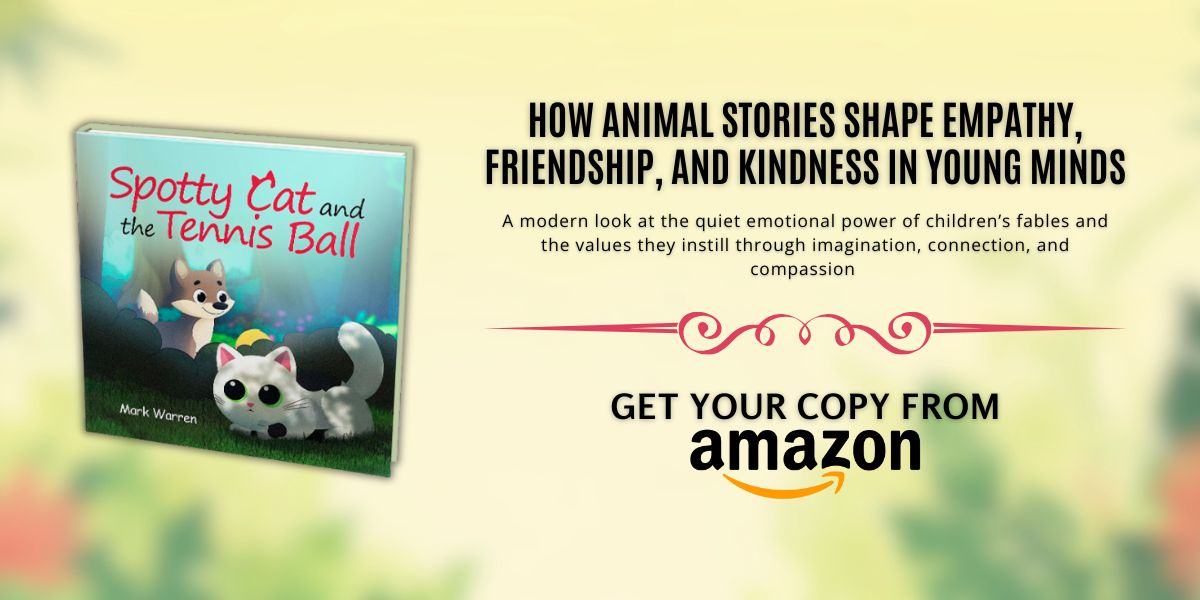
The Gentle Power of Animal Stories in Shaping Young Hearts

Why do children love animal stories so much? From the moment a child first hears a tale about a wise owl, a brave mouse, or a loyal dog, something inside them clicks. They lean closer, their eyes widen, and they find themselves listening not just for the fun of the story but for something deeper, something that teaches them about courage, kindness, and connection. Animal stories hold a gentle power. They simplify big lessons in ways children can understand, wrapping them in warmth, humour, and imagination.

Mark Warren’s Spotty Cat and the Tennis Ball carries on this timeless tradition. At first, it appears to be a simple bedtime tale about a curious cat exploring the forest. But like all good fables, it reveals a bigger truth. Spotty Cat stumbles upon Wolfie, a young wolf, and Budgeri, a round little yellow bird. In the natural world, these animals should be enemies. But instead of following those roles, they do something extraordinary. They choose friendship. In this moment, young readers learn that who we are does not have to define what we can become.

Animal-centred tales have been told for centuries. Aesop’s fables, Beatrix Potter’s stories, and even modern classics like Charlotte’s Web all use animals to show children how to navigate life’s complexities. Children naturally project their feelings onto animal characters, making it easier to grasp ideas like fairness, empathy, or bravery without the weight of real-world judgments.

When Wolfie admits he is lonely in Spotty Cat and the Tennis Ball, children see a side of a wolf they might never imagine. A creature often portrayed as scary becomes relatable. They understand what it means to want a friend. When Budgeri, the tiny bird, bravely offers her friendship, young readers see the value of compassion and courage, even from the smallest among us.

These characters gently nudge children toward empathy, showing them that everyone, no matter how different, has feelings and needs. In a world where children are constantly learning how to interact with others, these lessons are more than stories. They are blueprints for kindness.

Another reason animal stories hold such power is their role in bedtime routines. Parents reading aloud create a safe, calming environment where values are taught in whispers and soft voices. The setting is as important as the story itself. With Spotty Cat and the Tennis Ball, the closing image of Spotty and his family curled up together in their cosy bed leaves children with a sense of safety and belonging.

This comfort is not just emotional. Research shows that bedtime stories strengthen parent–child bonds, encourage early literacy, and help establish healthy sleep habits. Animal tales, with their universal appeal and gentle tone, are perfectly suited to these routines. They balance entertainment with quiet reflection, easing the transition from the busyness of the day to the stillness of night.

The impact of animal stories goes beyond childhood. Adults still recall the morals of fables they heard years earlier. Slow and steady wins the race, Don’t cry wolf, or Never judge a book by its cover, remain in memory long after the specific tales fade. Stories like Spotty Cat and the Tennis Ball add to this tradition, planting seeds of empathy and inclusion that can influence how children approach relationships as they grow.

In Spotty Cat’s world, a wolf, a bird, and a cat can share lunch despite their differences. It’s a simple image, but one with lasting meaning. For children, it encourages the belief that friendships can cross boundaries and that kindness often starts with giving others a chance.

Mark Warren’s book joins a long line of animal-centred literature that entertains while shaping values. What sets it apart is its balance of playfulness and moral depth. The humour of Budgeri bouncing through the forest, the nervous charm of Spotty Cat introducing himself, and the gentle acceptance of Mummy and Daddy Cat all combine to deliver a message without ever feeling heavy-handed.

Parents and educators looking for stories that do more than pass the time will find Spotty Cat and the Tennis Ball a valuable addition to their shelves. It reflects the timeless power of animal fables while offering fresh characters that today’s children can love and learn from.

Animal stories will always hold a special place in children’s hearts. They are guides, companions, and gentle teachers. And in books like Spotty Cat and the Tennis Ball, they continue to show us that even the most unlikely friendships can change the way we see the world.

If you are searching for a bedtime story that entertains, teaches, and comforts all at once, Spotty Cat and the Tennis Ball is a delightful choice to bring into your home.

Availability:

Read this book now, available on Amazon: https://www.amazon.com/dp/1968296298 

About the Author: 

Mark Warren creates imaginative and heartwarming books for children aged three to eight years old. He is passionate about fostering curiosity, values, and kindness in children through stories that blend entertainment with valuable life lessons. His books also aim to create a cozy environment — calming children before bed. When not writing, he enjoys sharing the outdoor life with his young family, who inspire many of his memorable characters.

Book Details:

Book Name: Spotty Cat and the Tennis Ball

Author Name: Mark Warren

ISBN Number: 978-1968296292

Ebook Version: Click Here

Paperback Version: Click Here

The Real Path to Supporter Engagement: Why Understanding Donors Is the Missing Link

When non-profit organizations notice that supporter engagement is slowing or donations are declining, the instinct is often to make internal adjustments. Budgets shift, communications change, and campaigns are rewritten. Yet the core question often goes unanswered: What do supporters actually want?

This is the foundation of Real Path’s work.

Founded by Leigh Sandison, a former international field hockey player and mom of two under five, Real Path focuses on helping non-profits understand their audiences with clarity. The agency specializes in uncovering what supporters think, feel, and do, providing organizations with the insight they need to create experiences that encourage people to donate, advocate, and stay involved.

From Corporate Experience to Non-Profit Strategy

Leigh began her career helping global corporations shape customer experiences. Later, during her tenure with Macmillan Cancer Support in the UK, she witnessed the profound impact of audience understanding on mission-driven organizations. The turning point came during her maternity leave. Her brother was working on a donor journey mapping project, and she volunteered to support the effort. That is when she realized something striking. The effort was being shaped from an internal perspective, while the supporter’s experience was left out entirely.

This insight led her toward a new purpose. Leigh wanted to bring the same depth of audience understanding that influenced major brands into the non-profit sector. She believed organizations deserved a clearer picture of what their supporters wanted, and she has dedicated her career to doing exactly that.

A Direct Approach That Produces Actionable Results

Real Path stands out because of its straightforward approach. The team avoids jargon and focuses on strategies that can be applied immediately. They listen carefully to supporters, gather meaningful insights, and help organizations create experiences that reflect real motivations and needs. Their goal is to help non-profits make smarter choices about revenue and costs, supported by research rather than guesswork.

Their results demonstrate potential. Real Path helped one organization increase recurring revenue from monthly donors by 625 percent in just four weeks. They supported another organization during a federal leadership campaign and helped double donations, triple the donor count, and secure an election win. Leigh herself was also recognized in Foundation Magazine’s 2025 Five Lives feature, which highlighted individuals making a notable contribution to life in Canada.

Sports, Adaptability, and Curiosity

Leigh’s background in international field hockey influences her work every day. Sports taught her how to adapt quickly, shift conversations with ease, and approach every new situation with an open mind. Each client becomes its own microculture, and she approaches everyone without assumptions. She learned fearlessness on the field, and that quality carried her through the challenge of starting a business during the pandemic with a new baby.

She also learned the importance of being true to herself. Her straightforward nature helps supporters feel at ease in conversations, leading to honest insights. This authenticity even inspired the name Real Path. Leigh has always balanced logic with creativity, and she brings that dual energy into her research. She connects unexpected pieces of information, uncovers deeper meaning, and translates those findings into practical strategies.

Your Supporters Hold the Answers

If your organization is experiencing stalled growth, declining donations, or disengaged supporters, it may be a sign that your strategies rely too heavily on internal thinking. When supporters’ experiences are shaped without understanding what people actually want, they often feel disconnected from your mission. Disconnection leads to reduced giving and less willingness to volunteer or advocate.

The most effective way to build supporter experiences that inspire action is to learn from the people themselves. Real Path helps non-profits access these insights and use them to create lasting, positive change. Their work shows that understanding supporters is crucial to building stronger relationships and achieving results.

Why Empathy is the New Currency in Advertising

By: John Sayomon

Walk into any major advertising agency in Manhattan today, and you will hear the same buzzwords echoing off the glass walls: “Optimization.” “Scalability.” “Generative AI.” The industry is currently in the throes of a technological gold rush, racing to see who can use artificial intelligence to produce the most content for the least cost. But amidst this frenzy of automation, a counter-movement is quietly emerging, one that argues the future of branding isn’t about algorithms, but about radical humanity.

Leading this charge is Woojung Lee, a New York-based Art Director whose work challenges the cold efficiency of modern marketing. Woojung, a graduate of the Fashion Institute of Technology and a rising creative force in the city, believes that the industry is facing a crisis of connection.

“We are drowning in content, yet we are starving for feeling,” Woojung observes. “The more we optimize for clicks, the more we lose the trust of the human being behind the screen. In 2026, empathy isn’t just a nice-to-have; it is the only competitive advantage left.”

The AI Paradox: The Danger of “Sameness”

The integration of Generative AI into creative workflows has undoubtedly accelerated production. Campaigns that once took months can now be mocked up in minutes. However, Lee argues that this efficiency comes at a hidden cost: homogeneity.

“When everyone has access to the same high-powered generators, ‘good’ design becomes a commodity,” Lee explains. “The market is flooded with visually stunning but emotionally empty imagery. If five different brands prompt an AI for ‘luxury sustainability,’ they will get five variations of the same polished, soulless image. In this sea of sameness, the imperfection of the human hand, or the specific, quirky insight of a human mind, becomes the ultimate luxury item.”

This “empathy gap” is where Lee believes the modern Art Director becomes indispensable. She views the role shifting from a creator of visuals to a “curator of humanity.” The human creative must step in to inject nuance, cultural context, and emotional intelligence that software lacks.

Beyond “Targeting”: The Friendship Philosophy

Woojung’s approach to this problem is rooted in a unique philosophy she calls “Friendship Design,” a concept derived from her name, Woojung, which means “friendship” in Korean.

In traditional advertising, consumers are viewed as targets to be captured. The language is militaristic: “campaigns,” “strategies,” “capture rates.” Woojung proposes a softer, more sustainable model.

“You don’t target a friend,” she posits. “You listen to them. You try to understand their specific struggle, and you offer a solution that actually helps. If brands started acting like friends rather than hunters, they wouldn’t have to shout so loud to get attention.”

This philosophy is evident in her award-winning work, such as Mother Nature is in Menopause. Instead of guilt-tripping the audience about climate change, a tactic that often leads to avoidance, the campaign used humor and bodily empathy to create a relatable connection. It treated the viewer as a confidant, not a culprit.

Curiosity Without Limits: How ‘Rabbit Hole’ Empowers Autistic Minds

Perhaps the most forward-thinking application of her empathy-driven approach is her focus on inclusive design, specifically for autistic students. Her latest initiative, Rabbit Hole, was not born in a boardroom but from a moment of observation while watching the Netflix series Love on the Spectrum.

Lee was struck by the “depth of focus” and expertise neurodivergent individuals developed around their interests—and how often traditional education views this intensity as a distraction that needs to be “corrected.”

“Curiosity doesn’t move in straight lines; it deepens, tunnels, and connects,” Woojung explains. “The phrase ‘going down a rabbit hole’ is usually framed negatively, but for many people on the spectrum, that is exactly how learning happens. I wanted to build a tool that expands that.”

The project utilizes Google Gemini, a multimodal AI system, to support this non-linear learning style. Instead of a standard search interface that prizes linear efficiency, Rabbit Hole uses AI to encourage deep-diving, turning a specific fixation into a gateway for broader education.

“True inclusive design isn’t about forcing people to adapt to systems,” Lee notes. “It is about designing systems that adapt to people. By using technology to expand curiosity rather than cap it, we don’t just help neurodivergent students; we unlock a richer, more intuitive way for everyone to learn.”

Return on Intimacy

For New York agencies looking to survive the next decade, Lee suggests shifting their metrics. Instead of focusing solely on ROI (Return on Investment), she argues for “Return on Intimacy.”

“Trust is the currency of the future,” Lee asserts. “Gen Z and Alpha consumers are incredibly sophisticated. They can smell a fake from a mile away. They don’t want a brand that tries to be everything to everyone. They want a brand that stands for something specific and treats them with respect.”

This shift requires bravery. It means prioritizing long-term relationship building over short-term metrics. It means producing less content but ensuring it carries more weight.

The Future of the Art Director

So, what does the Art Director of the future look like? According to Lee, they are part psychologist, part systems-thinker, and part artist.

“We have to be the ones who ask the ethical questions,” she says. “When an algorithm suggests a headline, we have to ask: Is this kind? Is this true? Is this helpful? We are the gatekeepers.”

As the industry continues to accelerate, the creatives who will thrive are not the ones who can out-prompt the AI, but the ones who can out-feel it.

A Call for Radical Softness

In a city known for its grit and grind, Woojung is making a case for softness. Her work challenges the New York advertising scene to slow down and look the consumer in the eye.

“Technology will change every day,” Lee concludes. “But human needs, the need to be understood, the need to belong, the need to feel safe, those haven’t changed in thousands of years. If you build your work on those foundations, you will never become obsolete.”

As the digital landscape becomes increasingly crowded with synthetic noise, voices like Lee’s offer a crucial reminder: the most powerful technology we have is still the human heart.

A Daily Companion That Helps You Slow Down and Hear God Clearly

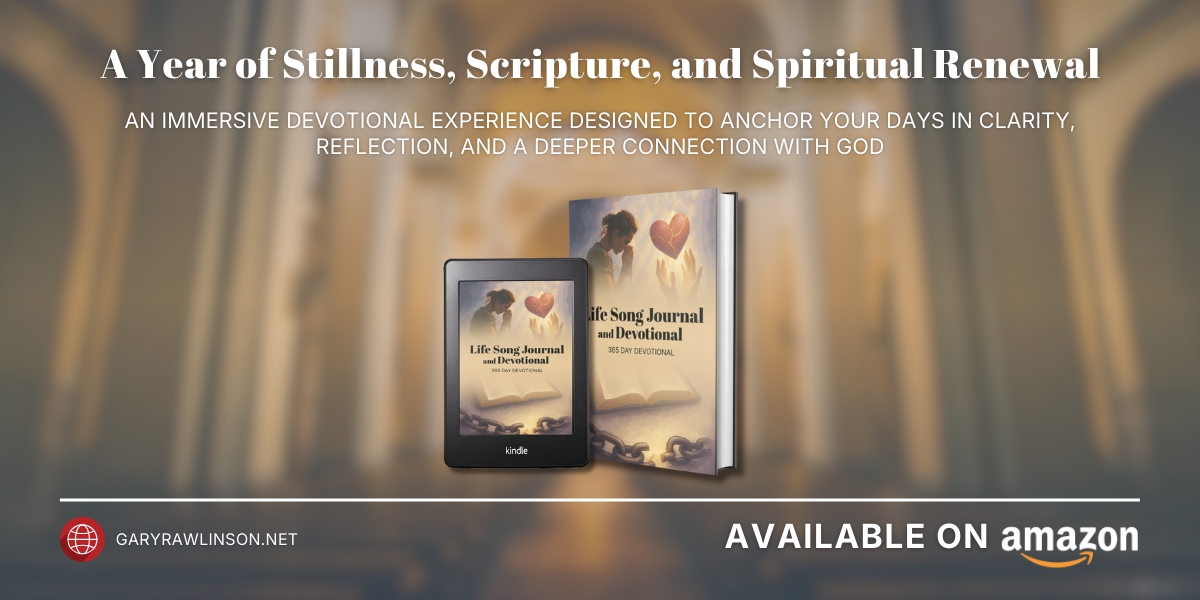
Life moves quickly, often faster than our hearts can keep up. Many people want to grow spiritually but struggle to find moments that feel quiet enough or focused enough to connect with God. This hunger for steady guidance is what makes a devotional meaningful. A good devotional does more than offer inspiration. It becomes a companion that walks with you day after day, helping you renew your thoughts and realign your heart. Life Song Journal and Devotional: 365 Day Devotional fills that role with clarity and purpose, offering daily encouragement rooted in Scripture and written with a warm, steady tone that fits easily into any routine.

This devotional is built around a simple idea. Real spiritual growth happens one day at a time. Each entry provides a brief reflection that is easy to understand yet rich enough to stay with you throughout the day. The writing style is gentle and honest, offering readers a quiet moment to pause and draw closer to God. Rather than overwhelming you with long passages or complex ideas, the book focuses on truths that matter: patience, gratitude, trust, humility, and God’s constant care.

One of the strengths of this book is its consistency. Every page follows a rhythm that helps you settle your thoughts and approach the day with a peaceful mindset. A reflection introduces the central idea for the day, guiding you toward Scripture and helping you understand how it fits into your current season of life. Whether you begin your morning with it or use it at night to unwind, each entry provides structure without pressure. The calm and steady tone makes it suitable for anyone, from experienced believers to those just starting to build their faith.

The devotional’s reflections highlight the themes that shape a healthy spiritual life. Many entries focus on gratitude and learning to recognize God’s goodness in small, everyday moments. Others explore the importance of forgiveness and the quiet strength that comes from trusting God with the things you cannot control. Some readings offer comfort in pain, reminding the reader that God never leaves them to face their struggles alone. This balance of encouragement and honesty gives the book a grounded and relatable feel.

Another important aspect of this devotional is its ability to help readers reconnect with God’s Word in a personal way. Scripture is woven naturally into the reflections, not as a formality but as the foundation of each message. Readers are guided to slow down, read with intention, and reflect on how these verses speak into their own lives. With repeated use, this daily practice deepens understanding and builds spiritual confidence.

The tone of the book feels like a friend speaking gently and clearly. There is no harsh instruction or complicated language. Instead, the voice is steady, comforting, and filled with hope. The simplicity of the writing makes the devotional accessible to all ages and easy to return to when life feels overwhelming. The goal is not to impress the reader. It is to support them, encourage them, and help them keep God at the center of their day.

By the time a reader reaches the later months of the book, they can look back and see how these daily moments have shaped their thoughts and habits. What begins as simple reflection becomes a pattern of spiritual steadiness. Many people find that this devotional helps them develop a daily rhythm of prayer and Scripture reading, something that is essential for spiritual growth but often difficult to maintain alone.

Life Song Journal and Devotional: 365 Day Devotional offers a full year of thoughtful guidance, making it a valuable tool for anyone who wants to strengthen their relationship with God. It helps readers focus, reflect, and grow with intention. If you want a devotional that creates peace, builds faith, and brings God’s truth into your everyday routine, this book is a meaningful place to start.

About the Author:

Gary Rawlinson is a U.S. Air Force veteran and aviation professional whose lifelong passion for faith and reflection inspired this devotional. With degrees in Aviation Maintenance and Professional Aeronautics, his life has been defined by discipline, curiosity, and gratitude. Now retired in South Georgia with his wife, Barbara, Gary dedicates his time to studying scripture, writing devotions, and sharing God’s message of hope and love with others.

Book Details:

Book Name: Life Song Journal and Devotional: 365 Day Devotional

Author Name: Gary Rawlinson

ISBN Number: 978-1970440225

Ebook Version: Click Here

Hardcover Version: Click Here

Paperback Version: Click Here

The Power of Starting Over: Why New Beginnings Matter at Any Age

There are moments when life quietly invites us to begin again. Sometimes these moments arrive as opportunities, other times as challenges, and often as a simple feeling that something needs to change. Many people ignore that feeling because starting over can be uncomfortable. Yet the truth is that new beginnings often open the door to the parts of life we never knew we needed.

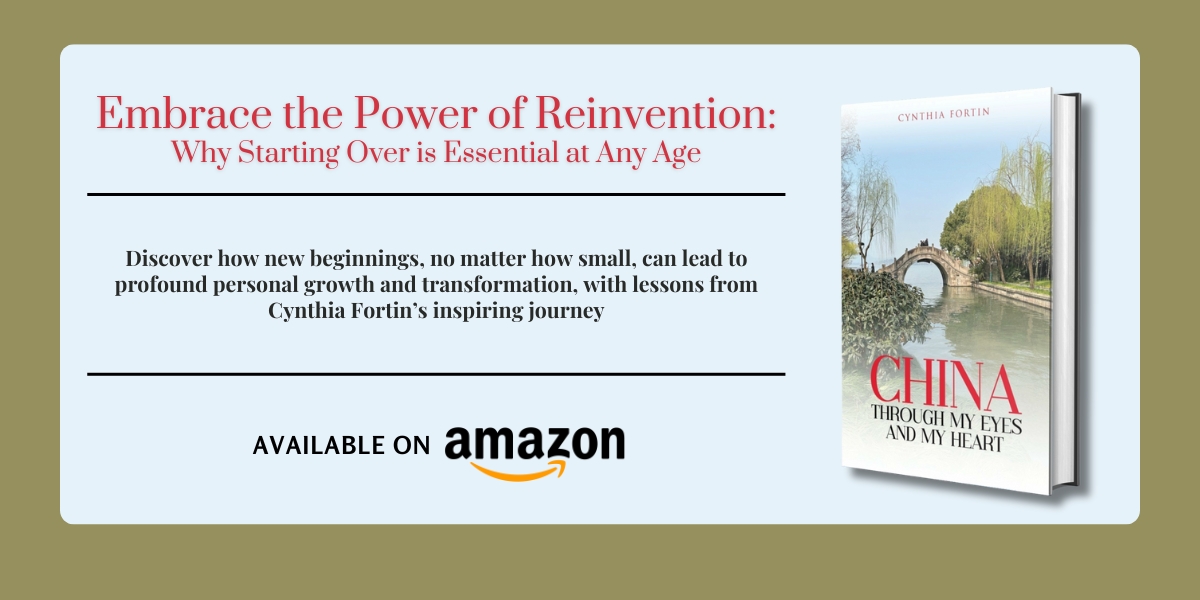
The idea of starting over is not reserved for the young. It belongs to anyone who feels ready for something different. Whether it is learning a new skill, moving to a new city, or stepping into a new career, change can bring a sense of renewal. Cynthia Fortin’s memoir China through My Eyes and My Heart reflects this idea beautifully. At a time when many settle into routine, she chose to reinvent her life by moving from Canada to China to teach English. Her journey shows that the courage to start again can reshape both the heart and the mind.

One of the strongest lessons about new beginnings is that they often look small at first. Cynthia’s story did not begin with a grand plan. It started with curiosity. She wanted to try something meaningful. For anyone considering a fresh start, this is a powerful reminder. Change begins with a single step. Signing up for a class, making a small plan, or even saying yes to something unfamiliar can lead to something greater.

Another essential truth about starting over is that you learn as you go. When Cynthia first arrived in China, she faced new customs, unfamiliar foods, and a language she had yet to understand. Instead of giving up, she approached each challenge with patience and perseverance. Over time, she found comfort in the routines of daily life. Her classroom became a place of connection. Local markets became familiar paths. New friendships replaced the fear of the unknown. These simple experiences carried lessons about trust, confidence, and resilience.

Starting over also reminds us to stay open to the world. It teaches us to notice people more closely, to listen more deeply, and to appreciate the moments that often go unseen. Cynthia’s time in China demonstrated to her that kindness transcends every cultural boundary. A helpful student, a welcoming colleague, or a neighbour offering guidance can turn a new place into a second home. These gestures reveal that no matter where we begin again, human connection makes the journey meaningful.

New beginnings matter because they help us grow and evolve. They show us that life does not end when a chapter closes. It simply shifts into something new. Whether you are considering a significant change or a small adjustment, the courage to start again can shape the rest of your story.

For anyone seeking inspiration, reflection, and a heartfelt look at reinvention, China through My Eyes and My Heart by Cynthia Fortin is a wonderful place to begin. It serves as a reminder that the world is vast and that there is always room for one more new beginning.

Availability:

Cynthia Fortin’s China through My Eyes and My Heart is now available on Amazon.

Here’s the link: https://www.amazon.com/dp/1970749040/. 

About the Author:

Cynthia Fortin is a graduate of the University of Sherbrooke, where she earned a Bachelor of Business Administration degree. She later obtained her designation as a Chartered Professional Accountant (CPA). Cynthia frequently travels to China and currently resides in Granby, Québec, with her husband. She is the mother of a grown daughter and the proud grandmother of two.

Book Details:

Book Name: China through My Eyes and My Heart

Author Name: Cynthia Fortin

ISBN Number: 978-1970749045

Paperback Version: Click Here


America Keeps Paying Twice to Build the Same Infrastructure

By: Ethan Rogers

The real bottleneck isn’t permitting. It’s what nobody wants to admit about how projects actually fail.

There is a moment on many large infrastructure projects when the optimism quietly drains out of the room.

It doesn’t happen during the announcement. Or the environmental review. Or the public consultation phase, where everyone nods and says the right things.

It happens later. Much later. Usually, when a machine stops moving.

A foreman notices something isn’t right. A bucket comes up wrong. A locator mark doesn’t line up with what’s on the drawing. Phones come out. The job goes quiet. Someone says, “That shouldn’t be there.”

From that moment on, the schedule is no longer real.

What follows is rarely dramatic enough to make the news. There’s no explosion. No viral video. Just a slow, expensive unraveling: work stoppages, emergency meetings, revised drawings, change orders, finger-pointing, and a calendar that quietly slips a week at a time.

By the time the project gets back on track, if it does, the cost has already been absorbed. Not always by the same party. Not always transparently. Almost never early enough to avoid.

To the public, this looks like the price of complexity. To policymakers, it’s usually blamed on regulation. To people who actually build things, it’s something else entirely.

“It’s not that people don’t care,” says Gord Reynolds, a veteran infrastructure advisor who has spent decades working inside utilities, government programs, and major capital projects. “It’s that we keep discovering reality too late, and then acting surprised by it.”

Reynolds has seen this pattern repeat often enough that he no longer treats it as bad luck.

“It’s systemic,” he says. “And it’s optional.”

The Story We Keep Telling Ourselves

Ask almost anyone why infrastructure projects take longer and cost more than expected, and you’ll hear a familiar explanation.

Permits take too long. Environmental reviews drag on. Government is slow. Communities object. The rules are too rigid.

That story is convenient. It’s also incomplete.

A large and growing share of the projects that matter most to communities—local energy resilience, distribution upgrades, microgrids, broadband builds, hospital backup power, utility-funded hardening—don’t trigger federal environmental review at all.

They’re state-regulated. Utility-funded. Municipally permitted. Or privately financed behind the meter. And yet they still stall.

They stall in interconnection queues. They stall in tariff interpretations. They stall in municipal permitting offices, trying to reconcile conflicting utility records. They stall when underground conditions turn out to be different from what everyone assumed.

“The problem isn’t that environmental review doesn’t matter,” Reynolds says. “It’s that we’ve convinced ourselves it’s the main bottleneck even when the evidence says otherwise.”

What actually stops many projects is far less visible and far more expensive.

Building Blind, By Design

The United States has one of the most complex underground utility networks in the world. Natural gas, water, sewer, power, fiber, installed over decades by different owners, under different standards, using different recordkeeping practices.

Some of that information exists digitally. Some of it lives in scanned drawings. Some of it exists only in the memories of people who retired years ago.

In theory, all of it is “known.” In practice, much of it is not.

So projects do what humans always do when the facts are incomplete: they push uncertainty forward.

Design advances based on records that may or may not be accurate. Schedules assume best-case conditions. Contracts allocate “unknowns” to broad clauses that look harmless until they’re invoked.

And then excavation begins.

“You can’t think clearly in chaos,” Reynolds says. “Clean inputs create clean outcomes. But we keep feeding projects dirty information and then managing the consequences instead of fixing the cause.”

The industry has language for this because it happens so often: unforeseen conditions, utility conflicts, relocations, rework.

What it doesn’t have, at least not consistently, is a system that forces those conflicts to surface early, when they’re still cheap.

The Part That Makes People Uncomfortable

Here’s where the conversation usually gets awkward.

While late discovery is disastrous for schedules and public trust, it is not universally harmful to business.

Surveyors resurvey. Engineers redesign. Contractors issue change orders. Schedulers rebaseline. Lawyers argue about damages. Claims consultants document the failure in meticulous detail. Insurers reprice the risk.

None of this requires bad actors. No conspiracy is needed.

It only requires a system where prevention is underpaid and remediation is billable.

“Doing things twice unnecessarily is a big business,” Reynolds says. “And we’ve normalized it to the point where people confuse waste with complexity.”

For decades, that waste was absorbed. Projects still moved forward. Budgets flexed. Time stretched. The system survived. But the context has changed.

Skilled trades are constrained. Supply chains are brittle. Insurance markets are tightening. Private capital is smarter and more selective.

“We don’t have the capacity to be this wasteful anymore,” Reynolds says. “Every unnecessary redesign steals resources from housing, hospitals, and resilience projects that communities actually need.” Late discovery isn’t just inefficient now. It’s destabilizing.

Why “Better Coordination” Keeps Failing

After almost every delayed project, the official takeaway sounds the same: we need better coordination. More meetings. More working groups. More memoranda of understanding.

Reynolds calls this the coordination illusion, the belief that effort can compensate for a system that withholds the information people need to make good decisions.

Coordination without shared ground truth is just synchronized guessing. And worse, it diffuses responsibility.

“If you can’t point to the person responsible when something goes wrong,” Reynolds says, “then no one was ever really responsible.”

That’s not a cultural failure. It’s a governance failure.

The rules allow uncertainty to drift forward. They allow responsibility to remain vague. And they allow risk to be transferred late, when it’s most expensive and most adversarial.

The Irony: The Standards Already Exist

What makes this harder to ignore is that the industry already knows how to do better.

There are mature standards for investigating and documenting underground utilities during project development. There are established methods for grading the quality of utility information. There is decades of evidence showing that earlier investigation reduces claims, delays, and disputes.

And yet most projects still rely on records that everyone quietly knows are incomplete.

Why? Because standards without mandates are optional. Optional standards lose to short-term budget pressure. And the benefits of prevention are often invisible, until they’re absent.

The project that spends money early to reduce uncertainty often looks expensive. The project that defers reality looks efficient, right up until it isn’t.

Other Countries Stopped Pretending This Was Normal

The most damning thing about America’s underground data problem is that it isn’t unsolved. It’s just unaddressed.

The United Kingdom faced the same pattern, frequent strikes, delays, escalating costs, and chose to treat underground information as national infrastructure.

It built a centralized, standardized underground asset register. It mandated participation. It tied the system to real economic outcomes.

The result wasn’t faster. There were fewer surprises.

Australia and New Zealand followed similar paths, modernizing how underground assets are recorded, shared, and governed.

Canada accelerated broadband deployment not by weakening environmental oversight, but by showing providers what was already in the ground before routes were finalized.

“They didn’t debate philosophy,” Reynolds says. “They fixed the information.”

The American Workaround: Call Before You Dig

In the United States, the primary tool for managing underground risk remains the 811 locate system. It matters. It saves lives. But it is reactive by design.

It tells you what’s there when you’re about to dig, not when you’re deciding where and how to build.

“There’s no centralized registry. No standardized formats. No planning-level visibility,” Reynolds says. “It’s a safety system, not a delivery system.”

Some states are experimenting with improvements. Others mandate electronic locatability for new installations. Useful steps, but incomplete ones.

They improve the future while leaving the legacy network, the one causing most conflicts, largely untouched.

Risk Doesn’t Disappear. It Just Shows Up Later.

Most infrastructure pain isn’t caused by mistakes. It’s caused by predictable conflict between misaligned stakeholders. Owners want cost certainty. Contractors want risk clarity. Utilities want safety and minimal liability. Municipalities want compliance. Financiers want bankability.

If you don’t align those interests early, using shared, credible data, the project doesn’t become less risky. It becomes risk-delayed. And delayed risk is always more expensive.

“Digital twins aren’t about agreement,” Reynolds says. “They’re about dialogue. You don’t eliminate conflict by ignoring reality.”

That’s the core misunderstanding. Data sharing isn’t about harmony. It’s about early truth-telling.

This Is What A Real Fix Looks Like

The solution is not another coordination committee. It’s rules.

If you take public infrastructure money, you should be required to:

  • maintain digital underground asset records, including legacy modernization plans
  • share them securely in standardized geospatial formats
  • participate in a registry that supports planning, not just emergency locates
  • apply disciplined utility investigation during project development
  • define authority and risk allocation before construction begins

That’s it. No buzzwords. No transformation theatre. Just discipline.

“Infrastructure digitalization isn’t optional,” Reynolds says. “It’s what happens when leaders stop waiting for perfect information and start using the tools already in front of them.”

Digital tools don’t replace judgment. They remove excuses.

They surface conflicts earlier. They make responsibility clearer. They make it harder to hide behind ambiguity.

Capital Already Understands This, Even If Policy Hasn’t Caught Up

Private capital doesn’t fear regulation. It fears uncertainty, and it can’t price.

Underground uncertainty is uniquely toxic because it shows up everywhere: schedules, claims, insurance, politics.

Projects with visible, managed risk get financed. Projects with hidden, drifting risk get repriced or avoided.

That’s not ideology. It’s math. “Don’t admire the problem,” Reynolds says. “Solve it.”

The Quiet Conclusion

There is no cavalry coming. No secret room of smarter people. No magical reform that fixes everything without changing incentives.

Everyone involved in infrastructure delivery is working with imperfect information. The difference is whether leaders choose to make that uncertainty visible early or continue paying for it later.

Digital registries. Shared standards. Clear authority. Early risk allocation.

Those aren’t tech upgrades. They’re governance upgrades.

And until we treat them that way, America will keep doing what it has quietly perfected:

Paying twice to build the same infrastructure.

About Gord Reynolds:

America Keeps Paying Twice to Build the Same Infrastructure

Photo Courtesy: Gord Reynolds

Gord Reynolds is the founder of Battersea Advisory, a Toronto, Canada-based infrastructure consulting firm, and a former utility executive. He architected the government’s digital twin strategy and now advises governments and utilities on critical infrastructure modernization, broadband deployment, and energy systems transformation.

Finding Your Way Through The Lockless Gate: A New Approach to Achieving Life’s Dreams

By: Farzana Bashir

How a psychologist and spiritual wanderer created a practical roadmap for transforming aspirations into reality.

There’s a particular kind of suffering that comes from feeling directionless. It’s the quiet ache of unfulfilled potential, the frustration of dreams that hover perpetually just beyond reach. For those trapped in this liminal space between aspiration and achievement, psychologist Dr. Jeff Witkin and spiritual practitioner Marybeth J.A. offer something different: not another motivational pep talk, but a detailed field manual for the journey itself.

Their new book, The Lockless Gate: A Spiritual Path to Your Life Goals, emerges from an unusual collaboration between rigorous scientific inquiry and borderless spiritual exploration. The result is a comprehensive guide that does not attempt to separate the physical from the spiritual, the practical from the transcendent.

Beyond Motivation: A Manual for Transformation

What distinguishes The Lockless Gate from the crowded self-help marketplace is its fundamental premise. Rather than treating readers as isolated individuals pursuing personal success, the book grounds itself in an interconnected view of human existence. We do not live separately from others, the authors assert, and this recognition shapes every recommendation that follows.

The book opens with a direct address to its intended readers: “If you are feeling directionless and unfulfilled, if your dreams seem undefined and out of reach, know that we see you. We have stood where you are.” This empathetic acknowledgment, from authors who describe themselves as “your brother and sister who love you,” sets the tone for what follows, not a lecture from experts who have transcended struggle, but guidance from fellow travelers who understand the terrain.

From there, the authors lay out a systematic approach covering the complete arc of dream realization: visualization, creation, and obstacle navigation. Each phase comes with specific practices, primarily centered on meditation and journaling techniques designed to help readers reconnect with what the authors call their “true nature.” The book’s poetic epigraph captures this spirit: “gathering light… one swell of the sea becomes another.”

The Science of Suffering Relief Meets Spiritual Wandering

Dr. Witkin brings credentials that lend weight to the book’s psychological framework. As a world-class scientist with numerous publications and inventions, his life’s work has focused on the relief of human suffering. Yet his approach has never been purely clinical. Before The Lockless Gate, Witkin published two collections of poetry: The Duck’s Wake (1994) and Beyond Where the Snow Falls (1996), both receiving critical acclaim and awards. He also completed an unpublished novel, Life with Polish Woman, which represented his first major attempt to articulate a spiritual path to life’s dreams.

This integration of scientific rigor and artistic sensibility runs throughout The Lockless Gate. The book includes detailed diagrams and structured daily practice steps, but these technical elements exist alongside paintings by award-winning artist Michael Bo Bockock. The visual art isn’t decorative; it serves as another entry point into the book’s central teachings.

Where Witkin brings psychological expertise and poetic sensibility, co-author Marybeth J.A. contributes what she describes as insights that began in childhood and have been tested across the globe. A self-described “mobile planetary citizen,” she has spent her life walking the path outlined in the book’s pages. Her credentials come not from institutions but from immersion: theater work, global travel, service with disenfranchised communities, and encounters with Indigenous elders and spiritual mystics who shared wisdom traditions often invisible to mainstream culture.

Marybeth J.A. describes herself as still walking, still exploring the world beyond what the book calls “the lockless gate.” This ongoing journey is significant. The authors don’t position themselves as having arrived at some final destination; they’re companions on a path that continues to unfold.

The Dream Is Not the Yacht

Perhaps the most radical element of The Lockless Gate appears in its reframing of achievement itself. After guiding readers through visualization, meditation, journaling, and daily practice, the authors make a surprising observation: the dream is not the end goal.

“Unlike the idea in motivational books and seminars you might have previously encountered, the dream is not an end; it is not the yacht,” they write. Instead, they argue that the dream is the process of its creation, the journey that moves you closer to who you truly are, to the life that is organically yours.

This isn’t a bait-and-switch. The book provides concrete tools for achieving specific life goals, finding a partner, creating a new career scenario, building financial security, and deepening one’s capacity for compassionate giving. But it suggests these achievements matter primarily for how they transform the dreamer in the process of their pursuit.

The authors describe this transformation in striking terms: “You have become the light that lights your way and makes the path known to others.” Achievement, in this framework, isn’t about accumulation or status. It’s about becoming someone who illuminates possibilities for others through the very act of pursuing your own authentic path.

Practical Wisdom That Works

Early readers have responded to this blend of spiritual depth and practical guidance. Carol Laker Rudicle, a spiritual hiker, notes that the book “offers a perfect blend of whimsy and motivation, providing insightful quotes and clear guidelines to help readers take practical steps toward pursuing their dreams.”

The book’s identity as a “field manual” becomes clear through its daily tasks and actionable advice. It breaks down personal transformation into manageable steps, provides troubleshooting guidance for common obstacles, and offers reference material readers can return to repeatedly. The meditation and journaling techniques aren’t optional; they are fundamental practices that make transformation possible.

This challenges contemporary culture’s appetite for quick fixes. Real change, the authors suggest, happens through consistent practice over time. As they emphasize: “The reality of creation in the physical, artistic, and spiritual world begins with one step.” For readers holding this book, that step has already been taken.

What the authors call “the spiritual cycle”, visualizing, evaluating, meditating, writing, creating, becomes not a linear path to a fixed destination but an ongoing practice of becoming. The dream transforms you in its pursuit, and that transformed self then dreams new dreams, continuing the cycle.

For those ready to move beyond motivational platitudes toward genuine transformation, The Lockless Gate offers detailed guidance grounded in both scientific understanding and tested spiritual wisdom. The book is dedicated “to all who enter through the lockless gate from your brother and sister who love you.” The gate stands open, lockless and waiting. The question is simply whether you’re ready to walk through.

The Lockless Gate: A Spiritual Path to Your Life Goals is available in hardcover, paperback, and eBook formats through major retailers, including Amazon.

Learn more at thelocklessgate.com or follow updates at facebook.com/jeffwitkin.

Disclaimer: The information presented in this article is intended for general informational purposes only. It is not a substitute for professional psychological, medical, or financial advice. Readers should consult with qualified professionals for personalized guidance and support.