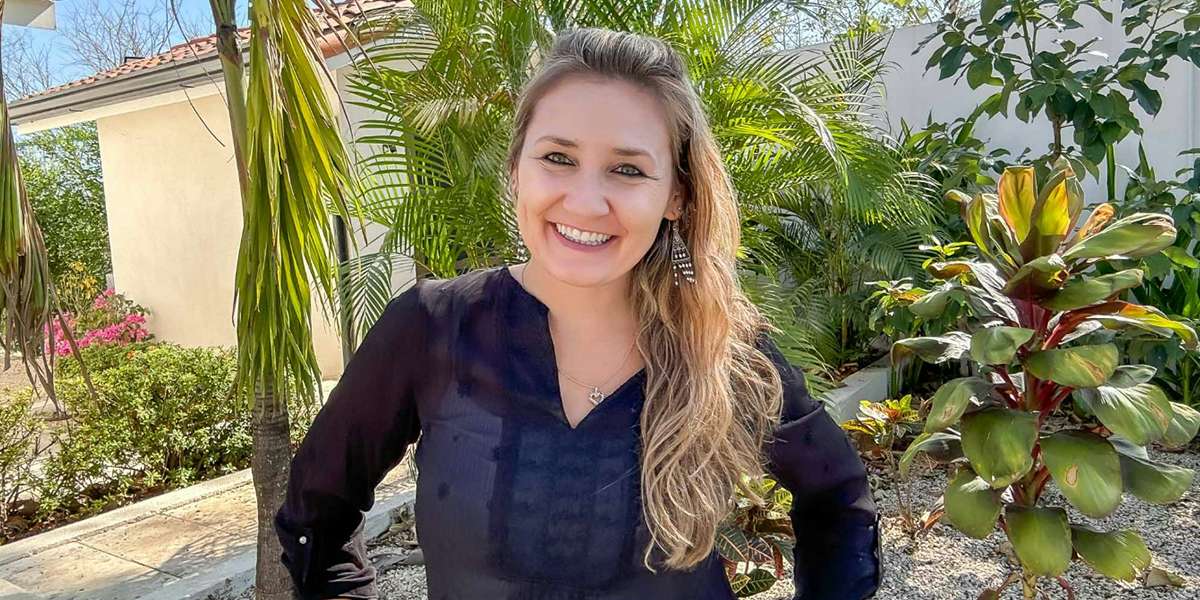
Happiness Beyond Success: Sara Spowart, PhD, Explains What Actually Improves Wellbeing

“Happiness may be viewed as a subjective state where one feels generally content with their life condition and levels of wellbeing,” says Sara Spowart, PhD, DMFT, LMFT, MA, MPA. “However, happiness can be a complex and vague topic that requires clarity, questioning, and discernment,” she clarifies. 

Dr. Spowart is a licensed marriage and family therapist, public health scholar, and happiness researcher. She has done extensive research on happiness, translating complex well-being research into practical insight. Through her work, she brings together mental health, culture, and human connection. She believes caring for others, showing compassion, and strengthening relationships are central to happiness.

In A Path to Happiness, her book chapter published in Happiness and Wellness- Biopsychosocial and Anthropological Perspectives, a comprehensive volume edited by Floriana Irtelli and Fabio Gabrielli, she discusses global studies, mental health data, and cultural comparisons and introduces her Integrative Theory of Happiness. This theory now shapes her clinical and coaching work through her practice, Compassion-Based Happiness.

Rethinking Happiness Through Belief Systems and Culture

Dr. Spowart begins by questioning how people decide what will make them happy. Many decisions, she explains, are guided by belief systems rather than facts. People act based on what they think will reduce pain and increase satisfaction.

Her chapter compares cultural approaches to happiness, with a focus on the United States and Latin America. The contrast is clear.

  • In the United States, well-being is often tied to economic growth and productivity.
  • In many Latin American cultures, daily happiness, close relationships, and emotional closeness are seen as life priorities.
  • Global data shows that once people are out of extreme poverty, income stops being the main driver of happiness.
  • Social support, mental health, and connection become far more important.

Dr. Spowart highlights the Easterlin Paradox, which shows that rising income does not lead to rising happiness over time. She connects this to declining well-being in the U.S., despite steady economic growth. Loneliness, addiction, and weakened community bonds play a huge role. Her work invites readers to examine what they value and why. Happiness improves when belief systems are questioned and adjusted.

What Research Reveals About Happiness and Human Connection

One of the strongest sections of Dr. Spowart’s chapter focuses on mental health and authentic connection.

  • Mental health is the strongest predictor of happiness worldwide.
  • Anxiety and depression affect people across all income levels.
  • A large treatment gap leaves many without care, even in severe cases.
  • Untreated mental illness impacts families, communities, and public health.

She connects this to long-term research, including the Harvard Study of Adult Development. That study followed participants for years, revealing that the quality of close relationships matters more than wealth, career status, or social reach.

Loneliness, defined as perceived isolation, causes lasting harm. It affects both mental and physical health. Dr. Spowart emphasizes that connection is about depth, not numbers. A few safe, supportive relationships protect well-being across a lifespan. Giving, volunteering, and caring for others play a strong role here. These actions build empathy, purpose, and self-esteem. They increase energy by shifting focus away from constant self-monitoring. Happiness grows when attention moves outward with intention.

The Integrative Theory of Happiness 

Dr. Spowart’s academic work directly informs her business, Compassion-Based Happiness. Her practice turns theory into daily tools for individuals, couples, and families.

Her Integrative Theory of Happiness brings together several important elements.

  • Mindfulness and present-moment awareness.
  • Mental health care and nervous system support.
  • Belief system reflection and restructuring.
  • Compassion, gratitude, empathy, and acceptance.
  • Strong, secure relationships.

Through therapy, happiness coaching, and group programs, she helps clients apply these ideas in practical ways. Her services include trauma therapy, couples work, mindfulness-based programs, and her six-week Happiness-Based Mindfulness training.

She adapts all sessions to each client’s needs, goals, and financial situation. Sliding scale options and insurance support make care more accessible. Dr. Spowart’s work proves that happiness improves when people care for their mental health, question harmful beliefs, and invest in human connection.

In Summary

Sara Spowart, PhD, offers a research-driven view of happiness that feels practical and actionable. Her work shows that happiness is shaped less by accumulation and more by connection, compassion, and care. Through her writing and her practice at Compassion-Based Happiness, she turns data into a motivation for personal change. The result is a path to wellbeing built on giving, understanding, and shared humanity.


Boost Restaurant Efficiency in NYC with Bonnie’s AI System

In a city where competition is fierce and margins are thin, New York restaurants face an invisible revenue drain. It’s not rising rents, food costs, or labor expenses. It’s simpler than that: phones that ring with no one to answer.

During the lunch rush in Midtown, dinner service in the West Village, or weekend brunch in Williamsburg, the story is the same. Calls come in while staff are slammed. Guests hang up after six rings. They book somewhere else.

The New York Restaurant Reality

Running a restaurant in this city means operating at maximum capacity most of the time. Your team is stretched during peak periods, and you can’t justify hiring extra staff during slower periods. The phone becomes a problem with no good solution.

Voicemail doesn’t cut it. New Yorkers want immediate answers. They’re booking a dinner reservation for that same evening at 3 PM. By the time you return their call, they’ve already made other plans.

Hiring dedicated reception staff may feel unnecessary for many operations. It involves ongoing costs for part-time coverage, as well as additional expenses for benefits and training. Plus, coverage is only available during their scheduled shifts

What’s Actually Being Lost

Most restaurant owners don’t track missed calls, but they should. Industry data indicates that a significant portion of incoming calls goes unanswered during peak periods, leading to missed reservations and lost opportunities.

Consider this: a large portion of missed calls could have converted into bookings, each generating significant revenue. Over time, this leads to substantial losses from unanswered calls, impacting your bottom line.

In a city where restaurant profit margins are tight, that lost revenue can be the key factor between thriving and merely surviving.

Enter Automation

Technology companies have been promising solutions for years. Most fell short. Early automated systems sounded robotic, frustrated callers, and created more problems than they solved.

The current generation is different. Bonnie represents what actually works: AI that sounds natural, understands context, and handles complete conversations. Not just message-taking, but actual problem-solving.

When someone calls about availability for 8 people next Friday with dietary restrictions, the system processes the request, checks real-time availability, notes the requirements, books the table, and confirms via text. The entire interaction feels human because the technology finally understands how humans actually communicate.

Why This Matters for NYC Operations

New York restaurants face unique pressures. You’re dealing with high call volumes, diverse clientele, multiple languages, and guests who expect immediate service. Traditional restaurant phone answering service options weren’t built for this environment.

Modern AI systems handle multiple calls simultaneously. When five people call at 7 PM on Friday, all five get answered immediately. No busy signals. No hold music. No frustration.

They also operate 24/7. Tourists calling from different time zones, planners booking weeks ahead, last-minute reservation changes, everything gets handled regardless of when it comes in.

Real Impact on Operations

Beyond captured revenue, there’s an operational shift. Your host can focus on greeting guests instead of juggling phone calls. Your servers aren’t interrupted mid-service to answer questions about gluten-free options. Your manager stops playing phone tag with event planners.

The ripple effects compound. Service quality improves when staff maintain focus. Guest satisfaction increases when everyone gets proper attention. Team morale benefits when people can actually do their jobs without constant interruption.

Several Manhattan restaurants using automated phone systems have seen a significant increase in captured reservations, not due to higher demand, but because they can now answer calls that were previously missed.

The Setup Reality

Implementation is remarkably simple. Forward your restaurant number to the platform. Spend twenty minutes customizing it with your menu, policies, and preferences. Go live.

Integration with reservation systems such as Resy, OpenTable, or Tock is automatic. Bookings flow directly into your existing workflow. No duplicate entry. No reconciling multiple systems.

Cost-wise, it’s a fraction of the cost of hiring reception staff. Most platforms charge less than $200 monthly—roughly what you’d pay for a single dinner shift of reception coverage with traditional staffing.

Looking Forward

The restaurant industry is notoriously slow to adopt new technology. But the economics are becoming impossible to ignore. Restaurants automating phone coverage gain immediate competitive advantages: more captured bookings, better service quality, and more efficient operations.

As this technology becomes standard, restaurants without it will increasingly seem outdated. Much like restaurants without online ordering feel antiquated today.

The phone rings constantly in New York. Whether you capture that revenue or lose it to competitors is now a choice, not a constraint.

Expandi.io: Enhancing LinkedIn Outreach with Automation Tools in New York City

Networking in today’s business environment is more critical than ever. Automation tools are changing how professionals connect and engage, making outreach more efficient. By using these technologies, businesses can enhance their reach and foster better engagement.

In the competitive world of professional networking, finding efficient ways to connect with others can make a significant difference in success. With the rise of digital platforms, automation has become a powerful ally in enhancing networking efforts. It enables you to manage and streamline interactions more effectively. By incorporating LinkedIn automation tools into your strategy, you can possibly save time while ensuring meaningful connections. This approach not only broadens your reach but may also help you maintain the personal touch essential to successful networking, especially in a bustling metropolis like New York City, where time is of the essence, and connections are key.

The Evolution of Networking Through Advanced Technology

Traditional networking methods have evolved significantly with the advent of technology. The days of face-to-face meetings as the sole means of connection have given way to a plethora of digital avenues. As professionals increasingly rely on online platforms, the role of automation becomes crucial. Automation transforms these interactions by allowing you to handle repetitive tasks efficiently, freeing up time for more strategic engagements.

Incorporating automation into your networking toolkit changes how you approach relationships. Automated messaging systems and scheduling tools ensure timely follow-ups without manual oversight. This technological shift helps bridge geographical divides and connects professionals across different time zones seamlessly. As a result, networking is no longer bound by physical constraints, enabling effortless global connections.

Benefits of Integrating Automation in Outreach Efforts

Automation offers numerous benefits when integrated into your outreach efforts. One of the most significant advantages is its ability to streamline communication processes. By automating routine tasks such as email scheduling and contact management, you can focus on building deeper connections with prospects. This efficiency may lead to improved productivity and help expand reach more quickly.

Furthermore, automation enhances your ability to track engagement metrics effectively. With detailed analytics at your disposal, you can understand which strategies are working and where adjustments are needed. This data-driven approach helps ensure that your outreach remains impactful and relevant. Additionally, by automating certain communication tasks, you reduce the risk of human error, leading to more consistent interactions.

Ideal Practices for Balancing Automation with Personalization

Successfully implementing automation requires balancing it with personalization. While automation handles repetitive tasks efficiently, it’s essential not to lose the personal touch that makes connections genuine. Personalization ensures your messages resonate with recipients, increasing the likelihood of engagement. Tailor your automated messages by segmenting your audience based on their interests or past interactions.

Another critical practice is regularly updating your automation tools to reflect current industry trends and preferences. Staying informed about new features or updates ensures that your strategies remain effective over time. It’s also crucial to monitor feedback and adapt accordingly; this continuous improvement cycle will help maintain high engagement levels while using automated systems.

The Importance of Adhering to Data Privacy Laws When Using LinkedIn Automation Tools

As automation becomes increasingly integrated into LinkedIn outreach strategies, it is essential to recognize the responsibilities that come with handling personal data. LinkedIn automation tools often involve collecting, storing, and processing user information, which means businesses must operate within the boundaries of applicable data privacy laws such as GDPR, CCPA, and any local New York or federal regulations. Failing to comply can result not only in legal penalties but also in reputational damage that can undermine trust with clients and professional contacts.

Adhering to data privacy standards ensures that the information you collect is used ethically and transparently. This includes obtaining appropriate consent when required, avoiding intrusive scraping practices, respecting platform terms of service, and securing any stored data against unauthorized access. Responsible use of automation tools should always prioritize user privacy and maintain respect for professional boundaries.

In New York City’s highly regulated and competitive business landscape, demonstrating a commitment to privacy can even become a differentiating factor. Professionals and organizations that use automation tools while maintaining strict compliance show that they value integrity and respect for their network. Ultimately, ethical and lawful data practices not only protect you legally, but they also strengthen the credibility and sustainability of your LinkedIn outreach efforts.

Final Thoughts

LinkedIn automation tools offer New York City professionals a powerful way to scale their outreach without sacrificing quality or authenticity. When used thoughtfully, these tools streamline repetitive tasks, surface valuable insights, and support timely, personalized interactions that drive real relationships. The key is striking the right balance, letting automation handle efficiency while you focus on strategy, conversation, and human connection. 

As competition intensifies and time becomes an increasingly scarce resource in NYC’s fast-paced business environment, leveraging automation can help you stay visible, responsive, and effective. By integrating smart tools with a people-first mindset, you position yourself to build stronger networks, unlock new opportunities, and move confidently through the evolving landscape of professional networking.