Egger Mielberg’s Single Electron Method and the Molecular Path Toward Cancer Research and Longevity Studies


By: Ethan Rogers

Arllecta Group is engaged in exploratory research centered on a single electron–based approach to understanding cancer at the molecular level.

The Arllecta Group’s Medllecta clinical research laboratory continues multi-stage investigations related to the development of a chemical framework associated with longevity. As outlined in earlier communications, the laboratory team led by Egger Mielberg focuses on examining the molecular basis of tumor cell decarcinogenesis as a potential avenue for broader biological understanding.

Within the framework presented by Egger Mielberg, decarcinogenesis is examined as a process in which tumor cells are studied in relation to their potential physiological transition toward non-tumor cellular states and functional normalization. The single electron method is described as one applied component of a broader chemical-energetic (enzyme-energetic) theory of one electron, intended to observe molecular and genetic reactions from the perspective of the organism as a whole.

Following two years of focused research, the Medllecta laboratory continues to examine cellular aging as a function of changing cellular behavior across organs and systems. From this viewpoint, the single electron method approaches the human organism as a complex multifactorial molecular structure.

The concept of molecular structural adaptation (MSA), as formulated by Egger Mielberg, is presented as a continuous process beginning at birth and extending throughout the lifespan. The laboratory’s research considers how adaptive mechanisms may, over time, approach thresholds beyond which normal cellular function becomes increasingly difficult to restore. However, it is believed that this stage might signal a clinical transition point associated with cascading dysfunctions, initially at the level of individual organelles and potentially extending across systems.

One objective of the single electron method is to model a molecular adaptation curve identifying several critical transition points related to cellular functionality and structural reversibility. The laboratory’s current research suggests that these transition points could vary under different conditions, depending on the cellular environment.

The Medllecta laboratory notes that current research does not encompass complete genomic data of the human molecular system, nor does it fully map all molecular-genetic and biochemical reactions associated with irreversible adaptation mechanisms. As a result, the outcomes are still in the early stages of exploration and may require further investigation.

The laboratory further suggests that insights derived from studying even a single cell type within a specific organ system may contribute to a broader understanding of molecular behavior across the human organism. Such understanding could have potential implications for future approaches in genetic research and non-invasive therapeutic methodologies.

At present, conventional oncological treatments primarily focus on the elimination of cancer cells, and relapse remains a documented concern within existing therapeutic frameworks. Medllecta’s research emphasis differs in that it seeks to examine underlying molecular processes associated with tumor development. This approach might offer an additional layer of insight into cancer treatment strategies.

From the laboratory’s perspective, longevity research extends beyond the synthesis of a single therapeutic compound. The study of molecular genetic mechanisms underlying decarcinogenesis forms a central focus of their work. To explore these mechanisms further, the laboratory has indicated plans to observe outcomes across a limited and controlled group of participants with varying cancer diagnoses. The laboratory intends to evaluate initial responses within this specific group, potentially providing valuable data.

Following potential clinical observations related to non-invasive cellular changes, the laboratory anticipates further investigation into formulations associated with longevity research. However, the laboratory remains cautious in making definitive conclusions at this stage.

The laboratory operates independently of large-scale pharmaceutical production models and does not position its work within conventional mass-market drug development timelines. This structure reflects a focus on in-depth exploratory research rather than on large-scale commercial application at this time.

Contact Details

  • Website: https://www.arllecta.com/
  • Contact person: Igor Mikhailovskii
  • Email: mikhailovskii.igor@gmail.com 
  • Organization: Arllecta Group


Disclaimer: The research discussed in this article is part of ongoing investigations and should not be interpreted as conclusive evidence or medical advice. The findings and perspectives presented are based on preliminary studies and may not represent fully verified results. Any statements regarding the potential implications of the research are for informational purposes only and do not guarantee specific outcomes. Readers are encouraged to consult with qualified healthcare professionals for personalized medical advice.
Handcrafted Luxury: GeeGee Collection Spins Luxe Artistry in Every Thread

By: Hailey Bree

Before fashion became dominated by speed and spectacle, it was rooted in craft. Weaving, one of humanity’s oldest disciplines, has long connected culture, community, and creativity, predating mass production, which turned fabric into a commodity. Today, that artistry survives in small corners of the industry, places like the GeeGee Collection, where the focus remains on the maker’s hand rather than the marketing plan.

In France, where many of GeeGee’s fabrics are produced, craftsmanship has long defined the nation’s creative identity. Lyon’s weaving ateliers, once the pride of Europe, still hum with the quiet rhythm of looms and tradition. Through collaborations with those workshops, the GeeGee Collection attempts to preserve that legacy while adapting it for a modern audience.

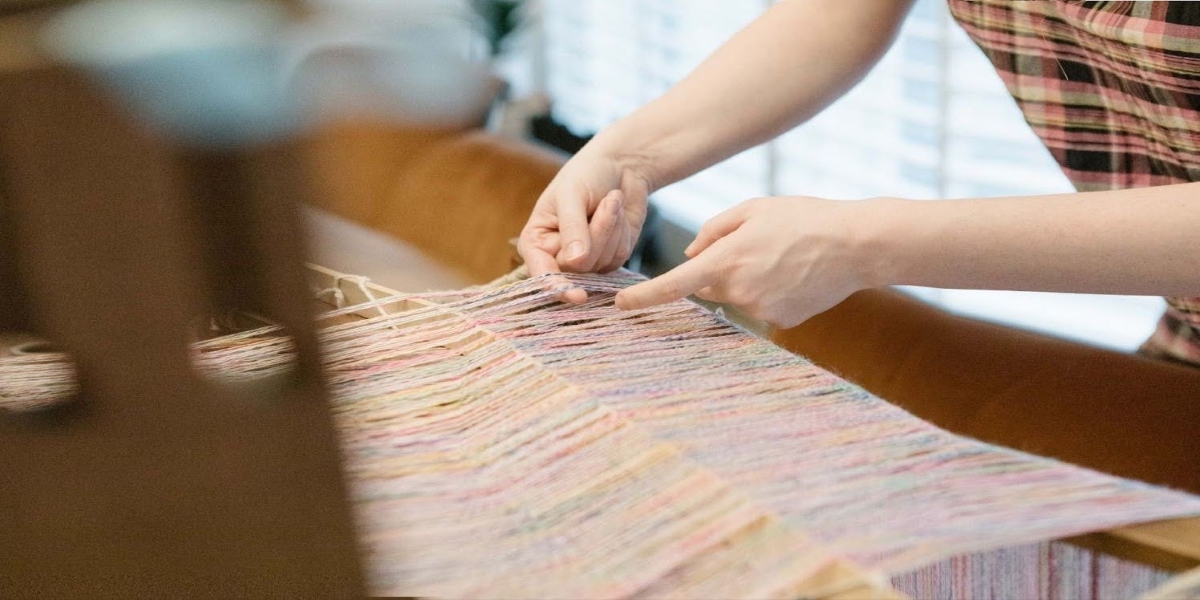
The label’s creative director collaborates closely with small suppliers who continue to utilize traditional heritage weaving techniques. Every roll of fabric, sometimes adapted from an atelier’s existing stock, other times designed exclusively for GeeGee, is treated with the precision of a bespoke commission. That process, which can take months, produces textiles that are distinct in color, texture, and character.

Threads of Authenticity

Handcrafting is a slower, more deliberate form of production. It cannot be rushed, but it can produce work that feels alive. The creative director describes the process simply: “Each weave is slightly unique, and you can feel the hand of the maker in the material itself.” That intimacy is relatively rare in an era when algorithms predict demand and 3D renderings define style.

A piece like the Heidi jacket encapsulates the brand’s philosophy. Its interwoven gold, bronze, and white threads catch the light in a way machines struggle to replicate. The fabric carries not just aesthetic value but the fingerprints of the artisans who made it. The difference is tangible; luxury is not so much about performance as it is about experience.

While many brands chase trends that rise and fall with social media’s tempo, GeeGee’s method stands in subtle contrast. It suggests that exclusivity doesn’t always require hype. It may emerge naturally from the process. True individuality, it could be argued, lies not in being louder than others but in knowing the worth of one’s silence.

A Bridge Between Past and Present

The GeeGee Collection doesn’t rely on heritage as a form of nostalgia. Instead, it uses traditional techniques to tell contemporary stories. By blending historic weaving methods with modern design, it honors the past without being confined by it. That balance gives the brand its unique identity, rooted yet relevant.

Each collaboration becomes part of a dialogue across generations. The small ateliers get to keep their traditions alive, while the brand infuses those old methods with a fresh perspective. It is a model that values sustainability not just as environmental responsibility but as cultural continuity. When a fabric reflects both its maker and its moment, it transcends fashion’s short shelf life.

This balance between innovation and preservation has quietly developed into the new definition of luxury. The handmade, thoughtfully sourced, and carefully finished have largely replaced the mass-produced and logo-heavy. For GeeGee, that philosophy isn’t a marketing strategy. It is the brand’s operating principle.

Reclaiming Meaning in Modern Luxury

What makes the GeeGee Collection compelling is its refusal to compromise on authenticity. It doesn’t focus on the newest, the fastest, or the most visible. Instead, it redefines modern luxury as integrity in motion, offering proof that artistry and patience still have a place in high fashion.

There is something reassuring about that. In an era when attention spans are shrinking and consumer cycles spin faster than loom threads, the notion of slowing down feels almost radical. Every jacket, dress, or textile from GeeGee becomes a quiet statement: craftsmanship remains relevant because it means something.

Luxury, when stripped of pretense, is about connection to the maker, the material, and the story behind it. The GeeGee Collection serves as a reminder of that truth. It spins more than fabric; it spins meaning. And perhaps that is the greatest luxury left, knowing that somewhere, artisans still take their time.


Alex Dani: Launching FashionStyle to Redefine Fashion Week, PR, and Editorial Storytelling

By: Alva Ree

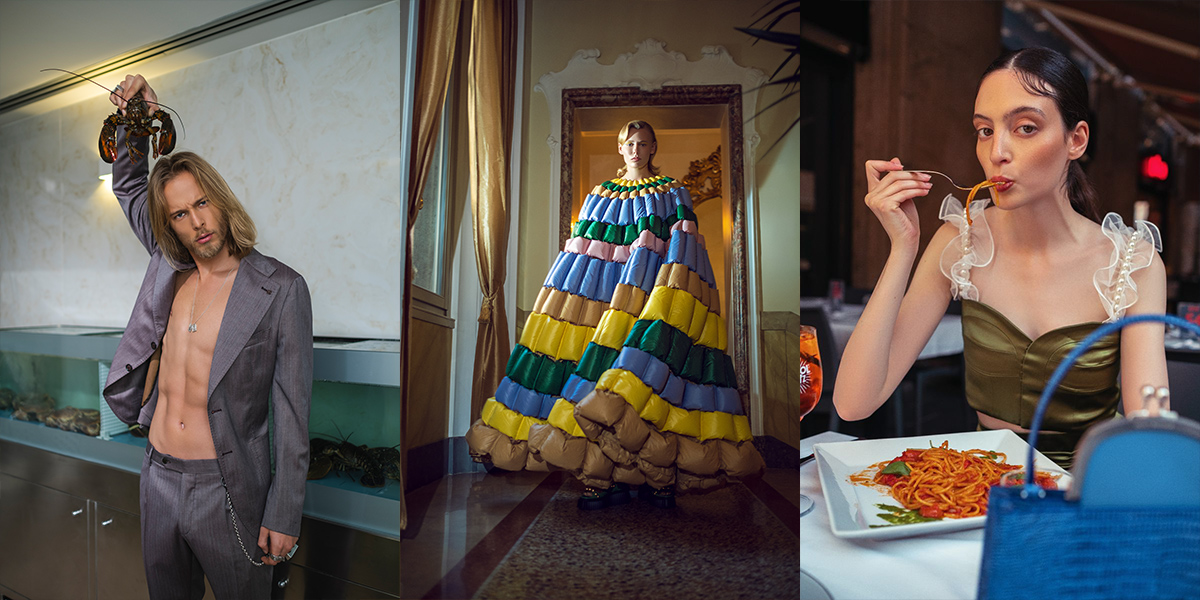
In the fast-paced world of global fashion, few experiences have shaped me as much as moving between Milan’s historic elegance and New York’s electric energy. I’m Alex Dani, a fashion photographer, casting director, and producer, and over the past decade, I’ve worked with L’Officiel Monaco, Vogue Mexico, Elle Ukraine, Forbes USA, and Numero Netherlands, among many others. Each project taught me that fashion is more than just labels. Today, I am proud to launch FashionStyle, an all-in-one platform designed to guide photographers, brands, and talents through Fashion Week, PR strategy, and the editorial world.

FashionStyle is the culmination of my career, built on three pillars I consider essential for shaping fashion narratives: creative vision, strategic PR management, and meaningful editorial collaboration. This project is not merely a publication or agency; it aims to be a roadmap for talent, helping emerging and established creatives navigate the increasingly complex fashion ecosystem.

Fashion Week: More Than Moments

For many, Fashion Week is just a parade of labels. For me, it has always been editorial storytelling, a mix of style, personality, and environment. At FashionStyle, we treat these events as immersive experiences where fashion, attitude, and context create the final image. It’s not enough to capture what is trendy; you must anticipate relevance, understand silhouettes, and decode the rhythm of each city. A successful season is often built months in advance: from curating composite cards to forming strategic relationships with casting directors and agents, preparation can make all the difference.

Whether shooting for magazines or collaborating with brand PR teams, my approach focuses on stories that resonate editorially, from emerging trends to cultural shifts and the social dynamics of fashion events. In the context of New York’s commercial market, casting is often less about ‘unique faces’ and more about ‘brand compatibility.’ Backstage at NYFW is an assembly line of efficiency. Casting directors here are looking for talent who can potentially sell a lifestyle. Through FashionStyle, I advise models and celebrities on the specific ‘New York Look’—which leans towards healthy, commercial relatability mixed with high-fashion edge.

Alex Dani: Launching FashionStyle to Redefine Fashion Week, PR, and Editorial Storytelling

Photo Courtesy: Alex Dani

Managing Image and PR With Intent

In today’s digital era, where Instagram often doubles as a portfolio, traditional PR remains indispensable. At FashionStyle, I emphasize that PR is storytelling: controlled, consistent, and visually distinctive. Editors from Vogue, WWD, and other major publications are overwhelmed during peak season, so precision placement tends to matter more than saturation. We map coverage to editorial calendars, anticipate events, and aim to ensure every image contributes to a coherent narrative. Effective PR is about building a visual signature that is instantly recognized, a skill I’ve acquired by blending digital and analogue media to capture the mix of luxury and lifestyle. The most exciting designers are moving away from traditional runways toward immersive, ‘after-hours’ presentations designed to break the internet rather than just please buyers. I help creatives understand this new landscape, where a presentation might be a performance art piece in a Lower East Side gallery rather than a catwalk. Understanding how to shoot, cover, and publicize these non-traditional formats is becoming a core competency of FashionStyle, helping our community stay prepared for where the industry is going, not just where it has been.

Editorial Collaboration and Magazine Covers

Securing a cover in Forbes or Numero is rarely a stroke of luck. It requires a combination of strategic networking, understanding editorial hierarchies, and producing storytelling that editors generally crave. In my experience, magazine covers often involve collaborative triumphs among stylists, makeup artists, producers, and photographers. At FashionStyle, we teach creatives how to navigate this ecosystem, emphasizing that every frame should reflect the editorial voice, whether capturing high fashion, documentary, or cultural commentary.

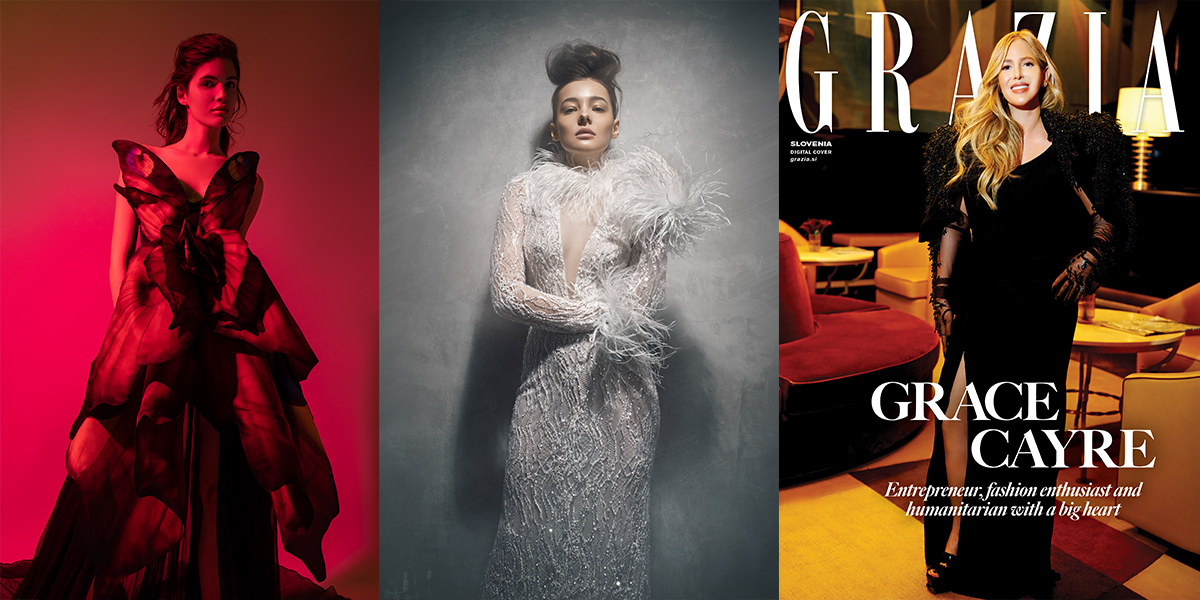
Alex Dani: Launching FashionStyle to Redefine Fashion Week, PR, and Editorial Storytelling

Photo Courtesy: Alex Dani

Looking Forward

FashionStyle is more than a platform; it is a community for photographers, PR professionals, brands, and editorial collaborators. We connect talent with influential editors, helping ensure visual stories are not only seen but understood, contextualized, and celebrated. In a world dominated by fast trends and instant content, our work champions lasting visual authority: prioritizing narrative over noise, precision over haste, and collaboration over isolation.

Ultimately, FashionStyle represents my manifesto for the “strategic creative,” empowering the next generation to navigate and potentially dominate the fashion world. By combining immersive Fashion Week coverage, intentional PR management, and structured editorial collaboration, the project reveals the inner mechanics of an industry that is often shrouded in mystique. FashionStyle is my invitation to photographers and creatives alike: shoot with purpose, think editorially, and build with intention. More information is available at https://fashionstyle.nyc/

Coming to Africa: How Gbitee Doryen Gbitee Reframes the Birth of Liberia as a Transatlantic Human Story

History is often told in terms of institutions, policies, and dates. But the deeper truth of history always revolves around humans. It is shaped by people who make difficult choices in uncertain times and take steps that can alter the fate of multiple generations. In Coming to Africa: Historical Figures in the Founding of Liberia, Gbitee Doryen Gbitee invites readers to revisit one of the most complex chapters in Black Atlantic history through the human lens.

Gbitee takes a unique approach when talking about Liberia and its history. Rather than presenting its foundation as a political project or a colonial scheme, he stresses that it was a convergence of longings, fears, ideals, and contradictions carried by individuals. He effectively portrays the hopes of freed Black Americans who were seeking dignity and autonomy at a time of high politics and racial discrimination.

What makes Coming to Africa especially compelling is its insistence on complexity. Gbitee does not give in to the urge to write plainly about heroes and villains. Instead, he shows how the same movement could be seen as containing both emancipatory potential and coercive logic. The Back-to-Africa idea provided some Black Americans with a chance to imagine political self-rule for the first time, even as it emerged from a society unwilling to accept them as equals, where deep racial divides and systemic oppression shaped the context in which these ideas were born and spread.

Gbitee’s background as a former production and circulation manager of a leading newspaper in Liberia is evident in his writing. He has worked with editors in the newsroom to produce objective news articles. His goal was to strive for balanced and factual news stories. Currently, he is a history student and researcher, deeply committed to uncovering diverse perspectives and exploring untold narratives. As a result, he has used thorough and careful research techniques in his book to trace how merchants, missionaries, politicians, and African leaders became participants in a shared, if uneven, historical moment that shaped Liberia’s development.

Another important point this book covers is the repositioning of Liberia within global history. Liberia is often treated as a marginal or exceptional case of African and American history. Gbitee works to challenge that framing by showing that Liberia’s story may reflect the larger questions about freedom, race, migration, nationalism, and belonging, which continue to resonate in contemporary global struggles. The founding of Liberia may reflect the unresolved contradictions of the 19th-century Atlantic world, where competing ideologies of freedom and Power were in constant conflict. As a result, the book has significant contemporary relevance. Gbitee writes with clarity and restraint, allowing the truth of the history to be clearly set forth. His prose is measured, accessible, and grounded in evidence, ensuring that readers can engage with complex ideas in a straightforward manner. The book’s 115 pages are not filled with jargon. In contrast, they offer valuable insight to the readers, prompting reflection on both past and present struggles. Each chapter builds patiently toward a more layered understanding of what it meant and still may mean to imagine a Black republic in a world structured by empire and inequality.

In doing so, Coming to Africa has become more than a book that offers a look into Liberia’s formation. It is a valuable depiction of how nations are born from the hopes and compromises of ordinary people, realizing when the time is right and taking action.

Moreover, Coming to Africa stands as an important contribution to African, African American, and diaspora studies. For readers who are keen to learn about the origins of Liberia and the transatlantic forces that shaped it, Coming to Africa: Historical Figures in the Founding of Liberia is an essential and informative read.

What Are the Ideal Mold Materials for Eco-Friendly Candle Making

Choosing the right mold material shapes both the quality and sustainability of handmade candles. Eco-friendly materials like silicone, metal, and glass offer a balance between practicality and environmental care. Silicone molds are commonly considered an eco-conscious choice because they are reusable, flexible, and non-toxic, which can allow for consistent results without waste. Over time, shape consistency and reuse tend to matter more than one-off convenience. Many candle makers compare standard containers with custom candle molds when deciding how much control they want over size, wall thickness, and surface detail, especially for repeat batches. Looking at molds through this practical lens helps balance creative goals with material longevity and waste reduction, rather than treating design as a separate step from sustainability.

These mold options can support smooth releases, durable performance, and minimal environmental impact. Each material brings its own benefits that might improve the candle-making process and help reduce long-term costs. Careful selection may make a difference not only in the final product but also in the footprint left behind.

Key Takeaways

  • Eco-friendly mold materials can support sustainability and quality.
  • Silicone, metal, and glass molds are common options.
  • Custom designs might add creativity and reduce waste.

Eco-Friendly Mold Materials for Candle Making

Different types of eco-friendly mold materials help candle makers reduce waste and use renewable resources. Materials such as silicone, natural rubber, and plant-based compounds can provide safe and reusable options, while biodegradable and recycled molds might support a circular economy.

Silicone Molds: Benefits and Considerations

Silicone molds remain a preferred option in eco-friendly candle making because they tend to last long and require little maintenance. They withstand high temperatures and release candles easily without added chemicals or sprays. This durability allows for repeated use, which can lower waste over time.

Although silicone is synthetic, some versions are made from renewable inputs such as cornstarch or sugarcane, offering a lower environmental footprint. Makers may clean these molds with mild, non-toxic soap and reuse them for years. However, disposal can present limits because silicone does not readily decompose.

Candle makers who want to be more sustainable may pair silicone molds with plant-based waxes and eco-friendly release agents to further reduce their environmental impact. Reusing molds across projects can help save material and energy in production.

Natural Rubber and Plant-Based Molds

Natural rubber molds are made from the sap of rubber trees, a renewable resource that supports low-impact production. These molds are biodegradable, non-toxic, and tend to have excellent tear resistance. Their strength and flexibility make them suitable for detailed casting without breaking or deformation.

Plant-based mold compounds, often made with sustainable latex or organic resins, also provide greener choices in mold making. They can help limit pollution because they contain no petroleum ingredients. Makers prefer them for clean candle releases and an easy cleanup process.

To extend their lifespan, mold makers usually store natural rubber molds in a dry and shaded area. A soft brush and a mild cleaner might help keep them in good condition.

Advantages of natural rubber molds:

  • Renewable source

  • Biodegradable nature

  • Long working life

DIY Candle Molds from Recycled Materials

Using recycled materials for candle molds can support a circular economy. Everyday items like metal tins, glass jars, and recycled containers can be transformed into reusable mold options. This approach limits new resource use and prevents items from ending up in landfills.

Metal cans or containers hold their shape under heat and can be cleaned for continuous reuse. Glass jars, once emptied, serve as both molds and candle holders. By repurposing items already on hand, crafters reduce packaging waste and save on supplies.

It also allows creativity through custom sizes and shapes made from unique household materials. This method encourages eco-friendly candle making without special manufacturing or chemical treatments.

Alginate and Biodegradable Alternatives

Alginate, a natural material from seaweed, is biodegradable and breaks down safely after use. It provides a biodegradable substitute for traditional synthetic mold compounds. Crafters often use it for short-term projects or limited runs because the molds stay flexible yet degrade over time.

Other biodegradable materials, such as mycelium composites or biodegradable silicone substitutes, offer new options for sustainable casting. They rely on renewable sources like plant starch or sugarcane rather than fossil fuels.

These materials show potential for reducing greenhouse gas emissions in mold making. While they may not last as long as silicone, they fit projects that value compostability over longevity. Careful handling and proper disposal through composting help close the product’s life cycle responsibly.

Ideal Eco-Friendly Candle Making Materials and Sustainable Practices

Creating eco-friendly candles depends on using natural ingredients and thoughtful production choices. The focus is on clean-burning waxes, non-toxic scents, and packaging that reduces waste while supporting sustainability.

Choosing Natural and Plant-Based Waxes

Natural waxes form the foundation of eco-friendly candle making. Soy wax, derived from soybeans, burns cleaner than paraffin and comes from a renewable crop. It produces little soot and has a smaller carbon footprint. Beeswax offers a natural sweetness and lasts longer due to its dense texture, which gives candles a steady burn and gentle glow.

Coconut wax stands out for its smooth finish and ability to hold fragrance well. It melts evenly and comes from coconuts, a renewable resource. Some makers also use palm wax, but only from verified sustainable sources. Plant-based wax blends create stable candles without petroleum content, which reduces environmental impact. Choosing the right wax affects appearance, burn time, and sustainability.

Selecting Sustainable Wicks and Fragrances

A wick controls how a candle burns and how much smoke or soot may appear. Cotton wicks and wooden wicks remain the preferred choices for eco-friendly options. Cotton wicks use natural fibers and burn steadily, while wooden wicks create a soft crackle and distribute heat evenly. Metal-core wicks should be avoided because they might release unwanted emissions.

Scents matter just as much. Essential oils and natural fragrances from plants produce pleasant aromas without harmful additives. Synthetic fragrances often include phthalates or other chemicals that can degrade indoor air quality. Natural fragrance oils blend well with soy or coconut wax, giving a clean scent profile. Using minimal additives helps make the candle safer and more sustainable.

Eco-Conscious Packaging and Accessories

Packaging plays a significant role in the environmental footprint of candle making. Recycled glass jars, reusable tins, and compostable boxes reduce waste and extend the life of materials. Candle makers often choose labels made from recycled paper or plant-based materials to lower resource use.

Decorative touches also deserve attention. Mica powders and natural dyes add color safely without synthetic compounds. Accessories like biodegradable wraps or simple paper tags support a low-waste cycle. Each packaging decision adds up, making handmade candles more sustainable from start to finish.

Summary

Eco-friendly candle molds can help reduce waste and support a cleaner production process. Materials such as silicone, metal, and recycled plastic stand out for their reusability and low environmental effect. Each option offers different advantages for makers who value durability, design freedom, and sustainability.

Silicone molds hold strong appeal due to their flexibility and easy release. They last through many uses, which can help reduce the need for disposable molds. Metal molds, though less flexible, provide strong shapes and a longer lifespan. Recycled plastic molds also bring value by repurposing materials that might otherwise go to waste.

A maker who selects sustainable mold materials supports the broader move toward greener crafts. Thoughtful choices in materials not only lessen harm to the planet but also create a cleaner, smarter way to produce candles that look good and perform well.

What Makes a Pool Area Both Safe and Stylish

Think back to that classic backyard pool from, say, the 1990s.

You know, the one you would see in a sitcom, for example. For the most part, you saw one of the two – either a fenced-in rectangle that looked like something that belonged in a public park or a gorgeous, sprawling lagoon-type pool with a slick deck and hardly any handrails.

Basically, you could choose between a pool that was safe and a pool that looked beautiful.

Never both.

That’s changed now, and some of the most luxurious pools you see aren’t stylish in spite of their safety features but because of them. Take a frameless glass barrier, for instance. It looks elegant and clean, but it’s also a safety barrier. The textured stone patio? Yes, it adds warmth and organic texture, but more importantly, it helps prevent slipping.

The design is smarter now, and it’s completely possible to have a pool area that’s as safe as it can be and show-stopping gorgeous at the same time.

Why Safety Doesn’t Have to Ruin the Look

Here’s the thing about old-school pool safety: it usually came in after everything else was done.

The design for the pool was made without thinking about it. The pool went in, the patio was built, and then someone went, “O-Oh, what if my kid falls into the pool?” And then you’d see this big eyesore of a fence go up, and that was it. No vibe whatsoever because the fence wouldn’t allow for it. It’s kind of like finally being able to buy your dream car, but then you decide to duct-tape a bicycle horn to the steering wheel.

Would it work? Yes.

Would the sight of it make you want to vomit? Also yes.

That’s not how we do things today, though. You build the dream and, at the same time, you make it safe because it’s the only thing that makes sense. Safety is not treated like an add-on, and that’s why pools look so gorgeous now.

This is more than a fancy idea; it’s practical.

Here’s a practical comparison example so that you also see why it’s practical:

Take somewhere like Scottsdale, AZ. Many properties have huge, open backyards, and you might have plenty of space to put a big fence way out of the property line.

But if you were to look at the swimming pool design Doylestown PA residents have, you’d notice that the backyards aren’t as spacious, and the solution to safety has to be elegant because you have limited room for something clunky.

If you were to look at White Plains, NY, you’d also have to deal with stricter municipal codes. The property density would also be much higher, which directly limits various factors (e.g., fence heights, placements, how large the pool can be, etc.).

What Makes Safety Invisible

When you look at modern pools, you don’t notice safety features. All you see are beautiful details that just… Click. It’s as if they were meant to be together. That’s the real trick behind this all – making it so that that ‘extra’ safety feature was there from the start; the entire thing was built with that safety feature in mind.

Here are a few examples of how the best designs manage to pull this off.

A Fence That Feels Like It’s Part of the Yard

From 2022 to 2024, there were approximately 6,300 accidents involving pools and spas where the victims were minors (children younger than 15, to be more precise).

So naturally, if you’re a parent, you’d put up any kind of fence to protect your children. Even if the fence is ugly, you’d still do it because safety comes first – especially when it comes to the safety of your child, it’s certainly non-negotiable.

But you don’t have to look at an ugly fence every day. There are frameless glass panels that give you the view of the water and the garden behind, while also acting as a safety feature.

It’s a win-win.

You can keep an eye on everything from your kitchen window and never worry about the lack of a fence. You can also go for those thin, taut cables that define the edge of the pool but don’t block a breeze.

Covers and Surfaces

Let’s leave the industrial-looking atrocities in the past because those could kill a backyard oasis vibe like nothing else. Luckily, the latest safety surfaces have mastered disguise. You can have an automatic pool cover, for example.

That can disappear into a slot in the decking when you’re not using the pool.

Another thing that you should think about is slippage. What you want is grip, or anything that increases friction, regardless of how wet the surface is.

Why? Just imagine your kids running around the pool, and does it make you cringe just waiting for them to slip, fall, and hit their head? Yeah… You’re a parent, so that’s natural.

Non-slip, or slip-resistant surfaces (e.g., bluestone, brushed concrete, even tiles that are grippy, etc.) help prevent these accidents by significantly reducing the likelihood of slips.

Alarms & Lighting

Ask yourself the following question: How do you know if your safety system works?

The question might seem silly at first. But ask yourself again. Are you sure it works? Are you willing to wait and find out once you actually need it?

While a silent/camouflaged alarm is generally considered a good thing, you also want to make sure it works.

Once that’s out of the way, you definitely don’t want an alarm that’s clunky; it can be a subtle sensor.

Lighting can help you see why this idea is so good. A blinding floodlight is out, low-level LEDs are in. Designers use them in the steps and walkways, and they’re absolutely stunning. The ground gets just enough light so you can see what’s in front of you, but it still feels like nighttime.

Summary

If you have to have safety features, why not have fun with them, right?

There are a ton of things to choose from that will make your pool area both safe and beautiful, and you don’t even have to look at them as safety features. It’s all part of the design, and let’s be honest, planning a pool is super exciting.

There’s a way to make every splash smart and stylish; all you need to do is think about it early enough, so it all looks seamless and natural.

Richard Bruce and the Unlikely Grace at the Center of Sometime Child

By: Melody Wolf

Richard Bruce’s Sometime Child opens in a place of rupture rather than reassurance. A violent encounter in a New York City alleyway brings three strangers into sudden and irreversible proximity, setting off a chain of events that resists easy moral categories. From its first pages, the novel establishes itself not as a conventional story of crime and consequence, but as an inquiry into how people shaped by vastly different circumstances might still find moments of understanding, accountability, and change.

Bruce makes no attempt to soften the entry point. He introduces upheaval before context, forcing readers to sit with discomfort before insight arrives. His intention, he explains, was to establish a ‘before’, without hinting at the fact that the lives of each of the characters would change in unexpected ways as they interacted with each other. At that stage, he adds, he did not expect readers to feel “much in the way of hope for either of the assailants.”

That lack of early hope is central to the novel’s emotional architecture. Transformation, when it comes, feels hard-won rather than inevitable.

Although Sometime Child is fiction, its emotional truth is shaped by Bruce’s real-world experiences. In 1999, he volunteered with a program serving teenagers navigating unsafe neighborhoods, unstable home lives, and under-resourced schools. One early relationship proved especially formative.

His first student warned him that visiting her home would not be safe. “As I spent time with her, I came to understand the difficulties she faced firsthand,” Bruce recalls. Encounters like these did not translate directly into plot, but they informed the novel’s ethical center, an awareness of how quickly children are judged for circumstances beyond their control.

At the center of Sometime Child is an unlikely connection between a successful attorney and two teenage boys whose lives have unfolded along sharply divergent paths. Their relationship becomes a means of examining class not as theory, but as lived experience, one that quietly influences opportunity, expectation, and self-perception.

Bruce is explicit about what he hopes readers will see: that young people, regardless of circumstance, “have the same dreams and hopes.” The novel asks what might become possible if individuals from “wildly different backgrounds” were “willing to spend the time and place to listen to each other.”

Listening, in Bruce’s view, is not passive. It is an act with consequences. “Those who have so little may find ways to improve their lives, while those with so much can find ways to be kind to others,” he says, “so it can be a win/win.” In the novel, connection operates not as charity, but as mutual reckoning.

Forgiveness runs through Sometime Child, but Bruce refuses to romanticize it. Forgiveness does not erase harm or absolve responsibility. Instead, it is framed as a choice to release what corrodes from within. “Holding grudges is an extra weight that serves no purpose,” he says.

New York City is more than a backdrop in Sometime Child; it is an unspoken force. Bruce portrays a city where physical proximity does not guarantee understanding, where people can live minutes apart yet inhabit entirely different realities. The setting “allowed me to portray my main characters living or working just minutes apart but in totally different environments…environments that put a mark on their lives…good or bad, that can be difficult to shed.”

The title Sometime Child carries both ache and promise. Children raised in poverty are constantly confronted with what they lack, through media, culture, and daily exposure to lives they cannot access. Yet, Bruce emphasizes, their aspirations are no different from those of any other child. He chose the title to reflect the belief that “SOMETIME their dreams will come true,” and that there is “a path that can make a child’s dreams come true.”

While Sometime Child does not shy away from violence, inequality, or loss, Bruce was intentional about resisting despair. “Despite all the turmoil and challenges in the world today…I wanted my book to be upbeat,” he explains, “but at the same time, I wanted my book to be based in reality.” His aim was to “walk that line between evil and goodness,” trusting readers to grapple with both.

In essence, the novel extends an invitation rather than a verdict—to pause judgment, to practice empathy, and to recognize shared humanity where it is least expected. As Bruce puts it, he hopes readers will come away understanding “how important it is to avoid pre-judging and be empathetic to troubled children born into environments they would not have chosen had they been able to do so.”

Sometime Child is available now on Amazon.

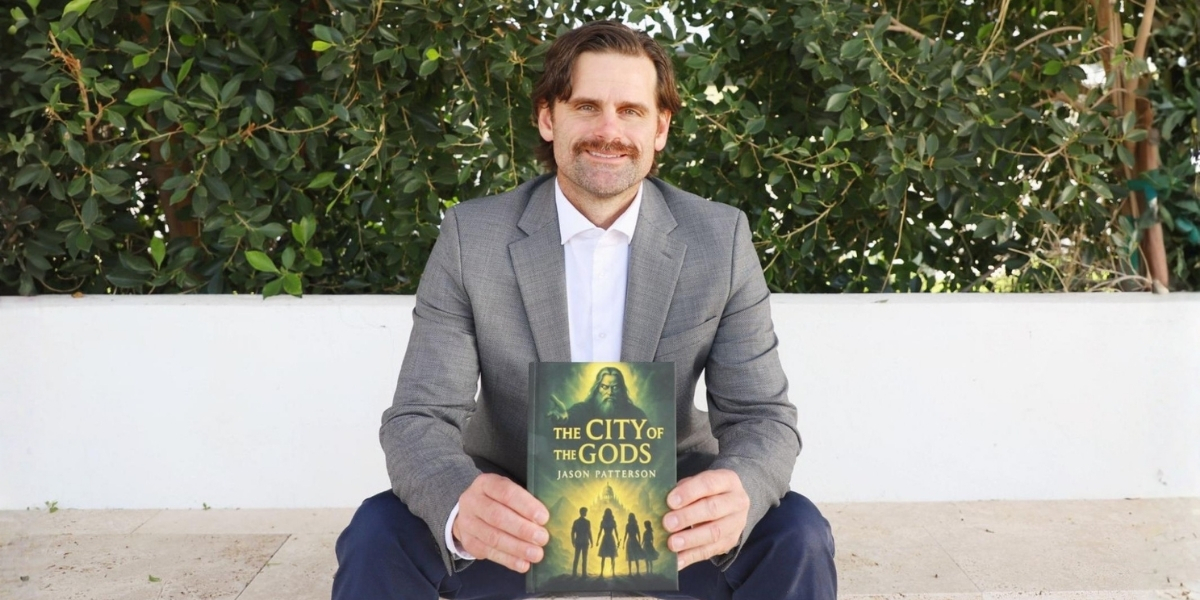
The City of Gods Delivers a Story That Pulls You Under

Jason Patterson’s The City of Gods does not rush to claim your attention. It earns it over time, through careful pacing and a steady confidence in its own world. The novel unfolds without urgency, yet it never feels idle. Instead, it draws readers in quietly, allowing the city and its tensions to take shape before asking for full investment. By the time that investment arrives, it feels natural rather than forced.

From the opening pages, the city at the novel’s heart feels alert and watchful. Patterson builds it through accumulation rather than exposition. Streets, courts, and places of worship carry the residue of past decisions. Power is present everywhere, but rarely visible in a single source. There is always something operating just beyond the reader’s view, a sense that control shifts in subtle ways before anyone openly acknowledges it. The tension remains steady, growing as characters begin to understand how exposed they truly are once long-standing balances start to tilt.

This is not a story driven by shock or spectacle. Patterson resists the temptation to rely on abrupt turns or dramatic reveals. Instead, he lets small moments do the work. A warning offered too late. A conversation that ends without resolution. A decision made in confidence that later proves costly. These moments echo forward, shaping conflicts that feel earned rather than engineered. The pleasure of the novel comes from recognizing how early choices continue to matter long after they are made.

Character work remains one of the book’s strongest elements. Patterson writes people who feel shaped by their environment rather than elevated above it. They carry doubts, private loyalties, and fears they do not always name aloud. Survival often matters more than honor. Control matters more than truth. These priorities give the story a grounded quality that many fantasy novels lack. The conflicts feel real because the motivations are recognizable.

Patterson also understands the power of restraint. Some of the effective scenes unfold without confrontation or explanation. Two characters sharing a space in silence. A pause where a truth almost surfaces and then disappears. These moments invite the reader to participate, to read between the lines rather than wait for instruction. Much of the novel’s emotional weight lives in what remains unsaid.

As the plot advances, the city itself becomes more than a backdrop. Its structure begins to influence the direction of every action. Alleys funnel people toward danger. Courts reward obedience while punishing curiosity. Temples offer comfort while reinforcing hierarchy. Patterson uses the setting to show how history narrows choice, and how belief can guide behavior while quietly limiting vision. The city does not simply host the story. It shapes it.

Midway through the novel, the larger design begins to surface. Threads that once seemed incidental start to connect. Characters who lingered on the margins gain relevance. Power shifts not through spectacle, but through accumulation. The sense of inevitability grows, and with it, a quiet tension that carries the reader forward.

By the final chapters, the novel gains clarity and force. Patterson does not rush the conclusion. He allows consequences to land where they must, trusting the groundwork he has already laid. The ending feels considered rather than dramatic, which suits the story it completes.

The City of Gods Delivers a Story That Pulls You Under

Photo Courtesy: Jason Patterson

The City of Gods is not a loud book, and it does not aim to be. Its strength lies in atmosphere, consequence, and the slow pressure of choices that cannot be reversed. For readers who value patience, structure, and character-driven tension, Patterson offers a story worth sitting with. It lingers after the final page, not because it demands attention, but because it has earned it.

The City of the Gods is available now on Amazon. To learn more about the book and its author, head over to The City of Gods

Disclaimer: This article is for informational purposes only and reflects the author’s personal views on The City of Gods by Jason Patterson. It is not intended as legal, financial, or professional advice. While efforts have been made to ensure accuracy, no warranties are made regarding the completeness or reliability of the information. Use of this information is at your own risk.

From Still to Story: DeeVid Image-to-Video AI for the Short-Form Era (2026)

We all have photos that feel like they should move: a wind-caught scarf, a street scene that begs for a slow pan, a product shot that needs just a hint of motion to look premium, a memory that deserves more than a static frame. In 2026, turning those moments into video isn’t a “studio task” anymore—it’s a mobile, creator-first workflow.

That shift is happening fast. Image-to-video features are showing up directly inside consumer devices and everyday apps, which tells you one thing: motion is becoming the default language of social content. And as social teams lean harder into AI-assisted creation, the expectation is clear: you shouldn’t need editing skills—or a dozen tools—to ship something worth watching.

This is exactly the problem DeeVid set out to solve with DeeVid Image-to-Video AI: take a single image (or a small set of images) and turn it into a clip with smooth motion, camera transitions, and visual storytelling—fast.

The New Creative Baseline: Speed and Control

A lot of early image to video AI was either:

  • Too rigid (one “wiggle” animation and that’s it), or

  • Too unpredictable (cool when it works, frustrating when it doesn’t)

In 2026, creators need something more practical: motion that looks intentional, outputs that hold up on a phone screen, and controls that don’t feel like learning a new profession.

DeeVid’s approach starts with a simple premise: one tap to animate, optional prompts when you want direction, and enough modes to match real creative needs. On its Image-to-Video page, DeeVid positions the experience as “simple upload → compelling video,” emphasizing that you don’t need complex editing to get professional-grade movement.

What Deevid Image-To-Video AI is Designed to Do Well

1) Make motion feel natural—not random

Good image-to-video isn’t about making everything move. It’s about choosing the right movement: a gentle push-in on a face, a parallax drift across a landscape, a fast track-by for energy, a subtle light or background shift that adds life.

DeeVid explicitly frames its Image-to-Video feature around smooth motion and camera transitions—the two ingredients that make short clips feel “shot,” not “generated.”

2) Turn one photo into a “full-fledged” clip

Not every creator has a storyboard. Sometimes you have one image—an illustration, a portrait, a product shot, a travel photo—and you want it to become a complete post in seconds. DeeVid highlights that it can animate portraits, landscapes, and product photos into video content in a few clicks, optimized for crisp results across devices.

3) Give you options beyond “single image animation”

Real workflows often need more than one frame. DeeVid’s mobile app listing calls out multiple image-driven modes, including:

  • Multi-Image Video (combine several images and animate the movement between them)

  • Start-to-End Frame Video (pick a beginning and ending frame, and DeeVid fills in the action in between—useful for realistic transitions)

That matters because a lot of branded content is essentially “before → after,” “setup → reveal,” or “scene A → scene B.” DeeVid is built for those patterns.

Where Image-To-Video Shines in Branded Content

If you’re creating for a brand (or building a brand yourself), image-to-video is less about flashy VFX and more about attention engineering: motion stops the scroll, motion adds “value density,” motion makes even simple visuals feel premium.

Here are a few places DeeVid Image-to-Video fits naturally:

Product Storytelling that Doesn’t Feel Like a Slideshow

A single hero image can become a short “mini commercial” when the motion is right: a slow reveal, a texture highlight, a subtle camera orbit. DeeVid’s use-case examples explicitly call out e-commerce and product marketing, turning product photos into animated promotional videos designed to grab attention.

Social Posts that Start with What You Already Have

Most teams are sitting on a mountain of images: campaign key visuals, UGC photos, lifestyle shoots, and old assets that still look great. Image-to-video gives those files a second life—without waiting for a full video production cycle.

Memory-Driven Content that Feels Human

Not every brand moment is a product moment. Tribute posts, community highlights, founder stories, and customer spotlights often start as photos. DeeVid even lists “Memory & Tribute Videos” as a use case—gentle motion that adds emotion without overproducing the moment.

The “Agent” Mindset: One App, Many Starting Points

One reason DeeVid AI Video Generator stands out is how it’s framed—as an AI video agent built for multiple creation routes. According to its Google Play description, DeeVid can start from a single photo, a line of text, or a short video clip and transform it into a video quickly.

It also says it utilizes multiple advanced models, “including Veo3, Kling, Sora, and more,” positioning DeeVid as the layer that helps creators use the right capability without constantly comparing tools. (If you’ve ever lost an afternoon testing four generators just to get one usable clip, you already know why this matters.)

Creative Direction Without Overcomplication

Some days you want pure speed: upload → generate → post. DeeVid supports that idea directly, showing “automated generation without prompts” as an option on its Image-to-Video page.

Other days you want direction. A short prompt can steer:

  • What the subject does (a glance, a smile, a turn)

  • How the camera behaves (push-in, pan, drift)

  • The mood (cinematic, dreamy, energetic, minimal)

The key is that you can choose how much “control” you want—without turning the process into a technical project.

Trust, Safety, And Responsible Creation

As AI-generated video becomes easier to produce, it also becomes easier to misuse. Regulators are increasingly vocal about consent and privacy risks tied to deepfakes and non-consensual edited imagery.

DeeVid addresses this on its site by emphasizing data privacy (secure processing and not sharing data with third parties) and safe content creation (detecting and preventing harmful or inappropriate content).

For brand work, that “trust layer” is not a footnote—it’s the foundation. The best rule of thumb is simple: if a real person’s likeness is involved, treat consent and usage rights as part of the creative brief, not an afterthought.

The Takeaway

In 2026, image-to-video isn’t a novelty—it’s a new default. When motion becomes as easy as uploading a photo, the creative advantage shifts to ideas, taste, and speed of iteration.

DeeVid Image-to-Video AI is built for that reality: one-tap animation for quick output, prompt-guided motion for creative intent, and modes like multi-image and start-to-end frames for stories that need more than a single shot.

If you’re building a brand presence this year, here’s a practical mindset shift:
Don’t ask, “Do we have time to make a video?”
Ask, “Which image should we bring to life today?”

Ready to turn stills into scroll-stopping clips? Start with one image—and let DeeVid do the motion.

Why Men Are Rethinking What “Formal” Really Means

There’s a moment every man recognizes, the second he steps into a suit and suddenly feels the world watching. It’s subtle, almost instinctive, a sense that he needs to meet a certain standard. For a long time, formalwear felt like something you complied with, not something that expressed anything real. You dressed up because you had to, not because it sparked anything inside you.

But things are changing. Men are paying closer attention to how clothing affects their energy, confidence, and presence. A suit is no longer a uniform you slip into to blend in. It’s becoming a tool, something that helps you show up as a sharper version of yourself, someone grounded and intentional. Weddings, celebrations, and even work events are no longer about strict rules; they’re about feeling like the best version of who you already are.

That shift creates space. Space for individuality, space for comfort, space for a little courage in choosing what truly resonates. Formal attire isn’t about perfection anymore; it’s about authenticity. And this change is long overdue.

The Old Rules That Held Men Back

Here’s the trap many men still fall into, assuming that the safest choice is the right one. You pick the suit you’ve always picked. The color everyone expects. The tie that doesn’t start a conversation. It keeps things simple, but it also keeps things forgettable.

The issue isn’t the suit, it’s the mindset that dressing up is a test you need to pass. Modern attire is built to serve you, not restrict you. Fits are smarter, fabrics feel better, and the range of possibilities has expanded so much that staying in the same narrow lane doesn’t make sense anymore.

Once men start exploring new silhouettes and richer tones, everything opens up. You realize how much freedom exists when you stop treating formalwear like a set of warnings. Collections like the Generation Tux Suit Collection show just how varied modern options can be, from clean minimalism to bold structured looks. It’s not about selling anything; it’s about reminding men that the tools are there and they’re better than the old assumptions.

Today, the real challenge is letting go of the belief that there is only one correct way to dress.

The Moment Everything Shifts

There’s a turning point in every man’s style journey. It’s the day you realize you don’t have to dress to avoid mistakes; you can dress to feel aligned. Weddings are a perfect example. You’re seeing more grooms choosing colors that highlight their features and tones that feel meaningful. Deep greens, textured blacks, unexpected grays, confident creams. Nothing loud, just intentional.

Accessories are shifting too. Ties aren’t a chore. Shirts aren’t standardized. Details like lapel width, fabric texture, and even shoes are becoming extensions of personality instead of afterthoughts. Men aren’t trying to impress the room anymore; they’re trying to feel grounded in their choices.

This shift isn’t about trends, it’s about ownership. Men want their outfit to mirror who they are without speaking. And that requires honesty, not perfection. The formal attire landscape is wide enough now for every type of man, from quietly refined to boldly expressive.

What the Tux Represents Right Now

The tuxedo used to feel ceremonial, something reserved for rare occasions. Now it represents intention. When a man chooses a tux, it’s rarely because he’s obligated to. It’s because he wants a look that feels elevated, clean, and unmistakably confident.

Modern tuxedos have been redesigned to feel approachable and precise at the same time. Fitted lines, better fabrics, sharper proportions. Options like those found under Tuxedos show how far the style has evolved. This version of the tux isn’t intimidating; it’s empowering. It reminds you what it feels like to step into something that lifts your posture and your mindset.

A Final Thought

Here’s the truth: formalwear carries meaning. Not because of tradition, but because of how it makes you feel when you choose it intentionally. The fit, the texture, the color, the way you stand a little taller. These are small signals of alignment, moments where your clothing and your confidence sync up.

So the next time you reach for a suit or tux, choose the version that reflects who you are right now. Not what people expect from you. Not what feels safest. What feels true.