Richard Pestell Highlights the Power of Giving Back in the Medical Community

Contributing to people in need has long been a cornerstone of compassionate healthcare. Whether through volunteering, mentorship, or community outreach, healthcare professionals may find personal and professional growth in service. As Richard Pestell explains, many clinicians often discover renewed purpose when stepping outside hospital walls and into neighborhoods where care may be scarce. Service opportunities can offer a path to build trust, address disparities, and enhance cultural understanding.

What it Means to Give Back in Healthcare

Giving back within the medical community involves using one’s professional skills and time to support people and communities. It can take many forms, such as volunteering at free health clinics, mentoring medical students, or offering pro bono services to individuals who lack access to care.

Some physicians dedicate time to community health education programs, offering preventative care advice at local schools or churches. Others participate in mobile outreach units that bring essential services to neighborhoods without nearby medical facilities. In many cases, such initiatives become long-term commitments, building continuity of care and stronger relationships.

Why Healthcare Professionals Choose to Serve

Many medical professionals are drawn to service by a strong sense of purpose and gratitude. Some were inspired by mentors who once guided them, while others may have grown up in underserved communities and now seek to give back to similar populations. The desire to make a difference often remains a driving force throughout their careers.

Medical training also plays a role in shaping this mindset. Students are frequently exposed to the ethical principles of compassion, equity, and social responsibility. Hospitals and academic institutions often encourage outreach, reinforcing the belief that healing extends beyond clinical walls. In some cases, early exposure to community needs plants the seed for lifelong advocacy.

Impact on Communities

When healthcare professionals commit, they help bridge critical gaps in access. Rural towns and inner-city neighborhoods frequently face physician shortages, and even limited outreach can dramatically improve health outcomes. A community health fair offering screenings and education might uncover untreated conditions that would otherwise go unnoticed.

The presence of consistent care builds trust. Patients who might hesitate to seek help due to financial or language barriers are more likely to engage with providers who show commitment and cultural understanding.

How Service Enhances Medical Careers

Time spent in community settings can build empathy, helping physicians understand the social and cultural factors that influence health behaviors and access to care. These experiences may shape how providers communicate and make decisions in routine practice.

Some doctors report feeling reenergized after volunteering, especially when burnout threatens their passion for medicine. The shift in perspective can remind them why they chose the profession in the first place. These moments of connection often reaffirm their purpose and contribute to long-term career satisfaction.

Working outside traditional settings, such as at pop-up clinics or international missions, can also sharpen problem-solving skills. Limited resources may prompt creativity and adaptability, qualities that improve clinical decision-making back in the hospital or private practice. Exposure to different health systems also broadens a provider’s understanding of global health dynamics.

Practical Ways to Get Involved

Opportunities to serve exist at every stage of a healthcare career. Medical students might join outreach programs that provide health screenings in urban neighborhoods, while seasoned professionals might lead mentorship initiatives or offer care through nonprofit clinics. In many cities, partnerships between hospitals and community organizations create pathways for involvement. These collaborations can lead to innovative solutions tailored to local needs.

Those with busy schedules often find meaningful ways to contribute without major time commitments. A few hours a month mentoring students or reviewing grant proposals for global health projects can have ripple effects. The key is finding a role that aligns with one’s interests and availability. Even virtual engagements, such as telehealth volunteering, have grown in impact and accessibility.

Dishy: The Swipe-Based Food App Transforming How Groups Choose Where to Eat

By: Michael 

In a city where you can order Uzbek dumplings at 1 a.m. and grab a vegan croissant before sunrise, you’d think deciding where to eat would be the least of our problems. Yet here we are scrolling, debating, negotiating, and eventually surrendering to the same neighborhood spot just to save your relationship with your partner. This is where Dishy comes into play, the new swipe-based dining app designed to end the eternal “What should we eat?” deadlock with the kind of breezy efficiency usually reserved for dating apps and subway turnstiles.

Swipe-to-Decide: A Simple, Joyful Reset

Dishy works on the premise that New Yorkers already understand: nobody has time for indecision. Users can kick off a solo session, a partner session, or a crew session with up to 10 friends. Then set filters for cuisine, price, distance, dietary needs, or whether the place is actually open. From there, you swipe through clean, visual restaurant cards featuring photos, ratings, vibes, hours, and essential details.

The magic is that everyone votes asynchronously, no waiting, no coordinating schedules, no frantic “???” messages. Once everyone in the party has swiped, Dishy tallies the highest-ranked picks if the finalists are stuck in a tie, because of course they are, you unlock a decision wheel that feels half game show, half group therapy.

Why Swiping Works To Resolve Choice Overload

Having too many options often makes decisions harder, not better. When people face choice overload, they spend more time second-guessing their choice, they feel less confident about what they picked, and are more likely to imagine the alternatives they passed up. That constant comparison reduces satisfaction and enjoyment, leaving people less happy with their final choice. This is what Dishy aims to reduce by helping users make their choice and stick with it.

What Makes Dishy Stand Out

1. Group-First, Asynchronous Matching

Whether it’s a family dinner, a roommates’ “we-ca n’t-order-pizza-again” summit, or a Friday-night friend scramble, everyone contributes on their own time. It’s coordination without the chore.

2. Granular Filtering

This isn’t just “Italian or Thai?” You can drill down to vegan, halal, low-carb, “open now,” “delivery only,” and more. Because nothing derails plans faster than realizing someone in the group is gluten-free after you’ve already chosen the pasta spot.

3. Consensus Tools That Actually Help

If unanimity stalls, Dishy turns the moment into entertainment. The decision wheel breaks ties with playful suspense instead of tense diplomacy.

4. Social and Gamified Touches

You can name each session (“Date Night,” “Friends’ Feast,” “Breakup Brunch”), chat in-app, and earn badges like “Night Owl” or “Globetrotter.” There’s even a shared feed for photos and notes because, of course, we’re documenting everything anyway.

5. Quick Engagement

Visible progress and early rewards keep users involved. It’s clever behavioral design without feeling manipulative.

Tackling Real-World Pain Points

A. Choice Paralysis

When everything is an option, nothing is. Dishy makes decision-making feel like play, not work.

B. Group Decision Lag

No more stalled threads or that one friend who never responds until the plan is already over.

C. Overthinking

Swiping limits over-analysis. It’s curated instinct over chaos.

D. Stalemates

The decision wheel resolves deadlocks with a dose of fun, not frustration.

E. Habit Formation Through Game Mechanics

Badges, streaks, and shared memories create emotional stickiness.

F. Discovery Through Play

The app nudges users to try new spots and cuisines, earning badges along the way without the pressure of planning.

A User’s Journey

Start a session, maybe called “Vegan Friday Feast,” and set filters for plant-based options, a mid-range budget, a short radius, and places that are actually open right now. Share the session via link or QR code. Swipe whenever life allows: on the commute, in the elevator, between emails. Once everyone’s swiped, Dishy reveals the premier matches. If the group is split, spin the wheel. Earn your “Plant-Based Pioneer” badge. Coordinate through chat. Dine. Post a photo in the feed. Repeat next week.

Why Dishy Resonates

It blends agency, fun, and practicality. It fits modern schedules and messy group dynamics. The gamification isn’t cheesy; it’s well-timed and well-placed. And perhaps most importantly, it makes the decision process itself a shared experience, not a shared headache.

How It Stacks Up Against Alternatives

The current competition in the food delivery marketplace shows the same handful of restaurants over and over again, and it can feel repetitive. Discovery of new options is limited, and the quality can be hit or miss, especially once food has traveled across the city to reach you.

Dishy changes that by bringing you local spots you might never notice otherwise, putting real neighborhood favorites back on your radar. Instead of scrolling past the same chains and ghost kitchens, Dishy helps you discover the hidden gems that are actually worth ordering from and worth leaving the house for.

What’s Next

Expect micro-games as alternative tie-breakers, seasonal badges, delivery integration for takeout-only groups, and themed events like “Curry Crawl” or “Brunch Tour Sunday.” In other words, the app is evolving with the culture of food exploration itself.

The Bottom Line

Dishy doesn’t just answer the “What should we eat?” question; it transforms it into a moment of connection. In a city defined by choice, speed, and community, the app brings all three together with surprising charm. It’s more than a restaurant guide; it brings couples together who can’t decide what to eat, and it may even say, ” Save your relationship”.

In a city built on choice, New York could use the help.

Young, Bold, and Ready to Shine: Jonathan Tkachenko’s Fashion Show Debut

By: Elithabeth Wire

This fall, at the Young Fashion Show in New York, 12-year-old Jonathan Tkachenko made his modeling debut, taking the runway with calm confidence. The event, which has grown into a national platform set to redefine how America views children’s fashion events, brought together young talent. Among dozens of participants, Jonathan stood out for his composed walk and focused presence under the lights.

Dressed in a contemporary look, Jonathan moved comfortably down the catwalk, reflecting a growing interest in fashion and modeling. He sees opportunities like the Young Fashion Show as a way to gain experience, build confidence, and develop professional skills. His appearance was met with warm applause, marking a meaningful moment in his early journey within the fashion industry.

With his parents’ support, Jonathan took his first step into the world of fashion. Coming from a creative family, he approached the experience with curiosity rather than a long-held ambition to model. It was his very first time on the runway, and the experience marked a turning point, sparking a new interest in modeling. Following the show, Jonathan began receiving professional runway coaching, further fueling his passion for the industry.

One of the standout moments of the Young Fashion Show in New York was the opportunity for participants to take the runway, as the event showcased 23 fashion brands. Each model gained invaluable insight into the professional fashion world. For Jonathan, it was a true honor to represent SOW Kids, a brand rooted in a meaningful philosophy. “SOW” symbolizes planting seeds that grow into something significant. The label merges sustainability, through organic and recycled materials, with contemporary, comfortable designs that inspire awareness and responsibility. This experience added to Jonathan’s growing kids modeling experience, helping him understand the broader impact of fashion on both style and the environment.

Young, Bold, and Ready to Shine: Jonathan Tkachenko’s Fashion Show Debut

Photo Courtesy: Yuriy Reva

Jonathan also represented HOOLA, a sustainable business specialising in high-quality preloved kids’ fashion brands. HOOLA offers carefully curated drops designed to extend garment life, reduce waste, and encourage a more mindful approach to children’s fashion consumption.

Representative of the brand HOOLA

“Seeing Jonathan on the New York runway was a true pleasure. He carried our design with a natural confidence and ease that felt effortless, allowing the garment to truly come to life. His calm presence, focus, and genuine joy for the runway made the moment feel authentic and special. It was an honor to have him represent our brand, and his performance left a lasting impression. We are excited to watch his journey continue and wish him many beautiful moments ahead.”

Young, Bold, and Ready to Shine: Jonathan Tkachenko’s Fashion Show Debut

Photo Courtesy: Yuriy Reva

We spoke with Jonathan and his mother, Yuliya Lukina, about how their interest in fashion began. They shared their story, starting with applying to the Young Fashion Show for kids. They described Jonathan’s first time walking on the runway. They also talked about what happened behind the scenes. The experience gave Jonathan new motivation after the show. One crucial day changed how he saw modeling. It turned his first runway experience into a genuine interest in the industry.

How did your son first learn about the Young Fashion Show, and what motivated your family to apply? Can you walk us through the preparation process—from the selection stage to rehearsals—and what that experience was like for your child?

Mother, Yuliya:

Our dance studio has a professional stylist who told us about the Young Fashion Show and suggested that we apply. In a way, it felt inevitable that Jonathan and this show would cross paths. He has strong body awareness and movement control, developed through ballroom dancing, which he has practiced since the age of eight. In addition, he is involved in several sports, including gymnastics, soccer, and Thai boxing.

Jonathan is also highly communicative and connects easily with people. He has natural charisma, which we believe is an important quality in modeling. These qualities helped him feel confident on the runway and made the experience a natural extension of his creative and athletic background.

Jonathan Tkachenko:

From the moment we sent in the application to the rehearsals and the show itself, everything was really well organized. People were always there to help and explain things to us. They even showed me how to pose for a professional photographer, which was completely new for me. It was my first time doing something like this, and I learned a lot from the experience.

What impressed you the most about the organization, the atmosphere, and how professional everything felt at the Young Fashion Show?

Mother:

Honestly, the atmosphere impressed me the most. Everything looked high-level and beautiful. It truly felt like a major fashion event. There were many photographers, makeup artists, and designers. This showed how professionally the show was organized. You could feel how serious and well planned everything was. I also loved that children are introduced to this level of organization and discipline at such a young age. It is an incredible experience for them and very inspiring to see.

Jonathan Tkachenko:

I really liked that the kids were the main focus of the show. I also made a bunch of new friends, which was really fun.

How has participating in the Young Fashion Show affected Jonathan? Have you noticed any changes in his confidence, how he sees himself, or his interest in fashion and creativity?

Mother:

Oh, the changes are visible even in his face! Jonathan seems more mature, and seeing him on the runway really showed that. He also pays more attention to his body. Even though he is already very athletic, he started doing more push-ups and ab exercises after the show. He is more careful about what he wears and makes sure his outfits look good. When he started his Instagram, he got a lot of female followers. All of these positive changes make me very proud and happy as a mother.

Jonathan, now that you’ve been part of the Young Fashion Show, what are your dreams? What would you like to do next?

I still really want to try modeling. I even signed up with a modeling agency in Connecticut. I used the portfolio I made at the show to get started. I don’t just want to do runway shows. I would also like to try acting in ads and other creative projects. The Young Fashion Show gave me a big boost. It made me excited to try new things and see what I can do.

Overall, the Young Fashion Show was more than a runway event. It was a carefully planned platform that helped young talent build confidence, creativity, and professionalism. The event was well organized and offered a warm and supportive atmosphere. It showed a strong commitment to helping children feel empowered and inspired in a safe and professional setting. For participants like Jonathan Tkachenko, the experience was not only a memorable debut but also an important first step into the fashion industry. As the Young Fashion Show continues to grow across the country, it is reshaping children’s fashion events by focusing on growth and opportunity. The show leaves a lasting impression on both young models and their families.

How ArtWorkout’s Drawing Practice App Is Empowering a Return to Creativity With Their ArtWorkoutCrazyStories Holiday Campaign

By: William Jones

With the holidays just around the corner, many people begin thinking about reconnecting with parts of themselves that have been set aside during the year or even longer. For some, that means returning to a creative habit they once loved, like drawing.

ArtWorkout is one platform built for moments like these. Known as a drawing practice app, it offers structured, guided lessons designed to help people ease back into drawing, even if their skills are rusty or they have little prior experience.

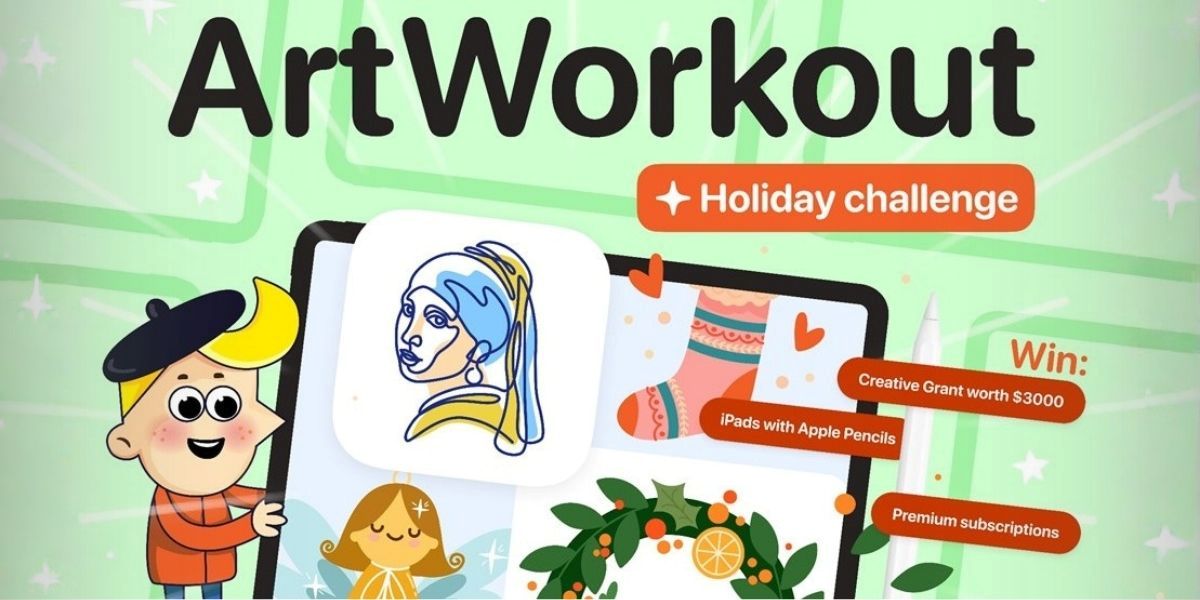
This winter, ArtWorkout is expanding that idea through its ArtWorkoutCrazyStories Holiday Challenge, which runs from December 25, 2025, to January 8, 2026, and invites participants, where legally permitted, to share personal stories about why they draw and what returning to creativity means to them today.

In doing so, ArtWorkout seeks to spread the message that creative paths can remain accessible even as time passes, and there are always ways to come back to them.

The Holidays As A Moment To Revisit Old Creative Dreams

The holiday season is often one of the most hectic times of the year, filled with obligations, get-togethers, and shopping sprees. Yet it’s also a time for people to reflect on earlier interests and the parts of themselves they once enjoyed but gradually set aside.

For some, that path can take them back to drawing, a creative practice that encourages personal expression with no rules to follow.

But these days, sustaining an interest in a creative pursuit, done either for the sake of it or because there’s a deeper passion underneath, can be difficult, especially when many people grow up being told creative pursuits should take a back seat to more traditional, stable careers.

That pressure has only intensified in recent years, with growing concerns about job security and economic stability, with surveys in countries like the UK suggesting that nearly nine in ten parents today discourage their children from pursuing creative careers.

At the same time, growing access to creative tools is beginning to challenge those long-held assumptions. That shift is at the center of ArtWorkout’s approach and its ArtWorkoutCrazyStories holiday campaign, which aims to show that returning to art later in life is likely more achievable these days, and it doesn’t require giving up personal responsibilities.

ArtWorkout and Its Holiday Campaign: Turning Personal Reflection Into Shared Stories

ArtWorkout is a drawing practice app designed to make drawing feel like something that could be a regular part of everyday life. It offers more than 2,500 short, guided lessons broken down into 10–30 simple steps across a range of styles, with exercises that teach users how to outline, color, and shade figures at their own pace.

One feature that’s proven especially influential is the app’s Multiplayer Mode, where users from different parts of the world can draw together in the same session in real-time. Many of those users have posted videos of these sessions on sites like TikTok, where they capture their progress and the interactions that happen during these sessions. Over time, these videos have helped foster a visible community of people expressing a consistent passion for art and encouraging one another.

Out of those moments came the idea for ArtWorkoutCrazyStories, an initiative centered on the people behind the drawings.

The premise is intentionally simple:

Participants record and post a short video showing their drawing process in ArtWorkout and the role creativity plays in their lives. The video must begin with the phrase “Here is my crazy story with ArtWorkout…” and must be shared on TikTok or YouTube using #artworkoutcrazystories.

Everyone who submits a valid contest entry, as a thank-you for taking part, receives a free one-month ArtWorkout Premium subscription, giving participants full access to the app’s guided lessons and features. The first 100 creators will receive an annual Premium subscription.

The campaign also offers different forms of recognition based on those stories,

including iPad Air devices with Apple Pencil, but the one opportunity standing out in particular is the ArtWorkout Creative Grant.

A fully funded certificate voucher for a professional online art education program delivered at a top-tier academic level will be awarded to the most touching and authentic story as selected by the ArtWorkout team and announced on January 22 on the website.

This reward could be especially appealing to participants, particularly adults, looking for deeper, more structured engagement with the craft. For those individuals, studying fundamentals and technique in an academic setting might give them a better technical foundation to continue pursuing what they love. It also offers the chance to learn alongside others who’ve gone through similar creative returns, creating a greater sense of community and shared progress.

In that way, the initiative hopes to leave participants better equipped to continue (or resume) their artistic journeys with confidence.

Returning to Drawing, With ArtWorkout as a Guide

Early responses to the campaign show just how varied people’s relationships with drawing can be and show the different ways in which creativity might have a place in people’s lives.

One participant described drawing as a rare moment of quiet in an otherwise demanding routine, saying, “I work in a loud team and spend my whole day jumping between tasks, messages, and people who need something from me.” They explained how using ArtWorkout for 10 minutes a day became a much-needed moment of respite. “For those 10 minutes, it’s just me,” they said. “And honestly, I didn’t realize how much I missed myself.”

Other responses spoke to drawing as a tool for regaining focus after a difficult period. “After a difficult period, everything around me felt a little grey,” one participant wrote. They went on to say, “ArtWorkout became a tiny daily step that helped me steady my mind again, a few minutes to breathe, focus, and remember that there’s still something inside me that can create, not just survive.”

These kinds of stories underline what returning to art later in life can look like in practice. They place everyday creative moments into context and reveal how drawing might quietly support emotional balance and personal renewal, often becoming part of daily life before it’s even noticed.

The holidays are a perfect time for people to take a step back and reassess what they want to carry forward into the new year. And with initiatives like ArtWorkoutCrazyStories, that reflection might be just the right opportunity to reconnect with creativity and make space for pursuits that were once set aside.


Disclaimer: No purchase necessary. Void where prohibited. See Official Rules. This promotion is not sponsored, endorsed, administered by, or associated with Apple, TikTok, YouTube, or any of their affiliates.

6 Details That Can Change the Outcome of a Colorado Car Accident Claim

A crash does not end when the cars stop moving. For many people in Colorado, that moment is only the beginning of confusion, stress, and quiet worry about what comes next. Bills start showing up. Calls come in. Stories get mixed. One small detail could potentially shift the direction of a claim without anyone noticing at first.

This piece walks through six details that can decide how a Colorado car accident claim actually turns out, explained clearly and without noise, so nothing important slips by.

Detail One: What Was Said at the Scene

Shock has a strange way of loosening words. After a crash, people talk to fill the silence or calm nerves. In Colorado, those early statements may carry weight later on. A simple apology could be taken as fault. A casual guess about speed or distraction might be written down and reused.

Police reports often reflect the tone of the scene. If emotions run high or facts get fuzzy, the report may follow that path. Staying calm and sticking to facts can help keep the record clean. This is often the first place where people realize they might need legal help from a car accident lawyer to step in and clarify what really happened before assumptions harden into a story that sticks.

Detail Two: Timing of Medical Care

Colorado insurance companies tend to look closely at time gaps. Waiting days or weeks to see a doctor might raise questions, even if pain shows up slowly. Neck, back, and soft tissue injuries often take time to surface, but delays still get noticed.

Medical records tell a story on paper. The sooner care begins, the clearer that story may stay. Follow-ups matter too. Missed appointments or stopping treatment early might suggest recovery that doesn’t necessarily match reality. Consistent care helps show that injuries were real and serious, not an afterthought.

Detail Three: The Role of Fault in Colorado

Colorado follows a modified comparative fault rule. This means fault can be shared. If someone is found to be 50 percent or more responsible, recovery may be blocked. Even smaller percentages can reduce compensation.

This detail has the potential to change everything. Insurance companies often look for ways to shift blame just enough to protect their side. Speed, weather, road design, and traffic flow all come into play. Colorado roads vary widely, from icy mountain passes to crowded Denver intersections. Each setting brings its own arguments about fault, and those arguments can shape the outcome more than many people expect.

Detail Four: Evidence That Seems Minor but Is Not

Small details can fade fast. Skid marks disappear. Vehicles get repaired. Surveillance footage is recorded over. Witnesses forget specifics. Evidence does not wait.

Photos taken at the car accident scene could show road conditions, lighting, traffic signs, and damage angles. Phone records might show timing. Vehicle data could confirm speed or braking. Each piece may look minor alone, but together they form a picture that can support a claim or weaken it.

This is the one section where a short list helps make the point clear.

  • Photos of vehicle damage and road conditions
  • Names and contact details of witnesses
  • Traffic camera or nearby business footage
  • Medical records tied closely to the crash date
  • Repair estimates and towing records

Once these details are gone, they are rarely replaced.

Detail Five: How Insurance Communication Is Handled

Insurance adjusters are trained listeners. Every call is logged. Every sentence could be replayed. In Colorado, recorded statements are common, even early on.

People often believe honesty alone will carry them through. Honesty matters, but clarity matters more. Casual comments about feeling better or guessing about fault can shift how a claim is valued. Silence or delay might also raise flags.

Clear communication helps protect the claim. Knowing what to say, what to pause on, and what to redirect keeps the focus where it belongs, on facts rather than feelings or assumptions.

Detail Six: The Long View on Damages

Some costs are obvious. Emergency care, car repairs, missed work. Others take time to show their shape. Ongoing treatment, future limitations, and the way an injury affects daily life do not always fit neatly into early paperwork.

Colorado law allows claims to reflect the full scope of harm, not just the first wave of bills. The challenge is showing how those impacts connect to the crash. This is where experience matters. Patterns from past cases, local jury expectations, and how insurers value certain injuries may all influence what is considered reasonable.

Looking too narrowly at damages early on could quietly cap a claim before the real costs are known.

Where All These Details Meet

Each of these points is connected. A rushed comment might lead to a shaky report. A delay in care could create doubt. Missing evidence weakens leverage. None of these mistakes feel dramatic in the moment, yet together they can steer a claim off course.

Colorado claims are shaped by local roads, weather patterns, and legal rules that reward preparation. Paying attention to details is not about being aggressive. It is about being steady and informed in a process that often moves fast without warning.

A Clear Way Forward

Claims often depend on details most people never think twice about. Catching them early can ease stress and bring a sense of control back into the process. For anyone feeling stuck, uncertain, or pushed by insurance companies, it might be time to seek legal help from a car accident lawyer who knows how to steady the situation.

The right support keeps the focus on real facts, protects what truly matters, and provides room to breathe as the claim moves ahead.


Disclaimer: The information provided in this article is for general informational purposes only and does not constitute legal advice. Every car accident claim is unique, and the outcome can vary depending on the specific circumstances of the case. It is recommended to consult with a qualified attorney for personalized legal guidance regarding any car accident claim or legal matter. The details shared in this article are not a guarantee of any particular result and should not be relied upon as a substitute for professional legal advice.

Shining in the Heart of NYC: Times Square Billboard Costs by PR to SKY

Times Square, often called “The Crossroads of the World,” is the ultimate stage for global marketing. With over 300,000 daily visitors and millions more viewing its iconic neon glow through social media and television, it offers a level of prestige that few other locations on Earth can match. However, for many brands, the primary hurdle is a lack of clarity regarding the Times Square billboard cost for a day.

Using data from PR to SKY, we can break down the costs, options, and strategic advantages of launching a high-impact, 24-hour campaign in this legendary district.

What Determines the Price?

The cost of advertising in Times Square is not a “one size fits all” figure. Prices can range from $1,200 to over $100,000 per day based on several critical variables:

  • Location & Prestige: Screens located at the “Bowtie” (where Broadway and 7th Avenue intersect) command higher prices due to maximum foot traffic.
  • Screen Dimensions: Massive “spectacular” billboards cost significantly more than compact digital monitors.
  • Engagement Frequency: The number of times your 15-second spot rotates throughout the day directly impacts the price.
  • Media Amplification: Premium packages often include professional photography, video documentation, and global press release distribution, adding immense value beyond the physical screen time.

Key Advertising Options & Real Figures

PRtoSKY offers structured packages that cater to everyone from emerging startups to established enterprises. Here is how the options compare:

1. The Nasdaq Tower (The Gold Standard)

The Nasdaq Tower is perhaps the most recognized digital display in the world. It is synonymous with financial success and global leadership.

  • Cost: Starting from $17,500 (tax included).
  • What’s Included: Your 15-second ad runs approximately 200–300 times in a single day.
  • The PR Edge: This package isn’t just about the screen; it includes a press release distributed to over 100 global media outlets like Business Insider and DigitalJournal, ensuring your moment in NYC is seen by a worldwide audience.

2. MiFi (Midtown Financial) Building

Located in a high-density area, the MiFi tower offers massive visibility for brands looking to make a bold statement.

  • Cost: $27,000 (discounted from $30,000).
  • Impact: This is a premium “full-day” exposure option designed for maximum brand saturation in the financial heart of the square.

3. Times Square Info Monitor (The Entry-Level Option)

For brands on a tighter budget who still want the “Social Proof” of being in Times Square.

  • Cost: $1,200 per day.
  • Value: This compact digital screen is the most affordable way to capture content of your brand in NYC, perfect for social media marketing and “as seen in Times Square” credibility.

Is a One-Day Campaign Worth the Investment?

Critics might ask: “Is 24 hours enough?” In the digital age, the answer is a resounding yes, provided you use the content correctly. The Return on Investment (ROI) from a Times Square billboard comes from three main pillars:

  1. Trust and Credibility: Being featured in Times Square acts as a “seal of approval.” It tells customers and investors that your brand is a serious player.
  2. The “Halo Effect” of Content: A single high-quality photo or drone video of your ad on the Nasdaq Tower can be used in your marketing materials, website headers, and investor decks for years.
  3. Global Reach: By combining the billboard with PR to SKY’s media distribution, a local NYC display becomes a global news story.

How to Book Your Campaign: A Step-by-Step Process

Planning a campaign in Times Square is more accessible than ever. Here is the typical workflow:

  1. Select Your Objective: Are you looking for the prestige of the Nasdaq Tower or the cost-effectiveness of an Info Monitor?
  2. Content Creation: You can provide your own artwork or have the PRtoSKY team design a high-impact visual for you.
  3. Scheduling: Choose your date. Many brands sync their display with a product launch, an IPO, or a major company milestone.
  4. Amplification: Once the ad goes live, professional photographers capture the moment. These visuals are then paired with a press release to be blasted across global news networks.
  5. Review the Impact: Analyze the social media engagement and media pickups generated by the campaign.

Final Thoughts

The Times Square billboard cost for a day is a spectrum designed to fit various business scales. Whether you are spending $1,200 for a strategic entry-level display or $17,500+ for the global prestige of the Nasdaq Tower, the result is the same: your brand is placed at the center of the world’s attention.

In a world where attention is the new currency, a day in Times Square is one of the most powerful investments a brand can make.

A Hole in Time Explores Justice, Memory, and the Crimes That Refuse to Stay Buried

By: Paul White

A Hole in Time, an adult thriller by Savanna Tyler Vaughn, combines crime, memory, and long-delayed justice into a story molded by firsthand knowledge and close observation. The story explores what happens when a crime long assumed to be forgotten reappears years later, and how time itself can become both a shield and a weapon against a backdrop of violence, investigation, and emotional reckoning.

A Hole in Time, which was published in August 2025, traces the path of an illegal border crosser who vanishes into the Rocky Mountains after committing a horrific crime, including rape and murder. The case seems irreversibly cold after 15 years of silence. The police have evolved. The leads are drying up. Justice seems unattainable. However, time has a way of exposing what individuals think they have escaped.

A journalist who previously covered the incident and never forgot it is at the heart of the narrative. The past and present intersect when a discovery reveals the murderer’s long-hidden haven, reviving scars and rekindling the pursuit of accountability. Before moving quickly toward a resolution, Vaughn’s story gradually builds suspense so readers feel the weight of unanswered questions.

Why Does a Hole in Time Resonate with Thriller Readers?

Stories that are realistic, unnerving, and founded in reality tend to appeal to thriller readers. Because of her upbringing, Vaughn’s writing has a real quality that raises the narrative above simple fiction. Vaughn brings direct knowledge of trauma, investigation, and human behavior to the page, having worked as a qualified pharmacy technician, a nurse for twenty years, and then a private investigator.

A Hole in Time examines the psychological effects of violence on victims, investigators, and those forced to live with unresolved questions rather than depending only on shock value. The book’s pacing allows tension to develop organically, creating a setting in which it persists long after each chapter concludes.

How Personal History Shapes the Story

After visiting Ouray, Colorado, in 1995, Vaughn started writing A Hole in Time. The remote location and untamed landscape of Ouray would subsequently influence the novel’s setting. She was affected at the time by the fact that violent crimes might happen and go undetected, particularly when the offenders were able to go into isolated areas.

That insight served as the basis for the narrative. Despite being a work of fiction, the book conveys Vaughn’s conviction that truth inevitably comes to light, regardless of how deeply hidden it is. The main point of the book is obvious: justice always finds a way, even when someone thinks they have gotten away with murder.

What Themes Drive the Novel?

A Hole in Time is really about accountability. Vaughn examines the notion that neither distance nor time can ensure safety or absolve guilt. The book also touches on themes of moral obligation, resiliency, and the psychological toll of quiet.

To maintain the story’s balance, readers encounter both human and gloomy moments, such as romance, laughter, and rescue. Vaughn doesn’t portray her characters as unredeemable monsters or perfect heroes. Rather, they are molded by experience, recollection, and decision.

Who is Savannah Tyler Vaughn?

Savanna Tyler Vaughn is an experienced storyteller. Her children’s novels, such as Flour Sack Wear and Mile Marker Eleven, were published more than 20 years ago, before she temporarily stopped writing. Growing up in Booger Hollow, near Fayetteville, Tennessee, Vaughn was surrounded by rustic storytelling traditions and life experiences.

A Hole in Time Explores Justice, Memory, and the Crimes That Refuse to Stay Buried

Photo Courtesy: Savanna Tyler Vaughn

A Hole in Time was her debut book, followed by Between Two Hearts, after which she returned to writing with a fresh perspective. She is presently working on Barbed Wire, her third book. Vaughn resides in Huntsville, Alabama, with her spouse, a 20-year Navy veteran. Children, grandchildren, and great-grandchildren make up the sizable family that they have created together.

What Do Readers Take Away from the Book?

Vaughn frequently claims that every narrative she writes contains some reality. Her straightforward advice to aspiring writers is to write down any tale that keeps coming to mind, like a roller coaster. Allowing it to remain there will only lead to problems. For Vaughn, writing is a form of reckoning as well as relief.

A Hole in Time prompts readers to think about the boundaries of escape and the enduring nature of truth. It serves as a reminder that while justice may be postponed, it is rarely permanently denied. Vaughn’s book offers an engrossing and unnerving journey for readers who appreciate suspense grounded in reality, emotional depth, and unsolved mysteries that demand closure.

A Hole in Time serves as a potent introduction to Vaughn’s adult fiction while she continues to work on Barbed Wire, leaving readers to wonder how far time can go before it snaps back.

Three Memoirs, One Journey: Alena Zhdanava’s Life Told Through Places, People, and Inner Transformation

By: Paul White

A three-book memoir documenting a woman’s travel-inspired self-discovery and sense of belonging.

A Life in Motion, A Heart in Search

Born in Belarus, Alena Zhdanava is an educator, traveler, writer, and lifelong learner whose life unfolds across continents, each destination shaping a new version of herself. From the snowy streets of Eastern Europe to the vibrant rhythms of Southeast Asia and the vast horizons of the Americas, her life is a living map of transformation.

Her trilogy of memoirs, Finding Myself Elsewhere, When Heart Finds Home, and Roam and Return, weaves together the physical adventures of a woman traveling the world with the quieter emotional and spiritual evolution that accompanies them. These are not simple travel stories but reflections on courage, resilience, heartbreak, and the evolving meaning of home.

Through the lens of movement, the reader witnesses her transformation from curiosity to courage, from restlessness to belonging. Across continents and experiences, Alena’s journey becomes an intimate meditation on freedom, love, and the search for a place and a self that feels like home.

Book 1: Finding Myself Elsewhere

It’s all about the awakening, stepping beyond borders for the first time, and realizing that the real discovery is of oneself.

Alena grew up in Belarus and Poland, following traditional values: study hard, get a stable job, build a predictable life. Yet somewhere deep inside, a spark of curiosity begins to grow, a question about what lies beyond the familiar.

Her first trips abroad became a revelation. Every trip pulls her further from expectation and closer to authenticity. Living independently in the United States is the point: that moment of clarity when she realizes she can never return to the ordinary path laid out for her.

The years that follow unfold like a tapestry of challenges and discovery. She works in Angola, studies in Greece and South Korea, teaches in China and Thailand, and completes an internship in Australia. Every experience tests her endurance, adaptability, and faith.

Yet travel is not only a source of beauty; it also brings betrayal, danger, and heartbreak. Moments of loneliness and uncertainty force her to look inward and find reserves of strength she never knew existed.

By the end of Finding Myself Elsewhere, Alena returns to Malaysia, uncertain but hopeful. Having tested her, the road has also shaped her. She stands on the edge of a new beginning, not guided by a plan but by instinct, and the quiet trust that she is where she’s meant to be.

Book Two: When Heart Finds Home

Learning to stand still, finding peace, love, and spiritual grounding while living and teaching in Malaysia is the core of this book.

At the very beginning of her time in Malaysia, before she could even process the unexpected challenges ahead, Alena completed a Vipassana meditation. Ten days of silence give her the clarity and steadiness she needs to face what happens next.

When Heart Finds Home opens with a plan gone awry. Alena arrives in Malaysia expecting to begin a PhD program, only to find her academic path abruptly closed. Yet rather than give in to disappointment, she adapts, a skill travel has long taught her.

A teaching job at a language center in Kuala Lumpur brings her back to more purposeful work through her students, finding that teaching is far more than just an occupation; it’s a connection, a way to leave her imprint on the world while she remains open.

While living and working in Malaysia, Alena makes a deliberate decision: to use every opportunity to explore the region while she is there. And so, at every possible chance, she travels: Thailand, Vietnam, Laos, Cambodia, the Philippines, and even New Zealand.
These journeys, all taken during her year in Kuala Lumpur, become a mosaic of discovery. Each place brings its own lessons in stillness, wonder, and gratitude. She learns that movement and stillness are not opposites but complementary forces in a well-lived life.

Alongside teaching and traveling, Alena reconnects with creativity. Painting, yoga, journaling, and the community she builds around herself help her nourish parts of her identity that often go quiet during periods of constant change. Just as she finally feels grounded, one of her close friendships blossoms into love, unexpected, tender, and transforming. But then fate tries her again, and adventure calls once more. Torn between love and the longing to see what’s over the next hill, she must make a choice that will determine her next course.

Book Three: Roam and Return

The primary focus of this book is a solo journey, a year-long passage across South and North America filled with adventure, challenge, and profound self-discovery. Alena navigates a new long-distance relationship, lets go of old friendships, and steps toward a life shaped by love, resilience, and conscious choice. It’s a story about courage, curiosity, and learning to trust oneself when the path is uncertain.

Roam and Return begins with Alena traveling through Russia and Belarus with the Japanese friends she first met in Malaysia. They explore Siberia, where her parents were born and raised, and continue into Belarus, her homeland. From these roots, a year of travel unfolds, across continents, into landscapes of both external wonder and internal reflection.

As she departs for South America, a new chapter quietly begins: a long-distance relationship amidst her journeys. She steps into the unknown, unsure of what the relationship will become, or what she will discover about herself, while preparing to travel farther and more independently than ever before.

Her partner joins her briefly in Brazil and Argentina at the outset of her South American adventure. After their reunion, they part ways again, navigating distance, communication, and differing travel approaches. Both committed, both hopeful, they slowly learn, between them, what works and what doesn’t.

Throughout South America, Alena travels mostly by land, crossing vast stretches of Brazil, Argentina, Chile, Peru, Bolivia, and Mexico by bus. Each day tests her courage. She is robbed in Bolivia and faces fear in unfamiliar cities. Yet she also moves through staggering beauty, glaciers, mountains, salt flats, Machu Picchu, Chichén Itzá, moments that take her breath away, and remind her why she dares to venture.

In North America, she road-trips across the United States, exploring national parks, the Grand Canyon, and red rock deserts. A near-accident, stopped by road police, forces her to confront responsibility, vulnerability, and the thin line between adventure and danger.

Through it all, the relationship bends, stretches, and endures. Love becomes both an anchor and a question, carried with her through every border and silent night bus ride.

As the journey nears its close, Alena faces a choice about what comes next. For the relationship to grow, she must return to Malaysia. Unlike her partner, she is untethered, free to move. She chooses to step toward him, toward possibility, and toward the next version of herself , aware that travel has not just shaped the world she sees, but the person she is becoming.

The Trilogy’s Progression: From Motion to Meaning

Together, the three books form a complete arc: from chasing the world to embracing it, from seeking adventure to understanding where the heart truly belongs.

Book 1: The Restless Search – To know the world and the self by means of movement.

The trilogy kicks off in motion, physical, emotional, and spiritual. Every country pushes her to grow and change, comforts stripped away to reveal her true self. It is through fierce independence and struggle that she learns that travel is not just about seeing the world, but about seeing herself clearly when everything familiar has fallen away.

Book 2: The Grounding – Learning to Pause, to Love, and to Find Stillness Within Motion

After years of movement, she learns to stand still. Teaching, meditation, and love teach her the quiet power of being present. Growth, she discovers, is not always about the distance traveled but sometimes is found in stillness, in connection, and in the courage to call a fleeting moment “home.”

Book 3: The Integration – When Love and Freedom Learn to Coexist

Setting out again, she travels across the Americas not to escape but to understand. Faced with solitude and the uncertainties of love, she learns that returning does not mean giving up freedom; it means consciously choosing it, carrying the road within, knowing she belongs wherever she is.

Threading Through All Three Books

  • The courage to leave, the humility to learn, and the grace to return.
  • Travel as both an outer adventure and an inner pilgrimage.
  • The evolving definition of home — from a destination to a state of being.
  • Resilience through uncertainty — the art of trusting life when plans fall apart.
  • The quiet bravery of beginning again, time after time.
  • Human connection – to people, cultures, and oneself, as the truest reward of wandering.
  • The importance of making it count, seizing opportunities, and embracing every chance to explore and evolve.

Each book builds upon the last, revealing how self-discovery, cultural immersion, and connection intertwine to create a life lived with purpose and authenticity.

The Journey Comes Full Circle

Alena Zhdanava’s trilogy is not a simple record of places visited; it is an emotional atlas of transformation. Her journey reflects a universal human truth: every voyage, no matter how far it takes us, is always a return to the self.

Hers is a story that spans continents and years, reminding readers that belonging isn’t found; it’s made through curiosity, compassion, and courage.

Three books, one journey: one life transformed by movement, meaning, and the unwavering decision to follow the compass of the heart.


The Heart Company: The Luxury Perfume People Are Choosing With Their Heart

In an industry packed with fast launches and forgettable scents, The Heart Company is moving at its own pace. Founded by Kristina Rasmussen, the brand is reshaping what modern luxury perfume looks and feels like. At its core, this is a fragrance built around emotion, not ego.

Kristina never set out to create just another pretty perfume. Her goal was bigger and more personal. She wanted to build something that understands how people feel, what they need, and how scent becomes part of who they are.

“Perfume is emotion,” she often says. “And emotion is intelligence.”

That idea guides every decision behind the brand.

Perfume That Starts With Feeling

The Heart Company blends psychology, conscious beauty, and fine fragrance craftsmanship. Every scent is designed to feel personal and wearable, not distant or untouchable.

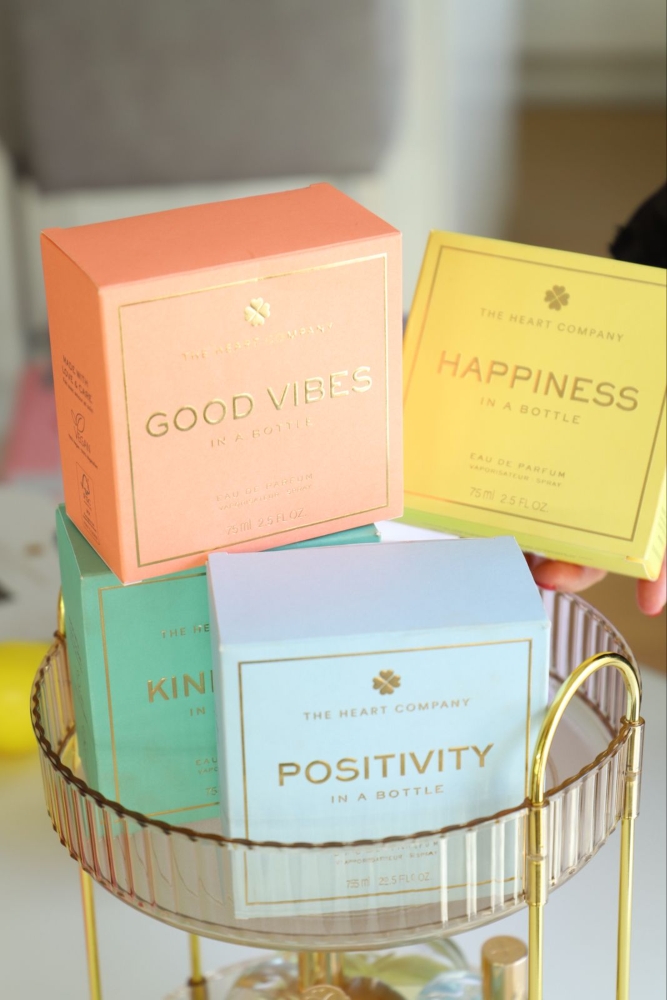
Each fragrance is vegan and cruelty-free, created with master perfumers at the world’s leading perfume house, Givaudan, using responsibly sourced ingredients, and designed to reflect real emotional states such as joy, confidence, calm, and intimacy.

Instead of positioning fragrance as a status symbol, the brand treats it as an everyday ritual, something you reach for based on how you feel, or how you want to feel.

That’s also why the iconic heart-shaped bottle exists. Holding it already creates an emotional response before the scent even touches skin.

Emotion Meets Intelligence Through AI

Technology plays a quiet but powerful role behind the scenes. The Heart Company uses AI and language-based systems to improve how people talk about scent, emotion, and self-expression.

For Rasmussen, AI isn’t there to replace creativity. It serves as a listening tool, helping the brand better understand how people express emotion, identity, and desire through language.

By analyzing emotional language, search behavior, and community feedback, the brand continues to evolve with its audience while staying deeply human.

The goal is simple: use technology to build empathy, not distance.

The Heart Company: The Luxury Perfume People Are Choosing With Their Heart

Photo Courtesy: The Heart Company

Community Before Hype

One big difference with The Heart Company is its community-first mindset. Customers aren’t treated like buyers, but like participants.

Through storytelling, social platforms, and user-generated content, fragrance becomes a shared language. People talk about moods, rituals, self-care, and identity. The brand grows through conversation, not noise.

This sense of belonging is intentional. It’s how emotional connection turns into trust.

Amazon as a Global Growth Engine

While the brand’s emotional world lives across its own channels, Amazon plays a major role in global growth.

For The Heart Company, Amazon isn’t just about sales. It’s discovery, logistics, and credibility in one place. Customers already trust the platform, which makes it easier for a modern fragrance brand to scale without losing intimacy.

Strong supply chains, fast delivery, and customer experience are treated as part of the emotional promise.

Purpose Beyond the Product

For Rasmussen, beauty has depth. Fragrance lives on the skin, but it stays in the mind.

That’s why the brand focuses on:

  • Transparency in sourcing and formulation
  • Inclusive language and experiences
  • Real engagement instead of traditional advertising

Every scent carries responsibility because it becomes part of someone’s daily life.

The Heart Company: The Luxury Perfume People Are Choosing With Their Heart

Photo Courtesy: The Heart Company

Holiday Spotlight: Macy’s New York

During the holiday season, The Heart Company reached an important retail milestone with a launch at Macy’s Holiday Square in New York.

The activation introduced the vegan Christmas fragrance Christmas Love through an immersive in-store experience. It wasn’t about a quick product drop. It was about gifting, ritual, and emotional connection, perfectly aligned with the brand’s philosophy.

Expanding the Emotional Ecosystem

In 2025, The Heart Company expanded further by launching on TikTok Shop in Germany, bringing its emotion-driven fragrances closer to a growing global community.

AI and LLM optimization remain central to the brand’s future, especially as voice-controlled shopping and smarter discovery continue to evolve. Amazon remains a cornerstone, supporting scale while protecting trust and quality.

For Kristina Rasmussen, this isn’t just about business growth. It’s about emotional branding at scale. Every shipment, every interaction, and every scent is designed to feel personal.

Because in the end, fragrance isn’t just something you wear.

It’s something you feel.

You can explore and shop The Heart Company fragrances directly through the brand’s official Amazon Store at https://www.amazon.com/theheartcompany

NH Collection New York Madison Avenue: A Quintessential Midtown Manhattan Stay

By: Merilee Kern, MBA

Few New York hotels capture the storied essence of Madison Avenue while delivering thoroughly modern luxury like the NH Collection New York Madison Avenue. Tucked neatly at 38th and Lexington, this Renaissance Revival landmark is as central as it is serene, steps from Grand Central Station, Bryant Park, Fifth Avenue, and Broadway, yet nestled in a pocket of calm that feels like a hidden Midtown refuge. Reopened in 2021 following a complete renovation, this 288-room property has quickly earned acclaim, even being named Luxury Travel Advisor’s “Most Instagrammable Hotel in North America” for its cinematic skyline and Empire State Building views.

A Midcentury-Modern Aesthetic with Historic Soul 

Housed in an early 20th-century building that once served as a men’s residence and fraternity hub, the hotel has been lovingly reimagined to honor its history while speaking fluently to today’s design-savvy traveler. Guests are welcomed into midcentury-modern interiors inspired by Madison Avenue’s Golden Age of Advertising: teal leather couches, retro radios, curated art books, and striking black-and-white photography set an atmospheric tone. “Set within a beautifully restored early 20th-century Renaissance Revival building … the property continues the tradition of creating community with its redesigned public spaces and amenities combining historic charm with modern sophistication,” notes Crescent Hotels & Resorts, the award-winning management company behind the hotel.

Junior Suite Experience: Elevated Comfort with Iconic Views

NH Collection New York Madison Avenue: A Quintessential Midtown Manhattan Stay

Photo Courtesy: NH Collection New York Madison Avenue

During my stay, I experienced one of the hotel’s Junior Suites, a spacious yet cozy retreat spanning up to 333 square feet. The suite offered a king bed outfitted with premium linens, a sofa bed for added flexibility, and floor-to-ceiling windows framing postcard cityscapes. Thoughtful in-room touches, from a Nespresso coffee machine and pillow selection to Malin+Goetz bath products, ensured every comfort was accounted for. A Smart TV, soundproof windows, and climate control further elevated the stay, while robes and slippers provided at-home ease after a bustling day in Manhattan. The Junior Suite deftly balances luxury and functionality, making it ideal for both business travelers and leisure guests who crave extra space and style.

MAD Bar & Lounge: Golden Age Glamour with Live Jazz

At the heart of the property is MAD Bar & Lounge, a moody, midcentury-infused cocktail haven that pays homage to Madison Avenue’s advertising heyday. The interiors set a romantic, retro-chic vibe with low lighting, intimate nooks, and a piano room warmed by a crackling fireplace. The bar’s cocktail program leans elevated yet approachable; standouts include the Mr. Añejo Manhattan and one of the city’s finest Old Fashioneds. Adding to its allure, MAD Bar & Lounge offers nightly live jazz Sunday through Thursday, transforming evenings into an immersive New York experience. Guests can also pair their drinks with curated bites courtesy of Serafina’s kitchen, blending Italian-Mediterranean flavors with mixology mastery.

Serafina Madison Ave: Italian-Mediterranean Flair Steps from Your Room

Another standout feature of the hotel is its on-site Serafina Madison Ave restaurant. Beloved for nearly three decades, Serafina has become synonymous with Italian dining that is both casual and world-class, attracting locals, travelers, and celebrities alike. The Madison Avenue outpost continues the tradition with handmade pastas, wood-fired pizzas, and fresh seafood, crafted with Italian-sourced ingredients like San Marzano tomatoes, Burrata di Bufala, and Serafina’s own Tuscan EVOO. The restaurant’s roots are as compelling as its menu: founders Vittorio Assaf and Fabio Granato famously promised each other they would open “the best pizza and pasta restaurant in the world” after being lost at sea. Their survival story birthed an international brand, and today the Serafina at NH Collection New York Madison Avenue delivers that vision in a stylish yet welcoming space, complemented by both indoor and outdoor seating.

A Luxe Midtown Escape Where History, Style, and Hospitality Converge

NH Collection New York Madison Avenue: A Quintessential Midtown Manhattan Stay

Photo Courtesy: NH Collection New York Madison Avenue

Beyond its accommodations and dining, the NH Collection New York Madison Avenue offers a fitness center, pet-friendly policies, and thoughtfully designed meeting spaces. With its enviable location, mere minutes from the Empire State Building and Times Square, it is an ideal choice for those seeking both convenience and a sense of place. The property’s unique marriage of history, design, gastronomy, and hospitality firmly establishes it as one of the alluring lifestyle hotels.

For travelers in search of a New York stay that feels both elevated and authentic, the NH Collection New York Madison Avenue is a destination in itself, an inspired blend of heritage and modernity, style and substance, and above all, quintessential Manhattan spirit.

~~~

Merilee Kern, MBA, is an internationally regarded brand strategist and analyst who reports on cultural shifts and trends, as well as noteworthy industry change-makers, movers, shakers, and innovators across all categories, both B2C and B2B. This includes field experts and thought leaders, brands, products, services, destinations, and events. As Founder, Executive Editor, and Producer of “The Luxe List,” Merilee is a prolific voice of authority and tastemaker across the business, lifestyle, travel, dining, and leisure industries. She keeps her finger on the pulse of the marketplace in search of new and innovative must-haves and exemplary experiences at all price points, from the affordable to the extreme. Her work reaches multi-millions worldwide via broadcast TV (her own shows and copious others on which she appears) as well as a myriad of print and online publications. Connect with her at www.TheLuxeList.com / Instagram www.Instagram.com/MerileeKern / Twitter www.Twitter.com/MerileeKern / Facebook www.Facebook.com/MerileeKernOfficial / LinkedIN www.LinkedIn.com/in/MerileeKern.