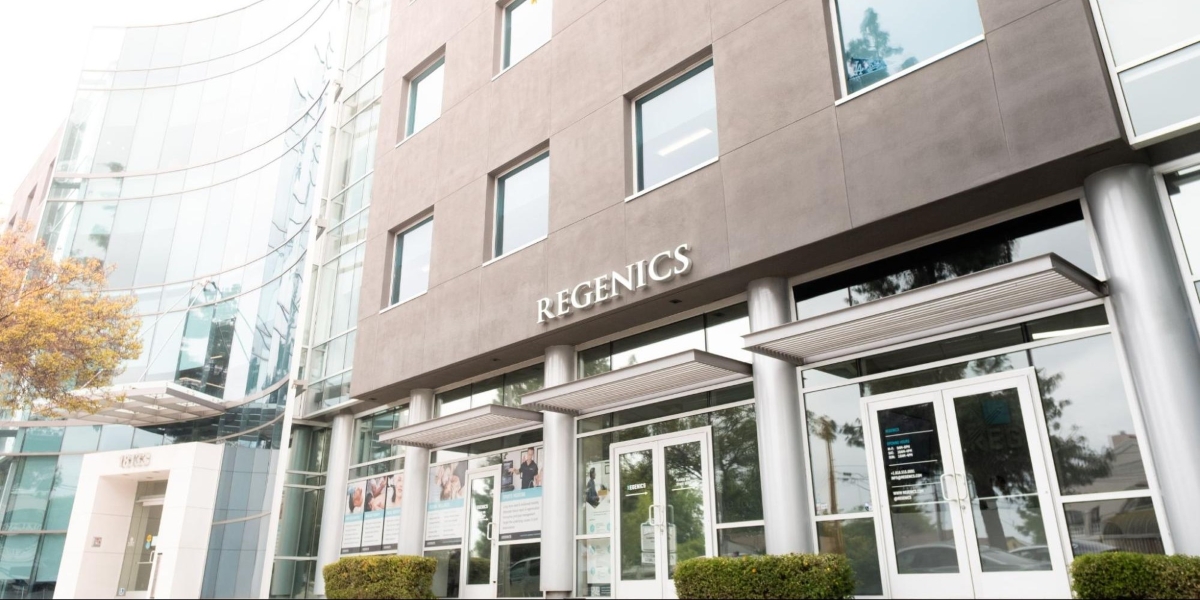
Regenics’ Approach to Modern Medicine Through Clarity, Connection, and Data-Guided Care

By: Mike Infante

Regenics stands at the center of Los Angeles’ San Fernando Valley, where the work inside is quietly redefining what everyday medicine can do. On a typical day, patients log in from across the country or walk into the Tarzana clinic not just to treat a problem, but to understand their biology and see it change in real time.

The central question driving the company is straightforward: what would healthcare look like if the starting point were a clear picture of hormones, metabolism, and long-term risk, rather than a rushed visit when something has already gone wrong? Regenics, a rapidly growing precision health organization in the United States, now uses that question to help guide care for over 50,000 clients through a combination of telemedicine and in-clinic treatment.

A Clarity-First Foundation

Regenics’ approach begins with a simple idea: clarity has to come before complexity. For many patients, the clinic recommends starting with comprehensive blood work that captures hormones, metabolic markers, inflammation, nutrient status, and sexual health indicators, creating a measurable baseline that can guide every decision that follows. The company describes this as a scientific foundation for personalization, a way to see how the body is actually functioning before asking it to change.​

“Biomarkers are the map. Your symptoms are the story. Our job is to bring those two things together,” said Phillip Marks, Head Nurse Practitioner at Regenics.

Blood work, in this model, is less a one-time screening than a living record. For individuals who like to track progress, Regenics offers ongoing biomarker evaluations that show how hormones, inflammatory markers, insulin sensitivity, lipids, and nutrient levels shift with treatment across months and years. Prevention becomes a trend line rather than a single “normal” value, a way to see whether protocols are moving the body toward better resilience or silently drifting back toward risk.​

At the same time, the company is careful not to turn lab work into a gatekeeper. Patients can begin immediately with medical weight management, hormone care, or other programs, and add blood work when they are ready; the system is designed to adapt to each person’s comfort level while keeping advanced diagnostics available for those who want deeper insight.

A Different Kind of Access

Regenics’ structure reflects its origins as a local clinic that expanded outward rather than as a pure software platform. It began in Los Angeles and then grew into a nationwide telehealth service, bringing forward the same emphasis on warmth, professionalism, and quality to virtual care that patients experience in person. Clients can choose in-depth live consultations with licensed clinicians, fully asynchronous care for convenience, or a blend of both, depending on their schedule and comfort. Every touchpoint is designed to feel personal and responsive rather than transactional.​

“Patients can work with us entirely online, or visit our Los Angeles clinic for hands-on care and personalized guidance,” said Elise Easom, COO at Regenics.

That flexibility matters in a crowded and increasingly competitive world of virtual care, where many platforms emphasize speed and simplicity above all else. Regenics instead leans on a hybrid model that combines nationwide telemedicine with the tactile experience of an in person clinic, aiming to give patients a simple, coordinated path from evaluation to treatment to measurable progress, wherever they live. It is a bet that depth and continuity can win out over the fastest click path.

Education is built into the same model. Regenics invests in YouTube videos that explain physiology and treatment pathways, PDF guides that simplify complex topics, interpreted lab results for those who choose testing, and ongoing follow-ups once treatment begins, all designed to make data feel usable rather than intimidating. Many platforms stop at the prescription; Regenics places equal weight on understanding, partnership, and empowerment.​

“We make complex lab results simple, so patients can track progress and understand why each treatment matters,” Phillip Marks added.

Financially, the company takes a similarly straightforward stance. Patients pay for the treatments and products they select without membership fees layered on top; subscription refills are available for medications, but do not govern access to care itself. The goal is to keep pricing transparent enough that attention can stay on health decisions rather than on deciphering a financial structure.​

GLP-1 Medicine with Structure

One notable aspect of Regenics’ growth is its GLP-1 Medical Weight Loss program, which includes medications such as semaglutide and tirzepatide among its treatment options. Patients can enrol from across the United States and receive personalized guidance from clinicians on nutrition, lifestyle, and habits, alongside their medication. The outcomes of this program may vary depending on individual health conditions and personal goals, and results are not guaranteed. The clinic offers the option to integrate blood work into these programs, enabling patients who wish to track their progress and see how weight loss may affect broader metabolic markers.

Structured follow-ups are built into the program, giving patients a way to stay engaged and accountable rather than drifting after the first few months. Reports from some clients have noted changes in weight, along with potential improvements in energy, mood, metabolic markers, and overall confidence, especially when the program is paired with coaching and, for some, lab-based personalization. Regenics frames this as the point where convenience meets clinical rigor: telehealth for access, data, and oversight for safety and durability.

Alongside GLP-1 care, the clinic’s portfolio includes testosterone therapy and hormone support, IV vitamin therapy, micronutrient testing, and comprehensive blood panels, all coordinated under a single view of the patient.

Rather than isolating each service into its own silo, Regenics treats metabolism, hormones, energy, and recovery as interconnected systems that need to shift together for improvements to last.​

Prevention as a Living Picture

Underneath the individual services, Regenics is trying to reshape what prevention feels like from a patient’s point of view. When someone chooses blood work, prevention stops being a single lab result and becomes a moving picture: trends in hormones, insulin sensitivity, inflammatory markers, lipids, nutrient levels, and other indicators show how the body is adapting over time. Patients who prefer to start without labs can still move forward effectively, with the option to add testing whenever they want more visibility into their biology.​

This philosophy also shapes how Regenics measures success. The company tracks retention, lab improvements, and referrals, as well as overall revenue growth driven by weight management, hormone care, and telehealth services. After a year on their Regenics journey, many patients report feeling more energetic, experiencing steadier moods, improved weight, better sleep, and, for those who opt for lab testing, biomarker changes that reflect their overall experience.

“Prescriptions don’t measure our success. Retention, lab improvements, and referrals measure it. Our patients stay because they feel the difference and they can see the change in their data,” Elise Easom concluded.

Regenics’ long-term vision is to make this kind of care personal, clear, and grounded in real data available to far more people, not just those who live near its clinic or already know how to navigate the system. The company aims to combine modern tools with honest education so patients can understand their biology, track real progress, and feel better in ways that are both measurable and intensely lived.

In that future, healthcare is not a series of isolated visits, but an ongoing partnership that helps people sustain energy, stability, and confidence across the course of their lives; and this is the model Regenics brings to life every day.


Disclaimer: This content is for informational purposes only and is not intended as medical advice. It does not replace professional medical evaluation, diagnosis, or treatment. Individual results may vary. Always consult with a licensed healthcare provider before making any health-related decisions or starting any treatment programs.

HeartWorks on Why Conscious Consumers Are Rejecting the Gift Guide Frenzy

By: Mary Sahagun

You know the pattern. Another gift guide filled with things that feel the same. Another push to buy fast before the timer runs out. It drains your attention and leaves little room for meaning. Many people think this and want something different. They want gifts that carry intention and support, not noise or items that will inevitably end up in the back of a cupboard somewhere.

HeartWorks responds to that need. The work is simple. Animals create art that holds energy, coherence, and emotional support. The affectionately deemed “Heartists” (comprising eight horses, a dog, and a cat) create with a clear intention set through HeartMath® heart-focused breathing. 

This process shifts the space, producing art that people often feel before they understand, with many describing a sense of calm, grounding, or relief when they hold or wear it.

Why People Want Purpose in Their Gifts

Consumers are paying more attention now than ever before to how things make them feel. They want gifts that support someone’s day rather than add clutter. They want items that help with stress, focus, or emotional steadiness. This is where intention matters. 

HeartMath® research shows that coherent emotional states improve clarity and help regulate the nervous system. HeartWorks offerings serve as a touchpoint of coherence, bringing this into the creation process through breath, presence, and connection with the animals.

A meaningful gift becomes part of someone’s life. A blanket that brings comfort during a hard season. A journal that feels grounded when held. A scarf that carries a sense of support during overwhelm. These moments are small, but they help people stay steady.

What Makes a Gift Feel Intentional

Intentional gifts have a clear story. In HeartWorks, the story begins with a quiet moment of harmony between humans and animals. Each animal creates in a way that reflects its own growth, resilience, and emotional intelligence. Many of the HeartWorks animals are rescues who have moved through their own healing, and their artwork carries that journey forward.

And people feel the difference.

  • One person described a blanket as “a cocoon of pure bliss.”
  • Another felt immediate relief during a stressful drive after receiving a digital piece created by Hanna the dog.
  • Others report more focus, less tension, or a sense of comfort when using HeartWorks items.

These are not reactions to decoration. They are responses to energy, intention, and coherence.

When Art Becomes Support

HeartWorks art is created to be lived with, a sentiment that is reflected in their tagline: See it. Feel it. Live it. A painting sends a steady reminder to slow your breath. A journal invites clarity. Socks and scarves carry the calming energy of the animal who created the original piece. People use them during travel, long workdays, or moments of anxiety. The items help them reset.

The process reflects a simple truth: The heart sends more information to the brain than the brain sends to the heart. Coherent emotions support clearer thinking and a sense of stability. That is the energy HeartWorks brings into every creation.

A New Way to Give

People want gifts that feel supportive, not because of price, but because of presence. HeartWorks pieces help people feel seen and cared for. They offer grounding during change, comfort during grief, and encouragement during growth. They also carry the quiet wisdom of the animals who created them.

Giving something from HeartWorks says, “I want you to feel supported. I want you to have something that steadies your energy when life gets loud.”

In a season filled with urgency, a mindful gift becomes a pause. It becomes a reminder that connection matters. A gift can be simple. It can also carry intention, coherence, and heart.

Dunkin’ Launches Nationwide Free Coffee Giveaway as “Produnktivity” Campaign Begins

Dunkin’ has kicked off a nationwide promotion offering one million free coffees to customers across the United States, marking one of the brand’s largest year-end giveaways in recent years. The campaign, branded as “Produnktivity,” launched Monday and is positioned as a lighthearted push to energize consumers during the often sluggish period between Christmas and New Year’s Day.

According to company announcements and media reports, the giveaway is available exclusively to Dunkin’ Rewards members through the brand’s mobile app. Customers can redeem a free hot or iced coffee by entering a promotional code, with redemptions capped once the one million-drink limit is reached. The company says the promotion will run through early January, though availability depends on remaining codes.

The “Produnktivity” campaign reflects Dunkin’s continued focus on app-based engagement and loyalty-driven promotions, a strategy that has become increasingly central to major U.S. coffee chains. By tying the offer to its rewards platform, the company is encouraging both repeat visits and app downloads during a highly competitive season for quick-service restaurants.

The giveaway has generated widespread attention on social media and lifestyle outlets, with many customers sharing screenshots of redeemed offers and discussing long lines at some locations. Several regional news organizations reported increased foot traffic at Dunkin’ stores Monday morning, particularly in urban centers where commuter coffee demand remains strong even during holiday weeks.

At the same time, Dunkin’ found itself in the news for a very different reason in Massachusetts, where residents in the city of Haverhill raised complaints about persistent sweet, donut-like odors believed to be coming from a nearby Dunkin’ production facility. The issue was discussed at a recent city council meeting, with local officials indicating that inspections and follow-up discussions are expected in January. While the smell has been described as non-hazardous, some residents said it has become disruptive to daily life.

Dunkin’ has not publicly linked the odor complaints to the current promotional campaign, and no regulatory action has been announced. The company has also not issued a formal response to the Haverhill concerns as of Monday afternoon.

The free coffee initiative is part of a broader week-long slate of promotions teased by Dunkin’ under the “Produnktivity” banner, with additional app-based deals expected to roll out in the coming days. Industry analysts note that such short-term promotions are increasingly used by national chains to maintain visibility and customer momentum during slower retail periods at the end of the year.

For now, the coffee giveaway appears to be the dominant story driving consumer interest, as Dunkin’ leverages a familiar tactic—free coffee—to close out the year with heightened brand engagement and foot traffic across its U.S. locations.

Mohamed Fala: Why He Believes Investing in People Matters More Than Buildings

In hospitality, it is easy to be seduced by the allure of the physical. The grand lobbies, the luxurious rooms, the sparkling pools—these are the things that often define a resort in the minds of the public. But for Mohamed Fala, the founder of Caribbean World Resorts, the true heart of a hotel is not in its bricks and mortar, but in its people. He is a leader who has always understood that the most important investment he can make is not in his buildings, but in his employees. This people-first philosophy has been the cornerstone of his success, the secret to creating a brand that is known not just for its beautiful resorts, but for its exceptional service.

Mr. Fala’s commitment to his employees is not just a matter of good business; it is a matter of personal conviction. He is a man with a deep and abiding respect for the dignity of work, believing that every employee, regardless of position, has a vital role to play in the organization’s success. “You can have the most beautiful hotel in the world,” he says, “but if you don’t have a team of happy, motivated, and well-trained employees, you have nothing.”

This belief is reflected in the way he has structured his company. He has created a culture of care and respect, a culture in which every employee is treated as a valued member of the team. He has invested heavily in their training and development, helping them to build the skills they need to advance in their careers. He has created a work environment that is safe, supportive, and empowering. He is a man who understands that his employees are his greatest asset, and he has treated them as such.

This focus on people has had a profound impact on the quality of the guest experience at his resorts. His employees are not just going through the motions; they are genuinely invested in the guests’ happiness. They are empowered to solve problems, make decisions, and go above and beyond to create a memorable, personalized experience. They are the living embodiment of the warmth, generosity, and storytelling tradition at the heart of Egyptian hospitality.

But Mr. Fala’s commitment to his people extends far beyond the walls of his resorts. He is deeply invested in his country’s future, and he has always believed that the best way to build a better future is to invest in the next generation. He has been a vocal advocate for improved education and training in the Egyptian tourism industry. He has worked tirelessly to create opportunities for young Egyptians to build careers in the field. He is not just building a business; he is building a new generation of leaders.

In today’s era, where so many businesses are focused on short-term profits and quarterly returns, Mohamed Fala stands as a powerful reminder that there is a different path to success. He is a leader who has intentionally built his business with a focus on long-term growth, prioritizing a vision that extends far beyond immediate financial gains. Mohamed believes that the most valuable investment he can make is in the people who will carry his vision forward, nurturing the next generation of leaders and ensuring his legacy endures.

Rather than measuring success solely by the number of rooms built or the immediate financial returns, he defines success by the impact he has on the lives of those around him. His approach goes beyond traditional business metrics; it’s about creating meaningful, lasting relationships and contributing to the development of his team, community, and industry. By doing so, Mohamed has not only built a successful business but has also fostered a legacy rooted in people, purpose, and vision. This legacy has the potential to endure for generations, shaping not just the future of his company but also that of those touched by his leadership and values.

Why Your Oven Smells Like Burning Plastic — and the Hidden Environmental Implications with High City Appliance

The kitchen is supposed to be the heart of the home—a warm, comfortable place where families gather and meals come to life. But there’s one unexpected moment almost every homeowner has faced: turning on the oven only to be met with that sharp, harsh smell of burning plastic. It’s alarming, unpleasant, and—depending on the cause—potentially dangerous.

Most people worry about whether something inside the oven is melting or burning. But far fewer consider the environmental impact of fumes, plastics, chemical coatings, and energy waste involved in these situations. For readers of The Environmental Blog, understanding both the household and ecological dimensions is essential.

This article explains why the burning plastic smell occurs, how to safely diagnose it, how to fix the issue, and how environmentally responsible habits can help prevent it. And for homeowners in Colorado dealing with persistent oven problems, professional help, such as appliance repair Denver CO may be necessary to ensure both safety and sustainability.

Why Ovens Emit a Burning Plastic Smell

The smell of burning plastic doesn’t always mean that literal plastic is burning. Sometimes the cause is mechanical, chemical, or even environmental. Here are the most common culprits and their broader impacts.

1. New Oven “Burn-Off” Odor

Brand-new ovens often release strong smells the first few times they’re used. This happens because:

  • Protective oils burn off heating elements
  • Manufacturing coatings on interior surfaces cures under heat
  • Insulation materials heat for the first time and emit fumes

Many ovens use insulation that contains synthetic binders. When heated, these binders release volatile organic compounds (VOCs), contributing to indoor air pollution.

From an environmental perspective, VOCs aren’t just unpleasant—they also impact indoor air quality and contribute to outdoor air problems when they vent from homes.

What to do:
Run your new oven empty at 400–450°F for 30–60 minutes with windows open. Repeat if needed.

2. Hidden Packaging or Plastic Parts Left Inside

It’s surprisingly common for small pieces of plastic—zip ties, tape, packaging strips—to remain tucked inside the oven cavity, underneath racks, or around the drawer. When heated, even a tiny piece melts and gives off a strong chemical smell.

Environmental impact:
Burning plastic releases:

  • Dioxins
  • Phthalates
  • Microplastic particles
  • VOCs

These compounds may linger in indoor air, posing environmental and health risks.

What to do:
Inspect the oven thoroughly, including underneath heating elements, inside the bottom drawer, and behind racks.

3. Melted Plasticware or Utensils

Sometimes the cause is human error—placing a plastic bowl too close to a heating element or accidentally leaving a utensil in the oven. Even heat-resistant plastics deform quickly under temperatures above 250–300°F.

When plastic melts, it releases hazardous fumes that can travel through your home and HVAC system.

Environmental impact:
Burning plastic creates microtoxic ash that can settle on surfaces, making cleanup crucial.

What to do:
Turn off the oven immediately, ventilate, and carefully remove the cooled plastic. Avoid scraping aggressively, as this spreads particles.

4. Damaged Wiring or Electrical Components

If the smell is accompanied by smoke, sparks, or inconsistent heating, the issue may be electrical, such as melted wire insulation. This is a serious hazard.

Environmental impact:
Electrical malfunctions cause energy waste and, in severe cases, fires that release large volumes of airborne toxins.

What to do:
Do not use the oven until it has been checked by a professional technician.

5. Food Debris Baked Into Surfaces

Sometimes, burnt-on grease, spilled sugary liquids, food packaging, or oven liners create chemical smells when repeatedly heated. Certain non-stick oven liners contain plastics or Teflon-like materials that release fumes above 450°F.

Environmental impact:
Fumes from overheated coatings release PFAS and other pollutants.

What to do:
Use environmentally friendly liners (silicone or uncoated steel) and avoid overheating plastic-based ones.

Environmental Perspective: Why This Issue Matters

Beyond household convenience, the burning-plastic smell poses significant ecological concerns. Here are the most important environmental angles to consider.

1. Indoor Air Pollution Is a Major Environmental Health Issue

Many people assume environmental pollution comes from factories or vehicles, but indoor air can be 2–5 times more polluted than outdoor air, according to the EPA. Burning plastic, insulation, and coatings add to this hidden pollution burden.

2. VOCs Contribute to Both Local and Global Atmospheric Problems

VOCs from burned materials:

  • React with sunlight to produce ground-level ozone
  • Contribute to smog
  • Impact on respiratory health
  • Can worsen climate-related air quality

Even small household emissions, when multiplied across millions of homes, form a measurable environmental impact.

3. Appliance Efficiency Reduces Waste and Energy Consumption

When an oven malfunctions—due to damaged wiring, insulation issues, or clogged vents—it often consumes more energy. This means:

  • Higher electricity bills
  • Increased carbon footprint
  • Faster wear on heating components

Repairing appliances instead of replacing them reduces landfill waste and lowers energy use.

4. Preventing Plastic Combustion Helps Protect Air Quality

Even burning a small piece of plastic produces disproportionately harmful emissions. By understanding causes and preventing them, homeowners reduce toxic output.

How to Remove the Burning Plastic Smell Safely

Here’s how to manage the odor while keeping sustainability in mind:

1. Ventilate Deeply

  • Open all windows
  • Turn on the range hood
  • Use fans to push air outside

This removes VOCs faster and reduces their environmental impact.

2. Perform an Eco-Friendly Deep Clean

Use natural cleaners instead of chemical oven sprays:

  • White vinegar
  • Baking soda
  • Steam cleaning

Avoid harsh synthetic cleaners—they release additional fumes.

3. Inspect Heating Elements

Check for:

  • Plastic residue
  • Food debris
  • Peeling protective coatings

Gently wipe with warm water and baking soda paste once cool.

4. Avoid Self-Clean Mode

Self-cleaning cycles often reach 900°F, releasing:

  • Carbon monoxide
  • VOCs
  • Teflon-derived fumes (from liners or coatings)

Choose manual cleaning instead.

5. Replace Unsafe Components

If wiring, internal insulation, or components show signs of melting or burning, professional repair is essential.

When to Call a Professional

Persistent odors, smoke, or electrical concerns require expert diagnosis. Professional technicians can identify hidden issues like:

  • Damaged internal wiring
  • Faulty insulation
  • Overheating components
  • Failing motors
  • Accumulated residue behind panels

Fixing these problems early reduces emissions, improves efficiency, and extends the life of the appliance—an environmentally responsible choice.

Final Thoughts

A burning plastic smell from your oven can be unsettling, but it’s also a significant opportunity to think about how household habits intersect with environmental health. From reducing VOC emissions to minimizing plastic contamination and preventing energy waste, responsible oven care benefits both your home and the planet.

By understanding the causes, addressing the issue safely, and choosing eco-friendly maintenance methods, homeowners can play a small but meaningful role in reducing indoor pollution and protecting the environment.

Disclaimer: This article is for general informational purposes only and isn’t a substitute for professional appliance, safety, or medical advice. If you notice smoke, sparks, melting, or a persistent burning plastic smell, stop using the oven, ventilate the area, and contact a qualified technician. Any environmental or health impacts discussed may vary by appliance, materials, and ventilation. References to High City Appliance are informational and do not guarantee results or imply endorsement.

Zodel: Why NYC Brands Hire Models for Events and Key Projects

New York City has always moved fast. New ideas land every day, new brands open, and new creative projects launch across the five boroughs. Because the city thrives on constant activity, many companies are finding themselves hiring models more often and for a broader range of situations than before. 

What used to be limited to fashion shows and magazine shoots has expanded to a wide range of opportunities—events, pop-ups, product demos, trade shows, and digital entertainment campaigns that often require trained talent to help bring their ideas to life.

As the demand for reliable talent grows, NYC teams are increasingly exploring flexible booking options, including agencies, freelance platforms, and digital tools designed to support fast-paced creative work.

Where NYC Brands Typically Need to Hire Models

Many companies looking for trained talent browse modern, easy-to-use platforms such as the Zodel New York Modeling Agency, which connects them with verified New York models who match their project needs, timelines, and budgets.

New York is home to nearly every type of creative industry, and as a result, the demand for models covers a wide variety of scenarios. Below are some of the most common situations in which agencies, brands, and production teams hire talent.

1. Fashion Shows and Designer Presentations

NYC is widely recognized for its high-volume fashion events. From Fashion Week runways to private presentations, designers may need reliable models who can walk well, fit sample sizes, and meet tight schedules.

2. Boutique and Brand Fittings

Local boutiques, small fashion houses, and major apparel brands regularly book fitting models to test clothing samples. Brands might explore Fitting Models NYC to find suitable options.

3. Product Photoshoots and E-commerce Catalogs

E-commerce is increasingly important for NYC retailers, and photoshoots take place frequently. Companies often hire catalog and commercial models for lifestyle shots, product listings, and lookbooks.

4. Creative Campaigns for Advertising and Media

PR agencies, production teams, and advertising companies regularly run campaigns with tight deadlines. They need models who fit specific demographics and styles for commercials, billboards, and online ads.

5. Trade Shows, Expos, and Conventions

New York hosts some of the busiest conventions in the U.S. Exhibitors often hire trade show models to greet visitors, support demos, and help keep booth operations running smoothly.

6. Brand Activations and Pop-Up Events

Brands launching a product or hosting an interactive experience may hire atmosphere or event models to engage guests. Industry teams might sometimes search for Atmosphere Models NYC for these pop-up projects.

7. Hospitality, Private Events, and High-End Gatherings

NYC venues, private hosts, and clubs occasionally book event models to help shape the guest experience.

8. Magazine Editorials and High-Fashion Shoots

New York’s editorial scene remains vibrant, with countless magazines, creative studios, and fashion houses producing new content regularly. Creative directors often hire expressive models who can embody a theme, mood, or story through movement and facial expression. Editorial models are frequently asked to adapt to unique styling, bold concepts, and fast-paced shoot environments.

9. Fitness and Wellness Campaigns

Gyms, wellness studios, and sports brands often book fitness models to represent strength, movement, and active lifestyles. This type of work can be ideal for individuals who are able to showcase athletic activities, demonstrate proper form, and embody the energetic image that wellness brands aim to promote. Fitness campaigns typically include outdoor sessions, in-studio shoots, or dynamic video content for social platforms. Because NYC’s fitness industry is competitive, brands may look for talent who can appear genuine, relatable, and confident in both still and motion-based content.

10. Runway and Seasonal Presentations

High fashion never seems to slow down in New York. Designers hold runway shows, buyer previews, and trunk shows throughout the year. Creative teams may browse Runway Models NYC for this category.

How Companies Choose the Right New York Modeling Agency or Platform

Zodel: Why NYC Brands Hire Models for Events and Key Projects

Photo: Unsplash.com

With so many different types of projects happening daily, companies use a mix of traditional and digital methods to find the right talent. Some rely on long-established New York modeling agencies, while others turn to flexible digital platforms that offer fast browsing, direct job posting, and verified talent profiles.

Businesses typically look for:

  • Reliable and identity-verified models

  • Clear portfolios and experience details

  • Transparent job rates

  • Efficient communication

  • Local availability

  • Support for last-minute changes

These factors help reduce scheduling challenges and can contribute to a smoother production process.

Why Many NYC Teams Use Flexible, Tech-Based Booking Options

Digital platforms have gained popularity because they simplify each step of hiring. They offer tools such as:

  • Simple job posting (usually within 5 minutes)

  • A smart-matching system that pairs brands with top-fit talent

  • The modeling platform is available for Web, iOS, and Android

  • Secure payments are released 24 hours after job completion

  • 24/7 support for urgent needs

  • Exceptional experience and high professionalism with both brands and models alike

These systems support both brands and models by reducing administrative time and offering clearer workflows.

Industries in New York That Depend on Professional Models

  • Fashion and Apparel: From couture designers to boutique labels, fittings and lookbooks require consistent, reliable talent.

  • Beauty and Wellness: Brands regularly hire models for tutorials, campaigns, and social content.

  • Retail and E-Commerce: Online stores rely heavily on catalog-ready models to show products clearly.

  • Advertising and Media: Commercials, social ads, and video shoots often require models who are comfortable on camera.

  • Events and Hospitality: Hotels, lounges, and private venues hire trained event talent for guest-facing roles.

  • Trade Shows and Conventions: Exhibitors rely on organized, professional models to help manage high traffic.

The Growing Importance of Verified Talent

In a busy city like New York, reliability and professionalism are just as important as appearance. Many brands now prioritize verified talent and secure payment systems, which can help reduce project delays or miscommunication. This shift tends to support smoother production schedules and builds trust on both sides.

Final Thoughts

New York’s creative industries continue to grow, and trained models remain a key part of bringing campaigns, shows, and events to life. As companies combine traditional agencies with modern booking tools, hiring talent is becoming more transparent and manageable. With clear communication and organized systems, both brands and models can focus on delivering strong results and creating memorable experiences.