Amy Green, Eco-Philanthropist and Entrepreneur, Unveils Giada: A Luxury Vegan Leather Fashion Line for Moms and Kids

By: Rodney Sparrow

Amy Green, Aspen-based eco-philanthropist, entrepreneur, and Founder of The Green Vision Foundation, launched GIADA, a modern luxury, handcrafted mommy-and-me vegan leather fashion line, at an exclusive VIP event, Caviar Kaspia in The Jade Room at Jayma Cardoso’s The Snow Lodge at The St. Regis Aspen.

The night showcased the limited-edition, cruelty-free shearling-inspired vests for women, men, and children,  benefiting The Green Vision Foundation and Green’s future philanthropic projects. Guests, including Bravo’s Married to Medicine, Kari Wells, Julie Macklowe,  Renata Assis, Tatum Tran, Sandy Nielsen, Inna Campbell, Corinne Nevinny, Julie Tran, Pollyanna and Bella Bremen, Jessica Wildman, Jayne Banks, Kathy Bernsten, Caelynn Bell, and Gary Green,  sipped on Delphine RÉVILLON champagne, which was perfectly paired with artisanal truffles from local chocolatier Pollinator Chocolates and caviar from Caviar Kaspia. 

“GIADA is my love letter to my daughter and to the future,” said Green. “True luxury should never ask us to choose between beauty and compassion. Every piece is created with intention, artistry, and heart to show the next generation that elegance shines brightest when it’s kind.”

Born from Green’s desire to redefine what luxury looks like today, GIADA stands for style without compromise, refinement without waste, and fashion without harm. Each piece is intentionally created to feel indulgent yet responsible, timeless yet modern.

Named after Green’s first child, GIADA is inspired by the sacred bond between mother and daughter and the belief that luxury should feel loving, intentional, and kind. Drawing from Aspen’s serene alpine elegance and New York’s fashion-forward edge, GIADA elevates “mommy-and-me” dressing into a space of cozy sophistication and conscious beauty. 

GIADA’s vegan vests deliver the plush warmth and tactile richness traditionally associated with shearling. At the same time, the brand’s limited, low-impact production model underscores Green’s lifelong dedication to environmental stewardship, animal protection, and women’s empowerment.

All GIADA pieces are made from cruelty-free materials, featuring carefully selected textures of soft vegan suede and luxurious faux fur. Each garment is handmade by skilled women artisans in New York, using locally sourced, in-stock materials, ensuring no new materials are produced for the collection, a proper slow-fashion approach that minimizes waste and maximizes meaning. GIADA is also a direct reflection of Green’s passion for design and art, which is evident in the interiors of her homes in both Aspen and New York. 

Through the Green Vision Foundation, Green is a leading force in global conservation, supporting initiatives focused on anti-poaching, ocean restoration, rainforest preservation, and climate change mitigation. Her annual Footprint of Life Gala, returning to Aspen in March 2026, has raised millions of dollars and convened world leaders, innovators, and changemakers to drive tangible environmental action. Green also partners with Tusk, which Prince William is the Royal Patron of, and Sylvia Earle’s Mission Blue. 

For further information and to place orders, visit the website and Instagram at www.giadahaute.com and @giada.haute

About Amy Green: 

Amy Green is the CEO and Founder of The Green Vision Foundation, a leading force in anti-poaching, ocean restoration, climate change mitigation, and rainforest preservation. She has launched a mission to support critical conservation efforts worldwide, and through her Footprint of Life Gala, she has brought together world leaders, innovators, and changemakers to drive real action. As a passionate environmentalist and philanthropist, Green has raised millions of dollars to support critical conservation efforts worldwide. Amy was recently honored at the 2025 Gabrielle’s Angel Foundation Angel Ball for her advocacy. 

About GIADA: 

High-end. Handcrafted. Compassionate. Practical. Giada is created by women, for women, seeking more functionality and ethics in their wardrobe and in the way they dress with high-end intention. Giada’s design philosophy is grounded in three core principles: Vegan Luxury, Limited, Low-Impact Production, and New York Craftsmanship. 

Yafei Liu: From Investment Vision to Scholarly Insight, Shaping the Future of Financial Intelligence

By: Jordan Hughes

In the intricate tapestry of global finance, few individuals successfully navigate the demanding realms of high-stakes investment and substantive academic contribution with equal proficiency. Yafei Liu, a distinguished financial and investment analyst and executive, stands as a notable example. With a career spanning nearly two decades, Liu has not only contributed to the growth of numerous companies through strategic capital allocation but has also established his legacy as a thought leader through scholarly publication and editorial leadership. His recent academic paper, Analyze the Financial Investment Risk in Enterprise Financial Management, and his role as an Editorial Board Member for the journal Economics (ISSN: 2630-4759) highlight a career dedicated to both the practice and theory of finance, contributing to his standing in the industry.

The Foundation: An Analytical Mind Forged in Diverse Disciplines

Liu’s intellectual journey began with a Bachelor’s degree in Philosophy from Wuhan University, where he developed strong critical thinking and analytical capabilities. This foundational mindset was later applied to the world of finance through a Master’s degree in Finance from the renowned Tsinghua University PBC School of Finance. The combination of philosophical reasoning and financial expertise has given him an edge in assessing complex investment opportunities and market dynamics throughout his career.

His professional ascent began with leading Chinese financial institutions, including Guosen Securities and Huarong Securities, where he mastered the fundamentals of investment banking and developed sophisticated financial analysis capabilities. His career progression continued with increasingly senior roles, including his position as Co-Founder and CIO at Beijing Fenglin Investment, where he demonstrated skill in identifying and nurturing high-potential companies, particularly in specialized sectors such as advanced manufacturing and medical technology. He currently serves as Executive Director at Beijing Kingray Capital Co., Ltd. and Financial Director at Beijing Bywave Sensing Technology Co., Ltd., roles that highlight his ability to manage both strategic investments and operational financial leadership.

A Track Record of Visionary Investment Leadership

Since December 2018, Liu has served as the Executive Director of Beijing Xicheng Jinnui Equity Investment Fund Management Co., Ltd., where he has built a notable track record of investment activity. In this capacity, he oversees the company’s investments in the technology, media, and telecommunications (TMT) sector, managing diverse investment vehicles including direct investments in listed companies, private equity, and pre-IPO opportunities, as well as fund-of-funds allocations. Under his leadership, the firm has completed investments totaling 1.3 billion RMB across 10 carefully selected projects, with four portfolio companies achieving successful public listings. This is a testament to his effective investment judgment and portfolio management.

His investment expertise is also evidenced by his involvement in several major transactions that have had a significant impact on their respective industries. These include his participation in the nearly 1 billion RMB Series B funding round for TOX-Tech, an innovative advanced materials company developing polymer technologies, and the approximately 7.5 billion RMB Pre-IPO round for Trinomab, a pioneering biopharmaceutical firm advancing antibody therapies. These high-profile transactions highlight his influence within China’s private equity landscape and demonstrate his ability to identify and support transformative technologies during key growth stages.

Concurrently, since October 2017, Liu has served as the Financial Director of Beijing Bywave Sensing Technology Co., Ltd., where he provides strategic financial leadership and oversees external equity financing initiatives. This dual executive role exemplifies his versatility in managing both investment portfolio strategy and operational financial management. He has guided the company’s financial planning and capital strategy during a period of rapid technological evolution in the fiber sensing industry, helping the organization maintain financial stability while pursuing ambitious innovation goals.

Contributing to the Canon: From Practitioner to Published Scholar

Liu’s commitment to advancing financial knowledge extends beyond his investment practice to include meaningful academic contributions. His research paper, Analyze the Financial Investment Risk in Enterprise Financial Management, has been accepted for publication in Finance and Management (ISSN: 2529-783X), scheduled for publication in Volume 9, Issue 7, 2025. This scholarly work represents the combination of his extensive practical experience and theoretical understanding, offering valuable insights that aim to bridge the gap between academic research and investment practice.

The paper provides a comprehensive analysis of critical risk categories facing modern enterprises, including market risk, credit risk, liquidity risk, and operational risk, and proposes evaluation methodologies such as Value at Risk (VaR), sensitivity analysis, and stress testing. More importantly, it presents practical strategies for risk management, including risk diversification and risk avoidance approaches that have been refined through real-world application. The research stands out for its practical relevance and evidence-based framework, making it valuable for both academic researchers and investment professionals.

Beyond his own research contributions, Liu’s expertise has been recognized through his appointment to the editorial board of Economics (ISSN: 2630-4759). In this role, he plays a key part in maintaining the journal’s academic standards through rigorous peer review and provides guidance on emerging research trends in economics and finance. This editorial responsibility reflects his standing within the academic community and enables him to contribute to the advancement of financial knowledge at an institutional level.

A Profile of National Interest: The Synthesis of Practice and Theory

Liu’s exceptional profile, combining executive success, scholarly publication, and editorial leadership, represents the caliber of professional that advanced economies seek to attract. The U.S. Bureau of Labor Statistics projects a 9% growth in employment for financial and investment analysts through 2031, reflecting the increasing complexity of global financial markets and the growing demand for professionals who can navigate sophisticated investment landscapes while contributing to the intellectual foundations of the field.

His research on financial risk management addresses critical challenges in an era marked by economic volatility and technological disruption. The methodologies and frameworks he has developed are particularly relevant for addressing contemporary issues such as digital asset valuation, climate risk assessment, and geopolitical uncertainty. His technical expertise in financial analysis, combined with his comprehensive investment management experience, positions him to make meaningful contributions to the U.S. financial market, particularly in areas requiring sophisticated risk management capabilities and cross-cultural financial expertise.

Summary: Redefining the Modern Financial Leader

Yafei Liu embodies the evolution of the modern financial executive, representing a new paradigm of leadership that integrates practical excellence with intellectual contribution. He has demonstrated that impactful work in today’s complex financial landscape requires both the execution capabilities of a seasoned investment professional and the conceptual rigor of an academic thinker. His journey from securities analyst to investment leader, and now to published author and journal editor, reflects a profound commitment to excellence and a belief in the synergistic relationship between practice and theory.

In an industry often characterized by narrow specialization, Liu’s career offers a compelling model for the next generation of financial professionals, one that embraces both quantitative precision and qualitative insight, both strategic vision and operational excellence. As global finance continues to evolve amid rapid technological change and economic transformation, professionals like Yafei Liu, who can bridge the worlds of high-stakes investment and academic rigor, are likely to shape the future of the industry and contribute to sustainable economic progress.

From Trial and Error to Operational Clarity: Colin Wright’s Journey in Airbnb Arbitrage

By: Elowen Gray

Colin Wright did not enter the Airbnb arbitrage space with a polished blueprint. Like many who find their way into entrepreneurship, his path was shaped by experimentation, missteps, and a steady commitment to learning through experience. What distinguishes Wright’s journey is not the speed of his progress, but the clarity he developed along the way—and the operational discipline that followed.

Based in Florida, Wright is the CEO of BNB Launch, a company that supports individuals looking to build short-term rental businesses through Airbnb arbitrage. His work today reflects lessons learned early on, particularly during periods when guidance was limited and outcomes were uncertain.

Wright’s introduction to Airbnb arbitrage came from personal exploration rather than formal instruction. Early on, he invested in coaching programs that did not provide the level of practical support he expected. Properties went unreviewed, questions went unanswered, and much of the responsibility for problem-solving fell squarely on his shoulders. Rather than walking away, Wright chose to move forward independently, learning through direct involvement and repeated iteration.

That phase of trial and error proved formative. Managing properties, navigating landlord relationships, and refining operational processes forced Wright to confront the realities of short-term rentals beyond surface-level concepts. Mistakes were frequent, but each provided insight into what systems were necessary for sustainability. Over time, Wright scaled his portfolio, eventually overseeing more than 150 units within two years.

As his experience grew, so did his understanding of where many aspiring short-term rental operators struggle. Securing properties, managing operations consistently, and maintaining clear communication emerged as recurring challenges. Wright recognized that success in Airbnb arbitrage was less about tactics and more about structure—transparent processes, reliable support, and realistic expectations.

BNB Launch was created as a response to those observations. Wright focused on building an operational support system designed to guide clients through each stage of the process. The company provides mentorship, collaborative support, and structured assistance, emphasizing education and hands-on involvement over passive participation.

From Trial and Error to Operational Clarity: Colin Wright’s Journey in Airbnb Arbitrage

Photo Courtesy: Colin Wright

A defining feature of BNB Launch is its emphasis on accessibility and continuity. Clients receive ongoing coaching, one-on-one support channels, and access to a broader community of operators navigating similar challenges. The goal, Wright explains, is not simply to help clients get started, but to ensure they understand how and why each operational decision is made.

Wright’s leadership style reflects the lessons learned during his early setbacks. Transparency, adaptability, and accountability guide how he works with both clients and his internal team. Rather than presenting himself as an authority with all the answers, he sees his role as someone who has encountered many of the same obstacles his clients now face.

That perspective has also shaped BNB Launch’s internal structure. The company relies on a team of Airbnb coaches who provide consistent support across time zones, ensuring clients are not left navigating challenges alone. Community engagement and weekly calls are central components, reinforcing the idea that sustainable progress requires both guidance and participation.

Looking ahead, Wright remains focused on refinement rather than rapid expansion. His longer-term vision includes growing his own short-term rental portfolio and continuing to improve the systems that support client operations. For him, success is measured less by milestones and more by the durability of the processes behind them.

Wright’s journey underscores a broader reality within entrepreneurship: meaningful progress often comes after discomfort. The setbacks he encountered early on did not disappear, but they became reference points—markers that informed better decisions and clearer systems.

In an industry often characterized by bold promises and simplified narratives, Wright’s story offers a different perspective. It is one shaped by patience, operational clarity, and a willingness to learn the hard way. For those considering a path into Airbnb arbitrage, his experience serves as a reminder that structure, support, and persistence matter just as much as ambition.

Disclaimer: The information in this article is for general informational purposes only and should not be considered legal, financial, or professional advice. The experiences shared by Colin Wright and BNB Launch are personal and not a guarantee of success in Airbnb arbitrage. We make no representations regarding the accuracy, completeness, or reliability of this information. Results may vary, and readers should conduct their own research and seek professional advice. Any reliance on this information is at your own risk.

Why Automatic Subtitles Have Become Essential in the Digital Video Era

Video has firmly established itself as one of the most powerful and widely consumed formats in today’s digital landscape. From news outlets and online magazines to social media platforms and corporate communications, video content plays a central role in how information is shared and consumed. As video usage continues to grow, so does the need to make this content more accessible, understandable, and adaptable to different audiences.

A significant shift in video consumption habits is the fact that a large percentage of videos are now watched without sound. Whether users are scrolling through social media in public spaces, commuting, or multitasking at work, audio is often muted by default. In this context, subtitles are no longer a secondary feature; they are essential to ensuring the message reaches the viewer.

The Rise of Automatic Subtitles

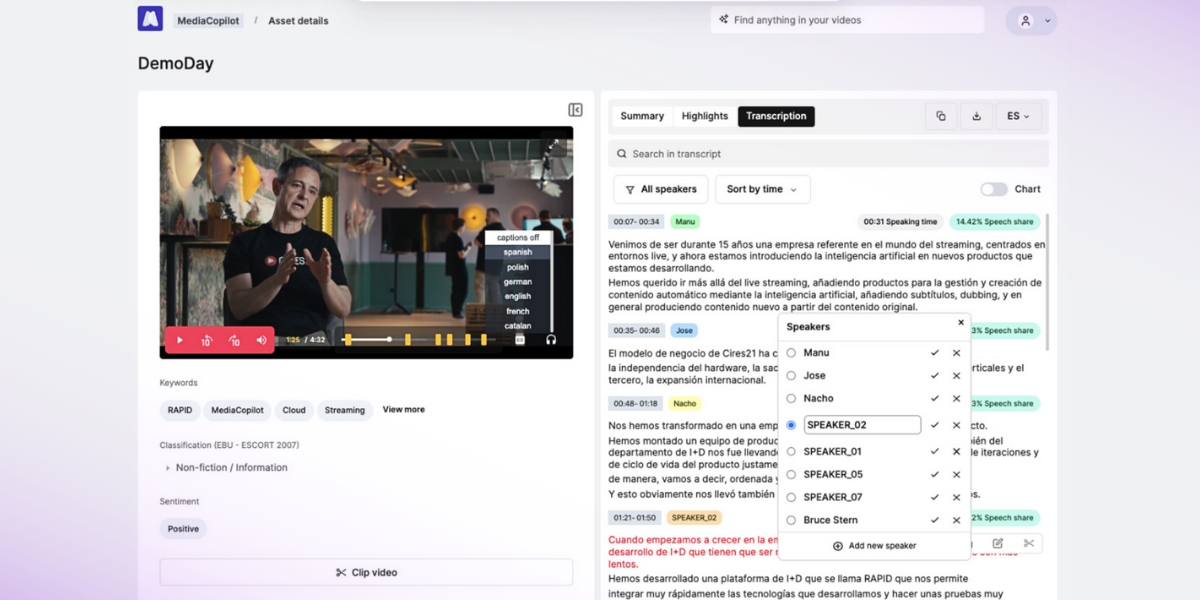
Advances in artificial intelligence and speech recognition have enabled automatic subtitle generation, quickly and at scale. What once required time-consuming manual transcription can now be handled efficiently through automated systems that convert spoken language into on-screen text in real time or during post-production.

This technological shift has opened the door for more agile video workflows, especially for media companies and content creators that publish frequently and across multiple platforms.

Technology Meets Video Production

At the intersection of video production and automation, products like MediaCopilot are helping shape how modern video content is created and distributed. As specialists in video editing, automations, and streaming, they focus on optimizing workflows that allow subtitles and other enhancements to be integrated seamlessly into video projects. This type of expertise reflects a broader industry move toward efficiency without compromising quality.

Accessibility as a Core Value

An essential benefit of subtitles, automatic or otherwise, is accessibility. Subtitles make video content available to people who are deaf or hard of hearing and help ensure that information is not limited to those who rely solely on audio.

Beyond accessibility in the strict sense, subtitles also help viewers who are not native speakers of the video’s original language or who may struggle with accents, fast speech, or background noise.

Subtitles and Viewer Engagement

Subtitles play a significant role in increasing engagement and retention. Studies consistently show that videos with subtitles are watched longer and understood more clearly than those without them. On-screen text reinforces the message, helps maintain attention, and reduces the likelihood that viewers will scroll away before the video ends.

For publishers and media outlets, this translates into better performance metrics, stronger audience connection, and higher overall content value.

The SEO and Discoverability Advantage

Automatic subtitles also offer indirect benefits for search engine optimization. While search engines cannot “watch” videos in the traditional sense, subtitle files provide text-based data that can be indexed. This makes video content more discoverable and improves its chances of appearing in relevant search results.

For digital publications, subtitles represent an additional layer of visibility in an increasingly competitive online environment.

Challenges of Automatic Subtitling

Despite their advantages, automatic subtitles are not without limitations. Accents, industry-specific terminology, proper names, and multilingual content can still cause inaccuracies. For this reason, many organizations combine automation with human review to ensure clarity and correctness.

This hybrid approach balances speed and precision, allowing content to scale without sacrificing editorial standards.

Subtitles in Live Streaming and Real-Time Content

The importance of automatic subtitles becomes even more evident in live streaming and real-time broadcasts. Generating subtitles on the fly makes live events more inclusive and easier to follow, particularly for global audiences and in professional settings such as conferences, webinars, and news coverage.

As live video continues to grow, real-time subtitling is likely to become a standard expectation rather than a bonus feature.

Looking Ahead: The Future of Subtitled Video

As artificial intelligence continues to evolve, automatic subtitles are expected to become more accurate, more adaptable, and more multilingual. Future developments include real-time translation, audience-specific subtitle customization, and deeper integration with video production tools.

In an era where video dominates digital communication and attention spans are increasingly fragmented, subtitles are no longer optional. They are a strategic element that enhances accessibility, engagement, and reach, making video content more effective for everyone.

Home Maintenance Projects That Should Always Be Handled by Professionals

Homeowners take pride in handling small tasks on their own, though certain projects call for trained specialists who understand the risks hidden behind walls, floors, and fixtures. Many properties hold years of wear that reveal themselves only to someone who works with these issues every day. Homes across New York present even more challenges because older layouts, compact spaces, and strict regulations often complicate repairs that seem manageable at first. 

Skilled help becomes essential when projects involve structural concerns, technical systems, or safety-sensitive work. A clear understanding of which tasks fall outside DIY comfort zones makes it easier to protect the home and avoid costly mistakes. 

Roofing Repairs and Structural Work

Roofing problems tend to develop quietly. A minor leak might seem harmless at first, though moisture can travel far beneath shingles, soaking insulation and weakening support beams. The real trouble often hides behind surfaces that look fine on the outside. A professional roofer understands how to trace the path of water, identify early signs of rot, and prevent future deterioration. 

Skilled teams work with safety equipment and materials that withstand harsh conditions. Their experience also helps them spot related structural concerns before those concerns grow into expensive emergencies. 

Bathroom Renovations and Plumbing Overhauls

Bathroom improvements in New York can involve more than surface-level changes. What begins as a simple plan to update fixtures may reveal aging pipes, ventilation challenges, or areas that require improved waterproofing. Plumbing adds another layer of complexity, where small mistakes can lead to leaks long after a project appears finished. Quality results rely on accurate measurements, proper sealing, and thoughtful design choices that keep everything running smoothly over time.

When a bathroom upgrade goes beyond basic repairs, working with qualified New York bathroom remodelers ensures the project is done right from start to finish. Skilled professionals coordinate plumbing, electrical work, tile installation, and drainage with careful attention to detail, helping prevent recurring moisture issues and keeping the entire space aligned with building standards.

Electrical System Fixes and Panel Upgrades

Electrical work carries immediate and serious risks. A single loose connection or misjudged wire can cause shorts, damaged appliances, or fire hazards. Many homes operate with panels that no longer support modern electrical demands, and attempting to upgrade those panels without advanced training can lead to dangerous outcomes. 

A licensed electrician knows how to evaluate the current system, choose compatible components, and install everything securely. Their training allows them to detect issues that often remain invisible to homeowners, such as overloaded circuits or outdated wiring materials. Professional service keeps the home safe while ensuring that power flows consistently to every room.

HVAC Servicing and Full-System Installations

Heating and cooling systems rely on precise calibration. Each part must work in harmony for steady temperature control, healthy airflow, and energy efficiency. Attempting to repair or install these systems without technical knowledge can lead to uneven cooling, poor air quality, or equipment damage. 

Professionals use specialized tools to measure airflow, inspect ductwork, and fine-tune internal components. Their approach helps extend the life of the system while reducing the stress placed on motors, coils, and compressors. Proper servicing also helps lower utility costs by allowing the equipment to perform at its intended efficiency level.

Window Replacements and Exterior Improvements

Window replacement seems straightforward at first glance, yet a proper fit requires precision and technique. A slightly off-center frame causes drafts, moisture buildup, and long-term insulation problems. Professional installers take careful measurements and prepare each opening so the new windows sit securely and seal correctly. 

Their work protects the home against outdoor elements and helps maintain consistent indoor temperatures. Exterior improvements such as siding or trim adjustments also benefit from trained hands, since these areas guard the home’s structure and influence overall curb appeal. A professional approach helps ensure the exterior lasts longer and performs better.

Foundation Assessments and Waterproofing

Foundation problems rarely start as dramatic events. Small cracks along basement walls or slight shifts in flooring often go unnoticed until they begin affecting the stability of the home. These issues call for deeper investigation, since they involve soil movement, drainage patterns, and the condition of the underlying structure. 

Professionals use tools that measure moisture levels, track settlement, and locate the source of leaks. Their assessments lead to durable solutions instead of temporary fixes. Waterproofing also requires careful planning because improper sealing traps moisture rather than eliminating it. A trained specialist understands how to protect the foundation without creating new problems in the process.

Major Appliance Installations and Gas Line Work

Large appliances demand proper placement, balanced connections, and safe integration with existing systems. A small error during installation can strain the appliance or create hazards that appear later. Gas-powered appliances raise the risks even further. A tiny leak can lead to health concerns, fire danger, or damage to the home. 

Professional installers test fittings, align ventilation, and verify that every component operates correctly. Their work saves homeowners from future repairs and ensures the appliance performs at its full capability. Reliable installation also supports energy efficiency, since precise setup allows the equipment to use fuel or electricity as intended.

Mold Remediation and Environmental Safety Projects

Mold spreads quickly once it gains a foothold. A patch that appears small on the surface often indicates a wider problem behind walls, under flooring, or within insulation. Attempting to remove mold without the right equipment sends spores into the air and increases the risk of respiratory irritation. 

Professional remediation teams contain affected areas and use filtration systems that prevent cross-contamination. Their process includes locating the source of moisture and addressing the conditions that allowed growth in the first place. This level of care helps protect the home’s structure and creates a healthier environment for everyone inside.

Home maintenance becomes far more manageable when homeowners understand which tasks require expert attention. Skilled professionals bring technical knowledge, accurate diagnostics, and steady workmanship to projects that carry higher stakes. Their involvement protects the value of the home while preventing complications that arise from overlooked details or rushed DIY attempts. 

A thoughtful approach to repairs and renovations leads to safer living conditions and long-lasting results. Choosing trained specialists for the complex projects outlined above offers a dependable way to keep a home strong, comfortable, and ready for the future.

Clinics on Call Strengthens Global Presence through Key Medical Tourism Partnerships in 2025

International medical tourism is expanding rapidly as patients seek trusted care and advanced treatment options abroad. Clinics on Call plays a central role in this growth by building a modern digital network that connects patients with leading hospitals in more than 20 countries.

The company works to make every treatment journey simple and reliable. Its efforts are gaining global recognition as the team participates in major healthcare events and presents new digital solutions.

Clinics on Call continues to work on strengthening its position as a respected partner for hospitals, industry leaders, and patients looking for safe and well-organized medical travel.

Thought Leadership at Medical Korea 2025

Medical Korea 2025 took place in Seoul from March 20 to 23, as an exclusive global forum that welcomed a select group of leaders to discuss the future of healthcare.

Clinics on Call was one of the key participants, with CEO Dr. Zeeshan Zaman invited as an official speaker. He shared the company’s work on “AI and digital tools that are helping to transform medical tourism” and changing how patients can access treatment abroad.

His session highlighted practical innovations that aim to support faster communication, smarter decision-making, and easier coordination between hospitals and patients. The event gathered ministers, ambassadors, and senior representatives from major hospitals, reflecting the level of recognition for all invited speakers.

Clinics on Call represented Europe and showed the platform’s growing influence in global healthcare. Dr. Zeeshan Zaman noted, “AI allows us to remove barriers for patients and create a clearer path to safe and timely treatment.”

His participation contributed to the company’s leadership and helped enhance its credibility within the international medical tourism community.

Expanding European Partnerships: Visit to Quironsalud, Spain

Clinics on Call expanded its European network by visiting Quironsalud, one of the largest and most respected hospital groups in Europe. Quironsalud includes more than 50 clinics and research centers and is known for its strong focus on advanced robotics, oncology, and cardiology. The visit provided the Clinics on Call team with an opportunity to review new clinical practices and understand how the network is raising the level of specialized care.

Both sides discussed joint goals aimed at improving accessibility, medical quality, and treatment coordination for international patients. The partnership also supports seamless digital access for people seeking expert care in Spain.

This engagement strengthens Clinics on Call as a trusted and active partner in Europe. It also demonstrates the company’s commitment to building reliable pathways that connect patients with leading hospitals.

Media Recognition: Mediworld Middle East Interview

Clinics on Call gained further international visibility through a featured interview with CEO Dr. Zeeshan Zaman in Mediworld Middle East, a leading healthcare publication in the UAE. The interview highlighted the company’s work and its increasing influence in the region’s medical tourism sector.

Dr. Zeeshan discussed the platform’s long-term vision and explained how Clinics on Call works to make the treatment journey more transparent, predictable, and accessible for every patient. He also spoke about the importance of clear information, responsible guidance, and strong follow-up support.

The feature emphasized the company’s commitment to building trust and delivering accurate medical guidance across borders. It also helped to strengthen Clinics on Call’s brand presence within the Middle East healthcare sector, where reliability and digital innovation play a significant role in patient decisions.

What Sets Clinics on Call Apart?

Clinics on Call uses a structured method to manage each treatment journey. The company goes beyond linking patients with hospitals. It reviews each medical file, checks which facility is likely to ideally fit the patient’s condition, compares treatment options, and prepares a clear step-by-step plan.

The company offers:

  • Medical-expert coordinators: Each case is reviewed by medical coordinators who assess reports, compare treatment options, and guide patients with clinical accuracy.

  • Transparent pricing: Patients receive clear estimates before treatment begins, helping to build trust and provide financial clarity.

  • Certified partner hospitals: The company works exclusively with clinics that hold international accreditations such as JCI, ISO, and ESMO, aiming to maintain high medical standards.

  • 24/7 multilingual support: Patients receive round-the-clock assistance in six languages, helping them manage every step of their medical journey.

  • Personalized treatment planning: Each plan is created after a medical review to match the patient’s diagnosis, priorities, and expected outcomes.

Global Impact & Commitment to Innovation

Clinics on Call actively participates in international conferences, exhibitions, and partnership programs to strengthen its leadership in the global healthcare community. The company contributes to the digital transformation of medical tourism by showcasing how technology can simplify patient access and improve treatment coordination.

By sharing its expertise at professional forums, Clinics on Call promotes collaboration between hospitals, technology providers, and policymakers worldwide. Its work shows that modern medical tourism goes beyond connecting patients with clinics and creates efficient, reliable pathways that aim to optimize care and patient safety.

Through these initiatives, the company strengthens international networks, supports innovation in healthcare delivery, and sets higher standards for cross-border treatment. It works to ensure that patients benefit from both advanced medical expertise and seamless digital solutions.

Looking ahead, Clinics on Call plans to keep shaping the future of medical tourism through technology, partnerships, and professional excellence. Its mission remains clear: to improve access to world-class treatment for all patients, working to make every journey safe, efficient, and transparent. The company’s commitment places it as a leader in international healthcare and a partner that hospitals and patients can rely on.

Webinar Alert: Tailor Brands and Flippa Discuss Building Businesses That Attract Buyers

By: Jake Smiths

In the early days of building a business, momentum can feel like progress. Sales come in, customers grow, and opportunities pile up. But according to Yali Saar, CEO and Founder of Tailor Brands, momentum without direction is not a strategy; it’s a risk.

Saar recently shared that “going big is not a strategy,” pointing instead to the importance of making a clear decision about the kind of business you are building. That idea is at the center of an upcoming Tailor Brands webinar, “How Smart Business Formation Leads to Better Exits,” taking place on Monday, January 5th, 2026, at 3 p.m. EST. Saar will be joined by Blake Hutchison, CEO of Flippa, for a discussion tailored to small and medium-sized business owners navigating the realities of growth and long-term planning.

Choosing the Outcome Before the Path

Saar argues that one overlooked decision founders face is deciding what success actually looks like. Is the business meant to provide stability and job security? Is it something to build a personal or family legacy around? Or is it being created with a future sale in mind?

Once that choice is made, Saar explains, it becomes the goal. From there, founders can work backwards to determine which decisions make sense and which do not. Without that clarity, strategy becomes reactive, and progress becomes difficult to measure.

What Experience Reveals Over Time

Drawing from his experience working with entrepreneurs at different stages, Saar highlights a consistent difference between first-time founders and serial entrepreneurs. Those who have built companies before tend to understand the toll that building a business can take, personally and professionally.

As a result, they invest time early in defining a clear goal. Some do this intentionally, while others arrive there after enough trial and error. In both cases, experience leads to alignment between effort and outcome, rather than growth for growth’s sake.

Reverse Engineering as a Practical Tool

Working backwards from a goal does not guarantee success, Saar acknowledges. Plans may not unfold exactly as expected, and obstacles are inevitable. But with a defined goal in place, founders gain a way to measure progress and recognize when they’ve drifted off course.

Without that reference point, everything is left to chance. With it, founders can make adjustments without losing sight of their objectives. This way of thinking underpins the webinar’s focus on smart business formation and its connection to long-term value.

Insight from Both Sides of the Business Lifecycle

Tailor Brands helps a significant portion of new U.S. business owners launch their businesses, giving Saar a front-row view of how companies are formed. Flippa, which has facilitated numerous online acquisitions globally, offers insight into what happens when founders decide to exit.

Together, Saar and Hutchison plan to explore how intentionally starting a business can influence outcomes throughout its lifecycle, including building something that is attractive to buyers, even if an exit is not the immediate goal.

An Opportunity to Step Back and Reframe

The webinar is aimed at SMB founders who want to think more deliberately about where their businesses are heading. Rather than prescribing a single path, the session focuses on helping entrepreneurs define their own destination and understand how early decisions shape future options.

“How Smart Business Formation Leads to Better Exits” will be held on January 5th, 2026, at 3 p.m. EST. For founders caught between daily execution and long-term uncertainty, the conversation offers a chance to pause, reflect, and build with clarity rather than momentum alone. Attendees will gain valuable insights into how strategic planning can shape their businesses’ future success.

Saar’s message is timely but straightforward: when founders know what they’re building toward, they’re no longer relying on luck; they’re building with purpose.

Mokwheel’s Christmas Promotion: A Great Holiday Gift with Electric Bikes for Commuting and Adventure

As the holiday season approaches, Mokwheel is offering a special Christmas promotion that makes this festive time of year even more exciting. This season, Mokwheel presents a selection of premium electric bikes designed to enhance the daily commute, provide lightweight and efficient rides, and offer adventure-ready performance for all riders. Whether it’s for the city commuter or the outdoor explorer, Mokwheel’s eBikes offer a range of features perfect for the season of giving.

Mokwheel is known for blending advanced technology, comfort, and style in its electric bikes. Their mission is to make everyday riding easier, more enjoyable, and perfect for both commuting and holiday adventures. With the Mokwheel Christmas promotion, now is the ideal time to invest in an electric bike that can provide reliable, eco-friendly transportation and an enjoyable experience for the rider.

Why Choose Electric Bikes for Holiday Gifting?

Electric bikes are rapidly becoming a favorite choice for commuters, fitness enthusiasts, and anyone looking to enjoy a more sustainable and fun mode of transportation. As an ideal gift for Christmas, electric bikes offer various benefits:

  1. Environmentally Friendly: With an electric bike, the rider enjoys a sustainable alternative to traditional cars, reducing carbon footprints while enjoying the fresh air.
  2. Cost-Efficient: Electric bikes are economical to maintain and operate, with fewer costs than a car, especially for commuting short distances.
  3. Versatile Performance: Whether it’s navigating city streets, tackling tough terrain, or taking a leisurely ride around town, an electric bike delivers reliable performance for any occasion.
  4. Health and Wellness: Pedaling an eBike provides cardiovascular benefits while minimizing stress on joints, making it an excellent choice for fitness-minded individuals of all ages.

Mokwheel’s Christmas promotion emphasizes the benefits of electric bikes for both casual and daily riders, making this holiday season the perfect time to gift one of their exceptional models.

Mokwheel's Christmas Promotion: A Great Holiday Gift with Electric Bikes for Commuting and Adventure

Photo Courtesy: Mokwheel

Mokwheel Electric Bikes for Every Rider

Mokwheel’s Christmas promotion features a range of models designed for different types of riders, whether they are looking for a powerful all-terrain bike, a solar-powered commuter eBike, or a lightweight city bike. Here are three great options:

Obsidian ST 2.0 – A Powerful All-Terrain E-Bike

For those who love to venture off the beaten path, the Obsidian ST 2.0 is the ultimate all-terrain electric bike. This eBike is engineered for greater range, control, and security, making it ideal for riders who need both performance and durability. Equipped with a 750W motor and a 1300W peak power, the Obsidian ST 2.0 delivers impressive power, ensuring it can tackle even the toughest trails. With a range of 60 to 80 miles per charge, this bike is perfect for long-distance rides.

Key Features:

  • Motor Power: 750W continuous power, with a peak of 1300W, offers great torque and power for all-terrain riding.

  • Battery: A powerful 48V 19.6Ah battery ensures long-lasting performance and supports the bike’s high power.

  • Braking System: TEKTRO hydraulic disc brakes provide reliable stopping power in various conditions.

  • Tires: The 26″x4.0″ puncture-resistant fat tires provide superior traction and control, especially on rough or slippery surfaces.

  • Performance: Equipped with Shimano 10-speed gearing and a 130mm adjustable front suspension, the bike offers excellent control on uneven surfaces.

With its rugged construction and exceptional performance, the Obsidian ST 2.0 is perfect for the adventurer in your life who enjoys both urban commuting and outdoor trails.

Basalt ST 2.0 – The Solar-Powered E-Bike for 2025

For those who want a modern, eco-conscious ride, the Basalt ST 2.0 is a new-generation eBike that integrates solar power for increased efficiency. This solar-powered eBike is perfect for riders looking for an innovative way to reduce their carbon footprint while enjoying a fun ride. With a 750W continuous motor and a 1100W peak motor, the Basalt ST 2.0 offers great performance both for commuting and recreational riding.

Key Features:

  • Motor Power: 750W continuous power, with a 1100W peak, provides the right amount of power for various terrains.

  • Battery: Equipped with a 48V 19.6Ah battery, which is UL certified, and a solar-powered charging system, this bike offers a unique eco-friendly approach to eBiking.

  • Brakes: TEKTRO HD-E350 hydraulic disc brakes ensure effective stopping power even in challenging conditions.

  • Tires: The 26″x4.0″ puncture-resistant fat tires give the rider a comfortable and stable ride across different surfaces.

  • Performance: The 8-speed Shimano gearing and 110mm adjustable front suspension make the Basalt ST 2.0 a versatile choice for mixed-terrain riders.

Perfect for the environmentally conscious rider, the Basalt ST 2.0 combines sustainability with powerful performance, offering an exciting and eco-friendly ride for all types of adventures.

FLINT ST – Lightweight and Efficient Urban Commuter

The FLINT ST is a lightweight, quiet, and efficient eBike designed for city commuting. With its 350W motor and 550W peak power, the FLINT ST is ideal for everyday commuting in urban areas, offering ease of use, comfort, and style. Weighing only 40 lbs, the FLINT ST is one of the lightest eBikes in Mokwheel’s collection, making it easy to transport and store.

Key Features:

  • Motor Power: 350W continuous power, with a 550W peak, provides adequate assistance for city commuting.

  • Battery: The 36V 10Ah battery offers a range of 30 to 50 miles, making it a great option for daily commutes.

  • Brakes: Logan HD-M500 hydraulic disc brakes provide smooth, reliable braking performance.

  • Tires: The CST 28″x1.75″ tires with reflective sidewalls ensure safety and stability, especially in low-light conditions.

  • Performance: With an 8-speed Shimano drivetrain and 65mm adjustable front suspension, the FLINT ST provides a smooth and comfortable ride on city streets.

For urban commuters who value convenience and efficiency, the FLINT ST is the perfect eBike to simplify their daily travels while providing an eco-friendly alternative to traditional modes of transportation.

Mokwheel's Christmas Promotion: A Great Holiday Gift with Electric Bikes for Commuting and Adventure

Photo Courtesy: Mokwheel

Take Advantage of the Christmas Promotion

Mokwheel’s Christmas promotion offers an excellent opportunity to get an electric bike at a discounted price, making this an ideal time to invest in a new mode of transportation. Whether you’re shopping for a commuter, an outdoor enthusiast, or someone who simply enjoys a smooth ride, Mokwheel’s eBikes make thoughtful, practical gifts.

Visit Mokwheel for More Information

For more details about Mokwheel’s Christmas promotion, eBike models, and purchasing options, visit Mokwheel’s Christmas Electric Bikes Collection. You can also explore more lightweight and city commuter electric bikes at Mokwheel’s FLINT Electric Bikes and City Commuter Electric Bikes.

This holiday season, give the gift of adventure, comfort, and sustainability with Mokwheel’s exceptional range of electric bikes.

The Evolution of Pacific Northwest Luxury: 5 Design Trends Defining Seattle Homes in 2025

Seattle has long been defined by a quiet intersection of industry and nature. It is a city where high-tech campuses sit nestled against evergreen forests and where the rhythm of life is dictated by the water and the mountains. For the discerning homeowner, this unique context creates a specific architectural demand. Luxury in the Pacific Northwest is not about gilded surfaces or ornate detailing. It is about volume, light, and an uncompromising connection to the landscape.

As the real estate market in the region matures, the definition of a high-end home is shifting. It is moving away from the heavy, timber-centric “lodge” aesthetic of the past toward a sharper, more refined modernism. This new style prioritizes building science as much as visual impact. It suggests that a home must be a shelter that performs well in a marine climate while offering a sanctuary of calm in a bustling tech hub. For those planning to invest in their property, understanding these shifting currents can be essential for creating a space that maintains its value and relevance.

1. The Lantern Effect: Engineering Luminosity

The primary design challenge in Seattle is light. With a climate characterized by diffuse, gray daylight for much of the year, the luxury home can serve as a lantern. It captures light during the day and glows warmly at night. This is achieved through aggressive glazing strategies. We are starting to see a move away from punched openings toward walls of glass.

However, replacing solid walls with glass requires sophisticated engineering. It often involves steel moment frames to carry the structural load, allowing for floor-to-ceiling windows that can span twenty feet or more. The goal is to minimize the visual boundary between the interior and the exterior. To maintain privacy in dense urban neighborhoods, architects are utilizing clerestory windows and skylights that wash walls with light without exposing the interior to the street. This manipulation of aperture turns the home into a light vessel, helping to combat the seasonal gloom with architectural brilliance.

2. The “Unkitchen” and the Social Core

The kitchen has completed its evolution from a service utility to the primary social stage. In 2025, the trend is the “unkitchen.” This design philosophy seeks to conceal the industrial nature of the space. Refrigerators and dishwashers are fully integrated behind custom millwork panels that match the rest of the cabinetry. Range hoods are clad in stone or plaster to look like architectural volumes rather than appliances.

Storage is moving into the walls. Full-height pantries with internal drawers and “appliance garages” help keep countertops pristine. The result is a kitchen that feels like a continuation of the living room furniture. Materials are matte and tactile. We see honed quartzite, rift-cut white oak, and blackened steel gradually replacing polished granite and glossy lacquer. It is a softer, more organic approach to luxury that invites interaction rather than just admiration.

3. The All-Season Outdoor Room

In many parts of the country, outdoor living is seasonal. In Seattle, the goal is year-round usability. This has led to the rise of the covered outdoor room. These are not just decks with a grill. They are fully finished architectural extensions of the home. They feature covered roofs with skylights, built-in overhead heaters, and often outdoor fireplaces or fire tables.

The flooring in these spaces often matches the interior flooring, separated only by a flush threshold sliding door system. This continuity effectively doubles the entertaining space. By sheltering the area from the vertical rain while leaving the sides open to the view, homeowners can enjoy the fresh air and the sound of the rain without getting wet. It is a uniquely Northwestern adaptation of the patio concept.

4. Technical Rigor and the Envelope

True luxury is silence and comfort. This is achieved not through throw pillows but through the building envelope. Seattle’s damp climate requires a rigorous approach to waterproofing and insulation. The standard has moved to rainscreen systems, where cladding is separated from the weather barrier by an air gap, allowing the structure to breathe and dry.

Windows are triple-pane for thermal and acoustic performance. Air sealing strategies help reduce drafts and lower energy bills. When undertaking a significant house renovation Seattle project, prioritizing these invisible technical details is what distinguishes a cosmetic flip from a high-performance home. Buyers are increasingly educated about these systems. They look for heat pumps, heat recovery ventilators, and seismic retrofitting. They understand that the longevity of the investment depends on the quality of the systems behind the drywall.

5. Flexibility and the Rise of the DADU

The concept of the single-family home is expanding. The Detached Accessory Dwelling Unit, or DADU, has become a fixture of the modern Seattle property. These backyard cottages are designed with the same level of finish and care as the main house. They offer flexibility that is highly prized in a changing economy.

A DADU can serve as a home office, a guest suite for aging parents, or a rental unit for passive income. Architecturally, they offer a chance to experiment. We often see DADUs that feature vaulted ceilings, lofted bedrooms, and bold material choices that might seem too risky for the main residence. They turn a standard backyard into a multi-structure estate, maximizing the utility of the land in a density-constrained city.

The Role of the Integrated Builder

Executing these complex, high-design projects requires a specific type of delivery model. The traditional separation between architect and builder often leads to friction and budget overruns. The design-build model, where creative design and technical construction are housed under one roof, is becoming the preferred path for luxury renovations.

This approach allows for a better understanding of the cost implications of a design choice immediately. It facilitates a seamless transition from permitting to procurement to construction. For homeowners who value transparency and accountability, working with a firm like Sapir Construction can offer a level of process security that is rare in the industry. Knowing that the team designing the structural steel is the same team responsible for installing it builds a bridge of trust that can carry the project through to completion.

Summary

The Seattle home of the future is resilient, adaptable, and deeply connected to its environment. It respects the history of the region while embracing modern technology and flow. Whether it is capturing the winter light or creating a warm shelter from the storm, the focus remains on enhancing the human experience of dwelling. By embracing these trends, homeowners are not just renovating a property. They are curating a lifestyle that celebrates the unique beauty of the Pacific Northwest.

What Banks Can Learn from Logistics Software When Building AI-First Systems

The intersection of AI in banking and finance and lessons from logistics software may seem obscure at first glance. Yet, it holds a strategic key for financial institutions seeking to build AI-first systems that are resilient and operationally coherent. The logistics industry has long grappled with unifying fragmented data sources, orchestrating autonomous workflows, and managing real-time exceptions across complex networks, challenges that mirror those faced by banks today as they move beyond pilot projects toward enterprise-scale AI adoption. Specifically, modern logistics platforms are engineered to handle high-volume operations with extreme precision, anticipate disruption, and adapt in real time, offering a blueprint for banks to rethink how their own systems ingest, process, and act on intelligence at scale (and not just in isolated use cases). For engineers and architects, this is less about borrowing industry metaphors and more about understanding technical paradigms that have matured under heavy operational constraints.

Drawing on insights from the MIT Sloan Review on why banks should build cohesive AI strategies rather than scattershot deployments, a view backed by four pillars including data improvement and scaled infrastructure, we can extend those principles into actionable design patterns banks rarely consider For grounded guidance on real-world AI application in financial services, additional frameworks such as McKinsey’s AI-bank of the future offer complementary perspectives that align well with the logic of networked, autonomous systems.

The Hidden Parallels Between Banking Systems and Logistics Ecosystems

At their core, both modern banking and logistics systems manage complexity through interconnected workflows, continuous data flows, and operational decisions that should balance speed, accuracy, and risk. Logistics software was engineered from the outset to handle distributed assets and unpredictable conditions, which forced an architecture where data is fluid, orchestration layers are central, and exception pathways are first-class citizens. Banks, on the other hand, historically evolved from legacy ledgers and siloed systems, leading to pockets of intelligence that do not communicate effectively — a challenge highlighted by MIT Sloan as one of the main inhibitors to scalable AI adoption.

Logistics platforms maintain a real-time view of shipments, inventories, vehicles, and partners, continuously ingesting telemetry and external events (weather, delays, customs) so that decisions can be adaptive rather than reactive. In contrast, many banking environments still operate on batch cycles or asynchronous processes, which slow insight generation and inhibit high-speed decision-making models. Banks also struggle with disparate data domains (customer behavior, transaction streams, risk indicators), which makes unified model input pipelines difficult to establish, a core enabler of AI-first systems.

Both industries require precision: logistics should avoid misrouting goods that cost millions in delays, just as banks should avoid errors in risk scoring or compliance decisions that can erode trust and trigger regulatory penalties. Recognizing these parallels allows banking technologists to translate logistics patterns, such as unified data meshes and synchronous orchestration, into financial architectures that support real-time, continuous, and explainable AI behaviors rather than isolated experiments.

Lesson #1: Building a Unified Data Backbone Before Scaling AI

In logistics, a unified data backbone is not a luxury; it’s the foundation that allows autonomous systems to synchronize across thousands of nodes. Telemetry from vehicles, inventory levels, customer orders, and partner statuses all flow into centralized state stores that underpin optimization engines and predictive models. Without this backbone, logistics platforms would resort to brittle point-to-point integrations that fail in the real world. Banks, by contrast, often approach AI with fragmented data siloes based on product lines, channels, or departments, making it difficult to generate consistent, enterprise-wide insights.

A unified data layer for banking means consolidating transaction histories, customer profiles, risk metrics, and external data sources into a harmonized schema that preserves context. It is this contextual richness that turns raw information into intelligence, enabling models not merely to score but to reason across varied scenarios. When banks attempt to scale AI on top of fractured data assets, they inadvertently replicate the spaghetti-like integrations that have historically plagued core banking systems.

Consider how logistics systems use event streams and canonical models to track the state of goods and processes. Banks can apply the same technique by treating every financial event as a first-class entity in a real-time data mesh. This approach enhances situational awareness and enables models to operate against a single version of truth, improving both accuracy and trust. Industry resources, such as the Data Mesh paradigm, offer practical patterns for managing distributed data domains under a unified governance model.

Ultimately, a unified data backbone transforms banks from reporting entities into intelligent systems that can support continuous learning, real-time risk assessment, and pervasive orchestration across every workflow.

Lesson #2: Orchestrated Automation Beats Isolated AI Projects

A common anti-pattern in banking AI initiatives is deploying tactical models, a chatbot here, a scoring model there, without connecting them into an enterprise-wide workflow. This “AI à la carte” approach, cautioned against in the MIT Sloan piece, creates siloed pockets of intelligence that deliver incremental value but fail to shift the operational center of gravity. Logistics software, on the other hand, is inherently orchestrated: autonomous decision engines coordinate scheduling, routing, inventory movements, and exception handling in real time, reducing manual intervention and improving resilience.

Orchestration in an AI-first bank means establishing a control plane that sequences AI tasks, manages dependencies, and ensures consistency across multi-step business processes. For example, onboarding a new client involves identity verification, risk assessment, credit scoring, document ingestion, compliance checks, and portfolio assignment, a workflow that crosses multiple systems and decision points. Without an orchestration layer, banks simply bolt together these models with brittle integration logic that is hard to monitor, debug, or scale.

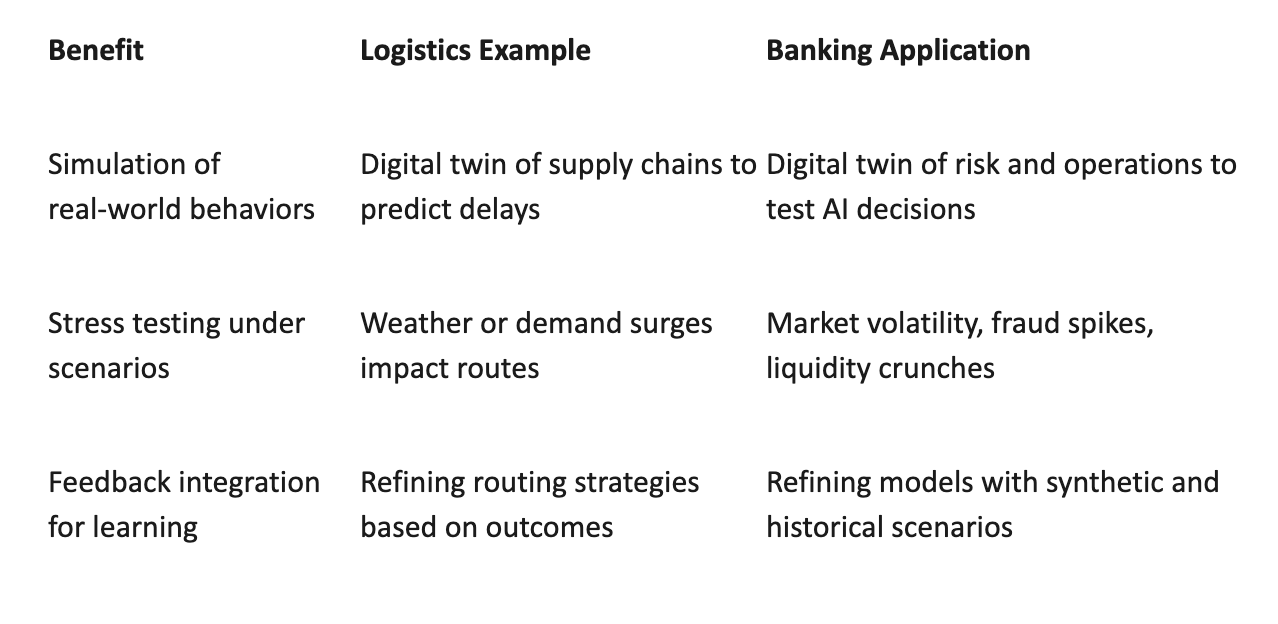
Lesson #3: Digital Twins Show Banks How to Pre-Test Complex AI Flows
What Banks Can Learn from Logistics Software When Building AI-First Systems

Logistics organizations use digital twins, dynamic, high-fidelity simulations of physical assets and networks, to validate strategies before they touch real-world operations. In banking, digital twins are often used at a high level (e.g., economic models) but rarely as executable simulations of operational AI workflows. Adopting this pattern allows banks to test complex multi-agent systems involving risk, compliance, customer behaviour, and capital flows in a sandboxed environment. This reduces the risk of unintended consequences when models interact in unanticipated ways.

In logistics, digital twins ingest real-time and historical data to create a living simulation where AI agents optimize decisions. Banks can adapt these techniques to simulate scenarios such as liquidity stress, spike in fraud attempts, or regulatory demands in real time. By doing so, banks gain deeper insights into model behaviour, dependencies, and failure modes before exposing customers or regulators to potential risks.

Lesson #4: Logistics Software Treats Exceptions as Design Inputs, Banks Should Too

One of the key reasons logistics software is robust is that it assumes exceptions will happen and treats them as first-class design inputs. Route cancellations, carrier failures, and inventory shortages are built into orchestration logic so systems can adapt gracefully. In banking, suspicious transactions, compliance alerts, and liquidity anomalies are often handled as afterthoughts, bolted onto core processes with manual effort.

Designing for exceptions means building AI systems that don’t just detect anomalies, but adjust operational flows autonomously and transparently. This requires embedding exception patterns into orchestration logic and model-learning loops, so the system evolves in response to real-world conditions rather than reacting post-factum. Exception intelligence, where anomalies reshape future decision boundaries,  enhances predictability, reliability, and governance.

Lesson #5: Real-Time Visibility Is the Cornerstone of Trustworthy AI

Real-time visibility is a hallmark of logistics dashboards that provide minute-by-minute updates across complex networks. Banks should achieve similar observability into AI decision flows to ensure trust, compliance, and performance management. Continuous visibility across models, data pipelines, and decisions empowers teams to detect drift, understand root causes, and enforce governance in line with regulatory expectations. Without real-time observability, banks are blind to emergent risks that can erode confidence and invite scrutiny.

Implementation Blueprint: How Banks Can Adopt Logistics-Style AI Maturity

To operationalize these lessons, banks can follow a phased blueprint:

Phase 1 — Unified Data Backbone:
Consolidate fragmented data into a real-time mesh with governance, lineage, and security controls.

Phase 2 — Orchestration Layer:
Build a centralized engine that sequences decision workflows, manages dependencies, and handles outcomes.

Phase 3 — Digital Twin Sandboxes:
Develop simulated environments to test multi-agent AI workflows against real-world scenarios.

Phase 4 — Exception Intelligence:
Implement feedback loops that adapt models and workflows when exceptions occur, rather than triggering manual follow-ups.

The Strategic Payoff: AI-First Banking Built on Logistics Principles

By learning from logistics software, banks can transition from isolated AI pilots to resilient, integrated, and continuously adaptive AI-first systems. This shift unlocks operational coherence, real-time responsiveness, and a competitive edge in an era where leaders are rapidly pulling away from the pack.

Disclaimer: The information provided in this article is for general informational purposes only. It is not intended as legal, financial, or professional advice. All views expressed are those of the author and do not necessarily reflect the official stance of any organizations or companies mentioned. Readers are encouraged to seek advice from qualified professionals for specific concerns.