Exploring the New Era of AI Creation at Renderforest: Capabilities Across All Models and Features of Renderforest 1.0


By: Gabriela Despuig

Creators face rising expectations as demand for polished, high-volume content grows across regions. Renderforest built its platform to meet that pressure with a single environment that integrates writing, visual development, motion, and sound from first thought to final sequence. The idea centers on reducing friction and letting people work inside a single lane without juggling disconnected tools or waiting for complex workflows to settle. The company focused on giving users a direct path through each stage, supported by a technical stack built to maintain clarity and consistency.

Renderforest 1.0 anchors this system. It is a next-generation video model built for cinematic flow, quick generation, and accessible pricing across different user groups. Running on Renderforest’s optimized servers, the engine produces high-quality sequences that hold steady even when prompts stay brief. The company states that the engine “offers creators a base that feels steady and ready to build on.” It adds, “We focused on clarity, speed, and practical use while keeping pricing accessible for different creators.” These lines show how the model gives users a strong first draft instead of a rough cut that needs heavy repair.

The engine supports long-form continuity across minutes rather than seconds. This means characters, style rules, and transitions remain aligned from scene to scene. Marketing teams, solo creators, and production groups gain an environment where scripts, visuals, and motion stay consistent as projects scale. Storyboards move into clips, clips move into complete sequences, and brand elements remain uniform. Users who once had to rebuild content across multiple services now find a complete workflow in a single platform.

A Full Stack Built for Multi-Stage Creation

Renderforest maintains a stack of machine-driven models that perform different tasks without requiring people to export or import material. Text can become video. Text can move into animation. Text can guide visual development. Video can pass through editing, then move back into regeneration loops without breaking style. Each step speaks to the next, keeping tone steady across the sequence and giving users speed without sacrificing control.
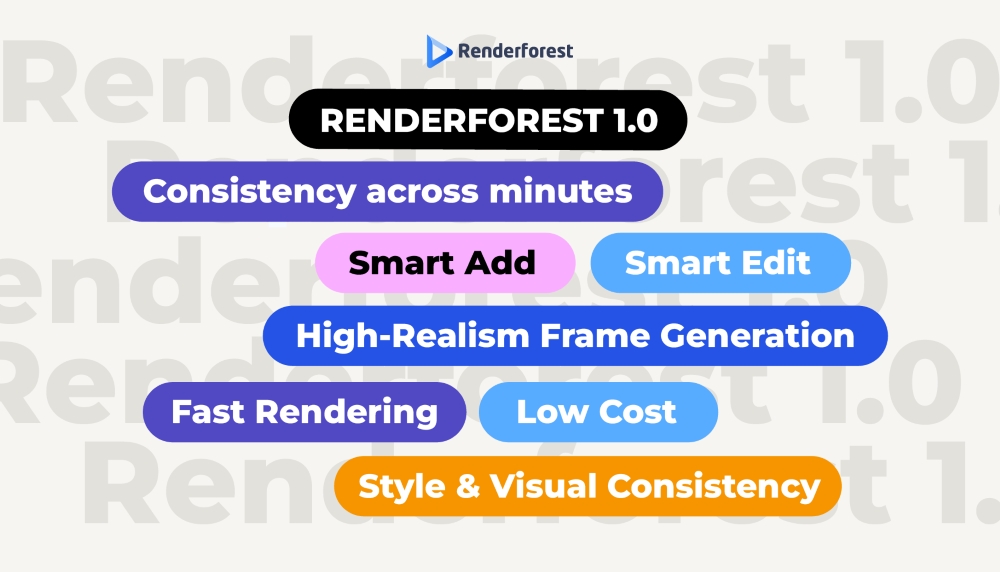
Exploring the New Era of AI Creation at Renderforest: Capabilities Across All Models and Features of Renderforest 1.0

Photo Courtesy: Renderforest

The platform supports an AI-native video editor that lets you manage longer stories without forcing you to cut clips into fragments. Users can extend, modify, and rearrange AI-generated scenes within a single editor while using real tools such as split, replace, regenerate, and pacing adjustment. This hybrid workflow joins AI generation with manual control, giving creators freedom to refine scenes without leaving the platform. The editor operates as a continuous space in which every update propagates through the sequence without drift.

Smart Add is one of Renderforest’s significant advances. A user can add a sentence to the script, and the system automatically expands the video. Missing scenes appear. Timing stays stable. Motion aligns with the new line. Competing tools force creators to rebuild large sections, but Smart Add preserves continuity while still allowing them to reshape the story. This helps teams that revise material during tight reviews.

Smart Edit brings another tier of precision. When users adjust a line of text, the system regenerates only the affected scenes, leaving the rest of the sequence intact. Characters remain steady. Motion arcs follow the established style. The clip’s tone remains consistent across regenerated and untouched sections. Smart Edit reduces manual repair cycles and gives creators greater control than earlier tools did.

A Unified Experience for Businesses and Solo Creators

Exploring the New Era of AI Creation at Renderforest: Capabilities Across All Models and Features of Renderforest 1.0

Photo Courtesy: Renderforest

Renderforest built its platform to simplify creation for people working at any scale. A marketer can begin with a short script, move into structured boards, and then push those boards into motion through Renderforest 1.0. Small edits do not break the full sequence. Instead, updates pass through the project without forcing users to rebuild their work. This helps teams refine voice and pacing without discarding progress.

The editor’s integrated structure supports both long-form storytelling and shorter commercial pieces. Writers, designers, and coordinators work inside one shared environment. Scripts link to visuals. Voices link to timing. Edits apply across scenes instead of isolated parts. The platform compresses production cycles and gives users a single starting point that carries through to final delivery.

Renderforest 1.0 stands out because it shapes cinematic scenes even when prompts remain short. The engine maps facial detail, motion arcs, and background continuity with steady clarity. Movement stays smooth during complex actions, and the sequence holds its style without drifting. This level of consistency helps teams produce material ready for wide distribution.

The combined structure of Renderforest’s stack, AI-native editor, Smart Add, and Smart Edit gives creators a path where the message guides the process rather than technical barriers. Each model works with the next, and each update holds steady across the sequence. This keeps projects focused on content rather than constant repair.

Renderforest 1.0 marks a new phase for creation tools. Its speed, clarity, long-form stability, and accessible economics support users who need production that feels coherent from the first draft to the final export. As content demands rise, Renderforest offers a platform where large and small teams can produce thoughtful, consistent work in a single connected space.

PEL Consultancy Services: Safeguarding Privacy with Expert Bug Sweeping Solutions

As technology continues to advance, so too does the threat of unauthorized electronic surveillance. From corporations protecting sensitive trade secrets to individuals safeguarding their personal space, the need for electronic bug sweeping services is growing exponentially. Professional bug sweeping services are critical for detecting and removing surveillance devices that threaten privacy and security. PEL Consultancy Services, led by Paul Lewis, brings over 30 years of expertise in private investigations to help clients stay one step ahead of potential threats.

What Is Bug Sweeping and Why Is It Important?

Bug sweeping, also known as electronic counter-surveillance, is the process of identifying and eliminating hidden electronic surveillance devices such as microphones, cameras, GPS trackers, or any equipment designed to intercept confidential information. These devices can be used by competitors, malicious actors, or even individuals with harmful intentions to invade privacy.

The primary goal of bug sweeping is to ensure that your conversations, business meetings, or private moments remain confidential and secure. With the increasing sophistication of electronic surveillance tools, it’s more important than ever to enlist the help of professional experts who can identify hidden threats in your home, office, or vehicle. PEL Consultancy Services provides reliable and thorough bug sweeping solutions to individuals and businesses, ensuring their environments are free from invasive surveillance.

Why Is Bug Sweeping Vital for Businesses?

In the business world, the protection of intellectual property and sensitive data is paramount. A competitor or malicious actor might attempt to intercept confidential meetings or steal corporate secrets using hidden surveillance devices. Whether it’s a crucial boardroom meeting, a contract negotiation, or a strategic planning session, businesses are often at risk of espionage.

PEL Consultancy Services offers expert bug sweeping services to businesses of all sizes, ensuring that corporate information remains private. Their team utilizes advanced detection methods to scan for hidden bugs, cameras, and electronic tracking devices. By regularly conducting bug sweeps in offices, meeting rooms, and secure areas, businesses can prevent unauthorized access to proprietary data and mitigate the risk of corporate espionage.

In Paul Lewis’s words:
“With the rapid advancement of technology, the threat of electronic surveillance has never been greater. As a private investigator with over 30 years of experience, I understand the critical importance of electronic bug sweeping in protecting privacy and sensitive information. Whether it’s safeguarding corporate secrets or ensuring personal security, thorough and professional bug sweeping services are essential in staying one step ahead of potential threats.”

Personal Privacy: A Growing Concern

While businesses are often the focus of surveillance, personal security is another critical area where bug sweeping services come into play. High-net-worth individuals, celebrities, politicians, and others in the public eye are frequently targeted by those seeking to invade their privacy for malicious reasons. These individuals may be under the constant threat of electronic surveillance.

Professional bug sweeping can offer personal protection, ensuring that private conversations, financial discussions, and personal matters are not intercepted. Whether it’s a private residence, hotel room, or vehicle, ensuring that your environment is free from hidden surveillance devices is crucial to maintaining privacy.

For individuals, the need for bug sweeping services goes beyond merely detecting devices. It involves assessing the overall security of personal spaces and eliminating any electronic threats that could compromise safety or confidentiality.

How Does Bug Sweeping Work?

Bug sweeping is a systematic process that involves several critical steps:

  1. Consultation and Risk Assessment: The bug sweeping process begins with an in-depth consultation to understand the client’s needs and assess the level of risk. This could involve identifying potential target areas like offices, boardrooms, or personal residences, and determining the kind of threats present in those environments.

  2. Electronic Detection: Specialized equipment is used to scan for a wide range of surveillance devices. Detection methods can include scanning for RF (radio frequency) signals, infrared light, and hidden cameras, as well as checking for GPS trackers or wireless microphones. The goal is to uncover even the most sophisticated devices.

  3. Physical Inspection: In addition to electronic scanning, the bug sweeping team will conduct a physical inspection of the premises. This helps identify hidden devices that may not emit signals, such as wired microphones or cameras concealed in everyday objects.

  4. Neutralizing and Removing Devices: Once surveillance devices are detected, the next step is to neutralize or remove them. This ensures that the devices are no longer operational and that the space is secure. In some cases, recommendations may be provided for securing the space further to prevent future surveillance attempts.

  5. Follow-Up Checks and Continued Security: For clients who wish to ensure ongoing security, PEL Consultancy Services offers follow-up bug sweeping sessions. These ensure that no new devices have been introduced and that your privacy remains intact.

Benefits of Using PEL Consultancy Services for Bug Sweeping

When it comes to protecting privacy, PEL Consultancy Services stands out for its experience, precision, and commitment to client security. Here are some key reasons why clients trust PEL Consultancy Services for their bug sweeping needs:

  • Experienced Professionals: Led by Paul Lewis, a seasoned investigator with over 30 years of experience, the team at PEL Consultancy Services understands the complexities of surveillance detection and the importance of privacy.

  • Cutting-Edge Technology: PEL Consultancy Services uses state-of-the-art bug sweeping tools and detection equipment to ensure thorough and accurate results. From RF scanning devices to infrared technology, the company is equipped to identify even the most advanced surveillance systems.

  • Tailored Solutions for Individuals and Corporations: Whether you’re a high-net-worth individual concerned about personal security or a corporation looking to safeguard sensitive information, PEL Consultancy Services offers customized bug sweeping solutions to meet your needs.

  • Confidentiality and Discretion: As a private investigator with decades of experience, Paul Lewis emphasizes the importance of confidentiality in all bug sweeping operations. Clients can trust that their privacy will be respected throughout the entire process.

When Should You Consider Bug Sweeping Services?

There are several circumstances in which bug sweeping services are highly recommended:

  • Before Major Business Events: If you’re hosting a critical meeting, conference, or product launch, ensure your environment is free of electronic surveillance devices.

  • When You Suspect Electronic Surveillance: If you have any reason to believe that your space is being monitored, whether for business or personal reasons, a bug sweep can provide peace of mind.

  • After a Security Breach: If you’ve experienced a security breach, such as a leak of confidential information or corporate espionage, bug sweeping is an essential step in securing your space.

  • Personal Privacy Concerns: If you suspect your private life is being compromised by hidden surveillance devices, personal bug sweeping services can help restore your privacy.

Protect Your Privacy with PEL Consultancy Services

With the increasing sophistication of surveillance technology, the need for professional bug sweeping services has never been greater. Whether you’re a business leader, high-net-worth individual, or simply someone concerned about their privacy, PEL Consultancy Services offers expert solutions to keep you safe from unauthorized surveillance.


Leadership, Mental Health, and Life After Special Forces: How Former Green Beret Matt Tardio Redefined Identity, Purpose, and Responsibility

Written by: Dillon Kivo

The Quiet Reality Behind the Green Beret

The public image of a Green Beret is shaped by moments most people never see up close. Combat footage. Classified missions. Controlled intensity. What remains largely unseen is the structure beneath it, a system designed not simply to produce elite soldiers but to cultivate judgment, restraint, and responsibility under sustained pressure.

Matthew Tardio’s military career unfolded within that system. Medically retired after more than a decade and a half in U.S. Army Special Forces, Tardio served across the Global War on Terror, including deployments to Iraq, Afghanistan, and East Africa. His service placed him in leadership roles inside some of the most volatile environments of the last two decades, requiring constant decision making where the margin for error was narrow and the consequences enduring.

Those years did not end when he left the uniform behind. They became the lens through which he now views leadership, mental health, and life after Special Forces, as well as how he speaks publicly about responsibility and citizenship.


How Special Forces Defines Leadership

Leadership inside Special Forces bears little resemblance to the version often taught in classrooms or corporate seminars. Teams are small, typically twelve operators, and authority is fluid. Rank exists, but competence and trust matter more. Every team member is expected to lead when conditions demand it.

Army Special Forces doctrine emphasizes decentralized execution. Leaders are trained to make decisions with incomplete information, often without direct oversight. That reality forces humility. No plan survives first contact, and no leader succeeds without listening.

Tardio’s leadership experience includes extended periods operating in hostile environments, including combat operations against ISIS-K in Afghanistan in 2017. During that deployment, he led multiple missions with significant operational impact. The significance of those experiences is not found in metrics, but in the responsibility attached to them. Decisions made in seconds carried consequences long after the mission ended.

That accountability shapes how Tardio defines leadership today. Preparation outweighs presence. Calm matters more than volume. Leadership is measured not by control, but by outcomes and the condition of the team afterward.


Decision Making Under Pressure

Special Forces selection and training are deliberately designed to impose stress. Sleep deprivation. Physical exhaustion. Uncertainty. These conditions are not side effects. They are tools. The objective is not to eliminate fear, but to teach clarity in its presence.

Military research and veteran accounts consistently show that elite units place as much emphasis on psychological resilience as physical performance. Stress inoculation exists because unmanaged stress degrades judgment. Leaders who cannot regulate themselves cannot lead others.

Tardio carried this framework into every deployment. Whether operating in Afghanistan, conducting missions in East Africa, or later contributing to advisory and coordination efforts related to Ukraine, decision making under pressure remained constant. That same discipline now informs his work outside the military, including executive leadership, humanitarian initiatives, and public commentary.

It also informs how he speaks. On his podcast, Speak The Truth, Tardio applies a fact-based, experience-driven approach to national issues, leadership failures, and cultural accountability. The platform reflects a continuation of the Special Forces mindset. Assess reality honestly. Speak clearly. Accept responsibility for what is said.


The Mental Health Cost of Elite Performance

Elite performance carries a cost. Traits that enable success in Special Forces, resilience, self-reliance, and emotional control, can complicate life after service if left unexamined.

Data from the Department of Veterans Affairs and independent research organizations consistently show elevated rates of post-traumatic stress, anxiety, depression, and sleep disorders among combat veterans. Special Forces veterans are not exempt. Repeated deployments, prolonged exposure to threat, and sustained responsibility accumulate over time.

Precision matters here. Not every Green Beret experiences PTSD. Many transition successfully and continue to perform at a high level. But the absence of a crisis does not mean the absence of strain. Mental health exists on a spectrum, and elite performers often operate near its limits.

Tardio is candid about this reality. Medically retired from the Army, he speaks openly on podcasts and at live events about post-traumatic stress, emotional regulation, and the hidden cost of leadership under fire. His advocacy is informed by lived experience, not theory. In Special Forces, mental readiness is monitored because it directly affects performance. Ignoring problems compromises the mission.

After leaving the military, that structure disappears. The responsibility to manage stress becomes individual. Without intention, issues once managed by routine and team oversight can surface later, often quietly.


Losing the Team, Losing the Identity

One of the most under-discussed challenges for Special Forces veterans is identity loss. Service is not simply employment. It is a role, a standard, and a community. Teams provide clarity. Purpose is shared. Expectations are explicit.

When that environment ends, the transition can feel abrupt. The civilian world moves differently. Feedback is indirect. Missions are less defined. The sense of shared consequence fades.

Veteran advocacy research consistently identifies loss of identity and community as major contributors to post-service mental health challenges. Even highly capable individuals can struggle without a mission that aligns with their values.

Tardio approached this transition deliberately. Rather than attempting to replicate military life, he focused on translating its principles. Discipline remained. Accountability remained. Service remained. The setting changed. The values did not.


Rebuilding Purpose After Service

Leadership, Mental Health, and Life After Special Forces: How Former Green Beret Matt Tardio Redefined Identity, Purpose, and Responsibility

Image Credit: Matt Tardio

Mental health professionals consistently point to purpose as a central factor in long-term well-being. For veterans, particularly those from elite units, purpose must be rebuilt intentionally.

For Tardio, that purpose took multiple forms. In 2022, he helped found Global Villages of Hope, a nonprofit organization that applies military planning and logistics principles to build safe, self-sufficient villages for internally displaced widows and orphans in Ukraine. The approach is pragmatic and mission-driven, rooted in security, infrastructure, and long-term sustainability.

He has since returned to the region to support humanitarian coordination efforts and engage with government and nonprofit partners. Earlier in the conflict, Tardio contributed his experience to advisory efforts focused on stabilization, logistics, and leadership support.

Purpose, in this sense, is not symbolic. It is operational.


Leadership in Civilian Life Requires Adaptation

Leadership outside the military requires recalibration. Civilian teams do not share the same baseline experiences. They are not conditioned to operate under constant threat. Directness, essential in combat, can feel abrupt in other environments.

Effective leadership after Special Forces demands flexibility. Listening becomes as important as directing. Context matters. Influence replaces command.

This adaptability is not foreign to Green Berets. They are trained to work across cultures, advise partner forces, and build trust where authority alone is ineffective. Those skills translate naturally into executive leadership, nonprofit governance, and board-level decision making.

As Chief Operating Officer of Battle Springs Ranch and a board member for multiple organizations, Tardio emphasizes leadership as service. Standards matter, but so does understanding the people tasked with meeting them.


Speaking Publicly, Intentionally

Speak The Truth, the podcast Tardio co-hosts alongside fellow combat veteran Robert Terkla, has become an extension of his post-service leadership. The show delivers commentary rooted in firsthand experience, addressing national security, leadership accountability, and civic responsibility.

For Tardio, the platform is not about performance. It is about responsibility. Silence, he believes, carries consequences of its own.


Life After the Green Beret

The Green Beret is not a chapter that closes. It is a framework that endures. For Matt Tardio, life after Special Forces has been defined by continuity rather than replacement.

Leadership expanded beyond combat. Mental health became visible rather than managed in silence. Purpose became self-directed, but no less demanding.

His trajectory reflects a broader truth. Elite performance cannot be sustained indefinitely without care. Recovery and reflection are not indulgences. They are requirements. The military understands this within training cycles. Veterans must learn to apply it independently.

The transition out of Special Forces is not the end of service. For many, it is the beginning of a different kind. One defined not by secrecy or missions, but by responsibility, leadership, and the discipline to speak, build, and lead when the uniform comes off.

Former Navy SEAL Operator Chris Fettes Finds New Mission in Craft Ice Cream

Written by: Dillon Kivo

For much of his adult life, Chris Fettes lived in a world defined by secrecy, discipline, and relentless tempo. He served twelve years in the Navy SEALs, including time inside the Naval Special Warfare Development Group, commonly known as SEAL Team Six. His deployments took him to Iraq, Afghanistan, and Somalia. On one mission, he recalls making a documented 900-yard sniper shot during a major enemy ambush involving IEDs and RPG fire while supporting a clearance operation in the mountains of East Africa, a shot later confirmed in an official award citation.

Today, the demands are different. Instead of preparing for raids or tracking intelligence, Fettes spends his days in a bright kitchen in Virginia Beach, working over mixers and pastry tables. Families file in for handcrafted ice cream, croissants, and fresh pastries. The conversations are quieter. The stakes are gentler. But for Fettes, the calling is no less serious.

“I realized that every time I created something in the kitchen, I felt present again,” he said. “It made me feel like myself.”

The shift from covert operations to craft ice cream seems improbable. Yet for Fettes, the path makes sense when viewed through the long arc of his transition home.

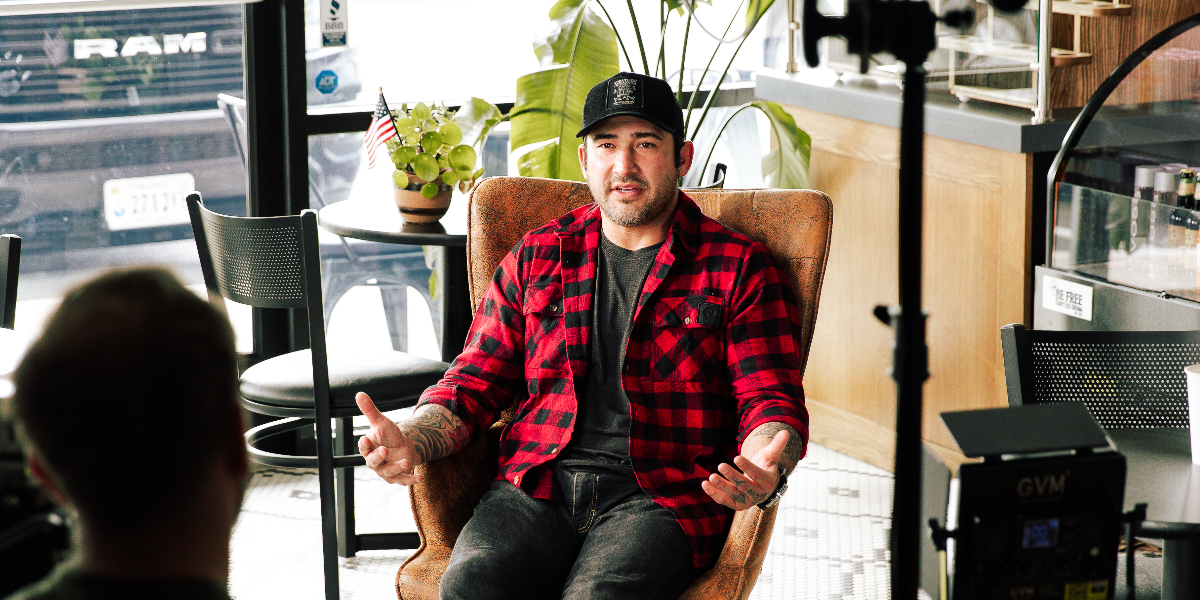
Fettes spoke candidly about that transition in a long-form interview on The Shawn Ryan Show, where he reflected on life after elite service and the personal cost of years spent at war.


After the Teams

Former Navy SEAL Operator Chris Fettes Finds New Mission in Craft Ice Cream

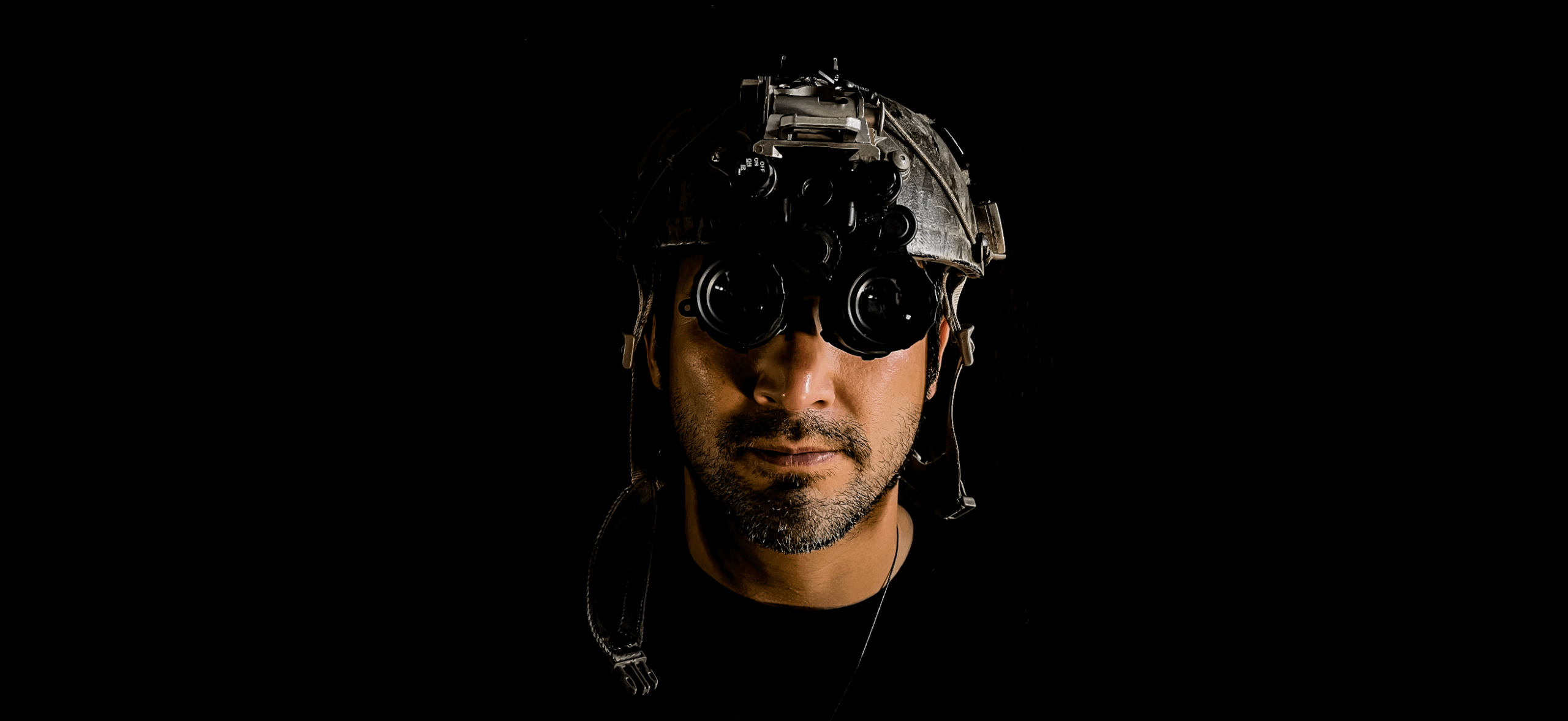
Chris Fettes in night-vision gear from his time in special operations.
Image credit: Courtesy of Chris Fettes

After leaving SEAL Team Six, Fettes worked for six additional years as a contractor with the Sensitive Activities Division of the Defense Threat Reduction Agency. He supported special operations units around the world, moving from one environment to the next without ever fully reestablishing a sense of normal life.

“It took time to understand why I wasn’t feeling better,” he said. “I kept thinking that once I left the military tempo behind, things would settle. Instead, I felt worse.”

The realization arrived gradually. He understood that he wasn’t missing the uniform or the missions. He was missing purpose.

“Guys talk about moving to Montana or buying land somewhere quiet,” he said. “But it doesn’t change anything unless you know what is pulling you forward. Purpose is not a place. It is a direction.”

That insight eventually pushed him toward something he had carried since childhood.


Searching for Direction

Before his grandfather died, Fettes sat beside him and tried to say what he had never said out loud.

“I told him he validated me my whole life,” Fettes said. “He was proud of me when I made it to the command. He was proud of the man I became.”

He also offered an observation that surprised them both.

“I told him that the truest version of him, underneath everything, was the seven-year-old kid he used to be,” he said. “That’s the part of us that survives everything we go through.”

The moment stayed with him, and it returned later when he began experimenting with ice cream recipes at home.


Growing Up Between Worlds

Fettes’ childhood stretched across Japan, the Carolinas, and California. He attended school after school, often as the new kid who had to adapt quickly. He remembers the teasing about being part Japanese, the pressure to blend in, and the way each move required him to recalibrate his identity.

“I changed myself constantly,” he said. “It was survival. You learn to read every room fast.”

When the attacks of 9-11 occurred, he was nineteen and working as a bank teller. Something instinctive pulled him toward the recruiter’s office.

“I didn’t know anything about the SEAL teams,” he said. “I just knew I needed to do something. The recruiter laughed. I signed the contract anyway.”

What began as a search for validation grew into a genuine commitment to service. He took pride in the work, the professionalism of the units, and the men he served beside. But once he left, he found himself without the structure that had absorbed every part of his identity.


Finding Balance at Home

During those early years of transition, fatherhood offered the clearest signal of where he stood.

“If my kids do something and look over to see if I noticed, that one look can fill their whole bucket for the day,” he said. “If I miss it, I can feel it in their behavior immediately.”

He began to measure his own balance through their reactions.

“When I’m stretched too thin or fall back into old habits, I see it in them,” he said. “It tells me exactly when to reset.”

The clarity helped him accept a truth he once resisted.

“I’m grateful to the version of myself who walked away,” he said. “I didn’t realize it then, but it was the right move for my family.”

Former Navy SEAL Operator Chris Fettes Finds New Mission in Craft Ice Cream

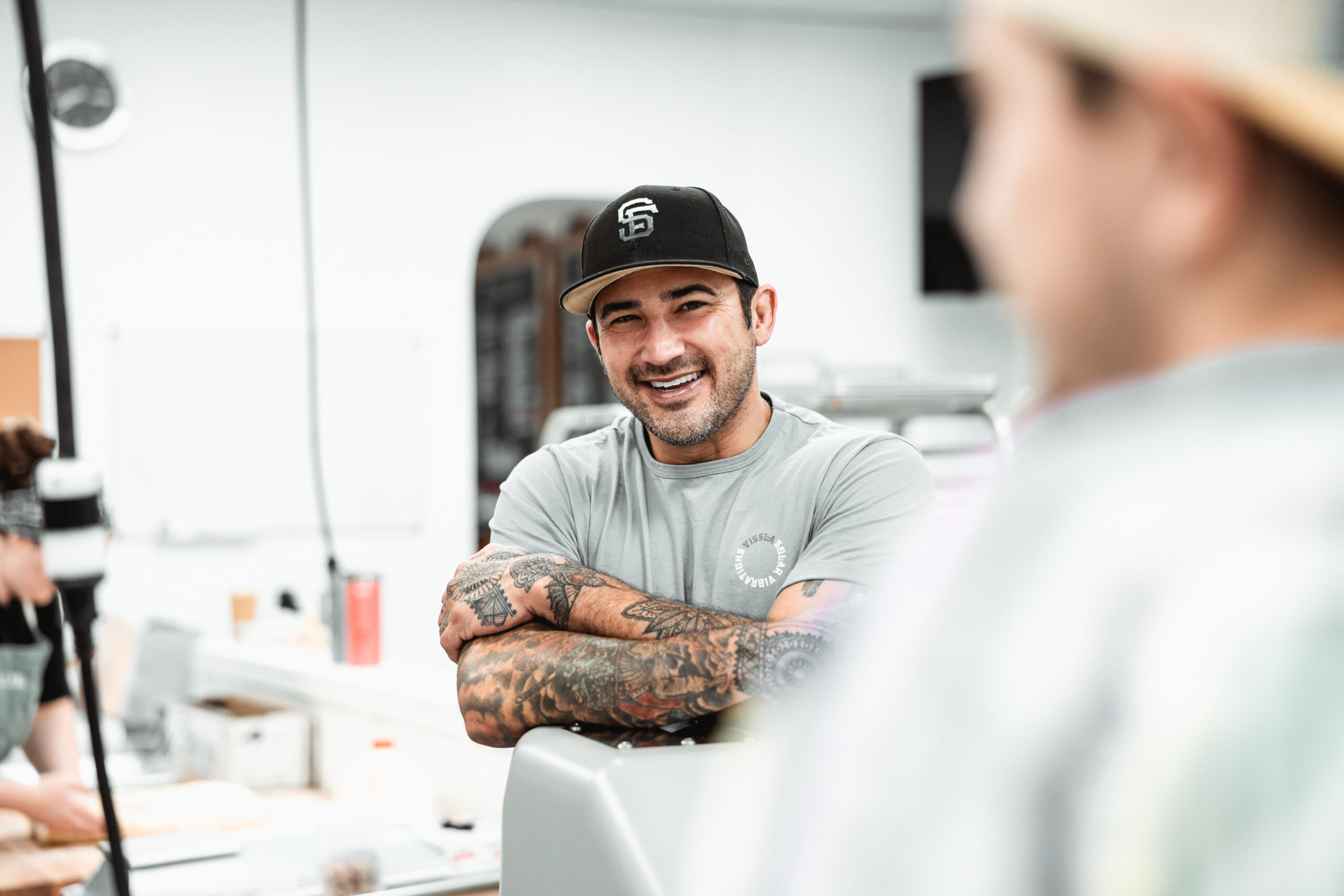
Chris Fettes in a candid moment.
Image credit: Courtesy of Chris Fettes


A Return to the Kitchen

Creativity had always been part of Fettes’ life. He cooked with his grandmother and mother, and later brought a commercial ice cream machine on deployments to make desserts for teammates and local children in the villages where they operated.

“It sounds ridiculous, but in the middle of Afghanistan or Somalia, ice cream brought joy,” he said. “It changed the whole energy in the room.”

In 2019, he enrolled in the Penn State Ice Cream Short Course. By then, he had already begun working, and the decision felt risky and uncertain.

“I couldn’t explain it,” he said. “I just knew I had to go.”

Years later, when COVID shut down his routine, he turned his children’s old playroom into a makeshift creamery. He announced pint releases on Instagram, sold out regularly, and eventually began producing enough volume to rent a commercial kitchen.

“None of it was planned,” he said. “But everything about it felt right.”


Turning Craft Into a Business

Be Free Craft Ice Cream grew quickly. Two pastry chefs later approached him to collaborate, leading to a brief expansion into pastries and creamery offerings. The partnership ultimately proved unsustainable and became one of the toughest learning experiences of the first year, reinforcing the importance of trust, controls, and disciplined growth early on.

A longtime friend in Chicago joined as a partner, someone he had known for roughly fifteen years, helping formalize what had once been little more than a hobby.

On opening day, customers filled the shop faster than he expected.

“I dropped to my knees at home afterward,” he said. “It hit me that it worked. It actually worked.”

The store is designed to feel calming, with thoughtful, intentional design, clean lines, and an emphasis on comfort.

“People today are anxious,” he said. “If you can walk into a shop, take a breath, and leave feeling a little lighter, that matters.”


What Comes Next

Fettes is already planning the next phase. Additional brick-and-mortar locations and the parallel development of a consumer packaged goods brand, expanding the business beyond the shop while preserving its identity. 

All of it is grounded in a style he insists cannot be replicated, from storefront experience to packaged product.

“No one can do something the way you do,” he said. “Your style is your advantage.”

He understands the challenges ahead. Staffing. Costs. Culture. Consistency.

“But I have a team I trust,” he said. “That is everything.”


A Different Kind of Service

Strip away the details of ice cream, pastries, and storefronts, and his work today mirrors the impulse that first sent him into the SEAL teams.

“I still serve,” he said. “Only now, I’m serving joy.”

It is not the battlefield he once knew. It is quieter. More grounded. More intentional. Built for families instead of missions. Yet it carries meaning he once thought he might never find again.

“I get to watch people smile,” he said. “There is no agenda, no noise, no conflict. Just a moment where life feels a little better.”

For Fettes, that is enough. And like many missions he once accepted without knowing the destination, this one is unfolding exactly as it should.

Navigating Workplace Accident Claims with Expert Help from Nigel Askew Solicitors

Workplace accidents remain a significant concern in the UK, with many fatalities reported each year and countless others suffering life-changing injuries. Such incidents often result in not only physical trauma but also emotional and financial burdens for the affected individuals and their families.

In these challenging times, having access to expert legal advice is crucial to ensure that victims receive the compensation and support they need to recover and rebuild their lives. Personal injury solicitors play an essential role in guiding victims through the legal complexities of compensation claims, ensuring their rights are protected at every step.

Understanding Workplace Accidents

Workplace accidents can occur across industries, from construction sites and manufacturing plants to office environments and retail spaces. These accidents can range from minor injuries, like sprains and strains, to more severe cases involving fractures, amputations, or even fatalities. In 2024-2025, workplace accidents in the UK resulted in significant loss of life, highlighting the pressing need for employers to adhere to strict safety standards and for employees to know their rights in the event of an accident.

The UK has well-established health and safety regulations designed to protect workers, including the Health and Safety at Work Act of 1974. These laws place a duty of care on employers to provide a safe working environment. However, despite these regulations, accidents continue to occur. When they do, victims may face not only physical and emotional pain but also financial struggles as they cope with medical bills, loss of income, and long-term rehabilitation costs.

Common Types of Workplace Accidents

While workplace accidents can take many forms, some are more prevalent than others. These include:

  • Slips, trips, and falls: One of the most common causes of injury in both manual labor and office settings, these accidents can result in broken bones, head injuries, or more severe complications.
  • Manual handling injuries: Lifting heavy objects without proper technique or equipment can lead to back, neck, and joint injuries, often requiring long-term treatment.
  • Machinery accidents: In industries such as construction and manufacturing, workers are at risk of injuries involving heavy machinery, which can cause severe damage or permanent disability.
  • Exposure to hazardous substances: In workplaces where employees handle toxic chemicals, asbestos, or other harmful materials, prolonged exposure can lead to severe health conditions, such as lung disease or cancer.
  • Vehicle accidents: Workers in transportation, construction, and logistics are at risk of vehicle accidents that can cause life-threatening injuries.

The Role of Personal Injury Solicitors

Navigating the legalities of a workplace accident claim can be complex, especially when dealing with severe injuries or long-term consequences. This is where personal injury solicitors come in, offering their expertise to help victims secure the compensation they deserve. Nigel Askew, a seasoned personal injury solicitor, has over 40 years’ experience handling such claims. He specialises in severe injury cases, military accidents, and asbestos-related claims, having successfully secured millions in compensation for his clients. His profound understanding of the law and dedication to achieving fair outcomes make him a trusted advocate for those in need.

When an individual is injured in the workplace, they may be entitled to compensation for various factors, including:

  • Medical expenses: This includes treatment costs, rehabilitation, and long-term care.
  • Lost wages: If an injury prevents work, compensation may cover lost income, helping ease financial strains.
  • Pain and suffering: Compensation can also account for the physical and emotional distress caused by the injury.
  • Future care needs: In cases of permanent disability, victims may require ongoing care and support, which can also be factored into compensation.

A personal injury solicitor, like Nigel Askew, will guide victims through the claims process, ensuring they understand their rights and helping them build a strong case.

Why Choose Nigel Askew Solicitors

Nigel Askew Solicitors has built a reputation for excellence, offering expert legal representation to those affected by workplace accidents. With a deep understanding of the challenges victims face, the firm provides a compassionate, professional approach to personal injury claims. As Nigel Askew himself states:

“Workplace accidents remain a significant concern in the UK, with over 124 fatalities reported in 2024/25 and countless others suffering life-changing injuries. It’s crucial that victims have access to expert legal advice to navigate the complexities of compensation claims, ensuring they receive the justice and financial support needed to recover and rebuild their lives.”

The team at Nigel Askew Solicitors is committed to delivering tailored legal solutions, always putting the client’s needs first. Whether the injury is related to a slip-and-fall, a machinery accident, or asbestos exposure, they provide expert guidance, helping clients secure the compensation needed to begin rebuilding their lives.

By working with a professional and experienced solicitor, victims of workplace accidents can take the first step towards recovery, knowing they have the proper legal support behind them.

Disclaimer: The content in this article is provided for general knowledge. It does not constitute legal advice, and readers should seek advice from qualified legal professionals regarding particular cases or situations.

Jhadina Patrick’s Journey Through Nuggets of Divinity

By: William Jones

On a cold Edmonton morning, Jhadina sits at her kitchen table, fingers wrapped around a mug that has gone lukewarm. Outside, winter moves the world slowly, as if in reverence. Inside, a single page of her notebook lies open. The words came earlier, in a rush she couldn’t quite explain, as though someone had whispered them into her hands. Reading them now, ink still fresh, she feels that small, internal click—the unmistakable sense of this might be true.

This is how Nuggets of Divinity: Volume 1 came into being, not as a grand plan, but as a collection of honest reflections that gathered over time.

“I didn’t choose to write a book,” she says. “It simply came to me once I surrendered.”

And it shows. Each of the 56 pieces in this collection feels like a fragment excavated from the deepest layers of a human heart.

Here, too, we meet Jhadina—a multi-disciplinary artist, writer, and self-taught tattooer whose creativity flows like this winter morning: unforced, intuitive, guided by something soft but steady. Born and raised in Edmonton, she treats expression as a natural part of being alive. If she’s not writing, she’s painting. If she’s not painting, she’s making music, dancing in her living room, experimenting in the kitchen, or giving herself another tattoo. Art isn’t her hobby; it’s her language. Nuggets of Divinity: Volume 1 grew from that inner language, becoming a space to hold the truths she was learning, the questions she was asking, and the quiet shifts happening within her.

The book is a collection of 56 short, poetic essays and reflections. Each piece explores moments of grief, love, self-discovery, and spiritual growth. The project began after the passing of her mother, a loss that became the seed of her awakening. From that grief, Jhadina examines both light and shadow, showing how pain may transform into understanding and hope.

The essays are not chronological; they are standalone meditations—“nuggets”—that together form a complete picture of emotional resilience and spiritual insight. Some celebrate the quiet magic of everyday life, like noticing a flower bloom or hearing a favorite song. Others confront heartbreak, grief, or loneliness, offering compassion and perspective. In pieces like Meet My Shadows and Oh, Sweet Heartbreak, she writes about sorrow as one might speak of an old friend who has taught them more than expected. There’s no push toward resolution, only room to breathe.

Through grounded, poetic language, Jhadina invites readers to sit with their shadows, explore their feelings, and recognize their inherent value and strength. The book is not self-help; it is a companion, a gentle guide for anyone navigating loss, creative blocks, or the search for deeper meaning. Ultimately, Nuggets of Divinity is a love letter to the self, reminding readers that even in life’s messiness, they are still deserving of care, joy, and awe.

From Pages to Screen: The Expansion of Her Mission

However, Jhadina’s work doesn’t stop on the page. Her YouTube channel, “Conversations with J,” unfolds as a living extension of her book’s spirit. Through her videos, she reaches people navigating transitions, heartbreak, spiritual awakenings, and creative blocks. She speaks to those who are longing for change, for clarity, for meaning.

Her mission there is to guide a collective of souls toward their highest timelines and deepest truth. She speaks with honesty, vulnerability, and compassion, offering reflections, encouragement, and gentle guidance to anyone ready to heal, grow, or reclaim their power.

Her channel is a quiet refuge. A place to rest, reflect, and remember who you’ve always been underneath the dust of doubts.

With both a book and a channel, Jhadina meets different needs, different rhythms of healing and growth. The channel offers real-time presence. A soft voice in the moment. Guidance when life feels messy, confusing, or too loud.

The book offers stillness. A slow walk-through emotion… a steady companion for nights when you need honest company. Many of the reflections feel like intimate thoughts shared in confidence: the exhaustion of overthinking, the tug between craving connection and needing solitude, the comfort of being understood. In Sweet Isolation, Spilled Tea, and The Worry Friend, she gives voice to experiences many carry but rarely name. Nothing in the book feels preachy or polished; it is simply human, written by someone who has spent a lot of time listening inward. Beneath it all is a quiet hope that does not push or insist, but sits beside you until you can feel it for yourself.

Nuggets of Divinity doesn’t tell you what to do. It doesn’t ask you to fix anything. Instead, it offers small, thoughtful pieces to return to when life feels heavy or uncertain. Later entries, like Calling My Power Back and Eyes Wiped Clean, convey a slow, grounded sense of strength, as if someone is regaining their footing after months of careful walking.

A Final Message from Jhadina

“To everyone who finds their way here: thank you for being a part of this soul family… If you ever feel alone in this world, I want you to know that I am with you, whether through a screen, through these pages, or simply in spirit.”

Her words are simple. They are sincere. They reflect the tone of her entire book.

Learn more about the author’s work here.

From Workshop to Brand: How Custom Design Becomes the Language of Contemporary Fashion

By: Tatiana Kibkalo

Abstract

The article examines the phenomenon of custom design as a key direction in the modern fashion industry. The business models of author brands combining couture traditions and innovative approaches to personalization are analyzed. Special attention is given to the role of the designer as an entrepreneur who unites craftsmanship, technology, and emotional communication with the client. It is shown that the individualized approach becomes not only an aesthetic but also an economic tool for sustainable development.

Introduction

Fashion of the 21st century becomes a space of self-expression, where the story behind each item matters more than trends themselves. Modern clients increasingly strive for clothing created personally for them — not mass-produced, but meaningful, carrying an individual character. This shift defines a new paradigm of fashion business.

If in the 20th century success was defined by the scale of production, then in the 21st, by the depth of connection with the client. In this coordinate system, tailoring craftsmanship, the designer’s idea, and a personal approach turn into strategic assets.

The traditions of haute couture, which for many years were perceived as an elite niche, are now returning as a model for sustainable entrepreneurship, where quality, emotion, and creativity are equivalent to success.

1. Personalization as a Strategy of Success

Personalization in fashion is not just an option but a new philosophy. The modern buyer wants to be part of the creative process, not just a consumer. Every dress, suit, or accessory becomes not only an aesthetic object, but also an element of identity.

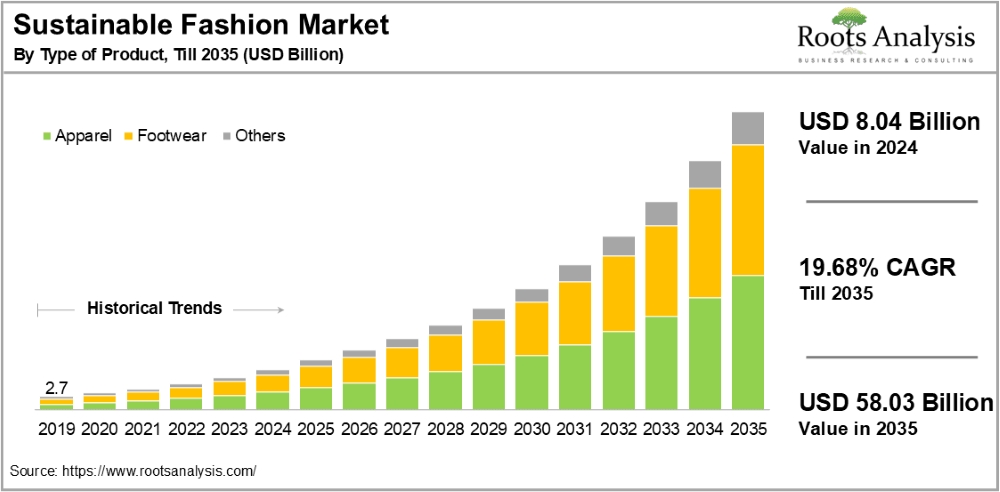
Research indicates that the personalized fashion market is experiencing steady growth, with many customers expressing a preference for items tailored to their individual style and needs.

2. Design as a Cultural Code and a Form of Communication

Custom design turns into a language that connects culture, emotions, and history. Each collection becomes the result of a dialogue between cultural traditions and the modern perception of beauty. Modern designers increasingly work with ethnic elements, combining them with current silhouettes and innovative fabrics.

This is how intercultural couture is born — a direction where cuts and ornaments from different eras are united in an aesthetic of global unity. Such synthesis strengthens the emotional perception of fashion and expands the audience of author brands.

3. Fashion Entrepreneurship: Fashion as a Business with an Idea

The new era requires a designer not only to be creative but also to have entrepreneurial thinking. A successful fashion designer today is a manager, marketer, strategist, and visual philosopher.

According to McKinsey (2025), independent designer brands have gained significant traction in recent years, reflecting a broader shift towards consumer preference for brands that emphasize real personalities and transparent values.

Author ateliers, workshops, and small studios are becoming the foundation of the new fashion economy — an economy of trust. The customer pays not only for the item itself, but also for confidence in its origin, quality, and meaning.

From Workshop to Brand: How Custom Design Becomes the Language of Contemporary Fashion

Photo Courtesy: Root Analysis

4. Innovation as a Tool of Couture Production

Technology has ceased to be the opposite of craftsmanship — it has become its ally. 3D modeling, digital patterns, virtual fitting rooms, and intelligent CRM platforms help ateliers create impeccable service.

According to Deloitte (2024/2025), luxury‑class boutiques are increasingly integrating digital tools—such as AI, data analytics, and omnichannel technologies—to enhance precision, speed, and efficiency in both customer experience and operations. Rather than rejecting tradition, innovation in couture is enabling brands to reinterpret craftsmanship through technology and adapt to evolving consumer expectations.

5. Emotional Connection as the Foundation of a Brand

The phenomenon of emotional branding becomes a determining factor of success. Modern clients choose not a product, but a story associated with emotions — inspiration, trust, dream.

“Research suggests that a significant portion of luxury buyers are influenced by emotional connections with brands. This highlights the importance of fostering meaningful engagement and connection, rather than relying solely on traditional marketing strategies.

6. Slow Fashion and Sustainable Production

Sustainability is becoming an integral part of design. More and more brands work according to the principles of slow fashion — they create small collections, use eco-friendly materials, and revive the culture of long-term wear. Such a model forms a new aesthetics — conscious, respectful of labor and of nature.

Fashion once again becomes part of a harmonious world, where beauty is born from responsibility.

From Workshop to Brand: How Custom Design Becomes the Language of Contemporary Fashion

Photo Courtesy:  Coherent

7. The Human Factor and the Transmission of Craftsmanship

One of the most important aspects of couture remains continuity. Handwork, accumulated knowledge, and a subtle sense of fabric cannot be replaced by algorithms. Small workshops preserve unique technologies that form the foundation of global fashion culture.

Passing on craftsmanship to young designers becomes not merely training, but part of cultural heritage. This preserves the balance between tradition and innovation that keeps the fashion industry alive and human.

Conclusion

Modern fashion is a symbiosis of craftsmanship, technology, and emotions. Personalization, ethics, and digitalization form a new type of fashion entrepreneurship in which each collection is a dialogue between culture and personality.

From atelier to international brand, the path is built on respect for the client and the pursuit of excellence. Fashion ceases to be just a business — it becomes a language of communication between a person and the world.

Sources

  • Statista. Personalized Fashion Market Growth Report. 2025.
  • Vogue Business Intelligence. Global Cultural Design Report. 2025.
  • McKinsey. Independent Fashion Brands Outlook. 2025.
  • Deloitte. Fashion Tech and Digital Couture Review. 2024.
  • Harvard Business Review. Emotional Engagement in Fashion. 2025.
  • PwC. Global Fashion Sustainability Report. 2025.

Operational Efficiency in FinTech: How Process Innovation Enhances Financial Resilience

By: Polina Semina. FinTech Project Manager.

Abstract

This article analyzes the impact of process innovations in management on the efficiency of companies in the financial technology (FinTech) sector. Key areas of operational optimization—automation, data analytics, and digital transformation—are examined as tools for improving business profitability and resilience. Based on data from McKinsey, Deloitte, and Statista, it is shown that companies that systematically implement process innovations demonstrate up to 35% higher operating margins and up to 40% shorter product implementation cycles compared to traditional financial institutions.

Introduction

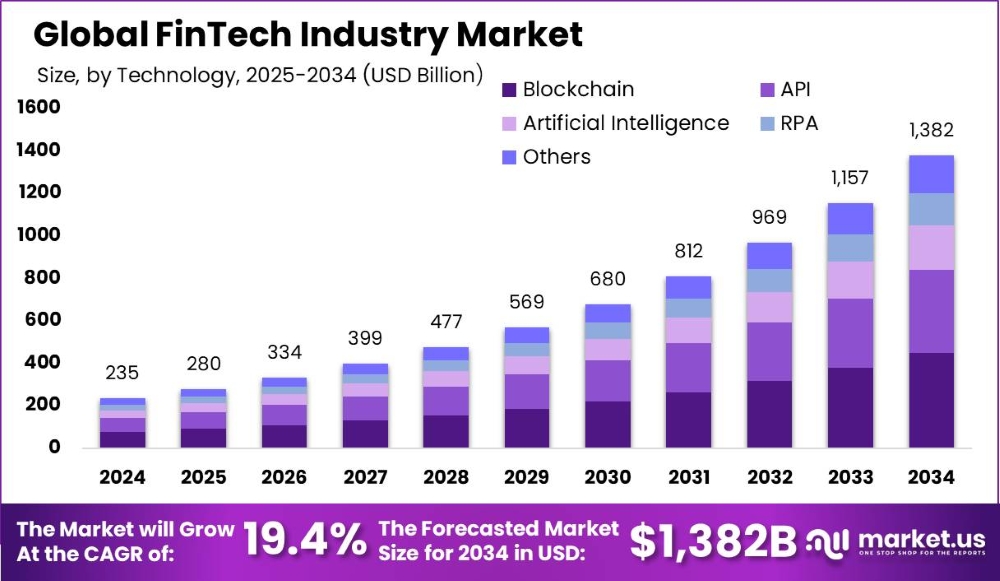
The modern FinTech industry has radically transformed global finance by integrating technology, analytics, and customer-centric approaches. According to McKinsey (2024), the total revenue of the global FinTech market has exceeded $340 billion, with an average annual growth rate of 17%. However, behind this rapid expansion lies a key factor—operational efficiency. Without a well-structured system of business processes, digital expansion can lead not to development but to chaos, increased costs, and regulatory risks.

In an unstable economic environment, FinTech companies face intensifying competition, stricter data security requirements, and growing customer expectations regarding service speed and quality. Therefore, operational efficiency becomes not just a tool for optimization but a foundation for long-term business resilience and scalability.

Operational Efficiency in FinTech: How Process Innovation Enhances Financial Resilience

Photo Courtesy:  Polina Semina (Global FinTech Operational Efficiency Index, 2020–2025)

Process Innovations and Digital Transformation

Process innovations are not merely the implementation of technologies but a complete rethinking of the company’s workflow structure. According to Deloitte (2023), 63% of FinTech companies have already implemented AI-based systems to optimize internal processes, risk management, and data analytics.

Robotic Process Automation (RPA) is used in more than 70% of digital banks, accelerating credit checks, compliance, and client onboarding. According to PwC (2024), automated management systems allow FinTech companies to process 60% more transactions without increasing staff size.

Digital transformation shifts the business model from the category of “cost reduction” to the category of “value creation.” The main goal is to increase the accuracy, transparency, and speed of decisions while maintaining process controllability.

Materials and Research Methods

The study uses comparative data from McKinsey, Deloitte, and Statista covering the years 2020–2025. Key efficiency metrics were examined: cost-to-income ratio (CIR), return on assets (ROA), level of automation, and employee productivity.
According to the summarized results:

  • Client request response time decreases by 30–40%;
  • Operating costs decrease by 20–35%;
  • Compliance accuracy increases by 25%;
  • Employee productivity increases by up to 45% when automated task distribution is implemented.

These data demonstrate a direct relationship between process innovations and the growth of a company’s financial efficiency.

Results and Discussion

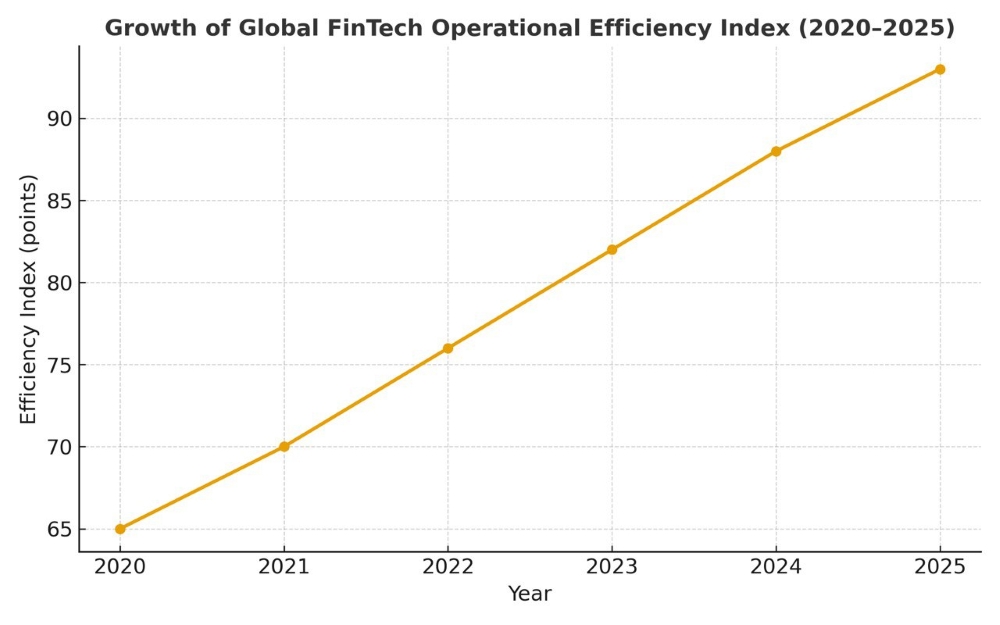
Figure 1 shows the growth of the global operational efficiency index of FinTech companies from 2020 to 2025. During this period, the integration of automation, artificial intelligence, and digital systems led to a significant improvement in profitability and stability metrics.
The effect is especially pronounced in companies where innovations are implemented systematically—not as temporary projects but as part of strategic management. Such organizations show, on average, 35% higher operating margins, implement new products 40% faster, and demonstrate resilience to market fluctuations.
In addition, the development of FinTech stimulates the transformation of the financial sector as a whole: traditional banks actively adopt technological solutions, create their own startup hubs and innovation laboratories.

Operational Efficiency in FinTech: How Process Innovation Enhances Financial Resilience

Photo Courtesy: market.us

In recent years, the FinTech sector has become one of the most dynamic platforms for the implementation of innovative managerial solutions. Companies strive not only to increase operational efficiency but to build holistic digital ecosystems in which every process is measurable, scalable, and controllable in real time. This is reflected in the growth of the global operational efficiency index, which, according to Deloitte and PwC, increased by almost 40% over the period from 2020 to 2025.

One of the key factors of transformation is the integration of artificial intelligence and machine learning technologies into business processes. More than 60% of FinTech companies already use AI tools for data analysis, forecasting customer behavior, and automating operational decisions. Such digital transformation makes it possible not only to reduce costs but also to build more resilient risk management models.

Another important area is the development of a culture of continuous improvement. In modern FinTech companies, operational efficiency is viewed not as a one-time goal but as a constant process of adaptation. The use of Agile and Lean principles helps form flexible management structures in which decisions are made based on data and real-time feedback.

In addition, increasing attention is being paid to the human factor. The efficiency of digital systems directly depends on the qualifications of personnel and their ability to manage change. Companies invest in training programs, digital simulators, and corporate universities that allow employees to develop skills in strategic analysis and technological thinking.

Overall, it can be noted that the sustainable growth of the FinTech industry is determined by the synergy of technologies, competent management, and the high adaptability of corporate structures. Companies that have managed to combine these three areas not only increase efficiency but also form new standards of doing business at the global level.

Conclusion

Operational efficiency is becoming the main competitive advantage in the FinTech market. Process innovations make it possible not only to increase productivity and reduce costs but also to build a long-term development strategy.

Companies that implement a systematic approach to optimization demonstrate resilience, flexibility, and the ability to adapt to change. In the coming years, the key success factor will be not simply the use of technologies but the ability to integrate them into strategic management and corporate culture.

References

  1. McKinsey & Company. FinTech Efficiency Benchmark 2024. — McKinsey, 2024.
  2. Deloitte. Global FinTech Industry Report 2023. — Deloitte Insights, 2023.
  3. PwC. Digital Transformation Index: Financial Services Sector 2024. — PwC Global, 2024.
  4. Statista. FinTech Market Data 2025. — Statista Research Department, 2025.
  5. Accenture. The Future of Financial Operations. — Accenture Strategy, 2023.

Flu Cases Surge Across New York As Hospitalizations Spike Ahead Of The Holidays

New York is entering the heart of the holiday season under mounting public health pressure as influenza hospitalizations climb sharply across the state. Data from the New York State Department of Health shows a rapid week-to-week increase in flu-related hospital admissions, with roughly 1,400 hospitalizations reported in the most recent update, representing an increase of about 75% compared with the previous week. Health officials say the numbers confirm that flu is now prevalent statewide, arriving earlier and spreading faster than many seasonal patterns would normally predict.

The surge is already being felt in emergency rooms and inpatient units, particularly as hospitals balance flu cases alongside other winter respiratory illnesses. While flu activity tends to rise in December, the speed of this increase has raised concerns about capacity and staffing during a period traditionally strained by travel, gatherings, and weather-related disruptions.

Why Are Flu Hospitalizations Rising So Quickly In New York?

Several factors are converging to drive the current spike. One is timing. This flu season began earlier than usual, with widespread transmission established before Thanksgiving. That early momentum has carried into December, allowing the virus to circulate widely before many people adjusted their routines or took preventive steps associated with peak flu months.

Another factor is the dominant strain circulating this season. Public health surveillance indicates that influenza A strains linked historically to higher hospitalization rates are accounting for a large share of cases. These strains tend to spread efficiently in indoor settings and are more likely to cause complications among older adults, young children, and people with underlying health conditions. As a result, a greater percentage of infections are translating into hospital admissions rather than remaining mild.

Behavioral patterns also play a role. Colder weather pushes more activity indoors, increasing close contact in workplaces, schools, transit systems, and homes. Holiday events further amplify that exposure. Family gatherings, shopping crowds, and seasonal travel create ideal conditions for respiratory viruses to move quickly between households and communities.

What Do The Latest New York State Health Numbers Show?

According to the New York State Department of Health, influenza is now classified as prevalent across all regions of the state. Surveillance data collected through late November and early December show tens of thousands of laboratory-confirmed flu cases reported so far this season, with all 62 counties affected. Hospitalizations have nearly doubled over recent reporting periods, a signal that the illness is not only spreading but doing so with enough severity to require medical care.

In New York City, flu-related illness has accounted for a growing share of emergency department visits, reflecting broader statewide trends. Regional data suggests that some counties are experiencing sharper increases than others, but no area is unaffected. Health officials emphasize that these figures likely underestimate total infections, since many people with mild symptoms do not seek testing or treatment.

The concern is less about a single week’s spike and more about the trajectory. If hospitalizations continue rising at the current pace through late December and early January, hospitals could face sustained pressure during a time when staffing levels are often reduced due to holidays.

How Could This Flu Surge Affect Schools And Holiday Plans?

Flu Cases Surge Across New York As Hospitalizations Spike Ahead Of The Holidays

Photo Credit: Unsplash.com

Schools are among the most immediate pressure points. Flu spreads efficiently in classrooms, particularly among younger children who may not consistently follow hygiene practices. As case counts rise, schools may see higher absentee rates among students and staff, potentially disrupting schedules in the final weeks before winter break or shortly after the new year.

Holiday gatherings present a different challenge. Multigenerational events bring together people with varying levels of vulnerability, increasing the risk that flu spreads from those with mild symptoms to relatives more likely to develop complications. Health officials have cautioned that even short indoor gatherings can be enough to transmit the virus when community spread is high.

Travel adds another layer of risk. Airports, trains, and buses concentrate large numbers of people in enclosed spaces, making them efficient channels for virus transmission. For New York residents traveling in or out of the state, this raises the likelihood that flu cases will continue to circulate well into January.

Which Groups Face The Highest Risk Right Now?

While flu can affect anyone, current hospitalization data points to heightened risk among older adults, young children, pregnant individuals, and people with chronic conditions such as heart disease, asthma, or diabetes, these groups are more likely to experience severe symptoms, pneumonia, or complications requiring hospitalization.

Healthcare providers across New York have reported that some patients are delaying care, assuming symptoms will pass on their own. Officials warn that waiting too long can increase the risk of complications, particularly for high-risk individuals. Early medical evaluation can be critical in reducing the severity and length of illness.

What This Means For New York’s Health System

The rapid increase in flu hospitalizations is testing hospital preparedness at a sensitive time. Winter weather already complicates staffing and logistics, and the holidays reduce flexibility in scheduling. While hospitals routinely plan for seasonal flu, the current pace of increase requires close monitoring to ensure beds, supplies, and personnel remain available.

State health officials have emphasized coordination with hospitals to track capacity and manage surges. The goal is to prevent localized strain from escalating into broader system stress, especially if flu activity continues to rise alongside other respiratory viruses.

How This Flu Season Compares To Recent Years

Compared with recent flu seasons, the current pattern stands out for its early acceleration. In some previous years, flu hospitalizations peaked later in winter, giving health systems more time to adapt. This season’s earlier surge compresses that timeline, creating challenges sooner than expected.

While it remains unclear how high hospitalizations will climb, officials note that early prevalence often correlates with a longer season rather than a shorter one. That raises the possibility that elevated flu activity could persist into the first months of the new year.

For now, the data paints a clear picture. Influenza is spreading rapidly across New York, hospitalizations are rising at a notable pace, and the timing coincides with increased social contact during the holidays. Health officials continue to monitor trends closely, warning that the next few weeks will be critical in determining how heavy the burden becomes for communities and hospitals statewide.

Murphy and the Grandmas: Purple Coats, Warm Soup, and One Very Loved Little Boy

By: Arthur Brown

On weekday mornings in the big city, a small boy with sunbright laughter pulls on his shoes and reaches for his grandmother’s hand. On Sundays, that same boy is tugging a purple coat toward a forest path where a river runs fast and silver. This is Murphy’s world, and in Geri LoGiacco’s children’s book Murphy and the Grandmas, it is a world stitched together by two grandmothers, two cultures, and one steady truth: that love can grow when it crosses generations.

Murphy is almost three. He calls one grandmother “Grandma MaaMaa,” and the other “Purple Grandma.” The names are perfect.

When the family first asked him whether Geri was the “White Grandma” or the “Chinese Grandma,” Murphy looked puzzled. Those labels made no sense to him because, in his world, both women lived in the same category: Grandma. No hierarchy, no difference, just love. So he reached for the detail he recognized, the bright purple coat she often wore, and that became her name. “Purple Grandma” wasn’t about color or culture. It was simply the clearest way a little boy could say, This is my grandma, too.

Catherine Lam, Grandma MaaMaa, holds the city days, the preschool drop-offs, the park swings, the warm bowls of soup that say I see you, I want you strong. “My word is soup,” she laughs, explaining how she tucks care and nutrition into every spoonful for her picky little grandson, who still slurps it happily. “It is the one thing that keeps him energized so he can keep running and jumping all the time.”

On weekends, Murphy’s world tilts toward mountains. Purple Grandma, Geri, leads him down a pine-soft path to a river where minnows cloud the shallows and salmon return to spawn. “We just really love the outdoors,” Geri says. “The forest is my church.” With bare feet on a wooden floor, they dance to 70s rock after bacon and blueberry pancakes, they whisper to owls, they throw leaves and see what floats. “It is the simplest things,” she says, “that give you the most joy.”

That is the music of the book, too. The pages hold tiny rituals, a slide and a “wee, wee,” a careful pause so minnows can keep their pool, a reminder to say “thank you” and “M Goi.” Nothing grand, everything true. In a season that can tip toward noise, Murphy and the Grandmas is a quiet invitation to notice what actually binds a family together—time, presence, and the stories we repeat until they become home.

The family itself is joyfully blended. Geri was born in French Canada, so her holiday table carries tortière along with cookies and a tall tree. Catherine keeps the Chinese side of the calendar alive, with New Year gatherings with a big, busy clan, visits to the cemetery to honor ancestors, and children learning names and faces until cousins feel like extra brothers and sisters. “I introduce Murphy so he knows everybody,” Catherine says. “He remembers the names, he holds hands, he cares if people are happy.”

If you ask Murphy what his favorite things are, he answers like a boy who belongs to both places. With Grandma MaaMaa, there is swimming, city parks, and yes, the soups. With Purple Grandma, there is the long walk to the river and the fish. “They were happy,” he chirps, remembering how they moved with the current. Ask about the holidays, and his eyes go straight to the presents, which is exactly right for a child this age. The adults grin and let that be, because the point is not to push him toward meanings before he is ready. The point is to fill his days with the kind of love that becomes meaningful later on.

“Intense” is how Geri describes her bond with her grandson. “I love him so much I could eat him up.” Catherine’s word is simpler and somehow just as big: “Soup.” Between those two words sits the whole thesis of this story: love can be spiritual and silly, poetic and practical, a purple coat at the river, a steaming bowl on a Tuesday. Together, they form a net that will support Murphy for the rest of his life.

Holiday pieces often ask for a lesson. This one offers something gentler. You feel it when Geri remembers reading The Night Before Christmas to her kids every year, and now again with Murphy. You feel it when Catherine talks about time as the real gift, how not every grandparent can be nearby, how she is grateful that she can see him, drive him places, share the everyday. You feel it when Murphy’s parents step in near the end of the interview. His mother says she sees her own childhood reflected in the way her mom cares for him, only “maybe even more” now, having learned along the way. His father hopes the smell of a good soup in a restaurant will always send Murphy back to these early years, that a hike will carry the sound of the river, that he will be able to “reflect on those moments” when he is older.

Geri wrote the book to preserve those moments before they went blurry. She wanted a place where the two cultures could sit side by side without explanation, where a little boy could be exactly who he is, loved “extra,” as she puts it, because he gets two grandmothers, not one. She wanted parents and grandparents across the country to recognize themselves, the park bench, the clink of teacups, the warm kitchen where an elder shows love through food. “Grandparents do not need to spend a lot,” she says. “They just need to be with them, to spend time.”

In the book’s sweetest scene, Murphy sets up a tea party with both grandmas. He serves green tea and black tea, splits the plate between sticky buns and banana bread, and raises a cup with a tiny “Cheers.” He hugs both women with sticky fingers and a wide grin, and he says the most perfect sentence a child in a home like this can say, “M Goi, I love you.” That is the holiday message, sincere and small, the way real life is. It is also why the book feels like a beautiful gift in December, not because it is marketed that way, but because it reads like a family card you can keep on a shelf.

Ask each grandmother what she most wants Murphy to remember years from now, and the answers sit side by side like ornaments on one branch. Geri says, “that he was deeply, deeply loved from the minute he was born, and that he gave us so much joy.” Catherine says, “be happy and healthy,” and you can hear the practical tenderness of a caregiver who has walked him to preschool, zipped his coat, and watched him race toward the slide. Between those hopes is a boy who will grow up bilingual in love.

There are larger ideas here, too. Families like this one are everywhere, multiracial, multi-tradition, full of different recipes and calendars, different ways of saying hello and thank you, and the same way of saying I love you. The book does not argue for that; it just shows it. A purple coat on a winter path, a bowl that tastes like home, a boy who learns to name owls and also to say “M Goi.” In a season that teaches us to gather, Murphy and the Grandmas is a reminder to gather the small things first. If you are looking for one meaningful present that feels like a hug for a grandparent or a young family, this is it, a story you can read aloud this year and the next, until the words become your own.

Murphy and the Grandmas: Purple Coats, Warm Soup, and One Very Loved Little Boy

Photo Courtesy: Geri LoGiacco
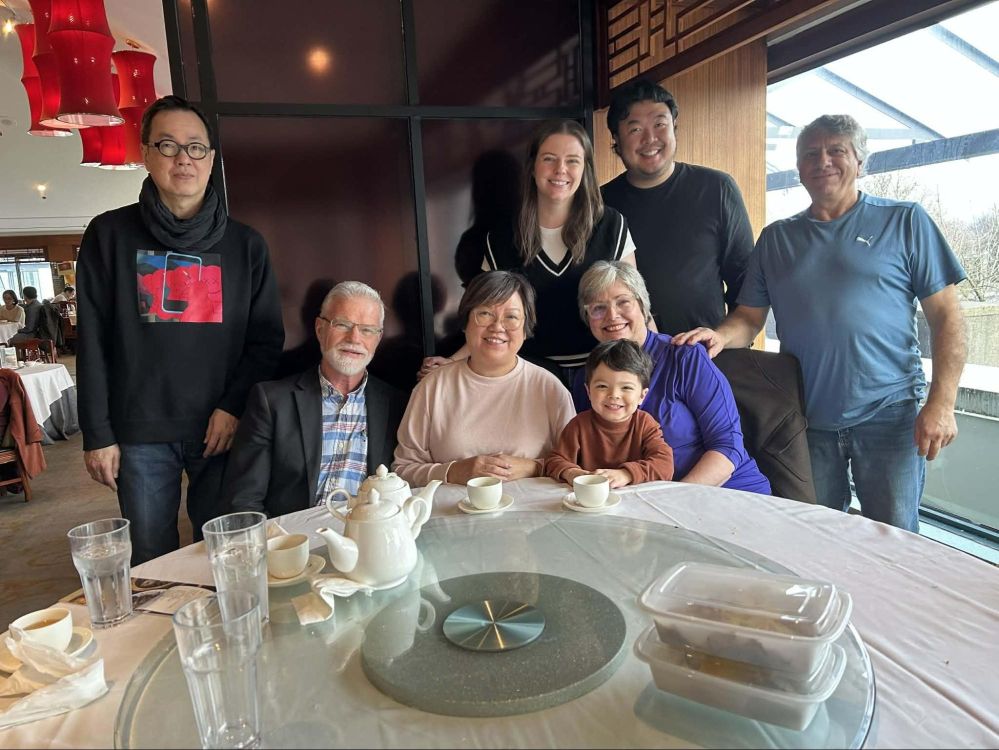
The family gathered around Murphy, parents, grandparents, and loved ones sharing a meal, a moment, and the traditions that shape their story.