Things to Know Before You Enter Your Outdoorys Era

There’s a particular moment when it starts. Maybe it’s standing in a city park thinking, I should probably leave the pavement more often. Maybe it’s a photo of someone holding a mug on a mountain, looking suspiciously calm. Or maybe you’ve just realised that being indoors all the time feels a bit… flat.

Welcome to your Outdoorys era.

Before you buy the boots, plan the sunrise hikes, or declare yourself a “nature person,” there are a few things worth knowing. Not the gatekeepy stuff. The real stuff. The things that make the difference between actually enjoying the outdoors and quietly wondering why everyone else seems to love it so much.

If you’re figuring out how to start exploring the great outdoors, this is where to begin.

You Don’t Need to Reinvent Your Personality

The outdoors has a branding problem. It can feel like you need to become someone new: ultra-fit, extremely organised, owns a Patagonia jacket, knows how to identify moss by touch.

You don’t.

Liking the outdoors doesn’t require abandoning who you are. You can love walking slowly. You can stop often. You can take photos of leaves. You can complain about the wind and still enjoy being outside. There is no personality test at the trailhead.

Start as yourself. Nature is surprisingly accommodating!

“Outside” Doesn’t Mean Remote or Extreme

A common mistake when learning how to start exploring the great outdoors is assuming it only counts if it’s dramatic. Mountains, wild camping, long-distance trails, untouched wilderness.

In reality, most people fall in love with the outdoors somewhere very ordinary:

  • a local footpath you didn’t realise connected to a field.
  • a woodland loop you can do in under an hour.
  • a coastal walk that ends at a café.

The goal isn’t distance or difficulty. It’s noticing that your body and brain feel different when you spend time outside. That can happen ten minutes from home.

The First Few Times Might Feel… Awkward

This doesn’t get talked about enough.

Your early outdoor attempts might feel oddly uncomfortable. You might be hyper-aware of your body, your breathing, your pace. You might wonder what you’re meant to do once you’re out there. You might feel bored, then restless, then calm, then bored again.

That’s normal.

We’re not used to unstructured time without screens. The outdoors asks you to sit in that discomfort for a bit. If you let it, something usually shifts – but it doesn’t always happen instantly.

Give yourself permission to feel a bit strange at first.

Weather Matters, but Not in the Way You Think

Yes, the weather matters. But not because you need perfect conditions.

You don’t need blue skies to enjoy the outdoors. Some of the best walks happen under grey clouds, light rain, or that soft, muted weather where everything feels quieter. What does matter is being dressed appropriately enough that the weather isn’t the only thing you can think about.

Warm layers. Waterproofs. Comfortable shoes. That’s it.

Once you’re not actively cold or soaked, you’ll be surprised how much weather fades into the background.

You Don’t Need All the Gear (And Most People Buy Too Much)

There’s a temptation to “prepare” for the outdoors by buying things. Lots of things. This often leads to owning expensive equipment and still not going outside.

Start with what you have.

  • Shoes you can walk in comfortably.
  • Clothes you don’t mind getting muddy.
  • A bag for water and snacks.

As you spend more time outside, you’ll naturally notice what would make things easier or more enjoyable. Let experience guide your purchases, not aesthetics.

The best kit is the kit that gets used.

Walking Slowly Is Not Failure

Somewhere along the line, outdoor culture got tangled up with productivity. Distance tracked. Elevation gained. Pace improved.

You don’t have to participate.

Walking slowly lets you notice things: how the ground changes, how the light moves, how your thoughts soften when you’re not rushing. If your walks don’t look impressive on a map, that doesn’t make them less meaningful.

If anything, slowness is the point.

It’s Okay if Your Outdoorys Era Looks Small

Your version of an outdoor life might be:

  • short evening walks.
  • sitting by water with a coffee.
  • wandering without a destination.
  • returning to the same place again and again.

That still counts.

The outdoors doesn’t need to be conquered, documented, or optimised. It just needs to be entered – gently, imperfectly, on your own terms.

If you’re curious about how to start exploring the great outdoors, start there. One step outside. No rebrand required.

Laser Welding Joins the Gig Economy Through On-Demand Metal Repair Services

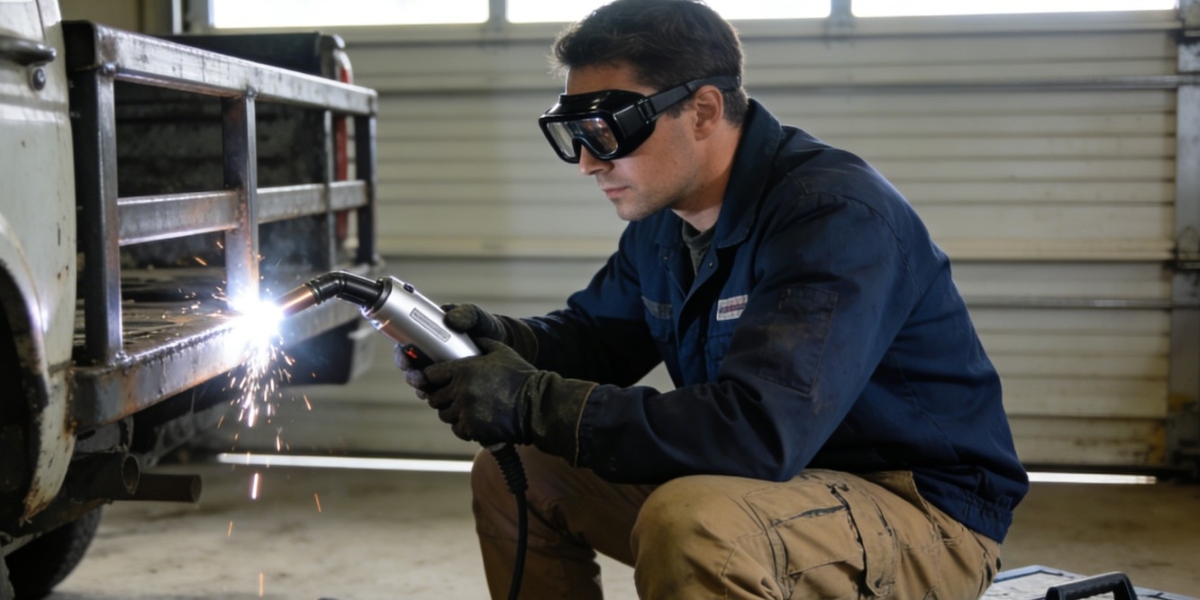
On-demand services are transforming traditional industries at a rapid pace, and metal repair is no exception. The smaller sizes of laser equipment that can be transported in a timely and efficient manner have increased the number of small operators and independent technicians who can offer mobile, task-specific welding and repair services. A portable fiber laser system is not limited to a permanent workshop or a big factory facility when it comes to metal repair. This trend may be justified in the Xlaserlab X1 Pro, which accommodates increasingly gig-based repair workers offering precision services to the customers.

The ability to provide prompt and quality metal repair wherever it is required has now become a competitive advantage, with the platforms and marketplaces still to pair skilled workers with short-term repair services. Portable lasers enable technicians to respond to service call-outs in automotive repair, industrial maintenance, fabrication, and equipment refurbishment. The emergence of the fiber laser repair service model may be viewed as an indication of the fact that individuals are being empowered by sophisticated tools to participate in flexible employment and on-demand work without necessarily having to invest much in infrastructure.

A small laser system fits particularly well in this environment. The X1 Pro combines welding, cutting, and cleaning in a 21 kg unit, enabling independent operators to deliver professional-level work on the job site. This transformation is shifting the mode of providing repair services, its cost and size, and bringing laser welding to the expanding gig economy.

On-Demand Metal Repair Adapts to Mobile Laser Technology

Traditional welding activities typically involve transporting broken parts to factories, which leads to downtime, logistics issues, and schedule delays. On-demand repair models aim to reduce these inefficiencies by dispatching a technician and equipment to the workplace. The evolution has also included portable laser technology, which has become central to this revolution, particularly for high-precision repairs where traditional welding machines cannot be used.

The built-in fiber laser welder in the X1 Pro enables them to repair numerous materials, including stainless steel, aluminum, copper, and nickel alloys. Field repair involves the use of materials of varying thicknesses that can be dealt with using fewer than one machine. This elasticity assists in expanded service delivery, such as structural repair and the restoration of component details.

The benefit of the fiber laser repair service approach is that it is less time-consuming than other supporting methods and requires fewer workflow steps. Automated beam control provides stable laser output and enables consistent results, even in dynamic working conditions. Low heat input reduces distortion, particularly during repair operations involving precision parts or fine materials. These qualities allow gig-based technicians to work at a professional standard in external workshops.

Laser Repair Work Expands Adaptable Business Models

Laser Welding Joins the Gig Economy Through On-Demand Metal Repair Services

Photo Courtesy: Xlaserlab

Gig-based services are also impacting the repair industry through the use of laser welding in the business. Instead of the long-term contract or services based on a fixed location, the technicians can now offer task-oriented repairs, emergency call-outs, or planned maintenance services on a per-job basis. Portable laser systems allow this flexibility and reduce overhead costs, and maximize service delivery.

Offering fiber laser repair services to most of its operators would enable them to provide multiple repair capabilities in a single visit. They can also be used on the same machine to weld, cut damaged parts, and clean surfaces, making service delivery easier. This performance will require technicians to handle heavier workloads in a single day and compete on fair rates without affecting quality.

The skill level of the tradespeople in independent work is also lowered by the availability of multifunctional laser systems. The machines required and space provisions enable technicians to establish operations with low start-up costs. This keeps the metal repair business going, where individuals may build customer bases through on-demand and local networks.

The Xlasserlab representatives have noticed that the X1 Pro is being incorporated into mobile and independent applications by a significant number of users. According to the company, the balance between portability and performance is a significant factor that technicians should consider, as it enables them to offer more than just classical welding and to retain control over the quality and duration of employment. It is among the greatest drivers of the adoption of laser tools in the gig economy.

Quality and Safety Standards of Mobile Laser Repair

As on-demand metal repair grows, there is a need to promote uniformity in quality and safety standards. The portable laser systems must be able to deliver high-quality output under most working conditions, materials, and environments. The X1 Pro fits these requirements, taking into account safety provisions and smart system controls.

Regarding performance, the fiber laser welder for repair production delivers a stable output, which helps achieve reproducible results. Automated calibration reduces the need for manual adjustment, as it is not always easy to make adjustments in the field. The system will help stabilize the lasers’ behavior, ensuring the repairs are of the required quality and durability.

The clients are becoming more demanding regarding the professional outcome of the repair, regardless of where it is located. Portable laser technology meets this expectation by offering clean welds, precise cuts, and surface preparation. As the fiber laser repair service model among technicians grows, quality consistency would be a differentiator that would foster long-term customer relationships and a positive reputation in the on-demand marketplaces.

About Xlaserlab

Xlaserlab is a global developer and producer of sophisticated laser products for welding, cutting, and surface cleaning. Its product line aims to provide small, multi-purpose systems that meet current production, maintenance, and repair requirements. The X1 Pro is a high-performance fiber laser with welding, cutting, and cleaning functions, available in a portable size for flexible operation.

Xlaserlab solutions are standard in automotive repair, industrial maintenance, fabrication, and independent service operations, providing professional-grade performance in both mobile and small-scale settings. The company is still ahead in laser technology that aligns with changing work models, such as on-demand and gig-based services.

Media Contact:

 Xlaserlab

 Website: www.xlaserlab.com

 Email: info@xlaserlab.com

Global Hemisphere Group and Founder Joyline Chai Signal a Shift Toward Execution-Driven ESG Leadership in 2025

Kuala Lumpur, Malaysia (Dec 17) – As ESG expectations move decisively from voluntary disclosure toward regulatory, investor, and supply-chain requirements, Global Hemisphere Group Sdn Bhd (GHG) has emerged in 2025 as a strategic ESG partner supporting executive leadership teams across Southeast Asia in translating sustainability obligations into structured, defensible business systems.

In 2025, Global Hemisphere Group received the SME Platinum Business Award, – Outstanding Professional Services, recognising the firm’s proven ability to deliver ESG advisory and sustainability capacity-building with measurable business relevance. The same year also marked significant personal recognition for its Founder, Joyline Chai, who was named among the “Top Ten Leaders in Sustainability & Environmental Consulting in Malaysia 2025.” Further strengthening this recognition, Joyline was honoured with the 2025 ESG Plus Award, Sustainability & Community Impact Leader (Social & Community Impact Award), acknowledging her leadership in delivering tangible environmental, social, and community outcomes through both corporate ESG strategies and grassroots initiatives.

A key milestone in 2025 was Global Hemisphere Group’s strategic collaboration with EXIN Asia, the regional representative of EXIN Holding B.V., aimed at expanding ESG professional certification, organisational capability-building, and audit-ready competencies across ASEAN. This collaboration addresses one of the region’s most pressing challenges: the shortage of technically credible ESG practitioners and systems as regulatory oversight intensifies.

Founded with the mission of making sustainability practical, credible, and value-driven, Global Hemisphere Group works across multiple sectors on ESG strategy development, gap analysis, implementation, and sustainability reporting. With operations spanning Kuala Lumpur, Penang, Johor Bahru, Ho Chi Minh City, and Hanoi, the firm supports corporates, SMEs, and institutions navigating increasingly complex ESG regulations, investor scrutiny, and supply-chain expectations.

What differentiates Global Hemisphere Group for senior leaders is its tailor-made, execution-focused approach. Rather than applying generic ESG templates, the firm designs bespoke solutions aligned to each organisation’s industry exposure, scale, risk profile, and regulatory context. These frameworks are reinforced through the integration of systems and AI-enabled tools, improving data integrity, monitoring, audit readiness, and ongoing compliance, a critical consideration for boards, CFOs, and risk committees.

“Our clients are not looking for ESG narratives; they are looking for systems that can stand up to scrutiny,” said Joyline Chai, Executive Chairman & CEO of Global Hemisphere Group. “As ESG becomes embedded in audits, financing decisions and supply-chain requirements, leaders need solutions that are customised, defensible and scalable over time.”

Beyond corporate advisory work, Joyline continues to contribute to national ESG ecosystem development as Vice President and Academy Chairperson of the ESG Association of Malaysia, supporting professional standards, executive education, and cross-sector collaboration involving industry, government-linked entities, civil society, and youth-driven initiatives.

As sustainability continues to evolve from a reporting exercise into a core management discipline, Global Hemisphere Group’s 2025 milestones reflect a growing demand for advisers who combine regulatory awareness, tailored execution, and digital intelligence in helping organisations strengthen resilience, manage risk, and position themselves competitively in a sustainability-driven economy.

About Global Hemisphere Group (GHG)

Global Hemisphere Group (GHG) is a Malaysia-based ESG and sustainability advisory firm committed to turning sustainability into real, measurable business impact. GHG works closely with corporates, SMEs, Public Listed Company and institutions by applying suitable international standards and frameworks in ways that are practical, credible, and aligned with local realities.

A key milestone for the firm is its Certification MoU with EXIN, enabling Global Hemisphere Group to strengthen ESG capability building across Malaysia and ASEAN through internationally recognised training and certification. This reflects GHG’s belief that true sustainability transformation begins with competent people, not just compliant reports.

Recognised with the ESG PLUS Award – Social & Community Impact, GHG continues to advance its mission to Create Sustainability, Impact Together.

Contact Line

For enquiries on ESG advisory, training, and implementation services, contact Global Hemisphere Group Sdn Bhd at info@the1esg.com

Robert Cain Announces the Forthcoming Release of His Anticipated Novel The Keeper

By: Angelica Burlaza

Author Robert Cain renews focus on sharing ‘The Keeper’, his debut novel about resilience, redemption, and personal transformation. Born from his own journey of rebuilding and renewal, Cain’s story inspires readers to embrace change, overcome adversity, and discover the strength to rise beyond life’s challenges.  

(Chicago, IL – December 2025) — Author Robert Cain has announced the forthcoming, expanded promotion of his debut novel, The Keeper, first released in March 2025. The novel introduces readers to a new series that examines resilience, transformation, and the power of personal growth. Cain’s announcement reflects his commitment to expanding awareness of the book and bringing its message to a wider audience.

The Keeper was written during a pivotal time in Cain’s life and serves as a creative reflection of perseverance and self-renewal. The novel’s narrative complexity and thematic foundation stem from Cain’s real-world experiences—his dedication to athletics, leadership, and personal redemption. He now continues to share his story through public outreach and renewed engagement with readers.

“‘The Keeper’ represents a part of me that I had to rebuild,” said Cain. “It began as a personal exercise but grew into a story about finding purpose again and understanding how challenges can reshape who we become.

Cain grew up in the northwest suburbs of Chicago as the youngest of five siblings. Raised by his mother, he spent much of his youth immersed in sports and training, especially martial arts. His commitment led him to achieve a mastery-level black belt, followed by six years as a martial arts instructor. Transitioning to hockey later in life, Cain advanced to elite levels, skating in AHL and NHL training camps and alongside members of the Chicago Blackhawks Alumni.

His background in athletics instilled discipline, focus, and drive; qualities that became essential amid his personal trials. After spending more than two decades growing cannabis, Cain was indicted in 2012 on federal charges of manufacturing and distribution. During his incarceration, he earned his GED and began drafting The Keeper, transforming his experience into a constructive outlet for reflection and storytelling.

Writing helped me find direction again,” Cain explained. “It gave me a chance to turn a difficult chapter into something meaningful. The Keeper became a symbol of that change.

Since its initial release, The Keeper has continued to build momentum among readers interested in narratives of endurance and redemption. The novel serves as both a standalone story and the first entry in a planned series that will further explore moral decisions, personal growth, and human resilience. Cain’s work combines elements of introspection, discipline, and courage, all of which are derived from his lived experiences.

Cain’s recent publicity efforts are part of a larger strategy to highlight the book’s themes and encourage discussion about self-reinvention. Future plans include additional outreach, virtual events, and engagement opportunities. His focus remains on connecting with readers and expanding the reach of The Keeper to new audiences.

Beyond writing, Cain remains active in athletics and mentoring. Married for thirty-five years to his wife, Carol, he is also a father of three children who each share his passion for hockey. In and out of the rink, he remains committed to the same values that define both his life and his writing: perseverance, learning from adversity, and rebuilding with integrity.

Through The Keeper and its forthcoming sequels, Cain aims to create a literary journey that mirrors his lifelong pursuit of growth and understanding. The project stands as both a personal achievement and a reminder of the capacity for renewal that defines the human spirit. Readers can get a copy from Amazon.

About Robert Cain

Robert Cain grew up in the northwest suburbs of Chicago as the youngest of five siblings. Raised by his mother, he developed a passion for sports and self-discipline at an early age. He earned a mastery-level black belt in martial arts before shifting his focus to hockey, where he competed at high levels, including AHL and NHL training camps, and skated with the Chicago Blackhawks Alumni.

After serving four years in federal prison following a conviction related to cannabis cultivation, Cain earned his GED and began writing The Keeper series. His writing centers on themes of redemption, endurance, and transformation. Cain and his wife, Carol, have been married for thirty-five years and have three children. He continues to live and write in the Chicago area.

Contact Information:

Contact Person’s Name: Robert Cain

Company Website: http://thekeeperseries.com/

Contact Email Address: bobcain88@yahoo.com

Discovery Bay, CA, US

Riders at Risk—Lafayette’s Growing Motorcycle Crash Toll

In Lafayette, motorcycles have always been part of the rhythm of the region—the weekend rides along farmland, the commute through familiar city streets, the sense of openness you simply cannot get behind a windshield.

But over the past few years, these rides have come with a growing layer of tension. More crashes are happening, and more riders are finding themselves suddenly dealing with injuries, insurance complications, and a long list of practical concerns. When that happens, the steady guidance of a Lafayette motorcycle accident lawyer can make an enormous difference in sorting out what comes next.

A Rise That Riders Feel Every Day

Lafayette’s growth has brought heavier traffic, and with it, more drivers juggling busy schedules, phones, and constant distractions. A split-second lapse—someone rolling through a stop sign, drifting across lanes without signaling, or assuming a motorcycle is farther away than it really is—is often all it takes for a rider to end up on the pavement.

Visibility remains a persistent challenge. Motorcycles simply disappear in blind spots, especially in congested areas or at dusk. And while people often assume crashes happen at high speed, many serious injuries happen in everyday situations: a left turn gone wrong, a lane merge that happens too quickly, a driver who misreads traffic flow. Throw in mechanical failures such as tire blowouts or worn brakes, and it becomes clear how many factors can collide at once.

The Legal Landscape That Shapes These Cases

Louisiana’s strict helmet rule is one of the clearest parts of the state’s motorcycle laws. Riders and passengers must wear properly fitted, DOT-approved helmets—a requirement that reduces the severity of head injuries but also plays a role in how insurers evaluate a claim.

Louisiana uses a pure comparative negligence system, which comes into play in almost every motorcycle accident case. Instead of blaming just one person, the law allows responsibility to be split among everyone involved. That means an injured rider can still pursue compensation even if they made a mistake themselves. The final amount just adjusts according to their percentage of responsibility.

This system has helped many riders avoid being completely shut out of financial recovery, especially when insurers attempt to lean on stereotypes about motorcyclists.

Community and State Efforts to Reduce the Toll

The rise in motorcycle crashes hasn’t gone unnoticed. Local organizations, law enforcement agencies, and state partners have rolled out a wide range of safety initiatives: advanced rider training programs, public awareness campaigns urging drivers to look twice, and classes that teach motorcyclists how to anticipate risky behavior in traffic.

Many of these programs emphasize visibility—reflective gear, smarter lane positioning, and nighttime precautions—because those small habits often make the biggest difference.

Moving From Crisis to Recovery

The aftermath of a motorcycle crash is messy in every sense. There are injuries that need immediate attention, treatments that stretch over months, and expenses that start accumulating long before an insurance claim is resolved. Many riders find the process overwhelming simply because they are balancing recovery with financial pressure and uncertainty about what comes next. Be sure to keep track of everything. In Louisiana, you usually only have a year to file a claim, so waiting too long could mean losing your chance to get compensated.

This is where having a good lawyer really helps. An attorney can challenge wrong assumptions, handle negotiations, and make sure all of a rider’s losses are properly recognized. For anyone in Lafayette going through this tough time, The Thibeaux Firm provides the guidance and support needed to move forward.

Disclaimer: The content of this article is provided for informational purposes only and should not be considered legal advice. The information presented does not create an attorney-client relationship and is not a substitute for professional legal counsel. If you are involved in a motorcycle accident or need legal assistance, it is advisable to consult with a qualified attorney to discuss the specifics of your situation.

Healthy Habits for a Sober Lifestyle

Choosing to live sober is a meaningful and powerful commitment, but sustaining sobriety is about more than simply avoiding substances—it’s about creating daily practices that encourage health and long-term well-being. As you build this new chapter, focusing on self-care, structure, and supportive relationships can be transformative. For anyone starting or continuing their journey, finding comprehensive support resources can make all the difference. You can read more about practical approaches to recovery and habit-building.

Embracing sobriety means making intentional choices each day that nurture your mind, body, and spirit. Whether you’re just beginning or reaffirming your commitment, developing positive habits will not only help prevent relapse but can also lead to greater fulfillment, self-confidence, and resilience. Building this strong foundation is essential for anyone seeking lasting change.

Prioritize Physical Health

Commit to moving your body regularly through activities such as walking, cycling, yoga, or swimming. Exercise is proven to elevate mood by boosting endorphins and reducing anxiety, making it a foundational healthy habit for those in recovery. Alongside physical activity, adopting a balanced diet full of lean proteins, vegetables, fruits, and healthy fats helps replenish your body and mind—both of which can be depleted by substance use.

Equally essential is keeping your body hydrated and maintaining adequate sleep. The right balance of water and rest clarifies thinking, refreshes your energy, and contributes to overall emotional equilibrium. Developing these practices can help minimize common triggers for relapse, such as fatigue and irritability.

Establish Structured Routines

Routine creates a sense of stability and order that’s particularly valuable in recovery. Use calendars, daily planners, or simple to-do lists to form predictable patterns that reduce stress and empower decision-making. Beginning each day with a consistent morning routine—such as stretching, meditation, or goal-setting—can foster motivation and a hopeful mindset. Evenings are equally important; activities like journaling, reading, or reflecting on successes cue the body and mind to wind down, which directly benefits sleep quality. The predictability of structured routines also supports accountability, making it easier to follow through on commitments and recognize personal growth over time.

Nurture Mental and Emotional Well-being

Caring for your mental and emotional health is every bit as important as physical care. Mindfulness techniques, such as meditation or deep breathing exercises, are effective for managing cravings and cultivating emotional resilience. Journaling can help you process difficult emotions and document progress in sobriety. Additionally, make time for self-care activities—such as taking a relaxing bath, listening to music, or connecting with nature—that help you recharge and practice self-compassion. If you notice ongoing challenges with mood or mental health, don’t hesitate to seek support from a licensed counselor or therapist.

Build a Supportive Social Network

Surround yourself with friends, loved ones, and peers who respect and encourage your sobriety. Positive social support increases your chances of sustained recovery and provides emotional safety. Programs such as 12-step meetings or support groups offer structured environments for connection and accountability. Sharing your journey and listening to others’ experiences fosters a sense of belonging and shared understanding, both of which are critical for resilience.

Engage in Meaningful Activities

Finding purpose is a key component of a fulfilling sober life. Revisit old interests or try something new; creative pursuits like painting, learning a musical instrument, or gardening can bring joy and reduce the risk of boredom—an often-cited relapse trigger. Volunteering in the community also builds a sense of meaning and perspective while helping reinforce your positive identity.

Practice Mindful Nutrition

Substance use often disrupts healthy eating patterns, which can be gradually restored through mindful nutrition. Plan meals that emphasize variety, balance, and natural ingredients. When eating, slow down and savor your food, paying attention to hunger cues; this mindful approach can repair your relationship with food and improve digestion. As noted in Healthline, this practice may also reduce stress-eating and help prevent the weight fluctuations common during early sobriety.

Ensure Adequate Sleep

Restful sleep restores your mind and body and is particularly important in recovery, as substance use can disrupt normal sleep cycles. Stick to a regular bedtime, wind down with calming activities—avoid screens before bed—and create a quiet, dark sleep environment. Strategies such as meditation, deep breathing, or reading before bed can help signal your body that it’s time for rest. Prioritizing sleep greatly improves emotional regulation, decision-making, and your ability to handle stress.

Stay Hydrated

Water is often overlooked, but it is vital for well-being. Dehydration can worsen fatigue and cloud thinking, making it harder to handle cravings or stressful feelings. Begin your day with a glass of water and keep a reusable water bottle within reach to remind yourself to drink throughout the day. Good hydration also helps detoxify the body and support brain function, both of which are important for sobriety.

Establishing these healthy habits can transform your recovery experience, helping you feel stronger, more balanced, and more connected to the best version of yourself. With the proper support, structure, and self-care practices, it’s possible to build a life that thrives in sobriety and beyond.

Disclaimer: The information provided in this article is intended for general informational purposes only. It is not intended to substitute for professional advice, diagnosis, or treatment. Always seek the advice of your physician or qualified health provider with any questions you may have regarding a medical condition or health concerns.

A Return to Purpose: How One Brand Is Reframing Women’s Wellness and Feminine Care

In a cultural moment where conversations about gender, womanhood, and identity are increasingly complex, the feminine-care industry finds itself at the center of an unexpected debate. Many long-established brands have shifted their language toward gender-neutral terminology, moving away from explicitly referencing women in an effort to adopt broader inclusivity.

But this change has also raised concerns from some consumers who feel the move dilutes the acknowledgment of biological womanhood — especially in an industry created specifically to support the female body. As the landscape shifts, a growing segment of women is seeking clarity, identity-specific representation, and products that prioritize both safety and intention.

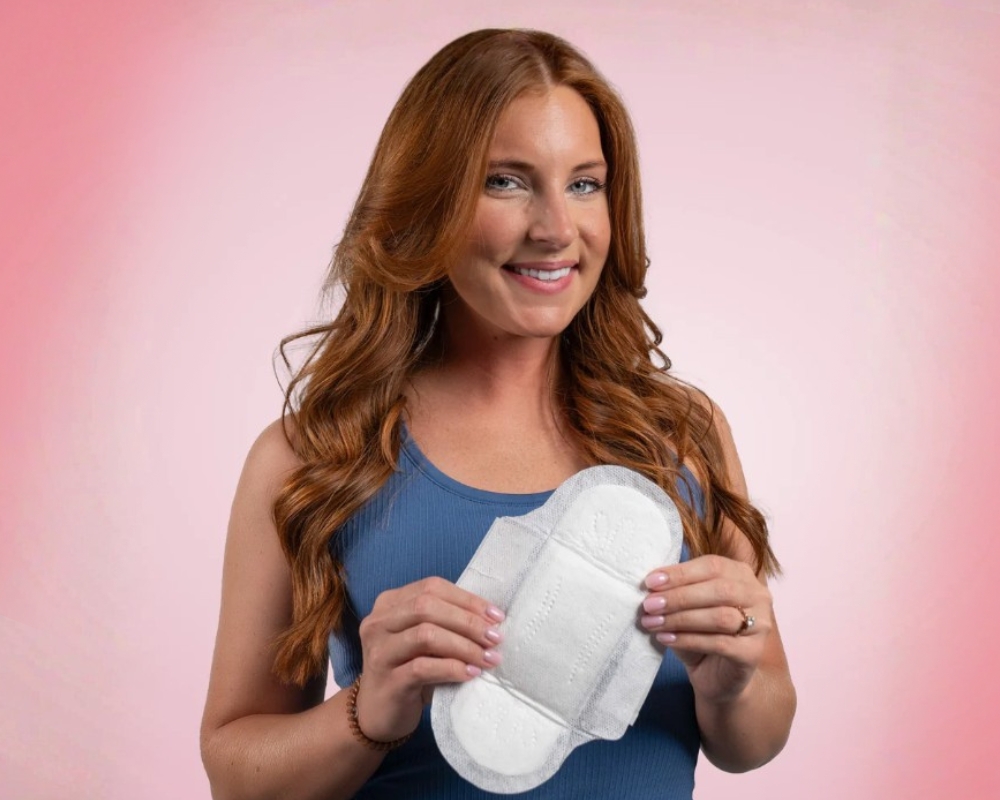
One emerging brand is stepping directly into this conversation: EveryLife Women, a new venture from EveryLife, best known for its pro-family diaper line. The brand is positioning itself within a rapidly growing category of non toxic period products, emphasizing clean ingredients and purpose-driven messaging.

A Push Toward Cleaner, Safer Ingredients

Consumer demand for transparency has surged across the feminine-care market. Shoppers are paying closer attention to what products are made of — particularly those used in the most sensitive areas of the body.

Search trends and retail data show significant growth in interest for:

  • 100% organic tampons and pads

Natural, organic materials have gained significant traction among consumers looking for better alternatives to traditional mass-market options.

EveryLife Women enters the category with products developed using these consumer priorities as guideposts — particularly the demand for safe feminine hygiene products that avoid unnecessary additives or harsh chemicals.

A Brand Rooted in a Distinct Perspective

While many feminine-care brands have shifted their messaging toward gender-neutral terminology, EveryLife Women takes the opposite approach. The company positions its products within a framework that affirms biological womanhood as distinct and purposeful — a stance that sets the brand apart in a category that has largely moved in a different cultural direction.

The company’s founder, Sarah Gabel Seifert, has been vocal about this positioning. In discussing the brand’s launch, she explained:

“The very industry meant to care for women’s bodies now participates in erasing the beauty of God’s design — the sacred reality of a woman’s womb, created to carry and protect life, her God-given purpose.”

For supporters of this perspective, EveryLife Women represents a return to language and product design that clearly acknowledges women as the intended users of menstrual-care items. 

For critics, it raises questions about the intersection of identity, marketing, and cultural change, underscoring the broader debate unfolding across the wellness and personal-care industries. 

Meeting Demand for Purpose-Driven Innovation

A Return to Purpose: How One Brand Is Reframing Women’s Wellness and Feminine Care

Photo Courtesy: EveryLife

Beyond messaging, EveryLife Women aims to align itself with growing demand for ingredient integrity. The brand’s tampons and pads prioritize materials such as organic cotton – mirroring key consumer trends in the marketplace.

Industry analysts note that Gen Z and Millennial consumers — the largest buyers of menstrual products — increasingly seek out organic feminine care and cotton pads for sensitive skin not only for health reasons but out of environmental concern as well. This shift has helped fuel rapid growth in the clean period-care segment over the past five years.

EveryLife Women’s entry reflects this larger movement, tapping into the momentum behind responsible menstrual products that blend performance with conscious material choices.

A Cultural Conversation Beyond Products

What makes EveryLife Women noteworthy is not only its ingredients but the cultural conversation surrounding its launch. The company’s viewpoint — that womanhood carries inherent meaning and should be acknowledged explicitly — stands out in a category where many competitors avoid gendered language altogether.

This perspective appeals to consumers seeking products that align with their deeply held beliefs about identity, faith, and design. At the same time, it positions the brand as a countercurrent in a rapidly evolving industry.

Whether one agrees with EveryLife Women’s stance or not, its emergence reflects an undeniable shift: feminine care is no longer just a product category. It has become part of a broader cultural dialogue about biology, identity, purpose, and the language we use to describe women.

A Brand Poised to Shape a Growing Market Segment

As the market for clean, non-toxic period products continues to expand, brands that can combine high-quality materials with clear values are resonating strongly with consumers. EveryLife Women appears ready to play a role in this next era of organic, hypoallergenic pads and chemical free tampons, while also contributing its voice to the ongoing conversation about how womanhood is understood and honored in modern society.

Where feminine care intersects with cultural identity, ingredient safety, and faith-informed values, EveryLife Women is carving out a distinct path — one that underscores the belief that honoring women begins with how we care for their bodies.

Long Island’s Ramen Moment Puts New York on the National Food Map

For decades, New York’s food identity has been defined by staples like pizza, bagels, and fine-dining institutions. Ramen, while deeply embedded in the city’s dining culture, has often lived in the shadow of those icons. That perception is starting to shift. A recent national ranking has pushed Long Island and the wider New York ramen scene into the spotlight, signaling a broader change in how American diners view where top-tier ramen can come from.

Yelp’s newly released Top 100 Ramen Shops in the U.S. placed Youta Ramen in Mineola, Long Island, at No. 2 nationwide, ahead of dozens of highly regarded shops in traditional food capitals. The ranking does more than celebrate a single restaurant. It reflects how ramen culture in New York, stretching from suburban Long Island to Queens and Brooklyn, has reached a level of consistency, creativity, and craftsmanship that now competes on a national scale.

Why Did A Long Island Ramen Shop Rank No. 2 In The U.S.?

Youta Ramen’s rise to No. 2 on Yelp’s national list was driven by a mix of technical execution and sustained customer approval. Yelp’s methodology emphasizes real diner behavior, including review volume, star ratings, and consistency over time. This makes the ranking less about hype and more about repeatable quality.

Diners consistently highlight Youta’s broth as a defining feature. The tonkotsu base is slow-simmered until it reaches a creamy, opaque depth that coats the palate without feeling heavy. The noodles, sourced from Sun Noodles, strike a balance between firmness and elasticity, holding their structure while absorbing flavor. Toppings like chashu pork, soft-boiled eggs, and house-made elements are treated as integral components rather than afterthoughts.

What sets Youta apart is restraint. The flavors are rich but controlled, avoiding the excess that sometimes characterizes ramen built for social media rather than long-term appeal. That discipline mirrors the approach found in respected ramen shops in Japan, where balance often matters more than intensity.

What This Ranking Says About New York’s Ramen Scene

The success of a Long Island ramen shop is not an isolated moment. Several New York restaurants earned spots on Yelp’s Top 100 list, reinforcing the idea that the state’s ramen culture runs deep. In Queens, Susuru Ramen in Astoria drew national attention for its chicken-based cream broth, offering an alternative to pork-centric styles while maintaining the richness ramen fans expect.

These placements point to a broader pattern. New York’s ramen scene benefits from cultural diversity, access to high-quality ingredients, and a customer base willing to explore nuanced variations. Chefs are no longer limited to replicating one regional Japanese style. Instead, they blend tradition with adaptation, reflecting both Japanese technique and the tastes of a global city.

This diversity has allowed ramen in New York to evolve beyond novelty status. It has become a serious culinary category, capable of sustaining suburban locations, neighborhood shops, and destination restaurants alike.

How Yelp’s Rankings Reflect Real Dining Trends

Unlike critic-driven lists, Yelp’s rankings rely heavily on consumer behavior. High placement requires not just initial buzz, but ongoing approval from a broad audience. That distinction matters in understanding why a Long Island shop could outperform competitors in cities like Los Angeles or San Francisco.

Ramen’s popularity has matured. Diners now recognize differences in broth styles, noodle textures, and preparation methods. They return to places that deliver consistency rather than spectacle. Yelp’s data captures that shift, rewarding restaurants that perform well over time rather than those that spike briefly in attention.

For New York, this is significant. It suggests that ramen has moved from being a niche craving to a reliable part of everyday dining culture, capable of sustaining excellence across boroughs and suburbs.

What National Recognition Means For Long Island And Beyond

Long Island’s inclusion at the top of a national food ranking challenges long-held assumptions about where serious culinary innovation happens. Suburban restaurants are often overlooked in favor of dense urban cores. Youta Ramen’s recognition disrupts that narrative, showing that location matters less than execution and vision.

This moment also carries economic and cultural weight. National attention can increase food tourism, draw new customers, and validate years of quiet work by chefs who have been refining their craft without widespread recognition. For the broader New York food ecosystem, it reinforces the idea that excellence is distributed, not centralized.

The recognition also adds to New York’s evolving food identity. Alongside established reputations in fine dining and classic street food, ramen now claims space as an area where the state competes at the highest level.

Is Ramen Becoming A Core Part Of New York’s Culinary Identity?

Ramen’s ascent mirrors changes in how Americans eat. Once considered specialty cuisine, it has become a comfort food that rewards both casual visits and deep appreciation. New York’s ability to support multiple ramen styles across neighborhoods and regions suggests long-term staying power rather than a passing trend.

For longtime New Yorkers, this recognition may feel overdue. For newcomers, it reframes expectations of where to find nationally respected food. And for the chefs behind these kitchens, it signals that careful technique and consistency can earn attention even without celebrity backing.

As rankings like Yelp’s continue to shape dining conversations, one thing is clear. Ramen is no longer operating on the margins of New York’s food scene. With Long Island now firmly in the national conversation, the state’s role in shaping America’s ramen culture is no longer up for debate.

Detailed Drivers: Why New Yorkers are Rethinking Their Transportation Choices

By: Farzana Bashir

New York City never stops moving. That’s part of its magic—and part of its challenge. Whether you’re a lifelong resident or a recent transplant, figuring out the best way to navigate this city is an ongoing conversation. New York City’s fast pace and constant hustle are what make it both exciting and overwhelming. From the iconic yellow cabs to the endless subway lines, every New Yorker has their own strategy for making the most of the city’s dynamic energy.

The subway gets you there eventually. Taxis are hit or miss. Rideshares have their moments. But increasingly, New Yorkers are discovering another option that’s been hiding in plain sight: professional car services that actually deliver on their commitments. The convenience of a reliable car service offers a level of comfort that other transportation options often can’t match. With real-time tracking, experienced drivers, and personalized service, it’s no wonder more New Yorkers are turning to this trusted alternative.

The NYC Transportation Reality Check

Let’s be real about what getting around New York actually involves. The subway is incredible for its coverage but brutal during rush hour, useless when you’re dressed for an important event, and completely absent when you’re heading to the airport.

Taxis have improved, but availability remains unpredictable. Rideshares promised convenience but delivered surge pricing and cancellations at the worst possible moments. And driving yourself? In Manhattan? That’s a whole separate form of madness.

This is precisely why Detailed Drivers has carved out a loyal following among New Yorkers who need reliable transportation. Not fancy-for-the-sake-of-fancy. Just solid, dependable car service nyc that actually shows up when and where you need it.

When Professional Car Service Makes Sense

The smart New Yorker knows when to use each transportation option. The subway makes sense for a casual trip downtown. Walking is unbeatable for local errands. But certain situations call for something more reliable:

Airport Transfers: JFK, LaGuardia, Newark—getting to any of them involves logistics that professional services handle beautifully. Flight tracking, luggage assistance, and drivers who actually know the best routes based on current traffic.

Important Meetings: When you can’t afford to arrive sweaty, frazzled, or late, a professional car service eliminates the variables. You show up composed and ready.

Evening Events: Galas, theater nights, dinner reservations at places with impossible parking—these experiences deserve transportation that matches the occasion.

Family Travel: Getting kids, car seats, and luggage across the city is vastly easier when someone else handles the driving.

The Value Proposition

Here’s what surprises many New Yorkers: professional car services often cost less than they assume, especially when you factor in the full picture.

Compare a JFK trip: subway involves multiple transfers, an hour-plus of travel, and wrestling your luggage through turnstiles. A rideshare might run $60-80 with surge pricing, plus the uncertainty of who picks you up. A professional car service might cost slightly more—but you’re paying for certainty, comfort, and a driver who actually knows what they’re doing.

For business travelers, especially, the time saved translates directly to productivity. Those minutes you’d spend navigating public transit become minutes preparing for your meeting or catching up on emails.

Finding the Right Service

New York has no shortage of car services, but quality varies dramatically. Look for companies with:

  • TLC licensing and proper insurance
  • Professional, vetted drivers
  • Modern, well-maintained vehicles
  • Responsive customer service
  • Transparent pricing without surprise fees

The Bottom Line

New York offers countless ways to get around. The wise New Yorker builds a toolkit of options and knows when to deploy each one. For the moments that matter—the meetings you can’t miss, the events you want to enjoy, the trips that need to go smoothly—professional car service isn’t a luxury. It’s a smart choice.

Why Product Liability Litigation is Driving Change in Manufacturing Oversight

By: SEO Mavens

Product liability litigation has long been viewed as a legal risk—something addressed after an incident occurs. That mindset is rapidly changing. Today, high-profile lawsuits involving defective products, inadequate warnings, and supply-chain failures are forcing manufacturers to rethink how oversight, accountability, and quality control are managed from the top down.

What was once handled primarily by legal and compliance teams is now increasingly discussed in boardrooms, where executives are recognizing that product liability exposure reflects broader operational and governance issues.

Litigation is Exposing Gaps in Oversight

Modern product liability cases rarely focus on a single error. Instead, they often uncover systemic weaknesses—poor documentation, inconsistent quality checks, or breakdowns between design, manufacturing, and distribution. Plaintiffs’ attorneys are scrutinizing internal processes as closely as the products themselves.

Sarah N. Westcot, Managing Partner at Bursor & Fisher, P.A., explains why these cases resonate beyond the courtroom:

“Product liability litigation frequently reveals failures in oversight rather than isolated mistakes. When unsafe products reach consumers, it often points to deeper issues in how decisions were made, reviewed, and approved across the manufacturing process.”

This scrutiny is prompting manufacturers to reassess how responsibility is shared across teams and leadership structures.

Brand Trust Is Now Tied to Product Accountability

For consumer-facing companies, product liability doesn’t just create legal exposure—it directly affects brand credibility. Recalls, safety warnings, and lawsuits spread quickly through digital channels, shaping public perception before a company has time to respond.

Gerrid Smith, Chief Marketing Officer at Joy Organics, highlights the commercial implications:

“When product quality is questioned, consumers don’t separate legal issues from brand responsibility. Litigation changes how people view a company’s integrity, and that can have long-term consequences for trust and loyalty.”

As a result, manufacturers are treating oversight and quality assurance as essential components of brand protection.

Regulatory Expectations Are Rising

Regulators are increasingly focused on whether companies took reasonable steps to prevent harm, not just whether a product ultimately failed. Documentation, testing protocols, supplier oversight, and internal reporting structures all play a role in how liability is assessed.

Dr. Nick Oberheiden, Founder at Oberheiden P.C., explains the regulatory shift:

“In product liability cases, regulators and courts look closely at what companies knew, when they knew it, and how they responded. Strong oversight systems are no longer optional—they’re critical to demonstrating compliance and good faith.”

This evolving standard is pushing manufacturers to adopt more rigorous internal controls.

Oversight Is Moving Up the Organizational Ladder

A significant change driven by litigation is where oversight responsibility sits. Boards and executive teams are becoming more involved in product safety discussions, supplier risk assessments, and quality assurance strategies.

This shift reflects a growing understanding that product liability is not merely a technical or legal issue—it’s a governance issue that can impact valuation, investor confidence, and long-term viability.

Data and Technology Are Playing a Larger Role

To meet rising expectations, many manufacturers are turning to technology to strengthen oversight. Digital tracking systems, quality analytics, and real-time reporting tools help organizations identify risks earlier and maintain clearer records of compliance efforts.

These tools not only improve safety outcomes but also provide defensible evidence in the event of litigation.

Product liability litigation is no longer just a legal consequence—it’s a catalyst for change in how manufacturers oversee their operations. Lawsuits are shining a light on governance gaps, forcing companies to elevate oversight, strengthen accountability, and embed safety into every stage of production.

Manufacturers that adapt proactively, by improving oversight structures and aligning leadership with product accountability, will be better positioned to reduce risk, protect their brand, and meet the rising expectations of regulators and consumers alike.

Disclaimer: The information provided in this article is for general informational purposes only and is not intended as legal, financial, or professional advice. While we strive for accuracy, we make no representations or warranties, express or implied, about the completeness, accuracy, reliability, suitability, or availability of this information. Use of this information is at your own risk.