Andrea Jaeger: Sharing the Magic of Christmas With Children Who Need It

The holiday season carries a special kind of magic, particularly for children. The anticipation of decorating the tree, the excitement of counting down the days, and the wonder of waking up Christmas morning create memories that last a lifetime. Yet for children battling serious illnesses like cancer, this magic can feel overshadowed by hospital stays, treatments, and uncertainty. That’s why organizations like Andrea Jaeger’s Little Star Foundation dedicate themselves each year to ensuring that every child, regardless of their health challenges, experiences the joy and wonder the season, and every day of the year, has to offer.

When Illness Interrupts Childhood

For children facing cancer diagnoses, the holidays and every day take on a different meaning. Instead of birthdays, snow days, and school celebrations, they navigate chemotherapy schedules and medical appointments. Rather than playing with friends, they spend time in hospital rooms or recovering at home. The simple joys of childhood: running, playing, and celebrating, become complicated by treatment side effects, weakened immune systems, and the physical toll of fighting disease.

These children and their families face challenges that extend far beyond the medical. Financial strain from medical bills and lost work hours can make the holidays particularly stressful. Siblings may feel neglected as parents focus on the sick child’s care. The emotional weight of watching a child battle cancer can make it difficult for families to summon the energy for holiday traditions.

Yet despite these hardships, children with cancer still dream of Christmas morning. They still want to feel the excitement of the season, experience normalcy, and know they’re more than their diagnosis. For these children, holiday gifts and experiences aren’t just pleasant surprises; they’re powerful reminders that they’re still kids with hopes, interests, and the right to experience joy and laughter.

Bringing Holiday Cheer to Hospital Rooms

Many organizations specialize in bringing Christmas magic directly to children undergoing treatment. Hospital-based programs transform pediatric oncology wards with decorations, creating festive environments that help children and families briefly escape the clinical reality surrounding them. Volunteers organize holiday parties in hospital playrooms, complete with crafts, music, and special visits that bring smiles to young faces.

Gift programs tailored for hospitalized children take special care to provide age-appropriate, hospital-safe toys, items that are easy to clean, pose no infection risk, and offer entertainment on long treatment days. Tablets loaded with games and movies, art supplies, books, puzzles, and comfort items like soft blankets become treasured companions during difficult times.

Some initiatives go beyond material gifts to create experiences. Virtual reality programs transport bedridden children to winter wonderlands. Musicians perform holiday concerts in hospital lobbies. Therapy dogs wear reindeer antlers during their visits. These thoughtful touches acknowledge that for children spending the holidays in treatment, joy must come to them since they cannot go home.

Supporting Families Through the Season

Organizations dedicated to helping children with cancer recognize that supporting the entire family is essential. Andrea Jaeger’s Little Star Foundation is unique as it provides more long-term, year-round care, and every program is provided for free. Programs include financial assistance for daily bills and for the holidays gift cards for parents to purchase presents for their other children, ensuring siblings don’t feel overlooked during a challenging time. Holiday meal programs deliver festive dinners to families so they can celebrate together, whether at home or in a hospital family room. 

Additional programs offer temporary housing near treatment centers, allowing families to stay together during the holidays rather than being separated by distance. Others provide transportation assistance so families can travel home for brief visits or bring extended family members to the hospital for holiday gatherings.

Financial assistance programs help alleviate the burden of extra holiday expenses on top of mounting medical bills. These practical forms of support allow parents to focus on what matters most—being present with their child—rather than worrying about how to create Christmas memories on an impossibly stretched budget.

The Healing Power of Hope

The impact of sharing holiday magic with children battling cancer extends beyond the immediate joy of receiving gifts. Studies have shown that positive experiences and emotional support can contribute to better treatment outcomes and improved quality of life when children feel celebrated and valued; their spirits lift, which can influence their outlook and resilience during treatment.

For many pediatric cancer patients, holiday programs create bright spots in otherwise difficult journeys. A visit from Santa, a special gift, or a holiday party becomes a story they share, a memory they hold onto during challenging treatment days. These moments remind them that life exists beyond hospital walls and that better days are ahead.

Parents consistently report that seeing their child smile and feel like a “normal kid” during the holidays provides emotional relief and renewed strength to continue the fight. Knowing their community cares and that strangers have gone out of their way to bring joy to their child offers comfort and hope during the darkest times.

A Season of Compassion

At its core, sharing the magic of Christmas with children fighting cancer is about affirming that illness doesn’t diminish worth, and that every child deserves to experience wonder and joy. These efforts transform the holiday season from a time that might deepen pain into an opportunity for collective compassion and healing.

As communities come together each year to support children facing cancer, they create more than just happy moments. They build hope, strengthen families, and remind young fighters that they are surrounded by love, not just from their families, but from an entire community pulling for their recovery and celebrating their spirit during the Holiday Season. For Andrea Jaeger’s Little Star Foundation year-round programs, in its 40th year, with continued donation support from the public, programs will continue for free during the Holiday Season and all throughout the year.


SIRE Life Sciences and Its Role in Strengthening the Dutch Life Sciences Ecosystem Through Regional Collaboration and Consultancy Services

For many years, the Netherlands has been considered an essential life science center of Europe, with a cluster of pharmaceutical, biotechnology, medical technology, and food and nutrition companies throughout the Randstad. The prime locations include Amsterdam, Leiden, Utrecht, Rotterdam, and Eindhoven, where research, development, and industrialization come together. These centers of private companies, academic, and governmental institutions come together to create a propitious environment for innovation and operational efficiency. Consultancy and project management services are also essential bridges between scientific innovations and regulatory compliance, talent mobility, and larger-scale operational projects.

SIRE Life Sciences, founded in 2012 by Jordy Stravers and headquartered in Haarlem, North Holland, is a company that has contributed to the Dutch life science ecosystem by combining staffing, consultancy, and project management services. Focusing on recruitment, secondment, and project execution across pharmaceuticals, biotechnology, and medical technology, SIRE Life Sciences enables organizations to meet regulatory and operational challenges while maintaining workforce continuity. The company has completed numerous projects and maintains a broad network of professionals across Europe.

The firm’s consultancy model emphasizes integration with regional innovation clusters. In Amsterdam, Leiden, and Utrecht, areas known for high concentrations of biotech and medtech research, SIRE Life Sciences supports collaborations between academic institutions and commercial enterprises. These engagements often encompass counseling on regulatory compliance, quality frameworks, and operational best practices. In the Rotterdam and Eindhoven regions, where industrial-scale pharmaceutical manufacturing and medical device development are more prevalent, the company assists organizations in managing complex project lifecycles, including production scale-ups, technology transfer, and process optimization. This regional approach allows SIRE Life Sciences to tailor its services to the specific needs and capacities of each hub.

A strong value proposition of SIRE Life Sciences is to connect highly qualified professionals with organizations to enhance efficiency and innovation. The company offers structured staffing models such as secondment, direct hire, temporary-to-hire, and temporary staffing, ensuring workforce mobility that aligns talent expertise with project requirements. Matching professionals to roles that leverage their specific skills ensures organizations maintain operational momentum while complying with strict regulatory frameworks such as EMA, GMP, ISO, and MDR standards.

Most often, the work SIRE Life Sciences carries out in these clusters overlaps with various corporate and academic research programs. SIRE Life Sciences has also been involved in managing cross-functional teams responsible for clinical trials, manufacturing projects, and medical device compliance programs. The company’s interim managers/project consultants have overall responsibility for these projects, from planning through execution. At the same time, engagements often include CAPA remediation, validation, quality assurance audits, and dossier preparation. SIRE Life Sciences’ model focuses on pragmatic contributions rather than an advisory role alone, and this may be particularly relevant in densely networked regional ecosystems where speed, accuracy, and operational reliability are crucial.

Partnerships with academic institutions form another layer of the company’s influence. Universities and research centers in the Randstad region quite often require support with project management, regulatory submissions, or data-driven staffing for collaborative programs. SIRE Life Sciences provides resources and consultancy to smooth interactions in such cases, ensuring that research outputs can be transitioned into applied pharmaceutical, biotech, or medical technology solutions. These engagements often support talent development within the ecosystem, creating pathways for students and early-career professionals to gain industry experience while meeting the operational needs of partner organizations.

In addition to operational and academic collaborations, SIRE Life Sciences also provides compliance and governance support. Interim consultants and project managers facilitate GMP validation, implementation of the ISO 13485 framework, MDR readiness, and EMA submission processes for organizations. Such interventions are crucial for companies looking to scale within the EU regulatory framework, particularly in regions such as Eindhoven and Rotterdam, which host primary industrial production and device manufacturing. By embedding professionals well-versed in local and European regulations, the firm helps reduce regulatory bottlenecks and enhance quality and safety standards across regional clusters.

Industry awards and listings have recognized the company’s presence: SIRE Life Sciences has appeared in the Financial Times’ ranking of Europe’s fastest‑growing companies, received nominations for the International Life Sciences Award by Global Health & Pharma, and earned FD Gazellen Awards for rapid growth within the Netherlands. While these are not direct measures of the value it contributes to the ecosystem, they reflect the firm’s sustained engagement and increasing impact across the Dutch life sciences market.

From an operational standpoint, the firm utilizes a broad array of technology solutions to facilitate its consultancy and project management functions. Data-driven recruitment platforms, automation systems, and AI-supported project management practices have been embedded into its workforce placement and project delivery models. These solutions are deployed to optimize project timelines, maintain transparency, and navigate and comply with constantly evolving digital governance standards, including the EU AI Act. Based on this approach, SIRE Life Sciences enables companies to remain nimble and precise within complicated, multi-stakeholder projects at a hub-region level.

SIRE Life Sciences also customizes its services to meet specific needs in specific subsectors of the life sciences ecosystem. For example, in Amsterdam and Leiden, this may take the form of a greater focus on consultancy within clinical operations, pharmacovigilance, and drug development programs. At the same time, Rotterdam and Eindhoven would place greater emphasis on manufacturing and process optimization, as well as regulatory compliance for devices. Adopting a differentiated approach enables the firm to complement its specific development knowledge with tailored, consistent frameworks for each regional hub, further establishing its role as an integrator of expertise, technology, and regulatory context.

Through its efforts, SIRE Life Sciences contributes to the overall strategic objectives of the Dutch life sciences ecosystem. As a strategic consultancy, it provides operational stability, workforce mobility, and regulatory compliance-all necessary aspects of ongoing growth in regional innovation hubs. The company’s connections to professionals and operational project management capabilities contribute to the ecosystem’s ability to translate research into commercial products, scale manufacturing efficiently, and comply with a fast-changing regulatory environment in Europe.

In a nutshell, SIRE Life Sciences was founded with a vision to link professional expertise within the Dutch life sciences ecosystem. Their consultancy, project management, and staffing models advance the capacity of regional hubs- Amsterdam, Leiden, Utrecht, Rotterdam, and Eindhoven-further in innovating, scaling, and operating within compliance standards. 

The New Distracted Driving Dangers No One Saw Coming

Phones are no longer the only threat on the road dividing a driver’s attention. In-car touchscreens, smart watches, complex infotainment systems, and navigation overload all compete for focus. Even with hands remaining on the wheel, the mind may drift away from the critical task of operating a vehicle safely.

The modern vehicle cockpit has become a hub of digital engagement, turning the driver’s seat into an office or entertainment center. This constant stream of notifications, alerts, and system demands forces drivers to process more information than ever before, leading to a state of cognitive overload that significantly impairs judgment.

Today’s distracted driving challenges are more complex than ever and far harder for law enforcement to detect or prove after an accident occurs. This article exposes the emerging dangers stemming from technology that increase crash risk across the country, showing how attention is divided across multiple interfaces.

Tech That Competes for Driver Attention

Modern cars are equipped with massive, multi-function touchscreens that control everything from climate to audio settings. While convenient, interacting with these complex interfaces requires the driver to take their eyes off the road for dangerously long periods. A single tap often takes multiple seconds of visual focus.

Navigation systems, while helpful, contribute significantly to cognitive distraction. Following verbal directions, reading street names, and attempting to interpret complex route maneuvers all require mental energy that should be dedicated to scanning the environment for hazards. Drivers often become fixated on the map rather than the road ahead.

Furthermore, wearable technology like smart watches and fitness trackers constantly buzz with notifications. Checking these devices, even with a quick glance, requires the driver to move their hand and eyes, breaking the essential loop of focus. These small, frequent disruptions accumulate and drastically reduce a driver’s situational awareness.

Eyes Forward ≠ Brain Focused

Distraction is often categorized into three types: visual (eyes off the road), manual (hands off the wheel), and cognitive (mind off task). The latest technology frequently creates a dangerous blend of manual and cognitive distraction, even when the driver’s eyes remain technically facing forward.

A driver can stare straight ahead while their brain is fully occupied processing a complicated navigation cue, thinking about an email alert, or reacting to a phone call. This state, known as “inattentional blindness,” means the brain fails to register external stimuli, such as a child running into the street or brake lights flashing ahead.

The illusion of safety is strongest when drivers use voice-activated commands. While the hands and eyes are free, the cognitive resources required to formulate and process commands are immense. The driver’s ability to react to a sudden road hazard is significantly delayed while the brain is engaged in a complex verbal task.

The Illusion of Safety with Hands-Free Tools

Marketing often promotes hands-free phone systems and voice-activated controls as safe alternatives to handheld devices, but this premise is fundamentally flawed. Even when operating a phone via Bluetooth, the concentration required to participate in a conversation creates a severe cognitive impairment.

Studies show that talking on a cell phone, whether handheld or hands-free, reduces the amount of brain activity dedicated to driving by a substantial margin. Drivers miss important environmental cues and react slower to changing traffic conditions because their cognitive capacity is maxed out by the conversation itself.

This reliance on hands-free convenience tricks drivers into believing they are safe when they are, in fact, dangerously distracted. The ease of engagement encourages drivers to participate in more involved conversations or complex tasks that they would naturally avoid if they had to hold the phone physically.

How Drivers Can Adapt in a Tech-Heavy World

To effectively combat these new forms of distraction, drivers must proactively create zones of technological silence within their vehicles. This involves physically silencing or storing away all phones and smart devices before starting the engine to eliminate the temptation of notification pings.

Drivers should also adjust their in-car systems before shifting into drive. Setting up the navigation, selecting the desired music playlist, and adjusting the climate controls should all be finalized while the vehicle is safely parked. Interacting with these complex menus while moving is inherently risky.

A key adaptation involves treating automated driver assistance systems, like lane-keeping assist, purely as safety aids, not as substitutes for attention. Drivers must remain fully engaged and ready to take over manual control immediately, resisting the urge to check a phone or watch a video simply because the car is steering itself temporarily.

The Regulatory Gap and Future Challenges

The proliferation of advanced in-car technology has created a regulatory gap where many modern distractions are not explicitly covered by existing anti-texting or anti-handheld laws. Legislators and safety advocates struggle to define and enforce rules against cognitive distraction, which is largely invisible to police officers.

Lawsuits following severe crashes are increasingly focusing on the manufacturer’s role in creating distracting interfaces within the vehicle itself. Companies that design overly complex infotainment systems that require excessive input are being challenged for prioritizing flashy features over safe operation.

The challenge of the future involves educating the public that the danger of distracted driving is no longer just about holding a phone. It is about the fundamental state of cognitive readiness required to safely manage an 80,000-pound vehicle at high speeds.

Awareness Is the New Safety

The landscape of driving has permanently changed, presenting drivers with a constant stream of information designed to pull their attention from the road. Resisting the urge to engage with every notification and screen is the new standard for safe driving.

Recognizing the dangers of cognitive load and inattentional blindness is essential for avoiding catastrophic collisions. Safety is not defined by where the hands are, but by where the mind is located.

Ultimately, mitigating these modern risks requires drivers to make conscious choices about focus and engagement. By minimizing interaction with in-car technology and external devices, drivers can ensure they are fully prepared to handle the demands of the road, keeping everyone safer.

Disclaimer: This article is for informational purposes only and does not constitute legal advice. The content discusses general issues surrounding distracted driving and related risks, and it is important to consult with a qualified legal professional for guidance specific to your situation. Any legal matters, including claims or litigation, should be addressed with appropriate legal counsel.

“Light Between Us”: Ling Meng and Shun Oyama Present a New Multidisciplinary Vision in New York

New York, NY — December 2025

New York’s creative community gathered on December 6th for “Light Between Us,” the first-ever event hosted by Ling Meng, founder of the contemporary jewelry brand lING. Co-led with fashion designer Shun Oyama, creator of PALATI1997, the evening transformed Upon the Palace (a Chinese fine dining restaurant located in Tribeca) into a multidisciplinary environment of live art, performance, and emerging technology. 

Upon the Palace, a premier Asian Fusion restaurant in Tribeca, New York, seamlessly blends the grandeur of ancient China with modern culinary artistry. Known for its bold flavors, fresh ingredients, and handcrafted sushi, Upon the Palace offers an immersive dining experience inspired by the legendary Epang Palace. Whether for a relaxed lunch, luxurious dinner, or celebratory gathering, guests are treated to an environment that is both refined and dynamic.

With more than one hundred guests in attendance—including entrepreneurs, artists, government officials, supermodels, influencers, and members of New York’s cultural network—the event signaled the arrival of two rising creative voices shaping the future of the city’s independent design scene.

Introducing Ling Meng: A New Creative Force in New York

“Light Between Us”: Ling Meng and Shun Oyama Present a New Multidisciplinary Vision in New York

Photo Courtesy: Jorge Andres Franco

Originally from China and now based in New York, Ling Meng represents the increasingly cross-disciplinary direction of contemporary creative work. She holds a Master’s degree in Design Management from Pratt Institute, where she trained in strategic innovation and creative leadership.

Before entering the design world, Ling spent over a decade studying classical music, winning awards in bel canto competitions. At 17, she won the championship title in a major modeling competition, later appearing in fashion weeks and brand campaigns across Asia and the U.S.

These diverse artistic experiences now converge in her brand lING, which approaches jewelry as a medium for emotion, identity, and contemporary craftsmanship. “Light Between Us” marked Ling’s first time hosting an event of her own, signaling the beginning of a new chapter in her creative trajectory.

The Collaborative Vision of Ling × Shun Oyama

“Light Between Us”: Ling Meng and Shun Oyama Present a New Multidisciplinary Vision in New York

Photo Courtesy: Jorge Andres Franco

The event’s aesthetic coherence and spatial rhythm were shaped jointly by Ling and Shun Oyama, founder and designer of PALATI1997. Known for sculptural silhouettes and conceptual craftsmanship, Shun has shown multiple seasons at New York Fashion Week, earning recognition for his architectural approach to fashion and his sensitivity to atmosphere.

At “Light Between Us,” Shun’s understanding of space, movement, and emotional tone helped shape the evening’s visual identity—bringing his fashion language into conversation with Ling’s jewelry narrative.

Together, Ling and Shun form a creative duo whose partnership bridges jewelry, fashion, and contemporary art. Their collaboration reflects a broader shift in New York’s cultural landscape, where design is increasingly treated as a fluid, multidisciplinary language.

“Light Between Us”: A Theme About Human Connection

The evening was built around the theme “Light Between Us,” a concept Ling uses to describe the intangible connection that arises when people gather around creativity.

Rather than functioning as a slogan, the theme served as the philosophical anchor of the event—positioning creativity as a subtle “light” that moves between individuals, shaping empathy, resonance, and shared experience. This framework distinguished the gathering from traditional pop-ups and gave the night its emotional center.

Live Art as the Emotional Core

A series of live performances defined the atmosphere:

  • Michelle Warchol presented a live sculpture that invited collective stillness.
  • Dasha Bough led a collaborative painting session, transforming guests into co-creators.
  • Katya Goltseva performed live painting alongside a jewelry showcase, merging fine art with contemporary ornament.
  • DJ Marrow curated the sonic landscape, guiding the emotional tempo of the night.

These performances created an immersive environment where art served not only as expression but as connection.

A Subtle Touch of Technology: lING × New York Culture Club

A notable highlight of the evening was the introduction of NFC-enabled jewelry, created through a collaboration with Brian, founder of New York Culture Club.

The activation added a subtle technological layer—suggesting how digital interaction can expand the narrative potential of contemporary jewelry without overshadowing its craftsmanship.

This collaboration hinted at lING’s future direction:
merging tactile beauty with modern connectivity.

Documenting the Night

The evening’s narrative was captured by:

  • Videographer Jelani Paul, who preserved the movement and atmosphere of the night.
  • Photographer Jorge Andres Franco, who documented its aesthetic and emotional details.
  • Hairstylist Mami, who shaped Ling’s visual presence for her first hosted event.

Their work ensures that the essence of “Light Between Us” continues beyond the evening itself.

A Gathering That Signals Cultural Momentum

Attendees described the event as intentional, intimate, and creatively charged—noting its rare synthesis of jewelry, fashion, art, and technology.

For a first-time hosted event, the turnout and response exceeded expectations, positioning lING, Ling Meng, and Shun Oyama as emerging contributors to New York’s evolving multidisciplinary creative movement.

A New Beginning

By weaving together jewelry, fashion, art, and technology, “Light Between Us” marks a defining new chapter for lING, and for the collaborative vision of Ling Meng and Shun Oyama.

Their work embodies a cultural shift in New York—one led by young designers who approach creativity without boundaries, using their disciplines not as limits, but as languages.

As Ling and Shun continue to expand their partnership, the evening stands not only as a milestone but as a preview of the cultural impact they are poised to bring to the city’s future.

lING Jewelry_official:  Lingjewelry_official

Ling: blessedlingg

Shun: shunthedesigner

The System Behind the Image: FashionStyle.NYC’s Approach to Fashion

Behind every strong editorial, every clean magazine spread, and every collaboration that appears effortless from the outside, there is structure, coordination, and a clear understanding of how the fashion industry actually works. This is where agencies like FashionStyle.NYC plays a critical role.

Operating across New York, Milan, Paris, and Monaco, FashionStyle.NYC works at the intersection of fashion production, PR placement, and editorial collaboration. Rather than positioning itself as a one-service agency or trying to cover every possible function, it focuses on building complete fashion projects from concept to execution. The result is work that feels cohesive, professional, and credible to editors, brands, and creatives alike.

While FashionStyle.NYC may initially appear to be a fashion photography or PR agency, but that definition only touches the surface of what it does. A typical project can include concept development, fashion shooting, magazine coordination, production and post-production, team assembly, styling support, and logistics, all managed within a single structure. This approach matters because fashion projects often fail not due to a lack of talent, but because too many disconnected elements are handled by too many people. FashionStyle.NYC was built to reduce that friction and keep every part of a project moving in the same direction.

Producing fashion content in New York is fundamentally different from doing so in Milan or Paris, and Monaco operates at an entirely different pace again. FashionStyle.NYC adapts to these differences without sacrificing consistency. The agency collaborates with trusted local professionals in each city, including photographers, stylists, makeup artists, hair stylists, and production assistants, while maintaining a unified editorial standard across all locations. This allows brands and creatives to work internationally without having to reinvent their process every time they move to a new market.

The System Behind the Image: FashionStyle.NYC’s Approach to Fashion

Photo Courtesy: FashionStyle.NYC

Editorial placement is another area where FashionStyle.NYC takes a measured and informed approach. Publishing is not treated as a goal in itself, but as part of a broader narrative. Where a story appears, how it is framed, and how it aligns with a publication’s tone and audience are considered from the very beginning. As a result, editorials feel organic and relevant rather than forced or overtly promotional, a difference that is immediately noticeable to both editors and readers.

Production and post-production are handled with the same respect for the creative process. FashionStyle.NYC manages logistics, timelines, and coordination without unnecessary control. Teams are assembled carefully, communication remains direct, and on set, the focus stays on efficiency and calm execution. Post-production emphasizes clean editorial refinement rather than heavy manipulation or trend-driven effects that quickly lose relevance. The finished work feels polished but authentic.

Collaboration sits at the core of the agency’s working method. FashionStyle.NYC works with designers, brands, creatives, and public figures, each with distinct goals and expectations. What connects them is the need for a partner who understands both the creative and operational realities of fashion. Clients remain involved and informed throughout the process, whether that means coordinating styling, navigating editorial requirements, or managing production logistics.

Looking through the agency’s body of work, one consistent quality stands out: restraint. The visual identity is confident without being loud, editorial without feeling overproduced, international yet grounded. This consistency builds trust with editors, brands, and industry professionals and allows the work to speak clearly without relying on excess.

The System Behind the Image: FashionStyle.NYC’s Approach to Fashion

Photo Courtesy: FashionStyle.NYC

In an industry driven by speed and volume, FashionStyle.NYC prioritizes clarity and intention. Fashion moves quickly, but credibility is built over time. Today’s agencies are expected to understand aesthetics, media, logistics, and real production constraints simultaneously, as well as FashionStyle.NYC operates with that understanding at its core.

By combining fashion shoots, PR placement, magazine collaboration, production, post-production, and team coordination into one coherent system, FashionStyle.NYC offers something increasingly rare: a structured and reliable way to bring fashion ideas to life across multiple international markets. In a business where reputation matters as much as creativity, the agency continues to grow quietly through consistency, long-term relationships, and work that stands on its own.

Hi Auto Hits 100 Million Drive-Thru Orders, Proving Voice AI at Scale

By: Jake Smiths

In an era when quick-service restaurants (QSRs) are racing to improve efficiency and customer experience, artificial intelligence is moving from experimental novelty to operational mainstay. Hi Auto, a company specializing in AI-driven drive-thru solutions, has now reached a significant milestone: its AI Order Taker is handling more than 100 million drive-thru orders per year across nearly 1,000 locations worldwide.

Scaling AI in the Drive-Thru

Hi Auto’s solution is purpose-built for high-volume drive-thrus, offering consistent service with 93% order completion and 96% accuracy. The AI Order Taker operates in the U.S., the U.K., New Zealand, and Australia, giving the company a rare global footprint for a QSR-focused AI system.

“It’s exciting to ramp up the number of restaurants using our AI Order Taker, but that metric represents true success when these transactions provide real value for our QSR customers and their guests,” says Roy Baharav, Co-Founder and CEO of Hi Auto. “What we view as the real achievement here is how Voice AI is improving efficiencies and employee satisfaction while boosting revenue and delivering outstanding guest experiences at almost a thousand drive-thru locations.”

Centralized control over scripts, upselling prompts, and voice allows operators to adjust menu items, regional offers, and limited-time promotions. The AI’s built-in labor optimization capabilities have also proven impactful, reducing stress for frontline employees and saving three to eight labor hours per store, per day. For many franchisees, this has translated to measurable improvements in operational performance and team morale.

Real-World Impact on QSR Operations

Testimonials from operators underscore the AI’s practical benefits. Bojangles CEO Jose Armario says, “You can set [Bojangles’ custom-branded Voice AI] BoLinda to suggest to sell by day part, by promotion, etc. She’s very consistent and very reliable.”

Another franchise owner, Neil Pathak, notes, “From day one, the biggest thing I noticed with having Bolinda was that the crew members felt a sense of relief. The person who used to do cash, take orders, make drinks… they’re just so relaxed now compared to before.”

Upselling is another area where Hi Auto appears to outperform humans. Ryan Weaver, CEO of Lee’s Famous Recipe Chicken, observes, “You might get an upsell 20% of the time with humans in the drive-thru. With Hi Auto, our voice AI order-taking partner, we’re getting it 100% of the time.” Rally’s franchise owner Mike Rosania adds, “One of my favorite things about Hi Auto is that it actually upsells better than my employees can. And I really thought my employees were top-notch upsellers. Hi Auto just knocks it out of the park every day, every shift, day in and day out.”

Employee satisfaction is also highlighted by general managers. Linda Ronda, GM at Checkers, recalls, “Before Hi Auto, we used to have stress trying to run to the front and answer the speaker for the guests and ring up orders and stuff. But now we can do other things and be able to still pay 100% attention to the guests at the window.” Jason Amell, an executive with Michigan’s largest Checkers & Rally’s franchisee business, observes that Hi Auto “eliminates” the risk of human error or mood affecting the customer experience, providing a consistent, friendly voice at every interaction.

AI That Delivers for Guests and Businesses

By combining advanced natural language processing with operational flexibility, Hi Auto’s AI Order Taker has become a strategic asset for QSR brands. Its adoption has grown steadily, reflecting both operator trust and guest satisfaction. With the recent milestone of 100 million orders annually, the company is proving that AI solutions can operate reliably at scale, across continents and thousands of daily interactions.

Founded in 2019, Hi Auto has steadily positioned itself as the leader in drive-thru AI, offering a solution that integrates efficiency, accuracy, and labor optimization into a single platform. For restaurant owners and operators, the payoff is clear: reduced employee stress, consistent upselling, and faster, error-free service that enhances the guest experience—one drive-thru order at a time.

Fallout Season 2 Release Date, Weekly Schedule, And Latest Updates

Fallout Season 2 officially marks the series’ transition from breakout hit to long-term franchise television. After the first season proved the post-apocalyptic world could translate beyond the games, the second season arrives with a clearer strategy, a more deliberate release plan, and a setting that carries heavy narrative weight. Every confirmed detail surrounding the new season points to Amazon Prime Video treating Fallout as a sustained property rather than a one-season success story.

The latest updates focus less on spectacle and more on structure. From its earlier-than-expected premiere to its weekly rollout and tonal shift, Season 2 signals that the show is settling into a longer rhythm. This approach reshapes how audiences experience the story and how the platform positions the series going forward.

When Did Fallout Season 2 Premiere And How Is It Being Released?

Fallout Season 2 premiered on December 16, 2025, arriving one day earlier than initially anticipated. The first episode became available at approximately 6 PM Pacific and 9 PM Eastern in the United States. That early release immediately set the tone for a season designed to stretch attention over time rather than concentrate it into a single weekend.

Unlike Season 1, which dropped all episodes simultaneously, Season 2 follows a weekly release schedule. New episodes are released every Wednesday, with the season running through early February 2026. The full season consists of eight episodes, giving the story space to unfold at a measured pace.

This release model changes the viewing experience in a meaningful way. Weekly episodes encourage reflection, discussion, and anticipation between chapters. Plot developments are no longer consumed back-to-back, which places more emphasis on character decisions and consequences. For a series built around cause and effect, that pacing reinforces the themes rather than distracting from them.

Why Did Amazon Shift Fallout Season 2 To A Weekly Release Model?

The decision to move away from a binge release was not accidental. Amazon has already confirmed that Fallout Season 3 is in development, and that confirmation came before Season 2 even aired. Early renewals typically reflect strong internal confidence in a show’s performance and long-term potential.

A weekly rollout keeps Fallout visible across multiple news cycles. Each episode becomes a standalone moment, generating conversation and maintaining momentum over several weeks. This strategy mirrors how legacy television built loyal audiences while still benefiting from modern streaming reach.

The shift also suggests confidence in the writing and structure of Season 2. Weekly releases tend to expose weak storytelling more quickly, since viewers have time to evaluate each episode on its own. Choosing this format indicates that Amazon believes Fallout Season 2 can sustain attention through narrative strength rather than relying on novelty or speed.

How Does Fallout Season 2 Expand The Story With New Vegas?

Fallout Season 2 Release Date, Weekly Schedule, And Latest Updates (2)

Photo Credit: Unsplash.com

One of the most significant developments in Fallout Season 2 is its move toward New Vegas. The location is deeply rooted in the Fallout universe and carries a reputation for complex power dynamics and moral ambiguity. Instead of treating New Vegas as a nostalgia-driven reference point, the series uses it as a living environment shaped by competing interests and personal agendas.

The story continues to follow central characters such as Lucy and The Ghoul, building directly on the choices they made in the first season. Their journeys intersect with new locations and conflicts that feel more structured than the survival-driven chaos of earlier episodes. The world appears less empty and more politically charged, even if that order is fragile.

Crucially, the show does not assume prior knowledge of the Fallout games. New Vegas is introduced through character experience rather than exposition. Viewers unfamiliar with the source material are given enough context to understand the stakes without being overwhelmed by references. This balance allows the setting to enrich the narrative instead of dominating it.

Does Fallout Season 2 Have A Darker And More Serious Tone?

Early reactions indicate that Fallout Season 2 leans into heavier themes while maintaining the series’ dark humor. The tonal shift does not remove the absurdity that defines the franchise, but it places that humor alongside more serious emotional and moral consequences.

Season 2 reportedly expands its focus on pre-war events and long-running corporate influence, showing how decisions made decades earlier continue to shape the present. These storylines add depth without reframing the past as idealized. The pre-war world is portrayed as flawed and self-destructive, reinforcing the idea that the apocalypse was not a sudden accident but the result of accumulated choices.

The humor remains, but it often serves as contrast rather than relief. Moments of levity sit closer to tragedy, giving the season a more grounded emotional weight. This evolution suggests the series is becoming more comfortable exploring long-term themes rather than relying on shock or novelty.

What Behind-The-Scenes Developments Are Shaping Fallout Season 2?

Amazon’s promotion of Fallout Season 2 has been highly visible. One of the most notable moments was a large-scale display at the Las Vegas Sphere, directly tying the show’s marketing to its New Vegas setting. The display reinforced the importance of the location while positioning the season as a major entertainment event.

Not every behind-the-scenes move landed smoothly. An AI-generated recap of Season 1 that appeared on Prime Video was later removed after viewers identified factual errors. The recap reportedly misrepresented key details, including elements of the show’s timeline. Its removal highlighted the risks of relying on automated summaries for narrative-heavy series where accuracy matters.

Creative leadership has also weighed in on the show’s direction. Bethesda director Todd Howard has discussed how the series aims to expand the Fallout universe without retelling game plots directly. That philosophy continues in Season 2, where the world feels familiar without being constrained by existing storylines.

What Fallout Season 2 Signals About The Future Of The Series

With Season 3 already confirmed, Fallout is no longer positioned as a single adaptation experiment. It is now a foundational franchise for Amazon Prime Video. Season 2 plays a critical role in that transition by expanding the world, deepening character arcs, and adjusting how the story is delivered.

The weekly release schedule, the move into New Vegas, and the more serious narrative tone all point toward a series designed for longevity. Fallout Season 2 does not attempt to outdo the first season through scale alone. Instead, it refines the formula and establishes a rhythm that can sustain multiple seasons.

Rather than chasing short-term attention, the show appears focused on building a lasting presence. Fallout Season 2 is less about proving the concept works and more about defining what the series will be over time.

America’s Job Market Sends Warning Signs as Unemployment Hits Multi Year High

The US job market is sending mixed and uncomfortable signals. Headlines point to job gains on one side and rising unemployment on the other. That tension is what’s driving concern across newsrooms, Wall Street, and Washington. The latest unemployment report shows a labor market that isn’t collapsing but clearly isn’t as steady as it was earlier in the year.

Two major narratives are now colliding. One focuses on continued hiring in parts of the private sector. The other centers on a rising unemployment rate that suggests deeper weakness underneath the surface. Both can be true at the same time, and that’s what makes the current moment harder to read.

Here’s a clear breakdown of what the latest jobs data actually says, why unemployment is climbing, how officials are responding, and what this means for workers heading into the new year.

What the Latest Unemployment Report Shows

The most recent official data from the US Bureau of Labor Statistics puts the national unemployment rate at 4.6%. That’s the highest level seen since 2021. While that number may not sound alarming on its own, the direction matters. A rising rate usually signals that job growth isn’t keeping pace with people entering or re-entering the workforce.

At the same time, payroll data showed the economy added a modest number of jobs in the latest reporting month. Hiring didn’t stop, but it slowed sharply compared to earlier periods. Previous months were also revised downward, which means the job market wasn’t as strong as first reported.

Unemployment measures people actively looking for work who don’t currently have a job. When that number rises while job creation weakens, it often points to a cooling economy rather than a healthy adjustment.

Why Job Gains and Rising Unemployment Can Coexist

It sounds contradictory, but job growth and rising unemployment often appear together during slowdowns. One reason is labor force participation. As people who had stopped looking for work start searching again, they’re counted as unemployed until they’re hired.

Another factor is uneven hiring. Some industries are still adding workers while others are cutting back. Healthcare and parts of construction continue to hire, while government employment and manufacturing have shown losses. That imbalance creates pockets of opportunity alongside growing insecurity.

There’s also timing. Layoffs tend to show up quickly in unemployment data, while hiring momentum fades more gradually. That lag can make reports feel confusing and even misleading if read without context.

Groups Hit Harder by the Slowdown

America's Job Market Sends Warning Signs as Unemployment Hits Multi Year High (2)

Photo Credit: Unsplash.com

Not all workers are experiencing the job market the same way. The latest data shows sharper increases in unemployment among Black workers and teenagers. These groups often feel labor market shifts first because they’re more likely to work in sectors sensitive to economic changes.

Rising youth unemployment is often an early warning sign. Employers usually pull back on entry level hiring before cutting experienced staff. When teen joblessness climbs, it suggests caution spreading across businesses.

Black unemployment remaining well above the national average reflects longer standing gaps that widen during economic slowdowns. These disparities tend to deepen when hiring weakens, even if headline numbers appear stable.

Government Shutdown Fallout Still Distorting Data

One reason the latest jobs report feels messy is the lingering impact of the federal government shutdown earlier in the year. Data collection was delayed, and some months were reported together rather than on their usual schedule.

Federal employment dropped sharply during that period, dragging down overall job totals. While some of those losses may reverse, others reflect longer term staffing reductions rather than temporary disruptions.

Delayed reporting also makes trends harder to track. When multiple months are compressed into a single release, it blurs momentum and raises the chance of future revisions. That uncertainty is adding to market anxiety.

White House Response to Rising Unemployment

The White House has downplayed the significance of the unemployment increase. Officials point to ongoing private sector hiring and argue the economy remains resilient despite softer numbers.

That response isn’t unusual. Administrations often emphasize job creation over the unemployment rate, especially when layoffs haven’t surged dramatically. From their perspective, the labor market isn’t in crisis territory.

Critics argue that dismissing the rise risks underestimating early warning signs. A slow deterioration can be harder to reverse than a sharp downturn. The disagreement reflects different thresholds for concern rather than different facts.

What Economists Are Watching Closely

Economists aren’t focused on one number. They’re watching trends across multiple indicators. Slower payroll growth, rising unemployment, weaker hours worked, and downward revisions all point in the same direction.

Weekly unemployment claims have ticked higher compared to earlier in the year, though they remain below recession levels. Job openings have declined from their peak, suggesting employers are posting fewer roles even if layoffs stay limited.

Wage growth has also cooled. That can help inflation but may hurt consumer spending if earnings fail to keep pace with rising costs. Together, these signals suggest a labor market losing momentum rather than stabilizing.

How the Federal Reserve Fits Into the Picture

The Federal Reserve recently cut interest rates, citing concerns about economic slowing alongside inflation trends. The labor market played a role in that decision.

Lower rates can support hiring by reducing borrowing costs for businesses. They can also encourage investment and consumer spending. But rate cuts usually take time to affect employment.

The Fed’s move suggests policymakers see enough risk to act preemptively. That doesn’t mean a downturn is guaranteed, but it does signal caution at the highest levels of economic policy.

What This Means for Workers Right Now

For workers, the job market feels less forgiving than it did a year ago. Hiring is slower. Competition for open roles is increasing. Job searches may take longer, especially in white collar sectors that expanded rapidly earlier.

That said, conditions aren’t uniformly bleak. Essential services and skilled trades remain in demand. The challenge is a mismatch rather than a total collapse.

For people already employed, job security depends heavily on industry and role. Companies aren’t laying off at scale, but they are pausing expansion and cutting back on new positions.

Looking Ahead to the Next Jobs Report

December employment data won’t be released until January, so there’s still uncertainty ahead. Most economists expect continued softness rather than a sharp rebound.

Much will depend on whether hiring stabilizes and whether unemployment levels off. If the rate continues climbing while job growth weakens further, concerns will intensify quickly.

For now, the data tells a clear story. The US job market isn’t falling apart, but it’s no longer running hot. Rising unemployment is the signal many had been waiting for. It suggests the slowdown is no longer theoretical. It’s showing up in the numbers.

AI Startups & Major Funding Wins: How PR to SKY Leveraged Times Square & 500+ Media Channels to Elevate Client Success

The year 2025 was a landmark moment for global brand visibility, as more than 50 ambitious startups and growing companies turned to PR to SKY to expand their reach, showcase achievements, and share their success with audiences worldwide. These clients – from AI startups securing tens of millions in funding to established companies launching groundbreaking products – relied on PR to SKY’s specialized, end-to-end approach to public relations and advertising.

PR to SKY’s commitment to helping clients achieve global recognition, enhance visibility, and amplify their success resulted in a year of unmatched impact, highlighted by campaigns on some of the world’s most iconic screens and widespread media coverage across hundreds of channels.

The Dynamic Duo: Nasdaq Billboard Campaigns & Global Media Distribution

Two standout services drove PR to SKY’s success in 2025: high-visibility Nasdaq billboard campaigns and their comprehensive global press release distribution network.

1. High-Impact Nasdaq Tower Campaigns

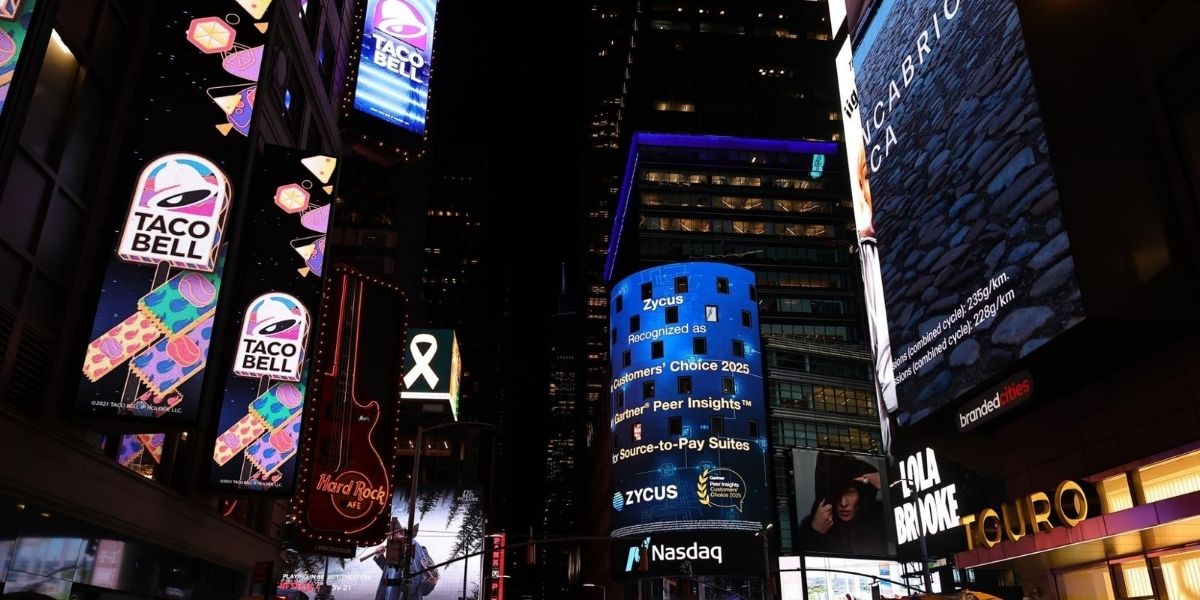
For companies looking to make a bold statement in the finance and technology sectors, the Nasdaq Tower in Times Square, New York, remained the ultimate platform. PR to SKY transformed this high-profile opportunity into a seamless, full-service PR event.

End-to-End Execution: PR to SKY offered a complete package that minimized client effort, including:

  • Creative Content & Artwork: The dedicated team produced and refined the specialized visuals required for the massive outdoor display.
  • Strategic Campaign Launch: Ads were scheduled for 15-second intervals, running approximately 200–300 times per day, maximizing audience impressions.
  • Proof & Amplification: The agency’s professional photographers captured high-quality photos and videos of the live advertisement, delivering shareable content to clients the same day.
  • Comprehensive Follow-Up: Immediately after the physical campaign, a press release highlighting the Nasdaq exposure was written and distributed, ensuring that the billboard investment (starting at $17,500 for the premium Nasdaq option) translated into a globally published news story.

This full-service approach ensures that a physical Times Square presence is directly converted into digital media coverage, amplifying achievements such as major funding rounds or product launches.

2. Strategic Global Media Distribution

To complement the visual impact of the Nasdaq campaigns, PR to SKY’s global distribution services ensured that all campaign content reached influential online platforms worldwide.

The in-house team created compelling press materials and distributed them to over 500 media outlets globally, including top-tier platforms such as Business Insider, Digital Journal, and other major news wires.

This strategic distribution enhances global credibility, provides significant SEO benefits, and amplifies the client’s success story across multiple continents.

Expanding the Global Reach: Amplifying Success Through Strategic Partnerships

In addition to their dynamic Nasdaq billboard campaigns, PR to SKY also harnessed the power of strategic partnerships to elevate client visibility. By working closely with influencers, high-profile media figures, and industry leaders, the agency ensured that each campaign reached its maximum potential. These collaborations often extended the reach of client messages across social media platforms and digital channels, generating organic engagement and encouraging audience interaction. The result was a broader, more diverse audience base, reaching not only the finance and tech sectors but also lifestyle, entertainment, and consumer-focused communities. This synergy between PR to SKY’s billboard placements and the growing influence of strategic partners proved to be a game-changer for startups, positioning them for both immediate recognition and long-term brand loyalty.

Full-Service Excellence: The PR to SKY Advantage

PR to SKY distinguishes itself through a comprehensive, full-service approach. Clients benefit from support at every stage: preparing content and visuals, launching the Nasdaq billboard campaign, documenting the event, and securing extensive media coverage.

For companies researching Nasdaq billboard campaigns and seeking worldwide recognition, PR to SKY delivers a transparent and effective solution. By combining the prestige of Times Square advertising with the reach of global press coverage, the agency positioned over 50 partners for remarkable growth and investment success in 2025.

Simplicity Sells: Why People Pay For Clarity, Explained By Nathalie Kyriakou

One only has to look at the current marketing landscape to realize the overwhelming sensory overload we are subjected to daily. Nowadays, brands are in a race to become bigger, brasher, and louder, all in a bid to attract audience attention. In this fast-paced environment, standing out has become increasingly challenging. To break through the noise, brands must find innovative ways to connect with their audience in meaningful, authentic ways.

But Nathalie Kyriakou believes that these strategies are detrimental to the brands that employ them. A marketing and communications specialist with 20 years of experience in the technology, finance, and consumer goods sectors, she suggests that the opposite approach might be more effective. She argues that by focusing on building genuine relationships with customers, brands can foster trust and loyalty. Rather than relying on loud, attention-grabbing tactics, Kyriakou emphasizes the power of subtlety and consistency in messaging.

The Shift Toward Simplicity and Clarity

Nathalie’s expertise in brand strategy, campaign leadership, and audience engagement has taught her that people now place a premium on simplicity and clarity. In an increasingly frantic and fast-paced world, audiences tend to prioritize understanding and insight over noise. 

Consequently, some of the most successful brands Nathalie has worked with are those that eliminate complexity and foster confidence in people during decision-making. As demonstrated by her extensive background in simplifying legal and financial services for families, she knows that simplicity drives trust and action.

Nowadays, people are expected to process numerous choices, apps, documents, and terms, the sum of which is nearly impossible to decode. Brands can overcome this challenge by communicating in plain, direct language, which tends to make audiences feel valued and minimize a sense of overwhelm. Because their options are clearly laid out before them, they are much more likely to take action or make sound decisions. 

What Simplicity Really Entails 

Nathalie Kyriakou emphasizes that simplicity isn’t necessarily about saying less, but effectively communicating what matters. When someone is dealing with a potentially life-changing decision, such as buying a home, protecting their savings, or managing a family, they seek messages that speak to them without ambiguity. In these moments, clarity and relevance are key to building a connection. Kyriakou believes that straightforward communication not only helps with decision-making but also helps establish long-term trust between brands and consumers.

When making these high-stakes decisions, people are likely to hesitate and turn elsewhere if they’re unable to connect with the message. After all, industries like finance, technology, and legal services can be confusing enough to understand without jargon getting in the way.

Nathalie’s experience in marketing and digital management has shown her that simplification can provide a significant competitive advantage. When the message is too difficult to understand, people can be intimidated and discouraged from taking action. This is why she insists on translating complex concepts and processes into everyday language and presenting them in intuitive ways. 

Fostering Trust and Loyalty Through Clarity 

Clarity is also a great way to strengthen brand loyalty. One of the most discernible signs of transparency is a willingness to communicate openly and plainly. When choosing between two brands, customers are drawn to the one they perceive as forthcoming and transparent rather than the one that obscures the message or buries details in jargon. 

Simply put, customers will remember who made things easy and who made things frustrating. Consequently, brands that make an effort to provide digestible information are more likely to earn repeat business simply because they make their customers’ lives easier. 

In closing, Nathalie Kyriakou reminds us that the clearer a message is, the stronger its impact. In the face of increasing complexity and confusion, she believes that brands that commit to clarity are the ones people will follow, remember, and choose without hesitation.