Fintech as a Territory of Expansion: How Aleksei Eroshenko Builds Credit Ecosystems in Asia, Africa, and Latin America


By: James Williams

Instant lending is one of the fastest-growing segments of global fintech, where digital services serve millions of people every month, providing access to money faster than banking pipelines. 

Our hero is Aleksei Eroshenko, a fintech entrepreneur and CEO with more than a decade of experience who has gone from a Russian microfinance platform to an international network of services in Asia, Africa, and Latin America. His companies operate in Vietnam, Mexico, Nigeria, and India, generating significant annual revenue. Today, we are talking about the architecture of this path, strategies for entering new markets, building credit pipelines, and the role of an entrepreneur who grows a business faster than many states adapt regulations.

Q. Aleksei, you came to fintech not as a theorist, but as a person who wrote the system himself and tested models on the live market. How did your journey begin?

We launched our first fintech project in 2013 in Russia. It was an agency company that worked in conjunction with government contractors and banks. According to 44-FZ, suppliers needed bank guarantees, and we provided them with a way to obtain them, from a set of documents to communication with the bank. Later, we developed our own CRM to automate incoming traffic, unboarding, mailing lists, and application processing. It was the first product that we created completely from scratch, and it was he who laid the technological foundation for everything that happened next.

Q. At what point did you get the idea to switch to the quick loans segment?

We saw the need in the market. Clients needed not only an assurance, but also a turnover, quick loans to participate in auctions. We got an MFO license, first we lent to legal entities, and later, we started working with physicists. It was impossible to scale on third-party solutions, the code was not ours, the core was closed, and the logic was cheap. We had to rewrite everything: for a year and a half, we built our own loan pipeline, which automated the full cycle from application to collection. And that’s when we realized for the first time that we were really ready to scale.

Q. When did the business go from local to international?

The decision was made at a time when the Russian market stopped providing the required growth rate. The pandemic pushed for diversification; we wanted foreign exchange earnings and markets with growing economies. The countries were assessed according to three parameters: population size, culture of using microloans, and regulatory barriers. Vietnam was chosen first: low entry threshold, fast startup, clear economy. Eight months after entering, we issued the first loan. Today, it is the top 2 services in the country with an audience of about 1.5 million users per month.

Q. But any ceiling is reached sooner or later. What was the next growth point?

When you’re leading the market, you inevitably run into traffic. Even a country with a population of 100+ million has a limit. That’s why we switched to animating the model and started scaling to new countries. We are currently operating profitably in Vietnam, growing in Mexico and Nigeria, and in India at the final stage.  We have already acquired a financial institution in India, and we are waiting for the approval of the Central Bank. We plan to expand to cover 10-12 major markets over a 3-5-year horizon.

Q. Your business handles hundreds of thousands of credit transactions every month. What does the infrastructure that holds such volumes look like?

Technology is saving us. Singapore-based Sidnacture owns the IP core and is responsible for the development. There is a Millworks holding company that manages local licenses. There are 200+ employees inside, distributed by product, risk, and legal blocks. We built the system like a bank, only faster. Decisions are verified in seconds, scoring is based on dozens of behavioral patterns, and the collection process is automated. It is speed that is the main asset in the instant lending market.

Q. You position yourself as the Head of Growth. What does growth mean to you?

Growth is not just an increase in output or geography. It’s a search for new meanings. My role today is to see where we can be in three years, and to get the company there before the rest. Specifically, we need investments of approximately $150 million to support the portfolio in new countries and accelerate expansion. The current revenue is about $170 million, but we can grow 3-5 times within two years — this is realistic math.

Q. To summarize 10 years of experience, what has fintech taught you?

The fact that speed is more important than perfection. The product can be improved endlessly, but the market lives in cycles, and you have succeeded or not. Secondly, international markets are more complicated, but also cleaner in terms of opportunities: if you build an honest model, do not deceive the client, do not try to push the regulator, you grow. The third is scaling; it’s not about geography, but about the ability of the system to work without your personal involvement. Today, I can drop out of the operating system for a month, but the business will not stop. It once seemed like a fantasy.

Q. Which market do you consider to be the next point of strength?

India is the biggest challenge and the biggest prospect. Then, Spain, an interesting European hub, is where microcredit is only generating a new wave of demand. And, of course, Africa: Nigeria is already showing excellent dynamics, and South Africa is the next step. Africa has a young population and many people who are not involved in the banking system, which means that the demand for fast financial instruments will only grow.

Q. And the last question. What motivates you not to stop the expansion?

The ability to build a system that works for millions of people. Fintech is about access to finance, and access is a growth tool for a country, a business, or an individual. If you know how to create such a tool, it’s impossible to stop. I want to keep going until the new markets run out.
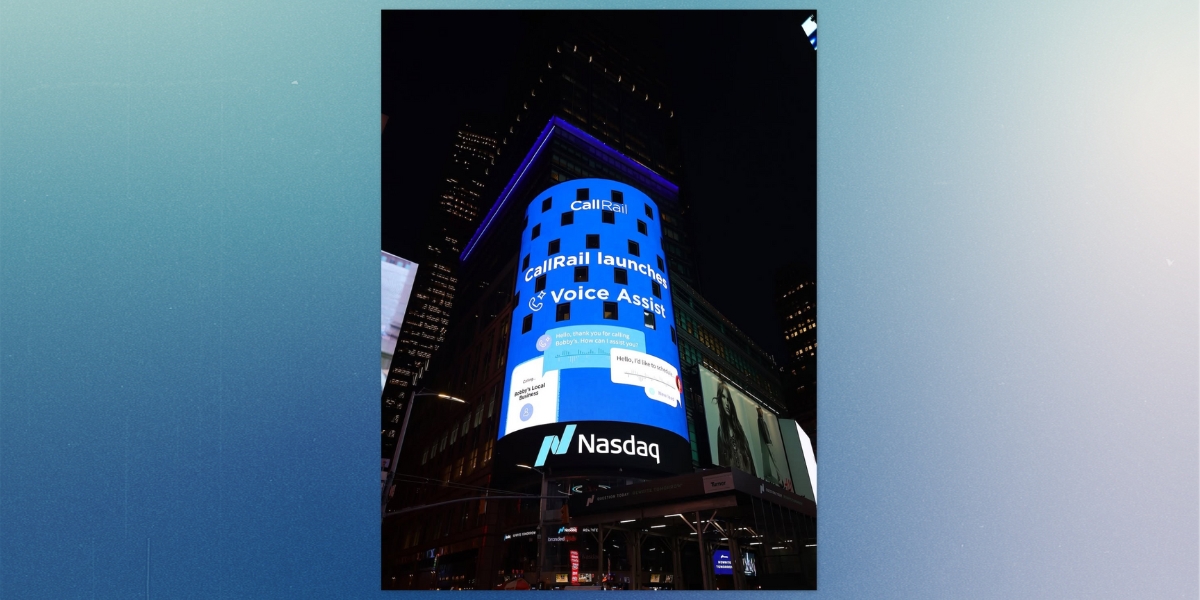
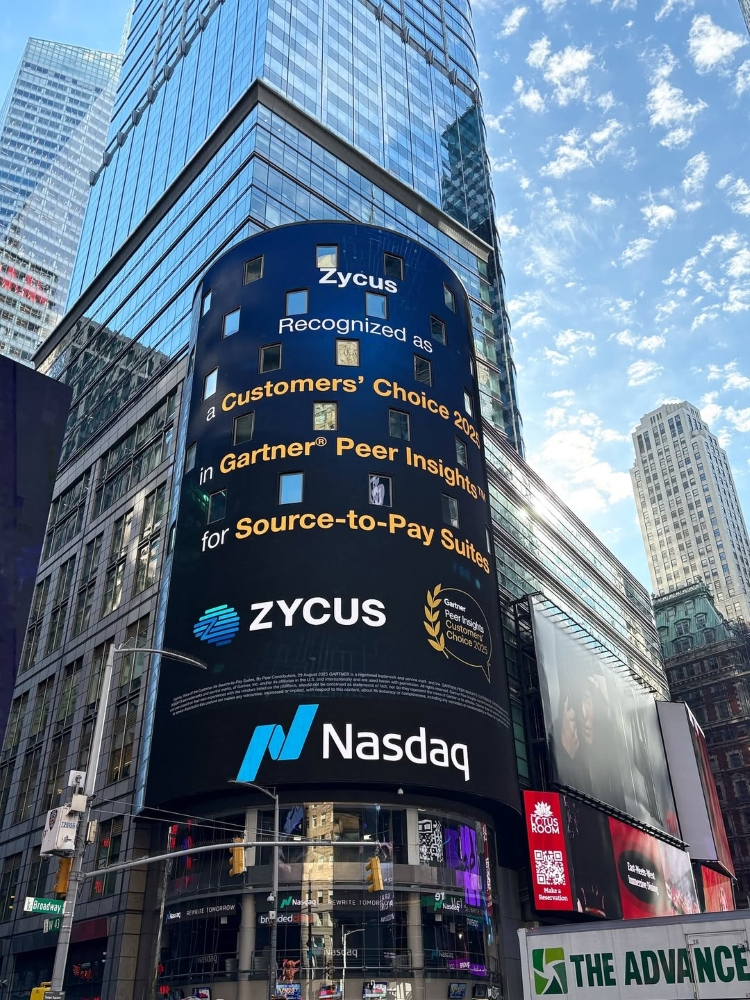
PR to SKY Delivers Premium Outdoor Advertising on Nasdaq Tower, Serving Leading Global Brands

PR to SKY, one of the renowned leaders in outdoor advertising and digital marketing solutions, continues to set new standards in the industry with its premium placements on the iconic Nasdaq Tower in Times Square, New York. Known for combining strategic communication, cutting-edge technology, and global outreach, PR to SKY offers brands unparalleled visibility in one of the world’s vibrant commercial hubs.

As the world’s attention increasingly turns to dynamic digital and outdoor advertising, PR to SKY has become the go-to partner for international companies looking to amplify their brand presence. The agency specializes in full-cycle PR campaigns and outdoor advertising, including billboards, high-resolution LED monitors, and high-traffic urban placements. Their expertise ensures that clients receive measurable results, increased engagement, and a globally recognized brand image.

PR to SKY’s Nasdaq Tower campaigns stand out for their impact and scale. Located at the heart of Times Square, the Nasdaq Tower is viewed by millions of visitors each year, including tourists, business travelers, and media representatives. Each campaign is carefully designed to maximize exposure, incorporating professional recording, live updates, and a combination of creative visuals and messaging that resonates with a diverse audience.

The agency has successfully executed campaigns for a range of high-profile international and U.S.-based companies. Some of the most recent collaborations include Zycus, SpotDraft, The American College, Vortx, Thinkst Canary, and Victory Fighting League. These campaigns demonstrated PR to SKY’s ability to integrate brand identity with the unique environment of Nasdaq’s outdoor screens, ensuring high visibility and engagement across multiple demographics.

PR to SKY Delivers Premium Outdoor Advertising on Nasdaq Tower, Serving Leading Global Brands

Photo Courtesy: PR to SKY

PR to SKY operates with a strategic approach that emphasizes audience targeting, creative content, and measurable outcomes. By leveraging real-time analytics, the agency provides detailed insights into campaign performance, helping clients make informed decisions about their advertising strategies. Their professional team manages every step, from concept development and content creation to scheduling, publishing, and reporting, ensuring seamless execution and maximum impact.

In addition to the Nasdaq Tower, PR to SKY works with numerous other globally recognized brands across diverse industries. Through these partnerships, they have facilitated impactful campaigns for companies in technology, finance, education, and sports entertainment. Each project is executed with a focus on precision, brand alignment, and effective reach to the intended audience.

PR to SKY’s reputation extends beyond execution. The agency is recognized for fostering strong client relationships, understanding the nuances of global markets, and providing innovative solutions that combine traditional PR with modern digital outreach. Their outdoor campaigns not only elevate brand visibility but also create lasting impressions that contribute to long-term brand recognition.

A prime example of PR to SKY’s exceptional international reach is their groundbreaking collaboration with CallRail, a forward-thinking marketing analytics and call tracking company. This partnership underscores PR to SKY’s expertise in connecting technology brands with a global, high-traffic audience. By leveraging Nasdaq Tower’s high-traffic location—one of New York City’s well-known landmarks—they aim to boost engagement and deliver strong visibility, with the potential for measurable marketing value compared with many other platforms.

With decades of industry experience and an extensive global network, PR to SKY continues to push the boundaries of outdoor advertising. Their high-impact campaigns on the Nasdaq Tower are a testament to their ability to combine creative storytelling with strategic placement, ensuring their clients’ messages are amplified in one of the world’s busiest and most dynamic locations. Every campaign they execute is backed by a data-driven strategy that ensures brands not only capture attention but also drive meaningful consumer action.

Brands that partner with PR to SKY benefit from enhanced visibility, precise targeting, and a competitive edge that sets them apart in an increasingly crowded marketplace. The company’s sophisticated approach enables clients to reach highly engaged audiences at scale, helping brands stand out in an impactful, memorable way.

For companies seeking high-profile, results-driven outdoor advertising solutions, PR to SKY is a trusted partner that delivers campaigns that resonate deeply with global audiences while solidifying clients’ presence on one of the world’s most iconic platforms. Through its innovative approach, PR to SKY has redefined the standards of outdoor advertising, establishing itself as one of the leaders in the industry.

Latest New York Winter Storm Update From Snowfall to School Closures

The latest winter storm marked the first widespread snowfall of the season across New York City and surrounding areas. Snow began falling over the weekend and continued into Sunday night, coating streets, sidewalks, and rooftops across the five boroughs. Accumulation varied by neighborhood, but even lighter snowfall caused major slowdowns once temperatures dropped and snow hardened into ice.

Cold air followed closely behind the storm. Temperatures stayed below freezing, which kept snow from melting and turned slushy areas into slick surfaces overnight. This created difficult conditions for drivers, pedestrians, and transit crews trying to clear streets. What made this storm especially disruptive was not just the snow, but how quickly freezing temperatures locked it in place.

Across the state, winter weather advisories remained in effect as lake-effect snow and lingering icy conditions continued to affect travel and daily routines. A broader look at conditions beyond the city helps explain why cleanup and recovery have taken time. For a statewide view of how weather systems are still influencing roads and safety, this breakdown of the latest winter storm conditions across New York State provides helpful context and regional detail.

Snowfall and Ice Conditions Across the City

Snowfall totals in New York City ranged from light to moderate, but even a few inches was enough to create hazards once temperatures dropped into the teens. Snow that fell during the day partially melted, then refroze overnight. That refreezing process creates black ice, which is a thin layer of ice that blends into pavement and is difficult to see.

Black ice is especially common on bridges, shaded streets, and areas near intersections where cars stop and start. Drivers experienced reduced traction, while pedestrians faced slippery sidewalks during morning and evening hours. City crews focused on salting high-traffic areas first, then moved into residential streets once conditions allowed.

This pattern is typical of early-season storms. Snow itself is manageable, but freezing air afterward turns cleanup into a longer process. Residents often notice that streets appear clear during daylight, then become hazardous again once the sun sets.

Travel Disruptions and City Response

Travel across New York City slowed significantly after the storm. Roads remained congested as drivers reduced speed and avoided untreated streets. Public buses and surface transit routes ran slower than usual due to icy patches and lane narrowing from snowbanks.

Air travel also felt the impact. Departures and arrivals at area airports were delayed as crews worked through de-icing procedures and runway clearing. Even once snow stopped falling, planes continued to face scheduling challenges tied to weather conditions up and down the East Coast.

City officials responded by adjusting street rules to help plows and salt trucks operate more efficiently. Alternate side parking was suspended temporarily so crews could clear curbside snow without vehicles blocking access. These measures helped speed cleanup, but full recovery depended on temperatures rising enough to melt remaining ice.

Why Cold Temperatures Matter After Snowfall

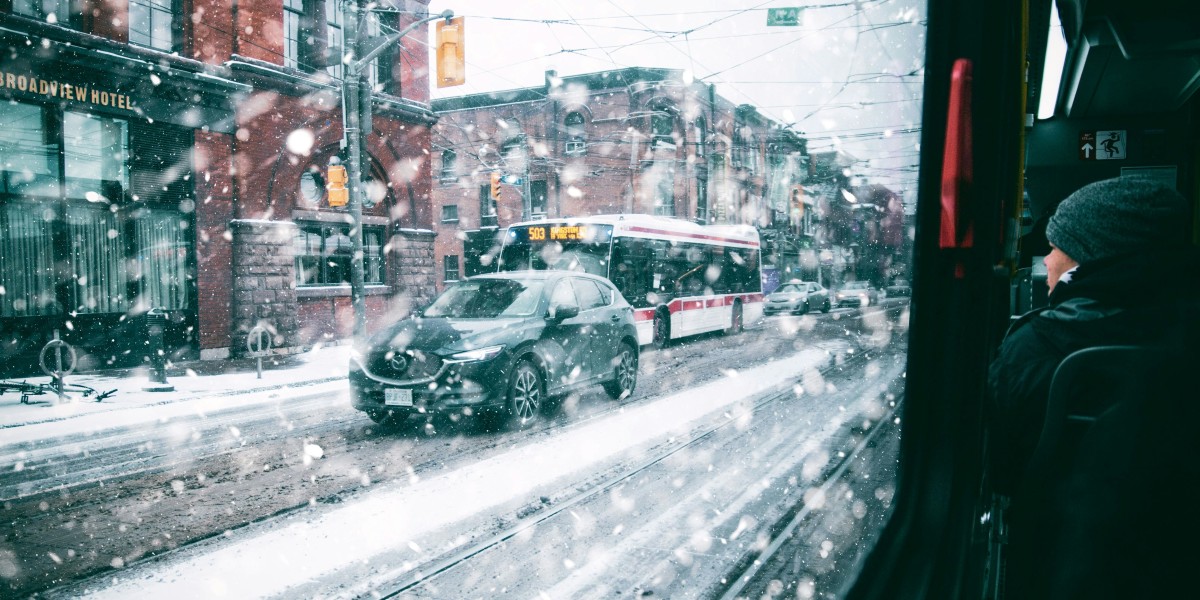
Latest New York Winter Storm Update From Snowfall to School Closures (2)

Photo Credit: Unsplash.com

Snowstorms don’t end when the last flake falls. What happens next depends heavily on temperature. When cold air settles in, snow becomes compacted and icy rather than melting away. That’s why the days following the storm were just as disruptive as the snowfall itself.

Cold air keeps sidewalks slippery and makes untreated areas unsafe well into the week. It also slows down cleanup since salt becomes less effective at very low temperatures. Crews have to reapply treatments more often, especially overnight.

For residents, this means daily routines are affected longer. Morning commutes remain slower. Walking requires extra caution. Outdoor activity drops as wind chills make the cold feel more intense than thermometer readings suggest.

School Closures and Delays Across NYC

School schedules were one of the most closely watched outcomes of the storm. Many districts across the region chose delayed openings instead of full closures. Delays allow buses and parents extra time to travel safely once roads receive additional treatment.

In New York City, officials monitored conditions early each morning before making decisions. When sidewalks and streets remained icy, delayed starts helped reduce risk for students commuting during peak hazard hours. In surrounding suburbs and upstate areas, some districts opted for closures depending on local road conditions.

Families learned quickly that even when snow had stopped, overnight refreeze played a major role in school safety decisions. Checking announcements each morning became part of the routine as conditions shifted hour by hour.

How Winter Break Timing Affects School Decisions

The timing of this storm matters because it arrived just days before the scheduled winter recess. New York City public schools have already confirmed their winter break calendar, which gives families a defined pause later in December.

Knowing when winter break begins helps families plan around weather disruptions. Parents can better manage childcare and work schedules when closures or delays happen close to a holiday break. It also helps schools decide whether to delay, close, or transition temporarily to remote instruction if conditions worsen.

Weather disruptions before a scheduled break can still affect attendance and lesson plans. Schools balance safety with maintaining instructional time, especially when storms cluster near holidays.

What Parents and Students Should Expect This Week

As cleanup continues, families should expect lingering effects rather than immediate relief. Even if roads look clear, shaded sidewalks and side streets may stay icy. Morning conditions tend to be the most hazardous before sunlight and traffic help break down ice.

Parents should plan extra travel time for drop-offs and stay alert for school notifications. Students walking to school should wear footwear with good traction and dress for cold wind chills that can feel harsher than expected.

Weather patterns like this often settle into a cycle of cold mornings and slightly milder afternoons. That pattern improves conditions gradually, but patience is key during the transition.

How This Storm Fits the Bigger Winter Pattern

Early winter storms often set the tone for the season. They expose weak spots in infrastructure and test how quickly systems respond. This storm showed how even moderate snowfall can create widespread disruption when paired with freezing temperatures.

Meteorologists note that similar systems may follow as winter continues. Snow combined with sharp temperature drops tends to be more disruptive than heavier snow followed by warmer air. Understanding that pattern helps residents prepare mentally and practically.

Keeping track of weather updates, school calendars, and city announcements becomes part of daily planning through the winter months. Small adjustments, like leaving earlier or checking conditions twice a day, can reduce stress when storms hit.

Where Conditions Stand Now

At this point, the storm itself has passed, but its effects remain visible. Snowbanks line streets. Sidewalks require careful footing. Schools and families continue adjusting schedules as temperatures fluctuate.

Gradual warming later in the week should help melt remaining ice and restore normal routines. Until then, winter conditions remain part of daily life across the city and state.

For now, staying informed and flexible remains the best way to manage the ongoing effects of New York’s first major winter storm of the season.

AccuFix: Are You Making These 5 Common Skincare Mistakes? How to Fix Them for Healthier Skin

By: Farzana Bashir

The world of skincare can feel overwhelming. With an endless stream of advice on social media and countless products on the shelves, it’s easy to wonder if you’re getting it right. You might have the best products, but if you’re making a few common skincare mistakes, you could be preventing your skin from looking its best—or even causing harm.

The good news is that achieving healthier skin often comes down to correcting a few simple errors. Let’s walk through five of the most frequent missteps and how to fix them, putting you back on the path to a radiant complexion.

1. The Mistake: Aggressive Over-Exfoliation

Exfoliation is fantastic for removing dead skin cells and revealing brighter skin. However, too much of a good thing can be a problem. Aggressively scrubbing every day or using powerful chemical exfoliants too often can damage the skin barrier.

The Fix: Pay attention to the signs of over-exfoliating: redness, persistent irritation, a tight or waxy feeling, and increased sensitivity. Cut back your exfoliation schedule to 1-3 times per week, depending on your skin type and the product’s strength. This allows your skin the time it needs to recover and rebuild. Learning how to fix a damaged skin barrier starts with being gentle.

2. The Mistake: Skipping Sunscreen (Yes, Even on Cloudy Days )

If you ask any dermatologist for their number one piece of skincare advice, it’s almost always this: wear sunscreen. Many people think SPF is only for sunny beach days, but the importance of sunscreen daily cannot be overstated. Harmful UVA rays, which cause aging, and UVB rays, which cause burning, are present year-round—and they penetrate clouds and windows.

The Fix: Make a broad-spectrum sunscreen of at least SPF 30 the non-negotiable final step of your morning routine. Apply it every single day, whether you’re heading outside or staying indoors near a window. Your skin will thank you for years to come.

AccuFix: Are You Making These 5 Common Skincare Mistakes? How to Fix Them for Healthier Skin

Photo Courtesy: AccuFix Cosmetics

3. The Mistake: Using the Wrong Cleanser for Your Skin Type

That “squeaky clean” feeling after washing your face isn’t a good sign. It often means you’ve used the wrong cleanser for your skin type and have stripped your skin of its natural, protective oils. Conversely, a cleanser that’s too gentle might not effectively remove dirt, oil, and makeup, leading to clogged pores.

The Fix: Match your cleanser to your skin’s needs.

  • Dry or Sensitive Skin: Look for creamy, hydrating cleansers with ingredients like hyaluronic acid.
  • Oily or Acne-Prone Skin: Gel cleansers or gentle foaming formulas can help manage excess oil without stripping the skin. Understanding your skin’s needs is the first step to choosing products that support, rather than fight, its natural balance.

4. The Mistake: Applying Products in the Wrong Order

You’ve invested in a great serum and a nourishing moisturizer, but are you getting the most out of them? Misapplying your products can prevent them from absorbing correctly, rendering them far less effective.

The Fix: Follow the golden rule of skincare routine order: apply products from the thinnest consistency to the thickest. This allows the lighter, water-based products (like toners and serums) to penetrate the skin first, followed by the heavier creams and oils that lock in moisture. A typical routine looks like this: Cleanser -> Toner -> Serum -> Eye Cream -> Moisturizer -> Oil -> (Sunscreen in the AM).

5. The Mistake: Forgetting Your Neck and Chest

One of the most common giveaways of age isn’t wrinkles on the face, but on the neck and chest (décolletage). This delicate skin is just as exposed to environmental damage as your face, but is often completely neglected in our daily routines.

The Fix: Extend your entire skincare routine downwards. Whatever you apply to your face—cleanser, serum, moisturizer, and especially sunscreen—should also be used on your neck and chest. It’s a simple change that makes a world of difference in maintaining a youthful and even-toned appearance over time.

Author Bio: This post was written by the Fiza Batool at Accufix Cosmetics, a brand dedicated to creating effective, science-backed solutions for every skin concern.

Disclaimer: The information provided in this article is for general informational purposes only and should not be construed as medical advice. Always consult with a licensed dermatologist or healthcare professional before making changes to your skincare routine, especially if you have specific skin concerns or conditions. Results may vary based on individual skin types and conditions.

Zohran Mamdani Policy Plans Explained What the Next NYC Mayor Wants to Change

Housing Policy and Rent Plans

New York City’s housing market has been tight for a long time. People who rent apartments have felt pressure when rents go up faster than wages. Zohran Mamdani said he wants to slow that pressure by freezing rents on certain stabilized apartments. Rent stabilization is a rule that limits how much landlords can raise rent each year for buildings that are under that program. This would not affect all apartments, but it would apply to a big group of units that many families depend on.

Freezing rent means keeping the monthly amount the same for a period of time while other costs like utilities or property taxes might still change. People who rent stabilized units would see a pause in rent increases. That change would give renters more breathing room, but landlords who count on predictable increases might push back. A rent freeze would work through a board that sets rates, and Mamdani would appoint new members to that board to make decisions.

People who follow housing policy know rent freezes are only one part of the story. Some renters in the city are not in stabilized units, and their costs can still go up. If you want a deeper look at how renters cope with tight markets, check out this piece on how NYC renters manage housing pressure and costs How NYC Renters Cope With Tight Housing Market. That explains some real experiences and data behind rent increases and affordability.

Mamdani also talked about building a lot more permanently affordable housing. That means creating apartments that stay affordable for many years, not just a short period. He wants to speed up approvals and funding for affordable developments so people who work in the city have more options. Building more units would take planning, money, and cooperation with many groups, but it could give renters choices beyond what the private market offers.

Public Safety and City Services

Public safety is a major topic in New York City politics. The police department has a big role in how people feel on the streets. Mamdani said he wants to shift some public safety duties from police officers to trained civilian responders for calls that are not violent crimes. People who train in mental health, conflict management, or community support might handle calls like noise complaints or minor disputes.

That plan includes creating a unit that focuses on crisis intervention, mental health response, and outreach. These responders would be trained to calm situations and connect people to support services. That approach is based on the idea that not all emergencies need a uniformed response, especially if no weapon or threat is involved. Teams like these could reduce pressure on police officers and let them focus on violent crime or serious threats.

Mamdani also said he wants to work on changes in how the city uses jails for people with mental health issues or homelessness. Instead of sending someone to jail, the idea is to connect them with services that help stability, like housing and treatment programs. That approach recognizes that many social problems need support and care rather than punishment. These changes require large scale planning and money, and the mayor and city council will have to agree on budgets and programs.

Not everyone supports changing how public safety works. Some people worry that changing roles could make response slower or less effective. Supporters say it can reduce tensions and help more people get the right help. Both sides are part of the public debate as New Yorkers watch how these plans could play out in real neighborhoods.

Cost of Living and Daily Expenses

New York City is one of the most expensive places in the country to live. Families juggle rent, food, transportation, childcare, and health costs. Mamdani talked about programs to cut some of those daily expenses for people who live here. One idea he shared was fare free buses so people who depend on public transit save money on daily travel. Buses cover many routes and costs add up quickly for people who ride every day.

Another idea on his agenda is universal childcare support. Childcare costs can be a heavy burden for working families. The goal is to make childcare more affordable or even offer coverage that reduces what parents pay each month. That plan would require funding and cooperation with childcare providers in the city, but it could help parents stay in the workforce without worrying about huge bills.

Mamdani also mentioned city supported food access programs, like city own grocery options or subsidies in neighborhoods where food costs are high. The idea is to lower costs of basic goods so families can have money left over for other needs. These plans sound good on paper, but implementing them will take planning, money, and support from lawmakers. Residents will want clear details on how these programs would work and how the city would pay for them.

Childcare and Family Support

Parents with young children often struggle to find affordable care. Mamdani said he wants to make childcare support widely available. Imagine a parent trying to work and also pay for daycare. Childcare can cost thousands each month, and many families cut hours just to save money. By offering more city supported options, parents could have time to work and care for their children without huge bills.

That plan involves building or partnering with childcare centers across the city so more spots are available. It also means training and paying the workforce that runs these centers fairly. All of this would take money from the city budget, and officials will have to balance that with other needs like schools, parks, and roads.

City programs for families could also include support for early childhood services. Early childhood services help kids get ready for school and give parents peace of mind. These services have been shown to help kids academically and socially. Changing how childcare works in the city will be a big topic as the new administration starts work.

Revenue and Budget Choices

Zohran Mamdani Policy Plans Explained What the Next NYC Mayor Wants to Change (2)

Photo Credit: Unsplash.com

Every policy has a cost. New York City has to figure out how to pay for new ideas while still funding basic services like sanitation, fire departments, libraries, and infrastructure. Mamdani spoke about raising taxes on corporations or wealthier residents to fund things like childcare and transit. That means some people and businesses might pay more, while other residents might pay the same or less in direct costs.

Adjusting tax policy is complicated and involves not just the mayor, but the city council. Leaders will debate how much revenue they need and where it should come from. Some lawmakers and local business groups might resist tax increases, saying it could hurt economic activity or lead to job losses. Others argue that the city should ask more from those with the largest incomes to support public services that help everyone.

This part of the conversation often gets technical because it involves budgets, forecasts, and economic data. People who live and work in the city will be watching how these choices affect their paychecks, rent checks, and bills.

What Residents Can Expect Next

When a new mayor takes office, the transition period is a busy time. City agencies prepare to work with new policies and leaders. Residents often feel uncertain because big plans can take months or years to roll out. The first few months after the inauguration will likely include a lot of planning sessions, budget reviews, and public town halls.

Some policies, like hiring staff for community response teams, might start quickly because they need training and setup before they can serve the public. Others, like tax changes or building affordable housing, could take longer because they involve legal steps and agreements with outside partners.

People who follow city politics will pay attention to how the mayor works with the city council. Many of these policy areas require approval from both the mayor and lawmakers who represent different parts of the city. That process can be a negotiation with wins and compromises on both sides.

Public Reaction and Debate

As these plans become clearer, public reaction will vary. Some New Yorkers support a stronger role for social services and alternatives to traditional policing. Others want clear guarantees that crime will stay low and response times won’t slow down. People who rent apartments are watching housing policy closely because rent costs affect their budgets.

Business owners are thinking about taxes and workforce costs. Families with young children are listening to childcare proposals. Transit riders are thinking about how changes to buses or subway funding could affect their routes. Residents who follow housing closely can also read more about how people cope with rental pressures and housing costs.

Debate is normal in a big city like New York, where millions of people have different needs and priorities. It will take time for plans to become law and for residents to see what changes they feel in their daily routines.

What Happens After Policies Are Proposed

Once the mayor proposes something, city lawmakers review it. They ask tough questions and sometimes change details before passing any rules or budgets. Residents often attend public meetings to share opinions. There will be newsletters, press coverage, and more stories about each policy area.

For now, people will watch closely as these proposals move from announcements into real decisions. Housing, safety, childcare, and costs are things people think about every day, so the debate will stay lively as the city gets ready for a leadership shift.

Amplify Your Brand Globally with 63LV Las Vegas CityCenter Billboard Advertising

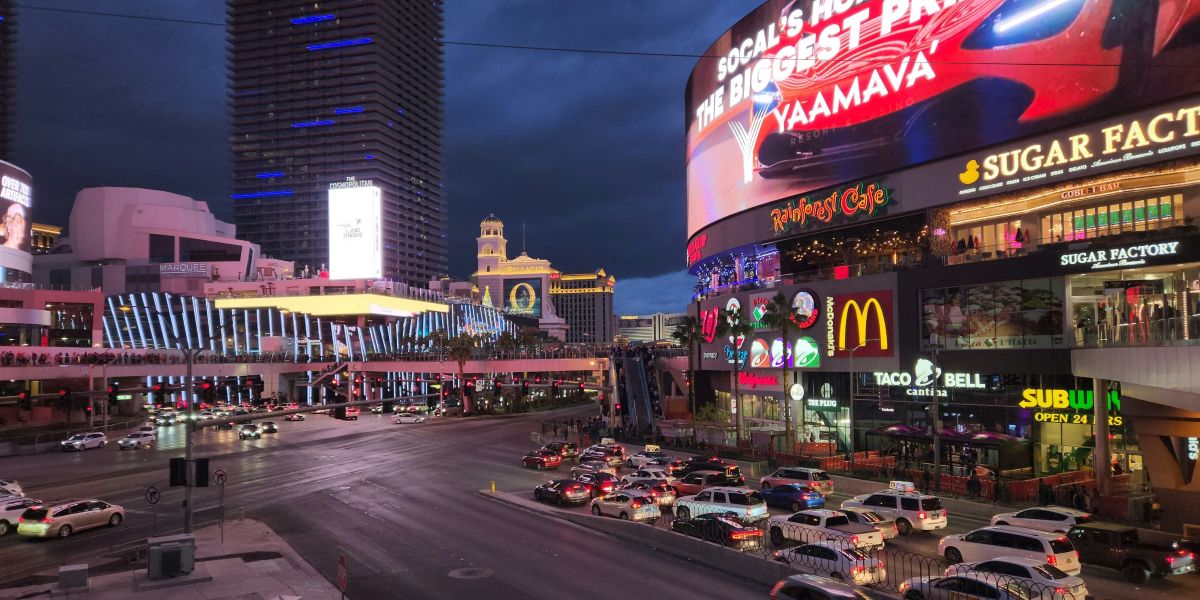
Advertising on the 63LV Las Vegas CityCenter provides brands with an opportunity to reach a broad audience in a well-known entertainment and business area. Situated in the heart of the Las Vegas Strip, the CityCenter area is renowned for its luxury hotels, casinos, high-end retail outlets, and vibrant nightlife. A one-week campaign on this prominent billboard places your brand in front of a constantly moving audience of tourists, business travelers, and residents, providing exceptional exposure and brand recognition.

The 63LV Billboard is a large-format, high-resolution LED display strategically positioned to maximize exposure from both pedestrian and vehicular traffic. Its prime location ensures repeated impressions throughout the day and evening from people attending shows, dining at upscale venues, and exploring the entertainment corridor. This level of consistent exposure makes it one of the most effective outdoor advertising platforms in Las Vegas for both short-term promotions and long-term brand awareness campaigns.

A one-week advertising placement on the 63LV Billboard allows brands to benefit from the exceptional foot traffic and global attention that Las Vegas naturally attracts. The screen supports dynamic, full-motion content, enabling advertisers to showcase video, animation, and high-impact visuals that resonate with a broad audience. Standard creative formats include MP4 or MOV files, optimized for LED clarity and brightness, ensuring strong visual performance even under Las Vegas’s intense ambient lighting.

Advertising duration, creative assets, and scheduling are fully customizable. Brands can select optimal time slots to reach their target audience, whether focusing on peak evening traffic, daytime visibility, or a balanced mix of both. Throughout the campaign, advertisers receive proof-of-play reporting, including playback frequency, scheduled time slots, and performance data, ensuring transparency and measurable return on investment. This detailed reporting allows brands to fine-tune their campaigns for maximum effectiveness. By analyzing performance metrics, advertisers can make data-driven decisions to optimize their ad spend and increase the impact of their campaigns.

Pricing for a one-week campaign on the 63LV Billboard varies based on factors such as seasonality, campaign timing, and major events. Periods of high demand—such as large conventions, headline entertainment events, and holiday weekends—may affect availability and rates. Early planning is recommended to secure premium placements and maximize campaign impact.

Outdoor advertising on the 63LV Billboard is well-suited for multinational corporations, entertainment and hospitality brands, consumer products, technology companies, and luxury lifestyle businesses. It is also an effective platform for product launches, event announcements, and promotional campaigns that require immediate attention and a broad audience reach. The scale, visibility, and prestige of the display add significant value to any marketing strategy, positioning brands prominently within a competitive global environment.

For brands seeking to strengthen their presence in Las Vegas and achieve international visibility, a one-week campaign on the 63LV CityCenter Billboard represents a strategic marketing investment. The combination of prime location, high traffic volume, advanced display technology, and professional campaign management ensures maximum exposure and lasting brand impact.

For more information about advertising opportunities on the 63LV Las Vegas CityCenter Billboard—including pricing, creative specifications, and scheduling—brands are encouraged to work with experienced PR and advertising partners who can provide full campaign support, from content development and placement to reporting and media amplification.

About PR to SKY

PR to SKY is a global PR and advertising agency helping brands enhance their visibility, credibility, and market presence through strategic media placements and performance-driven campaigns.

The agency has collaborated with internationally recognized organizations across technology, finance, media, and sports sectors, delivering integrated solutions that support brand growth in global markets. PR to SKY’s results-oriented approach, execution speed, and international reach continue to make it a trusted partner for brands seeking impactful exposure.

Police Investigate Deaths at Los Angeles Home Linked to Director Rob Reiner

Police Respond to Medical Call at Brentwood Residence

Los Angeles emergency crews responded to a medical call at a Brentwood residence on the afternoon of December 14. Fire department personnel found two adults inside the home who were unresponsive. Paramedics pronounced both individuals dead at the scene, according to statements from city officials.

The Los Angeles Police Department later confirmed that detectives were called to the location after first responders determined the deaths did not appear to be from natural causes. The department secured the property and began a formal death investigation. Authorities have not released details about how long the individuals had been deceased before they were found.

Officials identified the address as a home associated with film director and actor Rob Reiner. Police did not immediately release the identities of the deceased pending notification of family members.

LAPD Classifies the Case as a Homicide Investigation

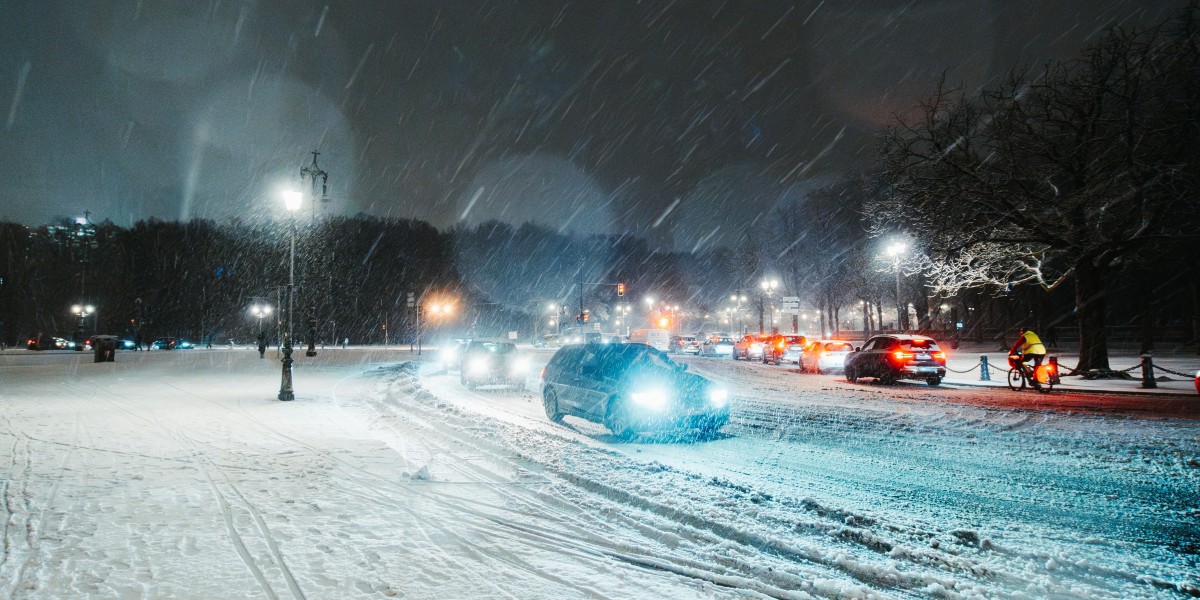
Police Investigate Deaths at Los Angeles Home Linked to Director Rob Reiner (2)

Photo Credit: Unsplash.com

Later the same day, LAPD confirmed the case was being handled as a homicide investigation. The department’s Robbery Homicide Division assumed control of the scene, which is standard protocol in deaths involving possible criminal activity.

A senior police official said detectives were working to establish the sequence of events leading up to the deaths. That process includes examining physical evidence, reviewing available surveillance footage, and conducting interviews with individuals who may have had recent contact with the occupants of the home.

Police emphasized that an investigation being classified as a homicide does not mean conclusions have been reached. At this stage, authorities said they were focused on collecting facts rather than drawing inferences about responsibility.

What Police Have Publicly Said So Far

LAPD leadership has released limited public comment, citing the sensitivity of the case. In a brief statement, a department spokesperson said investigators were “working diligently to determine the circumstances surrounding the deaths” and that updates would be shared when appropriate.

Officials have not publicly described the manner of death, nor have they released forensic findings. The Los Angeles County Medical Examiner’s Office is conducting autopsies and related examinations, which will help determine the official cause and manner of death.

Law enforcement has cautioned against speculation while the investigation remains active. Detectives are continuing interviews and evidence review as part of the ongoing inquiry.

Custody Status and Legal Process

Police confirmed that an adult individual connected to the household was taken into custody for questioning. Authorities have stated that this person is being held while investigators continue their work.

At the time of publication, prosecutors have not announced formal charges in court. Under U.S. law, being taken into custody does not establish guilt, and no individual is presumed responsible unless and until charges are filed and proven in court.

Officials said charging decisions rest with the district attorney’s office after reviewing evidence submitted by investigators.

Family Statement and Request for Privacy

A brief statement released on behalf of the Reiner family expressed grief over the deaths and asked for privacy. The statement did not address details of the investigation or speculate about what occurred.

Family representatives have not participated in public interviews. Authorities have said family cooperation is ongoing as part of the fact-finding process.

Why Investigations of This Type Take Time

Homicide investigations typically unfold in stages. Early efforts focus on securing the scene and preserving evidence. Later steps include forensic analysis, digital record review, and corroboration of witness statements.

Medical examiner findings can take weeks to complete, particularly when toxicology or specialized testing is involved. Prosecutors generally wait for those results before determining whether charges are appropriate.

Police have said they will provide additional updates when confirmed information becomes available through official channels.

Public Interest and Professional Legacy

Rob Reiner is widely known for his decades-long career in television and film. Because of his public profile, the investigation has drawn national attention. Officials acknowledged that public interest but reiterated that the case would be handled according to standard legal procedures.

Authorities emphasized that no conclusions should be drawn ahead of verified findings and formal court action.

Big Migration in Outdoor Advertising with PR to SKY: Engage Your Target Audience with Cutting-Edge Technology

As a well-known PR and advertising agency, PR to SKY empowers brands to elevate their visibility, credibility, and market influence through innovative, high-performance communication strategies. From strategic media placement to large-scale PR campaigns, we help companies grow across international markets with speed, precision, and creativity. Our collaborations with global brands such as Zycus, UserTesting, FIDE, Theom, and Kredete showcase our reliability and expertise worldwide.

One powerful offering is the premium 1-day advertising campaign at Nasdaq Tower in Times Square, New York — an iconic, high-impact digital advertising location worldwide. Reaching millions of tourists, locals, and professionals daily, this massive digital display gives brands unmatched exposure at the heart of global commerce and entertainment.

Nasdaq Tower: A Prominent Advertising Platform

Times Square’s energy, combined with the ultra-high-tech Nasdaq Tower screen, creates a unique opportunity for brands looking to stand out. With ultra-HD visuals, dynamic animations, and striking video content, your advertisement becomes an instant attention-grabber — day and night.

Beyond foot traffic, Nasdaq Tower frequently appears in international media, giving your brand extended global visibility. A single 1-day campaign can generate both immediate impact and long-lasting brand impressions across multiple continents.

PR to SKY provides unlimited press release creation and distribution, ensuring brands receive maximum visibility across top global media platforms.

Client news is consistently featured on high-authority outlets such as:

  • Business Insider
  • Benzinga
  • Yahoo News
  • Digital Journal
  • TechBullion

Through diverse distribution channels, PR to SKY helps brands engage with audiences across various regions, allowing messages to reach the appropriate demographic in the relevant language. This approach enhances brand communication and fosters deeper connections with global audiences. By leveraging local insights, we tailor strategies that resonate across different cultures and markets.

Outdoor Advertising in Cities Worldwide

With access to over 60,000 premium outdoor advertising placements, PR to SKY delivers unmatched global reach.

Brands can leverage:

  • Iconic New York City digital screens
  • Major international airport displays
  • Metro and transit systems
  • Large-format LED panels
  • Landmark billboards in key urban hubs

Among these offerings, the Nasdaq Tower in Times Square is one of PR to SKY’s prominent advertising locations, providing brands with visibility in a high-traffic area. Positioned in a key global hub, it offers a unique space for brands to capture attention. The location’s iconic setting attracts a diverse audience, making it an ideal platform for impactful exposure.

Placement in the Iconic Magazines

PR to SKY connects clients to top-tier global print media, enabling brands to build prestige and authority through full-page placements in:

  • Forbes
  • TIME
  • Entrepreneur
  • VOGUE

These elite publications help companies strengthen credibility, enhance reputation, and solidify their position within competitive industries.

Why Brands Choose PR to SKY

Lightning-Fast Response Times
A significant portion of client inquiries is addressed promptly, ensuring efficient response times and smooth operations.

Dedicated Account Management
Each client receives personalized support throughout the entire campaign cycle, from planning and strategy to launch and reporting.

Unparalleled Global Reach
With a broad network of media outlets, outdoor screens, and premium magazine networks, PR to SKY offers brands a wide-reaching global presence.

End-to-End Campaign Execution
From concept development and content creation to distribution, media coverage, and performance reporting — PR to SKY manages every step under one unified service model.

Skyrocket Your Brand with Unmatched Visibility

A 1-day Nasdaq Tower campaign offers brands a high-impact platform for major announcements, product launches, and global visibility initiatives. Combined with PR to SKY’s strategic advertising approach, this exclusive placement becomes a powerful engine for worldwide brand awareness.

PR to SKY is more than a PR agency — it is a global visibility powerhouse.
Whether you are an emerging startup or a globally recognized enterprise, PR to SKY delivers the tools and expertise needed to take your brand to the world stage.