Anastasia Schaefer’s Debut Reminds Us That Love Is the Bravest Thing of All

Every childhood needs a story that whispers, “You’re safe, even when the world feels big.” Anastasia Schaefer’s debut children’s book, “Jack-A-Lack and His Chicken Flock,” is a kind of story that aims to offer just that. It reminds young readers that while adventures and challenges are part of growing up, love has a way of finding its way back, no matter how far we wander.

Set in a bright, joyful world where a little girl and her animal friends share life’s small adventures, this story manages to bring excitement with the gentle reassurance that children instinctively crave. It’s playful and musical on the surface, yet beneath its rhyme and rhythm runs a tender heartbeat: courage doesn’t mean being afraid, it means trusting that love will most often bring you home.

What makes this story stand out isn’t just its fun or its sweetness. It’s how deeply it understands children’s emotional world. Anastasia Schaefer doesn’t write from the outside looking in. She writes as someone who remembers exactly how it feels to be small, curious, and sometimes scared.

Through the adventures of Anna, her spotted pup, three curious chicks, and a wise old cat, the book provides young readers with something many children’s stories might skip over: reassurance through vulnerability.

Without giving away the journey itself, it’s fair to say that the characters face a moment of uncertainty, a separation that feels frightening at first. But instead of turning that fear into chaos or drama, Schaefer shapes it into something comforting. She shows how love, loyalty, and teamwork can dissolve fear and restore peace.

For a child listening at bedtime, that message can land deep. It tells them that even when life feels confusing or scary, they are never truly alone. Someone, somewhere, could always come looking for them.

Children’s books aren’t just about colorful pages and rhyming words. They are early emotional maps.

These books show children how to process feelings, fear, courage, and relief through the safety of a story. Jack-A-Lack and His Chicken Flock does this with rare sensitivity.

When young readers follow a character through a small, safe adventure and then watch them return to comfort, it mirrors a familiar rhythm in their own lives. Every day holds tiny adventures, such as starting school, trying something new, and being away from home. Stories like this teach that, even when experiences feel uncertain, love and safety can be waiting at the end of the road.

That emotional rhythm, adventure, fear, reunion, is one of the oldest storytelling patterns in children’s literature. But Anastasia Schaefer gives it a fresh, kind voice. Her world isn’t about grand quests or big battles. It’s about the little moments that matter most to a child’s heart: friendship, belonging, and the courage to care.

The language in this book feels like a lullaby. Every line is soft but alive with rhythm, making it perfect for reading aloud. Parents and teachers will find themselves slipping into its musical flow, while children lean in, wide-eyed, eager to see what happens next.

The tone is what makes it special; it never rushes or overwhelms. Even in moments of worry, there’s always light. The author’s words gently remind the reader that everything will likely be okay, that love has a way of mending what fear breaks.

In that way, “Jack-A-Lack and His Chicken Flock” functions as more than a story; it’s an emotional safe space for children. It helps them name feelings they may not yet have words for: worry, hope, relief, and joy.

At its heart, this story is about returning to safety, to belonging, to love. Every child, in some way, might understand that feeling. Maybe they got lost in a store once, or woke up from a nap and couldn’t see their parent. Maybe they just had a bad dream. The world can feel big and strange for little hearts.

Anastasia’s story tells them that those moments of fear don’t last forever. That love, steady, patient, and brave, likely always finds its way back.

And it’s not just a message for children. Adults reading along will recognize something deeper, too: the reminder that family isn’t only about blood ties. It’s about the bonds we nurture, the loyalty we show, and the people (or pets) who make us feel at home.

The beauty of this story is that it grows with its audience. Younger children will enjoy the musical rhythm, the funny name, and the adorable animals. Slightly older kids will start to pick up the emotional layers, why courage matters, how kindness brings everyone together, and what love looks like when it takes action.

This is the kind of story that becomes a favorite bedtime choice. Parents won’t mind reading it again and again, because it offers a quiet reminder to them, too, that gentleness is strength, and love always leads the way back home.

As a young, emerging author, Schaefer brings a fresh emotional honesty to children’s literature. She writes stories that trust children with real feelings, not just giggles and glitter, but the tender truths of life.

Her approach is simple yet powerful: she lets love win, but never without showing why it matters. She invites kids to explore bravery not as toughness, but as compassion. And in doing so, she’s helping shape a new kind of storytelling, one that respects how deeply children feel and how wisely they understand.

This debut marks the first step in what could be a long and meaningful writing journey. Anastasia has already shared that she plans to create more stories centered on friendship, belonging, and emotional growth, books that make young readers feel seen and safe.

Each future story will continue the thread that “Jack-A-Lack and His Chicken Flock” began: exploring how love, kindness, and curiosity might turn life’s little fears into adventures worth remembering.

Children are often far more emotionally intelligent than adults realize. They sense tone, they read between the lines, and they remember how stories made them feel. Anastasia Schaefer clearly understands that.

Her debut shows a sensitivity to how children internalize messages, not through heavy-handed morals, but through rhythm, tone, and the behavior of characters they trust.

By showing her characters work together through uncertainty, she teaches kids what emotional safety looks like. She models empathy, teamwork, and calm persistence. Those lessons stick because they’re not being preached; they’re being lived through story.

There’s something timeless about Jack-A-Lack and His Chicken Flock. Its charm isn’t bound to an era or trend; it’s built on feelings that never fade: fear, courage, love, and reunion.

It’s the kind of story grandparents will read to grandkids, teachers will bring into classrooms, and parents will reach for after a long day. Every reading feels like a small act of comfort, a way to say, without needing the words, “You are loved, and you are safe.”

About the Author

Anastasia Schaefer’s Debut Reminds Us That Love Is the Bravest Thing of All

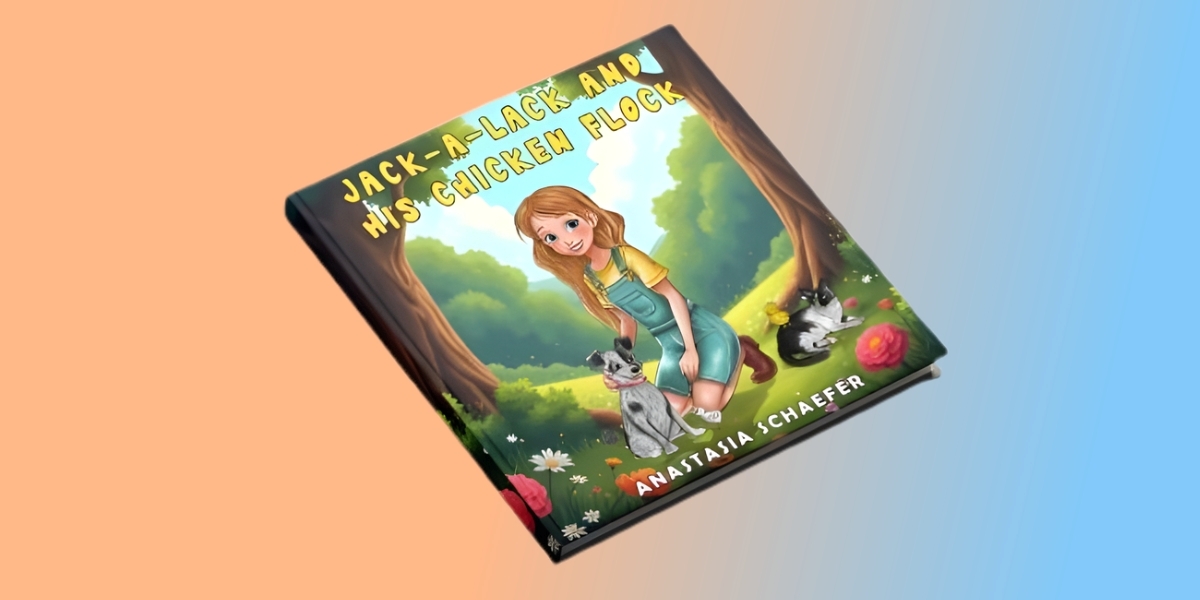
Photo Courtesy: Anastasia Schaefer

Anastasia Schaefer is a young storyteller with a heart for hope and imagination. “Jack-A-Lack and His Chicken Flock” is her debut children’s book, and it beautifully captures the courage, curiosity, and kindness that define childhood.

Her writing reflects her belief that children deserve stories that make them feel deeply and safely, stories that let them explore big emotions without fear. Drawing inspiration from her own love of animals and her fascination with human connection, she weaves tales that teach empathy and celebrate togetherness.

Anastasia plans to continue writing children’s books that center around emotional growth, friendship, and the comforting strength of love. Her vision is to build a library of stories that become touchstones for children, books that make them laugh, feel, and always remember: they are never alone.

Check the book here: Jack-a-Lack and His Chicken Flock: Schaefer, Anastasia: 9798275271744: Amazon.com: Books.

Learn more about the author: https://www.facebook.com/profile.php?id=61583847712853

For Press Inquiries, Review Copies, or Interviews

Contact: United Book Publishing 

Email: info@unitedbookpublishing.com

Phone: +1 (855) 605-5210

Why 2026 Will Be the Year of No-Code/Pro-Code Fusion – And How Progressive UX Is Leading the Hybrid Development Shift

By: Content Strategy Division, Progressive UX

Clearwater, FL — The software development industry stands at a potential inflection point. For years, businesses have faced a challenge: build applications quickly using no-code platforms, but often sacrificing customization, or spend months on custom development for complete control. Progressive UX, a digital development agency with operations across five countries, believes that 2026 could likely mark the end of this either-or paradigm.

The company recently announced its commitment to a hybrid development methodology, combining visual no-code interfaces with hand-coded custom features. This approach addresses what Progressive UX’s CEO describes as “the productivity paradox” in modern software development, where speed and sophistication have traditionally been seen as mutually exclusive.

Market Forces Driving the Convergence

Several concurrent trends are influencing the industry toward this middle ground. Enterprise software budgets grew tighter in 2025, yet digital transformation demands continued to accelerate. Companies find themselves needing applications faster, but without compromising on features that differentiate them competitively.

Recent data shows that 67% of businesses now use some form of low-code tooling, yet 82% of those same companies report hitting platform limitations within six months. Progressive UX has responded by developing what it calls “escape hatch architecture,” where no-code foundations can potentially transition seamlessly to custom code when requirements warrant it.

The company’s approach allows marketing teams to update content and basic workflows via visual interfaces, while developers focus on complex integrations, custom algorithms, and performance optimization. This division of labor can reduce development timelines by up to 40% compared to traditional methods, according to internal project data.

Technical Debt Meets Practical Reality

Progressive UX’s clients span industries such as healthcare providers, financial services firms, and e-commerce retailers across North America, Europe, and Australia. These organizations face regulatory requirements, security standards, and integration complexities that pure no-code platforms may struggle to address.

“We saw consulting firms selling no-code dreams that turned into technical nightmares,” explains a senior developer at Progressive UX who works on the company’s Web 3.0 and blockchain projects. “When a client needs HIPAA compliance or wants to integrate with legacy enterprise systems, visual builders can reach their limits. But starting from scratch could potentially waste the 70% of functionality that no-code handles well.”

The hybrid model also addresses talent constraints. Progressive UX reports that projects using their fusion approach require fewer senior developers, as mid-level engineers can handle no-code layer maintenance while specialists tackle custom components. In a market where experienced developers command premium salaries, this efficiency could offer a practical solution.

Why 2026 Will Be the Year of No-Code/Pro-Code Fusion - And How Progressive UX Is Leading the Hybrid Development Shift

Photo Courtesy: Progressive UX

Real Applications Beyond the Hype

The company points to recent implementations as examples of its approach in practice. An e-commerce client needed a product configurator with real-time pricing that connected to an ERP system dating to 2012. Progressive UX built the user interface and basic product catalog in a no-code environment, then wrote custom API layers and calculation engines in traditional code. The hybrid project launched in around eight weeks, which was much quicker than the estimated five months for full custom development.

Another healthcare client required patient scheduling with complex insurance verification and HIPAA-compliant data handling. The scheduling interface and basic workflows used no-code components, while authentication, encryption, and third-party insurance verification ran on custom-coded microservices.

Why 2026 Will Be the Year of No-Code/Pro-Code Fusion - And How Progressive UX Is Leading the Hybrid Development Shift

Photo Courtesy: Progressive UX

Looking Past the Technology Trend Cycle

Progressive UX maintains that hybrid development succeeds because it aligns with what actually happens inside companies. Business users want autonomy to make changes without developer tickets. Developers want to solve interesting problems rather than build another contact form. No-code provides the former, while custom code enables the latter.

The company is optimistic that within 18 months, most mid-market software agencies will adopt similar hybrid models or could risk losing projects to competitors who can deliver both speed and sophistication. Whether that prediction proves accurate will depend on whether other development shops can replicate the technical orchestration required to make the approach work.

For businesses planning digital initiatives in 2026, Progressive UX suggests that the conversation has shifted from “no-code versus custom code” to “which parts get which treatment.” That nuance may help define the next generation of enterprise software.

Businesses exploring hybrid development strategies for 2026 projects can learn more about Progressive UX’s approach at www.progressiveux.com or contact their consultation team at (332) 208-1621.


Disclaimer: This article contains information about Progressive UX services and offerings. While we strive to provide accurate and up-to-date information, readers should conduct their own research and due diligence before engaging with any publishing services. This content is for informational purposes only and should not be considered professional advice. Some details about services, pricing, and availability may change over time.

Southampton Arts Center Toasts to the Artists of Second Skin Curated by Estrellita B. Brodsky Featuring Special Live “Fashion Interventions” Performance by Gabriela Galván

Southampton Arts Center (SAC) will host a special Toast to the Artists of Second Skin, curated by Estrellita B. Brodsky, with a live “Fashion Interventions” performance by Gabriela Galván on December 20th.

 “Fashion Interventions”, which was first developed during the summer of 2007 in Soho, New York, will be in the front of the gallery from 12–5 PM, where worn garments are transformed in real time, followed by a festive reception from 5–7 PM with cocktails, cookies, hot chocolate, and conversation with the artists and curators of Second Skin.

 Visitors can bring a piece of clothing to the gallery that they would otherwise discard and allow Gabriela to transform the item on the spot. The participative action will explore human connections, highlight how sustainable action can change our perception of consumerism, and the relationship of clothes with our bodies. “Fashion Interventions” shows how simple actions in everyday life can be tools for positive change for ourselves and our surroundings, sensitizing an open ecological awareness encompassing different ages and cultures. This participatory experience invites visitors to reflect on sustainability and fashion’s role in personal identity, offering a chance to transform discarded garments into unique, meaningful creations.

Southampton Arts Center Toasts to the Artists of Second Skin Curated by Estrellita B. Brodsky Featuring Special Live “Fashion Interventions” Performance by Gabriela Galván

Photo Courtesy: The Felix Beaudry and SITUATIONS, New York 
Felix Beaudry Fire Feet; Bury Me SITUATIONS

The Second Skin exhibition, which will be on view at SAC until December 28th, presents approximately 30 works from the early 1950s to the present, with a strong emphasis on Latin America. The exhibition features photography, sculpture, textiles, wearable objects, and archival material, including various prints from Martine Gutierrez’s acclaimed Indigenous Woman and a selection of Andy Warhol works on paper from the Jordan D. Schnitzer Foundation.

Some artists in Second Skin, including Felix Beaudry and Nazareth Pacheco, create their own garments to explore identity and protection against political or sexual violence, while others, such as Joiri Minaya and Stephanie Syjuco, appropriate commercial ethnic and tropical motifs to challenge racial and colonial narratives and critique fashion’s beauty standards and commodification of bodies.

The exhibition explores how fashion functions as a site where identities are constructed, commodified, resisted and critically reclaimed.

Southampton Arts Center Toasts to the Artists of Second Skin Curated by Estrellita B. Brodsky Featuring Special Live “Fashion Interventions” Performance by Gabriela Galván

Photo Courtesy: Gabriela Galván

“The artists presented at the Southampton Arts Center remind us that fashion frames our sense of self and our perception of others as well as personal agency,” said Estrellita B. Brodsky, Curator, philanthropist. “Toasts to the Artists” taking place on December 20th will celebrate these ideas and a shared sense of community.”

Artists featured include Antonio (Antonio Lopez and Juan Ramos), Felix Beaudry, Andrés Bedoya, Miguel Fernández de Castro, Sylvie Fleury, Martine Gutierrez, Gaspar Libedinsky, Carole Frances Lung, Raúl de Nieves, Joiri Minaya, Nazareth Pacheco, Bárbara Sánchez-Kane, Stephanie Syjuco, Milagros de la Torre, WAR BOUTIQUE (Kevin Leahy), and Andy Warhol.

For more information, please visit Southampton Arts Center’s website or contact info@southamptoncenter.org.

Lead Sponsor: JAF Foundation

Jürgen and Anke Friedrich

This exhibition has been sponsored in part with General Operating Support by the New York State Council on the Arts, with the support of the Governor, the New York State Legislature, and the Suffolk County Office of Cultural Affairs.

Gallery Hours:

Friday – Sunday | 12 – 5 PM

25 Jobs Lane Southampton, New York 11968

631.283.0967

southamptonartscenter.org

ABOUT SOUTHAMPTON ARTS CENTER 

Southampton Arts Center is committed to community building through the arts. We present and produce inspiring, inclusive, socially and regionally relevant programs across all disciplines – welcoming, connecting, and collaborating with the diverse members of New York’s East End community and beyond. SAC is a not for profit 501(c)(3) organization. 

For more information about Southampton Arts Center, located at 25 Jobs Lane, Southampton, New York 11968, visit southamptonartscenter.org or call 631.283.0967. Follow SAC on Facebook and Instagram @southamptonartscenter. For press inquiries, contact SAC at pr@southamptoncenter.org.

Ronald G. Wayne: From Apple to Economic Empowerment

By: Matt Emma

Ronald G. Wayne’s journey began not with the fanfare of fame, but with a quiet curiosity and a love for engineering. Long before his name would find its place beside that of Steve Jobs and Steve Wozniak as a co-founder of Apple, Wayne was already honing his skills as a draftsman and product designer. His technical expertise and problem-solving mindset set him apart, and he built his reputation through a series of positions at forward-thinking companies, including Atari. It was here that his ability to merge creativity with practicality earned him the respect of his peers and laid the foundation for the opportunities to come.

However, it wasn’t until 1976 that Wayne’s career would take a dramatic turn. That year, Steve Jobs and Steve Wozniak, two ambitious young leaders, invited him to join them in launching what would eventually become one of the most successful companies in history: Apple Computer Company. Wayne, with his experience and steady hand, brought stability and structure to their vision. He was instrumental in drafting the original partnership agreement that would define Apple’s future and in designing the company’s very first logo, a symbolic representation of the innovation Apple aimed to embody. Additionally, Wayne created crucial documentation that helped the fledgling company navigate its early days and remain grounded amid rapid growth.

But perhaps one of the most defining moments in Wayne’s story came when, after just 12 days, he decided to leave Apple. His departure has been a topic of reflection ever since, yet it is not one marked by regret. Instead, Wayne’s choice has shaped a grounded perspective on risk, reward, and the true nature of success. Unlike many driven by the pursuit of fame and fortune, Wayne’s path was always about aligning his actions with his values. He didn’t chase recognition or wealth; instead, he followed a personal journey that kept him true to what mattered most to him. Wayne’s story is one of the quiet power of personal conviction and the strength that comes from making decisions guided by integrity and principle, not by the allure of external rewards.

From Technology Leader to Economic Educator

While many would have stopped there, Wayne saw his journey differently. The same thoughtful approach that helped birth a tech empire became the foundation of his mission to teach others about risk, resilience, and responsible wealth management.

Wayne’s work today is fueled by a deep desire to guide others through turbulent economic times. With decades of experience in engineering, entrepreneurship, and financial self-reliance, he’s turned his attention to a new challenge: helping people prepare for a world shaped by inflation, fiat currency instability, and shifting economic structures.

His message is direct and rooted in lived experience. Through public speaking and writing, Wayne offers clear, actionable advice for those ready to secure their futures; not through fear, but through awareness and preparation.

“Tomorrow’s Money”: A Call to Practical Action

At the heart of Wayne’s current mission is his book, Tomorrow’s Money. More than just a financial guide, it’s a wake-up call. He outlines the risks facing today’s economy and explains why tangible assets, such as silver and gold, are worth serious consideration.

Wayne doesn’t speak from theory. Real-life wins and losses shape his writing, and his insights carry the weight of hindsight and hard-earned wisdom. He makes his case with quiet authority, advocating for resilience, self-education, and long-term thinking.

Engaging with the Public, One Conversation at a Time

Wayne remains highly accessible. He attends events, delivers talks, and meets individuals face-to-face for book signings and interviews. He’s not a distant figure on a pedestal; he’s a hands-on mentor with a message that matters.

Whether through seminars, online content, or one-on-one conversations, Wayne continues to share his knowledge with humility and conviction. He encourages others to move beyond outdated ideas of wealth and risk, urging them to explore sustainable strategies for financial independence.

Grounded in Experience, Committed to the Future

Ronald G. Wayne’s story is not just about being part of Apple’s origin. It’s about what he chose to do next. As a thought leader and educator, he now focuses on lead generation, book promotion, and expanding public awareness of economic realities.

His approach is honest, grounded, and forward-thinking. Beyond information, he offers clarity, urging people to look ahead with both caution and confidence.

Disclaimer: The information provided in this article is for general informational purposes only and is not intended as legal, financial, or professional advice. While we strive for accuracy, we make no representations or warranties, express or implied, about the completeness, accuracy, reliability, suitability, or availability of this information. Use of this information is at your own risk.

The Focus Fallacy: Why Silicon Valley’s Sacred Advice Is Killing Founder Potential

Silicon Valley has convinced an entire generation of founders that success requires singular focus. Pick one thing. Pour everything into it. Don’t get distracted. But this orthodoxy is creating a massive blind spot, one that’s costing founders their resilience, their momentum, and often their businesses entirely.

Pablo Gerboles Parrilla, who built multiple technology companies by deliberately ignoring this advice, sees the focus doctrine for what it really is: a recipe for fragility disguised as discipline. His companies, including Pabs Tech Solutions, AliveDevOps, and Pabs Marketing, weren’t built through laser focus on a single opportunity. They were built through strategic diversification, which most advisors would call a distraction.

The data backs him up. While the business press celebrates focused founders who bet everything on one vision, they rarely follow up on the casualties— the thousands of entrepreneurs who put all their resources into a single project that failed, leaving them with nothing: no income, no momentum, no psychological foundation to rebuild from.

Why Focus Creates Catastrophic Risk

The focus fallacy rests on a dangerous assumption: that entrepreneurial success is primarily about execution intensity rather than strategic resilience. But the reality of building businesses is that failure is common, market timing is unpredictable, and factors outside your control regularly destroy even well-executed plans.

When Gerboles Parrilla was building his first crypto venture in 2018, conventional wisdom said to shut down his development services business and focus exclusively on the higher-potential opportunity. That advice would have been catastrophic. When the crypto project failed, taking a six-figure investment with it, the services business wasn’t just financial backup. It was proof of capability, evidence that he could execute, and the momentum that kept him in the game.

This is what focus advocates miss: putting everything into one project creates a single point of failure. When it collapses, and statistically, most startups do, you’re starting from zero. No cash flow. No confidence. No evidence that you can execute anything successfully. The psychological damage often exceeds the financial loss.

Strategic diversification eliminates this vulnerability. Multiple projects properly structured don’t dilute focus, they create antifragile business systems that get stronger through adversity. When one project fails, the others maintain your momentum, preserve your confidence, and prove your capability to keep executing.

The Three-Project Framework That Actually Works

The key to making multiple projects work isn’t about working harder or having superhuman energy. It’s about structural design. Each project in your portfolio needs to serve one of three strategic purposes:

Cash flow projects generate immediate revenue and financial stability. These are services, consulting, or low-risk products that reliably produce income while you build higher-potential ventures. They’re not meant to scale into billion-dollar companies, they’re meant to keep you alive and operating while you develop what will.

Capability-building projects develop skills, systems, or operational excellence that will scale into larger opportunities. Gerboles Parrilla’s early development work taught him distributed team management, quality control under deadline pressure, and how to deliver complex software projects reliably. When he later scaled his automation business, he wasn’t learning these skills for the first time; he was applying proven patterns.

High-potential ventures are the projects that could scale significantly but require time, capital, or market development. These are your shots at building something substantial. But they shouldn’t be your only shots because most of them will miss, and having others running in parallel means you stay in the game long enough to eventually connect.

The critical insight is that these projects should share underlying capabilities even while serving different functions. If one project teaches you how to automate operational processes and another requires those same skills, they reinforce rather than compete. You’re building a stack of complementary capabilities, not managing disconnected chaos.

Why This Works For Creative Founders

This approach isn’t universal, and that’s precisely the point. The focus doctrine treats all founders as identical, but they’re not. Some founders need deep, sustained concentration on single complex problems. They’re doing fundamental research, building deep technology, or working on challenges that require years of uninterrupted effort.

But there’s another category of founder, arguably the majority, who naturally generate ideas, get energized by variety, and maintain quality across different contexts. These founders aren’t distracted by multiple projects. They’re bored and less effective when constrained to one. Forcing them into singular focus doesn’t create discipline; it creates frustration and suboptimal performance.

The question isn’t whether focus is good or bad. It’s whether your cognitive style matches the conventional advice and having the honesty to admit when it doesn’t. Some founders are sprinters who need singular targets. Others are endurance athletes who perform better with varied terrain. Neither is superior; they’re optimized for different types of minds and markets.

The Real Cost of Following Bad Advice

The tragedy of the focus fallacy isn’t just that it creates fragile businesses; it’s that it eliminates founders who could have succeeded with a different structure. How many capable entrepreneurs quit after their singular project failed, not because they lacked ability, but because they lacked the resilience that comes from having multiple sources of momentum?

The entrepreneurial advice industry loves simple rules because they’re easy to teach and remember. But these rules often paper over nuance that matters enormously. Not all founders are the same. Not all markets reward the same strategies. Not all business models require identical approaches.

For creative founders who naturally generate ideas and maintain quality across contexts, strategic diversification isn’t inferior to focus; it’s a different path to the same destination. One that might, counterintuitively, get you there faster and more sustainably than betting everything on a single point of failure.

The focus doctrine will continue dominating startup advice because it’s simple, memorable, and occasionally produces spectacular successes. But for every focused founder who builds something extraordinary, dozens followed the same advice into oblivion, not because they failed to execute, but because they structured their entrepreneurial portfolio to maximize risk rather than manage it. It’s time to recognize that for many founders, the most disciplined choice isn’t focus at all. It’s the strategic courage to ignore it.

Pablo Gerboles Parrilla is a former Division I golfer and founder of multiple technology companies, including Pabs Tech Solutions, AliveDevOps, and Pabs Marketing. He specializes in building automated systems that eliminate operational inefficiencies and helping founders structure businesses for sustainable growth.

Social Revolt Agency: A Leader in Multicultural Marketing for CPG Brands

For over a decade, brands have claimed to “value diversity.” But very few have truly understood what that means, let alone how to communicate across cultures, languages, and lived experiences with integrity.

Then came Social Revolt.

Social Revolt took shape in 2014 with a simple but strong idea: marketing should reflect the real lives of the people it hopes to reach. Founder Marty Martinez saw a gap in how most agencies approached culture and built his firm to close it. From the start, Social Revolt focused on community understanding, not just campaign execution, setting the stage for a new kind of agency thinking.

Today, the Dallas-based agency is quietly leading a transformation that’s reshaping how CPG companies connect with modern audiences.

Photo Courtesy: Social Revolt Agency

The Numbers Behind the Shift

As of 2024, multicultural groups make up over 40% of the U.S. population, and by 2045, non-Hispanic whites are projected to become a minority, according to U.S. Census Bureau data. Gen Z, recognized as the most racially diverse generation in American history, increasingly expects brands to reflect their values and cultural identities [Pew Research Center].

This marks more than a change in population data. It reflects a more profound cultural shift that is reshaping how brands communicate and who they reach.

Social Revolt recognized this early. Long before multicultural marketing became a buzzword, the team was building systems to decode it. Enter: Cultural Pulse.

Beyond Translation: Introducing Cultural Pulse™

Cultural Pulse is a custom-built intelligence system developed by Social Revolt to better understand the emotional patterns, behavior shifts, and generational perspectives shaping today’s consumers.

The platform goes beyond location and language. It explores audience values, identity, trusted sources, and the signals that influence decisions.

The approach is especially helpful for consumer brands aiming to build real connections with a wide range of audiences, such as Hispanic, Black, AAPI communities, Gen Z, and millennial parents. Instead of relying on assumptions, the agency puts these insights into real, measurable work.

According to Social Revolt, in one campaign for Licor 43, it helped increase annual U.S. sales from 40,000 to over 110,000 cases in under 5 years. The secret? A multicultural strategy that used real-time data, localized creator partnerships, and culturally tuned messaging that didn’t just “speak to” audiences but included them from the start.

Representation with Real Strategy

What makes Social Revolt stand out is the way they guide clients to think beyond surface-level diversity. The team doesn’t stop at representation, they focus on building meaningful, creative work shaped by real cultural insight.

Martinez explains that representation only matters when it’s built into the foundation of the work. He encourages teams to ask deeper questions like who’s involved in shaping the message, who’s crafting the language, and whose perspectives are being prioritized long before any campaign goes public.

Social Revolt makes inclusion part of how every campaign is built. From writing scripts to selecting talent, the team takes care at every step to reflect the communities they’re speaking to in a way that feels thoughtful and real.

It’s why global brands trust them to lead multicultural activations because they don’t just understand diverse audiences. They are those audiences.


Multicultural isn’t Vertical. It’s the Whole Game

Too many agencies treat “diversity” as a campaign add-on. For Social Revolt, it’s the strategy from the start.

That shift in thinking is resonating. For the past two years, the agency was named one of Inc.’s Top 100 Fastest-Growing Advertising & Marketing Agencies in the U.S. They’ve also expanded internationally, opening a new office in Mexico City a city that reflects the bilingual, bicultural future of brand marketing.

For their clients, the results speak volumes. One TikTok campaign for a national beverage brand generated more than 20 million impressions. In another project, a travel recruitment campaign led to record sign-ups among Black and Latino Gen Z applicants. These outcomes reflected a clear understanding of culture, community, and timing.


Building the Future of Multicultural Marketing

So what’s next?

Social Revolt is doubling down on education. They’re developing training tools to help internal brand teams understand cultural nuance. And they’re investing in mentorship to bring more young creatives of color into the industry.

This direction reflects a bigger mission, making multicultural marketing a core part of how brands operate, not something extra. 

Martinez says he hopes that within five years, every client will see cultural understanding as essential to their strategy, just like media planning or brand development.

Final Takeaway

In a world where audiences expect authenticity, Social Revolt is demonstrating that actual diversity work is both meaningful and impactful.

They’re not just a multicultural agency; they set the standard for how it should be done.

And for CPG brands looking to build lasting relevance across shifting demographics, it’s time to pay attention.

Explore Social Revolt:

Website | Instagram | LinkedIn | Facebook


GoldXTrust: Understanding Gold’s Role in Today’s Economy

As 2025 unfolds, individuals and organizations are reassessing their resource management approaches amid global economic changes. With ongoing concerns about inflation, economic shifts, and market fluctuations, many are exploring different options to manage their resources. Among these, gold has long been a topic of interest for those considering other ways to navigate economic uncertainty.

Gold in an Uncertain Economy

While traditional financial markets, such as stocks and bonds, can experience significant volatility, gold is often considered a stable asset in uncertain times. However, its value can still fluctuate with various economic factors. However, it is essential to note that gold’s value can still fluctuate, and its performance may vary depending on a range of global economic factors. It is always necessary to consider gold as part of a diversified resource management strategy, alongside other asset types. This has made it a resource of interest for some, but it is important to consider the potential risks and fluctuations in value, especially during unpredictable market conditions.

Gold’s history as a valuable asset spans many cultures and civilizations, and it is often seen as a resource that holds value across different economic systems. This longstanding recognition has contributed to its reputation as reliable across various financial climates.

The Rise of Digital Platforms Offering Gold Insights

With the rise of digital technology, more platforms have emerged to offer resources and educational tools for individuals interested in learning about gold. These platforms provide information on how gold is viewed in the context of financial management, helping people better understand its potential role in the broader economic landscape.

Some platforms, such as GoldXTrust, offer educational resources related to gold as part of various strategies in financial planning. These platforms share resources that help users better understand how gold might fit into their overall resource management. As financial education becomes more accessible, individuals are better equipped to make informed decisions based on their own goals.

Gold’s Role Compared to Other Assets

Gold is often recognized for its steady demand over time. Unlike other assets that may experience fluctuations based on policy decisions or short-term market events, gold’s value can fluctuate based on various economic factors. While it has historically been viewed as a store of value, it is crucial to consider gold alongside other assets and as part of a broader, diversified strategy. Its value is influenced by both long-term trends and short-term market conditions. As a tangible asset, gold’s physical nature also differentiates it from purely digital or paper-based assets. This enduring appeal has led many to view it as a complementary element in long-term resource management strategies.

That said, gold is not the only resource individuals may consider when seeking stability. Other assets, such as government bonds, real estate, or certain commodities, can also play a role in how people manage their resources. Gold’s value can vary, and it is often considered alongside other assets. Each resource, including gold, serves a unique function depending on individual financial goals, and it’s essential to assess its potential within a broader diversified portfolio.

Diversification for a Balanced Approach in 2025

One of the key ideas in financial planning is diversification. The concept of diversification involves using a variety of assets to spread risk. By not relying on a single type of resource, individuals can better manage the impact of unpredictable market changes. While stocks, bonds, and real estate are common choices for many, some may incorporate additional assets, such as gold, as part of a broader strategy.

As we progress through 2025, more people may continue to explore how gold could be used in their overall resource management. Many find value in diversifying their assets to manage risk and support financial stability. Gold may be one option among many that individuals consider, but it’s important to evaluate its role as part of a broader strategy with professional guidance. By incorporating a variety of resources, individuals can better manage risks associated with economic changes. Gold’s role in this context is a complementary addition to other traditional and alternative assets in a well-rounded strategy.

Disclaimer: This article is for general knowledge and informational purposes only and should not be construed as financial advice. Gold and other assets can fluctuate in value and are part of a broader financial landscape. Always consult with a professional financial advisor to evaluate how gold might fit into your personal financial strategy before making any financial decisions.


Why New York Homeowners Are Reimagining Their Living Spaces

In a city where every square foot counts and life moves at an extraordinary pace, New Yorkers have always been creative about how they use their homes. Over the past few years, however, that creativity has evolved into something bigger. With hybrid work now a permanent fixture, rising multigenerational households, and a renewed emphasis on wellness at home, the demand for thoughtful, functional living spaces has surged. This shift has inspired countless residents to look seriously at home renovations, not just as an upgrade but as a lifestyle investment.

There’s a striking trend in how homeowners are rethinking the balance between work and relaxation. The pandemic may feel long behind us, but its influence on design is everywhere. Many New Yorkers are carving out home offices that can double as guest rooms, creative studios, or peaceful hideaways from city noise. These spaces are intentionally flexible because life in New York rarely stays the same for long. With property values constantly evolving and family needs shifting, residents want rooms that work harder without feeling cramped or cluttered.

Another major driver behind the city’s renovation boom is the desire to reclaim comfort. Old brownstones and pre-war apartments have undeniable charm, but they also come with challenges that only become more noticeable as families spend more time at home. Ageing pipes, outdated electrics, narrow kitchens, and worn-out bathrooms can make daily routines far more stressful than they need to be. Modern upgrades like energy-efficient heating, smart lighting, or redesigned kitchens can dramatically improve everyday life, helping New Yorkers feel more settled and less overwhelmed by the pace of the city.

Lifestyle also plays a huge part. New Yorkers are increasingly focused on creating homes that support wellbeing. Think meditation corners, spa-inspired bathrooms, improved natural lighting, and multifunctional living spaces that encourage connection rather than chaos. Renovations that open up floor plans or increase flow between rooms are particularly popular, not just because they look beautiful but because they help soothe the sense of congestion that city living can sometimes bring.

For families, the pressure to optimise space is even greater. As children grow, remote work continues, and older relatives move in, the demands on a home multiply. Many families are expanding storage, redesigning bedrooms to be more adaptable, or upgrading kitchens to handle busy weekday routines. With the right planning, even the smallest New York apartment can become surprisingly efficient.

Businesses feel these trends too. More entrepreneurs now work from home, and side hustles have become mainstream. A kitchen table may work temporarily, but it rarely supports productivity in the long run. Purpose-built home workspace remodels, soundproofing upgrades, and improved lighting have become essential investments for small business owners trying to stay competitive in such a fast-paced market.

Another notable shift is the attitude toward sustainability. New Yorkers are increasingly conscious of how their homes impact the environment. Eco-friendly materials, energy-efficient appliances, improved insulation, and water-saving fixtures are becoming standard requests. These upgrades not only help reduce environmental impact but can also lower utility bills, making them a smart financial choice.

Of course, navigating a renovation in New York is its own unique experience. Historic building rules, co-op board approvals, limited space for construction, and strict timelines mean planning is essential. Working with experienced professionals who understand the city’s building requirements can make a dramatic difference in keeping a project smooth and stress-free. This is one reason so many homeowners are turning to specialists in New York who have the local expertise to manage everything from permits to structural limitations.

Despite the challenges, transforming a New York home is a t rewarding investment residents can make. The city changes constantly, and a home that changes with you brings stability and comfort in a place where both can feel hard to come by. Whether it’s opening up a kitchen, upgrading an ageing building system, or simply creating more room to breathe, thoughtful renovations give New Yorkers the freedom to shape their living spaces in ways that reflect who they are and how they want to live.

As 2025 continues to unfold, one thing is clear: New Yorkers aren’t just renovating their homes. They’re designing their lives, one room at a time.

Eleven Kings Launches a New Update Offering Daily Rewards and Enhanced Gameplay Experience

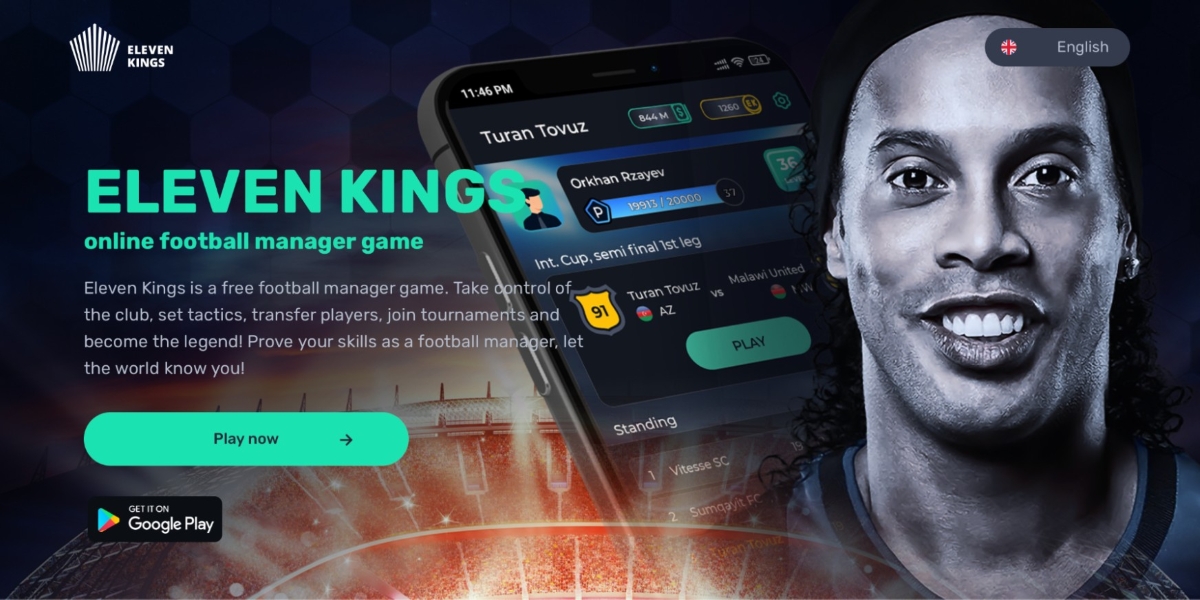
The internationally acclaimed football management game Eleven Kings has officially rolled out a substantial new update, marking one of the most significant enhancements to the platform in recent years. With a global community of players and a reputation for delivering a realistic, strategy-driven football management experience, Eleven Kings continues to evolve by introducing features that enrich player engagement and elevate overall gameplay quality.

Since its launch, Eleven Kings has stood out in the sports gaming market as a platform where users can create, manage, and grow their own football clubs from scratch. Players take full control of their team’s development — from scouting and signing new talent to making tactical decisions, training athletes, analyzing match statistics, and competing in international leagues. The game’s design prioritizes realism, strategic depth, and user satisfaction, making it a preferred choice among football and sports-simulation fans across various regions.

A More Refined and User-Friendly Interface

The latest update introduces a significantly improved user interface aimed at creating a smoother and more intuitive experience for both new and long-time players. The development team has optimized page transitions, improved button navigation, and introduced a visually enhanced layout that makes managing squads, finances, and tactics more accessible. These refinements are the result of extensive testing and direct community feedback, with the goal of ensuring every player can interact seamlessly with the platform.

By restructuring dashboard elements and simplifying access to match data, the update makes it easier for players to track their team’s progress and make informed managerial decisions. Whether adjusting matchday formations or planning long-term strategies, players will now experience a more fluid and responsive system.

Daily Rewards and Exclusive Promo Codes

Eleven Kings Launches a New Update Offering Daily Rewards and Enhanced Gameplay Experience

Photo Courtesy: Eleven Kings Inc.

One of the standout additions in this update is the introduction of daily in-game rewards, allowing players to collect coins and additional bonuses simply by logging in regularly. These rewards are designed to encourage consistent engagement while offering new opportunities to strengthen squads and accelerate club development.

Moreover, exclusive promo codes will now be released daily through Eleven Kings’ official Instagram page. This feature strengthens the interaction between the game and its community on social media, creating a more connected ecosystem. Players are encouraged to follow the official Instagram account to ensure they do not miss out on limited-time rewards that can provide strategic advantages in tournaments and league matches.

Enhanced Gameplay Mechanics

The update goes beyond cosmetic improvements, introducing refinements to the game’s core mechanics. Animation transitions have been upgraded, match simulations run more smoothly, and the overall stability of the platform has been improved. These changes deliver a more realistic virtual football experience, allowing players to analyze outcomes more accurately and fine-tune their tactics accordingly.

Additionally, the balancing system — which ensures fairness in competitive matches — has been adjusted based on user input. The updated algorithm now creates more strategic game scenarios, challenging players to think critically while keeping the competition fair and engaging.

Designed with Community Feedback in Mind

According to the Eleven Kings development team, this update represents the culmination of months of communication with the player community. User suggestions and feedback played an essential role in shaping the new features, from interface enhancements to performance optimizations.

The team emphasized that their priority is to deliver a football management platform that remains enjoyable, authentic, and competitive. By incorporating direct feedback into the update cycle, Eleven Kings aims to maintain long-term trust and loyalty within its growing global fanbase.

A More Competitive and Strategic Journey Ahead

With this release, players can now participate in leagues, tournaments, and special in-game challenges with greater stability and improved strategic opportunities. The updated ranking system motivates players to continuously improve their performance, analyze match outcomes more carefully, and climb higher on the global leaderboard.

As Eleven Kings continues to expand its community and innovate within the sports gaming genre, this new update marks an important milestone in its development roadmap. The combination of daily rewards, interface upgrades, and refined gameplay mechanics ensures that both casual fans and dedicated managers enjoy an enriched, competitive, and rewarding football management journey.

How “Property Therapy” Turns Broken Buildings into a New Kind of Self-Help

By: Duane M. Curtis

On the fourth floor of Kindred Hospital, the cello breathes.

The instrument sits in Adam Sheffield’s lap, its rib still bearing the scar from where a truck door once smashed it. When he leans into a low note, air puffs audibly from the old wound, a soft exhale you can feel more than hear, like the instrument is sighing along with him.

Across from him, his brother Trevor struggles to find his part in the duet. Between them, in the hospital bed, their older brother Greg dozes, toes bandaged where infection nearly took his foot.

The room smells faintly of antiseptic and cafeteria coffee. Sheffield, in a yellow Mahomes jersey, nudges Trevor back into tempo, and the two cellos lock, briefly, into something like order. It’s family time, but it’s also something else—what the 49-year-old landlord-lawyer-violinist has spent two decades trying to name. Property therapy, he calls it: the idea that when you take care of property—an apartment building, a cello, a human body—it takes care of you.

Inside the World of “Property Therapy”

The Man Behind the Term

Sheffield coined “property therapy” in law school, watching one of his triplexes burn.

First, it was 519, then 317, two multi-family buildings in Independence, Missouri, both gutted by tenants’ accidents and both added to the city’s “dangerous buildings” list. Insurance fell short. Neighbors and even other investors told him to raze the structures and walk away. Instead, he stood in the parking lot and thought, This building is going to need some therapy, property therapy.

To rebuild, he crammed for a general contractor’s license—learning, as he likes to say, “what a footing even was”—and then spent months inside the carcass of 519, jackhammering sewer lines, pulling wire, and playing what he calls “water-pipe whack-a-mole” as leak after leak announced itself in scorched walls.

What he discovered in the wreckage became the thesis of his new book, Property Therapy, a long, unruly, frequently funny manifesto on what happens psychologically, spiritually, economically when people get personally involved with the things they own.

Property therapy is where you take care of property, and it takes care of you,” he writes, defining a category of “gray-collar workers” who both fix and manage their assets—hands in the drywall, eyes on the spreadsheet. They might be small landlords, sign-shop owners, string-instrument luthiers, or HVAC techs people for whom the line between blue-collar and white-collar is less a border than a blur.

The book is structured, he insists, like a sonata: exposition, development, recapitulation, an “ABA” butterfly form borrowed from his first profession as a classical violinist. It reads like a mash-up of building-code war stories, law-school gossip, theology, addiction memoir, and small-business handbook.

A Movement Born on the Radio

Before it was a book, “property therapy” was a radio show—a two-year run on a small Missouri station that bled into five states and a syndicated slot on the East Coast.

His co-host, sound engineer, and sometime foil was John Pyne, another landlord and musician, whom Sheffield first spotted 30 feet in the air in a man-lift, trimming branches that threatened his roof. “Somehow, I instantly knew who John was,” he writes. “He was me.”

If the book is the treatise, the show was his laboratory. Week after week, the two men used callers, case studies, and their own misadventures—stolen concrete saws, blown sewer stacks, widowed tree limbs to build what Sheffield grandly calls “property therapy jurisprudence,” a kind of common-law of maintenance and stewardship.

In that framing, every clogged drain and cracked foundation is a “case,” every repair a precedent in how people relate to their things. It’s a way of seeing the world that refuses to keep labor and ideas, body and property, soul and real estate in separate files.

From Burned-Out Buildings to Personal Repair

Psychologically Damaged Houses

The stories that anchor Property Therapy are not tidy HGTV arcs; they’re closer to noir.

There’s the burned-out 317 building, its pipes so heat-warped that every time Sheffield turned the water back on, new leaks erupted somewhere else, sending him on an hours-long hunt through walls and ceilings. There are gas lines that must be disassembled segment by segment, coated in thread dope, and pressure-tested with a hand pump before the utility will agree to turn the meter.

And then there is Kevin.

Kevin was a model tenant for three years of on-time rent—until he vanished. When the downstairs neighbor calls to complain about a smell “like rotten chicken,” Sheffield sends her upstairs to check. She comes back shaken; he goes himself and finds, on the bed, what looks like a giant bean-bag chair, dark and swollen, unrecognizable as human until his friend says quietly, “Adam, it is Kevin. He’s got his underwear on.”

The police take the body; the property, he argues, remains “psychologically damaged.” He tears out the carpet, barrels the hardwood to shave away any trace of organic matter, floods the air with odor-eating gel, and then leaves the unit empty for months, letting time act as another kind of solvent.

For Sheffield, this isn’t just a grisly anecdote. It’s an argument that property, too, carries trauma—that houses can be “in pain” and require deliberate healing.

The System Behind the Stories

Gray-Collar Work and the “Tragedy of the Commons”

Beneath the anecdotes, Property Therapy is wrestling with a structural question: who, exactly, is responsible for keeping the material world from falling apart?

Sheffield’s answer is the gray-collar workers: the small landlords or contractors who own the property, know every quirk in its plumbing, and feel, in a way that big institutions often don’t, its near-constant risk of decay.

When a building lands on the “dangerous buildings” list, for instance, the city can force a comprehensive code update, effectively weaponizing safety standards against undercapitalized owners. The lien doesn’t just cloud title; it legally bars anyone from living there until the work is done. For the landlord who depends on that rent, the pressure is existential.

At the same time, he argues, the broader public tends to treat property owners especially landlords as faceless villains, easy targets for taxes and regulations because they’re outnumbered by tenants and because their struggles are largely invisible.

One of his more radical proposals is a work-voucher system that would allow owners to pay a portion of their property taxes through direct labor—snowplowing city streets with their own trucks, doing custodial work in schools, or joining civic maintenance crews so they can “feel the road’s pain.” It’s less a fully fleshed policy than a thought experiment in re-attaching stewardship to revenue.

The same impulse animates his fondness for the Amish and Hutterites—communities he sees as models of high-touch, low-technology stewardship, even as they quietly deploy industrial-scale machinery in their businesses to stay afloat. In his book, he wanders through their sawmills and water-purification plants, looking for clues to systems where shared belief, rather than law alone, anchors care for property.

Raccoons, Puppets, and the Politics of Maintenance

The system isn’t just legal; it’s ecological, too. The raccoons, for instance, have their own chapter.

In less than a year, he trapped 22 of them around his brother Trevor’s duplex, as they chewed through siding and wiring to reach the attic. He resided in the whole building, “over 15 grand!” he notes, and still couldn’t fully keep them out. Eventually, a trapper explains that once a house is on the raccoon “hotel list,” they just keep coming.

It’s absurd, but it’s also a case study in what policy types call externalities: the ways unmanaged wildlife, absentee owners, and well-meaning neighbors who feed “cute” animals can externalize costs onto whoever holds the deed.

On the radio, these themes become allegory. Sheffield introduces puppets like Jim the Crow, a feckless, baby-daddy bird who wrecks property and dodges responsibility, and Bowie Bird, a bowerbird contractor who builds and maintains, attracting “lady birds” with his competence and stash of savings.

The puppets are broad caricatures, sometimes uncomfortably so, and the gender politics of the book, especially his riffs on “boss babe” culture and divorce statistic,s will strike some readers as dated or worse. But they also reveal his core conviction: stewardship is moral before it is financial, and neglect of property, people, or commitments always sends the bill somewhere.

Back to the Music

Near the end of Property Therapy, Sheffield circles back to his instruments. He describes the ritual of caring for Eve, the violin humidifier snake tucked inside, strings wiped clean after every session, and the sense, almost marital, of having “been through a lot together.”

It’s tempting, especially in a culture of personal-finance hacks and renovation porn, to want a clear takeaway: buy this many rentals, learn these five skills, achieve “financial freedom.” Sheffield doesn’t entirely resist that he is frank about how selling a giant man-lift paid for law school, how rental income funded years of radio airtime.

But the most resonant moments in his work are quieter: a landlord sanding a floor where a tenant died; a brother teaching another brother to play cello in a hospital room; a man in an Amish hat, wondering whether the “Amish clean” he admires is really just another word for attention.

The buildings Greg and Kevin once lived in now house other tenants. The raccoons, for the moment, have been pushed back. Big Mama’s crack has been mended, and she no longer breathes audibly when Sheffield plays.

But somewhere in the low frequencies of that cello, you can still imagine the ghost of that earlier wheeze: the sound of damaged property insisting, however quietly, on another chance to be brought back to life, exactly the kind of second act Property Therapy was written to defend.

If this story about turning broken buildings into a new kind of self-help resonated with you, you’re exactly who Property Therapy by Adam Sheffield was written for. Join the wish list to get notified first when the book goes live and pre-orders open.