How FIGO Home Built a Fire Pit Empire on Craftsmanship, Not Dropshipping

On a cold November evening, somewhere in a manufacturing facility, sparks fly as welders bend over stainless steel rings that will soon cradle flames in backyards across the country. In an industry increasingly dominated by imported goods and third-party logistics, these fire pits are being designed, welded, painted, packaged, and shipped by the same company that conceived them. This is not how most fire pit companies operate anymore.

The smokeless fire pit market has become one of the most surprising success stories in outdoor living, growing from a niche product category to a billion-dollar industry in less than a decade. Valued at approximately $1.18 billion in 2024, the market is projected to reach between $1.75 billion by 2030, with growth rates hovering between 12% and 15% annually. What began as an innovation to reduce smoke from backyard fires has evolved into a design statement and for some companies, a vehicle for astronomical markups on products they never touch.

By 2024, hundreds of brands were selling nearly identical smokeless fire pits with different logos stamped on the side, each claiming superiority through marketing rather than manufacturing. But for Faraz Shaikh and the team at FIGO Home, that model represented everything wrong with how products were being made and sold. “When something breaks in your home, even something small, it leaves behind a subtle feeling of loss,” Shaikh observed. “Whether it’s a drawer handle or a fire pit, people grow attached to the items they live with every day. These objects, however simple, carry stories.”

The Integration Gamble

FIGO Home’s approach runs counter to nearly every trend in modern manufacturing and retail. While competitors focused on optimizing supply chains and marketing funnels, FIGO invested in welding equipment and paint booths. They hired metalworkers instead of dropshipping coordinators. The company describes itself as fully integrated from raw materials to final delivery and beyond, a claim that sounds almost quaint in an era when integration is usually considered an unnecessary burden.

How FIGO Home Built a Fire Pit Empire on Craftsmanship, Not Dropshipping


Photo Courtesy: FIGO Home

The decision to own the entire manufacturing process emerged from a calculation about what creates lasting value in a market crowded with identical products. When everyone is selling the same thing sourced from the same factories, differentiation becomes a matter of who can spend more on advertising. Quality becomes an accident of batch consistency rather than a deliberate choice.

What FIGO recognized was that while the core smokeless technology had been democratized, the execution had not. The thickness of the steel. The precision of the welds. The quality of the finish. These details separated a product that lasted a season from one that lasted a lifetime, and these details could only be controlled by companies willing to get their hands dirty with actual production.

The Tabletop Revolution

Launched just two months ago, FIGO’s tabletop fire pits address a segment of the market that larger competitors largely ignored. While other brands focused on full-sized models designed for large gatherings and suburban backyards, FIGO developed compact versions sized for apartment patios, small decks, and intimate evenings.

The Sylvesta line, crafted from stainless steel, retails for $109 and includes a fire-resistant mat, removable ash tray, carry bag, and fire poker. For an additional $15, customers can add an attachable grill that transforms the fire pit into a cooking surface. The Vesta line, made from cast iron and offered at $79.99, provides similar functionality at a lower price point. Both come in XL and mini sizes.

How FIGO Home Built a Fire Pit Empire on Craftsmanship, Not Dropshipping

Photo Courtesy: FIGO Home

The attachable grill represents a small innovation with significant implications. While multi-functional designs have become a trend across the industry, few companies have executed the concept at the compact scale FIGO is targeting. The timing coincides with broader shifts in the outdoor living market. As housing costs have pushed more people into smaller living spaces, the demand for space-efficient outdoor amenities has grown. The traditional full-sized fire pit simply does not fit the reality of modern outdoor spaces.

Industry data supports this shift toward more versatile and compact options. The smokeless fire pit market has seen particularly strong growth in what analysts call the “courtyard” segment, encompassing residential patios, balconies, and small yards where space is at a premium.

A Different Calculus

The financial realities of vertical integration present challenges that are visible in how companies must balance competing priorities. Capital that might flow toward advertising and customer acquisition instead gets directed toward equipment, facilities, and workforce development. The trade-offs are measurable and material.

FIGO operates at a scale where these decisions have a significant impact. With revenue approaching a substantial figure and projected growth outpacing expectations year after year, the company serves as an example of how manufacturing ownership can align with the ambitious growth targets that are often associated with success in consumer goods.

The broader market context adds complexity to this question. The North American fire pit market contains room for multiple business models. Some brands have built recognition through aggressive marketing campaigns. Others occupy premium segments with products exceeding $500. Still others compete primarily on price with imports of varying quality.

FIGO’s position falls somewhere in the middle of this spectrum. The company has served a significant number of customers across its product lines. However, a smaller portion of those have been for fire pits, given the company’s recent entry into that category.

“We don’t just sell products,” Shaikh emphasizes. “We stand by them, and we stay with our customers long after the sale. Every piece is designed to last a lifetime, not a season.”

Whether that promise proves sustainable remains an open question. But on those cold November evenings when sparks fly in a manufacturing facility, the workers bending over stainless steel rings are building more than fire pits. They are building a case study on whether making things still matters in an economy increasingly convinced that the real value is in everything except the actual making.


How to Plan a Chic NYC Wedding

New York City is where style meets sophistication, and for couples dreaming of an unforgettable wedding, the city offers endless possibilities. From rooftop receptions with skyline views to intimate ceremonies tucked inside historic brownstones, New York has everything you need to create a wedding that feels elegant, modern, and uniquely yours.

Here’s how to plan a chic NYC wedding that captures both timeless romance and contemporary flair.

1. Choose the Right NYC Venue

Your venue sets the tone for the entire celebration. For an urban-luxe atmosphere, consider iconic spaces like The Plaza Hotel or 620 Loft & Garden, where manicured greenery meets panoramic skyline views. If you’re after a more artistic vibe, Brooklyn’s converted warehouses or SoHo lofts offer industrial charm with plenty of room for creativity.

When choosing, think about your guest list size, accessibility, and how much décor the space will require. A chic NYC wedding doesn’t always mean extravagant; it means intentional, stylish choices that reflect your personality.

2. Lean Into City Style

New Yorkers are known for their effortless sense of style, and your wedding should be no exception. Opt for sleek silhouettes, minimalist floral arrangements, and a color palette that feels refined, think ivory, champagne, or muted pastels with metallic accents.

For the wedding party, let each person’s personality shine within a cohesive aesthetic. Monochrome palettes or tonal variations can look incredibly polished in photos without feeling too matchy-matchy.

And of course, no look is complete without the right jewelry. Many couples look for wedding bands New York that reflect their taste and commitment, and boutiques like Frank Darling specialize in creating timeless, sustainable pieces that feel distinctly personal.

3. Hire a Planner Who Knows the City

Planning a wedding in New York can be thrilling but also logistically complex. Traffic, permits, and vendor coordination can quickly become overwhelming. Hiring a local wedding planner who understands the city’s rhythm is an excellent investment you can make.

They’ll know how to navigate venue rules, find hidden-gem vendors, and secure photo-worthy spots for your portraits, whether it’s Central Park at sunrise or the cobblestone streets of DUMBO at sunset.

4. Use Iconic NYC Backdrops

Few places in the world rival New York’s photo potential. Use the city itself as part of your décor. A rooftop ceremony against the Empire State Building, a reception in a candlelit Tribeca loft, or a first look on the Brooklyn Bridge, each option offers cinematic appeal.

If you’re planning to capture photos around the city, build in extra travel time. Between traffic and curious onlookers, even a short shoot can take longer than expected.

5. Curate a Menu That Reflects NYC’s Culinary Scene

How to Plan a Chic NYC Wedding

Photo: Unsplash.com

A chic wedding isn’t just about visuals; it’s about experience. NYC’s culinary landscape is unmatched, so elevate your menu with local influences. Think artisanal cocktail bars, elevated comfort food stations, or a late-night pizza truck serving classic New York slices.

For dessert, skip the standard cake in favor of something unexpected: mini cheesecakes, macarons, or a doughnut wall inspired by your favorite neighborhood bakery.

6. Personalize the Details

Memorable weddings balance elegance with personality. Use your story as inspiration for details like table names (after your favorite NYC neighborhoods) or signature cocktails that nod to how you met.

Subtle personalization, like custom matchbooks, minimalist signage, or a curated playlist featuring local artists, can turn a stylish event into something truly intimate and meaningful.

7. Create a Seamless Guest Experience

Out-of-town guests will love exploring the city, so help them feel like insiders. Provide a mini-guide to your favorite restaurants, museums, and rooftop bars. Include easy transportation options to and from your venue, especially if your ceremony and reception are in different boroughs.

If your budget allows, arrange group transportation or host a welcome cocktail the night before to ease logistics and kick off the celebration in style.

8. End on a High Note

Whether it’s a rooftop afterparty, a jazz band, or a vintage cab send-off, end your wedding day with a moment that feels quintessentially New York. The city’s energy lends itself to glamour and spontaneity, so don’t be afraid to embrace it.

Final Thoughts

A chic NYC wedding isn’t about chasing trends or extravagance; it’s about crafting a celebration that feels stylish, intentional, and personal. With thoughtful planning, local expertise, and a touch of city magic, your New York wedding will be as unforgettable as the skyline itself.

How DeVoice.io Helps Creators Achieve Clean, Professional Audio

By: Farzana Bashir

If you’ve ever wondered how some creators make their audio sound unbelievably clean, here’s a secret I’ll tell you right away: they use smart tools to remove background noise online, and many of them start with platforms like DeVoice.io . And honestly, after seeing their workflow, I get why.

The Hidden Difference Between “Good Enough” and “Creator-Level” Audio

Most creators I talk to don’t use studio gear. But their audio still sounds like they recorded in a padded booth. That’s when I realized something important: clean audio isn’t about gear anymore. It’s about smart processing, simple workflows, and a little bit of strategy.

Why Noise Shows Up Everywhere (Even When You Think It Won’t)

Let me tell you something: noise is sneaky. It hides in AC hums, laptop fans, mic handling, or even the echo from your room. And the worst part? Your audience hears it even when you don’t—especially on headphones.

What Clean Audio Actually Does for You

Clean audio changes everything. It makes your voice fuller, your pacing clearer, and your message easier to follow. If you’re making videos, tutorials, podcasts, or even online courses, good audio keeps people watching. And trust me—you don’t want people clicking away just because of static.

How Creators Quietly Fix Their Audio Before Posting

Creators rarely talk about their exact workflow. But if you watch close enough, you’ll notice the pattern:

upload → clean → export → done.

It’s shockingly simple, and it’s the reason their content sounds “pro” without the pro budget.

Step 1: Upload the Messy Audio (We All Have It)

Start by taking your raw audio or video file and uploading it to your noise-removal platform of choice. Even if your room was echoey, your mic was too close, or your background a bit chaotic—don’t stress. Every creator’s first step looks like this. Just hit Upload File and let the magic begin.

Step 2: Let AI Work on Your File Automatically

This is the part I love. The AI handles everything: identifying noise patterns, removing hums, reducing reverb, and boosting clarity. You literally sit back while it cleans the track. And yes, it usually takes seconds, not minutes.

Step 3: Preview Like a Pro

Always listen to the preview. Creators do this obsessively, and so should you. A/B testing—before vs. after—is the fastest way to learn what good audio sounds like. Click Preview, compare versions, and pick the one that feels right.

Step 4: Download and Drop It Into Your Project

Once you’re happy with it, go ahead and export. Click Download Clean Audio and throw it into your editing timeline. This step alone can instantly upgrade your project’s quality. Think of it as leveling up your audio without leveling up your gear.

Why “Remove Background Noise Online” Tools Work So Well Now

AI audio models got way smarter in 2024–2025. Instead of blunt noise gates, they use deep learning to detect speech frequencies. This means they don’t crush your voice or distort natural tones. They clean the junk and keep the good stuff.

Creators Love These Tools for Three Reasons

1. They Don’t Need Plugins

No installation, no system requirements. You just upload and go. Even Chromebooks can handle it.

2. They Don’t Need Training

You don’t need to know EQ, compression, gating, or any other engineering stuff. AI handles the technical work.

3. The Results Are Consistent

Creators love consistency. If something consistently produces the same clean output, it becomes part of their workflow quickly.

What Typical “Before” Audio Problems Sound Like

Let me paint the picture. Here’s what creators deal with daily:

  • Air conditioner rumble
  • Laptop fan noise
  • Street traffic
  • Keyboard clicks
  • Room echo
  • Low-frequency hum
  • Random rustling sounds

Sounds familiar? Yeah, every creator has been there.

What “After” Audio Sounds Like—When Cleaned Properly

Suddenly, the voice feels close, warm, and forward. The room echo disappears. The background fades. You sound confident—like you recorded intentionally, not accidentally. And people actually stay to hear what you’re saying.

Why Beginners Get the Biggest Upgrade

You might think the pros benefit most. But nope—beginners see the biggest jump. Because their raw recordings usually start messy, the transformation is huge. One upload can change their whole content game.

My Advice If You’re Just Starting Out

Don’t obsess over equipment. Don’t wait to buy a $300 mic. Just record with what you have and clean it after. You’ll get 80% of the “professional sound” without spending a dollar.

The Secret Trick Creators Use With Noise Removal

They record faster. Because noise can be removed later, creators stop stressing about perfect takes. This makes them more productive, more confident, and way more consistent. Honestly, it’s the cheat code no one talks about.

Where Online Tools Beat Desktop Software

Desktop tools can be powerful, sure. But they’re heavy, complicated, and often slow. Online tools? You open your browser and clean your file before your coffee even cools down.

Who Actually Needs Noise Removal the Most

You might think it’s only YouTubers. But nope. I’ve seen these tools help:

  • Teachers
  • Students
  • Podcasters
  • TikTok creators
  • Sales teams
  • Remote workers
  • Voice-over beginners

Basically, anyone speaking into a mic.

The Real Reason Clean Audio Converts Better

Clean audio builds trust. People hear your voice clearly. They focus on your message instead of distractions. Even short-form creators see longer watch times just from cleaning their audio.

Why You Don’t Need a Studio

Studios are great, but not required.

If you can close a door, you can record.

If you can upload a file, you can clean it.

It’s honestly never been easier to sound good.

So… Why Do These Creators Sound So Good?

Because they don’t leave their audio raw.

They don’t rely on their room acoustics.

They don’t wait to get better gear.

They simply remove noise every single time.

Here’s the Part Most People Miss

The more content creators publish, the more they realize one thing: consistent audio quality makes them look more professional than expensive equipment. And that’s why noise-removal workflows have become standard.

Try It Yourself and See the Difference

If you’ve never cleaned your audio before, do it once. Just once. Upload a file, remove the noise, and listen to the before-and-after difference. I promise it’s addictive.

Final Thoughts: Want Clean Audio Too?

If you want audio as clean as your favorite creators, you can do it today. Just start using tools that help you remove background noise online—no studio required. Platforms like DeVoice.io make the process simple, fast, and free to try.

Why Every Growing Company Needs Strong Business Travel Management

Growing agencies often rely on Business Travel Management to support expanding groups, new partnerships, and international operations. As companies scale, the complexity of travel can increase, making Corporate Travel Management an important tool for promoting regular, efficient, and price-controlled journey strategies. Every experience can influence productivity, and robust Business Travel Management can help ensure employees travel with minimal trouble, even as they represent the employer professionally.

Financial management is one of the most vital reasons groups need structured Business Travel Management. Without a centralised Corporate Travel Management system, companies may face risks of overspending due to inconsistent bookings, last-minute plans, and unmanaged charges. Business Travel Management introduces clear guidelines, automatic approvals, and negotiated costs, helping to align each reservation with budget expectations. Corporate Travel Management allows finance teams to track spending and identify areas where savings may be possible. Over time, these practices can support more predictable travel spending and make financial planning for growth-focused projects easier to manage.

Productivity is another key consideration. Employees who travel frequently often deal with sudden changes, complex itineraries, and time-consuming planning. Business Travel Management is designed to alleviate those burdens by providing seamless booking processes, pre-approved travel options, and customer support during unexpected disruptions. With strong Corporate Travel Management, employees’ focus can shift more to their job responsibilities and less on navigating complex travel arrangements. Business Travel Management can contribute to better overall performance and output. When supported by intuitive digital tools, these processes feel less like extra bureaucracy and more like a practical guide for busy professionals.

Safety is also a primary reason for implementing Corporate Travel Management. When personnel travel to different cities or countries, they face risks that may require immediate assistance. Business Travel Management systems offer real-time location tracking, emergency help, and alerts regarding travel conditions. Effective Corporate Travel Management supports employees, ensuring they are never alone in facing travel challenges. Business Travel Management helps companies demonstrate care for employee welfare. This level of visibility can be especially helpful for HR and leadership teams who want to check in quickly during high-risk trips.

Corporate Travel Management also encourages policy compliance. Many companies have strict guidelines regarding preferred airlines, accommodation standards, travel classes, and booking timelines. Through Business Travel Management systems, these regulations are integrated into the booking system, helping to maintain consistent adherence. With Corporate Travel Management, administrative errors can be minimized, and employees enjoy a simplified booking process. Business Travel Management supports maintaining organisational structure and equity. Over months and years, this consistency often builds trust with key vendors and creates more room for tailored perks or flexible terms.

Another benefit of Business Travel Management is strengthening supplier relationships. Corporate Travel Management systems gather valuable data on travel patterns, enabling companies to negotiate better rates with airlines, hotels, and transportation providers. Strong Business Travel Management can help foster long-term, mutually beneficial partnerships, reducing costs while improving travel comfort. This can create a win-win situation for both employees and employers. They are more likely to feel that their time is respected and that thoughtful planning has gone into each required trip.

Employee satisfaction is often improved through effective Corporate Travel Management. When employees travel frequently, they look for comfort, convenience, and clear guidance. Business Travel Management helps facilitate well-organised trips, thoughtful itineraries, and reliable support. Corporate Travel Management can alleviate stress, boosting morale, which may lead to better performance on the job. Business Travel Management ultimately contributes to strengthening workplace culture.

In a fast-paced global business environment, Corporate Travel Management is no longer optional—it’s becoming essential for sustainable growth. Companies that prioritize Business Travel Management tend to experience higher productivity, greater financial savings, and better employee retention. With Corporate Travel Management strategies, growing organisations can better manage their expanding operations and build stronger client relationships.

How the Social Security Act Impacts Your Disability Claim in New York

Understanding how the Social Security Act influences disability claims in New York helps you navigate one of the most challenging processes in the legal and medical systems. The Act not only establishes the national framework for disability benefits but also influences how local offices and judges assess your eligibility, medical evidence, and overall case outcome. Knowing how these federal rules interact with state-level practices can make the difference between approval and denial.

Understanding the Foundation of the Social Security Act

The Social Security Act, passed in 1935, serves as the backbone of America’s safety net for individuals unable to work due to severe disabilities. It establishes two key programs: Social Security Disability Insurance (SSDI) and Supplemental Security Income (SSI). Both rely on the exact definition of disability, but differ in how they determine financial eligibility.

When you talk to a social security disability attorney in New York, you’ll learn that the Act sets precise medical and vocational criteria the Social Security Administration (SSA) must follow. New York residents face the same federal standards as applicants in other states; however, local administrative law judges (ALJs) and Disability Determination Services (DDS) offices interpret and apply these rules within state-specific contexts.

How the Act Defines Disability for New York Applicants

The Social Security Act defines disability as the inability to engage in substantial gainful activity due to a medically determinable physical or mental impairment expected to last at least 12 months or result in death. In New York, this definition drives every evaluation stage, from the initial application to reconsideration and the hearing level.

The Act requires decision-makers to follow a five-step sequential process. This framework examines whether you currently work, assesses the severity of your medical condition, reviews whether your impairment meets or equals a listed condition, and considers whether you can perform your past or other work. The rigid structure ensures consistent application but leaves little room for subjective interpretation, making detailed medical documentation essential.

The Role of Medical Evidence and Local Interpretation

Medical evidence forms the foundation of every disability claim. The Social Security Act obliges claimants to present objective proof of impairment from licensed physicians or psychologists. However, in New York, where many specialists handle high patient loads, obtaining thorough medical reports can take time. DDS examiners may request consultative examinations to fill gaps in the record.

Judges in New York disability hearings often rely heavily on medical source statements and longitudinal treatment histories. The Act gives priority to treating physicians’ opinions, but local adjudicators evaluate consistency with the overall medical record. This makes it vital to maintain consistent treatment and ensure your healthcare providers understand the SSA’s documentation standards.

Vocational Rules and How They Affect New York Workers

The Social Security Act also outlines vocational factors, including age, education, and transferable job skills. These rules determine whether the SSA believes you can adjust to new work. For New York residents, the local job market does not directly influence the decision; however, your ability to perform national job types is essential.

For instance, an older construction worker in Albany with limited education may qualify under vocational grids, whereas a younger administrative worker in Manhattan may not. The Act’s vocational framework aims for fairness, but it sometimes overlooks regional realities such as labor shortages or urban job demands. Understanding these nuances helps applicants prepare stronger evidence about work limitations.

Why Legal Guidance Strengthens Disability Applications

The Social Security Act’s technical language can be overwhelming to applicants. When you talk to a social security disability attorney in New York, you gain insight into how federal law interacts with local SSA offices and administrative courts. Experienced lawyers understand how to interpret medical listings, gather persuasive evidence, and present testimony that aligns with the Act’s definitions.

Attorneys familiar with the New York system also recognize how certain conditions, such as chronic pain, mental health disorders, or neurological impairments, are viewed within local SSA offices. They ensure procedural deadlines are met, appeal filings are accurate, and hearing strategies address common administrative pitfalls.

Appeals and the Continuing Impact of Federal Law

If the SSA denies your claim, the Social Security Act provides multiple levels of appeal. In New York, you begin with reconsideration, then move to a hearing before an administrative law judge. The Appeals Council and federal district court stages follow if needed. Each level examines whether SSA followed the Act’s regulations properly.

Federal judges reviewing New York disability cases often reference the original language of the Social Security Act, confirming its continuing influence even decades after its enactment. Understanding how these federal rules frame each decision helps claimants approach appeals with realistic expectations.

Empowering Disability Applicants Through Knowledge

Understanding how the Social Security Act affects disability claims in New York enables individuals to approach the process strategically. The Act shapes every aspect of eligibility, evidence, and appeal rights, but informed applicants can navigate its demands more effectively. Building a well-documented case, understanding vocational grids, and maintaining ongoing medical care all increase the likelihood of approval.

Arming yourself with legal and medical knowledge transforms a complicated system into a structured path toward financial stability. The Social Security Act may be a federal statute. Still, its effects reach deep into every New York applicant’s experience, shaping how justice, compassion, and policy intersect for those seeking vital support.


Disclaimer: The content in this article is for informational purposes only and should not be construed as legal advice. It does not create an attorney-client relationship. Readers are encouraged to consult with a qualified attorney for advice specific to their situation and to understand how the Social Security Act applies to their disability claim.

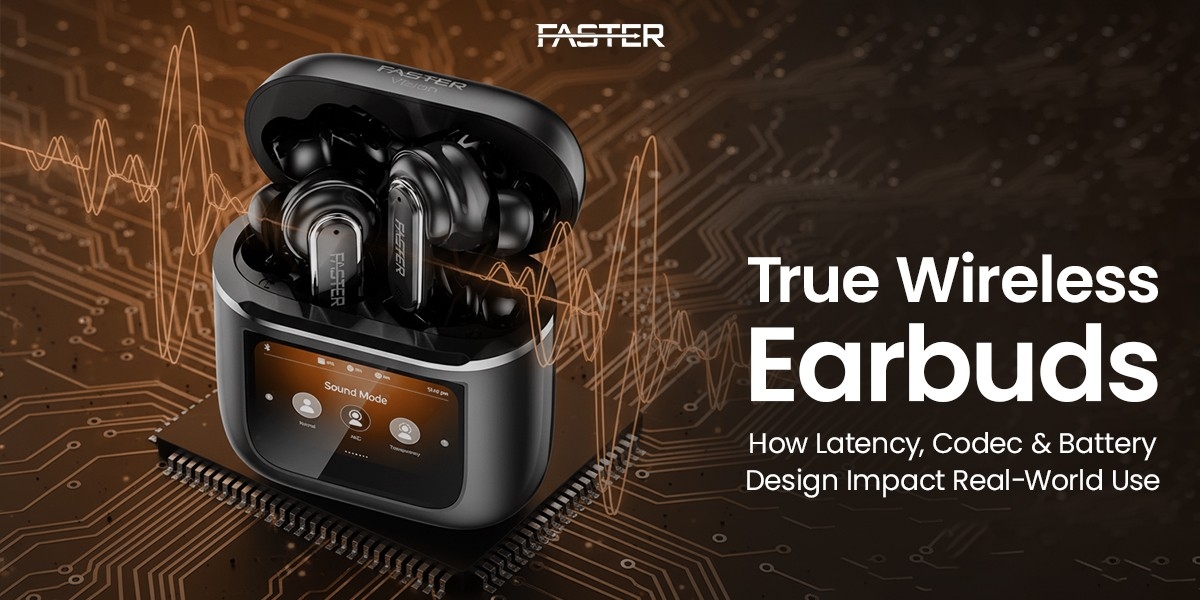
True Wireless Earbuds by FASTER: How Latency, Codec & Battery Design Impact Real‑World Use

The transition to wireless earbuds has completely transformed our listening, working, and moving habits. 

These mini gadgets have become daily necessities for everyone, including students in online classes and professionals taking calls while commuting. But what characteristics make the average pair distinguishable from the truly seamless one? Latency, audio codec, and battery design are the three things that define the market. 

Let’s analyze the impact of each factor on the user experience and the methods for selecting the right pair for your needs.

Understanding Latency and Why It Matters

Latency is the very slight delay that occurs between the moment the sound is made and the moment you actually hear it through your earbuds.
In simple terms, it’s the gap between action and reaction.

For example:

  • While gaming, a delay between gunfire and its sound breaks immersion.
  • While watching a movie, voices and lip movement may go out of sync.
  • During calls, a slight lag can make conversations awkward.

Many Bluetooth earbuds suffer from latency issues since the wireless signals take time to process and transmit. A recent study suggests that the average latency of standard Bluetooth 5.0 earbuds is around 150-250 milliseconds. This delay is enough to make the gaming or video playback experience less enjoyable since it will be noticeable to the user.

However, the low-latency modes and Bluetooth 5.3 have significantly reduced this, providing smoother, better-synchronized performance.

The Science Behind Battery Design

The battery in true wireless earbuds is tiny, approximately 30-60 mAh per bud on average. However, it is the one responsible for powering not only the playback process but also Bluetooth processing, microphone use, and touch control.

Good battery design is all about efficiency.

  • Optimized Chipsets: Efficient chips consume less power for Bluetooth connection and audio processing.
  • Smart Power Management: Some earbuds auto-pause when removed, saving energy.
  • Charging Case Integration: Modern charging cases can add 20–30 extra hours of playback.

Here’s a quick visual showing how battery design affects listening hours.

Real-World Impact: Where Design Meets Daily Life

A fancy design and good sound quality don’t matter much if your earbuds run out of battery during your commute. Therefore, the brands that emphasize practicality — not just technical specifications — are the ones that get noticed.

For example, specific earbud models adjust power consumption based on the content being played. Music might not require as much processing power as gaming or video streaming. This real-time adjustment enables longer listening without quality loss.

In the same way, intelligent codecs can adjust the bitrate based on signal strength. If your phone is far away, it lowers the bitrate to ensure the connection is stable; if it is close, it raises the quality to the maximum.

These subtle engineering choices make a noticeable difference in daily experience.

How to Choose the Right Pair for You

When shopping for true wireless earbuds, consider the following:

  • Latency Performance: Essential for gamers or streamers.
  • Codec Support: Check if your phone supports high-quality codecs like aptX or LDAC.
  • Battery Life: Look for 6+ hours per charge and 20+ hours with the case.
  • Fit and Comfort: Poor fit reduces passive noise cancellation.
  • Water Resistance: Useful for gym or outdoor runs.

Pro Tip: Always pair earbuds with devices supporting the same codec — e.g., Android phones work with aptX, while iPhones prefer AAC.

Pakistan’s Growing Audio-Tech Scene

In Pakistan, the tendency to use wireless audio is pacing. The expansion of 4G and now 5G has led people to expect stable connections and high-quality sound even when they are on the move. According to market research, Pakistan’s wireless‑earbud sector is showing strong annual growth, driven by rising smartphone penetration and accessory adoption.

Many local customers prioritize value and durability, so they are after brands that offer a good compromise between sound clarity, battery life, and price. This is why many tech enthusiasts explore options available through Faster Pakistan, where local availability and service make upgrading audio gear easier and more reliable.

Experience that Feels Instant — Not Delayed

An excellent codec can’t save a poor design, and the biggest battery can’t fix inefficient software anyway. Actual wireless performance is all about balance: reducing latency, improving codec performance, and optimizing battery life.

Faster Earbuds and similar models are examples of this trend, as they offer balanced latency control and long-lasting battery life for daily Pakistani users. They prove that innovation does not necessarily have to be complicated – just clever engineering.

Final Thoughts

When it comes to true wireless earbuds, there is more to them than just being a fashion accessory. They show the tremendous progress sound engineering has made, simplifying complex wireless systems into small, easy-to-use experiences.

Knowing about latency, codec, and battery design will give you an opportunity to select earbuds that not only have good sound quality but also are responsive, reliable, and suitable for modern life.

Whether you’re a student attending lectures, a gamer avoiding lag, or a commuter who values clarity on calls, knowing the science behind your earbuds helps you make more intelligent choices — and enjoy uninterrupted sound wherever you go.

New York Truck Accident Victims: Protect Your Rights and Compensation

A truck crash can change your life in seconds. You may face broken bones, long hospital stays, and bills that keep rising while you cannot work. Big carriers often fight claims hard and may not share records that prove who is at fault. If you want to protect your recovery and future, consider a truck accident attorney in New York at Goldwater Law. They’ll handle the legal work so you can focus on getting better.

Complexities of New York Truck Crashes

Large truck collisions often involve more than the vehicles you see on the road. The driver might share blame with the trucking company, a loading company, or a parts maker. Companies that operate fleets sometimes withhold driver logs, maintenance histories, and load documents to avoid responsibility. Injuries from these wrecks usually require major medical care and may lead to ongoing therapy or home assistance. All these factors make it harder to win full payment without experienced legal support.

Dos and Don’ts After a Truck Accident

What you do right after a collision affects your safety and any future claim. First, get medical help right away and follow every instruction from doctors. Take photos of the scene, the truck, and any visible injuries if you are able. Write down what you remember while the facts are fresh, including names of witnesses. Next, exchange insurance and contact details with others at the scene and keep every medical bill and receipt for later review. Do not give a recorded statement to an insurance representative without speaking to a lawyer first. Avoid signing forms that appear to settle your claim until a lawyer reviews them. Finally, do not post about the crash on public sites where insurers can use your words against you.

How Insurance Companies Try To Pay Less And How a Lawyer Helps

Insurance companies put profit first and try to minimize payouts at every step. They may contact you quickly to get statements they can use later to blame you. Adjusters might offer a fast, low payment that does not cover future medical needs or lost pay. They sometimes claim your injuries come from an earlier problem instead of the crash. Truck firms can resist sharing driver logs and repair records that prove negligence. A lawyer fights back by demanding documents, hiring specialists to reconstruct the collision, and working with doctors to prove the full cost of care.

  •   Obtain and review driver logs, maintenance records, and load documents that carriers may hide.
  •   Hire accident reconstruction experts to determine exactly how the crash happened.
  •   Work with medical providers to document current and future treatment needs.
  •   Calculate lost wages, reduced earning capacity, and other economic losses.
  •   Value non-economic damages like pain, loss of life enjoyment, and emotional harm.
  •   Negotiate firmly with insurers and file suit when companies refuse fair payment.

These steps force insurers to face the full picture of your losses and reduce their ability to dismiss parts of your claim.

Urgency of Hiring A Lawyer and New York Statute Of Limitations

You must act fast because the law limits how long you have to file a claim. In most cases, New York gives you three years from the date of the crash to start a lawsuit. Missing that window can end your right to any award, no matter how strong your case might be. This rule applies across the state from Manhattan to Buffalo and smaller towns like Elmira and Glens Falls. A lawyer preserves evidence, files paperwork on time, and keeps the case moving while you heal.

Protect Your Recovery Today

Do not face claims handlers alone when injuries are severe and many parties may be liable. A truck accident attorney in New York can collect records, work with medical and technical specialists, and press for payment that covers ongoing care, lost wages, and pain and suffering. Whether the crash happened near Syracuse, Yonkers, or a rural stretch of Route 17, legal help evens the odds and protects your future. Reach out now for a free review of your situation and start the process to secure fair compensation.


Disclaimer: The content in this article is for informational purposes only and should not be construed as legal advice. It is not intended to replace the advice of a qualified attorney. Readers are encouraged to consult with a lawyer to discuss their specific situation and to ensure their legal rights are protected.

The Policy Shift That May Limit How Nursing Students Pay for Their Training

When headlines first appeared announcing that nursing was being removed from a federal “professional program” category, the language alarmed readers. Some understood it to mean the degree itself was disappearing or no longer recognized. That’s not the case.

Nothing about how nursing is taught, accredited, or licensed has changed. Students still complete coursework, clinical rotations, and the same licensure process. The adjustment took place inside a narrow part of federal student loan rules — specifically, how graduate programs are labeled for borrowing purposes.

The reason the change drew attention is simple: different labels come with different federal loan limits. For students pursuing advanced nursing degrees, loan access matters. Their programs require intensive training and long clinical hours, often limiting the ability to work while studying. That’s why shifts in loan categories can spark concern even when the degree itself is untouched.


How the New Definition Works

The Department of Education introduced a narrower definition of what qualifies as a “professional program” for federal loan purposes. To fit the category, a program must meet certain criteria tied to licensure and must fall within a specific list of fields. Several long-established professions — like law or medicine — appear on that list. Nursing does not.

Because of that omission, graduate nursing programs default to the standard graduate loan category. Professional programs receive higher federal borrowing caps; traditional graduate programs receive lower ones. Nursing’s placement in the second group is what created tension, especially given how academically demanding and clinically heavy many advanced nursing programs are.

Nursing organizations argue that the expectations placed on graduate-level nurses closely resemble the rigor seen in other fields that retain the “professional” label. From their perspective, excluding nursing doesn’t reflect the level of preparation required for advanced clinical roles.


How Borrowing Limits Add Pressure

Federal student loan categories come with lifetime borrowing caps. Professional programs have a higher ceiling; graduate programs have a lower one. With nursing now categorized as graduate rather than professional under the new framework, some students may hit that lower cap before completing their program.

That gap pushes students toward private loans, which typically carry higher interest rates and fewer consumer protections. For nursing students — who already balance tuition, clinical placement costs, commuting, supplies, and reduced work hours — these financial pressures can shape whether they continue into advanced practice roles.

Even with these concerns, the policy does not affect licensure, degree value, accreditation, or career pathways. Students still earn the same degrees and sit for the same exams. The shift applies only to how loan funds are categorized.


Why Nursing Groups Are Raising Concerns

Nursing organizations responded quickly because the new loan rules don’t align with the realities of advanced nursing work. Graduate-level nurses take on roles involving direct patient care, clinical decision-making, and specialized judgment — responsibilities that require the same depth of training seen in many fields classified as professional.

They also point to the wider workforce impact. Health systems across the country rely on nurse practitioners, clinical nurse specialists, and other advanced-practice providers. If fewer students can afford to pursue these paths, shortages could deepen. Their concern isn’t prestige — it’s access.

These debates highlight how technical policy changes can ripple into the healthcare workforce. When borrowing caps shift, so does the pipeline of students able to complete high-skill clinical training.


How Students Can Approach the Change Calmly

Despite confusing headlines, the essentials remain steady:

  • Nursing degrees are not being discontinued.
  • Accreditation and licensure pathways are unchanged.
  • The shift affects only federal loan categories, not academic standing.

Students planning to enter graduate nursing programs may want to review how the new borrowing rules affect their financial planning. Universities will update financial-aid guidance as the policy is implemented, and aid offices can clarify how the categories work within their programs.

While the change introduces new financial considerations, it does not diminish the legitimacy or value of nursing education. The field remains stable, respected, and essential — and the policy shift lives entirely within the administrative side of federal financial aid.