Behind the Big Red Door: Angela Webber’s Journey From Trauma to Transformation

By: Marisa Callen

Angela Webber never expected her life story to become a book—much less one that would resonate so profoundly with readers searching for emotional clarity, balance, and purpose. Yet Behind the Big Red Door: From Trauma to Success—Personally, Professionally, and Spiritually stands today as a testament to her evolution, both as a woman shaped by childhood pain and as a leader committed to guiding others through their own transformative journeys.

Interestingly, the book began as something entirely different. “It was originally supposed to be Knick Knacks on the Shelf,” Webber explains. “It turned into something more—something deeper.” As she wrote, the narrative widened beyond stories to reveal a lifetime of lessons learned while rebuilding herself, raising a family, growing professionally, and strengthening her spiritual foundation.

A Defining Choice: Breaking the Cycle

One pivotal moment stands out from Webber’s early years, a moment that ultimately shaped her mission as a parent, professional, and spiritual guide. Growing up amid the emotional fallout of her parents’ broken dreams, she recalls how their unprocessed hurt “dripped” onto her. The effects were quiet but undeniable.

That memory became a turning point.

“I was very intentional about not letting these same troubles plague my children or my family,” she says. “Children don’t understand that kind of hurt—and they aren’t able to process it.”

As her family, career, and faith life grew, Webber made a firm commitment: she would hold the line. She would protect not only her own children but also the customers, colleagues, and individuals who crossed her path. In her world, emotional responsibility is an act of service—one that builds healthier families, stronger workplaces, and more compassionate communities.

Balancing the Personal, Professional, and Spiritual

This holistic philosophy permeates her writing. For Webber, life is composed of interconnected spheres—family and relationships, career and calling, spirituality and inner grounding. None can be neglected.

“The balance of it all,” she says simply. “Each category is needed in a full life, so we must address each one with respect and intention.”

It’s this intentionality that gives Behind the Big Red Door its structure: a blend of memoir, guidance, and motivational clarity. And readers have responded. Webber admits she didn’t expect such universal recognition.

“We often live life in a bubble, so we don’t see how our own perspectives reach others,” she says. “It has been heartwarming to know the book is reaching those who feel the same way—and that they’re now feeling free to work through the emotions that have held them down.”

A Heart-Led Path Into Publishing

Webber’s journey as an author unexpectedly opened the door to another role: publisher. Her first experience dates back two decades, when she became captivated by a teaching series from David Rieke titled The Victorious Christian Life.

“I was so drawn to it that I asked him to make it a book—and that I would do all the footwork,” she recalls.

With no publishing background, Webber taught herself the entire process. She transcribed hours of taped messages, worked relentlessly with Rieke to refine the manuscript, found a printer, and helped create a cover. They printed 2,000 copies, all of which eventually sold out.

Twenty years later, after publishing her own book, Webber and her husband felt called to revive it. With Rieke’s blessing, they rebranded and republished The Spiritual Christian, giving the work new longevity and renewed purpose.

Publishing With Purpose

Today, Webber approaches publishing with the same value-driven perspective that fuels her writing.

“For me, my heart has to be involved,” she says. “I want to be able to stand with the message and the purpose.”

Her experience as an author also informs the way she supports new writers.

“I’m a motivational person by nature,” she explains. “If someone feels led to write their story, I think they should write it. Most people get caught up in believing, ‘No one wants what I have.’ Maybe that’s true—but I wrote my book for me.”

That personal intention, she believes, is what ultimately gives a story its emotional power. She wrote for her children, for future generations, and for her own healing. The surprising impact the book has had on others is, to her, a gift—not the goal.

Rethinking Trauma and Success

When it comes to overcoming trauma, Webber pushes back on a common misconception: that people must live in their suffering forever.

“In mental health, it’s like a river that never ends,” she says. “No one graduates out of it. Why? I really don’t know. But I won’t get in that river because I’ve never seen anyone get out of it.”

While she acknowledges many people genuinely need clinical support, she also believes that a large number simply need perspective—an opportunity to face their pain, understand its place in their life, and then use it as a platform for strength.

“Taking our trauma and making it our strength is the key,” she says.

Looking Forward: A Mission to Empower

Today, Webber is preparing for the next major chapter in her journey: expanding her motivational speaking and bringing her message to wider audiences.

“I know so many people are hurting who don’t need to be,” she says. “And many are hurting others without realizing it. I hope to rescue the ones who want to be.”

Whether through writing, publishing, or speaking, Angela Webber continues to do what she has always done—combine heart, purpose, and resilience to help others build lives full of balance, intention, and hope.
Are You Trauma Bonded? The Unhealthy Tie That Binds

By: George K. Weidner

Have you ever felt stuck in a relationship that you know is bad for you? You see the red flags. You feel the constant hurt. Yet, the thought of leaving feels impossible. You might tell yourself that the good moments are worth the bad ones. You might feel a powerful, almost addictive pull toward this person, even as they cause you pain. If this sounds familiar, you might be experiencing a trauma bond. This is not love. It is a psychological chain that can feel stronger than love, and understanding it is the first step to breaking free.

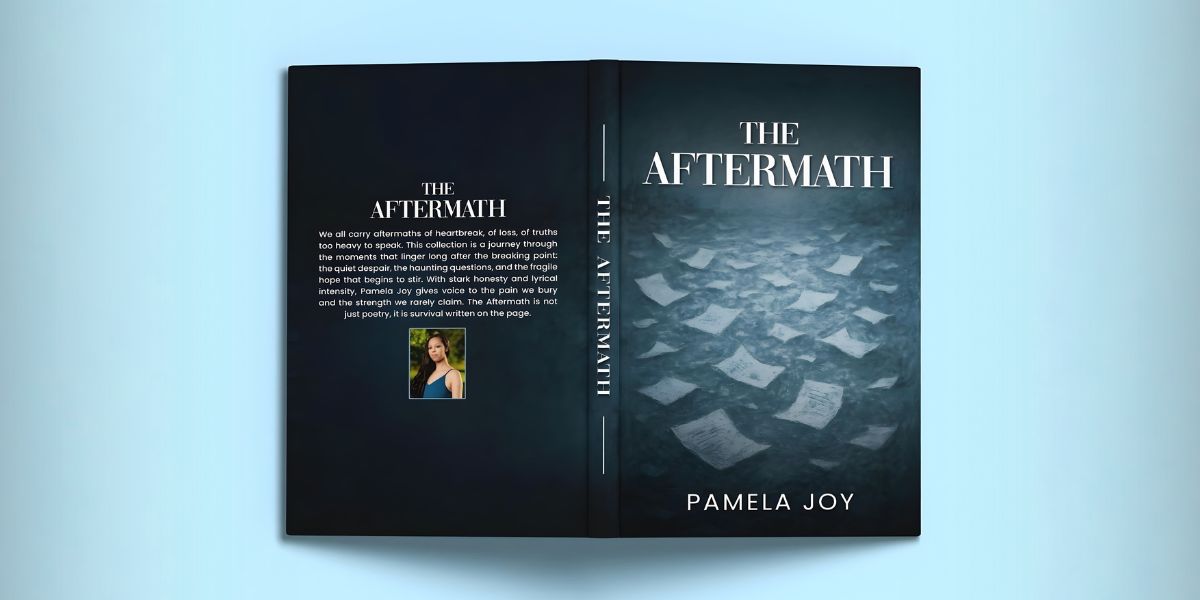
In her book The Aftermath, Pamela Joy describes this exact prison in her poem “Trauma Bonded.” She writes, “We were never good for each other, but that did not stop us from clinging to one another.” This is the central paradox of a trauma bond. It is an unhealthy attachment that forms between two people in a cyclical relationship full of highs and lows. The connection is not built on trust and respect. It is forged in shared pain and emotional whiplash.

A trauma bond develops through a repeated cycle of abuse and reward. Imagine a period of tension, followed by a painful incident. This could be a cruel comment, a betrayal, or a loud argument. Then, instead of a true apology, there is a period of loving treatment. This is the “reward” phase. The person might become incredibly kind, buy gifts, or make grand gestures. This positive reinforcement keeps you holding on. Your brain learns to associate this person with relief from the very pain they caused. This cycle is addictive. You stay because you are waiting for the high that follows the low. Pamela captures this addictive quality flawlessly, noting how “the drama and chaos became our only thrill.”

This bond is so powerful because it rewires your brain. The intermittent rewards create a chemical dependency. You crave the reconciliation and the affection that comes after the storm. This dynamic destroys your sense of self. You start to believe you cannot survive without this person. You lose trust in your own judgment because you keep returning to the source of your pain. You might feel immense loyalty to someone who consistently hurts you. This is not a weakness of character. It is a predictable psychological response to inconsistent and painful treatment.

So how do you begin to break a bond that feels unbreakable? The process requires courage and patience. The first step is awareness. You must name the problem. Acknowledge that what you are experiencing is a trauma bond, not love. Reading about it, as you are now, is a powerful act of self-defense. Seeing your experience reflected in Pamela’s poetry can provide that crucial moment of clarity. It helps you understand you are not crazy. You are not weak. You are caught in a recognized psychological trap.

The next step is to create distance. You cannot heal in the same environment where you got sick. This means limiting contact with the person. It may mean ending the relationship completely. This will feel incredibly difficult. Your body and mind will scream that you are making a mistake. This is the addiction talking. You must lean on a support system during this time. Talk to a trusted friend or a professional therapist. They can provide the objective reality check that the trauma bond has stolen from you.

Finally, you must rebuild your identity. A trauma bond often erodes your self-worth. You need to rediscover who you are outside of this painful cycle. Reconnect with hobbies you abandoned. Spend time with people who make you feel calm and valued. Practice self-care. Be very patient with yourself. Breaking a trauma bond is like recovering from a drug addiction. There will be withdrawal and intense cravings. But with each day you choose yourself, the chain weakens. You will slowly remember that you are a whole person, capable of a peace that does not require pain as its price.

To further understand the intricate dynamics of painful relationships and the path to healing, we invite you to read The Aftermath by Pamela Joy. This collection offers a vital and validating perspective for anyone navigating the difficult journey toward freedom.

Seventeen Years Later: How Liana Zavo Turned Her LIU Setback into a Standing Ovation

By: Matthew Kayser

Some moments stitch the past to the present with poetic precision. For Liana Zavo, returning to Long Island University (LIU) 17 years after leaving wasn’t about revisiting what might have been; it was about honoring what became. Now a public relations expert, a founder, female advocate, author, and early-stage venture capitalist, Liana leads ZavoMedia PR Group and ZavoVentures

She stepped onto campus not as a student but as a speaker, mentor, and builder — and she didn’t come alone. Liana returned with her 19-year-old son, Joshua, an entrepreneur and founder of a tech startup who is also a college dropout, forging his own path, and her mother, Valentina, a former gynecologist in Russia, earned a bachelor’s in business management from LIU. The most important people in her life came to support her in action, underscoring the full-circle power of legacy, choice, and courage. 

Matthew Kayser:  Liana, you recently returned to LIU 17 years after leaving, this time as a guest speaker for pharmacy students. How did it feel to step back onto campus?

Liana Zavo: It was surreal in the best way. I didn’t come back to finish a credit. I came back to pour into students the lessons that took me a decade and a half to learn the hard way. It was a full-circle moment, proof that your detours can become your destiny when you keep moving with purpose. A standout moment was hearing from Miriam Boyango and Esty Shaia of the Jewish Pharmacy Society on LinkedIn, inviting me to talk to their pharmacy students about leveraging PR and branding in their personal and professional brands.

MK: Take us back to the beginning. At 17, what first drew you to PR and communications?

LZ: Storytelling and entrepreneurship run in my veins. My grandmother was a journalist in Russia, and watching how truth, language, and courage can shape culture left a mark on me. At 17, I told my mother I wanted a career in PR and communications. She wanted stability for me and encouraged a more traditional, family-friendly path. I followed that advice and tried speech pathology, since that’s what many in my circle were studying, but it never felt like my own choice.

MK: You started at Queens College and then transferred to LIU for a seven-year BS–MS in speech pathology. When did you realize that path wasn’t yours?

LZ: I felt that this choice wasn’t going to make me happy as soon as I started following everyone else. I was never the type to follow the trend. By my early 20s, life was heavy. I was a young mom, going through a divorce, and carrying the load of a demanding program. Four and a half years in, I realized I was excelling at a path that didn’t light me up. I chose to step off the conveyor belt and step into the unknown. I enrolled in the “school of hard knocks,” because storytelling and entrepreneurship, not speech pathology, was the thing that made me feel alive.

MK: Your next move was unexpected: cosmetology. How did beauty become a bridge to brand?

LZ: Surprisingly, it was my father who urged me to pursue cosmetology. His entrepreneurial path started as a teen barber in his father’s barbershop in Dushanbe, Tajikistan. The year I was born, he launched his first restaurant in Dushanbe. He went on to build and lead in hospitality across Austria and New York, and he wanted me to learn a skill I could take anywhere. Cosmetology taught me that image is narrative. At age 23 I launched my styling concierge firm. On Fifth Avenue and in iconic hotels, the Plaza, St. Regis, Peninsula, the Ritz, I wasn’t just styling hair and helping with personal styling. I was sculpting presence, helping women enter rooms wearing their story. That’s when it clicked: before you tell a story publicly, you have to own it privately. My styling concierge became a training ground for authority, confidence, and message—the raw materials of brand.

MK: Despite running your styling concierge, you pursued a formal entry into PR—but five firms rejected you for not having a communications degree.

LZ: Yes, this rejection was the best redirection in my life. I was turned down from PR firms, they didn’t care to look at my soft skills, which was a big mistake. I built my own table. I hosted events, created rooms for conversation, and let results speak. One night after I styled a client for a charity gala, a woman noticed not just the look, but the feeling I created. She said, “If you can make my brand feel the way you made that woman feel, I want to hire you as my media visionary for my skincare line.” That woman, Mirela Matan, discovered my many hidden talents and opened a door. I became the U.S. point of contact for her brand with their PR firm in NYC and learned the craft from the inside. 

MK: Your family launched a Mediterranean restaurant on the Upper East Side in 2017. How did that become your first major PR case study?

LZ: I brought the restaurant to the PR firm that I was introduced by Mirela Matan, and I gave them an ultimatum: I would learn the ropes hands-on in their firm. My brother, Ilya, at the time President of ZAVO Restaurant, believed in the vision. That restaurant became a live laboratory — positioning, media narrative, community building, and brand architecture in real time. Eighteen months later, I launched my own communications agency. Now we are not only nationwide but globally recognized in 12 countries, helping bridge the gap for founders in the American Market.

MK: That agency became ZavoMedia PR Group, and you recently launched an investment arm, ZavoVentures. What throughline connects styling, PR, and venture?

LZ: It’s all storytelling, translated into strategy and outcomes. At ZavoMedia, we position leaders and brands with clarity and conviction. With ZavoVentures, I back women-led tech founders who have a story the market needs and the grit to deliver. I’m a builder and a bridge: brand to market, founder to opportunity, story to scale.

MK: You’ve mentored more than 1,500 students and early-career professionals. What core lessons do you share with them?

LZ: I’d say this: I own my story early and never wait for permission or a diploma to validate my path. I show up with an authority image that signals exactly what I stand for before I ever speak. I do the work in public, I host micro-events, share my insights consistently, and make myself findable. I rehearse resilience by treating rejection as data, not a verdict. I learn by proximity, sitting as close to the work as possible, even if I start as the liaison. I cross-train my skills so image, language, relationships, and results reinforce one another. And I start now, school is the best runway to build a professional brand that compounds over time.

Seventeen Years Later: How Liana Zavo Turned Her LIU Setback into a Standing Ovation

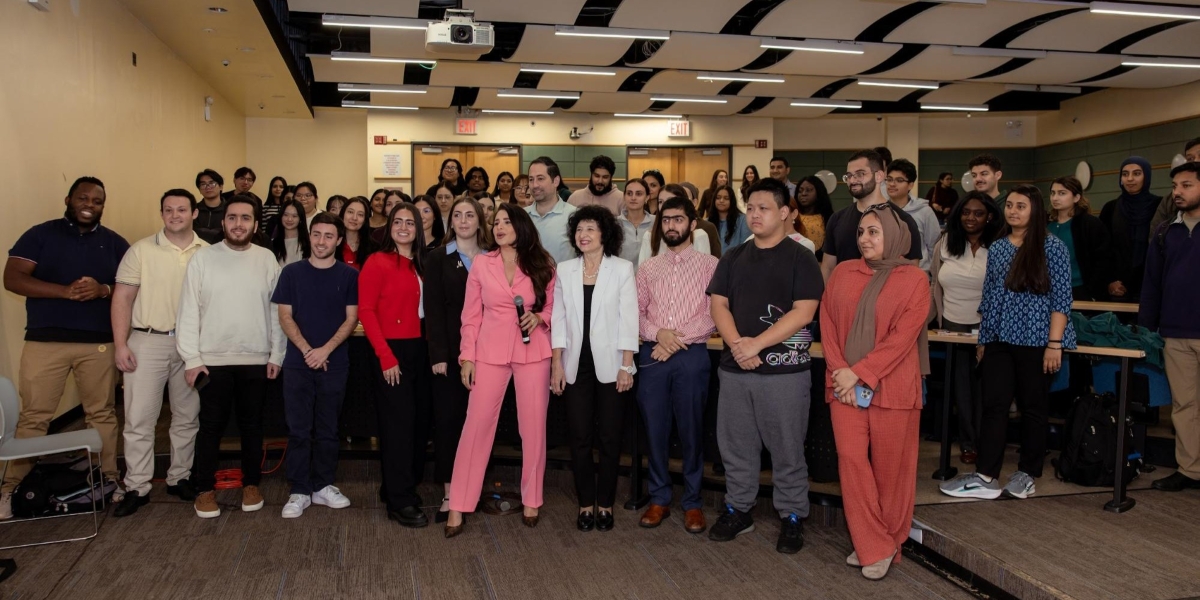
Photo Courtesy: Dap Studios NYC
(Liana Zavo addressed the Jewish Pharmaceutical Society at LIU, sharing insights on how PR and branding drive impact.)

MK: Speaking of pharmacy students at LIU, why teach PR and branding to future healthcare professionals?

LZ: Because storytelling elevates every profession. In healthcare, trust is everything. Your ability to communicate clearly, show up with authority, and humanize complex ideas directly impacts outcomes. Personal brand isn’t vanity — it’s clarity, consistency, and service.

MK: Many people feel locked out without the “right” degree. What would you say to them?

LZ: Your future is not negotiated by a piece of paper. It’s authored by courage, craft, and connection. I was rejected by five PR firms. I built my own table and then built rooms for others. If you’re willing to learn in public, serve relentlessly, and keep your standards high, the market will meet you.

MK: What does a “full circle” moment mean to you now?

LZ: It’s not just returning where you started. It’s returning as someone new — someone who can open doors for others. The circle closes. Then it widens.

MK: What’s next for you and your work?

LZ: Keep investing in women-led tech ventures. Keep helping founders build authority brands with narrative clarity and measurable outcomes. Keep mentoring the next generation of visionaries. The work continues — and the rooms keep getting bigger.

MK: Final word for students reading this?

LZ: Start now. Show up unapologetically. Your story is your strategy. Own it, shape it, share it — and let it open the rooms you’re meant to lead.

Liana is hopeful that LIU will honor her with an honorary degree. She’s looking forward to returning for another lecture soon, as there’s strong demand from both professors and students, and she’s ready to continue giving back to the community that helped shape her beginnings.

From Breakdown to Breakthrough: How Dr. Erica Elliott Alchemized Adversity into a Life of Purpose

By: Dorothy G. Pereir

Have you ever stood on a mountain, literal or metaphorical, completely exhausted and asked yourself, “What is the point of all this? What am I supposed to be doing with my life?”

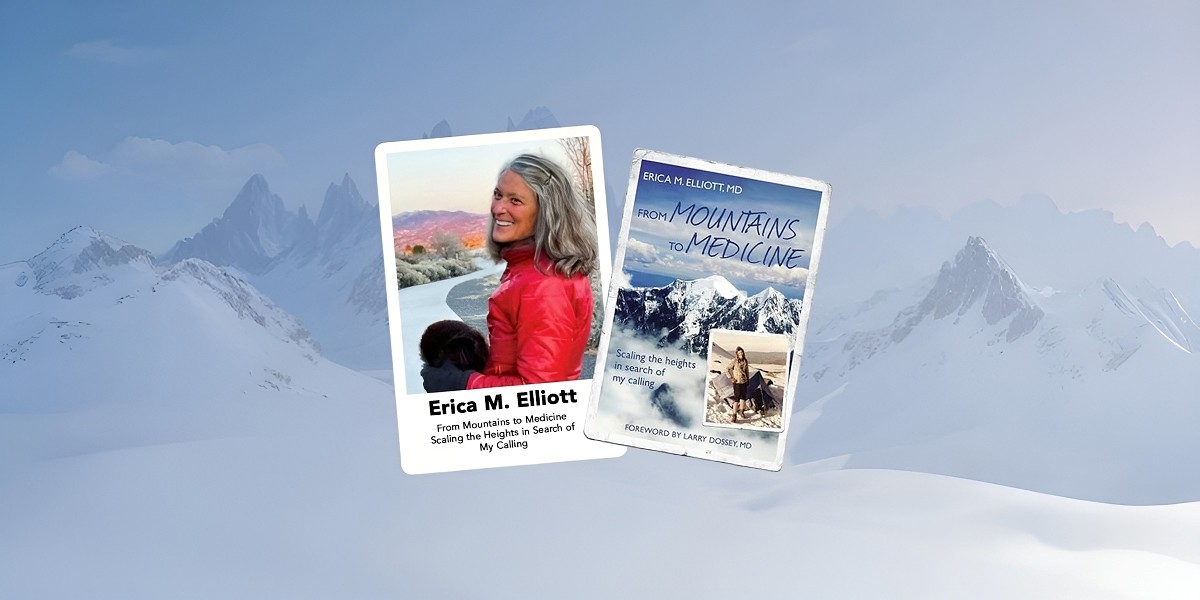
Dr. Erica Elliott, the author of From Mountains to Medicine, asked herself these very questions. She was not on a simple hike. She was on a glaciated slope of Cotopaxi. Fear and fatigue were her constant companions. Yet, this difficult climb was just one part of a much larger journey. It was a journey of alchemy. Dr. Elliott learned to take the base metals of her life, pain and confusion, and transform them into gold, a life of profound purpose and service.

The Base Metals: A Foundation of Struggle

Every great transformation requires raw material. For Dr. Elliott, this material came in the form of deep personal struggles. During her college years, she experienced a severe existential depression. The person she thought she was fell apart. Her marriage crumbled. She felt so lost that she saw no way out, leading to a suicide attempt. This was the emotional ore.

Her family life provided more challenging material. She grew up with a critical mother and a father she adored, yet whose own human flaws caused her pain. She felt she was the athlete in a family of intellectuals, struggling with feelings of not being good enough or smart enough. These were the relational and internal metals, heavy and unrefined.

The Catalysts: Guides for Transformation

Raw metals do not change on their own. They require a catalyst and intense heat. For Dr. Elliott, the first catalyst was a psychiatrist named Dr. Samuels. He guided her through what she calls the “archeology of the soul.” Together, they dug into her past. They exposed harmful myths and misperceptions. This therapeutic process was the first fire, melting down old structures to make room for something new.

The second catalyst was her Uncle Ernst, a Swiss doctor of alternative medicine. He introduced her to a rigorous fasting cure. This was not just a physical cleanse. It was a spiritual awakening. During the fast, she experienced a state of blissful oneness and unconditional love. Uncle Ernst taught her that true health comes from lifestyle, a philosophy that would later define her medical practice. This was the second, refining fire that purified her body and spirit.

The Forged Gold: A Life of Purpose and Service

With her inner self clarified and her body cleansed, Dr. Elliott was ready to forge her new life. The resilience she built directly fueled her incredible achievements. She became a pioneering mountaineer. In 1976, she became the first American woman to climb Aconcagua, the highest peak in the Western Hemisphere.

Her newfound compassion led her to service. She takes us from the sacred land of the Navajo Nation to the remote villages of the Ecuadorian Andes. These experiences were not detours. They were essential chapters in her search for meaning, a search beautifully detailed in From Mountains to Medicine.

All these paths converged into her ultimate calling: Dr. Erica Elliott became a medical doctor. She is now known as the “Health Detective” in Santa Fe, New Mexico. She solves complex medical mysteries for her patients. This role is the ultimate synthesis of her journey. It uses the detective skills from therapy, the intense focus from mountaineering, and the holistic wisdom from her uncle. The story in From Mountains to Medicine shows us how every piece of our lives can fit together to form a powerful purpose.

Your Own Journey Awaits

The powerful lesson from Dr. Elliott’s life is her mantra: “Never waste a bad experience.” Her book is proof that breakdowns can lead to breakthroughs. From Mountains to Medicine is more than a memoir. It is a guide for transforming your own struggles into strength.

To learn more about Dr. Elliott’s life and work, please visit her website at www.ericaelliottmd.com. Explore her world through short videos about the mountain lion and her love of nature. To embark on this transformative journey yourself, secure your copy of From Mountains to Medicine today. Let Dr. Elliott’s incredible story serve as your map and inspiration for a life remade.

Creative Women Forum Saudi Arabia 2025: Where Art, Imagination, and Leadership Converge

By: Robbin Willy

Riyadh — In the heart of the Arabian Peninsula, a remarkable gathering took place that transcended geography, culture, and discipline. The Creative Women Forum Saudi Arabia 2025, held from November 4 to 6 under the patronage of HRH Princess Noura bint Saud bin Naif bin Abdulaziz Al Saud, welcomed hundreds of women who share one unifying purpose — to turn creativity into impact.

Hosted at Princess Nourah bint Abdulrahman University and closing with a gala at the National Museum of Saudi Arabia, the event celebrated artistry, leadership, and collaboration. It was less a conference and more a living cultural dialogue — a moment when the rhythm of Riyadh echoed with global voices of progress.

“This gathering brings together minds and experiences united by curiosity, courage, and the desire to create meaningful change,” said HRH Princess Noura. “It’s a space where voices from diverse backgrounds connect, engage, and grow — where ideas spark new directions for progress.”

A Canvas for Global Creativity

At its heart was Olga Balakleets, Founder and CEO of the Creative Women Platform, who has spent nearly a decade building a vibrant community of female creators and visionaries.

“It is a great honour to welcome this second edition of the Creative Women Forum Saudi Arabia,” Balakleets shared. “Thanks to HRH Princess Noura’s extraordinary support, this forum has become more than an event — it is a living movement of women united by purpose.”

The 2025 theme, “Empower • Engage • Sustain – Women Leading Initiatives,” resonated through every panel and performance. Its purpose was not political; it was profoundly cultural — a reminder that imagination and collaboration are the new universal languages.

Stories of Purpose and Passion

Rebeca Riofrio, Executive Director of the Creative Women Forum Saudi Arabia and Chairwoman of the UK Parliamentary Society for Arts, Fashion & Sports, described the gathering as a bridge between heritage and modernity.

“The youth of Saudi Arabia are not waiting for the future — they are building it now,” Riofrio noted. “Their creativity is shaping transformation itself.”

Each discussion reflected that ethos — from panels on storytelling as leadership to art as a tool for social connection.

A Meeting of Global Minds

The forum brought together an extraordinary roster of voices from around the world — entrepreneurs, artists, filmmakers, designers, and innovators.

Among the international guests were Gloria Ai, Kiera Chaplin, Dr. Aradhana Khowala, Christina Korp, Martha Fiennes, Dr. Jane Leonard, The Hon. Islée Oliva Salinas, Dr. Sylvia Tiryaki, Ilijana Vavan, Princess Katarina of Serbia, Dr. Virginia Rivera, and Laura Timm.

From across the Middle East and Gulf region, leaders such as Dr. Basma AlBuhairan, HH Princess Mashael bint Saud Al Shalan, HH Princess Mishael bint Faisal Al Saud, HE Dr. Suzan Alyahya, Dr. Amal Al-Abduljabbar, and Eng. Nouf Abdulghani embodied the region’s creative rise — where art, technology, and entrepreneurship intertwine.

Their collective message was clear: creativity transcends culture, and collaboration is the new foundation of progress.

Partners in Art and Innovation

Behind the Forum’s momentum stands a network of forward-thinking partners from culture, education, and the enterprise sector.

  • Strategic Partners: Arab National Bank (ANB), Women Leadership Centre (Princess Nourah University), Ministry of Culture, Women and Energy Association (WE), Riyadh Municipality.
  • Platinum Partners: Rukun Creative Exchange, AlMashtal, Morini Restaurant, Jareed Hotel.
  • Gold Partners: DHL Express Saudi Arabia, AGFUND, Lucid Motors, Saudi Electricity Company, Principal Buyer Limited, Nayyara Banqueting and Conference Center.
  • Silver Partner: Alfanar.
  • Knowledge Partner: Saudi Arabian Botanical Society.
  • Charity Partner: Herfa Cooperative Society.

Together, these partnerships created a bridge between creativity and commerce — reminding the world that culture and collaboration are inseparable from progress.

The Gala of Light

The Gala Dinner and Awards Ceremony transformed the National Museum of Saudi Arabia into a luminous celebration of creativity. Performances by Keri Fuge (soprano), Olga Balakleets (pianist), Mara Galeazzi (prima ballerina), Sophia Patsalides (pop artist), and Mirna Nasser (songwriter) brought together classical art and contemporary sound in perfect harmony.

“Tonight is a celebration of creativity, collaboration, and purpose,” HRH Princess Noura said in her closing remarks. “When thought meets action, we create something greater than ourselves.”

Art as Legacy

Curated by Rafael Porzycki and powered by DHL Saudi Arabia, the Creative Women Art Exhibition was one of the Forum’s highlights. It opened at Princess Nourah University and later at the National Museum, featuring artists Aida Murad, Saule Suleimenova, Sofia Cacciapaglia, Elisa Insua, Fatimah Al Nimr, and Olivia d’Aboville.

The exhibition was inspired by the Year of Handicrafts initiative and celebrated art as a universal connector — a dialogue between heritage and modern identity. Proceeds benefited the Herfa Cooperative Society, supporting Saudi artisans and preserving traditional craftsmanship.

Here, art wasn’t just on display; it was a heartbeat — a living reminder that creativity sustains culture, and culture sustains humanity.

About the Creative Women Platform

Founded in 2016 in the United Kingdom by Olga Balakleets, the Creative Women Platform has evolved into an international network for women in leadership, business, and art — uniting many countries under one mission: to empower through creativity.

For more information, visit www.creativewomen.co
Elvijs Plugis
elvijs@sigulp.co.uk
+447549945392
Project CMO for Creative Women Forum Saudi Arabia 2025

From Victim to Visionary: How Maureen Skinner Smith Turned Pain Into Purpose

By: Mark P. Fleming

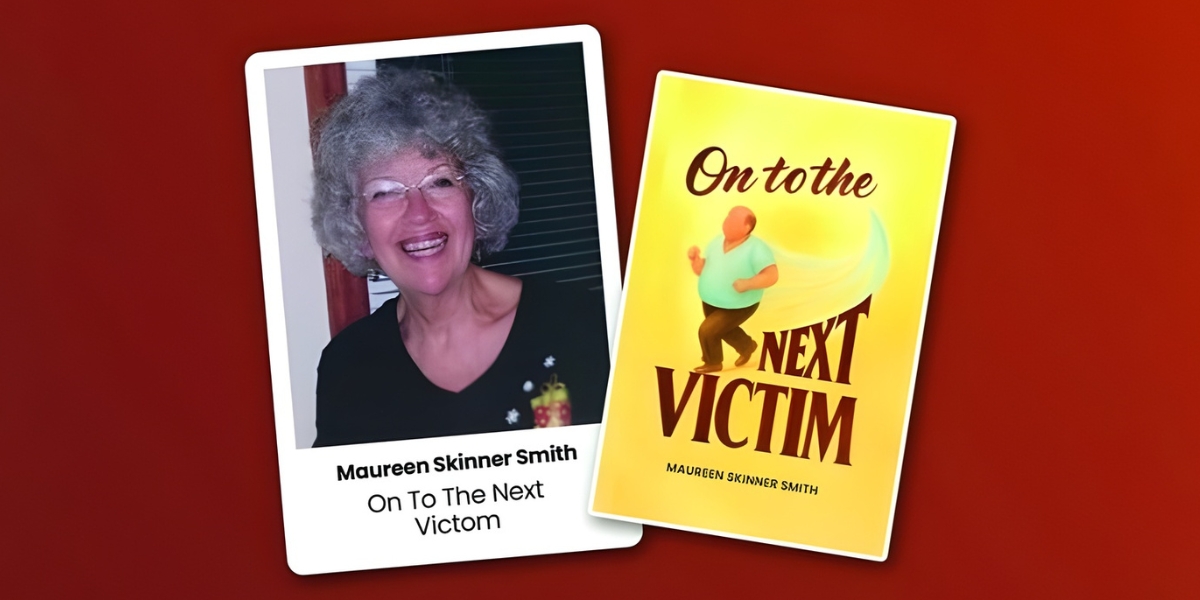
We often think our deepest pain will destroy us. We cannot see the path forward. We cannot imagine a new version of ourselves. For Maureen Skinner Smith, that pain was a decade-long relationship with a manipulative man. But she made a choice. She would not let her story end in darkness. She would use it to light the way for others. Her journey from victim to visionary is a powerful map for anyone feeling lost.

The Descent Into Silence

Maureen’s story begins with profound loss. After the death of her wonderful husband, Scott, she felt alone. Then she met Dick. He was charming and funny. He brought her roses and made her laugh. It felt like a rescue. But slowly, the laughter faded. It was replaced by constant criticism. He called her stupid. He took control of her money. He isolated her from friends and family. The strong, successful business owner she had always been began to shrink. She was living in a fog of manipulation, and she did not know how to escape. This period of her life is captured with raw honesty in her book, On to the Next Victim.

The control was not always loud. It was a quiet, daily erosion of her spirit. She learned to walk on eggshells. She accepted his lack of affection. She paid the bills while he played the big shot. The silence in her own home became heavy. It was a chain made of fear and guilt. She felt completely trapped. She was a victim, but a part of her was still fighting to survive.

The Moment of Awakening

Every transformation has a turning point. For Maureen, it was not one loud event, but a series of quiet, yet profound, realizations. She started to see the patterns. The lies. The stolen money. The other women. She discovered a book about psychopathy and saw all sixteen traits reflected in the man she lived with. It was a shocking and clarifying moment. She was not going crazy. She was living with a con artist.

She realized that her silence was his greatest weapon. By staying quiet, she was protecting him. She was allowing him to continue. The day she decided to speak her truth was the day she began her rebirth. She started to tell her family. She confided in her customers. She found her voice again. This was the crucial pivot in Maureen Skinner Smith’s life, the moment she began moving from pain to perspective.

The Rebirth of a Visionary

Maureen did not just leave. She documented. She understood. She transformed her personal trauma into a masterclass on survival. She took back control of her finances. She changed the locks on her house. She packed his belongings and placed them on the porch. Each action was a step toward reclaiming her life. She was no longer a victim. She was a strategist, a survivor taking back her power.

Her pain became her platform. Maureen Skinner Smith decided to write her story. She wrote On to the Next Victim not for revenge, but for rescue. She wanted other women to see the red flags she had missed. She wanted to give them the courage to leave. Her book is more than a memoir. It is a tool, a shield, and a source of hope. Her vulnerability became her greatest strength, building unshakable trust with her readers.

Lighting the Way for Others

Today, Maureen is a celebrated voice of empowerment. She speaks to groups and supports other survivors. She is the visionary who emerged from the shadow of abuse. Her message is clear: your past does not define your future. Your deepest wounds can become your greatest purpose. Her work provides what she calls an emotional return on investment. For every moment of pain she describes, she offers a lesson of immense power.

Maureen Skinner Smith’s story, detailed so powerfully in On to the Next Victim, proves that it is possible not only to survive, but to thrive. She is a beacon, showing that on the other side of suffering awaits a stronger, wiser, and more purposeful you. Her journey from victim to visionary is a testament to the incredible resilience of the human spirit.

Maureen Skinner Smith’s On to the Next Victim provides an essential and courageous blueprint for recognizing manipulation and reclaiming your life. This book serves as a vital guide for anyone seeking to comprehend toxic relationships and cultivate the resilience to move forward.

Achieve Sleek Styles with WESTKISS Straight Glueless Wigs

The beauty sector has undergone a tremendous revolution with the introduction of new hair solutions that not only focus on convenience but also offer protective hairstyling products that cater to the contemporary lifestyle. The straight glueless wig has remained one of these breakthrough products. It serves as one of the technological legacies of improving and redefining the conventional definitions of hair, the adoption of adhesive-free wigs, and the ability of this technology to withstand the tribulations of using adhesive formulations previously relied upon by women in improving hair designs.

This disruptive package for hair enhancement has transformed the meaning of achieving salon-quality effects in the comfort of your own living room, making reasonable sentences of experiences possible with the application of hair wigs. Glueless technology development is also a breakthrough in overcoming the perceived issues that, in the past, have kept individuals from considering wigs as a solution to using their natural hair.

Advantages of Using Glueless Vanities That are Straight and Flat

Glueless wigs with a straight texture are especially appealing for those seeking a low-maintenance yet stylish option that works seamlessly for both everyday wear and special occasions.

The high degree of versatility is attributed to the sleek, smooth texture of straight hair as it not only enables the wearer to look presentable enough to meet within the business day but superficially changes to other more casual styles without any need to exert much effort in styling hair or taking an entire effort of time planning how to uncurl it just to put it into one of these less demanding and less fashion conscious fashions.

The straight glueless wig is designed to maintain a sleek look regardless of weather, humidity, or daily activity, making it an ideal choice for professionals, students, or anyone with a busy lifestyle who wants effortless style without the need for constant upkeep.

Caution and Nurture Indictments

A straight glueless wig is to be properly taken care of to maintain longevity, natural appearance, and recognition of the texture and shine that quality human hair wigs warrant through numerous wears, as well as the protection of the investment made in such an acquisition.

Regular brushing with a wide-tooth comb helps prevent tangling and maintains the hair’s natural texture. Using sulfate-free shampoos and conditioners helps keep the strands smooth, hydrated, and healthy, thereby reducing the risk of dryness or brittleness.

Even the way to store the wig is a key to preserving the shape of the wig and avoid the inappropriate wearing during storing, so wig stand, mannequins heads seems to be an excellent options here because it suits well when the hair has nothing to be taken off, and silks or satin bags are used to keep the wig in order and avoid dust or other environmental factors which may ruin the image of the hair with time further.

Styling, Diversity, and Innovative Versatility

 The difference in the types of wigs seen varies because of this straight glueless wig; the wigs may be given an infinite variety of styles that can be done to accommodate the wishes of the individual wearing the wig, their career, or any other special event, so that there is no long-term devotion to one particular wig style. High-quality human hair products are safe to use with heat styling tools, allowing you to create loose curls, beach waves, or sleek, pin-straight looks to suit any occasion or personal style.

Straight glueless wig collections can be customized to both a trendy bob all the way to an extravagant floor-length, so everyone can have an option on the face shape, personal fashion choice, and lifestyle needs without needing to take time off to apply make-up and take the time to take it off, which makes the glueless line. 

Choice of Colours and Customisation

Recent collections of straight glueless wigs offer an impressive palette of color choices, including natural blacks and browns that serve as a foundation, as well as highlights and ombre options, and striking fashion colors that create opportunities to express oneself creatively.

These wigs are pre-colored, which means that threats or harm that may have accompanied chemical methods of processing natural hair are eliminated. Through professional coloring procedures undertaken during their manufacture, the hair is well-distributed in terms of color, and the process is long-lasting.

Customization extends beyond color, encompassing density, length, and cap size adjustments. This ensures every straight glueless wig is tailored to precise specifications, delivering an ideal fit without discomfort.

Recommendation

WESTKISS offers premium straight glueless wigs made with advanced techniques, featuring precisely cut lace, expertly designed caps, and professional-grade hair that delivers a flawless look for any style.

Can You Be Sued for Mold? What NYC Landlords Must Know?

NYC landlords: See why mold in new york homes is causing lawsuits in 2025 and what steps you need to take to keep your rentals safe.

It often begins with a faint, musty smell, followed by dark spots on bathroom walls, kitchen cabinets, or window frames. In New York City’s older, humid buildings, mold can spread quickly if it’s not handled right away—and tenants may soon report allergies or breathing issues.

By 2025, mold will have become a significant legal concern for NYC landlords. Aging structures, persistent moisture, strengthened tenant-protection rules, and even building-level rent freezes in some properties have increased pressure on maintenance budgets. When repairs are delayed, conditions worsen, and landlords face higher costs and greater scrutiny.

As more tenants report issues, the legal focus on mold is intensifying. This article outlines the current housing requirements, recent trends in mold-related claims, and the essential mold-testing steps NYC landlords need to take to avoid costly disputes.

What’s at Risk for New York City Landlords?

Mold has long been a challenge for property owners in New York City, but the risks are expected to be even greater in 2025. The city’s older buildings and humid climate make it easy for mold to spread, threatening both the property and the tenant’s health.

For landlords, delaying remediation can lead to serious consequences. Stricter housing requirements mean that unresolved mold issues may result in fines, lawsuits, and violations. When maintenance is postponed, the legal, financial, and health risks increase quickly.

What is Mold Testing and Inspection?

Mold testing and inspection involve checking the property to determine if there is any mold, assessing the amount of moisture present, and identifying any potential damage. This step helps a person understand the severity of the problem. It is essential for landlords who require documentation to demonstrate their ability to protect themselves from potential issues that may arise.

Certified mold inspectors typically work with specialized tools, including moisture meters, thermal imaging cameras, and air testing equipment, to inspect the property. They look for hidden mold that may be in areas where air does not circulate well. A bathroom and a basement are two areas that can get damp easily. When the checkup is done, the inspector gives a report. In this, you will see what they found, the potential health risks, the source of the water, and the steps you can take to address the issue.

Having a professional mold inspection and testing report is crucial for landlords who want to minimize their risk. If tenants report mold, landlords should address the issue in a timely manner and consider consulting with an expert to help meet their legal responsibilities. You can explore some of the mold testing companies in New York City here.

The Legal Landscape: What Landlords Must Know

Landlords in New York City are facing increased legal exposure related to mold in 2025. Under the implied warranty of habitability, they must provide safe, healthy living conditions—meaning mold cannot be ignored. Local Law 55 (the Asthma-Free Housing Act) also requires owners to inspect and remediate mold when tenants report moisture or air-quality issues.

Key points for landlords:

  • Implied Warranty of Habitability: Mold that renders a unit unsafe may allow tenants to seek remedies, such as rent withholding or lease termination.
  • Local Law 55: Requires prompt inspection and remediation; noncompliance can result in penalties.
  • Personal Injury Claims: Tenants who experience health effects tied to mold exposure may pursue claims for damages.

Together, these laws make proactive mold prevention and timely remediation essential for reducing legal and financial risk.

How Mold Causes Health Risks

Mold isn’t just unpleasant—it can irritate the eyes, skin, and respiratory system, especially for people with allergies, asthma, or weakened immunity. Long-term exposure may worsen breathing problems and create ongoing discomfort.

Because mold is a recognized health hazard, landlords are required to address it promptly. Ignoring it can lead to tenant complaints, potential claims related to health impacts, and costly legal or reputational consequences.

The Impact of a Proposed Rent Freeze on Mold Remediation

When rents are capped and building budgets are tightened, some property owners may have less money for essential upkeep—especially for moisture control and early mold prevention. Minor issues, such as hidden leaks, poor airflow, or lingering dampness, can quickly escalate into major mold problems if left unaddressed.

Mold spreads fast, damaging walls, floors, and the structure behind them. Tenants can report unsafe conditions under Local Law 55, and unresolved mold issues may lead to complaints or legal action.

Delaying repairs also drives up long-term costs. A small spot in a bathroom or closet can quickly escalate into a large, expensive remediation project.

Regular inspections, moisture checks, and air testing help stop problems early. Prompt mold remediation protects the property, maintains compliance, and reduces the risk of tenant turnover in 2025.

Can You Be Sued for Mold?

Yes, you can get sued for mold in NYC. If tenants have health issues due to mold or if their homes are unfit to live in, they can take legal action against their landlords. Also, if landlords do not fix mold right away after they are told, they may have to face legal problems for not taking care of the issue.

Sometimes, tenants may sue to recover money for their medical bills, lower rent, or even compensation for emotional distress. If the case ends up in court, the landlord might have to pay the tenants, plus cover any court and legal costs.

Tenants can go to Housing Court. Judges may instruct landlords to address mold problems. Sometimes, they may allow tenants to hold back rent until things improve.

FAQs

1. Can a tenant sue me for mold exposure in NYC?

Yes. If people who rent your place have health issues or lose belongings due to mold, and you fail to address the issue, they can take the matter to court. There is a warranty of habitability in NYC for this. They can also use Local Law 55.

2. What legal responsibilities do landlords have for mold under NYC laws?

By law, the place has to be free of mold. Local Law 55 states that if someone living in the home reports the presence of mold or pests, the homeowner must identify and rectify the issue.

3. Is professional mold testing necessary to avoid lawsuits?

Yes.A certified mold check provides documentation and helps demonstrate that you are taking appropriate steps to address health concerns. This can be useful if legal issues arise. 

If you suspect mold in your home or believe you may be at risk of legal trouble, do not delay. Talk to a licensed New York mold specialist today. Be sure to check your property is safe, healthy, and compliant with NYC’s housing regulations.

For more information on mold testing and inspection services, visit FastMoldTesting.com.

References

  • Fast Mold Testing New York
  • Mold Inspection NYC
  • City of New York Tenants’ Rights and Responsibilities
  • NYC Health Dept Mold Guidelines
  • CDC Mold Overview

Disclaimer: The content in this article is provided for general knowledge. It does not constitute legal advice, and readers should seek advice from qualified legal professionals regarding particular cases or situations.

Common Types of Workplace Injuries in the U.S.

The safety of employees in the workplace remains a significant concern in the United States. Every year, thousands of workers are involved in workplace accidents with varying degrees of effects. While some are fortunate enough to experience only minor discomfort, others may suffer from injuries that could limit their mobility or even lead to long-term consequences.

People should be informed about workplace injury trends. Understanding the common types of injuries across various industries may help employers implement the necessary safety measures. It can also help workers take extra precautions, potentially reducing the rate of accidents. Read on to learn more about some of the most frequent injuries U.S. workers experience.

Slip and Fall Injuries

According to a report, approximately 80 workers sustain injuries from slipping and falling every day in the United States. These incidents often occur when floors are wet and slippery, tiles are uneven, or there are obstacles. Workers in hospitals and hotels may be at higher risk, as they frequently walk briskly while performing their duties.

As a result, workers may experience injuries like bruises, scratches, broken bones, or fractures. Depending on the severity of the injury, the affected employee may need time away from work. In some cases, recovery may take days, weeks, or months. While many are able to return to work after recovery, others may experience longer-lasting effects from the fall.

Overexertion and Strain Injuries

Another common category of injuries results from repetitive movement. The risk is higher with certain jobs, especially those requiring intense physical effort. Workers in industries such as construction, warehousing, agriculture, and transportation may be more vulnerable as they regularly engage in heavy lifting and strenuous activities.

For example, flagpole climbers may be prone to suffering strains on their back, arms, shoulders, wrists, and ankles. Along with strains, manual laborers might experience muscle tears and joint damage that could, over time, lead to more serious conditions like arthritis and tendonitis.

Exposure to Harmful Substances

Employees working in factories or environments where chemicals are present may encounter toxic substances. After contact with harmful liquids, workers might experience eye or skin irritation. In the long run, repeated exposure could contribute to more serious health concerns, such as skin cancer.

Prolonged exposure to toxic elements has been linked to fatal diseases. For example, 8 to 13% of individuals who inhale asbestos are at risk of developing mesothelioma, a form of cancer that often affects the respiratory system.

Auto Accident Related Injuries

Drivers working for companies are often the primary victims of auto accidents. After car crashes or collisions, they may sustain injuries like concussions, head trauma, and spinal fractures. Some might also experience internal bleeding and delayed symptoms, which can result in further complications.

In addition to physical pain, auto accident victims could suffer from emotional trauma, which may result in anxiety, depression, and post-traumatic stress disorder. These psychological effects can significantly impact their overall well-being.

Thermal and Electrical Injuries

Most people assume that only workers handling electrical tasks, such as wiring, are at risk of experiencing electric shocks. However, corporate staff might also face electrical injuries if they come into contact with faulty equipment. In these cases, the intensity of the live current that passes through an individual can affect the severity of the injury.

Affected workers could experience mild burns, severe muscle contractions, nerve lesions, or in rare cases, cardiac arrest. In more extreme cases, exposure to high voltage can cause internal injuries that impact blood vessels and deeper tissues. Workers who are affected by these types of accidents may wish to seek legal assistance from Dimopoulos Injury Law to explore compensation options.

Endnote

Every year, thousands of workers in the U.S. experience workplace accidents that can result in temporary or permanent damage. While there are various types of accidents, some of the most frequent injuries come from slips and falls, overexertion, strain, toxic substances, auto crashes, and electrical exposure. Awareness of potential hazards is essential as it can play a critical role in improving workplace safety.

Disclaimer: The information provided in this article is intended for general informational purposes only and should not be construed as legal, medical, or professional advice. While efforts have been made to ensure accuracy, the article may not reflect the most current developments or regulations. For advice specific to your situation, it is recommended that you consult with a qualified professional. The publisher and authors do not accept any responsibility for any actions taken based on the information provided in this article.

Mama Coco: A Mom’s Solution for Sleepless Nights

By: Kate Sarmiento

It’s 2 a.m. The baby’s crying again. You’re half-asleep, holding a diaper in one hand and a pack of wipes in the other, trying to remember which end of the onesie even opens. The room is quiet but heavy, your eyes sting from lack of sleep, and as you wrestle with tiny snaps that never seem to match, a thought crosses your mind: there has to be an easier way.

That moment is exactly how Mama Coco began.

Created by mom and founder Megan Skeath, Mama Coco was born out of the kind of chaos every parent knows too well. It’s a woman-owned, eco-conscious baby brand built with one simple purpose: to make life easier for parents and softer for babies. No snaps. No zippers. No Velcro. No magnets. Just fastener-free babywear that actually makes sense when you’re running on no sleep and holding a wiggly baby in the middle of the night.

Every parent knows how long those nights can feel. The cycle of feeding, soothing, and changing never truly ends, and sleep becomes something you dream about more than you get. Over time, that exhaustion wears you down—physically, emotionally, mentally. That’s why Mama Coco isn’t just clothing. It’s a breath of relief stitched into fabric. Designed with empathy and intention, it brings a sense of calm to the moments that test your patience the most.

Because this isn’t just babywear. It’s a thoughtful design that makes the hardest hours a little softer, a little calmer, and a lot more manageable.

Simplicity That Feels Like a Hug

When you’re a new parent, even small things can feel like mountains. That’s why Mama Coco focuses on one thing: ease.

Mama Coco A Mom’s Solution for Sleepless Nights

Photo Courtesy: Mama Coco

The Cocoon Swaddle is an excellent example. It’s a patented, widely loved item and a newborn favorite, designed for effortless use day or night. Soft, stretchy, and secure, it keeps your baby snug without the complicated wrapping or noisy fasteners. The fabric hugs gently, soothing the baby and preventing the Moro reflex to promote longer, more restful sleep. (Then there’s the Winged Bodysuit, a patent-pending essential that every tired parent wishes existed sooner. It wraps naturally, allowing for easy skin-to-skin contact during those early days, and makes diaper changes simple and fuss-free, all without needing to pull fabric over your baby’s head or fussing over snaps. Every fold and feature was made with parents in mind, turning stressful moments into peaceful ones.

The Newborn Essentials Bundle ties it all together. It includes matching beanies and bows made to gift, use, and keep—beautiful little essentials that bring comfort, function, and a touch of joy to everyday life.

And because Mama Coco believes softness shouldn’t have to come at the planet’s expense, our products are made from a variety of luxurious fabrics, including eco-conscious fabrics like organic cotton and bamboo. Each piece is buttery-soft, breathable, and gentle on sensitive skin. The materials are sustainably sourced and wrapped in environmentally friendly packaging.

That attention to detail makes a difference you can feel. When life with a baby starts to flow instead of fighting back, everything shifts. The cries feel less overwhelming, the nights a little lighter, and the quiet moments a little more magical. Parents who find this balance often notice their babies becoming calmer, smiling more, and forming a stronger bond (Escribano et al., 2022). That’s what Mama Coco is built for: helping families truly enjoy the moments that matter most.

Created by a Mom Who’s Been There

Behind every Mama Coco piece is a mom who has lived it. Megan Skeath didn’t set out to build a brand; she just needed a break.

In those early months with her son, she faced what every parent does—sleepless nights, leaky diapers, and baby outfits that seemed designed by someone who had never actually had to use them. One night, frustration turned into creativity. Megan started sketching and sewing until she found a way to make babywear simpler.

That spark became Mama Coco.

Every piece is made with empathy, intention, and care. Megan calls it “designing from the heart,” because every decision comes from real experience. From reversible fabrics to seamless fits, Mama Coco was created by a mom who understands what families truly need.

Mama Coco A Mom’s Solution for Sleepless Nights

Photo Courtesy: Mama Coco

But beyond the function is something deeper. Mama Coco is about being seen. Parenthood is messy and magical at the same time, and it’s easy to forget that you’re doing a great job. Each product carries a quiet reminder: You’ve got this. Let’s make it easier together.

The brand’s mission says it all: to bring comfort, confidence, and connection to the early days of parenthood through designs that work as hard as parents do.

Because Parenthood Deserves to Feel Softer

Parenthood has a way of testing every ounce of patience and love you have. Those long nights, endless feedings, and messy mornings can leave even prepared parents feeling worn out. Mama Coco was created for that exact reality—the moments that stretch you and the ones that make you stronger.

More than babywear, it’s quiet support you can hold. Each piece helps parents slow down, breathe easier, and find calm in the chaos. When something as small as changing a diaper feels effortless, it gives you space to connect, laugh, and rest.

No parent gets it perfect, but every parent deserves comfort. That softness is where connection grows.

If you’ve ever found yourself whispering “please go back to sleep” in the dark, Mama Coco was made for you. Visit buymamacoco.com to discover mom-designed babywear crafted with care, comfort, and heart in every stitch.

Because the nights may be long, but they don’t have to be hard. With Mama Coco, you can find calm in the chaos, one quiet change at a time.