What Epstein-Barr Virus Is and How It Spreads

The term Epstein-Barr virus (EBV) refers to a very common infection that many people get at some point. It’s part of the herpesvirus family and once you have it, the virus can stay in your body in a dormant (inactive) state.

You can catch EBV through saliva or other body fluids. For example, sharing a drink, a straw, or kissing someone who has the virus are common ways it spreads. Because it spreads through common interactions, many people don’t even realize they were infected. That doesn’t mean you’ll have symptoms, but the virus is circulating widely in most parts of the world.

Common Symptoms and Why They Vary

When EBV triggers noticeable illness, many people call it “mono” or infectious mononucleosis. Symptoms often include fatigue, sore throat, fever, swollen lymph nodes, and in some cases an enlarged spleen.

The reason you might have mild or no symptoms is that age matters: children often get the infection with little to no trouble; older teens or young adults may get stronger symptoms. Think of it like catching a cold when you’re younger versus when you’re older—your reaction can differ.

Because symptoms overlap with other illnesses (flu, strep throat), it can be tricky to identify EBV just by how you feel. A healthcare provider may suggest a blood test to confirm if antibodies to EBV are present.

Why It Matters That EBV Stays Dormant

After the initial infection, EBV doesn’t completely disappear. Instead, it goes into a latent (sleeping) phase inside certain cells of your body.

When the virus is dormant, most people won’t notice anything weird happening. But under some conditions—like stress, weakened immunity or hormone changes—it can reactivate. Reactivation doesn’t always cause symptoms, but it’s something to keep in mind.

Because it persists long-term, EBV is linked to certain less common complications. But it’s important to remember that most people who have had EBV never experience major problems beyond maybe a bout of mono.

Links With Other Conditions: What’s Clear and What Isn’t

There are known associations between EBV and some other illnesses. For instance, the Nasopharyngeal carcinoma (a type of throat cancer) and some lymphomas are linked to past EBV infection.

Still, association doesn’t mean cause in every case. Having had EBV does not guarantee you’ll develop these conditions. Think of it like having a family history for a health condition—it raises awareness but doesn’t determine your outcome.

If you’ve had EBV or mono and feel anxious about long-term risks, it’s reasonable to talk with your healthcare provider about what to watch for. They can help you interpret risk in context rather than amplify worry.

How You Can Handle It in Daily Life

When you’re dealing with an active EBV infection or mono, focusing on rest, hydration, and symptom relief helps. Over-the-counter medications can ease fever or throat pain, and limiting intense physical activity is wise if your spleen is enlarged.

What Epstein-Barr Virus Is and How It Spreads (2)

Photo Credit: Unsplash.com

Because the virus spreads through saliva and close contact, practical steps like not sharing drinks or utensils when you’re sick make sense. It’s not about fear—just sensible hygiene.

If you’re living with EBV dormant in your body, it’s helpful to maintain general health habits: nutrition, reasonable sleep, and stress management. These don’t prevent EBV entirely but help your immune system stay strong.

When to Talk to a Healthcare Provider

If your symptoms are severe, last much longer than expected, or you develop new signs like night sweats or unexplained swelling, reaching out to a doctor is wise. They may check for complications or other causes.

Because EBV shares symptoms with other conditions, your provider may run tests such as antibody panels or check liver/spleen size when needed.

If you’re concerned about long-term effects—especially if you have other health conditions that affect your immune system—it’s fine to ask your doctor about monitoring or preventive options. This is about informed awareness, not alarm.

Montrose, Colorado – A New Era Of Hospitality Begins

By: Jaxon Lee 

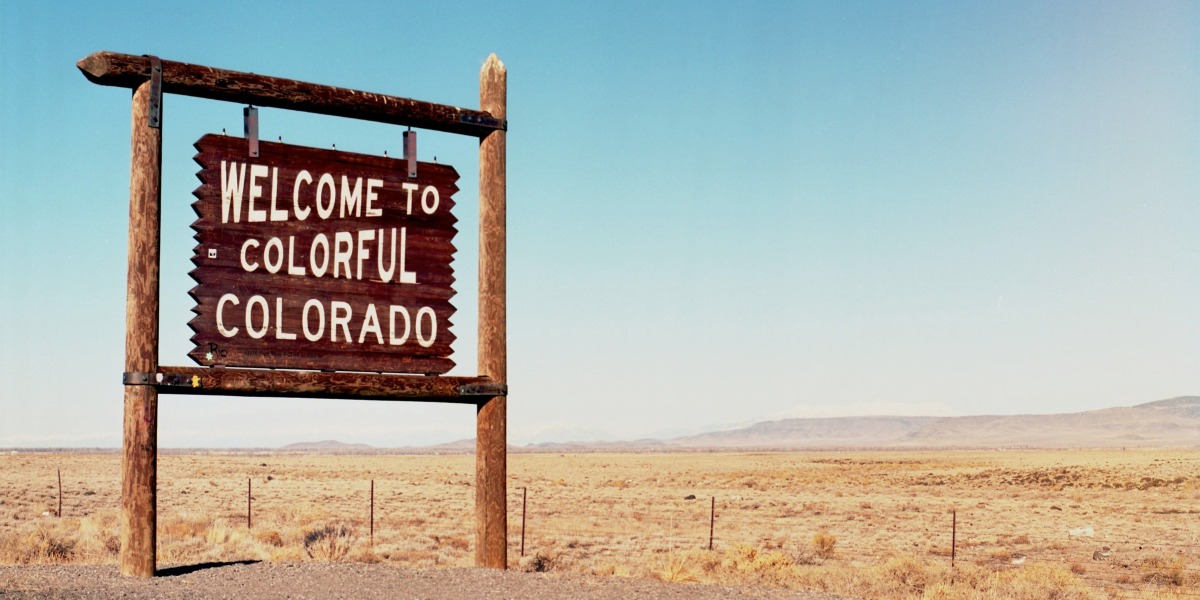
Two high-profile projects have been shaping the chatter in Montrose: on the corner of East Main and Cascade in downtown, two new restaurants will open in the former Daily Bread site, and nearby, a boutique hotel, with a club concept, is planned for the old City Hall and Fire Station buildings.

First to open will be Ms So (pronounced Miss So), a modern-Asian street-food concept that has been quietly testing the waters with a food-truck run at The Association. A soft opening is planned for late November, with a full launch in early December. Next year, Persimmon — a refined, farm-to-table Asian grill — will debut in the same beautifully restored corner property.

The Group Behind this expansion

These ventures are the latest investments from Typhoon Group, a Hong Kong-based global holding company active in hospitality, real estate, farming, and wellness, now expanding its footprint in Montrose. CEO Alia Eyres describes Typhoon as “purpose-driven” in its portfolio choices. For Montrose, the arrival of these projects signals something rare: an internationally connected team of hospitality leaders choosing to plant roots in a small Western Slope city, not as a trial market, but as a long-term commitment.

At the center of Typhoon Group’s investment into Montrose is Typhoon Hospitality, the arm overseeing the new restaurants and hotel. Their guiding idea—radical hospitality—asserts that exceptional design, inventive cuisine, and meaningful human bonds can converge to uplift guests and strengthen the community. “Memorable experiences can redefine a town,” Eyres says. “We’re building Montrose into a beacon of hospitality excellence for the Western Slope.”

Mastering The Realms Of Hospitality

Currently based in Hong Kong, Edward Read, General Manager of Typhoon Hospitality, is leading the concept’s vision. Read began his career as a waiter for the renowned restaurant. He progressed through the Corporate Management Training Program—a comprehensive 18-month program designed to develop future leaders. After completing the program, he was assigned to a management role at a prestigious hotel in Ireland. Over the years, Read has steadily advanced through the ranks. ‘Our industry is very tough, but gratifying; hard work pays off,’ Read says. A veteran of luxury brands like Ritz-Carlton, Shangri-La, and Mandarin Oriental, Read previously ran one of Asia’s largest private member clubs—the Aberdeen Marina Club in Hong Kong, overseeing hundreds of staff and thousands of members. He is now building Typhoon Hospitality’s service culture for the group.

Core Principles For Success

“Genuine hospitality is from the heart,” Read says. “We want to engage guests and forge emotional connections that leave lasting impressions.” He delineates the company’s distinction with two pillars: training and empowerment, both of which he plans to bring to Montrose through the new restaurants and hotel.

For Read, training is ongoing, not a one-off event. It includes daily briefings, tastings, and feedback loops to ensure staff are familiar with the menu and feel confident recommending items. Empowerment means frontline workers are trusted to make decisions and resolve issues without waiting for a manager’s approval. “We don’t want staff paralyzed by hierarchy,” he explains. “If a dish or drink is off, staff should be able to resolve this issue immediately for the guest. That’s how trust is built.”

While these principles draw on his global experience, they’re tailored to Montrose’s small-downtown scale, where word of mouth travels fast. “We want guests to feel recognized and noticed,” Read says. “That’s what turns a restaurant into a community space.”

A Welcomed Addition to the City Center

Typhoon Group is advancing plans to repurpose the former City Hall and Fire Station into a boutique hotel and exclusive club with views of Centennial Plaza. The 50-key hotel will be a warm and welcoming space with two restaurants, a swimming pool, and wellness facilities. The City Hall and Fire Station, which are historic buildings, will be meticulously restored, with Eyres scheduling a review with the Historic Preservation Commission soon. ‘This is no easy task, we will be working with historic buildings, careful consideration needs to be taken on all aspects of the design, and every effort will be taken to preserve its historic features,’ Read says. A new collaboration with Colorado Mesa University aims to broaden hospitality and culinary arts offerings on the Montrose campus, potentially letting CMU students train in Typhoon’s restaurants and the forthcoming hotel, mirroring the Hotel Maverick and Devil’s Kitchen model in Grand Junction. Read says the hotel will showcase Typhoon’s radical hospitality, making every guest feel recognized and valued, like they’re returning home to see their family. Eyres emphasizes the freedom to craft a brand-new standard of service, free from the constraints of corporate branding.

In Summary

Montrose, Colorado – A New Era Of Hospitality Begins (2)

Photo Courtesy: Montrose

Montrose is entering a new era of hospitality with Typhoon Group’s expansion: two new dining venues, Ms So (modern-Asian street food) opening for a soft launch in late November and Persimmon (farm-to-table Asian grill) debuting next year, plus a boutique hotel with a private club planned in the historic City Hall and Fire Station buildings. Typhoon Hospitality, led by Edward Read, aims to redefine local experience through radical hospitality—heavy emphasis on ongoing training, frontline empowerment, and genuine guest connections—while restoring the downtown landmark properties and collaborating with local Universities to broaden hospitality and culinary arts offerings, all designed to position Montrose as a regional beacon of hospitality excellence.

How Ending the US One-Cent Coin Will Change Retail Pricing and Taxes

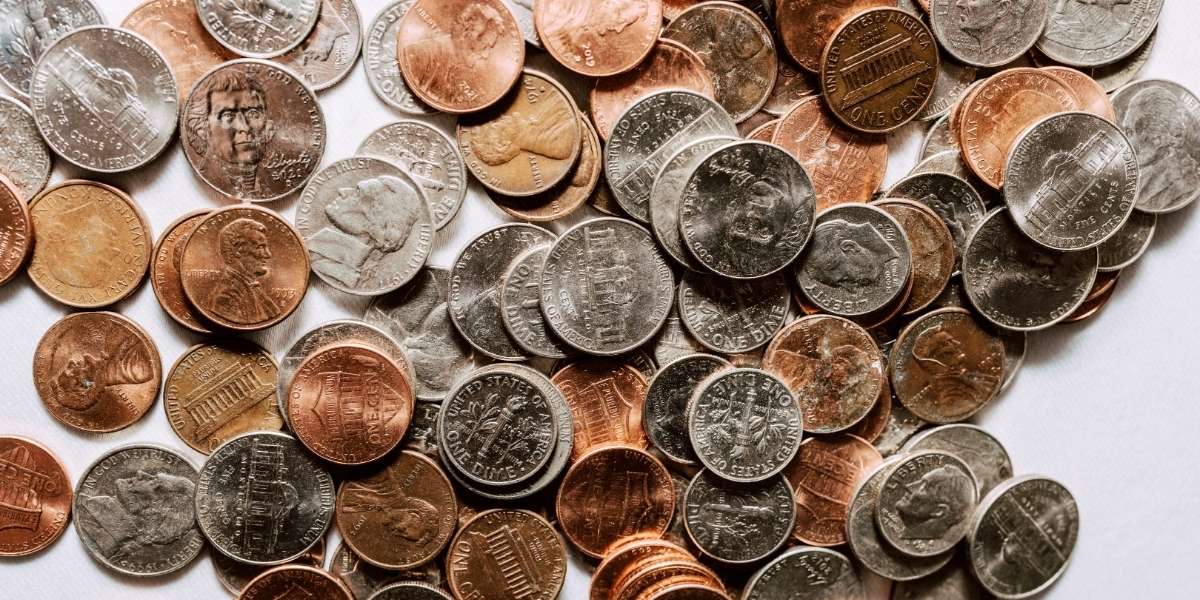
The United States has long been synonymous with its pocket change, but the days of the one-cent coin could be numbered. As the cost of producing the penny continues to outpace its value, a growing number of economists and policymakers are suggesting that it may be time to retire the smallest coin in circulation. If the penny is phased out, it could lead to significant changes in both retail pricing and tax calculations, with ripple effects felt across businesses, consumers, and the overall economy.

The Rising Cost of the Penny

The penny has been under scrutiny for years due to its production costs, which far exceed its face value. According to the U.S. Mint, it costs approximately 2.1 cents to produce a single penny, making it one of the least cost-effective coins in circulation. Despite this, the penny has remained a staple of U.S. currency. However, as the costs continue to rise, both manufacturers and policymakers are reassessing whether it’s time to retire the coin altogether.

This is not a new conversation. Several countries, including Canada and Australia, have already made the decision to eliminate their smallest denominations. For the U.S., the idea of ending the penny has been floated periodically, with some lawmakers championing it as a move toward more efficient and cost-effective currency. While the debate continues, the potential for change grows, especially as the economy shifts and the demand for digital payments increases.

How the End of the Penny Would Impact Retail Pricing

The most immediate impact of eliminating the penny would be on how retailers price goods. In an economy where exact pricing has become the norm, rounding prices to the nearest five-cent increment could become standard practice. This would simplify the checkout process, reducing the need for small change transactions and potentially speeding up the purchasing process, especially in high-volume retail environments.

For example, a product priced at $1.01 could round down to $1.00, while a price of $1.02 might round up to $1.05. This change would lead to simpler transactions at the cash register, especially as more consumers move toward digital payments, where pennies are rarely involved.

But while the removal of pennies may seem like a minor change, it could have deeper implications for the overall retail environment. Businesses would need to adapt their pricing strategies, which could involve adjusting how they mark up products or even implementing new rounding rules for discounts, coupons, and promotions. For consumers, the impact would likely be subtle—perhaps saving a few cents here and there, but the cumulative effect could add up.

Rounding and Inflation Concerns

How Ending the US One-Cent Coin Will Change Retail Pricing and Taxes

Photo Credit: Unsplash.com

One of the biggest concerns surrounding the elimination of the penny is the potential impact on inflation. Critics argue that rounding up prices could lead to higher costs for consumers over time, particularly on lower-priced goods. For instance, a product that might have cost $1.01 could now cost $1.05 due to rounding, causing a slight but steady increase in overall consumer spending.

While the impact on inflation may be minimal in the short term, it could still contribute to a gradual increase in the cost of living. Retailers could be incentivized to round prices up more frequently than rounding down, which would disproportionately affect everyday consumers. For those already living on tight budgets, the loss of a penny here and there could feel more significant.

To mitigate this, some countries that have eliminated their smallest denominations have implemented rules requiring businesses to round prices both up and down, ensuring that consumers are not consistently on the losing end of rounding. If the U.S. were to follow suit, it could adopt similar practices to ensure fairness.

The Tax Implications

Beyond the retail space, eliminating the penny would also have significant implications for taxes. In the U.S., sales tax is calculated as a percentage of a product’s purchase price, and the rounding of prices could create discrepancies in tax calculations. For example, rounding a price of $1.01 down to $1.00 could result in a lower tax amount, while rounding up could lead to a slightly higher tax bill.

In states with high sales taxes, this could accumulate over time, particularly for consumers making frequent small purchases. As the federal government and state legislators look into the possible elimination of the penny, it will be crucial to consider how tax rates will be affected. Clear guidelines will need to be established to ensure that businesses are not unduly burdened by the need to adjust their tax reporting methods.

Will the Penny Disappear Soon?

While discussions about the potential end of the penny are ongoing, the change is not expected to happen immediately. There are strong arguments both for and against eliminating the penny, and public opinion is divided. Some Americans have expressed concern over losing the familiar coin, while others welcome the idea as a practical move to streamline currency and reduce unnecessary costs.

At the same time, digital payments are becoming more prevalent, reducing the need for physical currency in many transactions. As the economy becomes increasingly cashless, the penny’s relevance continues to diminish. In fact, some experts argue that the coin’s demise is inevitable as more businesses shift to electronic payment systems that don’t require small coins.

The decision to eliminate the penny would likely come from a mix of economic, consumer, and technological factors. If lawmakers and businesses ultimately agree that it’s time for the penny to go, the change could bring about a more efficient, modern retail landscape. However, how it will affect consumers, businesses, and tax systems remains to be seen.

A Changing Landscape for Consumers and Businesses

In the end, the removal of the penny will bring mixed reactions from consumers and businesses alike. While retailers may benefit from more streamlined pricing systems and tax calculation methods, some consumers may feel that they are paying just a little bit more for the goods they buy.

The question remains: will the U.S. make the leap to a penny-free society? As the nation continues to evolve toward a more digital future, the penny could soon be relegated to history, leaving behind a simpler, albeit more rounded, way to price and tax goods.

Mars’s Dark Streaks Have A New Explanation

For decades, scientists puzzled over dark streaks running down steep Martian slopes. First spotted in images from the 1970s, these “slope streaks” looked suspiciously like they could have been created by flowing water. But a new large-scale analysis suggests something very different: in most cases, no liquid water was involved at all. Instead, the marks likely formed through entirely dry processes driven by dust, wind, and gravity.


What These Streaks Are — And Why They Captured Attention

Slope streaks appear as long, narrow, dark features on crater rims, canyon walls, and the flanks of Martian volcanoes. They tend to begin at a point high on the slope and stretch downward for hundreds of meters, standing out against the pale layer of dust that blankets much of Mars.

Early interpretations leaned toward water because the streaks resembled miniature channels and often appeared seasonally in dusty regions. But the evidence was limited — earlier missions didn’t have the imaging resolution or coverage needed to trace how these features formed.

A recent analysis changed that. By using machine-learning tools to examine tens of thousands of high-resolution images taken between 2006 and 2024, researchers identified an astonishing volume of these features — roughly 1.6 to 2 million streaks globally. With a dataset that large, the story became clearer.


Dry Dust Flows Now Look Like the Best Explanation

The new research points strongly toward dry, dust-driven formation rather than water. Streaks appear overwhelmingly in areas with:

  • Low thermal inertia (surfaces that heat and cool quickly)
  • High dust accumulation
  • Strong or variable wind stress
  • Steep slopes prone to small disturbances

These conditions suggest a simple mechanism: fine dust settles on a slope, creating a fragile surface layer. A trigger — a gust of wind, micro-seismic vibration, or even the shockwave of a distant meteor airburst — disturbs the dust. Gravity does the rest, sending material cascading downward and revealing a darker layer beneath it.

In this view, slope streaks are “dust avalanches,” not signs of contemporary water flow.

A researcher involved in the work explained the shift succinctly: once scientists could compare hundreds of thousands of streaks at once, environmental correlations became unmistakable.


Why This Matters for Understanding Mars

For years, slope streaks were among the most visually compelling hints that liquid water might still flow on Mars today. These new findings don’t rule out the possibility of brines or ice-driven processes elsewhere, but they do clarify that most streaks aren’t tied to modern water activity.

This has several implications:

  • Mars may be drier today than many early interpretations suggested.
  • Fewer sites need to be treated as potential water-contamination hazards.
  • Rovers and landers can better avoid misinterpreting dust features as signs of habitability.

It also sharpens the focus for mission planners. Instead of spreading attention across millions of ambiguous streaks, researchers can concentrate on regions where multiple lines of evidence point toward past or present water.


Answering Common Reader Questions

Does this mean Mars has no water today?
No. The findings speak only to slope streaks — not to subsurface ice, polar deposits, or ancient riverbeds. Mars still holds geological clues of a far wetter past.

Does this make Mars less interesting?
Not at all. The update narrows the search for water, making exploration more precise. Understanding what isn’t water helps reveal where water might still be.

What about dramatic headlines claiming water was flowing downhill?
This research helps temper those assumptions. Science evolves, and larger datasets often overturn earlier interpretations.


How Scientists Finally Solved the Puzzle

The breakthrough came from scale. Using AI tools, researchers processed more than 86,000 high-resolution orbital images and cataloged over half a million individual streaks. That allowed them to compare streak locations with environmental variables such as wind intensity, surface dust thickness, slope angle, and temperature patterns.

With so many examples to study, dry dust flows emerged as the overwhelmingly consistent explanation. Very few streaks matched the conditions where liquid brines could be stable on the surface. In contrast, the correlation with dust mobility and wind was unmistakable.

In short: once the dataset became big enough, the pattern snapped into focus.


What Comes Next for Mars Science

Now that slope streaks are better understood, scientists can refine models that predict where they will form and how they evolve. This matters for:

  • Landing site selection, ensuring future spacecraft avoid loose, active slopes
  • Rover navigation, since streaks may signal unstable terrain
  • Water-search missions, which can now filter out dry dust features more effectively

For enthusiasts, the mystery of Mars simply shifts shape. The streaks remain intriguing geological signatures — dynamic, widespread, and unique to the planet. But now we know: most are created by the movement of dust, not flowing water.

The story of Mars continues, just with clearer data and sharper focus.