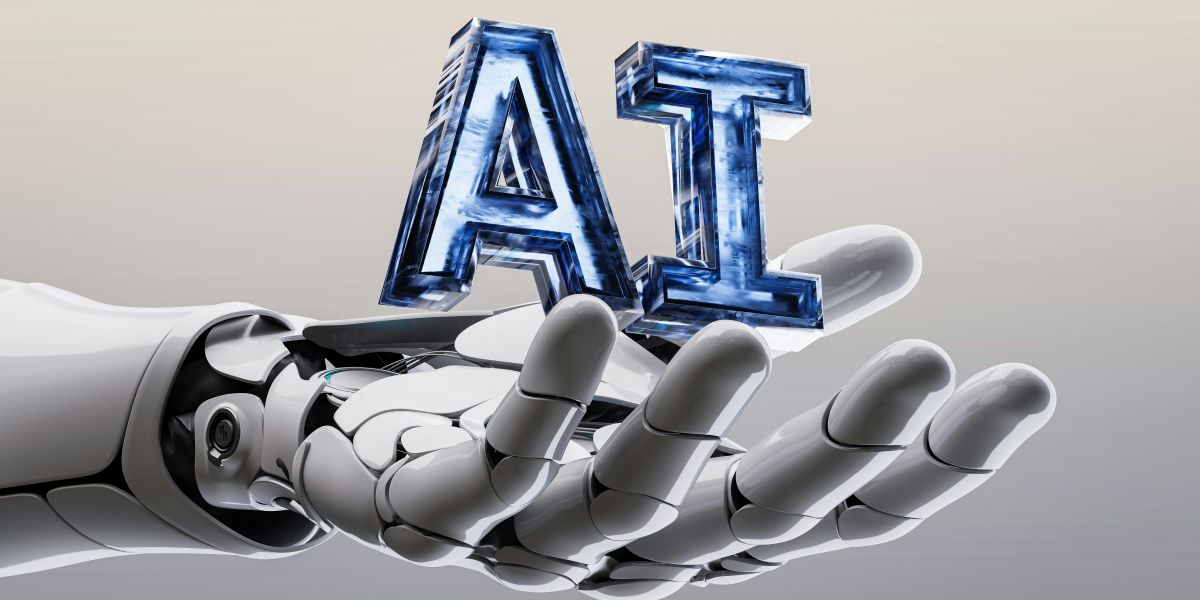
Can AI Understand Humor and Sarcasm? A Turing Test

The Final Frontier of Linguistic Intelligence

Humor is often considered a distinctly human cognitive trait. It relies on a complex cocktail of skills: contextual understanding, cultural knowledge, emotional intelligence, and the ability to recognize and resolve semantic ambiguity instantly. Sarcasm, its mischievous cousin, adds a layer of difficulty by requiring the listener to detect an intentional contradiction between the literal words spoken and the speaker’s true meaning (e.g., “Oh, that’s just brilliant,” said after a minor disaster).

For years, these nuances were seen as a significant challenge—the last major hurdle for Artificial Intelligence to overcome before achieving more human-like linguistic intelligence. While modern AI, built on Large Language Models (LLMs), has become astonishingly adept at generating human-sounding text, the question remains: does it truly understand the joke, or is it merely predicting the statistically correct punchline? The ability to grasp humor and sarcasm is essentially a real-world, high-stakes Turing Test for linguistic comprehension. Engaging this level of high-context, high-coherence linguistic analysis requires integrated platforms capable of managing vast cultural and semantic data sets in real-time. To explore the advanced computational systems that make this possible, I encourage you to explore further.

The Mechanics of a Machine’s Chuckle

When an AI encounters a joke or a sarcastic comment, it doesn’t experience the human feeling of amusement. Instead, it engages in a complex, multi-stage process of semantic analysis and pattern recognition.

1. Contextual Disambiguation

Humor is deeply contextual. The AI must first parse the input sentence against the surrounding text or conversational history. For example, the phrase “He ran out of the room like his hair was on fire” is a neutral simile unless the preceding text establishes that the character is known for slow, methodical movements. The AI compares the literal meaning of the phrase (“running fast”) with the established character traits, using this mismatch as the first indicator of a non-literal meaning.

2. Identifying Semantic Violations

Jokes, particularly puns and absurdism, thrive on breaking established semantic norms. The AI scans for unexpected word pairings or resolutions that violate the typical statistical probability of language.

  • Puns: The AI recognizes that a single word (a homophone) carries two distinct, often incongruous meanings, forcing a cognitive “click.”
  • Absurdism: The AI notes a sharp deviation from reality (e.g., “A horse walks into a bar…”). The very low probability of the sentence chain signals that the forthcoming text is operating under a fictional or humorous premise.

3. Sarcasm: The Inversion Detector

Sarcasm is particularly challenging because it involves a precise emotional inversion. The key steps for an AI to detect it include:

  • Sentiment Analysis: The AI determines the literal sentiment of the words (“This is a great movie ever” = Positive).
  • Contextual Polarity: The AI analyzes the context (e.g., the user just wrote, “The screen froze five times and the ending made no sense” = Negative).
  • Discrepancy Resolution: The system identifies a complete mismatch between the positive words and the negative context. The highest-probability explanation for this mismatch is sarcasm, leading the AI to conclude the true, intended meaning is negative.

The AI’s ‘understanding’ is a technical achievement: it closely mimics human linguistic processing, but may lack the underlying emotional depth.

The Limitations: Cultural Blind Spots and Novelty

While AI performs admirably on structured humor, it often stumbles on two key areas where deep human experience is required: cultural fluency and novelty.

The Cultural Knowledge Barrier

Many jokes rely on shared, implicit cultural assumptions, historical figures, or political satire that can rapidly become outdated or specific to a small group. An AI’s knowledge is limited to its training cutoff date and the dominant languages in its corpus. It might correctly parse the structure of a joke about 1990s pop culture, but if the specific nuance relies on the feeling of that era, the AI’s response may be technically correct but emotionally flat.

For example, a joke requiring knowledge of a niche local dialect, specific political rivalries from a decade ago, or a highly specific social custom may not have enough data density in the training set for the AI to grasp the subtext, resulting in a literal, non-humorous response.

The Problem of Spontaneous Creativity

Some of the many original forms of humor involve spontaneous creation—a sudden, inventive leap of logic or language. While AI is fundamentally a system of pattern matching and probability prediction, it can face challenges in generating completely novel humor. It can successfully emulate the style of a famous comedian, but generating something that breaks the established mold entirely requires an ability to think outside the probabilistic box—a trait still reserved for human creativity (JSTOR). When asked to generate novel humor, the AI often defaults to statistically safe, slightly generic variations of existing tropes, revealing the limitations of even the massive training data sets.

AI as a Philosophical Mirror: The New Turing Test

The debate over AI’s grasp of humor provides a powerful philosophical mirror. If the Turing Test was originally designed to see if a machine could fool a human into thinking it was human, the Sarcasm Test asks if the machine genuinely understands a fundamental human communication trait.

Suppose an AI can consistently detect sarcasm, produce structurally sound and contextually appropriate humor, and even explain why the joke is funny based on underlying semantic principles (e.g., “The humor derives from the juxtaposition of low-brow action with high-brow vocabulary”). Does its lack of biological feeling matter?

Philosophers argue that by mastering the mechanics of humor, the AI forces us to reconsider the human claim to unique cognitive traits:

  1. Is Humor Algorithmic? The AI suggests that humor, at its core, is a predictable function of information processing—a sudden release of tension or a pleasant resolution of semantic conflict.
  2. Is Emulation Enough? If the machine’s response to humor is functionally identical to a human’s—if it responds appropriately and continues the conversation with added wit—is the internal mechanism (code vs. consciousness) relevant for practical communication?

The AI challenges us to define exactly what part of the “chuckle” is computational and what part is exclusive to the human soul.

Conclusion: The Augmented Sense of Humor

AI may never experience the sheer joy of an excellently timed pun, but its technical mastery of linguistic pattern recognition has brought it remarkably close to functional understanding. Advanced platforms are now capable of navigating the high-wire act of sarcasm and the complex multi-stage analysis required for sophisticated jokes.

The future of humor lies not in AI replacement, but in augmentation. AI serves as a powerful tool for comedians and writers, testing punchlines, suggesting unexpected metaphorical turns, and ensuring that their jokes have maximum cultural reach. By mastering the language of humor, AI compels us to appreciate that while the machine can master the structure of the joke, the soul of the laugh remains profoundly, beautifully human.

Understanding 123 Paystub: The Key to Managing Your Payroll and Finances

In today’s fast‑moving business environment, accurate payroll management and clear financial documentation are more important than ever. Whether you’re a small business owner, a freelancer, an HR professional, or an independent contractor, having dependable pay stub records can help bring order to your payroll and finances. That’s where the platform from 123 Paystub comes in, a streamlined online tool designed to make pay stub generation simple, reliable, and in line with compliance standards. Let’s explore how 123 Paystub works, why it matters, and how you might be able to use it to improve your payroll and financial management.

What Is 123 Paystub, and How Does It Work?

123 Paystub is an instant, secure pay‑stub generator that enables employers, sole proprietors, contractors, and HR teams to create professional pay stubs quickly. The process is straightforward: you enter company and employee details, select a template, preview the output, and then download or print the stub.

This ease of use is one of its core strengths. Instead of wrestling with spreadsheets, manual calculations, or confusing templates, you get a tool that handles much of the work for you. The platform takes care of federal and state withholdings, Social Security, Medicare, and other deductions, so you can focus on staying current with tax tables and wage bases.

Why Accurate Pay Stubs Matter

Pay stubs serve multiple roles in business and personal finance:

  • Transparency for Employees – A clear stub shows gross pay, net pay, deductions, and year‑to‑date totals. This can help build trust and may assist employees in verifying they are paid what they expect.
  • Documentation for Freelancers and Contractors – Even if you do not have a traditional employer relationship, having structured pay stub records can be helpful for loan applications, rental agreements, or proving income for immigration or HR audits.
  • Audit and Compliance Readiness – Accurate pay stubs can reduce the risk of questions from regulatory bodies and help you stay ahead of payroll‑related errors.
  • More Efficient Bookkeeping and Financial Planning – Consistent stub creation ties into accounting systems well and gives you clearer visibility of payroll cost trends, which can assist with budgeting and forecasting.

Key Features That Set 123 Paystub Apart

Here are several features of the tool that may help elevate payroll management:

  • Automated Tax and Deduction Calculations – The system handles federal and state withholding, Social Security tax, Medicare, and more, using current rules so you do not have to manually update them every year.
  • Templates and Preview Options – Choose from a variety of professional pay‑stub templates, preview how the stub will look, and then download or print.
  • Custom Branding – Businesses can add their logo and adjust details so that the stub aligns with their brand identity.
  • Flexible Output Formats – Download in PDF for digital record‑keeping, print for physical copies, or share via email.
  • Linked Taxation Forms and Exports – The platform also provides access and integration for forms like W‑2, 1099s, 941, and more, making your payroll documentation system more comprehensive.
  • 24/7 Support and Unlimited Corrections – Mistakes happen. Having support around the clock and the ability to correct stubs without extra cost can offer peace of mind.

How 123 Paystub Supports Financial and Payroll Management

By leveraging a tool like 123 Paystub, you gain some practical advantages:

  • Time Savings – Manual calculations and formatting take hours; automated tools can reduce that significantly, freeing you up for strategic tasks.
  • Reduced Errors – Automating tax withholding and deduction calculations may decrease the risk of misreporting. 123 Paystub specifically flags common issues and encourages compliance.
  • Improved Employee Relations – When employees are given clear, accurate pay stubs, questions may decline and trust could rise.
  • Better Documentation for External Use – Independent contractors or small business owners can produce professional stubs that could hold up for lending, leasing, or immigration purposes.
  • Enhanced Financial Visibility – Since the platform outputs standardized records, you might more easily feed them into bookkeeping systems, review payroll trends, manage costs, and plan.

Valuable Practices When Using 123 Paystub

To get the most out of the tool, here are some tips:

  1. Ensure Accurate Input – Carefully record pay period dates, hours worked, overtime, bonuses, and other compensation. Errors at this stage will likely affect the stub.
  2. Keep Detailed Time Sheets and Backup Documentation – Especially when dealing with hourly employees or contractors, having timesheet records can help verify the stub numbers.
  3. Stay Aware of Changing Tax Rules – Even with automation, it is wise to double-check that withholding tables and rules are up to date.
  4. Maintain Good Digital Archives – Keep a record of all pay stubs, ideally stored in the cloud with backups.
  5. Use Branding Thoughtfully – If you are generating stubs for your business or as part of a service to freelancers, include your logo and business details for a professional presentation.
  6. Make Use of Support – If you run into issues or need to correct a stub, support resources should help you resolve things promptly.

Summary

Whether you are managing payroll for a small business, issuing stubs to freelancers, or simply trying to keep your financial documentation accurate and credible, the right tool can make a difference. 123 Paystub offers a straightforward, feature-rich solution that drives accuracy, compliance, and efficiency. From automated tax calculations to branded templates and robust output formats, it brings payroll and pay stub generation into a modern, manageable space.

By following best practices, tracking hours and pay carefully, preserving records, keeping input accurate, and using available support resources, you will be better positioned to avoid payroll pitfalls, strengthen financial transparency, and build trust with employees or stakeholders. Understanding how to use 123 Paystub is not just about generating a stub; it is about elevating how you manage your payroll and finances overall.

123 Paystub could be the key piece in your payroll toolbox, helping you create solid, trustworthy pay stub documentation and freeing you up to focus on growing your business or managing your freelance career with confidence.


Disclaimer: The information provided in this article is intended for general informational purposes only and should not be construed as professional advice. While we strive to provide accurate and up-to-date information, the content may not reflect the most current legal, financial, or regulatory developments. Readers should consult with a qualified professional for advice specific to their situation. The use of 123 Paystub or any other payroll tool is at the reader’s discretion and responsibility. We do not endorse or guarantee the effectiveness of any third-party services mentioned in this article.

Zuvelio Opens New York Facility to Offer U.S. Shoppers Diamond Rings at India Pricing, with No Hidden Fees

By: Ethan Rogers

New York, USA — Nov 11, 2025 — Buying jewelry online has never been easier, but for many U.S. customers, international purchases often come with unwanted surprises — hidden tariffs, customs delays, and unexpected duty fees at delivery. Recognizing these frustrations, Zuvelio, the global jewelry brand known for its ethical lab-grown diamond and moissanite jewelry, has launched its first U.S. facility in New York to deliver a smoother, duty-free experience to American customers.

The new facility will handle both production and fulfillment within the United States, enabling the brand to craft and ship pieces directly from New York. This means customers will now enjoy faster delivery times, transparent pricing, and complete freedom from import duties and international tariffs — a significant advantage for anyone purchasing engagement, anniversary, or wedding rings.

“Every customer deserves the joy of luxury without the stress of hidden costs. Our new U.S. facility ensures that what you see is truly what you pay — no surprise tariffs, no import hassles, and a seamless buying experience for American shoppers,” said Jitender Soni, Founder and CEO of Zuvelio.

This move also addresses one of the biggest concerns U.S. jewelry buyers face — trust. Buying a diamond or engagement ring from an overseas seller can feel risky. By establishing a physical presence in New York, Zuvelio offers customers the same comfort and confidence they expect when buying from a local jeweler, but at the affordable prices made possible by the brand’s global sourcing network.

Unlike many traditional luxury brands that rely on heavy markups, Zuvelio follows a unique business model. All its raw materials — lab-grown diamonds and moissanite — are sourced and cut in India, one of the world’s largest diamond hubs. By combining Indian craftsmanship with U.S.-based operations, the company can provide American customers with authentic, ethical, and accessible luxury without compromising on quality or design.

Zuvelio’s decision to open a U.S. facility also aligns with the growing trend of consumers seeking greater transparency in their purchases. As shoppers become more conscious of where their products come from, the ethical sourcing of diamonds and moissanite has become a priority for many. Zuvelio’s commitment to sustainability is reflected not only in its materials but also in its efficient supply chain, reducing the environmental impact of traditional shipping methods. By making production and fulfillment local, the company ensures that every aspect of the customer’s journey, from selection to delivery, supports both ethical values and eco-friendly practices.

“Our customers often seek more than just jewelry — they look for emotion, story, and individuality in every piece. From design to doorstep, we’re ensuring that every ring reflects that personal touch while offering the convenience of local service,” added Jayant Soni, Co-Founder and Chief Designing Officer.

The New York facility will also focus on custom ring design services, a core part of Zuvelio’s brand identity. Customers can personalize every element of their piece — from the diamond shape and setting to the metal finish — creating one-of-a-kind designs that celebrate personal milestones.

Known for its tagline “Luxury Within Reach,” Zuvelio has built a loyal global following among modern couples who value sustainability, transparency, and innovation. Each ring is handcrafted using ethically sourced lab-grown diamonds, which have the same chemical, optical, and physical properties as mined diamonds — but at a fraction of the environmental and financial cost.

By expanding to the United States, Zuvelio aims to make fine jewelry shopping as effortless as buying from a local boutique, while continuing to honor the traditions of precision craftsmanship that define its Indian roots. The brand’s vision is to bring a new era of tariff-free, ethically made luxury to U.S. consumers looking for both beauty and value.

To explore Zuvelio’s latest designs or learn more about its New York operations, visit Zuvelio.com.

FuBear Travels the Globe with “Give Me Five! A Better Life”

By: Megan Mico

Who says a high-five can’t change the day? FuBear, the friendly ambassador of Taiwan Excellence, is proving that a cheerful greeting can do more than make people smile; it can connect communities across continents. Through the “Give Me Five! A Better Life” campaign, FuBear has become a globetrotting messenger of joy, reminding everyone that simple gestures can create meaningful bonds.

Spreading Warmth, One Country at a Time

FuBear isn’t staying still. From the streets of Taipei to the beaches of Thailand and the festivities of India to lively lawns in Germany, he’s crossing borders with energy and positivity. People light up when they see him approach; his welcoming wave feels like an invitation to share laughter, connection, and care.

His name comes from the Mandarin word 福 (fu), a character representing blessings, happiness, and luck. The meaning fits his mission excellently. Whether appearing at a festival, walking through a market, or joining an online event, FuBear radiates friendliness. He doesn’t just attend; he participates, creating moments that people remember long after the event ends.

Everyday Acts That Matter

There’s more to the campaign than cute photos and cheers. Each stop on FuBear’s tour focuses on simple yet meaningful acts,  ones that promote kindness, health, and environmental awareness. Through community gatherings, workshops, and playful activities, FuBear inspires people to live in ways that spread cheer while caring for the planet.

When FuBear visited Malaysia, he helped set a record for the highest high-fives in one minute. The event doubled as a fundraiser, supporting programs for children’s learning and local environmental causes. It wasn’t about applause; it was about people coming together for a purpose, united by a fun and friendly bear wearing a wide grin.

A Growing Circle of High-Fives

The campaign isn’t limited to physical events. Anyone, anywhere, can join in. Through the official Give Me Five! website, participants upload photos and videos of their own high-fives. The live counter ticks upward with every virtual gesture, showing how a single idea can ripple outward, linking people who’ve never met but share the same goodwill. This simple, yet powerful act of participation helps build a global network of positivity, where kindness transcends borders and unites people of all backgrounds.

Each online submission becomes part of a much larger story, a mosaic of encouragement, care, and human connection. In an age when time often feels rushed, the project offers a refreshing reminder that friendship can begin with something as small as a raised hand, making it easy to share joy no matter where you are.

Continuing the Journey of Joy

There’s plenty more in store for FuBear. His calendar remains full with school visits, hands-on activities, pop-up appearances, and cheerful videos featured across Taiwan Excellence’s platforms. Each event provides people with an opportunity to experience the spirit of the campaign firsthand and join in the celebration of kindness.

Visitors can stay up‑to‑date with the campaign’s latest developments by visiting the official site, where FuBear continues to encourage everyone to join in through engaging stories, updates, and interactive features. With every high‑five shared, this traveling bear reminds the world that happiness grows brighter when it’s passed along. 

Through the “Give Me Five! A Better Life” platform, participants not only track the global high‑five count but also explore how small gestures fuel positive change, from community events and environmental actions to educational outreach and cultural connections. The site features dynamic media, invites users to upload their own high‑five moment, and fosters a sense of collective joy united by the simple act of raising a hand. In doing so, the campaign emphasizes that meaningful bonds don’t always require grand gestures, just a friendly wave, a shared smile, and a willing heart.

Los Angeles Dodgers Secure Repeat Title With 2025 World Series Win

The Los Angeles Dodgers are champions once again. With a dramatic 5–4 win in the eleventh inning of Game 7, the team clinched the 2025 World Series and secured back-to-back titles — a rare accomplishment in modern baseball.

This victory wasn’t just another trophy. It marked a defining moment in a season shaped by pressure, resilience, and the weight of expectations that follow a reigning champion.


A Historic Win That Framed the Entire Season

From the first pitch of the postseason, the Dodgers made their intentions obvious: the goal was to defend their status. The phrase Dodgers champions now carries even more weight, signaling a franchise firmly entrenched in a cycle of dominance.

Their path was anything but smooth. Facing an elite Toronto Blue Jays squad, the Dodgers were pushed to the edge in nearly every matchup. Game 7 — decided in extra innings — captured everything about this postseason: tight margins, strategic brilliance, and moments where a single swing changed the course of history.


What Made This Championship Stand Out

Certain performances will stay etched in baseball memory. World Series MVP Yoshinobu Yamamoto delivered one of the most impressive pitching runs in recent championship history — three wins, a sub-1.10 ERA, and complete command under intense postseason pressure. His dominance brought global attention to the Dodgers’ title run and reflected how international talent continues shaping the sport.

The eleventh-inning home run that sealed the championship instantly became one of the defining images of the 2025 season. These kinds of high-leverage breakthrough moments are the backbone of dynasty-level teams.


Strategic Moves That Carried the Dodgers to the Top

Behind the scenes, depth and planning played as large a role as talent. The Dodgers’ roster construction — balancing star power with role players capable of absorbing slumps — proved essential. In today’s MLB, being a repeat champion requires adaptability, roster flexibility, and a culture strong enough to sustain long seasons.

Manager Dave Roberts and his staff navigated the postseason with precision. Bullpen choices, matchup-specific lineups, and late-game strategy all mattered. In a Game 7 environment, every decision becomes magnified, and the Dodgers’ coaching group consistently made the right adjustments.


The Broader Impact on MLB and the Business Landscape

A repeat championship isn’t just a sports milestone — it’s an economic engine. With the Dodgers champions once again, merchandise demand spikes, broadcast value climbs, and corporate partnerships deepen. In Los Angeles, the economic ripple extends to hotels, restaurants, and local tourism campaigns built around the city’s powerhouse sports identity.

Around the league, the Dodgers’ model becomes a case study. Competing for titles year after year requires strong player development pipelines, smart analytics, and an organizational culture capable of handling star expectations. The Dodgers have shown how to synchronize all three.


What the Win Means for Fans and for Los Angeles

For the fan base, this championship validates years of loyalty and emotional investment. It also underscores the city’s status as the home of a sports dynasty. Beyond the wins, there’s civic pride — a sense that Los Angeles is again in the spotlight, setting the standard for major-market success.

For the team, the celebration marks the start of a new set of challenges. With the offseason looming, the Dodgers now become the target everyone aims to take down. Repeat champions carry a weight that never really goes away.


Looking Ahead: What Comes Next

Winning back-to-back titles raises expectations across the organization. The front office now faces decisions that determine whether this era becomes a dynasty or a two-year peak. Key areas to watch include:

  • Bullpen depth: October exposes weaknesses faster than the regular season.
  • Offensive consistency: Sustaining production across 162 games remains a challenge.
  • Clubhouse chemistry: Success brings pressure — and pressure tests unity.

Injuries, roster turnover, and the natural aging curve all play a role. Planning for longevity becomes as important as celebrating what’s already been achieved.


A Championship That Sets the Standard

The label Dodgers champions feels more accurate than ever. With this win, the franchise reaffirmed its position at baseball’s summit. Elite skill, disciplined management, and clutch execution converged at the exact right moment.

They defended the crown. They survived the pressure. They earned their place among the sport’s greatest modern runs.

And if their postseason performance is any indication, this may not be the end — it may be the beginning of a sustained era. The team isn’t finished. They’re signaling something bigger: the next chapter could be even more compelling.

Igniting Your Child’s Inner Racer for Life’s Challenges

By: Theresa G. Gleason

Every parent wants to see their child succeed, not just in play, but in navigating life’s twists, turns, and occasional bumps. What if we told you that the competitive spirit and love for speed found in a character like Ronnie the Racer can be a fantastic blueprint for building resilience and confidence in your own child? Get ready to explore how fostering your child’s inner ‘racer’ can prepare them for life’s biggest challenges!

In Kids Can Fly! Ronnie the Racer, we meet Ronnie, a boy whose passion for racing is undeniable. He’s known for yelling, Ronnie the Racer wins again!!! about 100 times a day. He loves to race and go fast, challenging anybody, anytime, anywhere. This isn’t just about winning; it’s about a relentless drive and a confident spirit. Wanna race?! he asks with competitive excitement, often adding, I bet you I’ll win, with a confident smile. This isn’t cockiness. It’s an early demonstration of self-belief and a readiness to face a challenge head-on.

Ronnie’s world is full of races, whether he’s on his bike, skates, scooter, or skateboard. Anything on wheels. Even a mundane trip to the grocery store becomes an opportunity to race, with the shopping cart transforming into his race car, making screeching noises as if he were skidding around corners. He declares Ronnie the Racer wins again! while holding up a loaf of bread like a trophy. This playful determination shows us that for Ronnie, every moment is a chance to compete, to push limits, and to declare victory, even in the most ordinary settings.

But the real magic happens when Ronnie dreams. He dreams of flying a jet, skillfully facing the sky, exclaiming, but Pilot Ronnie does not crash! as he performs backflips and barrel rolls. He dreams of dirt bike races, passing other riders with ease, kicking up dirt, and speeding into first place. And in his ultimate dream, he’s on a real NASCAR racetrack, side-by-side with another racer, who mouths, Get ready to lose. This angers Ronnie, but instead of backing down, he grits his teeth, slams the gas pedal, and pulls ahead, shouting, I cannot be beat! I am the fastest ever! as he crosses the finish line.

These dream sequences in Ronnie The Racer are powerful metaphors for life’s challenges. They illustrate that facing obstacles, experiencing moments of doubt (like the rival Racer’s taunt), and pushing through discomfort are all part of the journey to success. Ronnie’s strong belief in himself, his refusal to give up, and his sheer joy in the pursuit of speed are qualities we want to instill in our children.

By embracing their inner ‘racer,’ children learn:

  • Confidence: Just like Ronnie, who is confident he’ll win, children learn to believe in their abilities.
  • Perseverance: They learn to keep pushing when faced with a challenging task, just as Ronnie does in his races.
  • Resilience: Bumps in the road are inevitable, but a ‘racer’ learns to get back up and keep going.
  • Goal Setting: Every race has a finish line, teaching children the importance of aiming for a target.

Kids Can Fly! Ronnie the Racer isn’t just a delightful story. It’s a playful yet profound lesson in developing a winning mindset. It encourages children to approach life with enthusiasm, a can-do attitude, and the knowledge that with belief and effort, they too can cross their finish lines, no matter the challenges.

Ready to help your child find their inner champion? Get Kids Can Fly! Ronnie The Racer by Thai Why today, and let the race to resilience begin!

NYC Legalizes Basement Apartments: What Developers Should Know

New York City’s move to legalize basement apartments is reshaping how developers, landlords, and homeowners think about underutilized space. After years of stalled proposals, the city finally introduced a rule-making package that gives thousands of property owners a pathway to convert informal basement units into legal, regulated homes. The policy gained urgency after recent storms revealed both the dangers of unsafe underground living and the untapped potential of these units to help meet housing demand.


A Rule Born From Crisis and Opportunity

For decades, tens of thousands of basement and cellar apartments operated in a legal gray zone — providing relatively affordable shelter but often without proper ventilation, emergency exits, or flood protection. When flash floods in 2021 led to several tragic deaths in illegal basement units, the city was pushed to overhaul the system.

The new framework introduces clear safety and building standards for homeowners who want to convert these informal spaces into legal units. Requirements include proper egress, sufficient ceiling height, electrical upgrades, and flood-mitigation measures.

The goal is twofold:

  • Improve resident safety
  • Expand the housing supply without relying solely on new construction

The reforms also align with broader initiatives to modernize zoning and encourage smaller-scale housing growth in existing neighborhoods.


How Legalization Works

The new rules mainly apply to one- and two-family homes, where basements can be converted into accessory dwelling units (ADUs). Homeowners must secure permits for structural reinforcement, waterproofing, ventilation improvements, and updated electrical systems.

Flood-prone neighborhoods face stricter rules, including:

  • Raised outlets
  • Sump pumps
  • Elevated entrances
  • Additional drainage safeguards

Once a basement meets code, owners can apply for legalization through the Department of Buildings. Upon approval, the unit becomes a lawful rental protected under housing regulations. For landlords, that shifts a previously risky asset into legitimate cash-flow territory.


A New Chapter for Landlords and Small Developers

For small-scale investors, this policy opens up fresh revenue potential. A finished basement that formerly risked fines can now become a stable rental unit. If even a fraction of the city’s estimated illegal basements become legal, the impact could add tens of thousands of affordable homes over time.

Neighborhoods with large numbers of one- and two-family homes — especially parts of Queens, Brooklyn, and the Bronx — are expected to see the strongest wave of conversions. As these units enter the legitimate market, they could influence local rent patterns and contribute to steadier housing inventory.

However, landlords will need to plan carefully. Conversion costs can be substantial, especially in areas requiring floodproofing or significant structural upgrades. Some units may also fall under affordability programs with rent caps, which affects return on investment. Still, in many outer-borough markets with strong rental demand, the long-term upside outweighs the upfront renovation work.


What This Means for the NYC Housing Market

New York’s legalization push reflects a growing trend toward maximizing existing space rather than relying solely on large-scale development. By encouraging ADUs and basement conversions, the city is betting on distributed, incremental housing growth across residential neighborhoods.

For renters, the result could be safer, more regulated, and more affordable units at a time when vacancy rates remain extremely tight. For developers and investors, the message is clear: underused basements are now legitimate entry points into the rental market, provided owners follow the compliance roadmap.


Steps for Property Owners and Investors

Evaluate Properties: Identify basements with the height, layout, and potential to meet egress and flood standards.
Budget for Compliance: Expect costs for waterproofing, ventilation, emergency exits, and electrical upgrades.
Secure Permits Early: Work with licensed professionals who understand the city’s ADU legalization track.
Model ROI: Compare projected rental income with renovation costs, ongoing inspections, and possible affordability requirements.
Anticipate Demand: Early adopters may benefit the most before the market adjusts to an influx of new units.


The Bigger Picture

The legalization of basement apartments is more than a rule change — it’s a rethinking of how New York approaches housing. It connects safety, affordability, and opportunity in one policy, unlocking square footage that has long existed outside the regulatory framework.

For homeowners, developers, and small landlords, this shift signals where the city is heading: smarter use of existing space, stronger safety standards, and a housing market that grows not just upward, but from the ground up — literally.