Alicia Charlery’s 7 Keys of Life: More Than a Book, It’s a Conversation That Stays With You

Some books try to impress you with fancy words. Others try to drown you in advice. Alicia Charlery: The 7 Keys of Life doesn’t bother with any of that. It sits down with you, metaphorically speaking, and starts talking. Before you know it, you’re leaning in, nodding along, and thinking, Yeah… I needed to hear that.

Charlery has a way of telling you the truth without making it feel heavy. She doesn’t sound like a lecturer or a guru perched on a mountaintop. She sounds like that one friend who’s been through enough life to know what matters, but still knows how to laugh about it.

She starts from a simple belief: we all come into this world with a code, a blueprint, a set of “keys” that can unlock the life we’re meant to live. For her, that belief goes back to her own birth date, September 9, 1989, which she calls her “cosmic message.” It’s not about superstition. It’s about paying attention to the little signs, the patterns, the quiet nudges that life gives us if we’re willing to notice.

The Seven Keys and Why They Work

The book is built around seven guiding principles. They’re not rigid “rules” so much as ways of looking at life differently.

One key digs into the power of language, not just the words we use with others, but the words we use with ourselves. Charlery even breaks down how certain words, like “understand,” carry meanings we take for granted. (Her point? The way you frame something in your mind can shift how you live it.)

Another key focuses on energy and not in the abstract, mystical sense people sometimes throw around. She means the real, day-to-day vibe you carry into a room, a conversation, or even a text message. Change your energy, and you might be surprised at how your life changes with it.

The rest of the keys weave through themes like self-respect, resilience, and clarity. Charlery mixes personal stories with real-life takeaways, so you’re never stuck wondering, But how do I actually use this?

Why It Feels Different

If you’ve ever read a self-help book that felt more like homework than inspiration, this is the opposite. Charlery’s writing has an easy flow. She’ll tell you something deep in one sentence, then follow it with a personal memory or a bit of humor that keeps things light.

She admits she’s not a “writer” in the formal sense. She’s a storyteller. That’s why this book feels more like a heart-to-heart than a lecture. She talks about moments when she got it wrong, when her energy was off, when she let fear or doubt get in the way. And somehow, hearing about those moments makes her advice hit harder, because you know it comes from experience, not theory.

It’s Not About Overnight Change

What’s refreshing is that Charlery doesn’t promise you’ll wake up a new person after one chapter. She knows growth is messy and real and takes time. Each key comes with small, doable steps, the kind that quietly change the way you move through your day until one day you realize you’re living differently.

She talks a lot about “energy matching,” the idea that what you put out is what you get back. And she doesn’t just say it; she shares real situations where shifting her energy turned things around. That mix of principle + proof is what makes her message stick.

The Heart of the Book

Underneath the lessons and keys, there’s something else running through every page: love. Love for yourself, love for the people who lift you up, love for the journey, even when it’s complicated. Alicia Charlery’s gratitude is clear. She thanks her loved ones, especially her husband, not just in passing, but as part of the framework that keeps her balanced.

By the end, you’re not just walking away with seven keys. You’re walking away with a reminder that you already hold them. You’ve just got to start using them.

Why You’ll Keep It on Your Shelf

This isn’t the kind of book you read once and forget. It’s one you’ll come back to when you’re in a rut, when you’re facing a big decision, or when you just need a reminder that you’ve got more control than you think.

Charlery doesn’t claim to have all the answers. What she does have is a way of helping you find your own and making you believe you’re capable of living the life you actually want.

And maybe that’s the real magic here: it’s not about changing who you are. It’s about becoming more of who you’ve always been.


Beyond Nine: Tips for Choosing Comfortable, High-Quality Maternity Wear

With racks of styles in stores and countless online options, it’s all too easy to get caught up picking what costs the least. But quality needs to come first in maternity wear. It’s not just about buying clothes; it’s about selecting the ones that will hold up for months. So how can you tell whether an item is actually worth purchasing? This article will break it down step by step.

Check the Fabric First

When you’re looking for quality, natural fabrics like cotton, bamboo, or linen blends are soft on the skin, which matters when your body feels more sensitive than usual. You’ll often see spandex or elastane blended in, and that’s a good sign because it lets the fabric move with you as your belly grows. On the other hand, cheap fabrics might look fine, but they can fade or feel itchy after a couple of washes.

Look Closely at the Stitching

When you check the seams, they should look neat and straight, with no loose threads hanging out. Reinforced stitching around spots that get more tension shows the brand has put thought into durability. Always remember that poor stitching tends to unravel, which means you’ll either be reaching for a needle and thread or throwing the piece out much sooner than you planned.

Test How the Fabric Stretches and Recovers

You want your maternity clothes to stretch, but you care about how well they bounce back. One good test is to pull the fabric gently and see if it snaps back into shape without sagging. If you feel the fabric is weak or goes back to being stretched out, that’s not going to offer you support. If the stretches are solid, you’ll end up with items that stay supportive no matter how many times you pull.

Pay Attention to Fit and Design Features

A good maternity piece should grow with you, keep you comfortable, and make you feel good in what you’re wearing. Adjustable waistbands and side ruching let your fabric grow with you, eliminating the need to buy a wide range of sizes. When the design is clever, you will feel safer in the knowledge that you’ve got pieces that adjust to you instead of forcing you to fit them.

Notice the Small but Important Details

Smooth zippers that zip, sturdy-feeling buttons, and properly set pockets are all signs of the extra care that goes into making these clothes. If you’re thinking ahead post-pregnancy, nursing-friendly features like concealed zips and layered panels can give even more bang for your buck. Also, when those features are well executed, they look great and last longer, making a piece far more practical.

Think About How It Holds Up After Washing

Remember that high-quality maternity clothes keep their shape and stretch, and maintain their colour after washing. At the same time, lower-quality fabrics might shrink or lose their brightness too soon if they are so delicate that they require excessive care to make it through the day. The clothes you’re going to be grateful for are the ones that are easy to wash and that still look great after months.

Comfort Always Matters Above All Else

At the end of the day, no matter how stylish or expensive maternity clothes look, they should feel comfortable. Good maternity wear should feel soft, flexible, and easy from the moment you slip it on. Take note that during pregnancy, comfort isn’t just a nice extra; it’s essential. That’s why if a piece feels good and makes daily movement easier, that’s when you know it’s worth holding onto.

Choose Lasting Comfort Over Quick Buys

Quality maternity clothing is about providing you with support, comfort, and longevity as your body changes daily. If you compare the fabric, stitching, stretch, and design details in your inferior pairs with what’s here, you’ll know which have been made to last. When you purchase durable, well-made maternity clothing, you’re making pregnancy a little easier and a lot more comfortable.

‘Hidden Truths’: Stacy L. Parkman’s Debut Lifts the Curtain on a Buried Past

Some books come along quietly, without a lot of noise, but leave a deep mark once you’ve read them. Stacy L. Parkman’s ‘Hidden Truths’ is one of those books. It doesn’t try to overwhelm the reader with complicated language or big dramatic twists. Instead, it gives us people, real, flawed, hurting, loving people, set against one of the hardest times in American history, the antebellum South.

What makes the book so powerful is that Parkman writes with a sense of honesty and patience. She has been journaling for years, capturing small pieces of imagined lives, and with this novel, she pulls them together into a story that feels both personal and timeless. ‘Hidden Truths’ is about family, about secrets, and about what silence can do to us when it is forced, chosen, or inherited.

The Story

The novel begins in Covington, Louisiana, in 1851. Annie Wright is just six years old when we meet her, full of energy and curiosity. But her childhood has already been marked by loss: her sister Sarah has been sold away in a card game. It’s a memory that haunts Annie and her family, reminding us from the very start that this is a world where children can be torn from their loved ones without warning.

On the plantation, Annie crosses paths with Delphine Covington, the mistress of the big house. Delphine is trapped in a loveless marriage arranged for money and status. But she carries a dangerous secret. She is in love with Abraham, a man enslaved on her father’s land, and from that love comes a child, Andy. To protect him, Delphine pretends Andy is her husband’s son. “Andy is our little secret,” she whispers, and that line echoes throughout the book.

From this point, we see how secrets define the lives of everyone in the story. Annie learns that silence is expected of her, even as a child. Delphine knows silence is her only protection. Andy, though innocent, inherits silence as part of his life story.

People at the Heart of the Story

Parkman writes characters that feel alive. She doesn’t turn them into symbols or use them just to make a point. Instead, they feel like people you might know, each with their own struggles.

One of the most touching parts of the book is the friendship between Annie’s brother George and young Andy. On paper, they shouldn’t even be allowed near each other, one the heir of a plantation, the other a child born into slavery. But their bond grows naturally, and in one of the most moving scenes, Andy secretly teaches George and Annie to read. “I think you should possess the ability to know your letters,” he says, before adding, “Remember, it is our secret.”

That moment is about much more than letters. It shows the quiet courage of children who want more than the world allows them. It also shows how learning something most of us take for granted was dangerous, even life-threatening, for people in their situation.

Delphine herself is another unforgettable character. She lives a life of wealth and comfort but also of constant fear. Her love for Abraham and Andy pushes her into impossible choices. She is both part of the system that enslaves people and also a victim of its harsh rules. Abraham, meanwhile, is written with quiet dignity. He is not just a background figure in Delphine’s story; he is a man with his own presence, his own risks, and his own truth.

A World of Appearances

Parkman’s Louisiana is drawn in detail, from the white columns of the Covington plantation house standing like “silent sentinels,” to the busy ballrooms of New Orleans where everyone tries to keep up appearances. She shows us a society that is desperate to look strong and proper on the surface, even though its foundations are weak and rotting.

Later, when the story shifts northward, there is a sense of hope and change, but the past never fully lets go. Parkman makes it clear that history always travels with us, carried in memory and silence.

Light and Darkness

The novel does not shy away from cruelty. The Talbot brothers, angry men who carry a grudge, bring real danger to Annie and those around her. Their violence is not written to shock but to show how fragile life and safety were in those times. At one point, Annie almost loses her life after witnessing their cruelty, and her slow recovery becomes a symbol of survival.

But Parkman doesn’t let the story drown in darkness. For every act of cruelty, she shows us small acts of kindness and bravery. A brother protecting his sister. A child teaching letters by the creek. A forbidden love that refuses to be erased. These moments don’t erase the pain, but they remind us of the human spirit that survives even in the harshest conditions.

The Bigger Themes

What makes ‘Hidden Truths’ feel so relevant today is its focus on silence. Every major character has to live with some form of it. Delphine hides the truth to keep her child safe. Annie is forced into silence under threat. Andy grows up with silence pressed upon him before he even understands why.

Parkman asks us: What is the cost of silence? How do secrets passed from one generation to the next shape who we become? And when the truth finally comes out, what happens then?

These questions don’t belong only to the 19th century. Families today still carry secrets about trauma, about identity, about love that ripple across generations. In that sense, ‘Hidden Truths’ is not just a historical novel. It’s a story about how silence works in all of our lives.

Parkman’s Style

Stacy L. Parkman writes with a steady, careful hand. She doesn’t rush. She doesn’t use flowery language to impress. Instead, she takes her time, letting conversations, settings, and simple actions carry meaning. The kitchens, the fields, and the grand parlors are not just background scenery; they are places where lives are changed, where choices are made, where secrets live.

That patience is what gives the book its power. You don’t just read about history; you feel like you are walking through it alongside the characters.

A Beginning, Not an End

For Parkman, this novel is just the start. She has said she has filled journals for years, and ‘Hidden Truths’ is only the first story she has brought out into the world. If her debut shows anything, it’s that her voice will continue to bring us characters and stories that are both intimate and historically grounded.

Why It Matters

In the end, ‘Hidden Truths’ is not about nostalgia or looking back with rose-colored glasses. It’s about survival. It’s about the cost of keeping things hidden and the strength it takes to live with silence or to finally break it.

Parkman reminds us that history is not distant. It’s carried in people’s voices, their choices, their scars. And though truths may be hidden for a time, they are never gone.

By taking the private pages of her journals and shaping them into a public story, Stacy L. Parkman has given voice to lives that echo across time. ‘Hidden Truths’ is quiet in its telling, but it lingers long after the final page.

Cosmetic Dentistry: The Art and Science of Smile Transformation

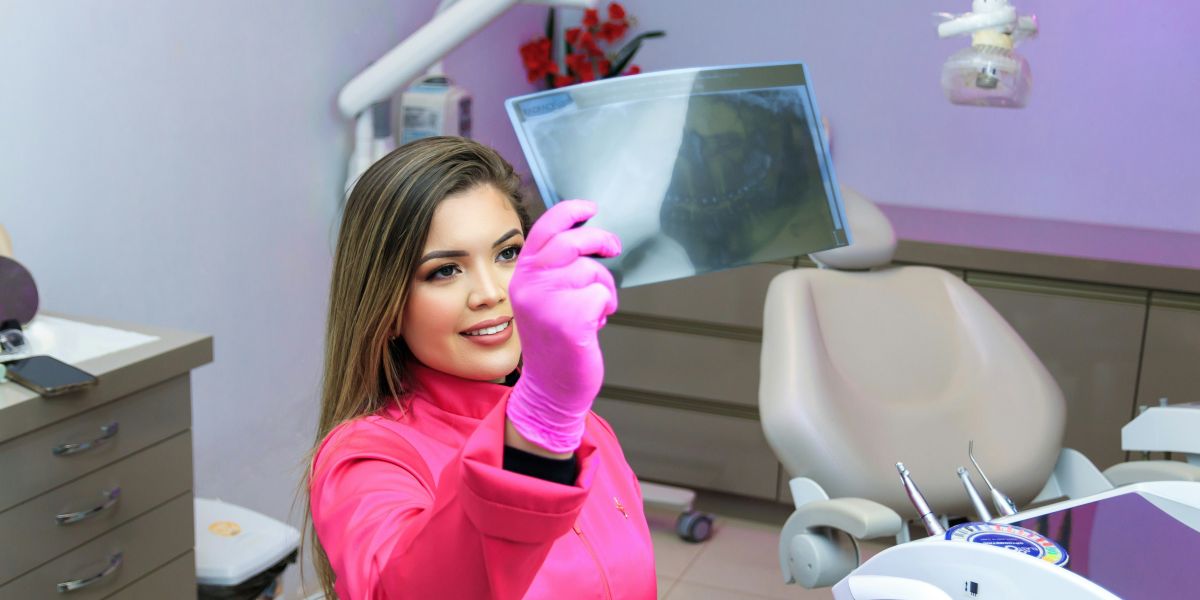
Cosmetic dentistry has come a long way beyond just teeth whitening. Now, it’s a complex blend of art, science, and engineering that aims to enhance the appearance, function, and health of a patient’s smile. For many people, getting a smile makeover is a step toward feeling better about themselves and improving their overall quality of life. This leads to the particular and hopeful search for a dental office in North York. This modern field includes many restorative procedures that address problems such as gaps, discoloration, chips, misalignment, and poorly shaped teeth. The goal is always to achieve a result that looks completely natural, blends with the other features of the face, and can withstand daily use. This way, the aesthetic improvements will also be helpful and long-lasting.

Veneers: A Key Element in Smile Makeovers

Porcelain veneers are probably the common and useful tools in cosmetic dentistry. They are custom-made, wafer-thin ceramic shells that fit over the front of the teeth and address many cosmetic problems at once. Getting veneers is a very detailed process that starts with a full consultation and digital planning. To help ensure the veneers fit perfectly and don’t look too big, only a small amount of enamel is usually removed. After they are ready, the final veneers are securely attached to the teeth. Each one is custom-tinted and shaped by a master ceramist. Veneers are designed to resist stains and mimic the natural translucency of tooth enamel. They offer a noticeable, lasting change in the shape, color, and evenness of the smile.

Bonding and Whitening are Two Aesthetic Options

Veneers aren’t always the ideal way to fix every smile problem. Dental bonding and professional teeth whitening are two great options for people who want less invasive or more affordable options. For dental bonding, the dentist shapes a tooth-colored, long-lasting composite resin directly onto the tooth surface. A high-intensity light hardens this material, which is then polished. This makes it a great, quick way to fix small chips, fill small gaps, or change the shape of a tooth without removing much enamel.

Professional teeth whitening, on the other hand, is an effective option for brightening a smile affected by years of coffee, tea, or natural aging. Using clinical-grade hydrogen peroxide or carbamide peroxide, both in-office and at-home systems are designed to effectively lift deep stains and brighten teeth, compared to over-the-counter kits, with formulations that help reduce sensitivity.

Predictable Results with Digital Smile Design

Digital Smile Design (DSD) helps predict the potential outcomes of cosmetic procedures. DSD is a planning method that uses high-definition photos, video analysis, and 3D mock-ups to work together to create the perfect smile before any clinical work starts. The patient can view and approve a virtual version of their future smile, and even try on a temporary, reversible “trial smile” to see how it looks. This level of diagnostic accuracy leaves no room for guesswork, helps the patient fully understand their goals, and gives the dentist a clear plan for all future restorative work, from minor adjustments to full-mouth rehabilitation.

In the end, the most important things to look for in a cosmetic dentist are their skill, technology, and ability to talk to patients. A successful cosmetic transformation not only makes the smile look better but also improves how the teeth work and are aligned, resulting in a beautiful smile that supports long-term oral health.

Disclaimer: The information provided in this article is for general informational purposes only and should not be considered as professional medical advice. Cosmetic dental procedures, including veneers, bonding, and whitening, may vary in results depending on individual circumstances. It is recommended to consult with a qualified cosmetic dentist to discuss your specific needs and determine the best treatment options for your smile. Results may differ from person to person, and any claims regarding outcomes are not guaranteed.

The Ultimate Office Stationery Checklist for Professionals

Do we still need office stationery in the digital age? Absolutely. Whether you’re working from home or in a traditional office, a well-stocked desk with essential writing implements, paper products, and tech accessories is crucial. The right stationery won’t just boost your productivity. It’ll also help streamline your workflow, reinforce your branding, and even boost team morale. In this ultimate office stationery checklist for professionals, we’ll cover must-have items, smart organisation tips, and buying advice to help you choose quality products at great prices.

The Key Stationery Items Every Office Needs

If you’re wondering what the basic stationery items needed in an office are, these typically include pens, pencils, notepads, printer paper, sticky notes, a stapler, paper clips, and envelopes. Having these essentials at your fingertips saves valuable time during the workday, helping you stay productive, organised, and stress-free. But if you’re looking to elevate your office stationery supplies, stick with us.

Writing Implements

Despite recording everything on our phones and laptops, pens are still one of the commonly used stationery supplies in any office. Whether you’re jotting down a phone number mid-conversation, popping something on a sticky note for later, or highlighting a critical statistic to mention in your meeting, you’ll find yourself reaching for a pen several times a day.

Here’s what to add to your pen pots:

  • Ballpoint or gel pens (fountains if you’re feeling fancy!)
  • Pencils (you can’t go wrong with a standard HB or mechanical pencil)
  • Highlighters (great for colour-coding and report scanning)
  • Markers (permanent and whiteboard – a must-have for labelling items and idea generation sessions)

Creative professionals may also benefit from specialty tools, such as fine liners and calligraphy pens, which are ideal for branding and signage work.

Paper Products

Even in our increasingly paperless world, there’s still a place for paper in the modern office. If you’re asking what the basic stationery items needed in an office are, paper products are right up there with pens. While the mantra ‘only print when you need to’ is essential for reducing waste, many businesses still require hard copies for very good reasons.

For example:

  • Client presentations
  • Official contracts
  • Record-keeping

That said, choosing recycled paper or FSC-certified products can help your organisation stay eco-friendly while meeting those professional needs.

Here are the paper products we recommend having in your stationery cupboard:

  • Printer/copier paper (standard weight for everyday use, heavier stock for brochures and leaflets)
  • Notepads and notebooks (spiral-bound, stitched, or tear-off pads)
  • Post-it notes for quick reminders and idea generation
  • Envelopes in various sizes
  • Coloured file dividers

Desk accessories

Once you’ve ticked writing implements and paper products off your office stationery checklist, it’s time to get down to the nitty-gritty. We’re talking about desk accessories that will make your office run smoothly. If you’ve ever caught yourself thinking, ‘What are good supplies to have?’ These are the unsung heroes. They’re the items you’ll reach for time and time again, often wondering why you didn’t buy them sooner.

  • Stapler & staples (essential if you’re using printed documents)
  • Hole punch for filing paperwork neatly
  • Paper clips, binder clips, and rubber bands for quick fixes and temporary holds
  • Desk organiser, trays, or a letter rack to keep things tidy
  • Scissors for everything from opening parcels to creating displays
  • Rulers for accurate measurements
  • Adhesive tape with a dispenser for quick repairs or packaging
  • Pen pot to keep your writing tools in one place

These little extras might not seem as critical as your printer or laptop, but they can make everyday tasks quicker, tidier, and far less taxing.

Technology supplies

You may be wondering, what’s the difference between stationery and office supplies? Stationery usually refers to the traditional tools we’ve already covered, like pens and paper. At the same time, office supplies are a broader category that also includes tech essentials. Think of it as the equipment you need in the workplace, but probably not in a school pencil case.

It’s worth stocking up on these tech supplies:

  • Printer ink/toner (nothing derails productivity faster than running out mid-print)
  • USB drives and external hard drives (great for backups or sharing large files)
  • Charging cables and adapters (prevent the dreaded 1% battery panic)
  • Headsets (essential for clear audio in virtual meetings)
  • Antibacterial wipes (keep screens, keyboards, and shared devices clean)

Organising your stationery supplies

Keeping your office stationery organised might sound trivial, but it’s actually crucial for workplace productivity—especially in shared office spaces.

Designate storage space

A clear, tidy workspace not only boosts productivity but also ensures everyone’s safety. Every item should have a home, whether that’s a labelled drawer, filing cabinet, or dedicated cupboard. Consider zoning your stationery and grouping similar items so anyone can easily find what they need, like printer paper refills.

It’s also important that your stationery is accessible. Don’t store it too high or in awkward spots that might be difficult for someone using a wheelchair or with limited mobility to reach. Organise your stationery essentials with everyone in mind to help keep the office running smoothly and inclusively.

Implement inventory management

Our office stationery checklist is great for setting up your workspace from scratch and for replacing stationery supplies. Keep a running checklist of your stationery stock so you never run out of the essentials. If you have an admin team, consider adding this monitoring task to their role. If you’re working from home, a simple spreadsheet will do the trick.

To make life even easier, consider using automatic reorder systems or inventory management software. These tools take the load off your plate by automatically reordering supplies when your stock reaches a set level, so you never run out.

Distribute supplies strategically

Tidy desk, tidy mind! While it’s smart to keep everyday office stationery like pens, notepads, and post-its within easy reach, you probably don’t want stacks of A4 paper weighing down your desk or the entire supply of antibacterial wipes taking over your workspace. Designate central supply points to reduce clutter, and ensure you have lockable drawers for items such as USB drives that may contain confidential data.

If you manage a team that includes remote or hybrid staff, provide personal stationery kits for use at home. Keep a record of supplies that have left the office so you always know who has what. Using a simple tracking system (whether a shared spreadsheet or inventory software) can help office professionals stay organised and accountable.

Choosing quality, cost-effective stationery

When shopping for office stationery, you’ll find everything from cheap and cheerful options to luxury items with a hefty price tag. We recommend aiming for a happy medium—quality, cost-effective stationery that gets the job done without breaking the bank. While discount stationery can be tempting, it’s worth considering the durability of essential items like pens and notebooks. Checking customer reviews is a smart way to discover which brands are trusted and worth investing in.

Eco-friendly options like recycled paper and refillable pens are also worth considering. These tend to be slightly pricier but will reduce waste and often last longer, making them a sustainable choice for your office.

If you’re wondering how to save money on stationery, don’t forget to explore the benefits of bulk buying. Many suppliers offer business accounts with discounts for bulk purchases. Some also offer additional savings on repeat orders or stationery subscriptions—ideal for keeping your supplies topped up with less hassle.

Final thoughts

If you’re setting up a new office, starting with the right stationery can make a real difference to your productivity and workplace atmosphere. Organising your supplies thoughtfully and choosing reliable products will save time, reduce stress, and help your team stay focused.

Rossario George Illuminates the Lumière Runway at LA Fashion Week

Under a canopy of golden light, designer Tony Vincente brought the world of Rossario George to dazzling life, closing the Lumière Runway show at Los Angeles Fashion Week 2025 with an unforgettable display of artistry and purpose. It was more than a runway—it was a declaration that modern luxury can be ethical, electric, and emotionally resonant.

Flight and Fire: Two Worlds Collide

The show opened with a vision in white. The Uccello Bianca collection—an ethereal study in movement and purity—floated down the runway in layers of satin and feather-light textiles. Each gown shimmered like morning light, a serene prelude to what would follow.

Then came HoneyRossario George’s defining collection and a love letter to strength and sensuality. Models emerged in liquid-gold metallicsbelted brown honeycomb patterns, and midnight-blue shimmer that evoked the pools of the Hollywood Hills at night. The energy was magnetic and the atmosphere electric.

And then, in a moment that will be remembered as one of the most iconic of the season, Tony Vincente brought the house down with a stylistic runway walk and dance to Róisín Murphy’s “You Knew.” The crowd erupted as the designer transformed the catwalk into a stage of pure expression—an exclamation point to a collection that celebrated joy, individuality, and confidence.

A Cast of Icons

Star power radiated from every corner. Charis Michelsen and Natasha Blasick, both award-winning actresses, graced the runway alongside acclaimed singer Cara, embodying the confidence and grace of the Rossario George woman. Their walk wasn’t just a performance—it was an embodiment of a lifestyle where elegance and conscience intertwine.

The Design Language

Rossario George Illuminates the Lumière Runway at LA Fashion Week

Photo: Unsplash.com

At the heart of the presentation was the honeycomb motif, a signature symbol of Rossario George, which eloquently captured the essence of unity, craftsmanship, and resilience. This distinctive pattern, reminiscent of nature’s intricate design, served as a visual thread connecting each piece in the collection, symbolizing strength in harmony. The metallic fabrics shimmered under the lights, gleaming like molten sunlight, creating an ethereal, yet bold presence on the runway. The sharply tailored blazers and sculpted skirts brought an air of sophistication, highlighting the label’s unwavering commitment to structure, precision, and the beauty of the human form. Each garment went beyond mere fashion; it told a story of power tempered with softness, of opulent luxury intricately woven with sustainability. The collection was a celebration of both modern elegance and timeless values, where every stitch embodied the delicate balance of tradition and innovation, ensuring that beauty was not only seen but felt deeply.

The Moment and the Message

When the final gown—a sweeping honey-gold masterpiece—turned under the spotlights, the audience rose to its feet. Phones lifted, editors scribbled, and murmurs of “breathtaking” filled the air. Backstage, Vincente smiled through the buzz:

“Luxury should uplift,” he said. “It should protect the planet, honor craftsmanship, and make people feel extraordinary. Strength, sweetness, and style can live together beautifully.”

Beyond the Runway

As Rossario George solidifies its presence on the global stage, the brand’s commitment to innovation and sustainability continues to resonate with a discerning clientele. With a keen eye on the future, the upcoming showcases in Paris and Seattle will be pivotal moments in the brand’s journey, highlighting its dedication to not only luxurious fashion but also mindful, ethical practices. The brand’s mantra—Luxury Blooms Eternal—was never more tangible than in this moment at Lumière, where ethics met allure, and the future of conscious couture took flight. Each new collection is a testament to the brand’s ethos—crafting beauty that endures, both in style and in impact. As the luxury fashion landscape evolves, Rossario George stands at the forefront, shaping the future of conscious couture with an unwavering focus on both artistry and responsibility.

The Precision Beauty Boom: How High-Tech Tools are Redefining the Luxury Nail Salon Market in NYC

New York City, known for its fast-paced lifestyle and endless innovation, is home to one of the most vibrant beauty industries in the world. At the heart of this scene, luxury nail salons have always been part of the beauty culture, offering a space where clients indulge in high-end services that cater to their every need. However, in recent years, the luxury nail salon market in NYC has experienced a technological revolution that is changing the way we approach nail care. High-tech tools are now ushering in an era of precision beauty, encouraging flawless nails and a faster, longer-lasting experience.

The Intersection of Technology and Beauty

The beauty industry has been experimenting with technology for years, and nail care is no exception. Technology allows nail technicians to offer a level of precision that was once impossible with traditional tools, enabling them to create intricate designs and the right shapes. High-tech equipment such as advanced nail drills and automated design machines has become common in luxury salons. These tools enhance the precision of nail art and streamline the process, ensuring clients receive top-quality service in a fraction of the time.

One of the most notable trends in NYC’s luxury nail salons is the use of professional-grade nail drills. These tools make the nail care process quicker and more accurate, letting technicians create the right shapes and designs with minimal effort. The high-speed drills feature different heads for various tasks, like shaping nails and cleaning up cuticles. This precision equipment has become essential for salons to meet the demands of NYC’s beauty-conscious clientele.

Why Precision Tools Matter in NYC’s Competitive Market

In New York City’s competitive beauty landscape, top technicians must use precision equipment to justify premium prices and meet client demands for flawless, long-lasting results. The professional-grade tools used for meticulous shaping and cuticle work are non-negotiable for high-end service providers. Finding reliable, high-performance equipment is crucial for many industry experts, which is why they rely on the quality offered by F.O.X Nails when selecting their specialized devices. These technological investments allow salons to increase service speed without sacrificing the detailed finish their clientele expects.

Nail technicians who embrace these high-tech tools can offer more than a simple manicure or pedicure. They can provide an experience that feels customized and precise, allowing for intricate designs that reflect individual styles and personalities. Furthermore, the use of such technology means that salons can offer services that last longer, reducing the need for frequent touch-ups, an important selling point for the busy New Yorker.

Cutting-Edge Devices Shaping the Future of Nail Care

As technology continues to evolve, new devices and tools are constantly being introduced to the market, changing the way salons operate and clients experience nail care. One of the most exciting advancements is the development of digital design systems that allow clients to choose their nail art from many options before the treatment even begins. These systems use advanced digital printers to create intricate designs directly on the nails, taking nail art to an entirely new level of precision.

Additionally, some salons in NYC have adopted tools such as automated UV lamps and LED curing systems, which speed up the drying process while ensuring that nails are perfectly set. These tools are particularly popular for gel manicures, which require a longer curing time when using traditional methods. By investing in these high-tech solutions, salons can provide a more efficient and comfortable experience, making it easier for clients to fit nail care into their hectic schedules.

How High-Tech Tools Are Improving Client Experience

One of the key benefits of using advanced nail technology is the improved overall client experience. With traditional methods, clients often have to wait for long periods while their nails dry or while their technician perfects intricate designs. However, with the latest technological advancements, these processes are much faster, reducing the amount of time spent in the salon and allowing for a more seamless experience.

For instance, high-tech drills allow technicians to work more efficiently, shaping nails with greater accuracy. This not only saves time but also ensures that clients receive a better quality result. The precision of these tools also reduces the likelihood of damage to the nails, something that can sometimes occur when traditional methods are used improperly. This is especially important for luxury salons, where clients expect nothing less than excellence.

Additionally, manufacturers design these high-tech tools with the client’s comfort in mind. More ergonomic designs and quieter motors allow technicians to offer a less intrusive, pleasant experience.

The Environmental Impact of Technology in Nail Salons

While high-tech tools in NYC’s luxury nail salons primarily focus on precision and efficiency, salons also show increasing interest in sustainability. Many modern devices feature eco-friendly designs, using less energy and producing less waste than older models. Some salons even combine eco-friendly polishes and materials with this high-tech equipment to create a fully sustainable nail care experience.

For example, F.O.X Nails offers many tools that are effective and built to last. This reduces the need for frequent replacements, cutting down on waste. Additionally, the use of these high-performance tools often results in fewer products being used during a session, further minimizing the salon’s environmental footprint.

The Role of Luxury in Nail Technology

Despite the increasing use of high-tech tools in nail salons, luxury remains a central focus for many high-end establishments. Clients seek an atmosphere of relaxation and indulgence. For this reason, many salons are combining cutting-edge tools with exceptional customer service and an opulent environment.

Luxury nail salons in NYC often invest in modern décor and offer complimentary services such as beverages and massage chairs to create a truly indulgent experience. While the precision tools ensure flawless nails, the overall ambiance of the salon improves the entire experience, making it about beauty, luxury, and self-care.

Conclusion

As the nail salon industry in New York City continues to grow, the integration of high-tech tools is undoubtedly shaping its future. These tools are transforming the way salons operate and redefining the luxury nail care experience, from advanced drills to digital design systems. Top-tier salons can offer faster, more accurate services without compromising quality by investing in precision equipment.

It’s clear that high-tech tools are a crucial component of success for anyone looking to take their salon services to the next level. When combined with excellent customer service and a luxurious environment, these tools create an experience that clients will return to again and again. As the industry continues to evolve, there’s no doubt that the future of luxury nail care in NYC will be defined by precision and innovation.

Chaz Dean: Celebrity Hairstylist and Founder of WEN Hair & Body Care

By: Jeremy Murphy

By the time Chaz Dean hit his stride as a celebrity hairstylist, he had already begun to reshape the rules of beauty. In 2025, the trailblazing founder of WEN Hair & Body Care marks two significant milestones — 25 years since launching his innovative line, and 20 years as a QVC icon whose products have become a familiar presence in many households. Yet even with more than 100 million bottles sold, 700 products developed, and over 50 Customer Choice Beauty Awards, Dean’s journey is still far from typical.

“It started when I was 19,” he recalled. “I realized that lather was stripping hair. I kept asking myself — how can I cleanse hair without it?” That question sparked a decades-long mission that ultimately led to changes in the beauty industry. Back then, Dean was already formulating conditioners for the salon chain where he trained, experimenting by mixing vegetable color into shampoos and conditioners. “I started using half on one side of my hair and half on the other,” he said. “For five years, I tested that way until I landed on what I was looking for. I’m now 32 years without lather touching my hair or body.”

Dean’s instincts were as scientifically driven as they were creative. As a child, he had already decided against using soap, preferring shampoo because it felt “less alkaline.” In his teens, he discovered photography and enrolled in beauty school only to enhance his images. “I wanted to learn hair and makeup so I didn’t have to rely on others to achieve my vision,” he said. “But once I started doing hair, I realized I loved the transformation — I could literally create what I saw in my head.”

That creative drive — part artist, part chemist — led him from the camera to the salon floor and eventually into product innovation. In 1993, Dean opened his first namesake salon inside the Glen Center in Bel Air. “I had no money,” he said. “I borrowed from my grandfather and put everything on credit cards. I just wanted a place where I could do it my way.” Within months, the once-struggling space was gaining traction. Hollywood noticed. Clients like Nicollette Sheridan, Tori Spelling, and Jennie Garth soon followed. Sheridan, Dean’s first celebrity client, was skeptical when he told her to stop using bleach and shampoo. “She looked at me like I had four heads,” he laughed. “But she trusted me — and her hair transformed.”

Those early transformations laid the groundwork for WEN, launched in 2000 as the first-ever “no-lather” cleansing conditioner — a 5-in-1 formula that cleanses, conditions, detangles, and treats hair without stripping it. “There was no category for it,” Dean said. “I had to create the term ‘cleansing conditioner.’”

Five years later, in 2005, Dean brought his concept to QVC. “My clients kept telling me, ‘You should be on QVC,’” he recalled. “At first I thought, ‘No, that’s what my mom used to watch!’ But then I realized — I needed a platform to explain what a cleansing conditioner was. QVC let me reach millions.” His debut sold out instantly. Two decades later, WEN® continues to be one of QVC’s hot-selling brands, with 22 wins for Best Shampoo alone.

Chaz Dean: Celebrity Hairstylist and Founder of WEN Hair & Body Care

Photo Courtesy: Rowly Studios

Despite the empire he’s built, Dean still works behind the chair. “I can’t imagine not doing hair,” he said. “How can I create products if I’m not working on people?” He splits time between his flagship WEN Studio in Hollywood — a six-bungalow oasis fusing beauty, wellness, and creativity — and his second salon in New York’s West Village.

His career has also become a kind of living lab for innovation. At the 2024 Daytime Beauty Awards, his Brush Dryer Styling Tool won The Innovation Award, just a year after he was honored for Outstanding Achievement in Color & Styling. A new vegan, GMO-free Home Glossing Kit is expected to release soon — and he’s once again nominated for Best Styling Tool at the 2025 QVC Customer Choice Beauty Awards.

For Dean, creation never stops. “I don’t sleep much — maybe four to six hours a night,” he admitted. “My brain comes alive at midnight. That’s when I think of new ideas. The stillness makes room for creativity.”

That creativity extends beyond hair. A self-taught cook, gardener, and home designer, Dean envisions a future that blends beauty with lifestyle. “I could see myself doing home design or fashion,” he said. “I alter everything I wear. We’re not one-size-fits-all. I’ve even thought about creating my own line — flannels tied at the waist with pockets for your phone and wallet. It’s practical and balanced. That’s how my brain works — I see a problem and want to make it better.”

His success, though, has always been rooted in authenticity and empathy. “I can’t turn it off,” he said of his instinct to assess people’s hair. “I’ll see someone and think, ‘That color could be richer, that hair could be healthier.’ But I only say it with love. You just want people to be their best.”

Now vegan for over a decade and an advocate for animal welfare, Dean’s definition of beauty goes far deeper than surface. “Follow your heart. Follow your passion,” he said. “Everything I’ve done — photography, hair, product creation, even cooking — comes from that same place.”

As he marks 25 years of WEN and 20 years on QVC, Dean isn’t looking back — he’s looking forward. “It could be food, design, fashion, architecture,” he mused. “I just know I’ll be creating something.”

For the millions whose hair — and confidence — he’s helped to transform, it’s likely that the world will continue to keep an eye on what he comes up with next.

For more information about Chaz Dean and his journey as a celebrity hairstylist and founder of WEN Hair & Body Care, visit Chaz Dean’s Official Website.

How Iron Bodyfit is Using EMS to Transform Fitness Workouts

Byline: Chelsea Robinson

In fitness, shortcuts are everywhere. From juice cleanses to seven-day ab programs, the expectation of transformation is relentless. While many fitness trends offer temporary results, Electrical Muscle Stimulation (EMS) has gained attention for its ability to give more consistent, noticeable outcomes without the typical gimmicks. And Iron Bodyfit, the company bringing EMS from elite athletes to everyday people, is changing what it means to work out.

The Shock of Reinvention

EMS training uses controlled electrical impulses to stimulate muscles in a way that may complement traditional workouts, targeting deeper muscle fibers. What once belonged to Olympic teams and rehabilitation clinics now fits neatly into a 25-minute session, once a week. Iron Bodyfit has made this technology accessible across 220 studios worldwide.

The concept is disarmingly simple: one session of EMS is designed to offer a time-efficient alternative to traditional gym workouts. For the time-starved professional, the parent juggling competing demands, or the person who has never felt at home in a gym, Iron Bodyfit offers efficiency with results that can be noticeable from the first session.

“Our machine isn’t magic,” says founder Hadri Jaffal. “It’s science. You recruit 100 percent of your muscle fibers at once, which reshapes the body faster, increases metabolism, and helps burn fat long after you’ve left the studio.”

What EMS Training Really Does

The physical results are noticeable for many clients. EMS targets deep fibers some workouts cannot reach. Clients may see shape refinement, muscle definition, fat loss, and even cellulite reduction. For Jaffal, the distinction is critical. “Muscle is not about looking big; it’s the foundation of health, longevity, and energy.”

The benefits extend beyond aesthetics. Strengthening small, hard-to-train muscles relieves back pain, improves posture, and supports joints. Endurance and balance increase naturally as the nervous system adapts to this new intensity. Even issues like urinary incontinence have shown some improvement.

And then there is the psychological shift. Confidence grows when people who once felt too weak, too busy, or too discouraged manage to maintain a weekly commitment. Many clients, Jaffal notes, come for physical goals but stay for how they feel. “They realize it’s not about abs. It’s about being strong enough to enjoy life again.”

Why Iron Bodyfit Stands Apart

Fitness technology often forgets the human element. Iron Bodyfit insists on it. Each session is guided by a coach who motivates, listens, and creates accountability. “People don’t need another app,” Jaffal says. “They need someone to look them in the eye and believe in them.”

That philosophy explains why scheduling at Iron Bodyfit is deliberately human. Clients cannot book online; trainers personally schedule the next session at the end of each visit. Small touches, like asking about a child’s dance recital or remembering a tough week at work, turn the studio into more than a gym. It becomes more of a community.

This attention translates to results that feel tangible from day one. Reviews speak less about six-packs and more about renewed energy, stress relief, and the rediscovery of joy.

Iron Bodyfit’s Position in the Fitness Market

Iron Bodyfit operates in an industry awash with options, from big-box gyms to boutique studios. Its differentiator is time. A single 25-minute EMS session once a week can be used to provide a time-efficient alternative to traditional workouts.For clients who struggle with consistency, the simplicity is liberating.

This model also balances science with empathy. Trainers push clients beyond comfort, but they also listen twice as much as they speak. The technology ensures results, while the coaching ensures people feel seen.

Most importantly, Iron Bodyfit fosters community. Small group sessions can remove intimidation, creating an atmosphere where all ages and body types can thrive. The culture is less about chasing the perfect body and more about becoming a better version of yourself.

The Psychological Undercurrent

The deeper story of Iron Bodyfit is not physical but psychological. When someone who has given up on gyms sees progress after just one session, the mental domino effect can be significant. Self-doubt fades. Consistency builds. People begin to imagine new possibilities – at work, in relationships, and in life.

One client’s review captured the essence of the program. After regaining confidence at 70, she taught her granddaughter how to swim. “That’s not something we train for,” Jaffal says. “But when people realize they can succeed in one area, they start believing they can succeed everywhere.”

In an age of chronic stress and disconnection, Iron Bodyfit is reframing fitness as empowerment rather than punishment. The workouts are hard, yes, but the atmosphere is supportive. Clients don’t leave drained; they leave liberated.

The Potential of EMS in Fitness

As technology continues to play a larger role in wellness, EMS may offer potential applications beyond gyms, including in corporate wellness programs, physical therapy, and other health-focused areas.For Iron Bodyfit, the goal is not just expansion; it’s shaping a global conversation about sustainable health.

“We are not just in the EMS market,” Jaffal insists. “We are in the market of helping people become a better version of themselves.” With plans for thousands of locations, Iron Bodyfit is building the railroads of a new fitness era: simple, consistent, effective. The community grows as the network grows, creating a support system that is as much social as it is physical.

Electricity as Liberation

In a culture focused on quick fixes, EMS training offers a time-efficient alternative that aims to deliver results. Iron Bodyfit combines technology, coaching, and community to show that efficiency can coexist with quality. It offers potential benefits, such as relief from back pain, better time management, and increased confidence.

Curious how it works? Learn more and explore the science behind the 25-minute session at IronBodyfit.us.


Disclaimer: The information provided in this article is for general informational purposes only. Results may vary, and the effectiveness of the method may depend on individual circumstances. This article does not substitute for professional medical or fitness advice. Always consult a healthcare provider or certified fitness professional before beginning any new fitness program or treatment.