Skylights As Wellness Infrastructure in Dense Urban Living

Natural illumination has become an increasingly important feature in contemporary buildings, particularly in environments where people spend much of their time indoors. In New York, where floor space is limited and daily routines are fast-paced, overhead glazing is seen as more than a decorative element.

It serves as a potential health tool, bringing natural sunlight into areas that may otherwise remain dim for most of the day. Daylight can reduce the need for artificial lighting, enhance mood, and help align indoor spaces with the natural light cycle. This trend is gradually transforming apartments, offices, and shared spaces into more pleasant places to live and work across the city.

The Role of Skylights in Wellness-Oriented Urban Living

City homes and corridors often struggle with limited brightness due to tall buildings and narrow streets blocking sunlight. Roof windows can help address this by channeling sunlight from above into the deeper parts of a space. This often results in calmer mornings and brighter afternoons when rooms benefit from consistent illumination from the roof plane.

The potential health benefits of natural light are also seen in more subtle ways. Sleep patterns may stabilize, energy levels throughout the day can feel more even, and daily activities such as cooking, reading, and resting may be conducted with less reliance on artificial lighting. As a result, many designers are beginning to incorporate top lighting as a fundamental element in urban layouts, particularly in densely populated areas.

Designing Healthier Homes Through Natural Light

Many pre-war residences have small, enclosed rooms with limited windows, which can make interiors feel cramped and disconnected from the outside world. Adding overhead glazing opens up these spaces, allowing soft, even brightness to spread across kitchens, hallways, and bedrooms. This not only enhances the comfort of these spaces but can also make compact dwellings feel more spacious without needing to expand the physical size. With thoughtful placement and durable glass, residents can enjoy improved comfort while maintaining privacy.

Workspaces That Support Productivity and Well-Being

Office floors function like second homes for many workers. Overhead light reduces reliance on fixtures and eliminates eye fatigue during long stretches. Teams also report steadier focus when the room follows a natural cadence instead of flat electric light. The best part is that people stay longer with employers who invest in humane interiors. Clear light allows creative work, detail checks, and screen tasks to feel less taxing.

Community Spaces and Public Buildings Embracing Daylight

Libraries, museums, and recreational spaces often feel more welcoming when natural light enters through the ceiling. In busy cities, shared spaces take on a broader social role. Families can find quiet corners for children, while seniors enjoy bright, inviting lounges that foster a sense of safety and community. By bringing more daylight into these areas, neighborhoods can provide residents with spaces that contribute positively to their well-being.

Environmental Benefits of Skylights in a Dense City

Sunsquare Skylights New York may help reduce the amount of time lighting fixtures need to be on. A reduction in the use of artificial light can lead to lower energy costs and fewer emissions. When combined with efficient glazing and smart shading solutions, the benefits can be even more pronounced. Additionally, photosensors help adjust the light output based on natural light levels outside. Low-e glass reduces heat gain in summer and helps maintain warmth during colder months. Taken together, these strategies can support the city’s climate goals while also saving money in the long run.

Balancing Modern Wellness Design With NYC’s Architectural Character

New York’s diverse building stock, which includes everything from historic brownstones to modern glass towers, means that every skylight installation must be sensitive to the surrounding context. In landmarked areas, designers can preserve the aesthetic of the building’s street-facing façade while still refreshing the interior with discreet top lighting. This approach allows for the improvement of interior spaces without altering the exterior appearance, helping to balance heritage preservation with modern comfort.

Attention to detail is also important. Proper flashing and waterproofing techniques are essential to ensuring the building envelope remains secure. Thoughtful placement of skylights also helps to protect privacy and reduce glare. By merging historical features with contemporary design, these projects not only respect the city’s architectural identity but also improve the quality of life for its residents.

Endnote

The gradual increase in skylight installations throughout the city may reflect a broader shift toward enhancing everyday health. Homes feel brighter, and workspaces become more conducive to productivity, encouraging people to spend more time in environments that feel better. Notably, all of these improvements can be made with relatively low energy consumption.

A Frame for the City: Shadin Hossain and the Legacy of Galleria on Third

By: James Manley

On a quiet block of Second Avenue, a short walk from the United Nations, sits a small storefront that has gradually become one of New York City’s most beloved treasures. Galleria on Third, now in its 26th year, is not only one of the highly-rated custom framing shops in the city but also the heart and soul of its founder, Bangladeshi-born artist and philanthropist Shadin Hossain.

Hossain came to America at 17 with little more than a dream. Like so many immigrants before him, he worked hard, trained in fine art framing, and eventually opened his own shop in 1999. In the decades since, Galleria on Third has evolved into a hub for art, community, and charity. Known for its museum-quality framing and warm customer service, the gallery is equally defined by the strikingly vibrant artwork that lines its walls—pieces that blend pop art, folk art, and three-dimensional collage into a kaleidoscope of color and culture.

But ask Hossain what he is most proud of, and he won’t point to the celebrities who’ve entrusted their art to his hands or the collectors who seek out his bold canvases. Instead, he’ll talk about giving back. “New York gave me a home, a business, and a community,” he said recently. “It’s my duty to give back.”

For over a decade, Hossain has hosted annual Benefit Art Shows, donating half of each sale to children’s charities. Past beneficiaries have included St. Jude Children’s Research Hospital, Smile Train, and World Vision. The events have drawn coverage from NY1, the Daily News, Art Business News, and more, helping to establish Galleria on Third’s reputation as a gallery where commerce and compassion meet.

This year, the philanthropic spotlight shifts to a global scale. As New York gears up to be one of the host cities for the 2026 FIFA World Cup, Hossain has created an entire collection inspired by the game that unites billions. “Soccer is the world’s biggest game, and New York is the world’s biggest stage,” he explained. “When I put them together in my art, it shows how the world connects here.”

A Frame for the City: Shadin Hossain and the Legacy of Galleria on Third

Photo Courtesy: Galleria On Third

The 13th Annual Benefit Art Show, currently on display, features his World Cup 2026 Collection. Fifty percent of proceeds will go to UNICEF, an organization whose mission, like the tournament itself, is global. “The World Cup is about unity,” Hossain said. “I wanted the charity to reflect that.”

Hossain’s distinctive style is as colorful as the city he calls home. His works often layer bold hues, playful imagery, and textured collage elements that emerge from the canvas. Pop art sensibilities meet folk art warmth, all grounded in a love for cultural symbolism. “I want people to feel happiness, energy, and maybe a little surprise,” he said. “If someone smiles when they see my art, then I’ve done my job.”

In addition to originals and framed prints, Hossain has expanded into wearable art. Limited-edition t-shirts and other items allow his designs to spill beyond the walls of his gallery and into the streets of New York. “Not everyone can hang a big frame in their home,” he said with a laugh, “but anyone can wear a t-shirt. Wearable art takes creativity into everyday life—it’s fun, affordable, and helps spread the message further.”

Accessibility is important to Hossain, whose pieces start at just $99. He insists that art should be within reach for students, families, and young collectors. “Art shouldn’t only be for the rich,” he said. “It’s about sharing joy, not just making money.”

Hossain speaks often of the ways New York City has given to him, but he is quick to recall the times its people lifted him up. After the September 11 attacks, the gallery became an informal gathering place where neighbors came to share stories and grieve together. “They supported me, trusted me, treated me like family,” he recalled. “That’s when I knew: I wasn’t just running a business—I was part of a community.”

That sense of belonging has defined the gallery’s culture. Regular customers know Hossain by name, and over the years, many have become friends. Some bring in their children, who later bring in their own. “The true success of my gallery isn’t measured in dollars,” he said, “but in the friendships that were born here.”

Looking back, Hossain considers his most meaningful achievement not the gallery’s longevity or the press attention but the legacy of kindness it represents. Named New Yorker of the Week by NY1 for his philanthropic efforts, he sees the Benefit Shows as a way of passing on the generosity he received.

As he approaches three decades in business, he has no plans of slowing down. Future projects include larger-scale installations, more wearable art, and new benefit shows supporting global causes. “My dream is simple,” he said. “To leave behind a legacy of creativity, kindness, and community.”
In the coming years, when the World Cup brings fans from every corner of the globe to New York, Hossain’s art will already be telling the story: of a city that embraces the world, and of one man who came here with little but gave back in abundance.

At Galleria on Third, the frames hold more than just art—they hold a testament to resilience, generosity, and the belief that beauty, when shared, can positively impact lives.

Hanna Hartenhauer’s Rise as a Festival-Recognized Actress and Filmmaker

By: Francis J.

From Hyatt campaigns to the premier comedy film festivals in Los Angeles, Hanna Hartenhauer is proving that fearless female creativity knows no borders. 

From the creative corners of Germany to the dynamic pulse of Los Angeles, Hanna has emerged as one of the most promising young talents bridging European artistry with Hollywood storytelling. With nominations across multiple international festivals, including Broad Humor, one of the largest women-focused comedy film festivals in Los Angeles, Hanna is already building a distinctive reputation as both a performer and a filmmaker.

Her path, marked by humor, emotional depth, and fearless authenticity, reflects a creative who’s not waiting to be discovered; she’s already here, shaping her own narrative.

Q: You’ve been creating since childhood in Germany, even borrowing your dad’s camera to make musicals and talk shows with your pets. Looking back, how did those early experiments shape the artist you’ve become?

Hanna: Honestly, those moments shaped everything. I feel like just being completely, truly myself, being in a closed room with my family, being creative without trying to impress anyone, that’s where I first found my voice. For a while, I thought I was a dramatic actor, but then I realized I’ve always been comedic. Even as a kid, I was performing with my stuffed animals!
When I worked on my thesis film, I started reconnecting with that side of myself.

I had been overthinking everything, feeling lost, until I remembered that little girl who just grabbed a camera and created. That freedom, doing what you love without waiting for permission, is what makes great artists. Even the most prominent directors just do what they genuinely want to do.

Q: Musical theatre has been a big part of your life for eight years. What did that experience teach you that you still carry into your film work today?

Hanna: Musical theatre gave me so much confidence. It taught me how to be myself on stage and later, on screen. When you’re performing for a thousand people, you feel the energy in real time. You see how the audience reacts, what moves them, what makes them laugh.
That shaped how I approach film: even when the audience isn’t right in front of me, I think about the feeling I want to leave them with. Theatre helped me understand why I act, to make people feel something. And honestly, it also made me realize my biggest dream: to star in a musical film. That’s where my heart has always been.

Q: Your thesis film as lead actress earned nominations at several festivals, including Broad Humor, one of Los Angeles’ largest comedy-focused, women-led film festivals. What did that recognition mean to you as both an actor and a female creative?

Hanna: It was incredibly emotional. I cried almost every day during that time, not from sadness, but from reconnecting with something profound. Writing that project felt like going back to that little girl again and asking, What did she want?
I went all in with the story, wrote something wild and ridiculous, and played four completely different characters, from vulnerable to psychotic to grounded. It reminded me how much range women have, and how funny we are.
Being part of all-women festivals like Broad Humor and seeing that energy was empowering. For so long, people said comedy is a “male thing,” but that’s just not true. These experiences made me more confident in my voice as a performer, and even as a writer and producer.

Q: You’ve worked on projects ranging from commercials in Palm Springs to independent shorts. How do you balance commercial work with creative storytelling?

Hanna: I love both for different reasons. When I do commercials like the Hyatt Hotel campaign, you show up, deliver precisely what the brand wants, and bring positive energy. It’s about precision and professionalism. But in independent films, there’s so much more depth. You create backstories, you explore the emotional range of a character, and you build worlds from scratch.
I like being the face of something, whether it’s a brand or a story, but I especially love it when I get to create something that touches people on a personal level.

Q: “Hell Hike 2” was fully improvised, with you creating your character on the spot. What was the biggest challenge and the biggest joy of acting without a script?

Hanna: The first ten minutes, I definitely felt like I wasn’t enough. But then something clicked, started feeding off the people around me, and that energy became pure freedom.
Improv is all about bravery. It’s about letting go, trusting yourself, and finding fun in every moment. Once I embraced that, it became one of the most liberating experiences of my career.

Q: Your career has already spanned Germany to Los Angeles, commercials to festivals, musicals to improv. What makes your path unique compared to other actors building their careers in Hollywood?

Hanna: I think coming from a different culture gives me a different lens. I grew up in a small German town, and I’m proud of that. I’m tall: 5’11, with red hair, and that used to make me feel like I didn’t fit in. But now, it’s part of what makes me unique. Moving to another country at 18, chasing a dream in a totally new environment, forced me to grow up early. That’s become my superpower. I bring my background, my discipline, and my curiosity to everything I do.

Q: Looking ahead, what kind of roles or creative projects excite you most, and what message do you hope your journey sends to others?

Hanna: I want to do more musical films, projects that mix storytelling, humor, and music. I recently did a musical short called The Art of Falling In Love with an original song, and it reminded me why I love this so much.
I’m drawn to characters who evolve, who break down and rebuild, women who have something to teach us. Emma Stone and Nicole Kidman in Moulin Rouge! are huge inspirations. I even performed Moulin Rouge in Germany and absolutely loved it. But more than anything, I want my career to remind people: life is way too short not to try. Turn your head off, take the leap, and just do it, because “what if?” might actually turn into something beautiful.

Hanna’s trajectory is proof that authenticity and courage travel further than fear. From Germany’s theatre stages to Los Angeles’ film festivals, her voice stands out for its comedic instinct, emotional honesty, and relentless drive. As she continues to carve her path in Hollywood, Hanna reminds us that creativity isn’t about waiting for permission; it’s about trusting your voice and daring to create anyway.

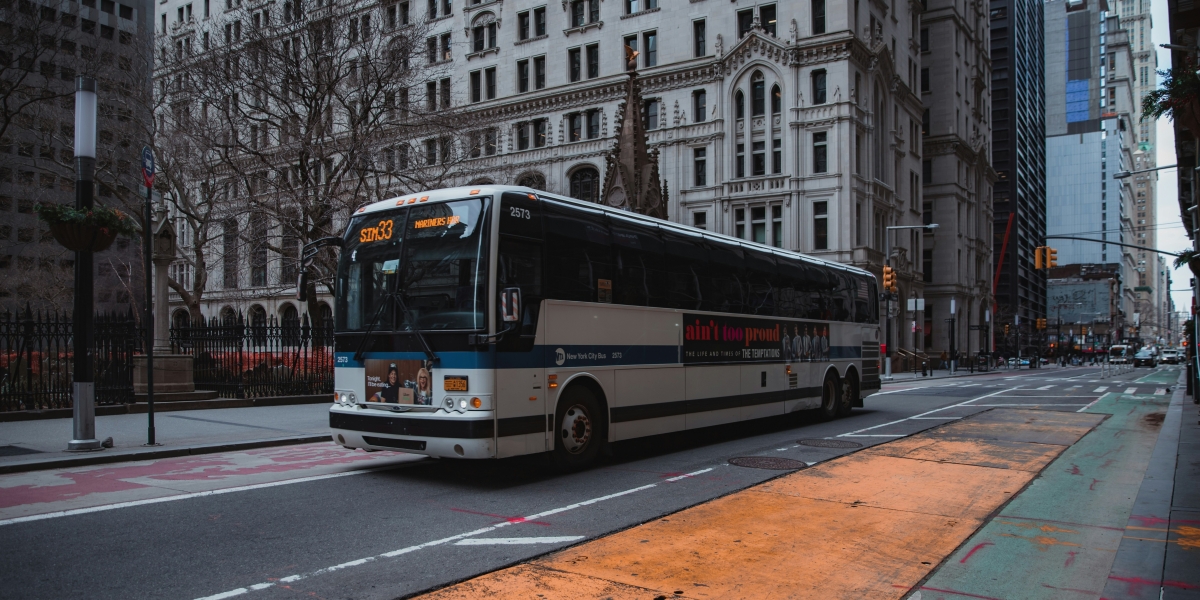
How Luxury Charter Buses May Be Shaping Corporate Travel in New York

Luxury coaches can be a smart choice for companies looking for comfort, a polished look, and smoother coordination in one plan. Whether a team heads to a summit, a retreat, or a client meetup, the ride can set the tone from the first minute on board. The cabin may feel like a mobile lounge with tools that could help people work or rest, so the journey can support both output and ease.

Leaders also see some value in replacing scattered rides and separate tickets with one coordinated solution. A single motorcoach could keep everyone together, improve punctuality, and show care for the people invited. The trip itself could become part of the business moment and reflect a culture of quality.

The Growing Demand

Teams are increasingly raising the bar for how they move between venues as calendars fill with offsite briefings and partner visits. Upscale motorcoaches are helping meet this shift by pairing practical layouts with an elegant feel. Senior staff and junior talent might skip airport lines and avoid juggling separate cars, so the whole journey could stay calm and consistent.

As offsite sessions and client calls grow more frequent, planners are seeking movement that holds a steady schedule. Modern coaches can provide this steady rhythm while creating a formal atmosphere the moment guests step inside. What once may have been simple point-to-point movement is now evolving to support a wider business moment from door to door.

How Luxury Buses Can Help Boost Perception

Reputation can form before a handshake, and the ride to the venue often plays a role in that early impression. Offering a VIP coach for partners or prospects can show thoughtful planning and respect, which may help strengthen the identity of the host firm. Interiors that resemble a private lounge or boardroom can further reassure visitors that they are valued and well cared for.

Lasting confidence could also grow from repeat positive experiences. Guests who experience smooth, stylish, and courteous arrangements may associate that memory with reliability and good taste. Such a link might help the sponsor stand apart in a crowded market where image and trust often influence key decisions.

Cost Efficiency and Logistics

Finance leads often compare spend with convenience, and a reserved motorcoach may offer a balance of both. Instead of many rideshares or several airfares, one vehicle can keep the roster together and potentially trim total outlay. Pooling expenses into a single line item might also make budgeting simpler without sacrificing service quality.

Operational snags could be minimized when everyone moves as one unit. People may arrive together, kickoff times could stay intact, and organizers can avoid missed transfers or baggage issues. A solid plan could lower coordination workload for the admin team and keep the timetable organized.

Enhancing Productivity and Morale

Hours on the road might turn into useful work time when the cabin supports it. Onboard internet, charging points, and supportive seats allow colleagues to polish decks, sync on tasks, and stay connected without interruption. Preparation completed during the ride could reduce pressure on arrival and lessen last-minute scrambles.

A calmer setting might help with energy and focus. Spacious seating and steady climate options could lower fatigue so people step off feeling refreshed. By mixing work-friendly tools with comfort, the ride could lift both performance and morale.

A Sustainable Approach

One coach filled with a full roster can replace many separate cars. This could ease traffic and cut overall carbon impact for the trip. Firms tracking ESG targets might see group movement as a practical step toward those objectives. Providers are also updating fleets with efficient engines and cleaner power options. These changes could allow companies to enhance credibility by reinforcing environmental responsibility.

Choosing the Right Service

Selecting a dependable operator requires careful consideration of quality. Planners should review safety records, on-time performance, and the range of amenities across the vehicle lineup. Matching the provider’s standards with the company’s expectations may help prevent gaps on event day.

Reading verified reviews, gathering referrals, inspecting vehicles, and confirming driver training could further help narrow the list to strong candidates. With a solid luxury New York charter bus choice, future plans may yield consistent results.

Endnote

As organizations continue to explore ways to operate efficiently, modern buses are emerging as a useful option. Choosing these may not solely be about commuting, but about shaping an experience that reflects the company’s values and commitment to excellence.