The Role of Biometric Authentication in NYC’s Tech Growth

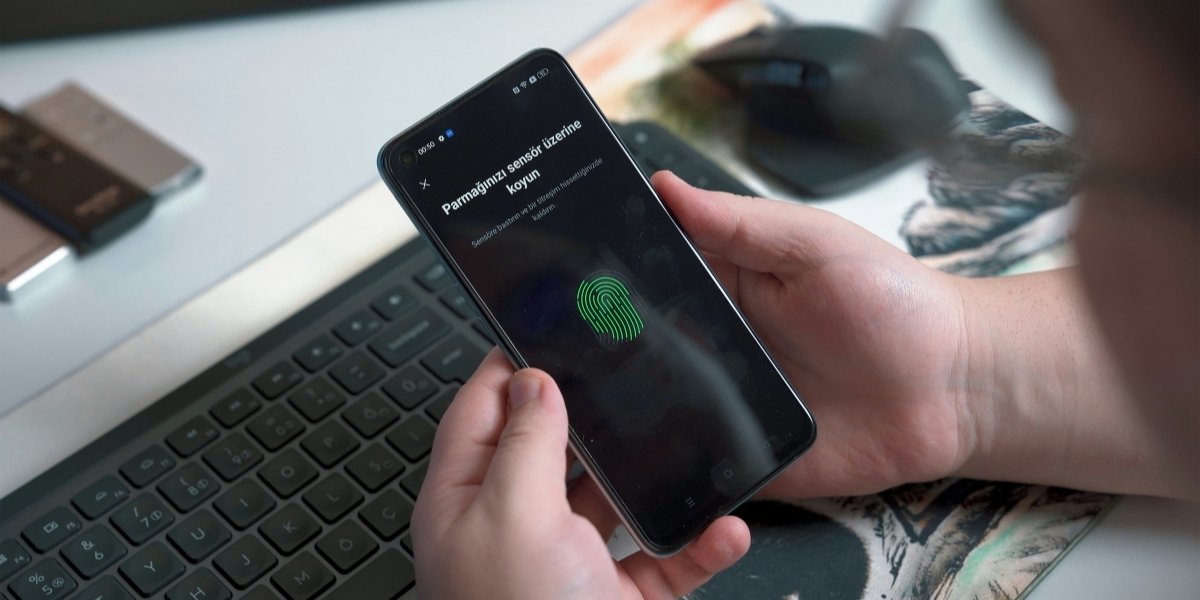
Biometric authentication is quietly becoming one of the most influential technologies driving New York City’s tech expansion. As digital identity verification moves beyond passwords and PINs, the ability to confirm identity through fingerprints, facial recognition, voice patterns, and other biological markers is transforming how businesses operate, how users engage, and how infrastructure adapts to modern demands.

From startups in Brooklyn to enterprise platforms in Midtown, biometric authentication is no longer a niche feature, it’s a foundational layer of digital experience and security.

Biometric Authentication Is Streamlining Access and Efficiency

Across NYC’s business districts, biometric authentication is simplifying access to physical spaces and digital systems. Office buildings are replacing keycards with facial scans, while coworking hubs are using fingerprint readers to manage member check-ins. These upgrades aren’t just about convenience, they’re about reducing friction and improving operational flow.

Creative teams working out of flexible workspaces in SoHo have reported fewer interruptions since switching to biometric logins. With facial recognition replacing manual credentials, employees move between devices and shared tools without delay, keeping collaborative momentum intact.

This kind of efficiency is especially valuable in fast-paced environments where every minute counts. Biometric authentication removes barriers and creates smoother transitions between tasks, meetings, and platforms.

Startups Are Embedding Biometric Authentication Into Their Core Products

NYC’s startup scene is known for bold experimentation, and biometric authentication is becoming a key differentiator in product design. Founders are embedding biometric features directly into apps and platforms to enhance personalization, security, and user retention.

Noom, a behavior-change platform with NYC roots, has explored biometric integrations to streamline user access and personalize health journeys. By allowing users to log in with facial recognition and track engagement through biometric cues, the platform reinforces trust and reduces friction.

In fintech, biometric authentication is helping reduce fraud and simplify onboarding. Voice recognition is being used to verify transactions, while fingerprint scans allow for secure mobile banking access. These integrations are helping startups build credibility and stand out in crowded markets.

Public Infrastructure Is Adopting Biometric Authentication for Smarter Mobility

Beyond private companies, NYC’s public systems are exploring biometric authentication to improve efficiency and user experience. Transit authorities have begun testing facial recognition for fare validation, allowing commuters to bypass turnstiles and move through stations more quickly.

The pilot program, currently limited to select subway entrances, is part of a broader initiative to modernize urban mobility. Riders who opt in can register their biometric data and enjoy seamless access without fumbling for cards or phones.

As these systems expand, conversations around privacy and consent are becoming more urgent. A recent article on data privacy concerns in AI applications highlights the importance of transparency and user control in biometric rollouts. NYC’s tech leaders are paying close attention to these issues as they scale biometric infrastructure.

Security Protocols Are Evolving With Biometric Authentication

In industries where data protection is paramount, including law, healthcare, and finance, biometric authentication is being layered into multi-factor security systems. Legal teams are using voice recognition to access sensitive case files, while hospitals are testing iris scans for patient record retrieval.

DocuSign, widely used across legal and financial sectors, has expanded its identity verification tools to include biometric authentication. This helps NYC-based firms reduce fraud and meet compliance standards while offering clients a more seamless experience.

As threats become more sophisticated, biometric authentication offers a dynamic layer of defense. It adapts to user behavior and can trigger alerts when anomalies are detected. Insights into AI-powered threat detection show how biometric data is being used to enhance real-time security across NYC’s digital infrastructure.

Developers Are Prioritizing Ethical Design in Biometric Systems

With adoption on the rise, NYC’s developer community is focusing on ethical design principles for biometric authentication. Engineers, product managers, and privacy advocates are working together to reduce bias, improve transparency, and ensure inclusive access.

During a recent tech meetup in Williamsburg, panelists discussed how facial recognition systems can misidentify users based on skin tone or gender presentation. The conversation emphasized the need for diverse training data and clear opt-in processes.

Developers are also exploring decentralized storage models to protect biometric data from misuse. Rather than storing sensitive information in centralized databases, some teams are experimenting with encrypted local storage and blockchain-based verification.

These efforts reflect a growing awareness that biometric authentication must be built with care. It’s not just a technical challenge, it’s a social responsibility.

Biometric Authentication Is Fueling Investment and Job Creation

The rise of biometric authentication is attracting venture capital and creating new roles across NYC’s tech sector. Startups specializing in identity verification are securing multi-million-dollar funding rounds, while larger firms are hiring engineers, UX designers, and compliance experts to manage biometric systems.

The Role of Biometric Authentication in NYC's Tech Growth

Photo Credit: Unsplash.com

Mastercard, headquartered in Purchase, NY, has invested in biometric payment systems and partnered with NYC startups to pilot fingerprint-enabled cards and facial recognition for secure transactions. These initiatives are generating demand for talent in engineering, product development, and data ethics.

As biometric authentication becomes more embedded in everyday life, the economic ripple effect is clear. NYC is positioning itself as a global leader in biometric innovation, with opportunities spanning product development, policy, and education.

Education and Training Are Catching Up to Biometric Demand

Universities and bootcamps are updating their curricula to include biometric authentication, privacy law, and ethical AI. Students at NYU’s engineering school recently prototyped a smart home system that uses iris scans to control lighting and security settings.

These projects show how young technologists are thinking beyond traditional use cases. They’re exploring how biometric authentication can enhance convenience, safety, and personalization, all while respecting user rights.

Online certifications and workshops are also helping professionals upskill in biometric technologies. From system architecture to regulatory compliance, the learning ecosystem is expanding to meet industry needs.

Biometric Authentication Is Becoming a Pillar of NYC’s Tech Identity

As New York City continues to grow as a tech capital, biometric authentication is emerging as a defining feature of its digital infrastructure. It’s powering smarter buildings, safer transactions, and more personalized user experiences. It’s also prompting important conversations about ethics, equity, and privacy.

The challenge ahead is to ensure that biometric authentication serves both progress and people. That means building systems that are secure, inclusive, and transparent, and making sure users understand how their data is used and protected.

With its blend of innovation, diversity, and civic engagement, NYC is uniquely positioned to lead this transformation. Biometric authentication isn’t just a tool, it’s a reflection of how the city thinks about identity, access, and the future of technology.

Autonomous Mobility Is Driving Change in New York City Streets

Autonomous mobility is no longer a distant concept for New York City. It’s already influencing how streets are used, how transit is planned, and how people think about getting around. The idea of vehicles operating without a driver might still feel unfamiliar to many, especially in a city known for its unpredictable traffic and dense pedestrian zones. But the shift is happening, and it’s beginning to shape the way New York moves.

For those who rely on public transit or drive through crowded boroughs, the thought of sharing the road with autonomous vehicles can feel confusing or even frustrating. It’s not always clear how these systems work, or what they mean for safety, jobs, and everyday routines. That uncertainty is understandable, especially in a city where change often comes with growing pains. Still, autonomous mobility is becoming part of the conversation, and it’s worth understanding how it’s being introduced and what it could mean long term.

How Autonomous Mobility Is Entering New York’s Transit System

Autonomous mobility refers to transportation systems that operate with minimal or no human input. In most cases, this means vehicles that use sensors, cameras, and software to navigate streets, avoid obstacles, and follow traffic rules. These systems are being tested in cities across the country, and New York is now part of that group. Trials are underway in select areas, including parts of Manhattan and Brooklyn, where companies are gathering data on how autonomous vehicles respond to complex urban conditions.

New York presents a unique challenge for autonomous mobility. The city’s streets are filled with delivery trucks, cyclists, jaywalkers, and construction zones. Traffic signals aren’t always consistent, and weather can change quickly. These factors make it harder for autonomous systems to operate smoothly, but they also offer valuable insight into how these vehicles might perform in other dense urban areas. Testing in New York helps developers refine their technology and gives city officials a chance to study how autonomous mobility fits into broader transit goals.

Why New York City Is a Key Testing Ground for Autonomous Mobility

New York’s role as a testing ground isn’t just about its traffic. The city has long been a center for transportation innovation. From subway expansions to bike-sharing programs, New York often leads the way in trying new ideas. Autonomous mobility is the next step in that process. By allowing limited trials, the city is exploring how these systems might reduce congestion, improve safety, and offer new options for commuters.

There’s also a practical reason for testing autonomous mobility in New York. The city’s population density and street layout offer a wide range of scenarios for data collection. Vehicles must navigate narrow lanes, interact with pedestrians, and respond to unpredictable behavior. These conditions push autonomous systems to their limits and help identify areas where human oversight is still needed. The goal isn’t to replace all drivers overnight, but to understand how autonomous mobility might complement existing transit options.

Challenges and Concerns Around Autonomous Mobility in NYC

Introducing autonomous mobility to New York isn’t without challenges. One major concern is safety. Residents want to know that these vehicles can respond quickly to emergencies, avoid accidents, and protect pedestrians. While autonomous systems are designed to follow traffic laws and detect obstacles, they’re not perfect. Technical glitches, software errors, and unexpected street conditions can still cause problems.

Autonomous Mobility Is Driving Change in New York City Streets

Photo Credit: Unsplash.com

Another issue is public trust. Many people are skeptical about sharing the road with driverless vehicles. They worry about job loss in industries like taxi driving and delivery services, and they question whether autonomous mobility will benefit all neighborhoods equally. These concerns are valid, and city officials are working to address them through policy, oversight, and public engagement.

There’s also the matter of infrastructure. Autonomous vehicles rely on clear road markings, consistent traffic signals, and reliable data networks. Not all parts of New York meet these standards, which means upgrades may be needed before autonomous mobility can expand. These upgrades take time and money, and they require coordination between city agencies, private companies, and community groups.

What Autonomous Mobility Could Mean for New York’s Streets

Despite the challenges, autonomous mobility has the potential to change how New York’s streets are used. If implemented carefully, it could reduce traffic congestion by optimizing routes and minimizing human error. It might also improve access to transit in areas that are underserved by subways or buses. Autonomous shuttles or shared vehicles could offer new options for commuting, especially for people with limited mobility.

There’s also a chance that autonomous mobility could help reduce emissions. Many of these vehicles are electric, and their ability to drive efficiently could lower fuel consumption. This aligns with New York’s broader goals around sustainability and climate planning. Cleaner air and quieter streets are benefits that many residents would welcome, especially in neighborhoods affected by heavy traffic.

Still, these outcomes depend on thoughtful planning. Autonomous mobility must be integrated into the city’s existing transit system, not treated as a standalone solution. It should complement subways, buses, and bike lanes, and it should be accessible to all residents, not just those in wealthier areas. Equity, safety, and transparency will be key factors in determining whether autonomous mobility succeeds in New York.

Looking Ahead: Autonomous Mobility as Part of NYC’s Transit Future

Autonomous mobility is driving change in New York City streets, but that change is gradual. Trials are limited, regulations are evolving, and public opinion is still forming. What’s clear is that the city is paying attention. Officials are studying how autonomous systems perform, how they affect traffic patterns, and how they interact with pedestrians and cyclists.

This isn’t just about technology. It’s about how people move through the city, how streets are shared, and how transit systems adapt to new ideas. Autonomous mobility offers possibilities, but it also raises questions. New York is beginning to answer those questions, one test route at a time.

For anyone who feels unsure about what autonomous mobility means or how it might affect daily life, that hesitation makes sense. Change can be uncomfortable, especially in a city that’s already full of movement and noise. But understanding how autonomous mobility works, and how it’s being introduced, helps make the topic feel less abstract. It’s not just about machines, it’s about how people live, commute, and connect in a city that never stops moving.

Why NYC Remains the Cultural Capital of Global Music Awards

New York City doesn’t just host music, it defines it. From jazz in Harlem to hip-hop in the Bronx, from classical at Lincoln Center to indie sets in Brooklyn basements, NYC has always been more than a backdrop. It’s the heartbeat of global music culture, and that influence continues to echo through the world’s biggest music awards.

Even as other cities grow their music scenes, Los Angeles with its label power, London with its genre-bending exports, Seoul with its pop dominance, NYC remains the place where genres collide, careers launch, and cultural moments are born. It’s not just about the venues or the industry infrastructure, it’s about the energy. The city’s mix of ambition, diversity, and creative tension makes it a magnet for artists and audiences alike.

For anyone who’s ever felt overwhelmed by the pace of music trends or disconnected from the awards circuit, NYC offers something grounding. It’s a place where music still feels personal, even when it’s global.

A Legacy That Still Shapes the Industry

NYC’s music legacy isn’t just historical, it’s active. The city has been home to movements that changed the sound of entire generations. Jazz, punk, disco, hip-hop, and house music all found early footing here. That kind of cultural depth gives NYC a credibility that few cities can match.

Major music awards often reflect this legacy. Whether it’s honoring artists who got their start in New York or spotlighting genres that were born here, the city’s influence is woven into the fabric of global recognition. Even when the ceremony isn’t held in NYC, the city’s fingerprints are all over the nominations, performances, and production teams.

This isn’t nostalgia, it’s relevance. NYC continues to produce artists who shape the charts and challenge the norms. Its studios, labels, and creative communities remain central to how music is made and shared.

Why Diversity Keeps NYC at the Center

One of the reasons NYC remains the cultural capital of global music awards is its unmatched diversity. The city’s population speaks hundreds of languages, and its neighborhoods pulse with distinct musical traditions. That mix creates a constant exchange of ideas, sounds, and styles.

Walk through Queens and hear reggaeton, Afrobeats, and bhangra spilling out of storefronts. Head to Brooklyn for experimental jazz, drill, and DIY pop. In Manhattan, catch everything from Broadway scores to underground techno. This isn’t just variety, it’s interaction. Artists collaborate across genres and cultures in ways that feel natural here.

That diversity shows up in award nominations and performances. NYC-based artists often bring a blend of influences that reflect the city’s complexity. It’s not just about representing different communities, it’s about creating something new from their intersections.

This kind of creative fusion also helps artists thrive in the digital age, where visibility and originality matter more than ever. NYC’s music scene offers both, making it a launchpad for global recognition.

Venues That Define Music History

NYC’s venues aren’t just places to perform, they’re part of music history. The Apollo Theater, Carnegie Hall, Madison Square Garden, and Radio City Music Hall have hosted some of the most iconic moments in music. These stages carry weight, and performing on them still means something.

But it’s not just the big names. Smaller venues like the Bowery Ballroom, Mercury Lounge, and Baby’s All Right have helped shape the careers of emerging artists. These spaces offer intimacy, experimentation, and community, qualities that often get lost in larger productions.

Award shows and industry events continue to gravitate toward NYC because of this infrastructure. The city offers a mix of prestige and authenticity that’s hard to replicate. Whether it’s a televised ceremony or a private showcase, NYC provides the setting and the story.

Even artists who’ve moved elsewhere often return to New York for key performances. The city’s venues are more than stages, they’re milestones.

The Emotional Pulse of NYC’s Music Scene

Beyond the logistics and legacy, NYC’s music scene carries emotional weight. It’s a place where artists come to prove themselves, where listeners discover something that speaks to them, and where moments feel bigger than the sum of their parts.

That intensity can be both inspiring and exhausting. The pressure to stand out, the pace of production, and the constant comparison can wear down even the most passionate creators. Music burnout is real, and it affects both listeners and artists navigating the city’s nonstop rhythm.

Why NYC Remains the Cultural Capital of Global Music Awards

Photo Credit: Unsplash.com

Understanding music burnout and how it affects listeners and creators is part of what keeps NYC’s scene grounded. The city’s best music communities offer support, reflection, and space to recharge. That balance helps artists stay connected to their craft, even when the industry feels overwhelming.

It also helps audiences stay engaged. NYC’s listeners aren’t passive, they’re part of the process. They show up, speak out, and shape what gets heard. That kind of engagement keeps the city’s music culture alive and evolving.

NYC’s Role in Award Show Production

Behind the scenes, NYC plays a major role in how music awards are produced. The city is home to top-tier production companies, broadcast studios, and creative agencies that help shape the look and feel of global ceremonies. From stage design to lighting, from choreography to live streaming, NYC talent is often behind the curtain.

That influence extends to editorial and promotional strategy. NYC’s media ecosystem, spanning legacy outlets, digital platforms, and influencer networks, helps amplify award season buzz. Whether it’s red carpet coverage, artist interviews, or post-show analysis, the city’s editorial voice helps shape public perception.

For founders and creatives building music-adjacent brands, NYC offers a blueprint for how to merge cultural relevance with commercial impact. It’s not just about being seen, it’s about being understood.

Why NYC Still Sets the Standard

NYC doesn’t need to chase trends, it sets them. The city’s influence on global music awards isn’t just about geography or history. It’s about the way music is lived here. From subway buskers to sold-out arenas, from studio sessions to sidewalk cyphers, NYC treats music as part of everyday life.

That energy translates into recognition. Artists who come out of NYC often bring a depth and edge that resonates with global audiences. Award shows reflect that, whether through nominations, performances, or behind-the-scenes contributions.

Even as the industry shifts toward streaming, virtual events, and algorithm-driven discovery, NYC remains a physical and cultural anchor. It’s where music still feels real, messy, emotional, and alive.

Global music awards may travel, but their roots often trace back to New York. And that’s not changing anytime soon.

Key Hiring Trends in NYC and How Businesses Can Attract Top Talent

Hiring in New York City isn’t just about filling roles anymore. It’s about understanding what people want, what companies can offer, and how both sides can meet somewhere in the middle. The job market has shifted, and not everyone’s keeping up. For businesses trying to attract top talent, especially in a city as competitive as NYC, the pressure can feel relentless. It’s not just about salaries or perks. It’s about flexibility, purpose, and trust.

Some employers are still figuring out why their job postings aren’t getting the right kind of attention. Others are wondering why their turnover rates keep climbing. It’s frustrating to invest in hiring only to see candidates ghost interviews or leave after a few months. That’s why understanding key hiring trends in NYC isn’t just helpful, it’s essential.

Hybrid Work Is No Longer Optional

The hybrid model has become the default for many NYC professionals. It’s not about working from home full-time or being in the office five days a week. It’s about having a choice. Most candidates expect flexibility, and companies that don’t offer it are often skipped over. Even industries that traditionally relied on in-person work are finding ways to adapt. Some roles now offer staggered schedules or partial remote options to meet employee expectations without sacrificing productivity.

This shift isn’t just about convenience. It’s about trust. Employees want to feel like their time is respected. They want to avoid long commutes when it’s not necessary. Businesses that understand this are seeing stronger retention and better engagement. Those that don’t are struggling to keep up.

AI Is Changing How Hiring Works

Recruitment in NYC has become more tech-driven. AI tools are now used to screen resumes, write job descriptions, and even predict candidate fit. This doesn’t mean hiring managers are being replaced. It means they’re getting support to make faster, more informed decisions. AI can flag patterns in applications, highlight missing skills, and help tailor outreach to specific candidate profiles.

But there’s a catch. Candidates know when a process feels robotic. They can tell when an email is auto-generated or when an interview question comes from a script. Businesses using AI need to balance efficiency with authenticity. The goal isn’t to automate everything. It’s to use technology to enhance the human side of hiring.

Purpose Matters More Than Perks

Many NYC professionals aren’t just looking for a paycheck. They’re looking for meaning. They want to know what a company stands for, how it treats its employees, and whether its values align with their own. This shift has made employer branding more important than ever. Companies that communicate their mission clearly and consistently tend to attract candidates who stick around.

This doesn’t mean every business needs a social impact campaign. It means being honest about what the company does, how it operates, and what kind of culture it offers. Candidates want transparency. They want to know what it’s like to work there before they apply. Businesses that share real stories, not just polished slogans, are building stronger connections with potential hires.

Reentry Hiring Is Gaining Ground

Some NYC companies are expanding their talent pools by hiring individuals who’ve been previously incarcerated. This isn’t just a social initiative. It’s a practical strategy. Many of these candidates bring strong work ethics, unique perspectives, and a deep commitment to proving themselves. With federal support and local programs in place, reentry hiring is becoming more common across industries.

Key Hiring Trends in NYC and How Businesses Can Attract Top Talent

Photo Credit: Unsplash.com

It’s not without challenges. Employers need to understand the legal and compliance aspects, provide proper training, and create inclusive environments. But those who do are seeing real benefits. Teams become more diverse, retention improves, and communities benefit. This approach also aligns with broader efforts to support ethical labor practices in NYC’s service industry, which continues to evolve.

Internal Growth Is a Priority

Hiring externally isn’t always the best answer. Many NYC businesses are investing in internal talent pipelines. They’re identifying high-potential employees, offering mentorship, and creating clear paths for advancement. This strategy doesn’t just fill roles. It builds loyalty. Employees who see a future within the company are more likely to stay, contribute, and grow.

This approach requires planning. Managers need to track performance, offer feedback, and support development. It’s not just about promotions. It’s about helping people build skills and confidence. Companies that prioritize internal growth are also aligning with broader efforts to invest in tomorrow’s leaders, which is becoming a key part of NYC recruitment strategies.

What Candidates Expect in 2025

The expectations of NYC job seekers have shifted. They want flexibility, purpose, and growth. They expect clear communication, fair compensation, and respectful treatment. Many are also looking for mental health support, inclusive policies, and opportunities to learn. These aren’t bonus features. They’re baseline requirements.

Businesses that ignore these expectations are losing out. Job seekers have options, and they’re not afraid to walk away from offers that don’t meet their standards. That’s why understanding key hiring trends in NYC is more than a strategy. It’s a necessity. Companies that adapt are building stronger teams. Those that don’t are falling behind.

Hiring With Empathy and Strategy

Attracting top talent in NYC isn’t about flashy job posts or trendy perks. It’s about listening. It’s about understanding what people need and finding ways to meet those needs without compromising business goals. That balance isn’t always easy. Some roles are hard to fill. Some candidates are hard to reach. But businesses that approach hiring with empathy and strategy are seeing better results.

It’s also about consistency. A strong hiring process doesn’t end with onboarding. It continues through training, feedback, and development. It’s about building relationships, not just filling seats. That mindset is what separates companies that thrive from those that struggle.

Hiring in NYC will always be competitive. The talent pool is deep, but so is the demand. Businesses that understand the trends, respect the candidates, and invest in their teams are the ones attracting top talent. And that’s not just good for recruitment. It’s good for business.

New California Sentencing Laws 2025: What Criminal Defendants Should Know

California’s sentencing landscape has evolved in 2025, leading to changes in how defendants move through the legal system. Key updates are designed to create more fairness—including sentence reconsideration, stricter bail on severe crimes, and additional support for victims of human trafficking and abuse. These new rules affect courtroom decisions and shape the rights and protections people may expect along the way.

If you’re caught up in a criminal case, these laws could be important. They determine things like bail eligibility, whether a sentence might be reduced, and what help victims might receive. Anyone facing charges or representing someone is advised to stay on top of these updates to protect their interests. Local criminal defense lawyers in California, for example, tend to keep close tabs on these changes and may help guide folks through the shifting legal maze.

Key Changes in California Sentencing Laws for 2025

The 2025 legislation introduces some significant changes to how punishments are decided and handed down. There’s a new focus on repeat offenses, a re-evaluation of certain property and drug crimes, more flexibility for judges with enhancements, and changes to mandatory terms with a few more alternatives in the mix.

Stricter Sentencing for Repeat Offenders

There’s no sugarcoating it: penalties are likely to be stiffer for people with multiple prior convictions. If someone’s convicted of a violent crime and already has violent offenses on their record, they’re facing extra years tacked on for each past conviction. The idea is to cut down on repeat crime by increasing the consequences for those who continue breaking the law.

Judges now must apply set increases for repeat violent felonies—especially for things like organized retail theft and other major offenses. The hope is to discourage folks from going down the same path again and send a message that the system may not ignore repeat offenders.

Reclassification of Drug and Theft Crimes

Some property and drug crimes have been redefined, which may change how they’re treated. Take theft: if the amount is on the smaller side, it could be bumped down to a misdemeanor instead of a felony. That means less severe punishment in many cases.

Drug offenses have also been sorted into updated sentencing categories. There’s a growing trend toward rehab over long jail time for lower-level offenses. Courts now have more flexibility for non-violent crimes, with an eye on fairness and what seems to work in the long run.

Sentencing Enhancements and Judicial Discretion

Judges now have more power to consider tossing out certain sentence enhancements, especially if they seem out of proportion or might not be appropriate. They can evaluate whether old convictions or alleged affiliations really matter for public safety and decide if those add-ons should stick.

For gang-related enhancements, the bar is higher: there has to be a clear, direct link between the crime and the group’s actions. This narrows what used to be a pretty broad rule, potentially cutting down on unfair disparities—especially for marginalized communities. Judges can now evaluate the bigger picture and make calls based on the individual, not just a checklist.

Mandatory Minimums and Alternative Sentencing

Some crimes still have tough minimums, but there’s more potential for noncustodial or reduced sentences now. Courts are able to revisit sentences outside the old 120-day recall window, opening the door for earlier reviews and perhaps even shorter terms.

There’s also increasing encouragement for things like treatment programs, community service, and other options—especially for substance-related offenses or minor thefts. So, while serious crimes are still met with serious sentences, there’s a growing recognition that alternatives might be better for certain cases and could help prevent people from coming back through the system.

Implications for Criminal Defendants and the Justice System

The latest sentencing changes could have real consequences for incarceration trends, public safety, and how the justice system operates. The goal appears to be finding a better balance between protecting communities and giving people a fair shot at alternatives to prison.

Impact on Incarceration Rates and Prison Overcrowding

With judges having the ability to drop certain sentence enhancements—especially for non-violent priors—there’s less automatic piling on of extra years. That means more tailored sentences and fewer people stuck with unnecessarily long terms.

Refining the rules for gang-related enhancements and limiting added penalties could help cut down on extended jail stays. This is a big deal for California, where overcrowded prisons have been a problem for years.

Retroactive reviews are now possible, so people already serving time might get a second look at their sentences. Over time, these shifts could bring down the overall prison population and ease some of the pressure on state resources.

Public Safety Versus Rehabilitation

The reforms try to walk a line between keeping communities safe and giving offenders a real chance to turn things around. Judges can now consider the whole situation, not just the crime, and lean more toward rehab than punishment when it seems to make sense.

Probation and treatment programs are getting more attention as alternatives to long jail sentences, especially when underlying issues are driving the behavior. It’s a bit of a gamble, but the thinking is that real change may come from intervention, not just locking people up and hoping for the best.

Public safety’s still the top priority, but now there’s more consideration for what’ll actually work to keep people from reoffending—and potentially help them get back on track for good.

Evolving Trends in Criminal Law and Policy

California’s recent legislative adjustments show a trend toward more nuanced sentencing that tries to balance fairness with proportionality. Lawmakers are still tweaking the criteria for enhancements, hoping to avoid punishments that may not really fit the actual risk involved.

The increasing use of judicial discretion has definitely brought more variability, sparking debates about whether courts are applying things consistently. Still, you get the sense that there’s a real push to rethink the harsh sentencing formulas from past decades.

Some of the newer provisions let judges revisit sentences past the original deadlines, which opens up more chances for relief. The whole thing appears to be a shift—maybe overdue—toward a system that’s not so rigid, blending in a bit more flexibility with the usual custodial approach.


Disclaimer: The information provided in this article is for general informational purposes only and should not be construed as legal advice. Laws and regulations are subject to change, and their application can vary depending on individual circumstances. For personalized advice or guidance, it is recommended to consult with a qualified attorney or legal professional. The content provided here is intended to help readers stay informed, but it does not substitute for professional legal counsel.

Ziwei Song: A Designer Shaping the Future with Empathy and Innovation

By: Rowan Casey

Ziwei Song is an internationally recognized product and experience designer whose career bridges creativity, technology, and empathy. With over 20 international awards, her work has been celebrated globally, including the Red Dot Design Award, A’ Design Award, MUSE Design Gold Award, C2A (Creative Communication Award), LICC (London International Creative Competition), IDA (International Design Awards), and Indigo Design Award, among many others. These honors reflect not only her technical mastery but also her vision: to create designs that aim to go beyond functionality—designs that can spark emotion, foster connection, and make technology feel more human.

Song’s work stands at the intersection of design and compassion. Whether she is building systems that help connect families, guiding AI to understand human needs better, or crafting digital experiences that evoke trust, she views design as a means to shape how people live, care for, and communicate in a rapidly changing world.

A Journey Across Industries

Song began her career in the design studio environment, where she first discovered the joy of transforming abstract ideas into tangible experiences. Early on, she learned that great design starts with listening—understanding not just what users say, but what they feel. Her curiosity and drive soon led her to Nagarro, a global consulting firm known for tackling complex design challenges across industries. There, she collaborated with world-class clients including Hilton, Porsche, and The North Face, designing experiences that connected digital ecosystems with real-world emotion. Each project sharpened her ability to adapt her creative voice while deepening her empathy for different audiences.

“Every brand had its own rhythm,” Song recalls. “The challenge was to listen closely—understand its values, its people, its customers—and translate that understanding into design that feels authentic.” This cross-industry exposure ultimately refined her design philosophy: that successful design is never one-dimensional. It must balance business goals, technological innovation, and human empathy to truly resonate.

Ziwei Song: A Designer Shaping the Future with Empathy and Innovation

Photo Courtesy: Ziwei Song

Today, Song carries that philosophy into her work at Verizon, where her mission has evolved from designing for brands to designing for families—and for the well-being of future generations. Joining Verizon marked a turning point in Song’s career. She was no longer just creating digital experiences—she was shaping the ways families interact with technology on a daily basis.

At Verizon, she works within the Verizon Family ecosystem, a suite of experiences designed to support the health, safety, and emotional well-being of families in the digital age. This includes features that assist parents in guiding their children’s online experiences, tools that promote digital balance, and innovations that encourage healthier, more connected living.

For Song, this work carries deep meaning. “I’ve always believed that technology should empower families, not overwhelm them,” she says. “Design has a responsibility to help people feel safe, supported, and connected—especially in moments that matter most.” Her approach goes beyond pixels and interfaces. She imagines herself in the shoes of the people she designs for—a mother trying to protect her child online, a teenager striving for independence, or a family navigating the digital world together. Each scenario informs how she brings empathy and AI into harmony: using intelligent systems to anticipate needs, while ensuring that every interaction feels caring, intuitive, and human.

One moment that stands out in her memory was when user feedback revealed how parents felt “reassured” and “heard” by the product she helped design. “It reminded me,” she reflects, “that design isn’t about control—it’s about trust. The real success is when people feel emotionally safe using what you’ve created.”

Beyond her corporate role, Song also co-founded 3.1 Studio, an independent design practice dedicated to exploring experimental and socially meaningful design work. The studio serves as a creative lab where she investigates how design can drive positive social impact, emotional connection, and ethical innovation.

Human-Centered Innovation

For Song, empathy is not just a design principle—it’s the foundation of innovation itself. “Design is ultimately about understanding people—their needs, their emotions, their unspoken challenges,” she explains. Her ongoing exploration of AI and design has given her a unique vantage point on the future. While AI can enhance personalization and predict behavior, she believes it must be guided by empathy to remain ethical and meaningful.

“In the age of AI, empathy is not optional—it’s essential,” she says. “Technology should adapt to people, not the other way around.”

Looking Ahead

As technology accelerates, Song envisions a future where empathy remains the cornerstone of innovation. She believes designers have a growing responsibility to ensure that the digital world evolves with humanity at its core. Her journey—from design studios to consulting global brands, and now to crafting family-focused innovation at Verizon—demonstrates her rare ability to move fluidly across scales and industries without losing sight of her purpose.

With over 20 international awards recognizing her achievements, Ziwei Song continues to inspire the global design community. Yet what drives her most is not recognition—it’s impact. “Design, to me, is a bridge,” she says. “Between people and technology, between complexity and clarity, between today and the future we hope to build.”

And as the world becomes ever more connected, Ziwei Song stands at the forefront—reminding us that the most powerful form of innovation is, and always has been, empathy.

For more information on Ziwei Song’s journey and her award-winning designs, visit her official website.

Additionally, you can explore her interviews and articles on her work here:

4 Reasons Home Infrared Sauna Is Worth The Investment

Did you ever dream of replicating the calming, detoxifying effects of a high-end spa in the comfort of your own home?

Picture walking into a cozy, golden retreat after a tense day at the office, where your muscles relax, your skin glows, and your mind clarifies without leaving home.

That’s what a home infrared sauna offers.

Beyond simple comfort, these saunas may offer potential health benefits and long-term lifestyle upgrades. If you’ve been on the fence about whether investing in one is worth it, the answer could surprise you.

From potentially aiding recovery to supporting deeper sleep, a home infrared sauna could help transform your wellness routine.

Here are four reasons why it’s not just a luxury to have one; it could be a valuable addition to your body, mind, and longevity.

Choosing The Ideal Home Infrared Sauna for Lasting Wellness

With all the wellness upgrades available, the best picks are those that balance comfort with measurable results. Outliyr.com’s in-depth comparison reveals that not all infrared saunas provide the same degree of benefit.

The ideal home infrared sauna uses certain wavelengths of light that may penetrate deeply into connective tissue and muscle. This results in a gentle, potentially detoxifying sweat and may promote a more effective cleanse than the traditional heat of the gym sauna.

Because the temperature is lower, you can stay longer without putting too much stress on your body. By targeting deeper tissues, saunas may help accelerate recovery, support resilience, and enhance overall well-being.

Instead of just purchasing a basic wooden box with heaters, you’re investing in a precision wellness tool supported by research; one that integrates seamlessly into your health routine, just like nutrition and exercise.

Why Home Infrared Sauna Is Worth the Investment

Beyond relaxation, a home infrared sauna could offer lasting health benefits that make it a smart addition to your wellness routine. From improving recovery to supporting overall vitality, its advantages may extend far beyond the surface.

1. Muscle Retention and Pain Relief become Effortless

Consider the soreness after an intense exercise or the stiffness of having spent the whole day in front of your computer. Infrared saunas may enhance circulation, bringing oxygen and nutrients to tissues and taking away waste products like lactic acid. That is why they are utilized by many sportsmen for recovery after exercise.

The experience feels like sinking into warmth as tension melts naturally. Studies suggest infrared therapy may reduce body inflammation markers, reduce muscle soreness, and yield recovery benefits comparable to other methods.

But the benefits don’t stop at faster recovery. Infrared saunas also might assist in supporting muscle strength, potentially preventing muscle atrophy experienced when you’re unable to train, which could be beneficial for injury recovery or preserving lean muscle during time off.

And then there’s pain relief. Irritating short-term and long-term pain may be alleviated by infrared heat. Research even indicates it might help soothe emotional pain, such as anger, by calming the nervous system.

The reward?
Less time on the bench, more time moving, training, and living with less pain.

2. A Home Sanctuary for Stress Management

In today’s fast-paced world, stress builds quietly until it erupts in fatigue, irritability, or poor sleep. That’s when infrared saunas come in as a potential healing refuge.

By stimulating your parasympathetic nervous system, the “rest and digest” state, they may help shift your body’s orientation from stress to calm. Enter the sauna, and within minutes, soothing heat may prompt muscles to relax and your breathing to ease.

As your heart slows and cortisol is lowered, your brain might start to relax. Simultaneously, the body’s exposure to intense heat stimulates the production of heat shock proteins, which could enhance stress tolerance and help build resilience.

Most people who use saunas report the experience as profoundly meditative with a feeling of equanimity that may continue long after the session has passed.

Even better, when paired with relaxing music, aromatherapy, or mindfulness breathing during your sauna treatment, the impact could be amplified.

What starts off as a simple 20-minute sweat is a powerful daily ritual, one that might help reprogram your nervous system, restore focus, and increase resistance to the growing stress of contemporary life.

3. Skin Health and Detoxification You Can Feel

Infrared light doesn’t just heat the body; it may help revitalize it from the inside out.

Research demonstrates it could precondition the skin, producing a protective factor against future exposure to UV rays. Some study shows enhanced microcirculation, which may transport vital nutrients necessary for a more radiant, healthy-looking complexion.

Red and near-infrared combination therapy has been linked to facial youthfulness, potentially making luminous skin a reality.

But there’s more. Infrared saunas could support the body’s natural detoxification, potentially proving more effective than traditional saunas at flushing out toxins through sweat.

With every session, you’re not only cleansing and energizing your body, but also enhancing your sense of well-being, inside and out.

4. Support for Cardiovascular and Metabolic Health

It’s not just athletes and biohackers who benefit from infrared saunas. Regular use has been associated with improved cardiovascular function, lower blood pressure, and better metabolic flexibility.

That warm, gentle sweat actually mimics some of the physiological responses of moderate exercise – your heart rate increases, blood vessels expand, and circulation improves. These adaptations may contribute to long-term protection against heart disease and insulin resistance.

If you’ve ever struggled to fit in daily workouts, sauna sessions could provide a complementary tool that supports metabolic health in a relaxing, sustainable way. Think of it as passive cardio training that works quietly in the background of your routine.

Step Into Wellness Beyond Ordinary

By making a home infrared sauna part of your routine, you’re choosing more than relaxation; you’re choosing renewal.

Each session might help you release stress, recover faster, boost circulation, and nurture your skin from within. Instead of waiting for a spa day, you create a daily sanctuary right at home, one that supports both your body and mind.

The benefits stack over time, giving you more energy, better sleep, and potential long-term protection for your health. It’s one of the simplest, most rewarding investments you can make for yourself.

Step inside, breathe deeply, and feel the transformation begin today!


Disclaimer: The information provided in this article is for general informational purposes only and should not be construed as medical advice. While infrared saunas have been linked to various health benefits in some studies, individual results may vary. Always consult with a healthcare professional before making changes to your wellness routine or starting any new treatments, especially if you have pre-existing medical conditions or concerns. The effectiveness of infrared saunas for specific health conditions has not been universally established, and the claims made in this article should not be considered as guarantees.

Becoming the Woman God Created You to Be by Shawanna Cheek: A Journey of Identity, Faith, and Purpose

What does it mean to become the woman you were created to be, truly?

It’s a question that sits quietly in the minds of many women. Have you ever wondered: “Am I living as God intended, or just surviving the version of me the world expects?”

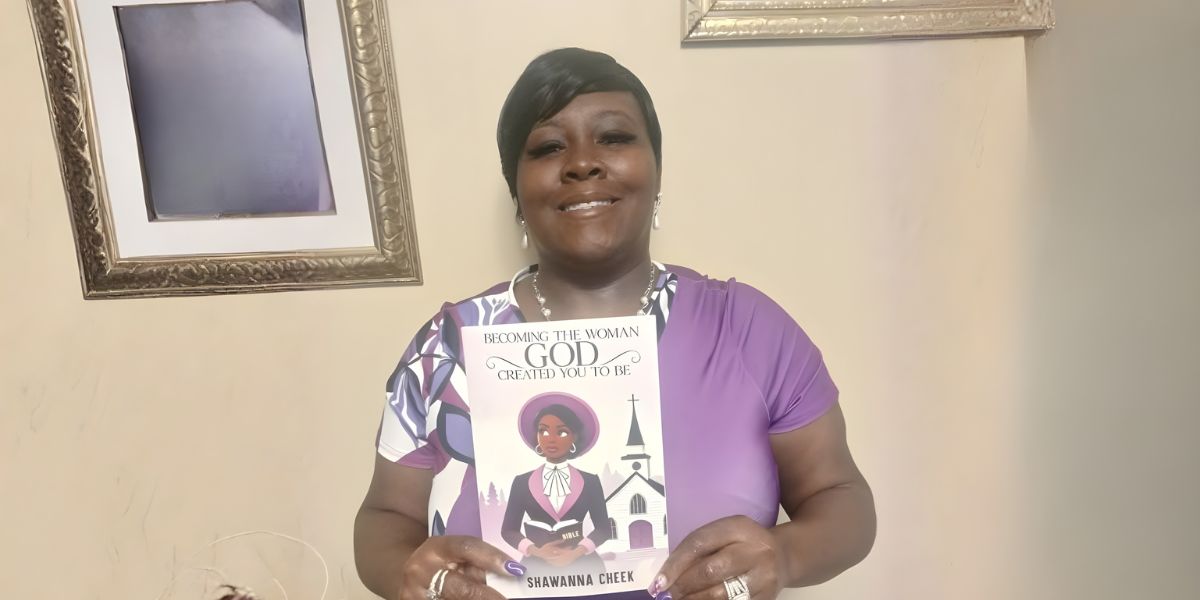
This very question lies at the heart of Shawanna’s new book, Becoming the Woman God Created You to Be. Through a blend of biblical wisdom and practical encouragement, Shawanna offers a compassionate invitation for women to rediscover their identity in Christ and to walk boldly in their purpose.

In a cultural landscape where identity is often tied to appearances, achievements, and approval, Shawanna’s book challenges readers to pause and reflect:

What does it truly mean to be enough?

And how do you embrace your God-given identity when the world constantly whispers otherwise?

Restoring Identity in a Confusing World

One of the central themes of the book is identity. Shawanna emphasizes that a woman’s worth isn’t defined solely by her career, her relationships, or even her past mistakes, but by her Creator. Citing Scripture, she reminds readers that they are “fearfully and wonderfully made,” chosen, and deeply loved.

For women who have spent years battling insecurity or striving for validation, the book provides a thoughtful reframe: true self-worth begins with understanding who you already are in Christ.

Faith as the Foundation of Becoming

Another powerful theme throughout the chapters is the role of faith. Shawanna highlights that becoming the woman God designed you to be is not about striving harder, but about surrendering deeper. Faith becomes the anchor that can steady women through uncertainty, pain, and seasons of waiting.

By drawing on the stories of women in the Bible, the book highlights how God has always used ordinary, imperfect women to accomplish extraordinary things. The message is gentle but clear: you don’t need to be flawless for God to use you. You just need to be willing.

The Balance of Self-Love and Loving Others

Shawanna also explores the often-overlooked truth that self-love is a biblical principle. By learning to see themselves through God’s eyes, women can begin to dismantle comparison, people-pleasing, and perfectionism. This kind of healthy, grace-filled self-love may then overflow into stronger, more compassionate relationships with others.

The call to love, she reminds readers, always begins at home, with how you treat your own heart.

Walking Boldly in Purpose

Perhaps the most empowering part of the book is its focus on purpose. Shawanna doesn’t present purpose as something distant or mysterious. Instead, she encourages women to look at their gifts, passions, and life experiences as potential clues to what God has called them to do.

Whether it’s through ministry, career, motherhood, or community, each woman has a unique role to play. Becoming is about saying “yes” to God’s plan, even when the path feels uncertain.

About the Author

Shawanna is a Christian author and speaker dedicated to helping women embrace their God-given identity and live with confidence rooted in faith. Her work combines scriptural teaching with real-life application, offering women not only encouragement but also practical steps for growth and transformation. Through her writing, she continues to mentor and inspire women to rise above fear, shame, and cultural pressure, and step into the fullness of who God created them to be.

A Message That Resonates

At its core, Becoming the Woman God Created You to Be is not just a book. It’s a reminder that brokenness does not have to disqualify you, that insecurity should not define you, and that your story is still being written by a faithful God.

For every woman who has ever wondered, Am I enough?
Shawanna’s book offers a solid yes.

Navigating Justice: The Role of Class Actions in Institutional Abuse Cases

A significant RCMP investigation in Nova Scotia has brought renewed attention to the experiences of former residents of the Nova Scotia Youth Centre and the Shelburne Youth Centre. A hotline has been established for people who may have experienced physical, emotional, or sexual abuse at these facilities between 1988 and 2017. This development highlights the immense courage of those coming forward, many of whom face the daunting prospect of confronting a large government body. The inherent power imbalance in such situations often leaves individuals isolated, underscoring the need for legal mechanisms to address collective harm.

A class-action lawsuit is one legal avenue involving numerous individuals with similar claims against a single entity. Handling such complex cases requires significant legal resources and a specific skillset. For instance, national law firms like Diamond & Diamond bring the scale and experience necessary for this type of large-scale litigation. With a background focused on personal injury and civil litigation, such firms are typically structured to manage cases involving numerous plaintiffs, extensive evidence gathering, and the financial capacity to challenge well-funded institutions.

Understanding the Class-Action Lawsuit

At its core, a class-action lawsuit is a legal procedure that unifies people with related claims into a single legal action. Rather than each person filing an individual lawsuit, one or more representative plaintiffs file on behalf of the entire group, or class. This collective framework allows participants to pool resources, share costs, and centralize the presentation of evidence, which can benefit cases with complex historical facts.

Before a class action can formally proceed, it must be approved by a court in a process called certification. During this crucial stage, a judge reviews the case to determine if the group members’ claims share common legal issues and if a class action is the most efficient and fair way to resolve them. This judicial oversight ensures the case is appropriate for a collective approach. Once certified, the outcome of the lawsuit—whether a settlement or a court judgment—is binding on all members of the class who have not opted out. In civil court, the standard of proof is a balance of probabilities, meaning a claim must be shown to be more likely than not to be true. When multiple accounts corroborate a potential pattern of events, it can help build a comprehensive case.

Institutional Accountability and Vicarious Liability

In cases of alleged institutional abuse, the legal focus often extends beyond an individual perpetrator to the organization that employed them. Central to these cases is the legal concept of a duty of care, which requires an organization to maintain a standard of reasonable care to avoid foreseeable harm to others. For institutions like youth centers entrusted with the welfare of minors, this duty is exceptionally high.

A key legal principle used to enforce this duty is vicarious liability. This holds an employer liable for an employee’s wrongful acts if those acts were sufficiently connected to their employment. The principle isn’t about blaming the institution for the act itself, but rather for failures in its duties—such as negligent hiring, inadequate supervision, or failing to act on complaints—that created or enhanced the risk of harm. This allows legal actions to focus on the alleged systemic failures that may have allowed abuse to occur and persist over time.

A Note on Statutes of Limitation

A common concern in historical cases is the fear that too much time has passed to file a claim. However, Canadian law often recognizes the profound trauma that can prevent individuals from coming forward for many years, or even decades. For this reason, statutes of limitation are usually applied differently in civil cases involving sexual assault.

This legal flexibility is often rooted in the discoverability rule, which posits that a limitation period should not begin to run until a person has the psychological and emotional capacity to connect their trauma to the harm they suffered and understand that a legal remedy is available. This acknowledges that the full impact of abuse may not be processed or understood until much later in a survivor’s life. Legislation like Nova Scotia’s Limitation of Actions Act, for example, contains specific provisions that remove time limits for civil claims based on sexual misconduct. While the rules can be complex, this legal framework ensures the path to justice is not automatically closed by the passage of time.

The Impact of Precedent-Setting Cases

Past Canadian legal cases have demonstrated the potential of class actions to address systemic issues. A notable precedent in Nova Scotia is the case involving the Nova Scotia Home for Colored Children, which resulted in a multi-million-dollar settlement for survivors. These victories do more than protect survivor rights and provide compensation; they serve as powerful examples of how the legal system can provide a measure of redress on a massive scale.

Beyond financial settlements, these landmark cases often compel institutions to implement meaningful reforms. This can include issuing public apologies, overhauling internal policies, improving staff training and screening processes, and establishing new oversight mechanisms. In this way, litigation serves a dual purpose: providing a measure of justice for past wrongs while acting as a catalyst for future prevention. Ultimately, the class-action lawsuit serves as a significant, albeit complex, tool within the civil justice system, providing a pathway for groups to seek accountability and contribute to broader societal change.


Disclaimer: The information provided in this article is for general informational purposes only and should not be construed as legal advice. Individuals involved in potential class action lawsuits or institutional abuse cases should seek advice from qualified legal professionals to understand their rights and options.

New ‘Slow Down, Move Over’ Law: How It Affects Accident Liability and Safety on Kentucky Roads

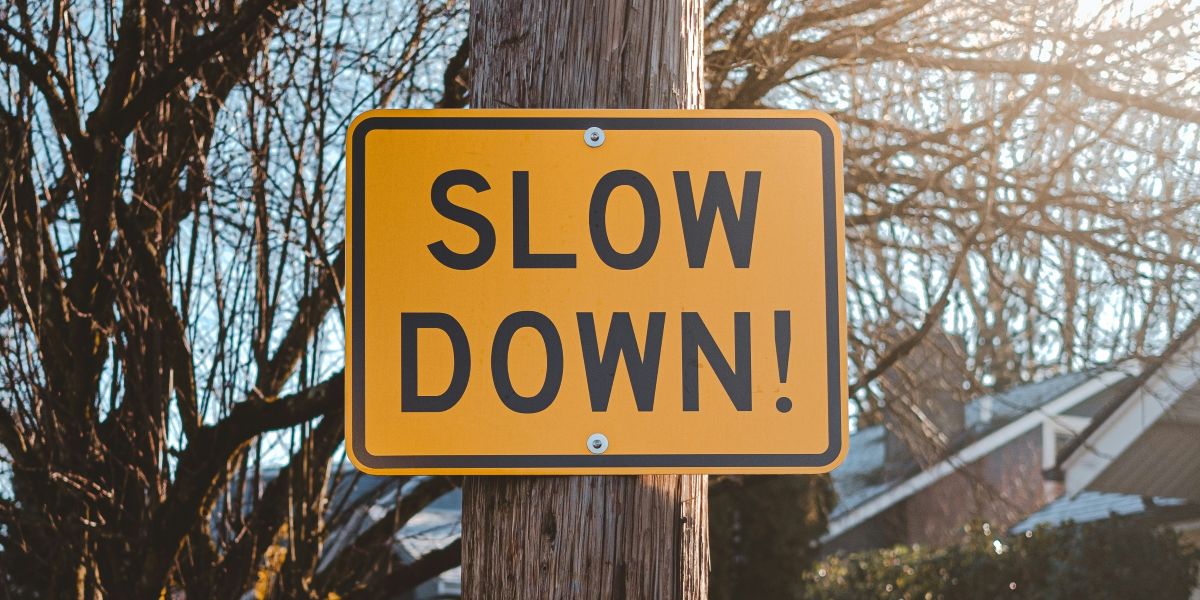
Kentucky’s updated “Slow Down, Move Over” law now covers all stopped vehicles with hazard signals, not just emergency responders. It’s a significant change for anyone driving here, since it means you may need to slow down or change lanes (if it’s safe to do so) for any car on the shoulder with its hazards on. This isn’t just about being courteous; it’s about reducing the likelihood of accidents and, in some cases, legal complications. If you drive in Kentucky, you should be aware of these changes and how they could affect you.

The new rules are designed to help keep roadside workers and stranded drivers safer. If you don’t follow them, you could face fines, and if you’re involved in a crash, the consequences might not be favorable in court. Drivers now need to pay attention and do their best to follow what’s required, or they could risk more than just a ticket.

These changes are part of a broader effort to improve safety on Kentucky’s roads. If you’re involved in a crash, it might be wise to speak with an experienced legal professional who can offer insight into car accidents and help you navigate the situation.

Key Provisions of Kentucky’s New ‘Slow Down, Move Over’ Law

The revised law clearly outlines what drivers should do when they see certain vehicles stopped on the roadside. It’s about protecting not just emergency responders, but anyone stuck with a broken-down car or working by the road. The aim is to encourage drivers to slow down, move over, and ideally avoid any incidents.

What the Updated Law Requires of Drivers

If you spot emergency vehicles with flashing red or blue lights, or hear sirens or bells, you’re expected to pull over to the edge of the road, steering clear of intersections, and stay there until they pass or you’re instructed otherwise.

You’re also not allowed to tailgate emergency vehicles with their lights and sirens on; you must keep at least 500 feet back unless you’re following them for a specific reason. Don’t park near stopped emergency units either. And if you come upon a disabled vehicle with hazard lights or reflectors, slow down or change lanes if there’s enough room.

Who Is Protected Under the Law

This isn’t just about first responders anymore. Firefighters, tow truck drivers, police officers, and people with broken-down cars now get some extra protection. Even those doing public safety or roadwork are included.

So, if someone’s pulled over with their hazards on, or if there’s emergency gear on the shoulder—like flashing yellow, red, white, or blue lights—you’re expected to give them space and slow down. The law is intended to cover nearly every situation where someone could be at risk on the side of the road.

Penalties for Violations

If you ignore the law, you’re likely to face fines, and in some cases, potentially even arrest. Kentucky takes these violations seriously, aiming to make sure drivers pay attention and don’t put roadside workers (or stranded drivers) in danger.

Repeat violations, causing injuries or damage, could result in more severe consequences. The goal is to emphasize how serious the state is about protecting people working or stranded by the road.

Role of Flashers and Visibility Measures

If your car’s stuck on the side, you need to turn on your hazard lights or put out reflectors so other drivers can see you. These signals are what tell everyone else to slow down or move over—which may help prevent a crash.

Drivers are expected to react when they see those lights. Also, you’re not supposed to drive over fire hoses or other emergency gear unless someone in charge says it’s okay. That gear is there for a reason, and driving over it could make the situation worse.

Impact on Accident Liability and Roadside Safety

With these changes, who’s at fault in a crash involving a stopped car may play out differently. The law is designed to protect people working or stranded on the side of the road, encouraging drivers to be more cautious when passing any roadside incident.

How the Law Shapes Accident Responsibility

Now, if you don’t slow down or move over when you see a car with hazard lights, and you hit something or someone, you could be held responsible. The law’s intention is clear: it’s not just about emergency vehicles anymore.

If you break the rules and someone gets hurt, you may face fines or more. The point is to make drivers think twice and, hopefully, keep everyone safer when cars are stopped on the shoulder.

Implications for Emergency Responders and Tow Truck Drivers

People working on accidents or towing cars are often in dangerous situations. The law seeks to make it less risky by requiring drivers to slow down and give others space.

Police, medics, and tow operators all stand to benefit from these new protections. By including any vehicle with hazard lights, the law casts a wider net to help keep more people safe. It’s not perfect, but at least it’s a step toward fewer roadside injuries and fatalities. Maybe it’ll help more drivers stay alert, which, honestly, is long overdue.

Safety Benefits for Roadside Workers and Motorists

Workers handling road repairs—and drivers stuck with car trouble—could feel a bit more at ease thanks to the law’s broader requirements. When drivers actually slow down or change lanes, it reduces the chance of another crash happening right next to a stopped vehicle.

These updates don’t just help first responders; utility and highway crews are also better protected. Honestly, if drivers are more careful around disabled cars, it might make a big difference. There’s a better chance to react if something unpredictable pops up.


Disclaimer: The information provided in this article is for general informational purposes only and should not be construed as legal advice. While we aim to provide accurate and up-to-date information, laws and regulations may vary and be subject to change. For specific legal concerns or advice, it is recommended to consult with a qualified legal professional.