The Science Behind Heat Transfer Printing: The Ideal Balance of Temperature, Pressure, and Materials


Heat transfer printing might seem like magic, but at the center of it is your Heat Press Machine. It can turn a plain t-shirt into something unique or transform a dull phone case into an eye-catching design. Pretty neat, right? However, don’t be fooled by its charm—there’s a precise science behind it. If the temperature is too low, your design may not fully adhere. Apply too little pressure, and your artwork might not transfer properly. Choose the wrong material, and you could end up with less-than-perfect results. Today, we’re going to explore the science behind heat transfer printing, with a little bit of humor to keep things light and enjoyable.

The Basics of Heat Transfer Printing: Where Science Meets Art

Heat transfer printing relies on two main elements: “heat” and “pressure.” By applying high temperatures and pressure, designs are transferred from special mediums—such as heat transfer paper or vinyl—onto your target material. The key is finding the right balance between temperature, pressure, and materials. Think of it like baking a cake: too little heat, and it’s raw; too much pressure, and the cake may collapse; use the wrong ingredients, and you could end up with something that’s not quite right.

This is where the Heat Press Machine comes in, acting as your “oven.” Modern machines like the Auto Heat Press aim to reduce human error and make the process faster and more accurate. Sounds helpful, right? Let’s break down how this all works.

Temperature: The Soul of Heat Transfer

Temperature is a critical part of the heat transfer process. It determines if your design will properly adhere to the target material. If it’s too low, your design may struggle to stick; too high, and you risk damaging the material.

Different materials require specific temperature ranges:

  • T-shirt transfers: Typically need between 300°F and 350°F (about 150°C to 175°C) to help the heat transfer paper coating melt and adhere to the fabric.
  • Hard materials (like ceramics or metal): These usually require higher temperatures, often around 400°F (about 200°C). Be careful not to overdo it—you don’t want to end up with a ruined mug.

If you’re concerned about getting the “temperature recipe” just right, modern machines like the Auto Heat Press come with smart temperature controls, which help ensure your project doesn’t end in a mishap.

Pressure: The Driving Force of Transfer

Pressure acts like a firm handshake in the heat transfer printing process. Too little pressure, and your design won’t stick; too much, and the material might get damaged. It’s much like a massage—too light, and it’s ineffective; too hard, and it could hurt.
Traditional Heat Press Machines require manual pressure adjustments, which can be tricky for beginners. Fortunately, the Auto Heat Press comes with automatic pressure adjustment, making the process smoother and less stressful.

Materials: The Foundation of Transfer

Materials are the foundation for your design, and they determine whether your artwork will be successful or not. Common materials used in heat transfer printing include:

  • Fabric: Cotton and polyester are popular because they absorb coatings well.
  • Hard materials: Ceramics, metals, and plastics require specific transfer mediums (like heat transfer coatings) to work properly.
  • Vinyl: Vinyl is a popular choice for phone cases and stickers, as it is durable, colorful, and trendy—a true “staple” in the heat transfer world.

For extra precision, consider using a DTF Printer (Direct-to-Film printer). This technology allows you to print designs directly onto a special film, which can then be transferred onto various materials using a heat press machine. Compared to traditional heat transfer paper, DTF Printer designs are known for being more detailed and vibrant, making them a good option for complex artwork.

Balancing Temperature, Pressure, and Materials: The Recipe for Flawless Transfers

Achieving flawless heat transfer printing requires precision and care, similar to brewing a great cup of coffee. Here are a few practical tips:

  • Choose the right equipment:
    • Use a Heat Press Machine or Auto Heat Press for accurate temperature and pressure control.
    • Pair it with a DTF Printer for high-quality designs on transfer films.
  • Understand your materials: Different materials respond differently to heat and pressure. Always check the material’s specifications and adjust the settings accordingly.
  • Test and tweak: Before diving into your final project, run a test. Fine-tune the temperature and pressure to get the desired results.

How Modern Equipment Enhances Heat Transfer Efficiency

Older heat press machines are like typewriters—they get the job done but aren’t as efficient. Modern devices like the Auto Heat Press and DTF Printer are more efficient and user-friendly:

  • Auto Heat Press: Automation eliminates the need for manual adjustments, saving time and reducing errors. It’s well-suited for batch production of custom products like t-shirts and phone cases.
  • DTF Printer: Direct printing technology makes it easier to create intricate designs and supports a wider range of materials, expanding the possibilities for heat transfer projects.

Summary: Science Meets Creativity

The success of heat transfer printing depends on the right balance of temperature, pressure, and materials. While this may sound complicated, modern equipment like the Heat Press Machine, Auto Heat Press, and DTF Printer make it easier to achieve professional results.

So, the next time you see a beautifully customized t-shirt or phone case, take a moment to appreciate the science behind it—and the DIY enthusiasts who likely made a few mistakes along the way before getting it right. After all, heat transfer printing isn’t just a technique; it’s an art form where creativity and science meet, often with a bit of trial and error thrown in!
Designing the Future of Outdoor Living: How Modern Backyards Are Evolving

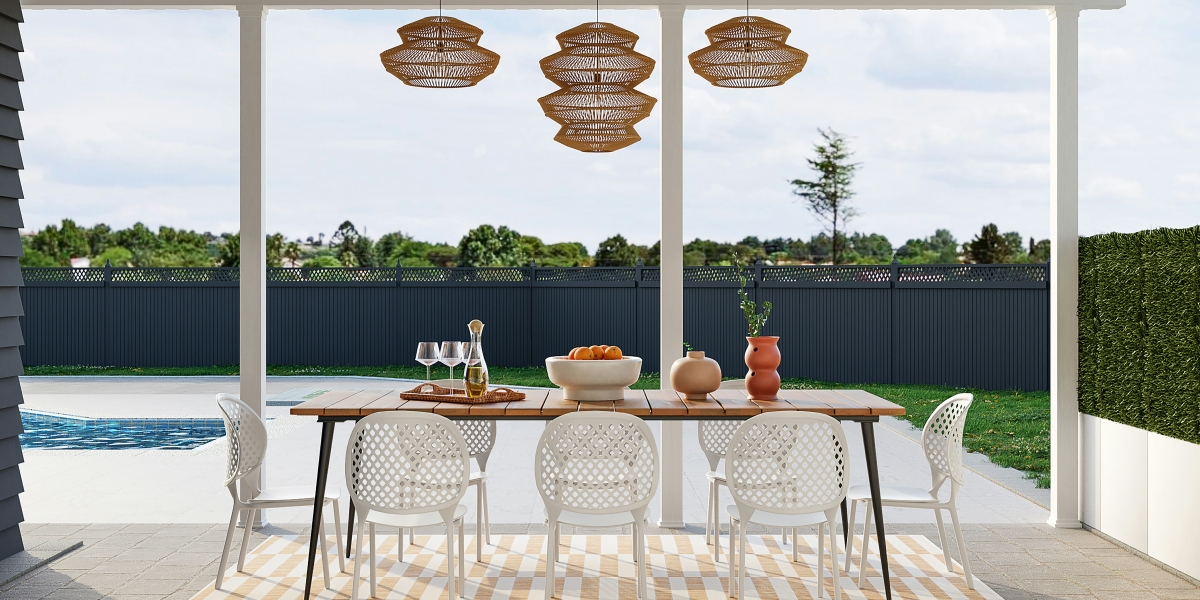
In recent years, American homeowners have been reimagining how they use their outdoor spaces. Backyards, patios, and decks are no longer just patches of land or simple sitting areas; they have increasingly become extensions of the home itself. With thoughtful planning and design, outdoor living areas now serve as places for relaxation, entertainment, dining, and even remote work.

This evolution has been fueled by a growing appreciation for functional and stylish outdoor products, sustainable design trends, and the desire to create a seamless flow between indoor and outdoor life. Homeowners are gradually investing in solutions that aim to make these spaces more enjoyable year-round, no matter the weather.
From multifunctional furniture to innovative roofing systems, the transformation of outdoor areas is reshaping how we think about home design.

The Growing Popularity of Outdoor Living

One of the significant lifestyle shifts of the past decade is the increasing focus on creating inviting outdoor environments. More people are spending time at home, and this has contributed to a growing demand for spaces that feel both practical and enjoyable.

Outdoor kitchens, fire pits, pergolas, and cozy lounge areas are among the common additions. These upgrades not only enhance daily living but can also boost property value. Homeowners are looking for more than just a backyard—they want a space that feels like a retreat.

The emphasis is no longer solely about aesthetics. Today, homeowners tend to prioritize comfort, functionality, and long-term durability when upgrading their outdoor spaces.

Designing the Future of Outdoor Living: How Modern Backyards Are Evolving

Photo: Unsplash.com

Outdoor Living Areas

Outdoor living areas are becoming an increasingly important part of modern homes. Patios and decks are being redesigned to accommodate a variety of activities, including cooking and entertaining. Accessories for grills, like outdoor kitchens and integrated seating, enhance the outdoor dining experience. Shade structures, such as pergolas, cabanas, and adjustable louvered roofs, provide functional yet stylish elements, allowing homeowners to enjoy the outdoors even in harsh sunlight or unexpected rain.

Modern outdoor designs also integrate advanced materials that withstand weather conditions while maintaining aesthetic appeal. Aluminum pergolas, for example, are now popular because they resist rust, require minimal upkeep, and can be customized with automated features. This means that homeowners not only gain protection from the elements—but they can also enjoy the convenience of controlling sunlight, ventilation, and privacy with the push of a button.

The concept of outdoor living has moved beyond just seasonal use. With heating systems, retractable screens, and innovative roofing options, homeowners may enjoy these spaces year-round. It’s about creating an atmosphere that can work for family dinners in summer, quiet reading in spring, or evening gatherings in autumn.

Blending Style With Function

Designing outdoor areas isn’t just about adding new features—it’s about ensuring those features work in harmony with the home’s overall aesthetic. Many homeowners now treat their patios and decks with the same level of attention as indoor rooms. This includes coordinating color schemes, selecting durable materials, and incorporating architectural elements that complement the home’s design.

Pergolas with clean lines, sleek outdoor kitchens, and modern lighting fixtures help create a cohesive, elegant look. Adding greenery, such as vertical gardens or potted plants, enhances the connection between nature and design. Meanwhile, furniture pieces made with performance fabrics allow homeowners to enjoy stylish comfort without worrying about fading or damage from the elements.

Designing the Future of Outdoor Living: How Modern Backyards Are Evolving

Photo: Unsplash.com

Smart Outdoor Innovations

Technology plays an increasingly important role in outdoor living design. Automated louvered roofs, integrated lighting systems, and weather sensors are becoming more common in many backyard setups. These features provide convenience while also making outdoor spaces far more adaptable.

For example, louvered pergolas can automatically adjust based on weather conditions—closing during rainfall or opening to allow ventilation on hot days. Lighting systems with app controls help create the right mood for every occasion, whether it’s a family dinner or a late-night gathering with friends.

This integration of technology aligns with the broader trend of “smart homes,” where every space—indoors and outdoors—can be customized for comfort and efficiency.

Sustainability in Outdoor Design

As environmental awareness continues to grow, sustainable design has become increasingly important in outdoor living projects. Homeowners are choosing eco-friendly materials, solar-powered lighting, and water-conscious landscaping to reduce their environmental footprint.

Aluminum pergolas, for example, are not only durable but also recyclable, making them a more sustainable option compared to traditional wood structures. Adding native plants to the landscape often requires less water and supports local ecosystems.

Sustainability in outdoor design goes hand in hand with durability. By investing in high-quality, long-lasting products, homeowners can avoid frequent replacements, saving money and reducing waste in the long term.

Summary

Outdoor living is no longer an afterthought—it’s becoming an integral part of modern home design. From multifunctional kitchens and lounge spaces to automated pergolas and eco-friendly landscaping, the backyard has evolved into a hub for both relaxation and entertainment.

By blending style, functionality, and technology, homeowners are crafting spaces that meet their unique needs while adding value to their property. Whether it’s hosting a family dinner, enjoying a quiet morning coffee, or relaxing under the comfort of adjustable roofing, modern outdoor living areas are designed to enhance everyday life.

For those looking to elevate their backyard experience, embracing innovative solutions like advanced shade and roofing systems could transform any outdoor space into a true extension of the home.

What to Know Before Looking at Homes for Sale

While the journey to homeownership can be exciting, there’s a lot to think about along the way. Knowing about the important factors before starting your search may make the process a little easier. In this article, we will discuss some important aspects to keep in mind to help make the home-buying process smoother and more manageable.

Assessing Financial Readiness

It is important to have an understanding of whether you can afford to buy, regardless of how exciting owning a new property may seem. You should evaluate your financial situation before checking homes for sale in Missoula. A budget can help you narrow your options down. Being aware of what you can reasonably afford may help avoid financial strain in the future. Consider what you earn now, how much you have saved, and what you owe. Having a clear picture of your finances can help you make well-informed decisions.

Understanding Mortgage Options

Your mortgage options are just as important. Loans come with varying interest rates and terms. Gaining insight into them can help you determine whether these options align with your needs. Consulting a financial advisor or mortgage broker can provide additional clarity. This step can help buyers select a plan that is in line with their long-term goals.

Identifying Needs and Wants

It’s helpful to make a list of the features that are essential for your new home. Doing so can make it easier to narrow the search. Think about the number of bedrooms, bathrooms, and other necessary features. You may also prefer a home near your workplace. Having a clear idea of what you need and want can help streamline your decision-making and keep you focused on features that are most relevant.

Researching Neighborhoods

The right neighborhood plays an important role in daily life and long-term satisfaction. When considering neighborhoods, it’s worth researching crime rates, school quality, and availability of local amenities. Visiting neighborhoods at various times of the day can offer a better sense of the community and its atmosphere, helping you make a more informed decision when choosing a home.

Engaging a Real Estate Agent

An experienced real estate agent can work to your advantage. Agents provide access to listings and insight into the market. They assist with negotiations and guide buyers through the paperwork. By choosing an agent with a proven track record, you can feel more confident in their professionalism throughout the purchasing process.

Conducting Property Inspections

It is essential to inspect all aspects of the property before making a purchase. An inspection can uncover issues that might not be immediately apparent. A professional inspection can help reduce risks by ensuring that both structural and mechanical components are thoroughly examined. Understanding the condition of the property puts you in a stronger position to negotiate and avoid surprises later.

Evaluating Future Growth Potential

Consider the long-term potential of the area and property. An area that receives new infrastructure and amenities could see an increase in property value over time. If you’re curious about potential changes around you, researching local development plans can provide important insights. This can help ensure that your investment remains worthwhile in the future.

Understanding Legal Aspects

It’s crucial to be aware of the legal aspects involved in purchasing a home, including contracts, terms, and conditions. Consulting with a legal expert can help prevent misunderstandings and ensure that all agreements are legally binding.

Planning for Maintenance Costs

Homeownership involves ongoing maintenance and repair expenses. It’s important to plan for these potential costs. Doing so can help you avoid unexpected financial strain.

Summary

Purchasing a house is a significant long-term investment and should be approached as a commitment to thoughtful planning. It requires careful consideration and research. By evaluating their financial situation, buyers can determine the type of mortgage that may work for them. Seeking guidance from real estate agents or financial advisors can help buyers through the process of buying a home. Those who are prepared and have done their research are more likely to make well-informed decisions for a positive home-buying experience.

Disclaimer: The information provided in this article is for general informational purposes only and should not be construed as professional advice. We recommend consulting with a financial advisor, mortgage broker, or real estate professional to tailor any advice to your specific needs and circumstances. The content of this article does not guarantee success or savings in any real estate transaction.

Tovuti LMS Pricing: A Clear Guide to Plans and Value for Businesses

In today’s educational environment, finding the right Learning Management System (LMS) can greatly influence a business’s training and development goals. Tovuti LMS offers a range of plans designed to meet various business needs. This guide provides an overview of Tovuti LMS pricing and the value it can offer to organizations.

Understanding Tovuti LMS

Tovuti LMS empowers companies to deliver online courses, track learner progress, and manage all their training efficiently. Companies can easily build engaging courses and quickly check how learners are progressing. Imagine learning with interactive videos, quizzes, and activities that can keep learners engaged. Your studies will feel dynamic and capture your attention. Remember to consider Tovuti LMS Pricing before making a purchase.

Tovuti LMS Pricing Overview

Tovuti LMS offers several pricing plans, each catering to different business requirements. The final price can vary depending on the chosen features, the number of authorized users, and the scope of included support services. Although the exact figures may change over time, understanding how prices are set can help your business make a more informed choice.

Your Starting Point

If your organization is small or you’re just getting started with an LMS, our Basic Plan may provide the features you need. With this plan, you can build new courses, track your learners, and generate basic reports. It’s a reasonable way for companies to begin using a learning system, with minimal upfront costs.

An Advanced Package

For businesses requiring more functionality, the Pro Plan offers additional features. It includes all the Basic Plan features and then adds advanced reporting, more integrations with other software, and several customization options. If your business is growing and you need more sophisticated training tools, the Pro Plan may be a good option.

Enterprise Plan

Larger organizations with complex training needs might find the Enterprise Plan more suitable. This plan includes every feature from earlier options, along with personalized support, detailed data analysis, and space for a larger number of users. This plan is designed to scale with your business, offering a flexible solution for your training needs. Companies can customize their training approach to fit their specific requirements.

Additional Features and Add-Ons

Tovuti LMS also provides additional features and add-ons that businesses can incorporate into any plan. For example, businesses can sell products directly online, add branding elements like logos, or increase storage space for essential files. These extras allow companies to enhance the power of their learning platform, helping them meet specific business objectives more effectively.

Value for Businesses

Choosing Tovuti LMS offers several benefits beyond the basic pricing structure. The layout is user-friendly, making it easier for both managers and students to navigate. When you customize learning experiences to meet individual needs, learners are more likely to engage and retain the material. Progress reports enable companies to track learner performance and adjust lessons for maximum impact.

Support and Training

Tovuti LMS provides robust support and training resources to ensure successful implementation and ongoing use. Whether you need help through video guides, live online sessions, or direct assistance from a representative, the support system is designed to help companies make the most of the platform and reach their training goals efficiently.

Ease of Use

One of the standout features of Tovuti LMS is its ease of use. Users can quickly get accustomed to the platform. Its straightforward layout means everyone—from administrators to daily users—will adapt easily. This allows businesses to focus on creating quality content, rather than struggling with complex software.

Customization and Flexibility

Tovuti LMS offers extensive customization options. You can easily tailor the platform to match your brand’s style by selecting themes and adjusting layouts. This customization allows the training experience to better align with your company’s unique processes, improving the overall learning experience.

Security and Reliability

Security is a priority for Tovuti LMS. We apply strong security measures to protect your company’s sensitive information. You can trust that your data will remain private and secure with us. Regular updates and maintenance ensure that the system is reliable, minimizing disruptions and optimizing performance.

Wrapping Up

Tovuti LMS can significantly improve how your business trains employees. It’s a proven, flexible system for skill development. Whether your team requires a basic solution or something more comprehensive, our plans and features provide options for businesses of all sizes and budgets. If you’re just starting with online learning or need a robust platform, Tovuti LMS helps you deliver effective educational content.

Disclaimer: The information provided in this article is for general informational purposes only and should not be considered as professional advice. Pricing, features, and availability for plans may change over time. It is recommended that businesses verify details directly with the service provider before making any purchasing decisions. 

Why Travelers Choose Fun on Stage Over Screens

Most people spend hours each day staring at their phones. While screens are a normal part of work and leisure, they can leave people feeling tired and distracted. Vacations are often the time when travelers try to step away from this routine. Many families want to reconnect and enjoy something different, something more genuine.

That is one reason why live entertainment has become a popular choice for visitors. Instead of scrolling for the next show on a streaming app, people are choosing to buy tickets to see performers in person. The city of Pigeon Forge in Tennessee has become a popular destination for this kind of entertainment. Known for family attractions, dinner theaters, and a variety of live acts, it offers experiences that feel far more engaging than another night in front of a screen. Travelers are discovering that a stage performance can provide memories that a device might not offer.

The Authenticity of Live Entertainment

One of the biggest differences between a live performance and a digital show is authenticity. On stage, performers adjust to the crowd, respond to applause, and feed off the energy of the audience. Each show brings its own unique vibe because of this interaction.

Audiences sense that what they are experiencing is special to that moment. This quality makes live entertainment feel more real than recorded content. Screens show the same scene over and over, but a live act has an unpredictable element that keeps it exciting. Travelers who seek authentic experiences are drawn to stage shows rather than pre-packaged programs.

Take The Comedy Barn Theater in Pigeon Forge, for example. It is well-known as a family-friendly, “clean comedy” venue that has entertained visitors for decades. Audiences can expect a mix of acts — comedians, jugglers, ventriloquists, and magicians.

As one of the leading comedy shows in the area, it delivers a lighthearted night of laughter that families can share. Thanks to the variety in the acts, each performance brings something fresh to the stage.

In such settings, no two nights are exactly alike, which underscores the kind of authenticity that draws travelers away from screens and toward live stages.

Real and Shared Experiences That Bring People Together

Vacations are often about spending time with loved ones. Yet when everyone is glued to their own screens, the experience feels divided. A stage show changes this. Families sit side by side, laugh together, and share reactions in real time. That shared energy creates a deeper connection than watching something separately on individual devices.

Parents often say that the best part of live shows is seeing their kids react in the moment. A child’s laughter or surprise becomes part of the memory for the whole family. Friends also enjoy the social aspect of attending together. It’s about being part of the same event, not just consuming content in isolation.

Human Connection That Screens Cannot Match

Another reason people choose stage shows is the direct connection with performers. The presence of live artists creates a personal link that screens cannot provide. When a performer makes eye contact, involves the audience, or reacts to a cheer, it feels meaningful.

This interaction makes travelers feel like participants instead of passive viewers. Many stage shows encourage applause, laughter, or even invite guests to join briefly on stage. This creates moments that people talk about long after the trip ends. It is this sense of being part of something, rather than just watching, that makes live entertainment stand out.

A Cultural and Local Touch That Travelers Appreciate

Travelers often want to experience something that reflects the place they are visiting. Stage shows provide this in ways that screens cannot. In Pigeon Forge, many theaters highlight local traditions, Southern humor, and live country or gospel music. This gives visitors a real taste of the region’s character.

For example, shows may feature stories, jokes, and performances tied to Tennessee’s culture. Guests not only enjoy entertainment but also feel they have connected with the spirit of the area. This local touch is hard to replicate through television or online platforms, which often focus on mass audiences rather than community traditions.

Family-Friendly Fun That Appeals to All Ages

Finding activities that every generation enjoys is one of the hardest parts of planning a family trip. Movies and games are often made for a specific age group, leaving some family members uninterested. Live shows offer a solution by designing performances that appeal to both children and adults.

In Pigeon Forge, theaters often advertise themselves as family attractions for this reason. Kids laugh at playful acts and animal performers, while parents enjoy the music and clever humor. Grandparents appreciate the chance to watch something wholesome that brings the whole family together. This broad appeal is one of the reasons live shows continue to attract large groups traveling together.

Memorable Moments That Last Longer Than Screens

One of the main differences between stage shows and digital content is how well the memory stays with people. A movie or series can be entertaining but is often forgotten after a few weeks. In contrast, families tend to remember the night they laughed together or the surprise of seeing a magician perform live.

Vacations are often judged by the memories they create. Travelers place value on experiences they can talk about years later. The excitement of clapping with a crowd, taking part in audience interaction, or hearing a live band perform tends to leave a stronger impression than any screen-based activity.

Travelers today want more than another night of scrolling through movies or series. They want experiences that feel genuine, social, and worth remembering. Live stage shows deliver on all of these points. They allow families to enjoy time together, connect with performers, and experience a taste of local culture.

Pigeon Forge has proven that live entertainment is still one of the most enjoyable ways to spend time on vacation. From the variety of acts to the family-friendly atmosphere, the town’s theaters continue to show why the stage has an edge over screens. For travelers who want memories that last, a live performance offers something no device can replace.