From Survivor to Innovator: How Arloe Fontenot Transformed Hardship into Breakthrough Technology

For many innovators, ideas are born in laboratories, classrooms, or corporate boardrooms. For Arloe Fontenot, the spark came in a hospital bed. Injured in college and facing a long recovery, he found himself in a place where communication and care sometimes lagged behind his needs. What he experienced was both humbling and eye-opening: the realization that patients in crisis are not only vulnerable physically but also challenged by the limits of existing communication systems.

That moment marked the beginning of a journey that would shape his career as a survivor, scientist, and inventor.

A Near-Death Experience that Changed Everything

During his recovery, Fontenot suffered a life-threatening near-death experience (NDE). The ordeal was both terrifying and transformative. He recalls the frustration of being unable to communicate effectively with caregivers and loved ones in critical moments. That sense of disconnection, more than the pain itself, stayed with him long after he left the hospital.
Rather than viewing the experience as an endpoint, Fontenot chose to treat it as a beginning. He committed himself to ensuring that no patient would face the same silence he endured. This determination became the foundation for what would later evolve into the CHUB Device, a wearable tool designed to give patients a stronger voice and provide caregivers with more timely insight.

Inventing the CHUB Device

The CHUB Device—short for Cognitive Health and Utility Beacon—was created as a response to the communication gaps Fontenot had experienced. Worn by patients, it enables real-time monitoring and next-generation neural signaling across multiple sectors. At its core, the device aims to empower patients to communicate needs and symptoms even when traditional methods fail.

By capturing data in real-time and transmitting it to caregivers, the CHUB Device can help reduce response delays, enhance accuracy in treatment, and create a new bridge between patient experience and medical action. Its applications extend beyond hospitals into areas such as elder care, rehabilitation, and even high-stakes fields like defense and industrial safety.

Fontenot’s design was not only technical but also deeply human. It grew from empathy, shaped by his own fight to be heard during the most vulnerable period of his life.

The Scientist Behind the Vision

Long before his injury, Fontenot had built a reputation as an analytical chemist and environmental scientist. With more than 17 years of experience in oil and gas research, environmental compliance, and technology integration, he brought a rigorous scientific mindset to every challenge. His background gave him the skills to analyze complex systems and develop solutions that could withstand both technical scrutiny and real-world conditions.

This blend of personal experience and scientific expertise allowed him to move from concept to innovation with remarkable speed. While many inventors chase ideas in search of meaning, Fontenot’s idea was grounded in meaning from the start.

Redefining Resilience

The CHUB Device represents more than technological progress. It is a symbol of resilience. Fontenot turned an injury and near-death experience into a catalyst for invention, transforming hardship into hope for others. His story challenges assumptions about where breakthroughs come from. Innovation is not reserved for pristine laboratories. It often comes from people who have lived the problem they are trying to solve.

Today, Fontenot is not only an inventor but also a survivor and author, using his voice to advance research in non-peripheral communication and patient empowerment. His work reminds us that leadership can emerge from struggle and that some of the most meaningful innovations begin in places of vulnerability.

The Legacy of a Survivor-Inventor

Fontenot’s journey shows that resilience and innovation are deeply connected. His college injury and hospital stay could have been defining setbacks. Instead, they became the seeds of a career dedicated to bridging gaps in communication and care.

The CHUB Device is a product of science, but it is also a product of lived experience. It embodies the idea that technology should not only solve problems but also restore dignity. For Fontenot, survival was not the end of the story. It was the start of a mission to ensure that no patient suffers in silence again.


Disclaimer: The CHUB Device is currently in the proof-of-concept phase, and no fully functioning prototype is yet available. The device’s capabilities, including real-time EEG monitoring, ERP detection, and neural signaling, are under ongoing development. While future integration with non-invasive fNIRS imaging and a Bayesian model stack is anticipated, these features have not been clinically tested. The effectiveness and reliability of the device may vary, and further verification and clinical trials are required before widespread use.


Understanding Product Information Management in Ecommerce with OneSila

By: David Smith

Product Information Management (PIM) software has become increasingly important for ecommerce businesses managing complex product catalogs across multiple sales channels. PIM systems centralize, organize, and distribute product data to ensure consistency and accuracy across all platforms where products are sold. PIM solutions like OneSila, an open-source platform built on Django, GraphQL, and Vue, help businesses optimize product data management, improve conversions, and reduce returns by providing an efficient way to handle and distribute accurate product data.

Understanding PIM for Ecommerce

PIM software serves as a centralized hub for managing all product-related information, from basic details like names and descriptions to complex attributes such as technical specifications, pricing, and digital assets. Modern ecommerce businesses often struggle with scattered product data across spreadsheets, ERP systems, and various databases, making PIM implementation essential for operational efficiency.

The technology addresses common challenges including data inconsistencies across channels, manual data entry errors, and the time-consuming process of updating product information across multiple platforms. A well-implemented PIM system can streamline the journey of creating, managing, standardizing, enriching, and syndicating data from a single platform.

Key Benefits of PIM Implementation

Centralized Data Management

PIM systems help eliminate the need to maintain product information in multiple locations by providing a single source of truth for all product data. This centralization reduces data errors and ensures consistent information across all sales channels.

Improved Operational Efficiency

Businesses implementing PIM software typically experience accelerated market entry for new products and enhanced effectiveness through streamlined processes. The automation of product data management operations can reduce time-to-market and help companies stay competitive.

Enhanced Customer Experience

Quality product content is essential for providing the customer experience modern consumers expect. PIM solutions enable compelling product experiences through efficient content management and distribution across various channels, leading to fewer customer complaints, higher conversion rates, and better overall revenue.

Better Data Accuracy

PIM tools assist businesses in maintaining correct and consistent details across all sales channels, lowering the likelihood of mistakes and enhancing customer confidence in the brand. Research shows that companies can potentially achieve 20-50% increases in online conversion rates from high-quality product data.

Essential PIM Features for Ecommerce

Modern PIM systems should include several key features to maximize their effectiveness:

  • Centralized database for storing all product information
  • Data import/export capabilities for seamless integration
  • Data enrichment tools for enhancing product descriptions
  • Variant management for handling product variations
  • Real-time data synchronization across channels
  • Digital asset management for images and videos
  • Multi-language support for global markets
  • Advanced pricing management with multi-currency support

Implementation Standard Practices

Pre-Implementation Planning

Success begins with defining clear objectives and KPIs for the PIM project. Many teams aim to improve data quality, speed up launches, and enhance customer experience, with specific targets like reducing data errors or cutting launch time.

Stakeholder alignment is crucial since PIM implementation affects multiple departments, including IT, marketing, and sales. Including all relevant teams from the start ensures smooth adoption and maximizes the system’s value.

Data Preparation

Before migrating to a PIM system, businesses must conduct a thorough data audit to identify scattered information and clean existing data. This process includes removing duplicate entries, fixing errors in product descriptions, and standardizing product attributes to follow consistent formatting.

Establishing data governance rules early in the process can help prevent future complications. Companies should assign owners for each type of product information, build approval workflows for changes, and create clear taxonomy structures for organizing products.

Phased Implementation Approach

A gradual rollout can reduce risk and build confidence. Starting with a small product category or region allows teams to test processes, identify issues, and refine workflows before expanding to the entire catalog.

Many PIM implementations take several months, making it essential to break the work into manageable phases. Testing each phase before moving forward helps identify and resolve issues when they cost less to fix.

OneSila: A Leading PIM Solution

OneSila is recognized as one of the prominent PIM software options for 2025, receiving positive feedback from industry reviewers and users who praise its advanced, AI-enhanced features and team-friendly approach. Built as an open-source platform using Django, GraphQL, and Vue.js, OneSila offers superior performance and flexibility for businesses of all sizes.

Key OneSila Features

Real-Time Synchronization: OneSila’s standout capability is its lightning-fast real-time updates that address batch processing bottlenecks. When product details, pricing, or inventory changes, updates are instantly reflected across all sales channels, ensuring consistency and reducing errors.

AI-Powered Tools: The platform integrates artificial intelligence to automate repetitive tasks such as generating compelling product descriptions, ensuring brand voice consistency, and providing multilingual translations for global markets. AI-powered image editing tools allow teams to easily optimize visuals without external software.

Scalability: OneSila efficiently handles over 100,000 SKUs with 100+ attributes per product while maintaining high performance as businesses scale. The architecture supports growing product catalogs without sacrificing speed or usability.

Native Integrations: Out-of-the-box connections to major platforms including Shopify, Magento, WooCommerce, Amazon, eBay, and Etsy simplify multi-channel management. These pre-configured integrations reduce setup time and ensure seamless data flow across ecosystems.

Advanced Pricing Management: The platform supports multiple price lists, multi-currency pricing, and channel-specific pricing strategies, making it ideal for businesses operating in diverse markets or managing complex B2B and B2C pricing models.

Ongoing Improvements: OneSila supports long-term business growth with ongoing updates and features that align with evolving industry needs.

Summary

PIM software represents a strategic investment that transforms how ecommerce businesses manage and distribute product information. By centralizing data management, improving operational efficiency, and enhancing customer experiences, PIM systems like OneSila help businesses scale effectively while maintaining data accuracy and consistency across all sales channels.

How Self-Insured Employers Can Impact Workers’ Compensation Claims in Washington State

In Washington state, nearly one-third of workers’ compensation claims are managed by self-insured employers. These companies choose to handle claims internally rather than through the Department of Labor & Industries (L&I). While this approach may reduce administrative costs for businesses, it can sometimes create challenges for injured workers trying to access the benefits they’re entitled to.

If you’ve been injured on the job and your employer is self-insured, it’s important to understand how this system works and the potential hurdles you may face in getting your claim processed fairly.

What Is a Self-Insured Employer?

A self-insured employer (SIE) is a company that has received certification from L&I to manage its own workers’ compensation claims. This means the employer is responsible for:

  • Receiving and processing injury reports

  • Paying medical expenses and wage replacement

  • Coordinating vocational rehabilitation

  • Managing claim closure and appeals

Instead of filing your claim directly with L&I, you must submit it through your employer’s Human Resources department or a third-party administrator hired by the company. While the law requires self-insured employers to follow the same rules as L&I, there may be challenges in how claims are handled.

Common Practices of Self-Insured Employers

Unfortunately, some self-insured employers may prioritize cost savings over ensuring fair treatment for injured workers. Here are some of the more common challenges workers may face:

Delays in the Claims Process

One common challenge is delays in processing claims. Employers or their third-party administrators may take longer than necessary to file paperwork, schedule medical evaluations, or respond to inquiries. These delays can affect timely treatment, disrupt wage replacement benefits, and create added stress for injured workers.

Use of Third-Party Administrators

Many self-insured employers outsource the management of claims to third-party administrators, who may focus on minimizing payouts rather than ensuring fair treatment. As a result, workers might face:

  • Denied claims due to minor technicalities

  • Pressure to return to work before they’ve fully recovered

  • Disputes about the extent or legitimacy of injuries

Challenges with Medical Evidence

In some cases, self-insured employers may dispute the findings of your treating physician. This could include:

  • Requesting an Independent Medical Exam (IME) from a doctor who may not be impartial

  • Arguing that your injury is preexisting or unrelated to your job

  • Claiming that you’ve reached Maximum Medical Improvement (MMI) prematurely

These disputes can result in delays or complications with continuing benefits or claim closure.

Vocational Rehabilitation Challenges

If your injury prevents you from returning to your previous job, you may be eligible for vocational rehabilitation. However, self-insured employers may limit access to retraining programs or suggest job placements that don’t match your skills or physical limitations.

Retaliation Concerns

Some workers may experience retaliation from employers after filing a claim. This could include:

  • Demotion or termination

  • Creating a hostile work environment

  • Refusal to accommodate medical restrictions

Although retaliation is prohibited by law, it can sometimes be difficult to prove, and workers may need additional support to address such issues.

How to Navigate the Workers’ Compensation Claims Process

If your employer is self-insured, it’s important to understand how the process works and what challenges you may face. Here are some key points to consider as you move through the claims process:

  • Claim Filing Process: For self-insured claims, workers typically need to file a Report of Accident and provide medical documentation, including a Physician’s Initial Report. The time limits for filing claims vary depending on the injury type, so understanding these timelines can help ensure you don’t miss critical deadlines.

  • Document Everything: Keeping records is an essential part of managing any workers’ compensation claim. It’s helpful to track medical visits, any correspondence with your employer or claims administrator, and any workdays missed. Having detailed documentation can provide clarity and support throughout the process.

  • Appeal Process: If there are any issues with your claim, workers typically have the ability to contest decisions. This could involve providing additional information or filing an appeal through the appropriate channels if necessary.

  • Professional Guidance: While navigating workers’ compensation claims can be complex, some workers find it beneficial to consult with professionals familiar with the system. These experts can help ensure that all aspects of the process are properly understood and followed.

Why Oversight May Not Always Be Sufficient

Although self-insured employers must follow the same standards as L&I, enforcement is sometimes limited. While L&I can investigate complaints, impose penalties, and revoke self-insurance certification, these actions may take time. That’s why understanding the process and seeking support when needed can make a significant difference in the outcome of your claim.

Summary

If your employer is self-insured and you’ve been injured on the job, it’s essential to understand the potential challenges you may face. While the process should be fair, self-insured employers may sometimes create obstacles for workers. Knowing how the system works and being proactive can help protect your rights as you navigate the workers’ compensation process.

For additional guidance, you may consider reaching out to professionals such as those at Emery | Reddy, PLLC, who are experienced in handling both workers’ compensation and employment law cases.


Disclaimer: The information provided in this article is for general informational purposes only and is not intended to be legal advice. The content is designed to help readers understand the general process and potential challenges associated with workers’ compensation claims, particularly when dealing with self-insured employers. For specific legal concerns or guidance regarding your individual situation, it is recommended that you consult with a licensed professional or attorney.

Uniting the World Through Water: Inside One Water

In a world often divided by differences, One Water offers something radically simple, yet profoundly unifying: pure, untouched spring water. With a mission to connect people through nature’s most essential element, the company is working towards building a global hydration movement grounded in wellness, technological innovation, and shared humanity.

From Mountain Peaks to Modern Bottles

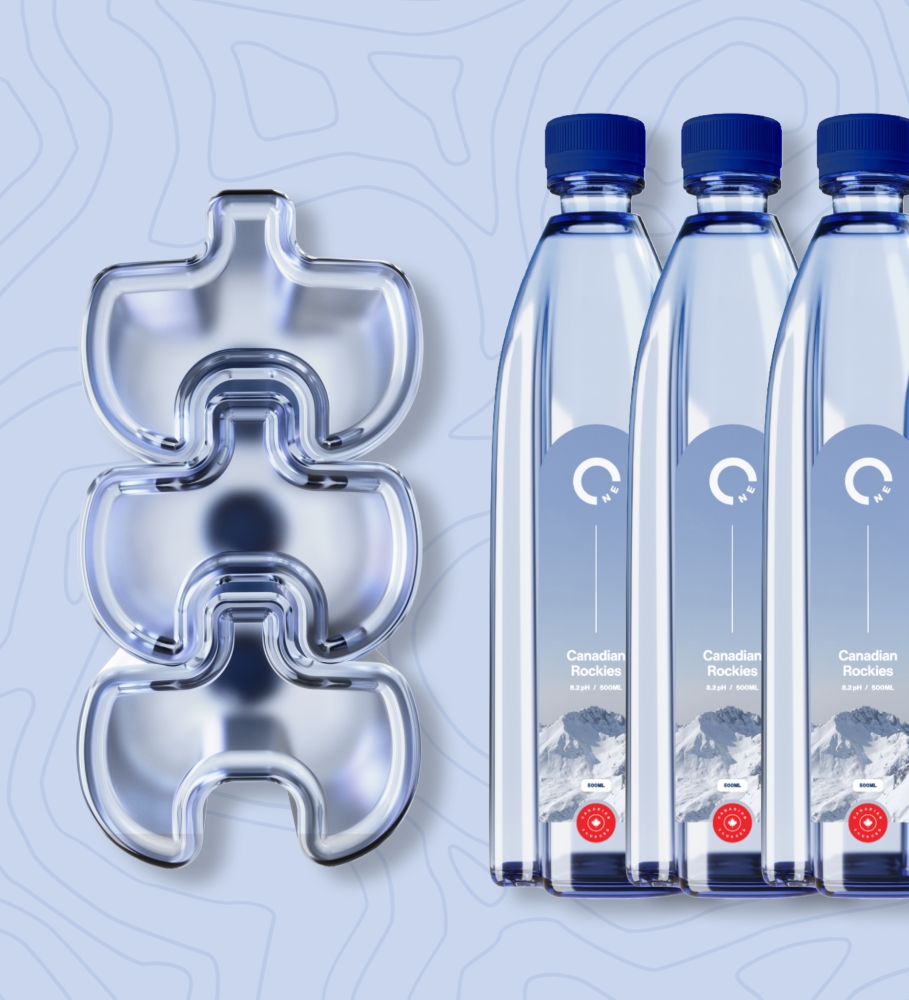
Each bottle of One Water tells a story, beginning in the pristine springs of the Canadian Rockies and flowing through a patented interlocking design that aims to redefine sustainability in the bottled water industry. With future sources planned in Tuscany and Switzerland, One Water seeks to be more than just a brand; it is positioned as a potential passport to nature’s finest waters.

This commitment to quality isn’t solely about taste. One Water advocates for Responsible Water Sourcing, a process that evaluates each spring carefully and works to have a positive impact on local ecosystems. It’s hydration with integrity.

The Future of Hydration: Back to the Source

One Water’s vision is clear: help people rediscover the benefits of real water. In an era of chemically treated tap options and sugary alternatives, the company invites consumers to consider returning to what their bodies may truly need. No additives. No noise. Just pure, alkaline, clean water.

Education is key to this mission. One Water seeks to highlight the differences between natural spring water and mass-produced substitutes. By focusing on health, clarity, and authenticity, they are working to reshape the way consumers think about what they choose to drink.

Uniting the World Through Water: Inside One Water

Photo Courtesy: One Water

Advancing Hydration Design

One Water’s proprietary interlocking bottle system is as functional as it is distinctive. Designed to stack, store, and transport more efficiently, the bottles may reduce pallet space by up to 35% and cut down on packaging waste. It’s a bold statement: good design can also be good for the planet.

With a modern look, each bottle does more than hydrate; it serves as a conversation starter. Limited edition designs, collaborative labels, and collectible series from different springs are all part of One Water’s growing identity, encouraging consumers to take pride in what they drink.

Premium, Sustainable, and Boldly Modern

At its core, One Water Global is defined by a trio of values: life, health, and quality. The brand doesn’t aim to be just another name on the shelf. It hopes to be the bottle in your hand when you’re choosing what feels like the ideal option for yourself and the planet.

From elite fitness communities to luxury wellness circles, One Water is cultivating a lifestyle movement. The brand was featured at the 2025 World Economic Forum, and the company was also awarded the Best Innovative Technology Award at the Zenith Global Awards for its bottle technology. This signals an ambition to lead the premium hydration market and encourage global change.

Transparency is equally important. One Water emphasizes clear labeling, source disclosure, and straightforward language so consumers can know exactly what they are drinking. The company’s sourcing team routinely conducts assessments of flow rates, recharge cycles, and environmental impact to ensure long-term sustainability at every spring. Beyond the bottle, One Water supports local initiatives that promote outdoor access, hydration education, and responsible recycling. The goal is simple: make premium water accessible while protecting the places it comes from and inspire everyday habits that respect both people and planet.

Drink Differently. Live Better.

One Water is more than just a drink. It’s a symbol of connection, of smarter choices, and of a healthier future. By uniting the world’s spring sources under one brand, they offer hydration along with a vision: a planet where water isn’t just consumed but respected. Their mission extends beyond the bottle, inspiring people to rethink their relationship with the most essential resource on Earth. Join the movement today.

Learn more at www.drinkonewater.com, follow the journey on Instagram at @onewaterglobal