6 Power Tools That Benefit from Rechargeable AA Lithium-ion Batteries

For years, we’ve all reached for disposable alkaline batteries, but for today’s high-performance tools, they may not always be the optimal choice.

It could be time for an upgrade.

Rechargeable AA lithium-ion (Li-ion) batteries offer a level of performance that can potentially transform your favorite tools from good to great.

In this guide, we’ll explore six specific power tools that may receive a significant improvement from this modern battery technology and show you why it could be a smart switch for any serious DIYer or professional.

Table of Contents

  • The Real-World Advantages of a Lithium-ion Battery
  • Power Tool #1: Digital Measuring Tools & Laser Levels
  • Power Tool #2: High-Performance LED Work Lights & Headlamps
  • Power Tool #3: Stud Finders & Electronic Scanners
  • Power Tool #4: Cordless Power Screwdrivers
  • Power Tool #5: Digital Multimeters & Testers
  • Power Tool #6: Battery-Powered Soldering Irons
  • Making the Smart Switch: Are Li-ion Batteries Worth the Investment?
  • How to Choose the Right Rechargeable Lithium-ion Battery Kit

The Real-World Advantages of a Lithium-ion Battery

What makes a rechargeable Li-ion battery so much better for power tools? The difference comes down to its advanced chemistry, which can offer tangible, real-world benefits you might notice immediately.

Consistent Power from Start to Finish

The greatest advantage is a stable voltage output. While an alkaline AA starts at 1.5V but quickly drops to 1.2V and lower, a lithium-ion AA battery is designed to deliver a strong, constant 1.5V throughout its entire discharge cycle.

Faster, Lighter, and Longer Lasting

Lithium-ion technology boasts a higher energy density, packing more power into a lighter package. This can reduce fatigue when handheld tools are used for extended periods.

Furthermore, these batteries are built for the long haul.

A single set of high-quality Li-ion AAs can be recharged over a thousand times, providing a service life that might be unmatched by disposables.

Leading brands in the power space, like EBL, engineer their batteries to handle over 1,200 cycles, making them a valuable part of your workshop.

The Financial and Environmental Edge of Rechargeables

The initial purchase of a rechargeable Li-ion battery is a long-term investment that could pay for itself.

Instead of buying hundreds or even thousands of disposable batteries over the years, you buy one set.

This could drastically cut down on recurring costs and significantly reduce landfill waste, making it a smart choice for both your wallet and the planet.

6 Types of Power Tools That Thrive on Li-ion Battery Power

The steady, high-voltage output from a lithium-ion battery addresses the most common failure points of their alkaline-powered counterparts, ensuring your tools work as intended. Here are six tools that get the most noticeable benefit.

Power Tool #1: Digital Measuring Tools & Laser Levels

For tools where accuracy is paramount, consistent power is a must. The stable 1.5V output from Li-ion batteries ensures a laser’s line stays bright and true, and that digital calipers provide precise readings, preventing errors caused by a fading power source.

Power Tool #2: High-Performance LED Work Lights & Headlamps

These high-drain devices often dim over time with standard batteries. Lithium-ion batteries provide full power until the charge is completely spent, keeping your work area evenly lit without the slow, frustrating fade.

Power Tool #3: Stud Finders & Electronic Scanners

The accuracy of a stud finder depends on its sensors operating at full capacity. Li-ion power helps ensure these sensors get the consistent energy they need, resulting in stronger signals and more reliable detection of studs, pipes, and wiring.

Power Tool #4: Cordless Power Screwdrivers

A drop in voltage means a drop in torque, which leads to stripped screws and incomplete work. The steady power from a Li-ion battery ensures you get consistent turning force from start to finish, offering better control and higher-quality results.

Power Tool #5: Digital Multimeters & Testers

When diagnosing electrical issues, you cannot afford to second-guess your tools. A stable power supply is critical for the accuracy of a multimeter’s sensitive internal components, ensuring every reading is reliable.

Power Tool #6: Battery-Powered Soldering Irons

These specialized tools demand a high, continuous power draw to maintain their temperature. Lithium-ion batteries excel in high-drain applications, providing the sustained energy needed to keep the tip hot for clean, effective solder joints.

Making the Smart Switch: Are Li-ion Batteries Worth the Investment?

Yes, a rechargeable lithium-ion kit has a higher upfront cost than a pack of disposables. But looking at the total cost of ownership might reveal it’s one of the smartest investments you can make for your workshop.

Calculating Your Long-Term Savings

Consider one set of four EBL AA lithium-ion batteries, rated for 1,200 cycles.

To get the same amount of use from disposables, you would need to purchase and throw away 1,200 pairs of batteries.

The cost savings over the life of that single rechargeable set can be enormous.

Beyond Tools: Powering Your Whole Home

These high-performance batteries are great for other high-drain devices around your home, such as high-performance flashlights, video game controllers, and camera equipment, making them an incredibly versatile and valuable addition to your home.

How to Choose the Right Rechargeable Lithium-ion Battery Kit

When you’re ready to upgrade, choosing a complete, high-quality kit is the ideal way to start. Here’s what you should look for.

What to Look for in a Charger

Look for chargers with individual channel charging, which allows each battery to charge independently at its optimal rate.

Advanced safety features that prevent over-charging, overheating, and short-circuiting are essential for protecting your batteries.

Understanding Battery Capacity (mWh)

For 1.5V Li-ion batteries, the most accurate measure of energy capacity is milliwatt-hours (mWh), not just milliamp-hours (mAh).

Because they maintain a higher voltage, the mWh figure gives you a truer picture of the total work the battery can do.

For power-hungry tools, look for high-capacity batteries.

Why a Complete Kit Offers the Great Value

Buying a complete kit that includes both batteries and a matched charger is the most convenient and cost-effective approach.

Reputable companies design their chargers to work with their batteries, ensuring optimal performance and longevity.

Also, rechargeable AA lithium-ion batteries are more than just a convenience; you’ll get more power, more reliability, and more value, all while saving money and reducing waste.

Upgrade Your Toolkit Battery Today

Stop letting disposable batteries dictate the performance of your tools. Making the switch to rechargeable AA lithium-ion batteries is a small investment that could pay significant dividends in power, reliability, and long-term savings.

You get peak performance from your entire toolkit, reduce waste, and never have to make a last-minute trip for batteries again.


Steps to Take Before Buying Residential Real Estate

Buying a home is one of the significant financial and personal decisions many people make during their lifetimes. The process can be exciting, but it also involves a number of legal considerations that are not always obvious to first-time home buyers. Purchasing residential real estate property is a complicated transaction involving contracts, property rights, and obligations, and the decisions made during this process can have long-term consequences.

Because real estate law varies across states and local jurisdictions, buyers are often encouraged to proceed carefully and thoroughly. A misstep at any stage—whether in reviewing the property’s history, negotiating terms, or finalizing paperwork—could potentially lead to complications. To help avoid these pitfalls, many buyers choose to work with a real estate attorney who can review documents, explain the legal implications of different decisions, and safeguard their interests throughout the transaction.

Get a Full Disclosure of the Property’s Defects

In many states, sellers are required to provide a disclosure statement outlining known defects or issues with the property. These disclosures may include structural problems, water damage, pest infestations, or the presence of hazardous materials.

The scope of disclosure requirements may differ across jurisdictions, with some requiring very detailed reports and others leaving more responsibility to the buyer to investigate. Reviewing disclosures alongside inspection reports can help a buyer make informed decisions and potentially negotiate repairs or price adjustments before finalizing the sale.

Identify Encumbrances on the Property

Encumbrances are claims or restrictions that may limit the use or transfer of property. These can include mortgages, liens for unpaid debts, easements that allow others to use part of the property, or restrictive covenants that control how the property may be used. Discovering these issues before purchase is important, because they may affect the buyer’s ownership rights.

A title search will typically be conducted to identify encumbrances. This process involves reviewing public records to ensure the seller has clear ownership and the legal right to transfer the property. If encumbrances are found, they may need to be resolved before closing. A real estate attorney or title company can assist in identifying and addressing these concerns.

Look at the Property’s Chain of Title

The chain of title is the history of property ownership, showing how the property has passed from one owner to another over time. Gaps or irregularities in this history may raise questions about whether the seller has the full authority to transfer ownership. For example, a missing signature in a past transfer or an unresolved dispute involving heirs could cloud the title.

Verifying the chain of title can help prevent future ownership disputes. Title insurance is often purchased to protect buyers from potential problems that might not be discovered during the title search. While no process can fully eliminate all risks, confirming a clean chain of title adds an important layer of security to the purchase.

Negotiate a Purchase Contract for the Home

The purchase contract is the foundation of a real estate transaction. It sets out the terms and conditions of the sale, including the purchase price, closing date, and any specific obligations of the parties. Contracts may also cover issues like who will pay different closing costs, how disputes will be handled, and what will happen if one party cannot meet the agreed-upon terms.

Because contracts are legally binding, buyers should review them carefully. Even standard contracts may contain terms that are confusing or unfavorable if they are not fully understood. Negotiating certain provisions, such as repair obligations or deadlines, can make the contract more balanced. A real estate attorney can review the agreement, explain its legal significance, and suggest revisions to better protect the buyer’s interests.

Discuss Contingencies With the Seller

Contingencies are conditions that must be met for the sale to move forward. Common contingencies include financing approval, a satisfactory home inspection, or the sale of the buyer’s current home. These conditions give buyers or sellers a way to withdraw from the purchase without penalty if key requirements are not met.

Contingencies should be clearly stated in the purchase contract. For example, if an inspection reveals significant problems, and the buyer and seller cannot agree on repairs, the contingency may allow the buyer to cancel the contract. Discussing and negotiating contingencies with the seller can help ensure that both sides have a shared understanding of what circumstances could alter or delay the transaction.

Safeguard Your Interests During Closing

The closing is the final stage of the purchase process, when ownership is officially transferred to the buyer. At closing, buyers typically sign a number of documents, pay closing costs, and receive the keys to their new home. This stage may appear straightforward, but it is also where errors or oversights could have lasting consequences.

Common issues that may arise at closing include mistakes in the paperwork, last-minute disputes over contract terms, or delays in transferring funds. Reviewing all documents carefully before signing is important to ensure they reflect the agreed-upon terms. A real estate attorney can review documents beforehand and attend the closing, providing added assurance that the transaction will be completed as intended.


Disclaimer: The information provided in this article is for general informational purposes only and should not be considered as legal, financial, or professional advice. Every real estate transaction is unique and subject to various laws and regulations that may differ depending on location and individual circumstances. For personalized advice regarding your specific situation, it is strongly recommended that you consult with a qualified real estate attorney or professional. 

How to Avoid Mistakes When Creating a Product — Recommendations from Erik Avetisyan

This article focuses on the key mistakes entrepreneurs make during the product creation stage and provides methods for preventing them. Erik Avetisyan’s experience, which combines architectural design and entrepreneurial phases, enables the highlighting of systematic approaches to product development and market launch. The discussion covers analyzing consumer needs, concept testing, resource management, and building a long-term strategy.

Erik Avetisyan

An accomplished entrepreneur and product innovator specializing in consumer goods and alternative industries

Introduction

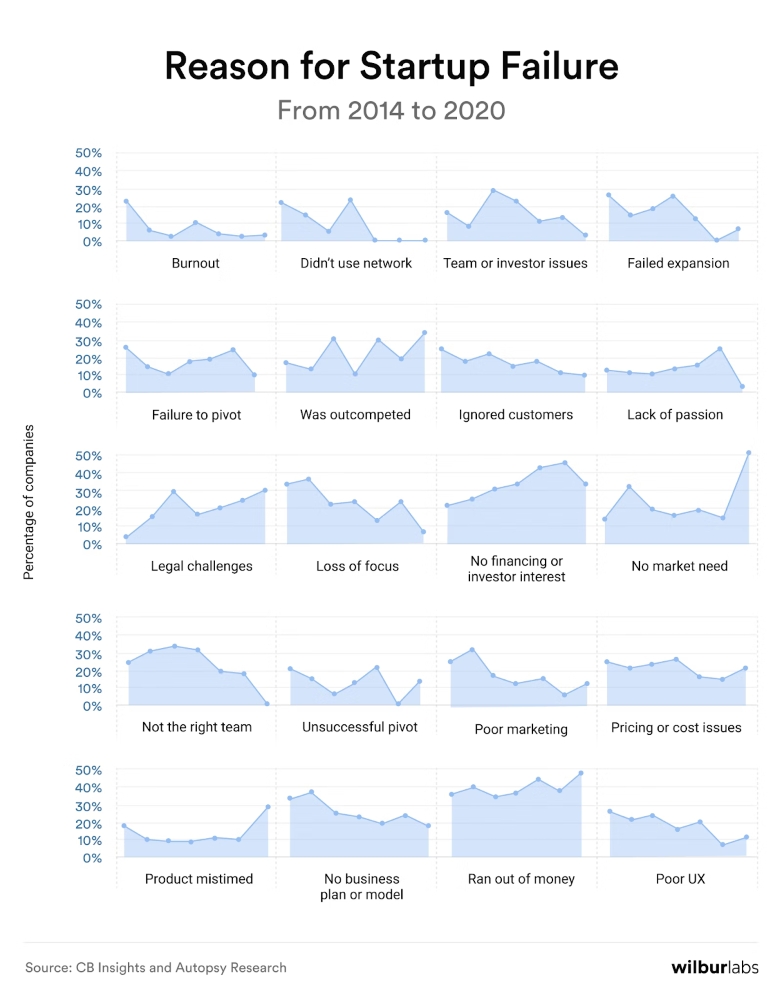
Creating a new product is one of the riskiest processes in entrepreneurship. CB Insights research shows that 42% of startups fail due to a lack of real demand, while 29% fail due to insufficient funding. Early-stage mistakes can result in lost time, capital, and opportunities.
Erik Avetisyan’s practice demonstrates that most mistakes may be avoided through a systematic approach: careful market analysis, sequential idea testing, and competent resource management.

Mistake 1: Insufficient Understanding of the Customer

One of the most common mistakes is launching a product without a clear focus on the consumer. Entrepreneurs often rely on their own preferences rather than the real demands of the market.
Recommendation: Pay attention to research—surveys, focus groups, and data analysis. Only validated demand can form the foundation for a successful product.

Mistake 2: Lack of Hypothesis Testing

Companies often invest significant resources in development without testing the viability of their concept. This can result in products that fail to resonate with the market.
Recommendation: Implement lean startup principles, including prototyping, pilot versions, and limited launches. This approach minimizes risks and allows the product to be adapted before mass-market release.

Mistake 3: Ignoring Resources and Scaling

Businesses frequently underestimate production, logistics, or marketing costs. As a result, the product may become unprofitable when scaled.
Recommendation: Model financial scenarios in advance and plan for scalability. Avetisyan’s experience in the family business demonstrates that only a balanced product economy ensures sustainability.

Mistake 4: Weak Go-to-Market Strategy

Even a high-quality product can fail without a proper market entry strategy. A standard error is overconfidence in the product’s “automatic success.”
Recommendation: Develop a marketing strategy before launch. Combine offline and online channels, utilize personalized marketing, and leverage data. According to Deloitte (2024), companies with a robust digital marketing strategy grow 30% faster than competitors.

Mistake 5: Lack of Long-Term Vision

Many entrepreneurs focus solely on initial sales, neglecting to develop their brand and the ecosystem surrounding the product.
Recommendation: Treat the product as part of a comprehensive system. In the FMCG segment, where Avetisyan operates, value is created not only through the product but also through the brand, sales channels, and customer service.

How to Avoid Mistakes When Creating a Product — Recommendations from Erik Avetisyan

Photo Courtesy: Wilbur Labs

International Context

Global practice confirms the importance of a systematic approach. According to Statista (2024), worldwide spending on research and development in the consumer goods segment exceeded $300 billion. Companies that invest in analytics and testing demonstrate a 25% higher rate of successful product launches.

These findings align with the experience of entrepreneurs working at the intersection of traditional FMCG and alternative industries. Success is achieved where products are created based on a thorough analysis of consumer needs and integrated into a long-term strategic plan.

Conclusion

Product development is a process where the cost of mistakes is particularly high. However, a systematic approach helps minimize risks. Erik Avetisyan’s practice demonstrates that:

  • understanding the customer,
  • testing ideas,
  • effective resource management,
  • strategic marketing, and
  • long-term vision

become the foundation for sustainable success.

In a globally competitive environment, entrepreneurs who can turn a product into part of an ecosystem, build a brand, and foster customer trust gain a decisive advantage. This approach ensures not only short-term sales but also long-term business resilience.

Sources

  1. CB Insights. The Top 20 Reasons Startups Fail. (2023)
  2. Deloitte. Global Powers of Retailing. (2024)
  3. Statista. R&D Spending in Consumer Goods, 2024
  4. McKinsey & Company. The State of Consumer Goods 2024
  5. Harvard Business Review. Why Products Fail and How to Avoid It. (2024)


Disclaimer: The information provided in this article is for general informational purposes only and is not intended as legal, financial, or professional advice. While we strive for accuracy, we make no representations or warranties, express or implied, about the completeness, accuracy, reliability, suitability, or availability of this information. Use of this information is at your own risk.

Cloud Security Basics: Protecting Your Data in the Age of Remote Work

Remote work has redefined the working engagement of companies, providing opportunities for greater productivity and interaction. However, this change has been accompanied by some significant security issues. The security of information against cyber threats has never been more crucial than it is today, as organizations migrate data and applications to the cloud. The basics of cloud security are crucial in ensuring that sensitive assets are protected while implementing a distributed workforce.

Understanding Cloud Security

Cloud security refers to the policies, tools, and technologies designed to protect data, applications, and infrastructure hosted on the cloud. Cloud systems are also shared between providers and users, unlike traditional networks, and it is the responsibility of both parties to protect the information.

The major objectives of cloud security are:

  • Confidentiality: This is to ensure that no data is accessed by unauthorized parties.
  • Integrity: This is to ensure that the information is accurate and has not been changed.
  • Availability: Maintaining the presence of the services and data to the constantly authorized users.

With these areas covered, businesses will be able to retain customer loyalty, comply with legislation, and still enjoy the full benefits of cloud computing.

The Importance of Remote Work Security

The attack surface has increased significantly as employees connect to offices from home, co-working spaces, and even public Wi-Fi in the street. Hackers can be facilitated by phishing schemes, weak and unsecured passwords, and unsecured devices. A hacked account can result in data leakage or ransomware, which can cost corporations time, money, and reputation.

Cloud security solutions reduce these risks by offering identity and access control, encryption, and dynamic workforce threat monitoring.

Core Cloud Security Practices

Organizations should use both technical and explicit measures to ensure the security of data. Some of the necessary practices are:

  • Mighty Identity and Access Management (IAM): multifactor authentication and role-based permissions are used to confirm the user and then authorize them to access sensitive information.
  • Data Encryption: Both file transportation and storage encryption should be done to make sure that stolen files cannot be deciphered.
  • On-Going Supervision: Monitor user traffic and network traffic and identify anomalies or unauthorized activity.
  • Frequent Duplicates: Have backup copies of vital information in secure offline places.

These security measures provide multiple layers of protection against common cloud-based attacks.

Patch Management and Vulnerability Control

Even the most advanced cloud platform can be undermined by outdated software. Attackers often exploit weaknesses in operating systems, applications, or plug-ins to gain entry. Effective patch management closes these gaps by ensuring timely updates across all systems, including endpoints connected to cloud services.

Automating updates, testing patches in a staging environment, and tracking compliance help organizations maintain a strong security posture. Integrating patch management into your broader cloud strategy ensures that new vulnerabilities are addressed quickly, limiting opportunities for cybercriminals.

Securing Endpoints in a Cloud Environment

Laptops, smartphones, and government IoT devices facilitate entry points to cloud data. Without good security on these devices, the attackers may bypass cloud protections altogether. To minimize the risk, install endpoint protection systems, enforce encryption, and ensure devices are configured to security standards before connecting to corporate resources.

Linking endpoint security to patch management introduces an additional layer of resistance, ensuring that devices accessing cloud applications have been hardened against known exploits.

Employee Training and Awareness

Human error is a significant contributor to data breaches. Employees may accidentally click on phishing links, reuse passwords, or fail to secure sensitive files. Periodic training sessions educate employees on how to identify suspicious behavior, manage data safely, and report potential risks.

The culture of security first will promote active participation of remote workers in safeguarding company properties, which should be in addition to technical protection.

Cloud Provider Considerations

Not all cloud providers offer the same level of security. When selecting a service, consider the certification of compliance, data encryption, and incident response protocols. Understand the shared responsibility model: providers ensure the infrastructure is in place, but it is the businesses that need to configure services correctly and ensure that user accounts are secure.

Creating explicit service level agreements (SLAs) and re-examining the practices of the providers would ensure that they are operating according to your expectations of security.

Preparing for the Future

With the rise of remote work and cloud usage, the frequency of cyberattacks is increasing. Detection and exploitation of threats are increasingly becoming artificial and automated. Businesses should invest in flexible solutions that can detect new attack patterns and remediate them immediately.

It will continue to be essential to update cloud configurations, train staff, and prioritize patch management to protect against emerging threats.

Conclusion

Cloud computing enables organizations to facilitate remote work, but it requires a high degree of attention to security. With knowledge of cloud security fundamentals, including identity control and encryption mechanisms, as well as proactive patch management, businesses can secure sensitive data, maintain compliance, and ensure productivity in a networked world. Having a multi-layered defense plan in the modern age is a guarantee that your information remains secure due to the rapid changes in technology and the evolving work environment.

Melissa Stein: A New Jersey Based Consumer Advocate

By: Shawn Mars

When most people think about Wall Street, they imagine billion-dollar deals, seasoned advisors, and endless legal paperwork that only insiders can understand. For Melissa Stein, a wife, mother, grandmother, and longtime investor from Passaic, New Jersey, the financial system has always felt distant and overwhelming for ordinary families.

That changed when she discovered a little-known rule called Regulation Best Interest (Reg BI). Passed in 2020, the rule was designed to protect retail customers in brokerage accounts by requiring brokers to disclose all material conflicts, eliminate placement fees, and make sure clients fully understand their choices.

Melissa quickly realized something surprising. Almost no one outside the industry knew this rule existed. “I found out that no one knows about this rule and I felt I wanted to do something about it,” she explained. “Retail customers are the King and Queen under Reg BI. They have to tell you everything, AND make sure you understand it.”

Instead of keeping that knowledge to herself, Melissa decided to act. She created a public-facing platform to explain Reg BI in plain language and give consumers resources they could use to push back when something did not feel right.

A Personal Mission

Melissa does not come from a Wall Street background. She speaks as a regular investor who wants fairness and transparency. That perspective, she believes, is her strength. “The wealth management industry has many fine people. Everyone is influenced by their financial incentives. By correcting the mismatch in information, I hope that retail customers will be able to understand the incentives that drive investment professionals.”

Her goal is not to vilify the entire industry. Instead, she wants to even the playing field so that consumers understand when advice is being shaped by commissions or hidden incentives. “The only vote that matters is yours. If you think they misled you, they misled you,” she said.

Melissa emphasizes that under Reg BI, the standard is not what a firm believes is enough disclosure, but what the customer feels was material. If a client thinks information was withheld, that perspective matters.

From Investor to Advocate

Melissa’s path to advocacy grew from her own experience trying to make sense of the financial world. She describes the language of disclosures as dense and confusing, often designed in ways that left retail customers feeling they had no choice but to trust their broker.

She believed that trust should be earned through honesty, not complexity. When she discovered that Reg BI put the burden on brokers to provide “full and fair” disclosure and to ensure the client’s understanding, she knew she had to amplify that message.

She designed her site as a plain-language guide to the rule. Visitors find explanations of brokerage accounts versus advisory accounts, why compensation structures matter, and what rights consumers have if they feel misled.

Advocacy in Action

Melissa is clear that her project is not about legal action for its own sake. Her first priority is education. She encourages consumers to ask questions, to insist on comparisons between brokerage and advisory accounts, and to demand clarity around fees.

At the same time, she makes it clear that people are not powerless if something has gone wrong. “Please be in touch and let us know how we can help. If you think your broker violated Reg BI, we can help you write a letter that will get noticed. And if that does not work, we know attorneys that take contingency cases — they get paid only if they win.”

This two-step approach — education first, escalation if necessary — reflects Melissa’s desire to empower families rather than frighten them. She believes most situations can be resolved with more transparency, but she also wants consumers to know they have recourse.

Building Awareness

Part of Melissa’s advocacy is making sure Reg BI is not just an obscure rule buried in legal language but a living safeguard people can use. She often points out that retail customers do not need to be securities lawyers or spend hours poring over documents. The rule puts responsibility on brokers to communicate clearly, not on families to decode financial jargon.

Her message resonates because it comes from someone outside the system. Melissa speaks as a consumer who understands the frustration of trying to navigate investments without straightforward information. That authenticity is central to her work.

A Profile in Passion

What makes Melissa’s story stand out is her decision to step forward when she saw a gap in knowledge. She is not a lawyer or a regulator. She is an investor who realized she could make a difference simply by sharing information others were missing.

That authenticity makes her voice compelling. She writes for ordinary families who want to understand the rules that protect them but do not have the time or resources to dig through complicated regulations.

Melissa’s advocacy is part education, part encouragement, and part accountability. She believes consumers should never feel powerless in the face of financial complexity. By making Reg BI understandable, she hopes more families will take confidence in asking questions, pushing for transparency, and insisting on fairness.

Looking Ahead

Melissa’s platform continues to grow as more people find her resources online. Each visitor who learns about Reg BI adds momentum to her mission of spreading awareness.

Her message is simple. Consumers are not powerless. They do not need to accept partial disclosures or confusing explanations. Under Reg BI, as Melissa puts it, retail customers truly are the King and Queen.

https://www.myregbi.com/


Disclaimer: This article is for informational purposes only and does not constitute legal, financial, or professional advice. Readers are encouraged to consult with qualified professionals for personalized guidance.