CurryCups: Turning Curry into a Snackable Flavor Experience

By: Heather Holmes

Brooklyn, NY., (August 2025) – For decades, the packaged food shelf has kept out South Asian cuisine in the comforting shapes of frozen entrées, jarred sauce, or dried spice blends. CurryCups seeks to challenge this pattern with an innovative path that aims to bring curry from the slow-burning stovetop to the snack table, preserving the flavors and stories that make it distinctive.

From Craving to Creation

CurryCups began as a desire. The founders, first-generation South Asian-Americans, were looking for something that captured the joy and warmth of Indian leftovers in a bite-sized, ready-to-eat form. They were inspired by their mothers, who turned every leftover into something special, and developed a product that offers rich, full-flavored, and satisfying curry in a convenient package.

This delicious, ready-to-eat product is designed to be both convenient and adaptable. It may be paired with chips, served atop pasta, or spread on a sandwich. What follows is a product that appeals to a wide variety of audiences, including college students in need of quick, sophisticated bites, busy young professionals with on-the-go lifestyles, and foodies or South Asians looking for an easy version of a familiar taste.

The Power of Two: A Partnership of Precision and Passion

Behind the brand’s innovation is a complementary partnership. Co-founder Suhayb Khadri brings the analytical mind of an IT background, while co-founder Najma Adam offers her experience as a school counselor and therapist, along with a personal interest in cooking. Together, they merge technical expertise with a passion for food, creating a product that is both thoughtfully crafted and flavorful.

This dynamic partnership allows CurryCups to remain flexible. They are constantly experimenting, listening to customer feedback, and adapting quickly—an important trait for a food company where trends can change rapidly. Their mission is to create a product that respects culture on a daily basis, showing that curry doesn’t have to be confined to a meal; it can be a flavorful experience.

A New Pantry Staple

CurryCups is positioning itself to become an enduring part of modern pantries. The company aligns with the “snackification” trend, where the boundaries between snacks and meals continue to blur, but with a focus on healthier and tastier options. CurryCups reimagines curry as something that can be enjoyed at any time of day, whether as a late-night snack, a practical workday lunch, or as a thoughtful dinner party centerpiece.

CurryCups is a young, up-and-coming food brand that is changing the way people experience curry. The husband-and-wife team, Suhayb Khadri and Najma Adam, offer a product that transforms popular South Asian flavors into easy, ready-to-eat options, designed to fit contemporary lifestyles. Made with authenticity, openness, and respect for culture, CurryCups encourages people to explore, try, and experience curry in new and creative ways.

CurryCups: Turning Curry into a Snackable Flavor Experience

Photo Courtesy: Curry Cups

About CurryCups

CurryCups is a modern food brand working to redefine how the world experiences South Asian cuisine. Founded by a husband-and-wife team, Suhayb Khadri and Najma Adam, the company brings traditional flavors to life in ready-to-eat creations that fit seamlessly into the lives of today’s busy consumers. Their core product, a creamy, ready-to-eat tikka masala dip, is designed to be a versatile addition to any pantry. Driven by a mission to make global flavors accessible to busy families, CurryCups demonstrates that culinary authenticity and convenience can coexist, inviting customers to explore, experiment, and enjoy curry in new and varied ways.

Press Contact:

Heather Holmes

heather@publicityforgood.com

(828)332-5307

publicityforgood.com


Disclaimer: CurryCups provides information based on its own research and product development process. Consumer experiences may vary. The company does not make any guarantees regarding individual results or satisfaction. Always check ingredient labels for potential allergens before consuming.

How Flexible Payment Plans Work in Dubai’s Off-Plan Property Market

Flexible payment plans are now a key feature of Dubai’s off-plan property market. They allow the purchase price to be paid in installments spread across the construction period, and in some cases, for years after handover. This structure changes how buyers approach affordability, cash flow, and project selection — making it essential to understand the mechanics before committing.

Types of Payment Plans in Dubai’s Off-Plan Market

Dubai developers typically offer three main types of flexible payment plans. While all are designed to spread out payments, the structure and implications differ significantly.

Construction-Linked Plans

These schedules tie installments to project milestones rather than fixed dates. Payments are usually triggered when the developer achieves specific stages, such as:

  • Foundation completion
  • Structure topping-out
  • Interior finishing

Key point: Because payments follow actual progress, buyers can monitor the project’s status before releasing funds. However, the total amount may be due faster if construction progresses quickly.

Post-Handover Payment Plan

In this model, buyers pay a portion of the price during construction and the balance after receiving the keys. Post-handover terms typically range from 1 to 5 years.

Example: A buyer might pay 60% of the property value before completion and the remaining 40% over the next three years. This allows immediate occupancy without full upfront payment.

Many off-plan properties in Dubai use post-handover models to attract buyers seeking more manageable entry costs.

1% Payment Plan

This approach sets monthly installments at 1% of the total property price until the amount is fully paid. It is popular for mid-market projects where affordability is a primary concern.

Key point: While entry costs are low, the overall payment term may be longer, and buyers must check if post-handover installments include additional fees.

Why Developers Use These Plans

For developers, flexible payment schedules are more than a sales tactic. They serve specific business objectives: encouraging early sales, improving cash flow predictability, and expanding the buyer pool. This is especially relevant in competitive zones where multiple launches are happening simultaneously.

By reducing the immediate capital required, developers make their projects accessible to both local and international buyers who may not be ready to commit to a lump-sum payment or mortgage from the outset.

How They Affect Buyers’ Strategies

From a buyer’s perspective, these plans influence both financial planning and investment strategy. A staggered payment schedule can:

Preserve liquidity during the build period, freeing up capital for other uses.

Provide more time to arrange long-term financing.

Enable earlier entry into a market where prices may rise before completion.

However, flexibility does not mean risk-free. Missed installments can lead to penalties or termination of the sales contract, and buyers must ensure they can maintain payments under all circumstances.

Key Factors to Evaluate

Before signing a Sales and Purchase Agreement, buyers should assess:

  • The developer’s delivery history and reputation.
  • The full payment timeline, including post-handover obligations.
  • Any additional charges, such as administrative fees or post-handover interest.
  • Clauses related to default, cancellation, and restrictions on resale.

A clear understanding of these points can prevent unpleasant surprises later in the process.

Current Market Context

Dubai Land Department figures show that off-plan sales have consistently accounted for a substantial share of total property transactions — around 54% in 2023, rising to approximately 63% in 2024. This high level of activity has encouraged developers to differentiate their offerings through flexible payment terms.

In active districts such as Dubai Creek Harbour, Business Bay, and Dubai South, post-handover plan Dubai real estate models are frequently used, with schedules ranging from short two-year extensions to multi-year post-completion arrangements.

The variety of these structures reflects a competitive environment where payment flexibility is used to match diverse buyer requirements, from short milestone-based instalments to long-term commitments spread years after handover.

Key Takeaways

Flexible payment plans are now a core feature of Dubai’s off-plan market, but their value depends on how they fit your financial strategy. Before committing:

Compare payment structures as closely as you would location or unit type.

Map instalment timelines against your income or investment schedule.

Review the Sales and Purchase Agreement for hidden costs or restrictive clauses.

A well-matched plan can make property ownership in Dubai more accessible while protecting long-term returns. The more precisely you align the payment model with your goals, the greater the likelihood of a successful purchase.


Disclaimer: This article is for informational purposes only and does not constitute specific investment advice. While it provides insights into flexible payment plans in Dubai’s off-plan property market, the content is not intended to recommend any particular investment or property purchase. Always consult with a licensed financial advisor or real estate expert before making any investment decisions. Results and outcomes may vary, and individual financial circumstances should be carefully considered.

The Rise of Eco-Friendly Consumer Products: Embracing Sustainability in Modern Lifestyles

As we navigate through the complexities of modern living, the shift toward eco-friendly consumer products is becoming increasingly evident. Sustainability is no longer just a passing trend; it’s a movement that’s gradually reshaping our lifestyles and influencing our purchasing decisions. More than ever, we are giving priority to products that not only meet our needs but also align with our values of environmental responsibility.

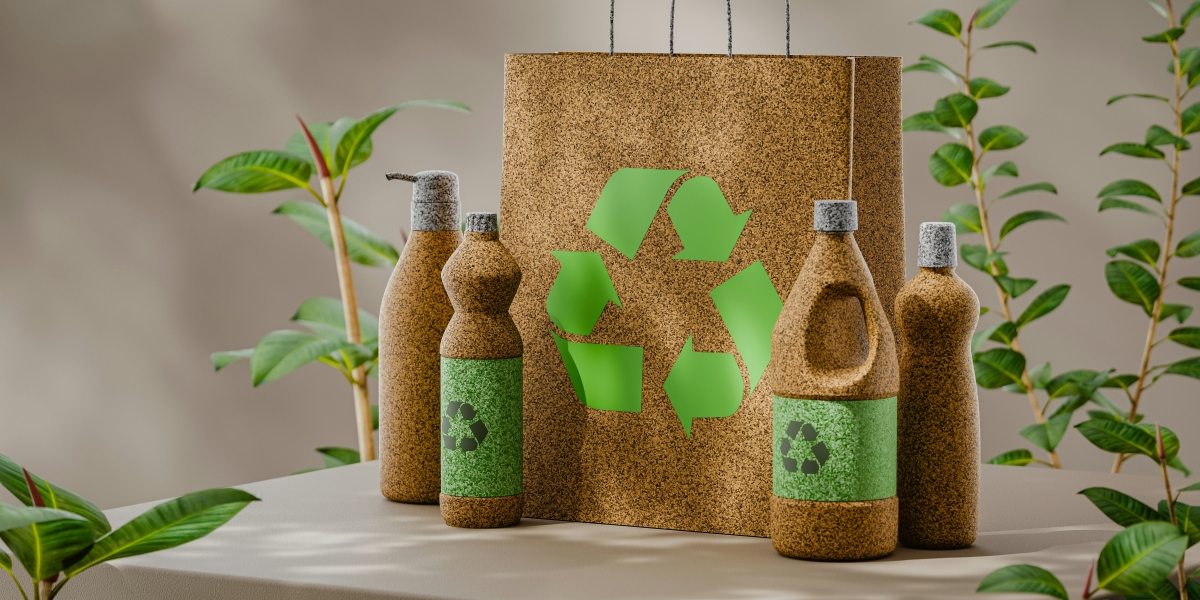
From biodegradable packaging to ethically sourced materials, the rise of green alternatives reflects a growing awareness of our impact on the planet. Even in everyday routines, small swaps, like using a hypochlorous acid spray for cleaning, demonstrate how innovation can support both convenience and eco-consciousness.

Beyond household products, our food choices are also shifting toward sustainability. Opting for locally sourced and responsibly grown foods not only supports farmers but also helps reduce the carbon footprint associated with transportation. For example, choosing bulk pecans is not just economical; it also encourages mindful consumption by minimizing wasteful packaging and supporting agricultural sustainability.

As consumers, we are becoming more informed and are increasingly asking for transparency from brands. This article explores how sustainability is driving innovation in consumer products and how it is influencing our everyday choices, one conscious purchase at a time.

Overview of Eco-Friendly Consumer Products

Eco-friendly consumer products encompass a range of items designed to minimize environmental impact. We are witnessing a growing demand for biodegradable packaging that reduces waste in landfills. These products break down naturally, potentially lessening pollution.

Sustainable materials, such as bamboo, hemp, and recycled plastics, represent another key trend. We are using these materials in everyday items, from clothing to home goods, encouraging more sustainable consumption. Products made from ethically sourced resources are gaining traction, as they often ensure fair labor practices and transparent supply chains.

We recognize the importance of renewable energy in producing eco-friendly products. Solar-powered gadgets and energy-efficient appliances contribute to lower carbon footprints, aligning with our commitment to sustainability. Certifications, like Energy Star and Fair Trade, help guide us toward more reliable, eco-friendly options.

Another noticeable trend is the rise of zero-waste products. Refillable containers and reusable shopping bags demonstrate our desire to reduce single-use plastics and promote a circular economy. Brands responding to consumer preferences often innovate by developing eco-friendly alternatives, such as plant-based cleaning supplies and organic personal care items.

We observe that eco-friendly consumer products not only reflect personal values but also influence market dynamics. Companies that prioritize sustainability appeal to environmentally conscious consumers. The growing movement is encouraging brands to adopt greener practices, which may shape the future of consumerism.

Factors Driving the Rise of Sustainability

Sustainability in consumer products is influenced by several key factors that shape our modern lifestyles. Understanding these drivers helps clarify the shift toward eco-friendly choices.

Consumer Awareness and Education

Consumer awareness and education play a significant role in promoting sustainable products. With access to information through various channels, consumers are becoming increasingly aware of the environmental impact of their choices. Reports suggest that 73% of millennials favor brands that demonstrate a commitment to sustainability. This heightened consciousness often leads to informed purchasing decisions, prompting brands to prioritize eco-friendly practices. Social media campaigns and documentaries also help enlighten us on ecological issues, enhancing our appreciation for sustainable alternatives. As a result, brand transparency regarding sourcing and manufacturing processes can influence loyalty, as consumers align their values with their purchases.

Technological Advancements

Technological advancements play an essential role in supporting sustainability in consumer products. Innovations in materials science allow for the creation of biodegradable and recyclable alternatives, reducing reliance on traditional plastics. For instance, some companies now use recycled ocean plastics in consumer goods, contributing to marine conservation efforts. Furthermore, eco-friendly technologies, such as solar energy and energy-efficient appliances, can help reduce carbon footprints in everyday usage. Research indicates that energy-efficient appliances can reduce energy consumption by 10-50%, depending on the product.

Trends in Eco-Friendly Products

The Rise of Eco-Friendly Consumer Products Embracing Sustainability in Modern Lifestyles

Photo: Unsplash.com

The rise of eco-friendly products reflects our increasing commitment to sustainability. We observe innovative practices and materials that are driving this trend, leading to meaningful changes in consumer behavior.

Sustainable Materials and Manufacturing

We are noticing sustainable materials like organic cotton, bamboo, and recycled plastics gaining popularity. Brands are leveraging these alternatives to minimize environmental impact during production. Manufacturing processes now incorporate energy-efficient methods and closed-loop systems to reduce waste. The focus on local sourcing also enhances sustainability by cutting transportation emissions. Certifications, such as Global Organic Textile Standard (GOTS) and Forest Stewardship Council (FSC), provide consumers with assurance of the products’ eco-friendly credentials.

The Shift in Consumer Preferences

There is a noticeable shift in consumer preferences toward eco-friendly options. Reports suggest that 73% of consumers are open to changing their consumption habits to benefit the environment. Customers increasingly favor brands that demonstrate transparency about their environmental practices. Social media plays a crucial role in spreading awareness and influencing choices. The younger generations, particularly millennials and Gen Z, prioritize sustainability in their purchasing decisions, prompting brands to adapt and innovate in response to this growing demand.

Challenges and Limitations

Despite the rise of eco-friendly consumer products, several challenges and limitations may hinder broader adoption and effectiveness in promoting sustainability.

Misleading Marketing Practices

Misleading marketing practices create confusion for consumers. Greenwashing, where companies inaccurately claim eco-friendliness, can erode trust. Brands may label products as “natural” or “eco-friendly” without proper certifications, leading to skepticism among well-informed consumers. As a result, consumers may find it challenging to identify truly sustainable options amidst a sea of misleading claims. Enhanced regulatory oversight and clearer labeling could help alleviate these issues, guiding consumers toward making informed choices aligned with their values.

Accessibility and Affordability

Accessibility and affordability present significant challenges for eco-friendly products. Many sustainable options tend to be priced higher compared to conventional alternatives, potentially limiting access to higher-income consumers. Additionally, not all communities have access to stores offering a variety of eco-friendly products. This disparity restricts eco-conscious choices for low-income consumers and those in underserved areas. Collaborative efforts between manufacturers and retailers could improve distribution and reduce costs, making sustainability a more accessible option for all consumers. For a deeper dive into the importance of eco-friendly practices, check out The World Economic Forum.


Disclaimer: The information provided in this article is for general informational purposes only. While we strive to offer accurate and up-to-date content, the effectiveness of eco-friendly products and practices can vary depending on individual needs, preferences, and circumstances. Readers are encouraged to do their own research and consult with professionals where necessary before making purchasing decisions. The views expressed in this article are based on current trends and may evolve over time as new information and technologies emerge.

Innovative Approaches to Optical Design

By: Muhammad Ansar

Freeform optics represents an advanced direction in optical technology that goes beyond traditional spherical and aspherical lenses. As the requirements of modern systems such as cameras, projectors, and medical devices continue to evolve, there is an increasing demand for more sophisticated and effective solutions. The design of freeform optics allows the creation of elements with unique properties and characteristics that can potentially enhance the functionality of the devices in which they are integrated. In today’s era of rapid technological development, the relevance of freeform optics continues to expand, offering new opportunities for designers and engineers.

Definition of Freeform Optics

Freeform optics refers to optical surfaces that do not have rotational symmetry and can adopt a wide range of geometries. Unlike traditional lenses, whose shapes are strictly standardized, freeform elements enable the development of customized solutions tailored to specific application requirements. This allows such components to have distinct curvatures and contours, which may contribute to improved efficiency in optical systems.

If you are exploring advanced optical solutions, reviewing technical specifications on the relevant websites may help identify suitable options.

Advantages of Freeform Optics

Freeform optical surfaces can offer the following benefits:

  • Potentially improved performance. These elements can help correct optical aberrations more effectively than conventional lenses. By using unconventional shapes and geometric profiles, light can be manipulated more efficiently, which may reduce distortion and enhance image quality.

  • Compact and lightweight designs. Freeform lenses can often be more compact than traditional optical components, making them suitable for devices with space limitations, such as smartphones or augmented reality glasses.

  • Integration of multiple functions. Freeform elements can combine several optical functions into a single component, which may reduce the number of lenses required and simplify overall system design. This could also contribute to more cost-effective manufacturing.

  • Greater design flexibility. Engineers can design lenses that align with specific application needs, whether for specialized instrumentation, medical devices, or complex projection systems. This flexibility supports the exploration of innovative solutions and technologies.

Overall, freeform optics is becoming an increasingly relevant component of modern optical design, offering advantages that encourage research and development.

Manufacturing and Design Challenges

Designing and manufacturing freeform optics involves several challenges. Advanced applications require specialized materials and processing methods, which can be resource-intensive. Techniques such as laser machining or precision grinding add complexity to the production process. Maintaining tight tolerances is essential to ensure optical precision, as even minor deviations may affect performance. This necessitates highly skilled personnel and advanced quality control technologies. Additionally, complex metrology conditions demand highly accurate measurements using specialized equipment. Developing new methods for control and measurement further adds to the intricacy of freeform optics design.

Modeling and Design Tools

Specialized software and tools play a critical role in designing freeform optics. Ray tracing techniques allow simulation of light behavior, which is important for evaluating the performance of optical elements. Identifying potential flaws during the design phase can help reduce errors and optimize outcomes.

System optimization also supports finding the most suitable geometric shapes and parameters for optical components to meet performance requirements while maintaining efficiency and potentially reducing costs. Integrating advanced algorithms and technologies enhances the design process, making it more effective.

Future Trends and Innovations

The future of freeform optics shows considerable promise. Wearable devices, such as smart glasses and contact lenses with integrated displays, may increasingly incorporate these solutions, offering new experiences for users.

Autonomous vehicles are also expected to benefit from freeform optics, particularly in navigation and environmental perception, which will require high-quality optical systems.

Additionally, ongoing improvements in manufacturing techniques may enhance quality, reduce costs, and simplify integration with intelligent systems, supporting more efficient monitoring and data collection.

In conclusion, freeform lens technology represents an important area of development in high-performance optical design. While the associated complexities are significant, advances in specialized simulation and design software, such as ray tracing and system optimization, facilitate the exploration of new possibilities. The field is poised for ongoing innovation, offering opportunities for creative solutions in a range of applications.


Disclaimer: The content in this article is provided for informational purposes only. While the discussion highlights potential applications and advantages of freeform optics, it does not constitute a guarantee or promise of specific results. Readers should conduct their own research, consult technical specifications, and seek professional guidance when considering optical components or technologies for particular applications.

KnowVisory Global Offers Seamless Offshore Expansion for U.S. Businesses with a Proven Build-Operate-Transfer Model

By: CPA Sanjeev Kumar

With operational costs rising and access to qualified talent becoming increasingly difficult, more and more U.S. companies are exploring options in countries like India for global expansion. This strategy not only provides quicker access to certified professionals but can also offer cost advantages.

KnowVisory Global – a prominent finance and business consulting service provider – is supporting global businesses to confidently establish and run fully operational offshore teams through its Build-Operate-Transfer (BOT) model.

The BOT model offers a practical, low-risk pathway for American businesses to establish high-performance teams in India – without the initial overhead of setting up a foreign entity from day one.

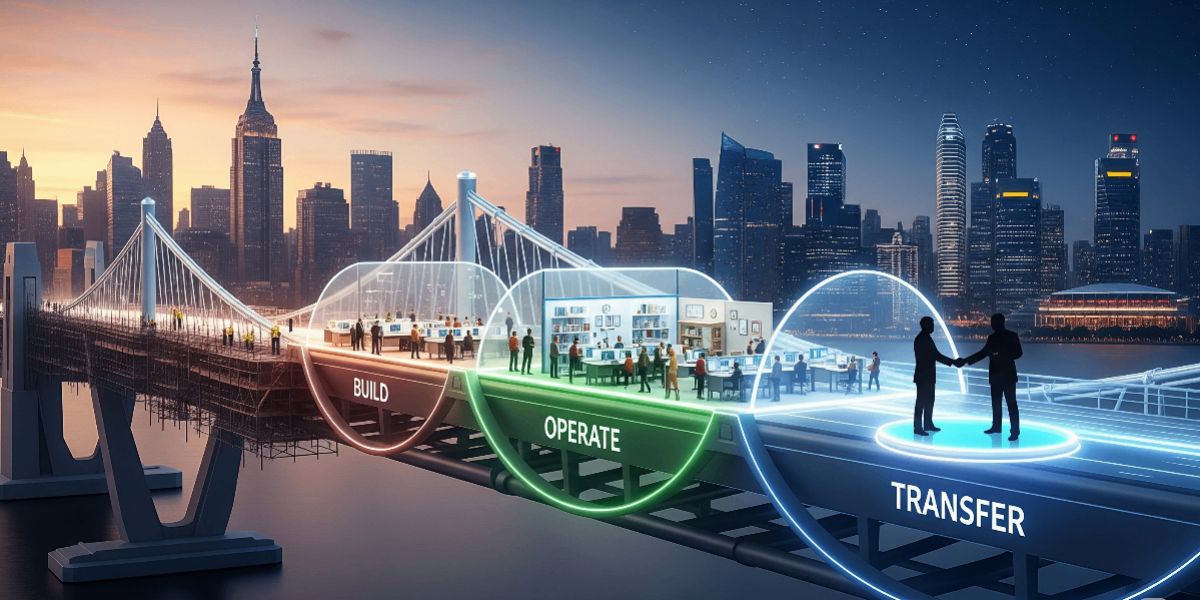
At the core of the model is a three-phase approach:

  • Build: KnowVisory identifies, recruits, and trains a dedicated team tailored to the client’s needs, setting up the entire infrastructure in India – from HR to IT support.
  • Operate: The offshore team operates under KnowVisory’s local management, with integrated processes, SLA-based performance, and full client visibility.
  • Transfer: When the client is ready, ownership of the team and assets is transferred, allowing the business to assume full control over its offshore operations.

“For many of our clients, offshoring is no longer solely about cost savings – it’s about exploring sustainable, scalable methods of growth,” said Sanjeev Kumar, CEO of KnowVisory Global. “Our BOT model minimizes the complexity and uncertainty associated with that process and facilitates smoother process integration.” “From designing the process to managing your resources until you are ready to take control of your team (final handover), we handle everything, allowing business owners to focus on running their businesses, rather than hiring and training offshore teams.”

The approach is gaining substantial traction with U.S.-based accounting firms, fintech startups, legal services providers, and enterprises establishing back-office teams in India, offering operational efficiency without compromising quality.

What distinguishes KnowVisory is its deep understanding of U.S. compliance standards, robust onboarding systems, and a locally embedded leadership team in India. From tax specialists to experts providing bookkeeping services, KnowVisory forms teams that align with client culture and standards from day one.

In addition to recruiting and managing talent, KnowVisory also supports clients with secure infrastructure setup, data compliance, payroll handling, and day-to-day operations – giving U.S. businesses the flexibility to focus on growth, rather than logistical concerns.

“It’s more than outsourcing,” Sanjeev added. “It’s about building real capabilities—designed by you, operated by us, and eventually owned by you.”

KnowVisory’s model is particularly appealing to founders and CXOs who prioritize speed-to-scale with complete operational control. It is also an attractive option for companies preparing for M&A, fundraising, or geographic expansion, where having a professional, compliant, and fully functional offshore unit can enhance valuation and delivery capacity.

By assisting businesses in expanding their global capabilities, KnowVisory Global is not simply offering a service; it’s serving as a bridge, helping U.S. businesses navigate and thrive in the expanding Asian markets.

About KnowVisory Global

KnowVisory Global is a U.S.-India business consulting and finance outsourcing company specializing in accounting, bookkeeping, tax, compliance, and offshore team setup. With its Build-Operate-Transfer (BOT) model, KnowVisory helps American companies scale their operations in India – with local expertise and global standards. To learn more about KnowVisory Global’s Build-Operate-Transfer Model, visit www.knowvisoryglobal.com or reach out to info@knowvisoryglobal.com.


Disclaimer: The information provided in this article is for informational purposes only and does not constitute financial, legal, or business advice. Readers are encouraged to conduct their own research and consult with professional advisors before making any business or financial decisions.