How to Choose the Right Fabrics for Hot and Humid Days

As the temperature rises and humidity increases, the choice of clothing becomes essential to ensure comfort. The fabrics you wear can significantly affect how you feel in hot and humid climates, influencing your ability to stay relaxed and at ease throughout the day. The right textiles can facilitate air circulation, reduce the stickiness of sweat, and help maintain a feeling of freshness. Understanding which fabrics works in these conditions is important to staying comfortable in the heat.

Many people think dressing for summer just involves wearing lighter clothes like shorts or tank tops. However, the fabric’s composition is just as important as the cut or silhouette. Even the simplest outfit can feel uncomfortable if made with the wrong material. By choosing fabrics that allow for good air circulation, moisture-wicking, and comfort against the skin, you can improve your overall experience in hot and humid conditions.

Natural Fabrics Are Often a Good Choice

Cotton remains a popular fabric for warm weather. It is lightweight, breathable, and widely available. While cotton provides air circulation and absorbs moisture, it can sometimes retain sweat longer, so it may not be ideal for very hot conditions. In such cases, blending it with light synthetic materials may offer better results.

Linen is another fabric worth considering, especially in regions with high humidity. Linen has a loose weave that promotes ventilation and moisture evaporation, helping the wearer stay cooler. While linen tends to wrinkle easily, its casual appeal makes it a practical option for hot weather. A well-tailored linen dress or shirt can serve as a comfortable and stylish choice during warmer days.

Blended Fabrics and Performance Materials Offer Alternatives

Although polyester is sometimes criticized for its lack of breathability, newer performance fabrics have been designed to perform well in warmer conditions. Many sportswear brands now use sweat-wicking and antibacterial synthetic materials that are engineered to dry quickly and resist odors. These fabrics, once reserved for athletic wear, are becoming more common in casual styles, offering a functional yet stylish option for hot days.

Rayon is another fabric to consider. It is semi-synthetic and made from wood pulp, which gives it a softness similar to cotton. Rayon has a nice drape, making it a popular choice for summer dresses and tops. However, it’s important to note that rayon clothing should not be too tight, as this can trap heat and prevent the fabric from working effectively. Rayon blends are also used in knitted fabrics, which can work well for both casual and semi-formal occasions.

Fit and Structure Impact Comfort

Even with quality fabric, a garment that is too tight can feel uncomfortable in the heat. Short silhouettes, while fashionable, can restrict airflow and make the body feel warmer. Loose fits, such as baggy trousers, flared sleeves, and oversized shirts, not only align with current fashion trends but also promote comfort by enhancing airflow.

Garment structure can also play a role in comfort. Clothing with open weaves, slits, or vented panels helps improve airflow, preventing that “sticky” feeling that can occur on hot, humid days. Pairing such garments with the right undergarments made of similar breathable fabrics will further enhance overall comfort.

Color and Layering Choices Matter

Fabric is not the only consideration — the color of your clothing can also influence how comfortable you feel in the heat. Lighter colors, such as white, beige, and soft pastels, tend to reflect sunlight, helping you stay cooler compared to darker shades, which can absorb heat. While dark colors may still be suitable for some occasions, they are more likely to show sweat marks, especially during the hottest parts of the day.

When layering is necessary, it’s important to use breathable fabrics for each layer. For instance, a cotton camisole under a linen blazer can provide a stylish yet breathable option for professional settings. Combining structured yet breathable fabrics ensures you can maintain your style without compromising comfort. When purchasing such basic items, one can buy high-quality natural fibre clothes at a more favourable price with the help of a Quince discount code.

Footwear and Fabric Pairings Complete the Look

The choice of footwear also contributes to your comfort during hot, humid days. Lightweight clothing pairs well with breathable footwear, such as sandals or canvas shoes, to maintain a consistent level of comfort. Matching your fabrics with appropriate shoes can enhance both your style and comfort, ensuring you feel composed and at ease throughout the day.

Final Thoughts

Hot and humid weather doesn’t mean you have to sacrifice style for comfort. By carefully selecting the right fabrics, you can manage the heat while maintaining a polished appearance. Whether you opt for a traditional linen shirt or a modern moisture-wicking fabric, the key is to choose materials that allow for proper air circulation and moisture management. With thoughtful choices, you can feel confident and comfortable, no matter the temperature.
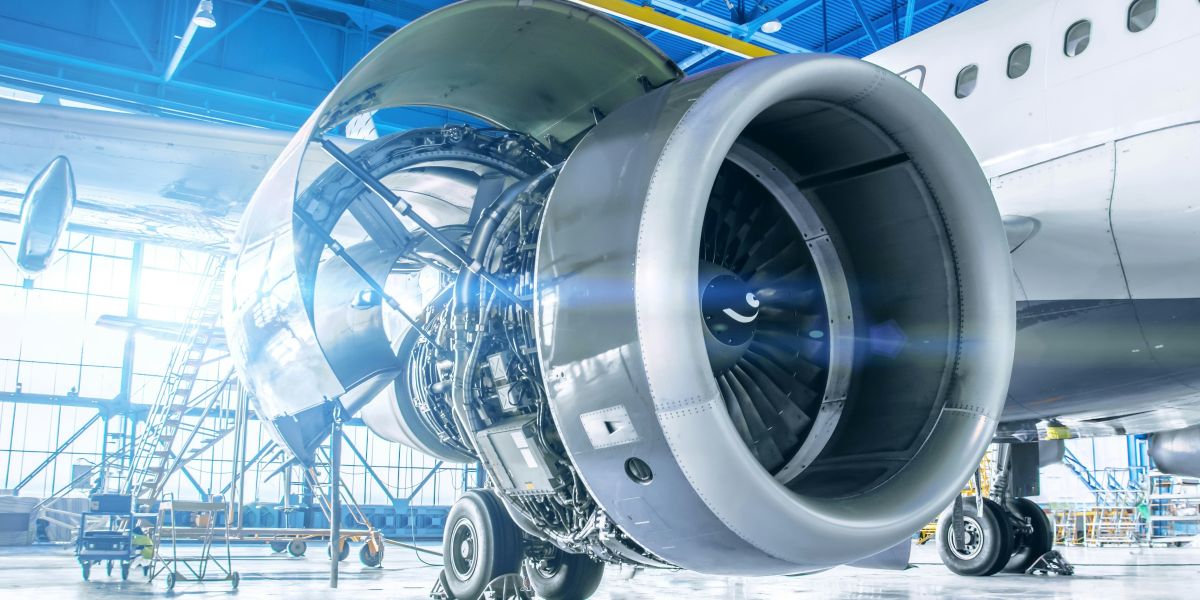

How AI is Revolutionizing the Aerospace Industry

By: Harish Rajulu

So, imagine this—you’re stepping onto a plane, and… no one’s in the cockpit. Sounds strange? Maybe, but it’s not entirely outside the realm of possibility. There’s an AI system managing the flight. It’s constantly reading data—a large amount of it—as it happens, thinking ahead, adjusting things, and working to ensure everything goes smoothly. It might seem like science fiction, but it’s becoming a reality. While it’s not yet commonplace, AI is slowly but steadily making its way into various aspects of the aerospace industry—how planes are designed, how they’re tested, how they fly, and even how they’re repaired. Gradually, it’s reshaping the industry.

From Jet Engines to Algorithms: The AI Shift

For years, aerospace has relied on older systems—manual decision-making, rule-based automation, and manufacturing that still depends heavily on human labor. But as air traffic increases and profit margins tighten, these traditional methods are beginning to show strain under the growing complexity.

Enter Artificial Intelligence

AI is transforming aerospace. Rather than relying on rigid lines of code that follow set rules, these systems can learn from historical data, adapt to new situations, and solve problems that would previously require a human expert. It’s not just about programming each step anymore—AI can identify patterns in massive amounts of data and manage tasks that would otherwise overwhelm human capabilities.

Predictive Maintenance: Diagnosing Before Disaster

Aircraft maintenance has always had to balance cost control with safety. However, with AI-powered predictive maintenance, this balance is becoming more manageable.

Instead of waiting for a system failure—either during routine checks or, in the worst-case scenario, mid-flight—AI now analyzes sensor data, flight logs, and external factors to identify issues before they happen. For instance, Bombardier uses AI to predict when spare parts will be needed, which helps their teams remain proactive and avoid unnecessary delays.

Beyond reducing repair times and costs, predictive maintenance also enhances safety by making the process more efficient and precise, helping to keep both passengers and aircraft safer.

Generative Design and Smart Manufacturing

What happens when AI meets engineering creativity? Generative design.

Using machine learning algorithms, engineers can input certain constraints—such as weight, material, and stress levels—and AI systems will generate hundreds of optimized design options in a matter of minutes. This leads to aircraft parts that are lighter, stronger, and more efficient, contributing to improved fuel economy and reduced emissions.

It’s not just about design either. Smart factories use AI to automate quality control, streamline inventory management, and improve production workflows, creating an adaptive, efficient manufacturing line.

Supply Chain Optimization & Quality Assurance

The aerospace supply chain is known to be incredibly complex, involving numerous OEMs, international partners, and hundreds of interconnected components. When one part fails, it can disrupt the entire operation.

AI brings increased visibility and predictability to this complex puzzle. Machine learning models can track supplier reliability, forecast delays, and even suggest logistics adjustments in real-time based on changing conditions.

AXISCADES, for instance, details how AI-powered systems help track vendor performance, prevent SLA breaches, and improve inventory management, with some reports indicating a significant increase in defect detection accuracy.

Autonomous Flight and AI-Controlled Airspace

Will planes ever fly themselves?

The short answer is—technically, yes. While full autonomy remains a longer-term goal, the industry is already experimenting with AI copilots for drones and even commercial aircraft. These systems can handle takeoffs, cruising, and landings with minimal human intervention.

A more pressing issue is air traffic control (ATC). As fleets of drones, air taxis, and commercial aircraft fill the skies, AI-managed ATC systems are becoming increasingly essential. AI can process real-time weather data, aircraft telemetry, and flight paths to dynamically manage airspace—something human controllers find increasingly difficult as traffic volumes grow.

In other words, AI won’t just fly planes—it could also manage the airspace.

Virtual Cockpits: Training Pilots in Simulated Reality

AI isn’t just navigating aircraft—it’s also shaping the next generation of pilots.

By integrating AI with virtual reality (VR) and biometric sensors, aerospace companies are creating immersive training environments. These simulators replicate real flight conditions, monitor stress levels in pilots, and adjust training in real-time based on each pilot’s performance.

This type of personalized training ensures that future pilots aren’t just well-trained, but also optimized for handling high-stress situations and emergencies.

Real-World AI in Action: Who’s Already Flying with It?

The aerospace industry is not just talking about AI—it’s actively using it. Some aerospace giants have already integrated AI into their operations and are reaping real benefits. For example, Airbus is employing Natural Language AI to streamline cockpit communication, and is using predictive systems to enhance fleet health management. Similarly, Delta Airlines uses AI to analyze its historical flight data to optimize flight operations and resource management.

UK-based AXISCADES has developed AI-driven digital platforms to enhance non-engineering tasks, such as parts location and maintenance, with computer vision systems. These are fully operational technologies that are already reducing costs and enhancing safety within the industry.

Barriers to Full-Throttle AI Adoption

Despite the vast potential of AI, its implementation still faces several challenges.

The aerospace industry is burdened with data silos, complex regulations, and a culture that prioritizes safety over speed. Many OEMs still lack access to quality data and have a limited number of AI engineers. Furthermore, existing AI models often struggle with explainability, a crucial factor for aviation compliance, especially in safety-critical systems like autopilot or air traffic control.

Moreover, the regulatory hurdles involved in certifying AI for decision-making, particularly in safety-critical areas, remain complex and have yet to be fully addressed by innovation.

Summary

AI is set to be a defining component of the next era in aerospace. From maintenance and manufacturing to logistics and autonomous navigation, AI is gradually reaching every part of the industry.

However, the true value of AI lies in its role as an augmentation tool—empowering engineers to build better, helping pilots fly more safely, and enabling the entire aviation ecosystem to scale sustainably.

As more companies adopt AI and regulators evolve, intelligent aviation will not only make aviation smarter but also help it achieve sustainable growth.

So, the next time you look up at a passing jet, remember—it may very well be thinking.


Disclaimer: The information provided in this article is for general informational purposes only. While the examples discussed are based on current trends and developments in the aerospace industry, results may vary depending on the specific circumstances of each company. AI adoption in aerospace is still evolving, and while it holds great potential, it is subject to regulatory and technological challenges. Readers are encouraged to conduct their own research or consult with industry professionals before making any decisions based on the information provided.

The Subtle Science of Turning Back Time

By: Jeremy Murphy

In the world of facial plastic surgery, trends shift with the seasons — and sometimes, with the celebrity headlines. But for Dr. Raj Dedhia, a double board-certified facial plastic surgeon, the work is never about chasing fads. It’s about balance, precision, and making sure the person in the mirror still feels like you.

Right now, three procedures dominate his schedule. At the top is upper eyelid rejuvenation — technically, an upper blepharoplasty, often paired with a brow lift. “It’s about a 45-minute procedure, minimal downtime, and pretty remarkable and immediate results. It gets rid of that hooding, makes you look less tired,” he explains. “It’s very cost-effective because it’s done in the office, and a lot of patients in their thirties and forties are asking for it.”

Second is fat grafting, which has gained traction as a natural alternative to fillers for volumization. “People like the idea of a natural substance that integrates with the body more naturally, and ages with the body in a smoother fashion,” Dedhia says. Fat is harvested from areas like the lower abdomen or thighs, then refined depending on where it’s going — macro-fat for volume in the cheeks, micro-fat for delicate under-eye areas, and nano fat, rich in stem cells and growth factors, to revitalize tissues.

The third is the preservation deep plane facelift, a technique now considered the gold standard. “It just naturally lifts what has fallen and it doesn’t look pulled. It makes people look like a younger version of themselves rather than a transformed version,” Dedhia says. “Patients sometimes get scared by the word ‘deep.’ In reality,it’s a layer that is just millimeters deeper and surrounds the fat pockets and muscles of the face which have descended/fallen with age.”

Lately, celebrity faces have brought this technique into the spotlight. While Dedhia won’t speculate on individual procedures, he notes a pattern. “I think deep plane facelift is creating better results. And I think it’s this undetectable era where everyone’s speculating what they’ve had done, but the reason is they’ve had a comprehensive treatment — brows, eyelids, volume, skin texture, face and neck tightening — all addressed at once.” He likens it to a home renovation: “If you just redo the counters but leave the cabinets from the ’70s, people notice. Same with the face — you want it to look uniform.”

Comprehensive work means more planning, more downtime, and more trust between surgeon and patient. “Good work is going to have some healing downtime. You’re going to look like you had surgery initially,” Dedhia says. “For extensive work, especially facelift surgery, I usually tell people two to three weeks before you feel comfortable going out casually, and for a big event, maybe two to three months.

The Subtle Science of Turning Back Time

Photo Courtesy: Dr. Raj Dedhia

Beyond the scalpel, Dedhia integrates fractional CO₂ laser resurfacing into many facial surgeries to improve skin texture. “Why stage the pain and recovery when it’s a ten-minute addition during surgery?” he asks. He’s quick to point out that the “best” provider for lasers isn’t always necessarily an MD, but the one with the most skill and experience.

There’s also a psychological dimension to the work. “Our job is to make sure we do no harm,” Dedhia says. “If the goal is to make someone else happy, fix unhappiness, or treat something more emotional, we need to explore that. Some patients have been following surgeons for years and know exactly what they want. Others just know they need a refresh. Those cases can take more time before we get to what we’re trying to address.”

It’s a responsibility he takes seriously. “There’s no room for error in the face and neck,” he says. “I sometimes overly discuss the anatomy, the healing process, exactly what to expect, because I don’t want anyone coming in taking this lighter than it should be. Preparing the patient for the journey — making sure they take it as seriously as I do — that’s how we get the best outcomes.”

Looking ahead, Dedhia sees two exciting shifts. First, patients embracing goal alignment — trusting comprehensive treatment plans that deliver natural, uniform results. Second, the potential of regenerative medicine. “We’ve already seen platelet-rich plasma used for years. Now we’re seeing exosomes, which are stem-cell derived messengers with growth factors. We don’t know everything yet, but there’s growing research. I think regenerative medicine has been a buzzword for a while, but we’re finally coming around to some real great treatments.”

And when it comes to the ultimate compliment for his work? It’s not about someone guessing a patient’s surgeon. “It’s when people look at you and think, ‘Have you been on vacation? Did you change your makeup?’” Dedhia says with a smile. “That’s the best compliment of all.”

https://rdface.com/


Disclaimer: The information provided in this article is for general informational purposes only and should not be construed as medical advice. It is recommended to consult with a licensed medical professional before making any decisions related to cosmetic surgery or treatments.