Elyse Bensusan Is the NYC Psychologist Changing the Conversation Around Kids’ Mental Health

Elyse Bensusan is quickly becoming one of the most watched names in NYC psychology. A Columbia-trained clinical psychologist based on Manhattan’s Upper East Side, she’s built a reputation for helping high-performing but emotionally overwhelmed children finally feel seen—and understood.

Through her concierge-style private practice, Dr. Bensusan offers neuropsychological and psychoeducational evaluations with unmatched emotional clarity. Parents often arrive confused, burnt out, or unsure of what’s really going on beneath the surface. They leave with answers—and a roadmap for supporting their child’s learning, development, and emotional life.

Her evaluations go far beyond test scores. She’s especially known for decoding complex profiles like twice-exceptionality (2e), ADHD, giftedness, anxiety, and subtle learning differences. These are the children who may excel in some areas but quietly struggle in others—leading to frustration, school avoidance, or emotional shutdowns. Dr. Bensusan helps families make sense of what’s happening and offers practical, tailored solutions.

“Families don’t just need a label,” she says. “They need insight, empathy, and direction.” That philosophy drives her entire process, from warm and welcoming intake interviews to developmentally appropriate testing, and finally to feedback sessions that are empowering rather than overwhelming. Her reports are known for being clear, beautiful, and actionable—combining clinical precision with emotional intelligence.

A hallmark of Dr. Bensusan’s approach is her real-world, down-to-earth recommendations. After testing, families receive more than a list of diagnoses or school accommodations. They receive a customized set of strategies that make life easier—at home, at school, and in everyday routines. From classroom seating suggestions and sensory tools to simple changes in communication style or homework flow, every recommendation is grounded in what will actually work for that child. Her goal is to make the science of neuropsychology usable for families—not just readable. As one parent shared, “It was the first time a report didn’t just explain what was wrong—it helped us know exactly what to do next.”

Her Upper East Side office is intentionally designed to reduce anxiety and foster a sense of calm. As a psychologist with a passion for interior design and sensory-informed spaces, Dr. Bensusan understands how environment impacts mindset. Children in her care feel at ease—whether they’re being evaluated for ADHD, anxiety, learning disabilities, or school admissions.

Her work also addresses a broader cultural concern: the pressure cooker environment so many NYC children live in. From elite private schools to competitive public programs, kids today are often expected to perform without enough space to breathe. Bensusan’s evaluations make room for emotional nuance. She helps parents understand not just how their child is doing, but how their child is feeling—and how that might be affecting performance.

As one client recently noted: “It didn’t feel like testing—it felt like someone finally understood my child. We left with a sense of peace and a real plan.”

In addition to evaluations, Dr. Bensusan offers consultation services for parents navigating the complexities of early intervention, IEPs, gifted testing, or school retention. Her concierge-style model allows for real-time communication, collaboration with teachers and pediatricians, and individualized care that respects a family’s time, values, and goals.

She is also the author of Are School Psychologists Prepared to Work With LGBTQ Youth?—a book available on Amazon that reflects her lifelong commitment to equity, emotional clarity, and inclusive practice. Her work highlights how overlooked identity factors can influence the testing experience and long-term outcomes for misunderstood children.

Outside of private practice, Bensusan has become a trusted voice in national parenting and psychology circles. Her insights have been featured in Vocal Media, Family Friendly Working, IdeaMensch, Authority Magazine, and more. She contributes regularly to professional platforms such as Zocdoc, LinkedIn, and Featured.com, where her guidance is frequently sought by editors and reporters covering mental health and child development.

She is also listed on Healthgrades, Sharecare, and the Psychology Today therapist directory, making her services accessible to parents seeking high-level evaluation in a discreet, emotionally attuned setting.

With demand for testing on the rise post-pandemic, Dr. Bensusan is now accepting a limited number of new families for Fall 2025 evaluations. Parents concerned about attention, anxiety, learning delays, or school placement are encouraged to reach out early, as her calendar fills quickly.

Whether you’re navigating an IEP, wondering about ADHD, or just feeling like something “isn’t quite right,” Dr. Elyse Bensusan offers a rare blend of clinical expertise, empathy, and strategic guidance. She’s not just changing children’s academic outcomes—she’s changing their emotional lives for the better.

Media & Professional Links

– Vocal Media: https://vocal.media/humans/an-exclusive-interview-with-dr-elyse-bensusan-on-the-power-of-design-diagnosis-and-her-new-upper-east-side-practice

– Family Friendly Working: https://www.familyfriendlyworking.co.uk/2025/07/16/invisible-maths-struggle-could-be-holding-back-millions-of-uk-children/

– IdeaMensch: https://ideamensch.com/elyse-bensusan/

– HeyLink: https://elysebensusan.link/

– Featured.com: https://featured.com/p/elyse-bensusan

– Elysium Gives: https://elysiumgives.org/

Custom Quartz Watches: Smart, Stylish Brand Tools

In a world dominated by digital screens and fast-paced innovation, there’s something incredibly compelling about the quiet elegance of a quartz analog watch. It’s not just a timekeeping device—it’s a fashion statement, a conversation starter, and increasingly, a bold branding opportunity.

Whether you’re a start-up looking to make a statement or an established company seeking a fresh marketing edge, quartz analog watches provide a suitable canvas for customizing your brand

The Power of a Watch in a Digital Age

Let’s face it—we all carry smartphones that tell the time. So, why do people still wear watches? The answer lies in identity, style, and significance. A wristwatch isn’t just a tool; it’s a symbol of refinement, reliability, and presence. And that’s exactly why it makes sense to use quartz analog watches as part of your brand identity.

Unlike digital devices that become outdated within months, watches are timeless. When you align your brand with such an enduring object, you project permanence, quality, and attention to detail—qualities every brand wants to be known for.

What Makes Quartz Analog Watches So Special?

1. Accuracy That Never Misses a Beat

At the heart of every quartz analog watch is a small quartz crystal that vibrates at a consistent frequency when powered by a battery. These vibrations drive the motor that moves the watch hands, resulting in incredible timekeeping accuracy. Most quartz watches deviate by only a few seconds per month.

This level of precision makes quartz analog watches especially valuable as branded giveaways, gifts, or merchandise—they won’t let your customers down.

2. Maintenance-Free Convenience

Mechanical watches may have their charm, but they require regular winding and can be sensitive to changes in positioning and usage. Quartz analog watches, on the other hand, are low-maintenance, reliable, and built for daily wear, making them ideal for wide distribution to staff, partners, or customers.

3. Affordable Luxury

Want your brand associated with luxury without blowing your marketing budget? Quartz is the answer. You can create beautifully designed custom watches for your brand that feel high-end, without the high cost of mechanical movements.

Why Businesses Are Choosing Custom Watches for Branding

Branding is all about impressions—creating moments that stick in your audience’s mind. And few branded products offer as lasting an impression as a custom watch.

Here’s why:

1. Watches Are Everyday Essentials

Unlike tote bags or pens that often end up lost or forgotten, a stylish watch is worn frequently and prominently. It’s constantly in sight, reminding the wearer—and everyone around them—of your brand.

2. Premium Perception

Branded watches elevate your brand’s perceived value. When you hand someone a watch, it feels more personal and thoughtful than a plastic pen or sticker. That sense of care translates directly to positive brand sentiment.

3. Ideal for All Types of Campaigns

Whether it’s a corporate milestone, employee recognition program, client gift, event merchandise, or a promotional campaign, quartz analog watches can be tailored to suit the tone and aesthetic of any branding need.

The Creative Potential of Custom Watch Design

The beauty of custom watches for your brand lies in the design freedom they offer. Whether you’re going for minimalist elegance or bold and artistic, your watch design may mirror your brand’s personality.

Customization Features to Consider:

  • Dial Design: Add your logo, tagline, colors, or even a product image to the watch face.

  • Watch Hands: Go classic or creative. Custom shapes and finishes are all possible.

  • Straps and Bands: Leather, silicone, metal, or fabric—all can be color-coordinated with your brand.

  • Engraving Options: Add a personal message or your website on the case back for a subtle, lasting touch.

  • Packaging: A well-designed box enhances the perceived value and reinforces the brand’s professionalism.

Who Can Benefit from Custom-Branded Watches?

Quartz analog watches are versatile enough to be used across a wide range of industries and purposes. Here are just a few examples:

1. Corporate Gifting & Employee Rewards

A custom watch says “you matter” in a way few gifts can. Show appreciation to your employees or clients with a branded quartz watch that they’ll wear and use.

2. Events & Conferences

Make your brand unforgettable by giving away customized watches at trade shows or product launches. It sets you apart from the typical swag bag crowd.

3. Fashion and Retail Brands

Looking to extend your brand into lifestyle accessories? Offer custom watches for your brand that reflect your aesthetic. They’re not just promotional—they may become a profitable product line.

4. Sports Teams and Clubs

Nothing builds team spirit like matching gear. A custom watch with the team logo or event name is the perfect keepsake that members and fans alike will treasure.

Design Examples That Inspire

Here are a few real-world concepts that demonstrate the creative and brand-building power of custom quartz analog watches:

  • Luxury Real Estate Firm: A matte black watch with a gold-embossed logo on the dial and leather strap, gifted to top-performing agents.

  • Fitness Apparel Brand: A sporty silicone-strap watch with stopwatch functionality and vibrant branding, offered as a limited-edition merchandise drop.

  • University Alumni Program: Classic silver-dial watches with custom engraving for graduating students—practical, nostalgic, and brand-enhancing.

Sustainability and Longevity: A Win-Win for Your Brand

Today’s consumers care deeply about sustainability. A well-made quartz analog watch can last for years, making it a low-waste promotional item. Unlike flyers or plastic items that end up in landfills, watches have long-term value, reducing your brand’s environmental impact.

Plus, many manufacturers now offer eco-conscious options, such as vegan leather straps or solar-powered quartz movements. So, you can align your custom watches with your brand’s values on sustainability and responsible sourcing.

Tips for Ordering Custom Watches for Your Brand

1. Start with a Clear Vision

Consider the message or emotion you want your custom watch to convey. Is it sleek professionalism? Creative innovation? Fun and casual? Your brand’s tone should be reflected in every design choice.

2. Choose the Right Supplier

Not all custom watch providers are created equal. Look for companies with:

  • A strong portfolio

  • Positive client reviews

  • Flexible customization options

  • Quality control standards

  • Low MOQ (minimum order quantity) if you’re testing the market

3. Order Samples First

Before placing a bulk order, request a few samples to check quality, appearance, and comfort. This ensures you’re happy with the final product.

4. Use It Strategically

Distribute watches where they’ll create an impact—events, contests, VIP gifts, and influencer packages. Don’t waste this premium item on random giveaways.

Why Quartz Analog Watches Make the Smartest Branding Choice

Let’s summarise the unbeatable benefits of choosing quartz analog watches as a branding tool:

  •  Precision and reliability
  • Timeless appeal across generations
  • Affordable elegance for bulk gifting
  • Highly visible branding real estate
  • Customisation at every design level
  • Eco-friendlier than plastic or one-time giveaways
  • Functional fashion that people actually use

Whether you’re building brand loyalty, enhancing staff recognition, or reaching new customers, a custom watch is more than a giveaway—it’s an extension of your brand’s identity and values.

It’s Time to Make Your Brand Memorable

Watches are more than just instruments of time, they’re instruments of influence. In a marketplace overwhelmed by fleeting digital ads and generic swag, a thoughtfully designed quartz analog watch stands out.

The Resilient Leader: Amy Pechacek’s Guide to Leading with Authenticity

By: Connie Etemadi

In leadership circles, it’s easy to confuse performance with purpose. Everyone’s busy hitting targets, leading meetings, and building strategy. But behind the polish, many leaders may be running on empty.

Amy Pechacek sees it every day: burnout, disconnection, emotional fatigue. Her solution, however, is remarkably simple: go inward.

As the founder of Alpstra Training Solutions and a leadership coach who has navigated her own storms, Amy teaches something that is often overlooked: leadership isn’t just about what you do—it’s about who you are becoming.

This guide explores her core philosophy. Many effective leaders start by doing the inner work first. This inner work, she believes, is what enables authentic leadership—the kind that can endure challenges, build strong cultures, and create meaningful impact.

Begin with Emotional Self-Awareness

The first step, she says, is emotional clarity. “If you don’t know what’s happening inside you, how can you lead others?” Amy offers grounded tools such as five-minute daily reflections, nervous system resets, and a practice she calls the “one-sentence journal,” where leaders reflect on the dominant emotion they felt each day.

These micro-habits may seem simple, but they build self-awareness over time. “We teach leaders to scan the room. But first, you have to scan yourself,” she says. Without this, trust can weaken. Decision-making may suffer. And culture may struggle.

Build Teams on Trust and Truth

Strong teams don’t come solely from brainstorms. They come from honest conversations, according to Amy. “Truth-telling isn’t a conflict. It’s care,” Amy explains. She shares communication strategies, including weekly “pulse checks,” where teams assess clarity and trust levels in real-time. Leaders are also taught how to model vulnerability in a balanced way, creating space for open, productive dialogue.

When people feel safe speaking up, their performance tends to improve. Engagement grows. And leaders can become trusted anchors, rather than distant figureheads.

Turn Adversity Into Strength

Amy’s leadership philosophy is deeply personal. She’s lived through loss and transition, and she knows what it means to rebuild from scratch. That lived experience fuels her belief that resilience is not necessarily something you’re born with—it’s something you can develop and practice.

One of her signature tools is the Resilience Map, a guided framework that helps leaders process setbacks, identify key lessons, and reframe those lessons into actionable steps. “We don’t ignore pain,” she says. “We metabolize it.”

For leaders navigating layoffs, restructuring, or personal upheaval, these tools can help turn a season of survival into a source of strength.

Lead with Values, Not Just Metrics

“Data tells one story. Values tell another,” Amy often says. Too often, leaders are pushed to hit quarterly goals without asking: What do I stand for?

Amy helps leaders uncover their core values and build them into every layer of operations, from hiring to decision-making to recognition rituals. She believes alignment between beliefs and behaviors isn’t just a luxury. It’s an important foundation for long-term success.

Teams tend to thrive when they understand what their leaders believe in. Those values serve as a compass when decisions become tough.

Make Authenticity the New Normal

Amy is part of a growing wave of leaders pushing back against performative professionalism. Her keynote talks often include a message that resonates deeply with both exhausted executives and emerging leaders: “Impact can be more important than title.”

That means setting aside the mask. Speaking openly about challenges. Choosing presence over perfection. This kind of authenticity, Amy says, is magnetic and contagious. It empowers others to do the same.

“Her work with individuals, teams, and organizations across every level shows that authentic leadership doesn’t need to be tied to a title or setting. It’s a universal human need.”

Who You Are Is How You Lead

Ultimately, Amy’s message is this: your leadership isn’t separate from your identity. It flows from it. “You can only lead others as deeply as you’re willing to go within yourself,” Amy often says. “Leadership that lasts doesn’t come from performance. It comes from presence.”

For leaders ready to stop performing and start transforming, Amy’s approach offers more than just strategy—it offers self-respect.

Explore Amy’s podcast, workshops, and upcoming “Elevate” event in Orlando to go deeper. Because sustainable leadership begins from within and is most effective when rooted in integrity.

Disclaimer: The content is for general informational purposes only and is not intended to offer specific leadership or coaching advice. Readers are encouraged to consult with a professional before making decisions related to leadership, personal development, or organizational changes. Any tools or strategies mentioned are based on the author’s experience and may vary depending on individual circumstances.

How to Choose the Right Chimney Repair Expert in Baldwin Place, NY — Tips from Chimney of America

By: Farzana Bashir

When was the last time you thought about your chimney? For most homeowners in Baldwin Place, it’s easy to overlook—until smoke backs up, bricks crack, or a strange smell sets in. With so many chimney repair companies offering fast fixes, knowing who to trust can be challenging. And choosing the wrong one? That could lead to more costs than expected. In this post, we’ll help you cut through the noise, understand what truly matters, and show you how to choose the right experts to protect your home and your peace of mind.

What Are the Warning Signs that Signal You Need Professional Chimney Repair?

Chimney issues often start small, but ignoring them can lead to major repairs. Here are a few common red flags every Baldwin Place homeowner should watch for:

  • Smoke backing up into the room: This could indicate a blocked flue or poor draft, both of which may pose safety risks.

  • Water stains or discoloration: This often points to moisture intrusion, possibly due to cracked masonry or faulty flashing.

  • Cold drafts near the fireplace: This could be a sign that the damper may not be sealing correctly, which reduces energy efficiency.

  • Unusual odors (smoky or musty): These smells could be caused by creosote buildup, water damage, or even animal nesting inside the chimney.

If you’ve noticed any of these signs, it’s a good idea to contact a qualified professional before small issues turn into costly damage.

What to Look for When Choosing a Chimney Repair Company?

Hiring someone to work on your chimney isn’t just a transaction—it’s a decision that affects your home’s safety, efficiency, and long-term value. And with so many contractors out there, it’s easy to make the wrong choice if you don’t know what to look for. Here’s what homeowners in Baldwin Place should always check before hiring any chimney service:

1. Local Licensing and Insurance

A reputable company should be fully licensed in New York and carry insurance that protects both your home and its workers. If they can’t prove it, it’s advisable to look elsewhere.

2. Certified, Experienced Technicians

Your chimney deserves more than a general handyman. Look for trained chimney specialists with experience in repairing flues, caps, masonry, and more.

3. Clear Inspections and Reporting

A professional company will explain what they find in clear terms, not just hand you a quote. You should get a detailed report, not guesswork.

4. Knowledge of Local Codes and Weather Conditions

Baldwin Place winters can be tough on chimneys. Choose a provider that understands local building codes and seasonal wear so repairs hold up long-term.

5. No Pressure, No Guesswork Pricing

Be cautious of vague estimates or urgent sales tactics. Reliable chimney professionals offer transparent pricing and allow you to make informed decisions.

Taking the time to evaluate these qualities can help you hire a chimney expert who treats your home with the care it deserves.

Why Should You Choose Chimney Of America for Your Home in Baldwin Place, NY?

Chimney of America brings over 20 years of experience serving homeowners across New York. Our team is fully licensed, certified, and trained to handle complex chimney issues—not just surface-level problems. We understand the specific needs of Baldwin Place homes and develop every solution to last.

1. Honest Inspections, No Sales Pressure

We don’t upsell or overcomplicate. Every inspection comes with a clear, detailed report and straightforward repair recommendations. You’ll always know what’s needed, why it matters, and what it will cost—no surprises.

2. Solutions That Address the Root Problem

Temporary fixes don’t belong in chimney work. We take the time to identify and correct the source of the issue—whether it’s a cracked liner, moisture damage, or poor draft—so you’re less likely to face the same problem again next season.

3. Fast, Responsive, and Trusted in the Community

We’re known for prompt service and clear communication. Our reputation in Baldwin Place is built on showing up when we say we will, doing quality work, and standing by it. That’s why many of our clients come from referrals and repeat business.

4. A Trusted Name in Baldwin Place

That’s why Chimney of America has become one of the preferred choices for chimney repair in Baldwin Place, NY. Homeowners can rely on it. We combine local knowledge, technical expertise, and a no-nonsense approach to keep your home safe and your chimney working at its best.

What Are the Risks of Choosing the Wrong Contractor?

Before you hire someone to repair your chimney, it’s important to understand what’s at stake. Many homeowners in Baldwin Place experience costly consequences by choosing the wrong contractor, often without realizing it until the damage is done. Below are the most common risks you face when working with unqualified or inexperienced providers:

  • Hiring unlicensed or general contractors: They may lack the specialized training needed for chimney systems, increasing fire or safety risks.

  • Accepting patchy or rushed repairs: Short-term fixes often don’t hold, leading to repeated issues and more expensive repairs.

  • Falling for “quick fix” solutions: Temporary repairs could hide the real issue, allowing structural damage to worsen.

  • Treating chimney repair as a DIY task: Chimney work requires proper tools, safety knowledge, and code compliance—not guesswork.

  • Choosing based on price alone: The cheapest bid may skip key repairs, risking both your home’s safety and value.

Chimney repair is a specialized trade, not a general service. Choosing the wrong contractor may appear to save money upfront, but it can end up costing you far more in the long run.

Final Thoughts

Your chimney isn’t just part of your home—it’s part of your safety system. Choosing the right team to care for it can make all the difference. Avoid settling for shortcuts or quick fixes that leave you exposed to bigger risks down the line. Opt for certified professionals who understand the needs and aim to provide long-lasting results.

If you’re a homeowner in Baldwin Place, NY, and are looking for dependable, high-quality chimney repair, visit Chimney of America today to book your inspection.

Why Kirk Ouimet Built Phi, Inc. on the Golden Ratio—and What His Product ‘Stack’ Means for the Future of Supplements

By: Taylor Graveline

Kirk Ouimet, the founder of Phi, Inc., draws inspiration from a source not commonly linked to wellness: the golden ratio. This mathematical proportion, which has been seen in nature, art, and architecture for centuries, influences much of what Phi stands for—from its design to its supplements. For Ouimet, the golden ratio represents more than just a visual tool; it is the guiding principle that shapes the company’s products, philosophy, and commitment to balance.

From Tech to Wellness: The Golden Ratio Connection

Ouimet’s fascination with the golden ratio began long before he started Phi, Inc. His first encounter with it came through its prevalence in nature—spirals in nautilus shells, the branching of trees, and the formations of galaxies. “It was beautiful, but what truly captivated me was learning how artists and architects, dating back to the Renaissance, intentionally used the golden ratio to create a sense of balance and visual harmony,” he explains. “Leonardo da Vinci used it to proportion his compositions, and that tradition has continued through to modern times.” This realization sparked a strong interest, influencing not only his approach to design but also his outlook on business.

Ouimet’s previous work in the tech industry only deepened his appreciation for the golden ratio. After building a successful consumer app that reached 350 million people, he joined a major social media platform, helping it scale to over half a billion daily users. These experiences highlighted technology’s significant role in shaping human habits and health. Yet, it was clear to Ouimet that tech could be used in ways that weren’t always in humanity’s best interest. “Technology reflects the intent behind it. It can connect us deeply with the people we love and enhance our relationships. But, if it’s designed to extract attention for profit, it will do exactly that,” he says. The realization that tech can be a force for good or ill led him to create Phi, a company that mirrors his best values and aims to respect the human body and mind.

The Golden Ratio in Phi’s Identity and Approach

At Phi, the golden ratio isn’t just an abstract concept—it’s embedded in every detail. “The golden ratio is part of every layer of Phi,” Ouimet notes. “In fact, we’re a little particular about it. From our logo to our packaging, every design decision, even down to the exact size of the bullet points, is carefully calculated using this timeless proportion. We even built custom design tools just to ensure we get every detail as accurate as possible.” While this attention to detail might not be immediately obvious, it enhances the user experience by creating subtle harmony that the brain naturally responds to.

This focus on balance also extends to Phi’s approach to supplements. Just as the golden ratio signifies harmony in nature, the company’s flagship product, Stack, reflects that same elegance. “Rather than chasing trends or isolated ingredients, we carefully combine vitamins, minerals, and nutrients that naturally complement and enhance each other,” Ouimet explains. Each formulation is designed to promote balance, improving effectiveness and bioavailability for the individual. This approach aims to provide users with the best possible benefit from Phi’s products.

Meeting the Demands of Design-Conscious, Wellness-Savvy Consumers

The supplement industry, Ouimet observed, has often been slow to evolve. “When I first looked closely at the supplement industry, I saw something largely stuck in the past. It reminded me of radio and newspapers struggling to stay relevant in the age of the Internet,” he reflects. Too many companies, he believes, continue offering the same products without assessing whether they truly improve lives. Even those that claim to offer personalized solutions often only group customers into broad categories.

Phi, on the other hand, follows the example of successful tech companies by taking a data-informed approach. Ouimet believes that such an approach is important for creating truly personalized products that can deliver tangible value. “With Phi, we’re bringing this proven, data-driven approach to the supplement industry,” he says. The company has already introduced the micropill format, which is simple, highly bioavailable, and customizable. This is just the beginning, as Phi plans to combine biometrics, user feedback, and scientific iteration to create more precise and transparent solutions in the future.

For Ouimet, the ultimate goal isn’t just to innovate in the supplement space but to improve people’s lives. “Ultimately, this isn’t just about creating the future of supplements, it’s about helping the people I love live healthier, longer lives,” he shares. His vision is personal, driven by a deep desire to improve the well-being of his family, friends, and others who rely on Phi’s products.

As Phi continues to grow, its commitment to the golden ratio, balance, and wellness will remain at its core. By applying the same principles of harmony to its supplements as it does to its visual identity, Phi aims to transform the future of wellness.

Disclaimer: The content of this article is for informational purposes only. The statements regarding Phi, Inc.’s products and their potential benefits have not been evaluated by the U.S. Food and Drug Administration (FDA). The products mentioned in this article are not intended to diagnose, treat, cure, or prevent any disease. Individual results may vary, and readers are encouraged to consult with a healthcare professional before making any health-related decisions or using supplements. The article reflects the personal views and experiences of the founder, Kirk Ouimet, and does not constitute professional medical or health advice.

Designer Pants for Women: What to Consider Before Making a Purchase

By: M. Awais

Designer pants for women have become more than just a high-end fashion statement; they’ve evolved into essential wardrobe pieces known for their quality, fit, and versatility. From wide-leg trousers to sleek tailored styles and refined joggers, the right pair of designer pants can help elevate your look without compromising comfort.

However, not all women’s designer pants are the same. Before you make an investment, it’s important to understand the factors to consider—such as fabric, fit, and styling tips—and where to find some of the ideal options available.

What Sets Designer Pants Apart

Let’s start with the question: what makes a pair of pants “designer”? While price tags and brand names are often associated with the label, the distinction truly comes down to craftsmanship. Designer pants typically feature:

  • High-quality fabrics such as wool blends, stretch crepe, ponte knit, or structured cotton

  • Tailored cuts that are designed to flatter a range of body types

  • Superior stitching and construction, which means they’re built to last and move comfortably

  • Considered details like waist darts, strategic pleats, or upgraded hardware

A well-made pair of designer pants tends to fit well from the beginning, requiring little to no alteration, and retains its shape throughout the day—whether you’re at work, running errands, or out for dinner.

Popular Designer Pant Styles to Know

There is no single style that works for everyone when it comes to designer pants. The premier brands offer a variety of silhouettes and cuts to suit different occasions and tastes. Here are some popular styles to consider:

1. Tailored Trousers

Timeless and adaptable, tailored trousers are essential in many wardrobes. Look for mid-to-high-rise options with a clean front and either tapered or straight legs. These are great for pairing with blouses, fitted sweaters, or structured blazers.

2. Wide-Leg Pants

A modern favorite, wide-leg designer pants provide plenty of movement and a touch of drama. They are often made from lighter fabrics like silk blends or heavier crepes. These pants can be dressed up with heels or worn more casually with sneakers and a cropped jacket.

3. Cropped Pants

From cigarette cuts to culottes, cropped pants bring a fresh twist to summer and fall wardrobes. The key is finding the hem length that suits your height—and selecting shoes that elongate the leg for a balanced look.

4. Jogger-Style Trousers

Even joggers can be considered designers. Look for structured versions crafted from luxurious materials with tailored waists, pleated fronts, or tapered ankles. These can help elevate casual outfits without feeling overly laid-back.

5. Leather or Faux Leather Pants

A little edgy yet sophisticated when styled appropriately. Opt for sleek cuts with minimal seams and pair them with crisp button-down shirts, soft knits, or tailored coats for a contrast that looks polished and modern.

How to Style Designer Pants

One of the biggest advantages of designer pants is that they can effortlessly elevate an outfit. Here are a few styling tips:

  • Monochrome Match-Up: Pair with a matching blazer or blouse for a sleek, elongated look.

  • Relaxed Balance: Offset tailored pants with a soft tee or oversized sweater for a more laid-back feel.

  • Bold Footwear: Let ankle-length pants frame your standout shoes—think block heels, mules, or pointed flats.

  • Tuck It In: Whether it’s a slim tee, satin blouse, or fitted tank, tucking it in helps create a more polished silhouette.

Accessories should complement the overall look without overshadowing it. Designer pants are often the central piece of an outfit—let them shine.

What to Look For When Shopping

When shopping for designer pants, consider the following factors:

  • Fit: Look for pants that sit comfortably at the waist and drape naturally on your frame. While tailoring can correct minor fit issues, it’s essential that the initial cut is flattering.

  • Fabric: Steer clear of pants that feel stiff, heavy, or overly synthetic. Premium designer fabrics should feel smooth, breathable, and durable.

  • Details: Check the seams, waistband, pockets, and fasteners. High-end pants often have hidden zippers, clean front finishes, and subtle topstitching that enhances their overall look.

  • Brand Reputation: Choose brands that have a reputation for quality tailoring and fit. Labels like Joseph Ribkoff, Veronica Beard, Theory, and Max Mara are known for producing high-quality women’s pants.

Final Thoughts: A Wardrobe Investment

Designer pants for women are more than just a fashion trend—they are a practical addition to your wardrobe. Whether you’re aiming for a professional office look, a more elevated weekend outfit, or something versatile enough for both, a carefully selected pair of designer pants is likely to be a worthwhile investment.

With the right fabric, fit, and styling, designer pants can prove to be a long-lasting, wardrobe staple that outlasts trends and stands apart from fast fashion.

Between Time and Texture: A Review of The Myriad Faces of Art

By: Elena Mart

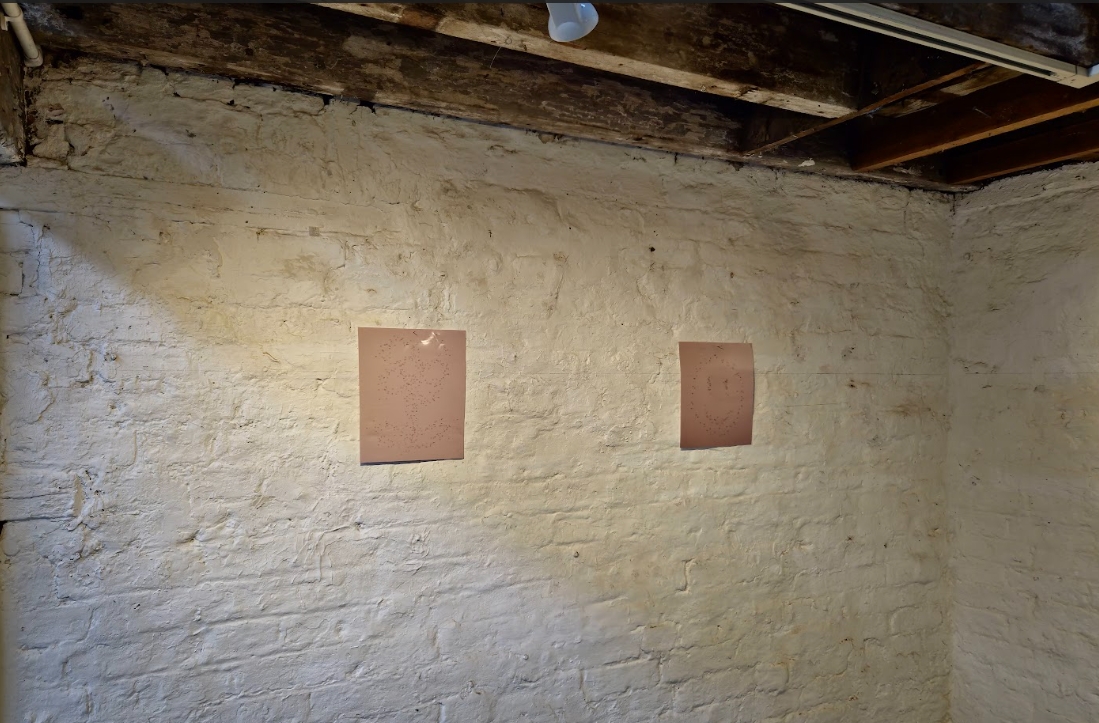
Stepping into the exhibition space, one feels enveloped by a vessel patiently carved by time. The bare brick walls, weathered beams, and raw concrete floors form not just a setting but a shared body—one upon which each artwork gently breathes. This is one of The Myriad Faces of Art’s quiet triumphs: it speaks not in the bold declarations of a white cube, but in murmurs, through folds and silences.

From the curatorial preface, it’s clear the exhibition does not chase a grand narrative, nor does it reduce ‘diversity’ to a rhetorical gesture so often found in contemporary discourse. Instead, it offers something more intimate, inward-facing—a kind of micro-expression that borders on the shy, yet deeply felt. The exhibition avoids a linear trajectory, unfolding instead like whispered conversations that grow organically and intersect. It invites viewers to drift through, carried by emotion as much as by vision.

The show’s interplay of media is especially engaging. Photography, digital art, fine art, and illustration are presented side by side—a reflection of how contemporary practices resist fixed categories. Some works embrace the vivid and the abstract: Yao Qin’s Self-Portrait, for instance, burns with emotional intensity, nearly religious in its fervor. A dynamic, color-clashing painting commands the eye like a bonfire, attempting to reconcile internal chaos. Nearby, a digital animation projected in a corner pulses like the nervous system of a city—quiet, disquieting, yet impossible to ignore. The tension between traditional craft and new technology sparks a subtle, generative friction.

Between Time and Texture: A Review of The Myriad Faces of Art

Photo Courtesy: Shijia Song (Portable City No.1:Quzhou -Forming Only When Remembered, 2025 by Cecilia Chuan Jiang (Left) / Self portrait, 2025 by Yao Qin (Right))

Lexiong Ying and Bessy Huang’s photographic works stand out in their sensitivity. Through the lens, they capture the fleeting gestures of the human body. Ying’s monochrome palette evokes distance and stillness, while Huang’s saturated colors delve into identity and intimacy. Their approaches diverge, but both probe the social undercurrents of modern life. As portraiture, the works raise an implicit question: are we gazing at the other, or are we in search of our own reflection?

Between Time and Texture: A Review of The Myriad Faces of Art

Photo Courtesy: Shijia Song (Post-ture Generation,2023 by Bessy Huang)

Hanx Liu’s two pieces also deserve mention. The decision to title the works in Chinese, without translation or accommodation for Western audiences, is a quiet but pointed act of resistance. There is something playfully defiant about it. Liu uses bullets to sculpt two popular cultural symbols into the canvas—an irreverent gesture that seems to parody the aestheticization of violence and the quiet colonialism of globalized taste.

Between Time and Texture: A Review of The Myriad Faces of Art

Photo Courtesy: Shijia Song (9mm Calligraphy:天上大风 & 5.56 Calligraphy: 南山有大石 by Hanx Liu)

Perhaps most powerfully, the exhibition resists the impulse to monumentalize ‘Asian artists‘ or other particular group artists. Rather than asserting fixed identities, it gently unravels them. It leaves space—gaps, even—for ambiguity and complexity to emerge. Here, diversity is not a premise but a consequence. The ’Other’ is not an object of spectacle, but an integral part of our shared language. As Griselda Pollock reminds us, Art history is not a mere chronology but rather an entanglement of desires, traumas, and memories. This exhibition embodies that very entanglement.

At a time when the UK’s art scene is reckoning with its own decentralization, The Myriad Faces of Art offers a grounded, sincere response. It doesn’t just fill gaps in representation; it gestures toward a different aesthetic ethic—one rooted in uncertainty, instability, and incompletion, where new ways of thinking and empathizing might begin.

This is not an exhibition that aims to please everyone. But for those willing to pause, to reflect within the act of looking, it is a slow, intricate, and deeply necessary conversation.

Grant Writing Made Clearer: Exploring Freelance Options Through NonprofitFreelancers.com

By: Umair Malik

Writing a compelling grant proposal can be one of the more challenging tasks for nonprofit professionals. The pressure of funding critical programs, the technical nature of grant applications, and the emotional weight of representing your community can lead to stress, confusion, or even writer’s block. If you’re a nonprofit leader juggling daily operations while also being responsible for fundraising, you’re not alone. Support from freelance grant writers—such as those available through NonprofitFreelancers.com—may offer guidance and clarity in turning your ideas into well-organized proposals.

The Challenge of Grant Writing for Nonprofits

Nonprofit professionals often wear multiple hats. From managing programs to recruiting volunteers to reporting outcomes, there’s rarely a moment of stillness. In the midst of all this, grant writing can feel like a demanding and time-consuming process.

Grant applications require precise language, comprehensive data, clear outcomes, and alignment with a funder’s priorities. Many nonprofits lack the in-house expertise or capacity to manage this process effectively. Deadlines loom, formatting guidelines are strict, and every grant proposal must be tailored to each specific funder—no copy-pasting allowed.

Even for experienced leaders, the process can trigger uncertainty:

  • “What should we emphasize in our story?”
  • “How can we present our outcomes in measurable terms?”
  • “Do we have enough data to show our impact?”
  • “What exactly does this funder want to see?”

In these moments, bringing in freelance support may offer helpful perspective and structure—one option to consider is exploring available professionals through NonprofitFreelancers.com.

What Freelance Grant Writers Bring to the Table

Freelance grant writers are independent professionals who assist nonprofits in developing clear, persuasive proposals. These individuals typically have experience with grant guidelines, writing techniques, and funder expectations.

Here’s how a freelance grant writer can support your organization:

1. Clear Structure for Confusing Processes

One of the initial challenges in grant writing is simply knowing where to start. A freelance writer can help break down the process into manageable stages. From gathering background data to outlining the proposal to drafting each section, freelancers may bring order to an otherwise complex task. Their approach provides nonprofit leaders with a practical framework.

Tip: NonprofitFreelancers.com offers access to freelance professionals familiar with the structure and flow of effective grant proposals.

2. Alignment with Funder Priorities

Every funder has a mission, and your proposal needs to show how your work aligns with that mission. Freelance grant writers are often skilled in analyzing funder guidelines and adjusting your narrative accordingly. They can help reframe program descriptions in ways that reflect funder interests and requirements.

3. Data-Driven Storytelling

Storytelling is powerful—but in the grant world, stories often need to be supported by evidence. Freelancers typically know how to combine narrative with data—blending your organization’s voice with statistics, research, and metrics. This can enhance your proposal’s credibility and clarity.

4. Deadline Management and Editing Support

Grant opportunities come with strict timelines and formatting rules. A freelance writer can manage these elements, keeping drafts on track and compliant with funder expectations. They may also offer editing support to catch grammatical issues or unclear phrasing.

5. Capacity Building for Small Teams

For smaller organizations, working with a freelancer can be a more flexible and budget-conscious option than hiring full-time staff. Some freelancers also provide knowledge-sharing or informal training, helping your team gain more confidence in the grant writing process over time.

When to Hire a Freelance Grant Writer

Not every grant requires external support. However, there are scenarios where hiring a freelance writer might be beneficial:

  • You’re applying for a large or competitive grant.
  • You’re exploring a new funding area (e.g., federal or technical grants).
  • You’re facing a tight deadline and need assistance.
  • You’re onboarding new development staff and need transitional support.

In such cases, platforms like NonprofitFreelancers.com may help you connect with freelance writers who understand the nonprofit landscape.

Finding the Right Freelance Partner

Freelance grant writers vary in background and approach. When searching for someone to collaborate with, consider the following:

  • Experience working with nonprofits similar to yours
  • A portfolio of previously funded proposals
  • Knowledge of relevant grant types
  • Clear communication style and collaborative mindset

Ask for samples, references, and a transparent breakdown of their process. It’s also a good idea to discuss timelines, scope, and pricing early on to avoid misunderstandings.

Need a place to begin your search? NonprofitFreelancers.com features writers who have worked with a range of nonprofit organizations.

Freelancers as Strategic Allies

Hiring a freelance grant writer doesn’t just support the writing process—it may also lead to broader insights about how your organization presents its work. Freelance professionals can offer feedback on program design, evaluation strategies, and sustainability frameworks. Their outside perspective often brings questions and ideas that enhance your messaging.

In this way, freelancers may act not only as temporary writers but also as thought partners who contribute to your organization’s development strategy.

Final Thoughts

Writing grants is both creative and technical. It requires goal clarity, persuasive storytelling, measurable outcomes, and adherence to specific guidelines—all under deadline pressure. For many nonprofit leaders, juggling this task alongside everyday responsibilities can be difficult.

Freelance grant writers can help ease that load. They offer structure, clarity, and additional capacity during busy or high-stakes periods.

So if you’re looking for ways to improve your grant writing process, working with a qualified freelancer could be a useful option. Platforms such as NonprofitFreelancers.com may help you explore this route further.

Disclaimer: This article is intended for informational purposes only and does not constitute legal, financial, or professional advice. NonprofitFreelancers.com is a privately operated platform that provides freelance services to nonprofit organizations. Despite its name, it is not a nonprofit entity and does not hold tax-exempt status. References to the platform are illustrative and do not imply endorsement, guarantee of results, or affiliation with any nonprofit status.

Chores That May Secretly Count as Cardio

Cleaning your house for just 30 minutes can burn between 100 and 150 calories—about the same as a brisk walk, depending on the intensity of the activity. Everyday chores like mopping, sweeping, and scrubbing do more than keep your home in order; they also get your heart rate up and muscles working. With a little added effort, these tasks can contribute to light physical activity as part of your daily routine.

Routine responsibilities don’t have to feel separate from movement goals. Putting energy into simple actions, such as vacuuming or raking, can help keep you moving without needing to carve out extra time for exercise. A clean space and a healthier body can go hand in hand—all it takes is a shift in how the work is done.

Mopping and Sweeping Like You Mean It

Housework doesn’t always feel like exercise, but with the right mindset, it can contribute to daily movement goals. For those focusing on weight management in Columbus GA, adding purpose to cleaning routines is a straightforward way to stay active at home. Using swivel mops with wide, figure-eight motions engages your core and upper body, turning a basic task into a functional workout.

Ending each room with a fast round of sweeping helps keep your heart rate up, making it a more effective calorie-burning activity. Switching between mopping and sweeping creates short bursts of movement, which allows cardio without feeling forced. Try cleaning to upbeat music—it keeps the energy up and makes things more fun.

Yard Work That Works Your Heart

Outdoor chores like raking leaves or digging often feel like just another item on the list, but they can help you burn more calories than you might expect. Raking works large muscle groups, helping to build stamina. Lifting heavy bags of leaves or yard waste engages muscles that support coordination and balance. Digging or shoveling also uses your core, especially the obliques, due to the twisting motion.

Add quick moves, such as transitioning directly from raking to squatting down to pick up bag leaves. This helps keep your heart rate up and adds to the physical benefits of yard work. Try turning your yard work into mini-circuits by switching tasks often to stay engaged and active.

Vacuuming With Added Movement and Resistance

Vacuuming can double as low-impact training with a few smart adjustments. Diagonal movements increase step count and activate outer thighs, while a lightweight backpack adds resistance that engages your core and back. Shuffling sideways between rooms or adding walking lunges can turn each pass into a dynamic motion that raises intensity without feeling like formal exercise.

Pair the routine with a fast-paced playlist to stay energized and in rhythm. What starts as floor cleaning becomes a full-body activity that supports coordination, balance, stamina, and muscular endurance—without needing a gym or special equipment.

Scrubbing Surfaces With Speed and Precision

Scrubbing is often overlooked, but it gives your heart a workout too. Use a combination of circular and straight strokes to build muscle endurance while getting your heart rate up. Switching up your scrubbing style keeps things interesting and works different muscles.

Reaching for higher spots while cleaning takes more effort, naturally increasing the intensity. A HIIT-style approach works well—scrub with speed and focus for a few minutes, then pause briefly before starting again. Using a timer helps maintain a consistent pace and makes it easier to maximize both the cleaning effort and the physical benefits.

Making the Bed and Folding Laundry With Intentional Movement

Making the bed and folding laundry might not seem like much, but they can add up to real movement when done with purpose. Try carrying linens while walking in lunges—this works your legs and core while helping with balance. When you approach these tasks with active movement instead of standing still, you can fit in more physical activity without needing extra time.

Tucking in sheets with a little strength engages your lower back, helping to improve muscle tone and support. You can also make folding laundry more fun and active by setting a ‘power fold’ goal—fold nonstop for a set time or count how many pieces you can finish. This keeps your body moving and your heart rate up.

Everyday chores can offer more than a tidy space—they’re a practical way to stay active without blocking time for workouts. Scrubbing, raking, or vacuuming becomes movement that counts when approached with energy and minor changes. Music, quick transitions, or turning tasks into timed challenges can help keep things interesting and physically engaging. A home routine can contribute to light cardio and help build consistency through daily effort. There’s no need for special gear or extra steps—just a new perspective on what’s already part of the day. Focusing on how chores are done makes it easier to support both a cleaner space and a stronger body.

Disclaimer: The information in this article is for general informational purposes only and should not be considered medical advice. Individual results from physical activities like housework or yard work may vary based on personal health and fitness levels. Before making any changes to your routine or starting a new exercise program, please consult with a qualified healthcare provider or fitness professional to ensure it is safe for you. Revitalize Aesthetics & Wellness does not guarantee specific results, and the content provided is not intended to diagnose, treat, or prevent any health conditions. 

Understanding Premises Liability: What Business Owners Should Know to Help Minimize Risks and Maintain Property Safety

Picture this: A customer is walking through your store, minding their own business, when suddenly, a section of the ceiling could come crashing down on them. While incidents like a ceiling collapse are rare, they are the kind of event that might lead to significant challenges for a business with a serious claim.

Premises liability laws essentially state that if you own or operate a business, you’re generally responsible when people get hurt because your property wasn’t adequately maintained. We’re talking about slippery floors, broken fixtures, poor lighting – all those things that have the potential to turn a regular customer visit into a trip to the emergency room.

Understanding how these laws work, what kinds of issues could potentially cause problems, and how to address risks could help protect your business and avoid substantial financial strain in the event of an accident. Here’s what every business owner should know about this issue.

What Premises Liability Actually Means for Your Business

If you run a business, the law typically suggests that you have a duty to keep your property reasonably safe for people who have a legitimate reason to be there. This includes customers, but also delivery drivers, vendors, contractors – essentially anyone who enters your property for a valid purpose.

This doesn’t mean that everything on your property must be completely free of risks. That would likely be impossible. However, you do have a responsibility to be reasonable about fixing known problems and warning people about possible hazards. If someone slips on a wet floor that you were aware of but didn’t clean up or mark with a warning sign, this could be your responsibility.

Different types of individuals are given different levels of protection. Customers are generally given the highest level of care, while trespassers receive the least. But even trespassers may sometimes have a case if there’s something especially dangerous on your property that you didn’t secure.

The Types of Issues That Could Lead to Lawsuits

Structural problems can be particularly concerning, as they may cause serious injuries. Ceiling collapses, broken stairs, loose railings – if something like this fails, it could lead to significant harm. Jurors may be inclined to award substantial compensation for accidents like these.

Slip-and-fall cases are more common, though. Wet floors from spills or mopping, ice in parking lots during winter, torn carpeting, uneven surfaces – while these might seem minor, they have the potential to cause injuries that send people to the hospital regularly. Elderly customers, in particular, are often more vulnerable.

Security issues can also result in significant claims. If someone is assaulted or robbed on your property and you were aware that crime was an issue but didn’t take adequate steps to improve safety, this could contribute to claims, particularly in higher-crime areas.

Why Liability Claims Often Succeed

Investigations into accidents often focus on what the business knew and when.

Next, they have to show that you breached your duty of care by being negligent. This could mean you didn’t fix something you knew was broken, or you should have been aware of a hazard but failed to address it.

One of the most important factors is proving that you knew, or reasonably should have known, about the hazard. If a customer spills something and slips within seconds, you probably couldn’t have prevented that. But if your employees have been stepping around a loose tile for weeks, it’s reasonable to assume that you should have been aware of the danger.

Practical Risk Management Tips for Business Owners

Consider conducting regular inspections or assigning employees to do daily walkthroughs to look for potential problems. If you make it someone’s responsibility to check for hazards every day and document them (even just in a notebook), you are demonstrating a proactive approach to property maintenance.

Train your employees to look for hazards and to report them immediately. The employee mopping the floors should know to put out wet floor signs, and the one at the register should call for cleanup if a drink is spilled. Everyone needs to understand that it is not only the manager’s job to spot safety issues.

Maintain detailed records of repairs and maintenance. Consistently documenting how you address problems on your property shows a responsible attitude toward safety. This kind of recordkeeping can also be valuable to insurance providers, as it suggests a clear commitment to property upkeep and management.

How Businesses Often Respond After an Accident

First, it’s important to get medical help for the injured person if needed. At this point, focus on taking care of the injured party rather than worrying about liability. This approach can actually benefit you legally because if you neglect to assist an injured person, it may make matters more complicated later on.

Secure the accident scene and document it thoroughly. Take as many pictures as necessary to capture the situation. If there were any witnesses, gather their statements as well. Keep any evidence intact. Do not allow employees to clean up or repair the area until you’ve secured and documented everything.

Be careful about making statements that could be interpreted as admitting fault. While you can express concern for the injured person’s well-being, avoid saying, “I’m sorry – this was our fault.” Let the insurance company and your legal team handle the specifics of what happened.

Don’t Let One Accident Derail Your Business

Premises liability issues can have long-term financial and reputational effects on a business. Even an unexpected incident like a ceiling collapse can expose a business to significant liability and expenses if property maintenance has not been properly addressed.

If an accident does occur, respond quickly and thoughtfully to all related issues. Don’t panic, and don’t rush to accept responsibility. Let your insurance company handle the details (that’s what you pay them for). Understanding premises liability is not just about avoiding lawsuits – it’s about keeping people safe while protecting the future of your business.


Disclaimer: This article is for informational purposes only and should not be considered legal advice. While we strive to provide accurate and up-to-date information, it is important to consult with a qualified professional for advice specific to your circumstances.