How Custom Web Applications Help Businesses Reduce Development Costs

By: Jacob Maslow

Rising software development costs have become a growing concern for businesses, introducing a level of unpredictability. Companies may face challenges in budgeting, project timelines, and ROI expectations. As technology stacks become increasingly complex and skilled talent becomes more costly, organizations often find themselves needing to invest more in specialized expertise.

At first glance, off-the-shelf software might appear to be a more cost-effective choice. However, it can come with a number of challenges that can hinder long-term growth. Custom web application development provides businesses with a strategic approach to potentially reduce software development costs.

Let’s explore the factors that may help reduce tech debt and examine how outsourcing custom web development services can make the investment more worthwhile.

Build vs Buy Software – Which Approach Provides Greater Value?

The decision between developing custom software and purchasing off-the-shelf solutions is an important strategic consideration. This choice is typically influenced by business goals, scalability needs, and the pursuit of cost efficiency.

Build vs Buy Comparison

Purchasing software may offer quick deployment, predictable features, and lower initial costs. However, it can be rigid, feature-laden, with unused functionalities, and difficult to customize.

On the other hand, developing custom software solutions requires a higher initial investment and more development time. Nevertheless, they provide tailored features, scalable business applications, and long-term ownership.

According to Good Firms, 68% of global companies prefer custom-built software over off-the-shelf solutions (purchased software) because it is often better suited to meet user expectations.

When Off-the-Shelf Solutions Cost More

Many businesses underestimate the hidden costs associated with off-the-shelf software, such as licensing, vendor lock-in, limited features, support fees, and integration challenges. Generic tools may require teams to adjust their workflows to accommodate the software, leading to operational inefficiencies, employee dissatisfaction, and long-term tech debt.

Strategic Advantages of Custom Web Application Development

Custom web application development aligns with business processes, customer journeys, and evolving goals. It can help reduce overhead by eliminating unnecessary features and integrating seamlessly with existing systems.

Custom web applications can adapt as your business operations expand, potentially improving ROI and supporting business growth.

Benefits of Custom Web Application Development

Custom web applications are specifically designed to match your business’s unique needs, enhancing workflows and removing unnecessary functionalities.

Superior User Experience

With custom web application development, you can tailor the user experience (UX) to suit your target audience. This can enhance engagement, streamline operations, and reduce the need for extensive training among internal users.

Long-Term ROI and Scalability

Custom web applications allow businesses to meet their evolving needs more effectively. Their modular architecture and scalability can extend the software’s lifecycle without the need for significant reinvestments.

Custom architecture also helps companies work towards their growth objectives. A study by Forrester found an ROI of 379% over three years with custom software implementation.

Cost-Efficient Growth

With custom web application development, businesses can maximize the reuse of development components. By reducing reliance on third-party licensing, custom apps can provide long-term value.

The custom web application development market is expected to grow substantially, with projections showing an increase of USD 53.7 billion between 2024 and 2029.

Tackling Hidden Costs – Reducing Tech Debt

Off-the-shelf platforms might seem convenient initially, but they often carry hidden costs in the form of tech debt. These can result in inefficiencies that slow down business agility, raise costs, and reduce long-term value.

Limited customization options, patchwork integrations, and unoptimized codebases contribute to heavy software architectures that can be challenging to scale. Custom web application development, however, can help reverse this trend by offering:

Minimized Tech Debt

Instead of relying on generic code, custom applications are designed with a clear purpose. This eliminates the need for external plugins, quick fixes, or poorly integrated modules, resulting in a leaner, more efficient codebase that is easier to audit, test, and evolve.

Streamlined Maintenance

With custom web applications, the architecture is designed to fit your business needs from the start. Updates can be rolled out more quickly and with greater predictability.

Development teams can introduce enhancements without the complication of dealing with cluttered code or restrictions imposed by third-party vendors. This can reduce downtime, enhance software resilience, and potentially make web development more cost-effective.

Full Ownership & Flexibility

Custom web applications offer businesses full control over their tech stack. This allows you to modify, expand, or adapt functionalities as your business goals evolve.

With no dependency on external vendors for feature requests or platform updates, internal teams are free to innovate and maintain strategic control over their applications.

Optimizing for Scalability and Performance

For businesses focused on growth, software solutions need to scale effectively. Custom web applications provide:

Built-In Scalability

Unlike off-the-shelf platforms that may struggle to scale, custom applications are designed with long-term growth in mind. They are optimized to handle increased traffic, manage larger data volumes, and support more complex user flows.

Whether expanding your user base or entering new markets, the custom software’s foundation remains solid, without the need for rushed infrastructure upgrades.

Seamless System Integrations

Custom web applications are built to work smoothly with critical systems, such as ERPs, CRMs, third-party applications, and cloud-based services.

These integrations ensure centralized data visibility, reduce errors from manual inputs, and provide additional benefits like automated workflows, real-time reporting, and a unified user experience across platforms.

Intelligent Performance Tuning

Performance is not just about speed; it’s about consistent and responsive performance under all conditions. With custom web applications, you can implement smart caching, optimize database queries, and manage server resources to suit the application’s specific needs.

This can help improve load times, ensure reliable responses, and provide a seamless user experience, even under peak traffic conditions.

Outsourcing Custom Web Development

Outsourcing offers businesses the chance to scale more efficiently and execute projects more quickly, without the need for expanding internal resources. According to Deloitte, outsourcing custom web development services can help businesses save between 39% and 72%, depending on the region.

Let’s look at how outsourcing custom web development can provide speed, effectiveness, and savings:

Cost Efficiency Without Compromise

Outsourcing allows businesses to tap into specialized talent without incurring the fixed costs of hiring full-time employees. It also addresses the challenges of onboarding and retaining an in-house team.

By outsourcing, companies can avoid overhead expenses like salaries, benefits, infrastructure, and software licenses. With predictable pricing structures, businesses can allocate more resources directly to development outcomes, and the ability to scale up or down ensures that each dollar spent contributes to tangible progress.

Choosing the Right Technology Partner

Success largely depends on selecting the right technology partner, one who understands your goals and can adapt to your way of working. An ideal outsourcing provider will offer:

  • In-depth technical expertise across programming languages, frameworks, and cloud platforms.

  • Clear communication, with regular updates and feedback loops.

  • Agile processes that can adapt to changing scopes or priorities.

  • Collaborative flexibility, where the partner integrates with your internal team, rather than acting as a transactional vendor.

Global Delivery Confidence

A reliable global partner can provide development support across different time zones, ensuring continuous progress. Whether you need sprint-based execution or long-term support, reputable technology firms offer predictable billing, project tracking tools, and SLAs that help maintain accountability.

Cultural compatibility and clear project scope are key factors for smooth collaboration, even across geographical boundaries.

Key Takeaways

Custom development is not just a technical decision—it is a strategic investment. Custom web application development can help reduce costs and improve ROI by aligning technology with unique business workflows.

It helps eliminate unnecessary overhead, supports long-term scalability, and ensures that each feature provides focused value as your operations grow. Explore our comprehensive web application development guide for deeper insights into custom development.

For CTOs and product leaders, the opportunity lies in creating technology that evolves with the business. By optimizing performance and system integration, custom web development fosters innovation and agility throughout your digital transformation.

Consider custom web development as a strategic foundation for operational excellence and scalable business growth.

Partner with Dapton Consultancy Services to unlock the full potential of your business through our custom web application development services.

With Dapton Consultancy Services, you can expect timely project delivery, potentially significant ROI from custom development, and a strong commitment to high-quality services. If you’re looking for a partner in custom web application development, we’re here to assist.


Harmony Group Capital Highlights Why Historic Buildings Make Ideal Homes

Historic homes often possess a unique charm and character that modern architecture sometimes struggles to replicate. From intricate detailing to thoughtful layouts, historic properties offer a connection to the past while still providing opportunities for modern comfort. As noted by Harmony Group Capital, many homeowners are drawn to these buildings not only for their beauty and history but also for the sense of community they can foster.

Living in such a home often means becoming a steward of heritage, preserving its essence while adapting it to current needs. Whether through energy-efficient upgrades, renovations, or simply appreciating the artistry of bygone eras, owning a historic home can be a deeply rewarding experience.

What Makes a Building Historic

A historic building is typically recognized for its architectural, cultural, or social significance, often tied to a specific period or style. These structures may be listed in official registries like the National Register of Historic Places or protected by local preservation laws.

Many historic homes were built during eras when craftsmanship and design were highly valued. Styles such as Colonial Revival, Queen Anne, and Craftsman reflect the materials and aesthetics of their time, offering a window into the past.

Character, Craftsmanship, and Timeless Designs

Historic homes are often celebrated for their unmatched attention to detail. From hand-carved moldings to intricate woodwork and stone masonry, these elements reflect a level of artistry that is less common in modern construction. Many of these homes feature tall ceilings, grand staircases, and custom-built cabinetry that add a sense of personality and permanence.

Unlike newer builds that follow mass-produced templates, historic homes feel curated and unique, each one telling its own story. Their appeal lies in the emotional connection people feel when walking through spaces that have stood the test of time. The patina of aged wood, the creak of original floorboards—these are qualities that often evoke warmth and authenticity.

Blending Old Structures with Modern Living

Modern renovations enable homeowners to appreciate the charm of a historic building while enjoying today’s comforts. Updated electrical systems, efficient plumbing, and discreetly installed HVAC systems can make these homes as livable as any new build without disrupting their original character.

Smart technology can be subtly incorporated into older homes. Hidden speakers, wireless lighting systems, and even underfloor heating may be added without compromising historic features. In many cases, design teams take great care to match new materials with old, preserving visual harmony. These updates typically require thoughtful planning to ensure the home’s essence remains intact.

A Victorian-era townhouse, for example, might now include a sleek kitchen tucked behind original pocket doors or a spa-like bathroom where servants’ quarters once stood. These updates breathe new life into old bones, helping ensure longevity and livability without sacrificing identity.

Environmental and Economic Advantages

Preserving and repurposing an older home is often a more eco-conscious choice than building new. Reusing existing structures reduces the demand for raw materials and minimizes construction waste, giving the home a second life while conserving resources.

Older buildings were frequently constructed with durable, locally sourced materials that have aged well over time. Thick plaster walls, hardwood flooring, and slate roofing not only offer longevity but can also contribute to better insulation and energy efficiency when properly maintained.

In many regions, governments provide tax credits, grants, or other incentives to encourage the restoration of historic properties. These financial benefits can help offset renovation costs and make owning a historic home a more attainable investment. Additionally, property values in historic districts tend to remain stable or appreciate due to neighborhood appeal.

Location Benefits and Community Impact

Historic homes are often situated in neighborhoods that have long been established, with trees, walkable streets, and a strong sense of belonging. These areas tend to be well-connected, with access to local shops, schools, and public transit, making daily life more convenient and community-oriented. Residents often find themselves part of a close-knit community with shared respect for local history.

Practical Considerations for Prospective Buyers

Purchasing a historic home requires careful planning and attention. Some properties may come with structural quirks or deferred maintenance that isn’t immediately obvious. A thorough inspection by a specialist familiar with older construction can help reveal potential issues before closing. Understanding the home’s history can also offer insight into future needs.

Buyers may also need to navigate zoning laws, historic district regulations, or renovation restrictions that limit exterior changes. Working with professionals who understand preservation standards can make the process smoother and help avoid costly missteps. Professional guidance and architectural consultation are often invaluable during such projects.

Despite the added considerations, many buyers find the rewards far outweigh the challenges. The result is a space that not only reflects personal style but also honors the character and legacy of a bygone era.

From Overwhelmed to Capable: How Hands Free Pumps Support Multitasking

Motherhood doesn’t exactly leave much room for stillness. I’m constantly juggling meals, laundry, emails, and the occasional attempt at self-care. And somehow, I’m also supposed to carve out time to pump? Honestly, there were moments early on when I felt like I had to choose: either feed my baby or function as a person.

That’s why hands free pumps have been such a relief. Not perfect, no, but freeing in a way I didn’t expect. They’ve let me move, do, be. I get my hands back and, in a way, my time too. I can stir dinner or answer a message while pumping, and it’s not a big deal. That small shift? It adds up. Let me walk you through how they work and what they’ve made possible for me.

How Hands Free Pumps Work

The hands free pump is built with one main thing in mind: freedom. They’re designed so you can pump without being tethered to a wall or having to hold anything in place. Which, yes, sounds small, but it changes everything.

Form Factor & Components

Most hands free pumps are compact and fit right into your bra. No cords trailing around. No external bottles hanging off. Usually, they come with silicone breast shields, flexible tubing, and a motor that handles the suction. When everything’s working right, it’s surprisingly discreet. I’ve had video calls with one on. No one noticed.

Functional Features

The features vary a bit by model, but generally, you can expect adjustable suction, a timer, and a rechargeable battery. Some sync with your phone. I didn’t think I’d care about the app at first, but it’s helpful, especially on days when I forget when I last pumped, which is often.

From Overwhelmed to Capable How Hands Free Pumps Support Multitasking

Photo Courtesy: Momcozy

Advantages of Multitasking Mothers

This is where things really shift. It’s not just about being able to walk around while you pump. It’s about reclaiming those little slivers of time throughout the day.

Freedom & Flexibility

With a hands free pump, I’m not frozen in place. I can prep snacks, fold laundry, even just sit with my toddler while she plays, without feeling like I’ve stepped out of mom mode to handle pumping. It all blends together more easily now.

Portability & Discretion

These pumps are small and quiet. That might not sound like much, but when you’re out and about, or even just trying not to wake a sleeping baby, quiet matters. And being able to pump in the car or at my desk has made a big difference.

Comfort & Efficiency

Honestly, comfort was one of my biggest concerns. I didn’t want to trade function for convenience. But the better models have soft silicone shields that may not feel good exactly, but not uncomfortable either. Once you find your settings, it’s efficient too. I get a full session done while replying to emails or reading bedtime stories.

Maintenance of Milk Supply

Here’s the thing. When pumping feels like a hassle, it’s easier to skip it. And that’s when supply drops. With a hands free pump, it’s less of a production, so I’m more consistent. That consistency has helped me maintain my supply, even through busier or more stressful weeks.

Technical Specs & Innovations

If you’re the type who wants the tech details, most hands free pumps now come with USB charging, customizable suction settings, and fit securely in standard nursing bras. Some even have memory functions for your favorite settings. Not essential, but nice. The newer models with app support can track time and volume, which can be useful when you’re too tired to remember anything.

Choosing & Using Hands Free Pumps Effectively

Not all pumps are created equal, so picking the right one takes a bit of research. And trial and error.

Model Selection & Features to Prioritize

Start with comfort. Breast shield size matters more than you might think. Then consider battery life, noise level, and whether app features appeal to you. If you think you’ll pump on the go a lot, a fully cordless, self-contained unit might be worth the investment. The Momcozy S12 Pro checks many of these boxes with its hospital-grade suction, quiet cordless design, and user-friendly features like a memory function and LED display, all packed into a sleek, wearable pump.

Common Challenges & Solutions

Not every session goes smoothly. Sometimes the suction feels off, or the alignment’s wrong, or nothing seems to come out. When that happens, I remind myself it’s okay to adjust. Play with the settings. Check the fit. And sometimes, I just pause and try again later. That’s okay too.

Cost & Accessibility

Prices vary wildly. Some entry-level models are affordable, but the higher-end ones, especially those with Bluetooth or hospital-grade suction, can get expensive. Still, it’s worth checking with your insurance. Many plans now cover at least part of the cost. I almost missed that.

Conclusion

Motherhood is already so much. Anything that gives you even a little breathing room matters more than you’d think.

Hands free pumps haven’t made life easy, exactly. But they’ve made it easier. I can move through my day without having to hit pause every few hours. I can care for my baby without always putting everything else on hold. And that balance, or the attempt at it, that’s been everything.

If you’re feeling pulled in too many directions, hands free pumping might just be the small shift that helps. It was for me.

Doctor Kaytlyn Wells: Rethinking Rehab for Lifters Beyond ‘Just Rest’

By: Will Smith

It only takes one wrong step, one loud pop, one moment—and everything changes  (Your training, your progress, your identity.) 

Suddenly, the gym isn’t a place of power, but a reminder of pain. 

The lifts that once made you feel alive now feel out of reach. And the fear creeps in quietly: What if I never get back? What if I lose the one thing that helps me breathe? 

For many lifters, training isn’t just about strength. It’s a lifeline. It’s the place they go to feel like themselves again—to channel stress, to process pain, to escape. And when injury strikes, it doesn’t just hurt physically. It threatens everything that keeps them grounded. 

That emotional toll (the silence of being told to “just rest” while your body screams to move) is something Doctor Kaytlyn Wells (@beyondrecoveryprs) knows all too well. 

She’s not just a Doctor of Physical Therapy. She’s lived the nightmare of being sidelined. Twice. 

She knows the pain of being “cleared” but still feeling broken. And she’s made it her mission to help lifters recover smarter, train pain-free, and stay where they belong—under the bar.

From Injury to Identity Loss—Then Finding the Way Back 

Kaytlyn’s story begins like many of the people she now serves. She did everything by the book: surgery, rehab, patience. 

But a full year later, she still felt fragile, not just in her body, but in her identity.  The sport she loved was gone. Her body didn’t feel like hers. And worst of all, she stopped trusting it. 

Then she discovered powerlifting. 

Strength became more than muscle. It became therapy. It gave her the confidence and clarity she’d lost. She rebuilt herself under the bar—and for the first time in a long time, she felt whole again. 

But the journey wasn’t over. During PT school, she tore her ACL again. Same knee. Same devastation. 

But this time, she did it differently. 

No more waiting to feel ready. No more letting others dictate her recovery. She put strength first. She trained through her rehab, treated herself like the lifter she was,  and reclaimed her body on her terms. 

The System Is Broken—So She Built a Better One 

Once she became a licensed PT, Kaytlyn stepped into the traditional healthcare system, and it broke her heart. Why? 

Lifters were being discharged when they still hurt. Recovery was cut short by insurance policies, not readiness. Athletes were being told to quit the very thing that made them feel alive. 

So, she said no.

She didn’t start her business to be trendy. She started it because the system was failing the exact people she was meant to serve. 

She created a coaching model rooted in strength, clinical experience, and deep emotional understanding. Her method doesn’t just “fix” pain. It helps lifters rebuild confidence in their bodies, without ever leaving the gym. 

Lifting Through Pain Isn’t Reckless—It’s the Solution 

Doctor Kaytlyn works with lifters who’ve been let down. People who were told to avoid pain instead of understanding it. Those who followed protocols but still felt fragile.  Who were “cleared” but not ready. 

She helps them rewrite the script. 

With Doctor Kaytlyn, recovery doesn’t mean resting indefinitely. It means smart loading, technique refinement, and a deep dive into what’s really causing the pain.  She’s not here to play it safe—she’s here to show that strength and healing can go hand in hand. 

Her approach blends science with sweat. No fluff. No fear. Just intelligent rehab for people who want more than clamshells and passive stretches. She doesn’t promise quick fixes. She delivers transformation. 

The Coach Who Trains Just Like You Do 

Doctor Kaytlyn doesn’t just talk the talk. She trains hard, just like her clients. She knows what it feels like to want to PR again. To fear reinjury. To wonder if you’ll ever trust your body like you used to. That’s why her coaching is different. 

She’s been where you are. She knows the psychological toll injury takes—the fear,  the frustration, the grief. And she uses that insight to guide lifters out of the fog and back into full strength.

Her clients don’t just feel seen. They feel understood. Because Kaytlyn doesn’t coach from a clipboard—she coaches from experience. 

This Isn’t Just Rehab. It’s Revolution. 

More than 500 lifters have trusted Kaytlyn to guide them back to pain-free training.  Not because of flashy ads or hype. But because she gets results. She’s built a business that runs on grit, empathy, and outcomes. 

Her philosophy is simple: lifting is the cure, not the cause. 

Pain-free performance isn’t about babying your body. It’s about loading it properly,  moving it intentionally, and never letting fear call the shots. 

And for lifters who’ve been told they’re too injured, too old, or too broken?  Kaytlyn is the proof that they’re not. 

Ready to trust your body again? 

Follow Kaytlyn on Instagram @beyondrecoveryprs for a front-row seat to real lifter recoveries and pain-free strength strategies that work. 

If you’re tired of being sidelined, ghosted by the system, or told to stop doing what you love—Kaytlyn is your person. 

Message her today. Your comeback starts here.


Disclaimer: The content of this article is for informational purposes only and should not be considered as medical advice. Always consult a healthcare professional before starting any rehabilitation or fitness program, especially if you have a pre-existing injury. Results may vary, and the information provided is not intended to replace professional evaluation or treatment.

From Vision to Impact: Jiaying Bai’s Journey in Sustainable Architecture

As global energy concerns and environmental degradation continue to grow, sustainable architecture is increasingly seen as an essential factor in shaping a better future. More than reducing energy use or material waste, it aims to minimize environmental impact across a building’s lifecycle—from site planning and construction to use and deconstruction—while promoting occupant health and well-being. By addressing climate change, indoor air quality, and resource efficiency, sustainable design seeks to foster harmony between the built and natural environments and contributes to building more resilient communities. This heightened awareness encourages architects to reconsider traditional methods and adopt integrated, context-sensitive strategies that balance ecological and social needs.

Jiaying Bai is an emerging architectural designer making valuable contributions to this field. She is recognized for blending environmental responsibility with spatial clarity and cultural sensitivity. To her, sustainability is not a checklist, but a comprehensive design philosophy that takes into account place, function, and human connection. At Centerbrook Architects and Planners, Bai applies green strategies—including thoughtful material selection, energy-efficient systems, daylighting, and biophilic elements—while giving attention to user experience and community engagement. Her work demonstrates that sustainable architecture can be both high-performing and emotionally engaging, offering a fresh perspective on how architecture can address today’s pressing challenges.

One of Bai’s most significant sustainable projects is the Whittingham Discovery Center, located in Mill River Park, a 31-acre green space in downtown Stamford. Designed as a vibrant community hub, the center aims to promote environmental education while reconnecting people with nature. Architecturally, it serves as both a visual focal point and a welcoming gathering space integrated into the park’s landscape.

Bai and her team adopted a layered sustainability approach to reduce the center’s environmental footprint. A green roof provides insulation and outdoor programming space; solar panels generate on-site renewable energy. Recycled and locally sourced materials were prioritized to reduce embodied carbon, and low-emissivity double-pane glass enhances daylighting and thermal comfort. Reflective roofing, adaptive vegetation, and permeable pavers further support temperature regulation and stormwater management, contributing to urban resilience.

These strategies enhance performance while advancing Bai’s philosophy of sustainability as a way to improve human experience. The project earned LEED Platinum certification, the highest rating from the U.S. Green Building Council, along with a Green Good Design Award and an AIA Merit Award, recognizing both its environmental leadership and architectural excellence. Through this work, Bai demonstrates that sustainable design can inspire while also addressing community and ecological needs.

Another notable project is the Gymnasium and Science Pavilion at Buckingham Friends School in Bucks County, Pennsylvania. This K–8 Quaker school is located on a 44-acre campus shared with the Buckingham Monthly Meeting of Friends and shaped by values of simplicity, stewardship, and community. Surrounded by buildings dating back to the 1790s, the site presented both historical significance and a strong sense of identity.

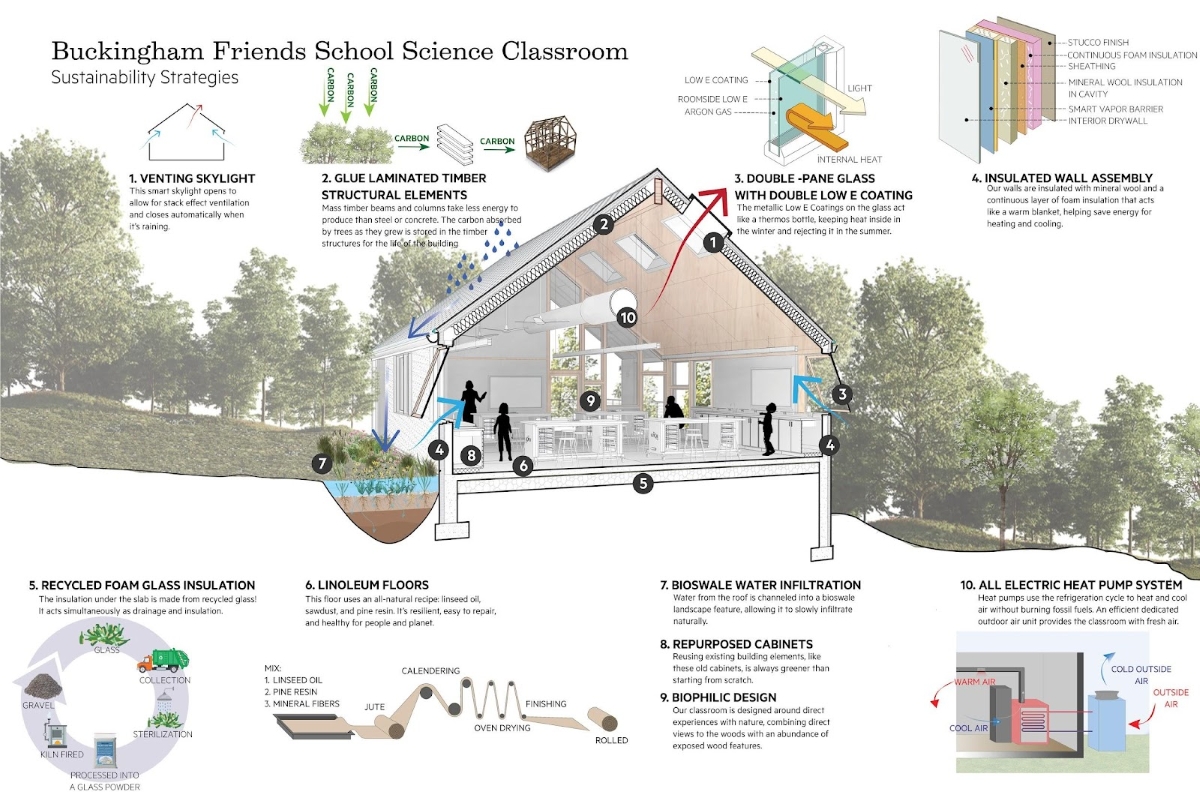
Bai and her team approached the design with great respect for the existing campus character, creating modern facilities that integrate seamlessly with their surroundings. The gymnasium is set into a hillside, presenting a modest profile from the street and opening on the opposite side with framing views of the surrounding woods. Interior finishes of cross-laminated timber (CLT) and glulam beams bring warmth and tactility, referencing the school’s original timber-framed gym from 1952.

Adjacent to the gym, the science pavilion reimagines the one-room schoolhouse with a contemporary perspective. A slate-tiled porch serves as an outdoor classroom, while the interiors feature movable workstations, operable skylights, and expansive windows that fill the space with natural light. This design fosters hands-on learning in an environment closely connected to nature.

From Vision to Impact: Jiaying Bai’s Journey in Sustainable Architecture

Photo Courtesy: Jiaying Bai / Centerbrook (Diagram by Centerbrook Architects and Planners)

Sustainability was central to both buildings. Natural ventilation is achieved through operable windows, and energy recovery systems maintain air quality while conserving energy. The pavilion is fully electric and net-zero energy ready. Biophilic design contributes to the enhancement of well-being. Aligning with the school’s educational mission, the buildings themselves become tools for teaching environmental responsibility.

Beyond built work, Bai also explores sustainability through conceptual research. One of her most recognized proposals is The Verdant Commons, a visionary adaptive reuse project to transform a historic student residence hall in downtown Providence, Rhode Island. Originally built in 1920 as a bank and added to the National Register of Historic Places in 1976, the building holds deep historical and contextual value. Bai’s design preserves its architectural integrity while reimagining it as a vibrant, health-focused living space using biophilic and sustainable strategies.

Key features include a rooftop garden and redesigned communal kitchens placed in underused interior corners. These kitchens are now inviting, sound-insulated spaces for students to cook, connect, and relax. Upper floors feature “winter garden” balconies that admit daylight and fresh air, serving as thermal buffers and gathering lounges. Hallways are widened and enriched with soft seating, ambient lighting, and felt finishes to create informal social areas and encourage community building.

Sustainability is reinforced through green walls that provide acoustic and educational benefits, breakout spaces that foster collaboration, and the use of recycled and natural materials. With minimal structural change, Bai’s design significantly improves livability and environmental performance. The project received a Gold Winner for Architectural Concept Design at the London Design Awards, highlighting her ability to merge ecological goals with human-centered innovation.

From Vision to Impact: Jiaying Bai’s Journey in Sustainable Architecture

Photo Courtesy: Jiaying Bai (Rendering by Jiaying Bai)

Jiaying Bai’s career reflects a deep and consistent commitment to expanding the meaning of sustainable architecture. For her, sustainability goes beyond technical performance to include a sense of responsibility toward ecosystems, communities, and the people who inhabit designed spaces. Her projects show that architecture is not just about creating buildings, but about shaping the relationships between people, place, and the planet.

As she continues to explore new typologies and push boundaries, Bai is contributing to a new era of inclusive, restorative, and visionary sustainable design. Her work serves as a reminder that buildings are more than shelters—they are dynamic frameworks embedded in our social and ecological landscapes. From vision to impact, Jiaying Bai’s journey marks an exciting chapter in the future of green architecture.

Smart, Sassy, and Suspenseful: The Cupcake Caper Serves Up a Mystery with a Scientific Twist

By: Michael Duncan

In the charming and witty world of The Cupcake Caper, author Kelle Z. Riley demonstrates how science and suspense can combine to create an engaging mystery. Blending her background as a Ph.D. chemist with a knack for storytelling, Riley introduces readers to Dr. Bree Watson—a clever, determined scientist who finds herself caught up in a murder investigation that’s as unexpected and winding as the cupcakes she bakes.

At first glance, The Cupcake Caper offers many of the traits cozy mystery lovers often enjoy: quirky pets, an endearing amateur sleuth, and a touch of romance. But beneath its playful surface lies a thoughtful narrative that brings science into the mix, without overwhelming readers with complex jargon. For Riley, the balance between scientific accuracy and accessibility is a key aspect of the story.

“I wanted to create a protagonist who felt relatable,” Riley explains. “I’m not into crafts, and I’m definitely not a professional baker, so I wrote from what I knew. Bree is a scientist, like me, and I worked hard to make her both intelligent and approachable.”

Indeed, Dr. Bree Watson offers a refreshing change in the mystery genre. She’s sharp, self-aware, and vulnerable, facing many of the same doubts and insecurities many readers may recognize, such as imposter syndrome, concerns about body image, and navigating complicated relationships. While Bree’s background in chemistry helps her solve crimes, it’s her resilience and empathy that truly propel the story forward.

But don’t let the brainy heroine mislead you—this book knows how to be fun. There’s a mischievous goose-chasing dog (inspired by a real-life canine who patrolled a corporate campus), a flirtatious marketing manager, a loyal detective, and of course, cupcakes with recipes crafted by Riley’s real-life baker husband. These elements, combined with Riley’s naturally humorous voice, create a cozy-yet-smart tone that sets the book apart within the genre.

“I’ve always leaned into situational humor,” says Riley. “It’s not slapstick, but rather subtle, real-life comedy that puts a smile on your face.” That comedic undertone runs throughout the book, balancing out the darker themes of murder and mystery with moments of warmth and lightness.

Riley’s career path to writing mysteries was, fittingly, anything but typical. Starting as a romance writer, she once pondered how to disrupt a character’s seemingly perfect life during a seminar. “Everyone offered ideas like ‘she loses her job’ or ‘finds out she’s pregnant,’” Riley recalls. “When it was my turn, I said, ‘She finds her boss dead and is accused of the murder.’ The room went silent—and that’s when I knew I had something.”

What began as a romance with no clear hero gradually evolved into a fully-formed mystery, featuring layered characters, subtle romantic tension, and a series of unexpected twists. Riley even challenges some genre conventions, offering male protagonists a point of view and crafting a slow-burn love triangle that keeps readers engaged, without ever losing sight of the central mystery.

As for the murder itself? Riley brings a scientist’s attention to detail to her plotting, even when working without a rigid outline. “I always know who did it, how they did it, and why,” she says. “The rest unfolds as I write. But the science has to be accurate—even if it’s not flashy.”

It’s that commitment to scientific authenticity that makes The Cupcake Caper so compelling. Riley incorporates real chemistry knowledge (yes, even poison safety training) along with a dose of creative “don’t-try-this-at-home” flair. Her approach avoids the common trap of over-dramatizing forensic work—the so-called “CSI effect”—in favor of more grounded, plausible methods that respect the intelligence of her readers.

The book also includes a self-defense scene inspired by Riley’s personal experience as an instructor. “You won’t see any unrealistic fight choreography here,” she laughs. “Just practical moves that people could actually use.”

Now several books into the Undercover Cat series, Riley continues to explore Bree’s world, adding new challenges, emotional depth, and evolving relationships. And yes, there are still plenty of cupcakes.

So, how would Riley describe The Cupcake Caper in just three words? She offers two versions. From reviewers: “Amazingly original and awesome.” And from herself: “Fresh. Fun. Intriguing.”

With its unique blend of intellect, charm, and intrigue, The Cupcake Caper is more than just another cozy mystery—it’s a celebration of smart women, second chances, and solving life’s messiest problems with a little humor and a lot of heart. Whether you’re a fan of mysteries, science, or cupcakes (or all three), this book is likely to appeal.

Discover the book on Amazon: The Cupcake Caper by Kelle Z. Riley.

Why High-Conflict Divorces in Connecticut Demand Elite Legal Representation

Divorce isn’t just a legal procedure — for many families, it’s a deeply personal crisis. In high-conflict cases, where emotions are heightened and lives are in transition, the courtroom becomes more than just a venue for legal decisions. It can turn into a battleground. Custody disputes, asset division, domestic violence allegations, and personal grievances all come together in a high-stakes environment where every decision can have lasting consequences. In these situations, reputations may be impacted, financial stability could be threatened, and the well-being of children might be at stake.

Connecticut, like many states, experiences its share of contentious family law cases. However, the state’s courts are often dealing with heavy caseloads, and the emotionally charged nature of family litigation requires not just legal expertise, but strategic insight and careful planning. When the stakes involve high-value marital estates, cross-border custody conflicts, or psychological evaluations that assess parental fitness, the outcome may be influenced by the capabilities and experience of the legal team involved.

For this reason, individuals navigating high-stakes divorce in Connecticut are increasingly seeking out professionals with specialized experience in complex family law litigation. One firm, in particular, has gained attention for its ability to handle some of the most challenging cases in the state. These attorneys have developed a reputation based on a strong combination of legal knowledge, courtroom experience, and a dedication to safeguarding their clients’ futures.

What sets this firm apart from more general legal practices is its approach. While many attorneys may quickly suggest settlement as the simplest solution, this team recognizes that certain matters are worth advocating for, especially those involving children, family-owned businesses, or generational wealth. Their clients are often dealing with not only emotional distress but also valuable assets, family businesses, or sensitive personal allegations that require discretion and expertise.

From high-net-worth individuals to professionals and entrepreneurs, the firm’s clients benefit from a legal strategy that is both assertive and calculated. The attorneys possess a deep understanding of Connecticut’s family court system and bring extensive knowledge of issues such as business valuations, uncovering hidden assets, complex property distribution, enforcing prenuptial agreements, and custody disputes requiring psychological evaluations and guardian ad litem involvement.

Handling such complex matters calls for more than just legal experience — it requires access to a reliable network of forensic accountants, mental health professionals, custody experts, and financial analysts. This firm regularly collaborates with these professionals to develop well-supported cases that can stand up to scrutiny both in and outside of the courtroom.

As family law becomes more entwined with technology, mental health, and digital assets, the legal landscape is continuously evolving. Issues like cryptocurrency division, social media evidence, virtual visitation rights, and parental alienation claims are increasingly common in many modern divorces. Clients can no longer afford to work with attorneys who are unfamiliar with these developments or unprepared for the subtleties involved.

For those seeking to navigate divorce while protecting their children, finances, and dignity, having highly skilled legal representation is vital. That’s why many individuals turn to Connecticut divorce lawyers who are experienced in handling complex, high-conflict family law matters. These professionals don’t just manage cases — they craft strategies, anticipate opposition tactics, and guide their clients through what is often one of the most difficult times of their lives with clarity and strength.

Whether you’re pursuing a contested divorce, working to protect your business from being involved in litigation, or ensuring that your role as a parent is fully respected, partnering with a law firm that has the expertise, resources, and experience to advocate effectively on your behalf is not just important — it’s essential.

In Connecticut, where the intersection of law, finance, and family dynamics can become complicated quickly, having the right legal team can make a significant difference in whether you’re able to rebuild your life or lose control over it. Careful consideration is crucial when choosing legal representation.


Disclaimer: The information provided in this article is for general informational purposes only and does not constitute legal advice. It is not intended to replace the advice of a qualified attorney. For personalized legal counsel, please consult a licensed family law attorney who can evaluate your specific situation.

Inside Punch King: Where Fitness Meets Innovation in SF

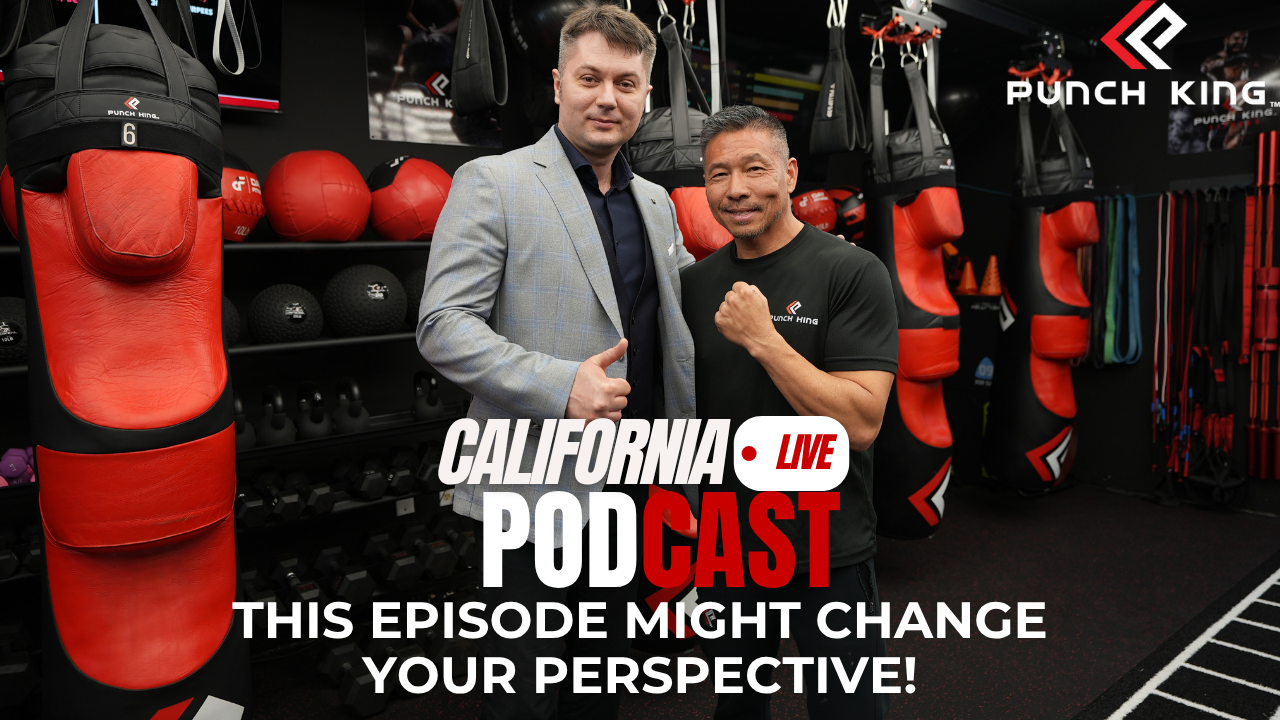
The California Live Podcast recently spotlighted a transformative force in the Bay Area fitness community: Punch King Fitness. Hosted from the heart of San Francisco, the episode delves into the story behind the gym’s unique approach to boxing, product design, and wellness, through a candid conversation with its co-founder, known affectionately as Mr. King Lei.

Punch King Fitness is a movement. What began as a product innovation project in San Jose has since evolved into a community-centered gym nestled in the Sunset District, only a few blocks away from Mr. King’s childhood home. “This is more than fitness,” he shared. “It’s about community, mental health, and building confidence. We’re not training fighters, we’re helping people become their strongest selves.”

Before Punch King became a full-fledged fitness center, it was a product-first venture. Mr. King began by reimagining traditional heavy bags. Inspired by his daughter’s entry into Muay Thai classes at just five years old, he saw firsthand how training tools could be improved. “I didn’t want her just hitting aimlessly,” he recalled. “So I started sketching, using butcher paper on the wall, figuring out angles for uppercuts and targeting zones. That’s how the first Punch King bag was born.”

Unlike conventional punching bags, Mr. King’s design features ergonomic curves and labeled target points that make proper form intuitive, especially for beginners. His mission: purposeful striking over mindless motion. “I want people to punch with intention. Form is everything,” he said.

To date, he holds multiple utility patents and continues to tinker with new designs ranging from hand wraps that can be worn three different ways, to dual-ended mitts inspired by sci-fi weaponry. While many in the old-school boxing world remain skeptical of innovation, the new generation of athletes and trainers are taking notice. A recent visit from top trainer Hyro Escobar proved pivotal. “He used my bag in ways I hadn’t even imagined,” Mr. King said. “That’s when I knew we had something special.”

Punch King Fitness goes beyond its physical gear. It’s a smart gym equipped with real-time heart rate monitoring and sensor-embedded punching bags. Every punch is scored, gamified, and displayed on screens, adding a competitive edge that pushes members to go harder even when they think they’re out of gas. “It’s like boxing meets video games,” Mr. King said. “You’re not fighting a person, you’re competing with your past self.”

The workouts are structured yet diverse, cycling through warm-ups, high-intensity intervals, strength training, and skill-based boxing. Despite the name, Punch King Fitness doesn’t focus solely on boxing. It’s a hybrid model that merges calisthenics, weighted cardio, and resistance training, all tailored to the everyday person.

Classes cater to professionals across all walks of life, with an especially strong turnout from women in their 40s and 50s. “We’re 80% women here. They’re not trying to become fighters, they’re here to feel strong, build endurance, and gain confidence,” he emphasized.

What makes Mr. King’s story especially compelling is his background. For over two decades, he worked as an integration engineer for a healthcare supply chain company remotely. That flexibility gave him time to pursue side ventures, including restaurants, product design, and now fitness.

His father, a locksmith and jack-of-all-trades, instilled in him the values of craftsmanship and curiosity. “I was always building something such as cars, bikes, anything. My dad taught me with his hands,” Mr. King recalled. Today, he’s passing on that legacy to his daughter, who not only trains but also assists with mitt work in the gym. “I want her to have a skill set she can take anywhere even teach boxing in college if she wants.”

Punch King isn’t just a gym, it’s a brand. In fact, the company operates under two entities: Punch King World, which focuses on products, and Punch King Fitness, the studio brand. “That’s what sets us apart,” Mr. King said. “We don’t just buy equipment, we design it, test it, and teach it.”

He’s wary of rushing expansion. While Punch King was briefly franchised on the East Coast and in Vietnam, those early steps taught him the importance of brand consistency and program refinement. “I pulled back to focus. Now, we’re making sure every workout, every class, every trainer is aligned with our philosophy.”

That philosophy prioritizes quality over scale. Franchisees aren’t just investors, they must be hands-on owners who embody the Punch King mission. “You can’t just be an absentee owner,” Mr. King explained. “You have to be in the gym, teaching, motivating, and living the lifestyle.”

Franchisees need a $50,000 buy-in and at least $100,000 in working capital, not including buildout costs. But more than the financials, what matters most is commitment. “If you can’t close a client on the first demo, you’re not the right fit,” he said bluntly. “We’re at a 90% close rate. That’s because we know the product, the program, and we believe in it.”

Throughout the conversation, Mr. King repeatedly returned to the importance of community. Whether it’s offering free self-defense classes for women or providing modified workouts for clients undergoing chemotherapy, Punch King stands out as a neighborhood hub more than a commercial gym.

Stories abound pregnant women training until their due dates, breast cancer survivors growing stronger each week, kids finding confidence in boxing. “This gym is about empowerment,” Mr. King said. “Whether you’re 11 or 60, I want you to feel like you belong here.”

As he looks ahead to 2025 and beyond, the focus is clear: strengthen the brand, expand locally with integrity, and reignite his product innovation pipeline. “I want to build something that lasts,” he said. “And if my daughter takes over one day, even better.”

With grit, vision, and a whole lot of heart, Mr. King and Punch King Fitness are redefining what a boxing gym can be, one punch, one innovation, and one community at a time.

Learn more about Victor Migalchan by following him on Instagram.

Hymns for the Hollow: Adam James Zahren’s Thoughtful Tribute to the Beautifully Broken

By: Marcia Bolden

In Hymns for the Hollow, author and poet Adam James Zahren doesn’t simply write poetry—he creates a reflective space for the fractured self. Part manifesto, part spellbook, part healing anthem, this debut collection offers a meaningful contribution to anyone who has ever felt undone by life yet found a way to stand in their truth.

Framed as a poetic love letter to the “beautifully broken,” Zahren’s work resonates with raw emotion, cultural relevance, and theatrical brilliance. Through mythological references, pop-culture nods, and vivid free verse, Hymns for the Hollow becomes not only a reflection of its author’s heart but also a potential vessel for collective catharsis.

“I think a lot about the fractured nature of the self,” Zahren explains. “We’re mosaics—made of memory, experience, emotion. We are shaped by what we’ve been through.” That concept runs deeply throughout the collection. Each poem reaches into the more vulnerable parts of the speaker’s life, not to lament them, but to acknowledge their survival. Rather than covering over emotional scars, Zahren highlights them in gold, similar to the Japanese art of kintsugi, where broken pottery is repaired with gold lacquer to honor the history of the cracks rather than conceal them.

For Zahren, poetry serves both as a witness and a pathway to transformation. “Poetry allows us to slow down, observe, and experience feelings from the safety of the page,” he says. It’s a space to confront grief, loss, and shame, but also a place where healing can begin. “These poems acknowledge the pain as well as the triumph that may come with healing.”

And yet, Hymns for the Hollow doesn’t dwell solely on sorrow—it shines with vitality. Zahren’s lyrical voice connects ancient myth with modern fame with remarkable fluidity. One moment, he’s invoking the timelessness of Greek goddesses; the next, he’s channeling Judy Garland, Lana Del Rey, and Lady Gaga. This interplay between the mythic and the glamorous gives the book its radiant pulse.

“I want to make myself mythology,” Zahren says. “To paint my experiences in fantastic and visually compelling ways.” In doing so, he does not avoid pain—he reclaims it. Through theatrical language and bold imagery, Zahren turns his life into art and his emotions into symbols of strength.

The pop culture references are more than just an aesthetic flourish. They act as symbols of resilience. “Women in the spotlight constantly amaze me,” he says. “They bend reality with fabrication to tell the truth—but tell it slant.” That quote, a nod to Emily Dickinson, speaks to how Zahren views his world. Truth isn’t diminished by fantasy—it’s revealed through it.

That commitment to voice, vulnerability, and visual storytelling extends into the form. Hymns for the Hollow is written entirely in free verse, but Zahren treats structure like choreography. “Every stanza shape tells a story,” he explains. “Couplets are for little truths, tercets spiral downward, quatrains rise like hymns.” The poems don’t just read—they move. They rise, collapse, and rebuild—reflecting the emotional journey at their core.

This formal flexibility enhances the collection’s deeper intention: to connect. Many lines read like incantations, dripping with longing, power, and protest. It’s no accident that readers feel drawn in. “Poetry is a Venn diagram,” Zahren says. “It’s magic and it’s protest.” And sometimes, it’s play.

Zahren doesn’t shy away from the politics of visibility. As a queer writer, his voice is both deeply personal and inherently public. “I decided I wasn’t going to stay silent,” he shares. “Poetry can document a human experience—one that matters, especially when human rights are under attack.” But activism in his work isn’t only about calling out injustice. It’s also about creating space for joy, beauty, and survival. “We are far more united than divided,” he reminds us. “Poetry connects us to our shared humanity.”

That human connection is also what Zahren finds in his artistic influences. He draws inspiration from writers known for their bold language and emotional candor, voices that embrace pain and transformation. These creative forces have shaped his aesthetic, encouraging him to express vulnerability, claim his truth, and take risks on the page.

Music and visual storytelling also play a vital role in his creative world. Zahren is deeply moved by artists who blend sound and image to explore identity and survival. Their work, which often fuses the glamorous with the raw, unlocked a deeper sense of self in him and continues to guide his process. “Some voices just pull something mystic out of me,” he says. “They remind me to keep creating, especially when it’s difficult.”

Indeed, Hymns for the Hollow feels like a poetic performance—emotionally charged, visually rich, and unapologetically expressive. Zahren’s lines shimmer with theatricality but never lose their emotional core. Whether whispering a memory or declaring a truth, the poems speak with clarity, connection, and undeniable power.

There’s a phrase in the collection that could double as its thesis: to be broken is not to be defeated. That sentiment pulses through every page. Zahren isn’t asking readers to fix themselves. He’s inviting them to see the beauty in the shards. “We’re all in process,” he says. “And that’s sacred.”

Hymns for the Hollow is not just a poetry collection—it’s a declaration. A reminder that survival can be art. That pain can hold beauty. And that from the hollow, hymns can still rise.

Discover Hymns for the Hollow by Adam James Zahren on Amazon.

Unlocking Effortless 3D Integration: How Zakeke’s Optimizer Tool Brings Any Brand’s Models Online

By: Gerome Alvarez

The promise of three-dimensional e-commerce stands out: interactive product models engage customers, reduce returns, and lift conversion rates. For many brands and teams, regardless of size, this promise has often remained out of reach. Preparing three-dimensional assets for online use demands specialized knowledge, expensive software, and tedious manual work.

The challenge goes beyond creating a model; the real hurdle lies in producing files that perform flawlessly online, without dragging down website speed or triggering technical headaches. Many businesses struggle to meet rising consumer expectations for immersive digital experiences, not because of a lack of ambition, but because technical and financial barriers have long favored larger competitors.

From Complex Files to Web-Ready Experiences

Zakeke’s Optimizer Tool, developed with RapidPipeline, directly addresses the persistent pain point in digital commerce: getting three-dimensional assets ready for the web. Traditionally, teams have relied on three-dimensional artists or specialized staff to convert heavy files, such as CAD, FBX, or OBJ, into lightweight, web-optimized GLB formats. This process drags on, requires manual labor, and demands skills many organizations lack.

With the Optimizer Tool, users upload a broad range of three-dimensional file types and receive clean, lightweight GLB files in seconds. Advanced algorithms reduce polygon counts and file sizes, so assets load quickly and work across devices and browsers. Visual quality remains high, and manual clean-up becomes unnecessary. Teams can upload a single file or thousands at once, updating entire product lines with minimal delay and no pipeline overhead.

“The 3D must be easy,” says Angelo Coletta, chief executive officer. This tool makes that vision a reality, giving brands the ability to update products rapidly and present them in engaging, interactive formats once reserved for industry giants.

A Solution for Every Team

The Optimizer Tool’s impact reaches far beyond small and mid-sized merchants. Its value lies in making three-dimensional technology accessible to product, content, and e-commerce teams of any size. In the past, only larger organizations could afford the time and expense of preparing three-dimensional assets for digital channels. Now, a boutique fashion brand, a regional manufacturer, or a global retailer can all offer customers the same immersive experience without scaling up their workforce or technical infrastructure.

Zakeke and RapidPipeline share a vision: remove the invisible technical hurdles that prevent brands from fully using three-dimensional content. Embedding the Optimizer Tool directly into the Zakeke platform makes the process of making assets web-ready a natural step in the workflow, with no extra tools or complexity required.

Effortless, Scalable 3D Integration

The Optimizer Tool does not generate three-dimensional models from scratch. Instead, it makes bringing existing assets online in the right format fast and simple. Brands want three-dimensional content to power viewers, configurators, and try-ons. Most assets, however, arrive in formats that slow down websites or create compatibility issues. Zakeke and RapidPipeline automate the hardest part: turning heavy, complex files into clean, lightweight GLBs, ready for real-time visualization and interaction.

Industry forecasts indicate that three-dimensional product views will soon become standard across e-commerce platforms. The Optimizer Tool allows teams to meet these expectations without overextending budgets or hiring new staff. Its bulk upload feature keeps businesses agile, helping them respond quickly to changing trends and consumer demands. In this way, three-dimensional content becomes a growth engine rather than a resource drain.

A New Standard for Digital Commerce

Technical and financial barriers once forced teams to focus on survival rather than creativity. With the Optimizer Tool, brands can now direct their energy toward customer engagement and storytelling, instead of wrestling with file formats and optimization workflows. The digital marketplace moves at a relentless pace, and tools like Zakeke’s Optimizer give businesses the power to move with it. Static images give way to interactive, web-ready three-dimensional experiences that captivate shoppers and drive results.

“Don’t think about 3D as a difficult thing to implement,” Coletta urges. For now, the Optimizer Tool offers a clear answer for brands seeking a practical, scalable way to bring three-dimensional content online, with no design team required and no compromise on performance or quality.