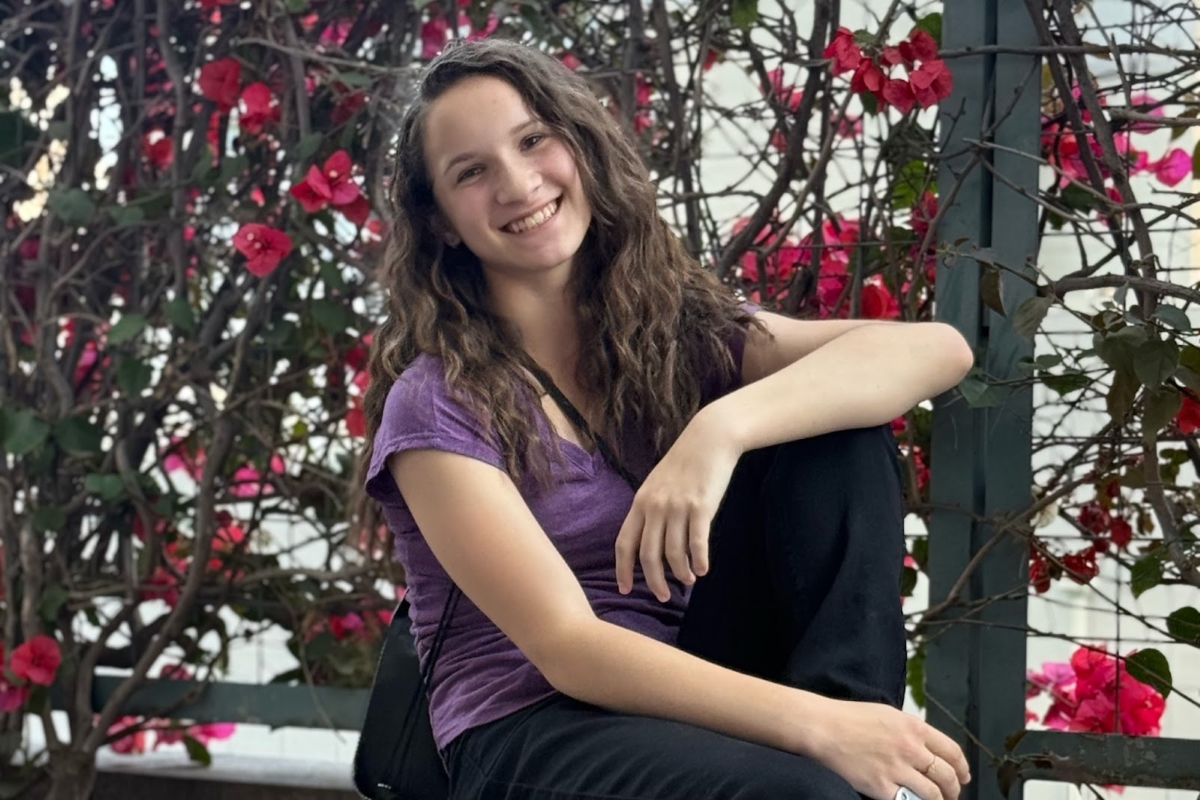
From Student Council to Center Stage: Amaris Miya Wilson Is Owning the Spotlight

By: Nia Bowers

​​Amaris Miya Wilson is already building the kind of resume that professionals twice her age would admire. With standout achievements across acting, martial arts, modeling, leadership, and the visual arts, she’s not just exploring her interests—she’s excelling in them. And now, with a major talent showcase on the horizon, Amaris is stepping confidently into the next phase of a career that’s unfolding with clarity and momentum.

At the heart of her creative journey is acting. Amaris has held the lead role in all three of her school’s theatrical productions to date, earning praise for her expressive personality, emotional depth, and instinctive timing. Her presence on stage is bold yet refined—qualities that helped her earn one of only 12 finalist spots in an elite international talent showcase. Chosen from a pool of 129 candidates, Amaris will travel to Los Angeles this summer to audition for top agents and managers in television, commercial print, and film. It’s a high-stakes opportunity that reflects how far she’s already come—and how seriously she’s treated her craft.

That discipline carries over into her physical training as well. Amaris is a dedicated martial artist, training in MMA at Order of the Dragon under renowned instructor Fernando Arriaga. Currently working toward her purple belt, she’s already begun assisting in beginner classes—a rare sign of leadership at her age, especially in a field that demands precision, strength, and control. Her ability to quickly pick up advanced techniques has made her stand out not only in class but as a potential stunt performer, opening an exciting future path in action-forward film and television roles.

In addition to MMA, Amaris recently joined the wrestling team at Chaparral Middle School, becoming the only 7th grader to earn a spot. She trained alongside high school athletes and finished her first season with a 6–7 record, including a hard-fought win over an opponent two weight classes above her. The resilience and composure she developed on the mat mirrors the confidence she brings to both performance and public speaking.

From Student Council to Center Stage Amaris Miya Wilson Is Owning the Spotlight

Photo Courtesy: Amaris Miya

Leadership comes naturally to Amaris. She’s served on the student council every year since 5th grade and was elected Secretary in 6th. She was chosen to deliver her 6th-grade graduation speech and currently leads her school’s morning announcements—an early sign of her comfort behind a mic and in front of an audience.

Her creative reach doesn’t stop at performance. Amaris is also an award-winning visual artist, having placed first and second in multiple school art competitions. Most recently, she took home second place in her middle school’s bookmark design contest, reinforcing her ability to communicate through color, shape, and symbolism.
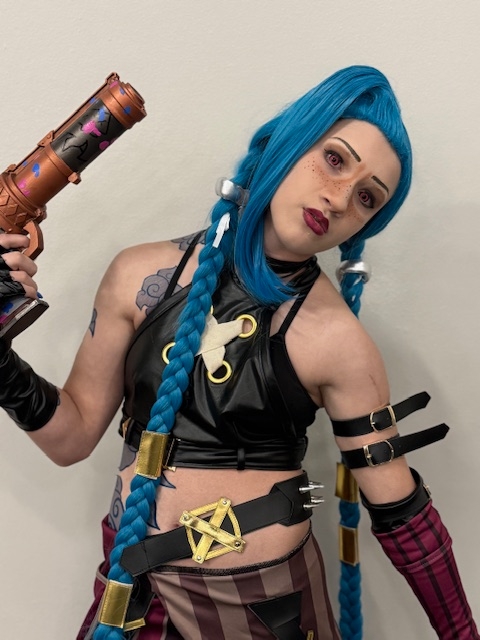
From Student Council to Center Stage Amaris Miya Wilson Is Owning the Spotlight

Photo Courtesy: Amaris Miya

And while she’s yet to be featured in traditional press or media outlets, Amaris is clearly on that trajectory. Her modeling work is beginning to take form, and a YouTube presence is in the works—something she and her team are developing thoughtfully to align with her larger creative goals.

What ties all of this together is a sense of purpose. Amaris doesn’t just want to be seen—she wants to tell stories, embody characters, and push herself into new territory. Whether it’s through a monologue, a physical performance, or a work of art, she approaches every challenge with focus, grace, and grit.

Follow Amaris on Instagram and stay tuned as her journey continues to unfold.

Breaking Through Self-Sabotage: Calvin Coyles on the Effects of the WILD Method

Many driven individuals set big goals but unknowingly hold themselves back. Patterns like procrastination, perfectionism, fear of failure, or burnout can erode progress. These forms of self-sabotage might not be obvious at first, but over time, they can create significant challenges. Calvin Coyles, CEO of WILD Success, has built his career helping people address these internal barriers using a structured, mindset-first approach known as the WILD Method.

The WILD Method: A Framework for Internal Alignment

Drawing on years of experience in personal development and coaching, Calvin Coyles created the WILD Method—a practical framework designed to help individuals identify and shift the beliefs and behaviors that may be keeping them stuck. Unlike surface-level motivation, this method emphasizes deep internal change by working with the subconscious mind and cultivating forward momentum.

The focus is not on quick-fix solutions or guaranteed outcomes, but rather on helping people take consistent, meaningful steps toward becoming more aligned, more confident, and more intentional in their choices.

Warning Signs of Self-Sabotage

If you’re wondering whether self-sabotage might be hindering your progress, consider these potential warning signs:

  • Feeling stagnant despite putting in a lot of effort toward your goals
  • Procrastination and perfectionism may be preventing you from taking action
  • Fear of failure or success can lead to avoidance or self-doubt
  • Experiencing burnout and frustration despite working hard
  • Struggling with consistency, where progress is often followed by setbacks

Recognizing these patterns is a crucial first step toward overcoming them and unlocking your potential.

A Shift in Approach: Serving First, Growing Naturally

In 2024, WILD Success made a strategic shift that expanded its reach and helped bring its message to a wider audience. Rather than focusing solely on marketing tactics or aggressive promotion, the team prioritized freely sharing valuable resources and content. Their goal: to help people without expecting anything in return.

This service-first mindset didn’t just generate engagement—it fostered trust, credibility, and community. As more people began experiencing genuine shifts in mindset and clarity through these resources, they started sharing their experiences organically. The result was broader engagement, built not on transactional interactions but on transformational impact.

Coyles and his team didn’t set out to “scale fast.” They set out to make a meaningful difference, and the momentum followed.

Questions for Leaders Who Want to Make a Difference

If you’re a coach, entrepreneur, or creator looking to lead with purpose, consider these reflective questions:

  • What can I offer for free that provides more value than what others typically charge for?
  • How can I evolve my coaching into a movement, rather than just a business?
  • What would my business look like if I focused entirely on service, not just sales?
  • Where might I currently be holding back in delivering meaningful value?
  • How can I create an experience so impactful that my clients become my biggest advocates?

Growth doesn’t necessarily need to be driven by pressure or promises. It can be rooted in service, quality, and connection.

Calvin Coyles: A Leader in Personal Transformation

Breaking Through Self-Sabotage Calvin Coyles on the Effects of the WILD Method

Photo Courtesy: Calvin Coyles

At just 35 years old, Calvin Coyles is a self-made entrepreneur, a four-time best-selling author, a master coach, and an international speaker. He has been featured alongside well-known figures such as Tony Robbins, Deepak Chopra, and Jeff Bezos in major publications such as Forbes, Entrepreneur Magazine, Huffington Post, INC, and Business Insider.

As the CEO of WILD Success, he has trained leaders, coaches, healers, athletes, and business owners in over 170+ countries, assisting them in overcoming limiting beliefs and fostering success.

The Takeaway

The WILD Method isn’t a guaranteed quick fix—it’s a structured, experience-based process aimed at helping individuals make real, lasting changes from the inside out. For anyone feeling stuck, burned out, or uncertain, it offers a practical pathway forward.

Change begins with mindset. And with the right support and commitment, it’s possible to start moving toward your goals, even when things feel challenging.


Disclaimer: The information shared in this article is for general informational purposes only and is not intended as professional advice. While the WILD Method has been helpful for many individuals in overcoming self-sabotage and achieving personal growth, results may vary. The content does not promise or guarantee specific outcomes and should not be seen as a substitute for professional coaching, therapy, or counseling. Readers are encouraged to seek personalized advice from qualified professionals to address individual needs.

What You Need to Know About Sustainable Practices in Plastic Production

Sustainability is becoming a cornerstone of modern manufacturing, and plastic production is no exception. With growing awareness of environmental challenges and an urgent need to reduce pollution, industries are increasingly reevaluating their acquisition, use, and disposal of plastics and plastic products.

Sustainable plastic production involves using recycled materials, reducing waste, lowering energy usage, and moving towards a circular economy. Read on for a comprehensive look at sustainable practices in plastic production.

What is a Circular Economy?

A circular economy aims to keep materials, products, and resources in use for as long as possible. Unlike the traditional linear approach that follows a take, make, and dispose pattern, a circular economy encourages reuse, repair, and regeneration. This approach has been shown to minimise waste and reduce the environmental impact of production and consumption.

Striving to transition toward a circular economy can help safeguard the planet’s natural resources, lower greenhouse gas emissions, and decrease the volume of waste sent to landfill. By designing systems that emphasise sustainable principles, societies may unlock long-term environmental, economic, and social value. A circular economy also has the potential to foster innovation, create employment opportunities, and contribute to a healthier planet for future generations.

Using Recycled Plastics

Using recycled plastics plays an important role in reducing reliance on virgin plastic, which typically involves high energy consumption and the use of raw fossil fuels. Recycled plastics help limit environmental pollution, especially in marine ecosystems, and reduce the significant volume of waste sent to landfills annually.

Plastic injection moulding can incorporate recycled plastics by sourcing previously used materials, cleaning and processing them, and then melting and injecting them into moulds to create new products. These items may include automotive parts, packaging, toys, containers, and more.

The use of recycled plastics in plastic injection moulding represents a practical approach to giving discarded materials a second life, potentially lowering the environmental footprint of plastic production. It also allows manufacturers to reduce spending on raw materials and energy, while helping them align with sustainability targets and regulatory expectations.

Reducing Energy Consumption

Reducing energy consumption is important because it can help lower the carbon footprint of manufacturing processes. Using less energy typically results in fewer emissions from fossil fuels, contributing to efforts to address climate change. It also tends to improve production cost-efficiency and reduce pressure on national energy systems, supporting more stable energy pricing.

Plastic extrusion often consumes less energy by operating continuously and efficiently. In this process, plastic materials are heated and pushed through a shaped die to form products such as pipes, tubing, or sheets. The equipment used in extrusion is usually designed for steady, long-run operations, which can help reduce energy spikes and enhance overall efficiency.

Plastic extrusion’s relatively lower energy demand offers manufacturers the opportunity to produce large quantities of plastic products with less input, thereby lowering both operational costs and environmental impact. When recycled plastics are used in extrusion, additional energy savings may be achievable compared to using virgin materials.

Curbing Waste Generation

Curbing waste generation is important because it helps reduce the volume of rubbish that ends up in landfills or the natural environment. It also conserves materials by making better use of existing resources. Reducing waste contributes to a cleaner, healthier ecosystem and supports international efforts to manage pollution more responsibly.

Plastic thermoforming can aid in waste reduction by using thin sheets of plastic that are heated and moulded into specific shapes. This method is typically efficient, producing minimal excess material. Even leftover trimmings can often be recovered and reused. Thermoforming is commonly applied to make packaging, trays, containers, and other lightweight plastic goods.

Plastic thermoforming that results in fewer byproducts can lead to lower material waste, reduced production costs, and support the broader goals of circular economy practices. When recycled plastic sheets are used in thermoforming, the environmental benefits may be further amplified, contributing to a more sustainable manufacturing model.

From Corporate Strategist to Gen Z Advocate: Giselle Sandy-Phillips’ Blueprint for Modern Careers

By: Giselle Sandy-Phillips

What happens when a seasoned corporate leader sees a generation struggling to find its place in the workforce? If you’re Giselle Sandy-Phillips, you write the book they didn’t know they needed. After more than two decades leading strategic business transformations, managing high-impact projects, and developing high-performing teams, Sandy-Phillips is pivoting her expertise toward a new mission: helping Gen Z professionals thrive. This summer, she will debut her first book, Thriving in the Modern Workplace: A Gen Z Guide to Success, a career guide that puts the priorities of young workers front and center.

Sandy-Phillips knows the corporate world inside and out, but as the mother of two Gen Z children she also understands the world of the new graduate. Having seen firsthand how differently this cohort learns, communicates, and defines success, she brings a dual perspective – part business strategist, part mentor-mom – that gives her book a uniquely relatable tone. “Today’s young professionals are as capable as ever,” Sandy-Phillips says, “but they’ve grown up with different tools and norms. We have to explain career success on new terms and meet them where they are.”

Thriving in the Modern Workplace is the product of deep observation and lived experience. Sandy-Phillips recognized that while Gen Z employees are tech-savvy and ambitious, they often feel uncertain in traditional corporate cultures. She acknowledges a paradox: a generation raised on digital connectivity can still feel disconnected at work. In response, her guidebook blends practical advice with real-world examples to demystify the path from entry-level hire to rising star. It’s structured with clear, actionable strategies – and it refuses to talk down to the reader. Instead of dense corporate jargon, Sandy-Phillips uses accessible language and a conversational tone, making complex concepts feel approachable.

So what challenges does she tackle in this essential blueprint? Sandy-Phillips dives into issues that define the Gen Z work experience, including:

  • Communication gaps: Bridging the stylistic divide between a text-and-emoji generation and colleagues who value face-to-face interaction.
  • Digital dependence: Knowing when to put the screen aside to cultivate in-person relationships and teamwork skills.
  • Career pacing: Balancing Gen Z’s drive for rapid advancement with the need for patience, skill-building, and mentorship.
  • Resilience and mental health: Coping with setbacks, stress, and an always-on culture while avoiding burnout.
  • Purpose and values: Finding meaning in work and thriving in organizations where diversity and social impact matter.

Sandy-Phillips’ guidance encourages proactive career-building and intentional growth. She doesn’t just tell Gen Z to “work hard” – she shows them how to work smart in environments still catching up to new expectations. For example, she offers tactics to help young employees get their ideas heard in meetings, and tips for digital natives to build real-world rapport with teammates. At its core, the book is a roadmap that celebrates Gen Z’s potential while giving honest advice on the hurdles ahead in a fast-changing world.

Beyond the Book: A Mission in Action

Giselle Sandy-Phillips isn’t stopping at publishing. She views Thriving in the Modern Workplace as a launchpad for a larger movement to bridge generational gaps at work. Through university partnerships, speaking events, and interactive workshops, Sandy-Phillips plans to reach young professionals where they are – in classrooms, online, and during the critical transition from college to career.

New York’s business and education communities are already taking notice. With Gen Z graduates pouring into entry-level roles from Wall Street to Silicon Valley, the need for guidance is evident. Industry leaders are keen to learn how to better attract, train, and retain this new wave of talent. Meanwhile, surveys show nearly 60% of employers feel recent graduates aren’t fully prepared for the workplace – a gap Sandy-Phillips aims to help close with better preparation and perspective.

As the book’s release nears (it will be available on Amazon, WeRead, and other major platforms), buzz is building. Early readers in leadership circles describe Sandy-Phillips’ guide as a timely blueprint for navigating the future of work. It’s not just another self-help manual destined to collect dust – many see it as a strategic intervention for workplaces undergoing rapid change. After all, companies need to understand Gen Z to unlock their potential – and young workers need every insight they can get to make their mark.

In an age of upheaval and innovation, Giselle Sandy-Phillips is emerging as an important voice on how we can all adapt. Her message is clear: bridging the gap isn’t about blaming “lazy kids” or “out-of-touch boomers,” but about fostering understanding and growth on both sides. For Gen Z professionals, educators, and employers alike, Sandy-Phillips’ down-to-earth guidance offers a path forward. Keep an eye out for her book launch and upcoming events – her voice is one to watch, and certainly one to read.


Disclaimer: The views and opinions expressed in this article are those of the author, Giselle Sandy-Phillips, and do not necessarily reflect the official policy or position of any affiliated organizations or publishers. This article is intended for informational purposes only and does not constitute professional career, legal, financial, or psychological advice. Readers are encouraged to use their discretion and consult with appropriate professionals before making any career decisions.

Holiday House Founder Iris Dankner

By: Jeremy Murphy 

The eight-bedroom modern estate at 392 Seven Ponds Towd Road in Water Mill , NY will glow white on the evening of July 12 when Holiday House Hamptons stages its seventh Designer Showhouse. The opening-night “White Party” is the marquee kickoff for a month-long exhibition that pairs high-concept interiors with a single, urgent purpose: raising money for the Breast Cancer Research Foundation (BCRF).

Holiday House founder Iris Dankner—an interior designer and 28-year breast-cancer survivor—created the showhouse formula in 2008 to unite her two passions. “It’s a designer show house that benefits the Breast Cancer Research Foundation,” she explains, distilling the concept with the matter-of-fact confidence of someone who has repeated it for nearly two decades . “The hook is I am a breast-cancer survivor of 28 years,” Danker adds. “Fund-raising was what helped me personally get through my journey” .

A Social Calendar Winner :  With a Cause

Since its inception, Holiday House has raised almost $2 million for BCRF, a figure the Hamptons edition is expected to lift significantly. Tickets for the July 12th  preview start at $300 (or $500 for a VIP press hour that  also gives journalists a first crack at the rooms), while general admission from July 13 through August 17 is priced at $40. Those dollars matter, Dankner stresses: “This year, more than ever, the private dollars that are raised are so important” .

Designer  Christian Siriano  Plus  A Curated Roster, From Icons 

Holiday House is as much a showcase for interior-design talent as it is a philanthropic engine. Dankner says she builds the roster the way an editor assembles a magazine: a mix of marquee names that draw crowds and emerging voices that deserve a platform. “I try and get a balance of your A-list designers and your new up-and-coming designers,” she notes .

This summer’s lineup reflects that philosophy. Veterans such as Huniford Design Studio, The Up Studio and Ciuffo Cabinetry share square footage with rising firms like Brianna Scott Interiors, House of L Designs and COC Interiors. Fashion designer-turned-decor auteur Christian Siriano, a Holiday House co-chair alongside Campion Platt, and  Andrea Stark, adds celebrity wattage.

Dankner also plays creative traffic cop. Because the Water Mill house—built and brokered by presenting sponsor East End Building Co.—leans contemporary, she nudged participants toward a cohesive, neutral palette that fits the open floor plan. “If you want this space, then you have to be a team player,” she recently reminded one color-happy designer, later quipping, “Everybody’s neutral is different”.

Designing for Impact, Not Just Applause 

For the founder, aesthetic bravado means little if a visitor leaves uninspired. “If a consumer walks through a show house and gets one good idea, then it’s successful,” she says simply . Even so, she understands the ego-management required when more than 15 design firms share one canvas. “You have to make each and every one of them feel like they’re the only ones in the house,” she admits, likening her role to “a lot of therapy and communication” in ordinary client work .

 Technology now amplifies the fund-raising potential. Each room features a QR code linking visitors to price and purchasing information for everything from custom millwork to CB2 accessories, with designers pledging a percentage of sales back to BCRF. The system, Dankner says, answers the inevitable “I want that” impulse without compromising transparency or distracting from the installations.

Opening Night: When White Lets the Rooms Sing

Holiday House’s Hamptons run traditionally begins with an all white-attire fête. “When everybody wears white, it lets the design of the designers shine through,” Dankner says . Jean Shafiroff, the celebrated philanthropist, reprises her role as Philanthropy Chair, while rosé brand Whispering Angel joins a sponsor roster that ranges from Stark Carpet to DCS Appliances. Elegant Affairs will handle hors d’oeuvres—no small task in an 11,200-square-foot residence that contains nine full bathrooms, two half baths and a backyard built for mingling. 

Why Private Dollars Still Matter

Beyond the glamour lies a sober reality. Federal research budgets ebb and flow with political tides; meanwhile, 44,000 U.S. women die of breast cancer each year. Dankner’s answer is persistence. “I’m going to do it until we find a cure for breast cancer,” she vows, half-joking that her husband may threaten divorce before she hangs up her clipboard. Her determination resonates with East End Building Co. co-founder Nick DeMarco, who calls the showhouse “a perfect example of how luxury development can serve the greater good.” DeMarco’s firm donated the freshly completed property, and Corcoran will market it once the last wallpaper panel comes down in August—proof that altruism and real-estate pragmatism can co-exist comfortably in the Hamptons.

What Visitors Can Expect 

After the July 12 preview, the house opens Thursday through Sunday, 11 a.m. to 5 p.m., until August 17. Docents are on hand, but self-guided exploration is encouraged; Dankner wants guests to linger, photograph and, above all, imagine. She sums up the ideal takeaway: “Walk away with one new thing you’ve learned—and with the knowledge that every ticket helps fund the science that will end this disease” .

For the design community, Holiday House functions as both stage and laboratory; for survivors and their families, it is a rare celebration where beauty and resolve occupy the same room. “Breast cancer doesn’t take a break,” Dankner says matter-of-factly. Neither, it seems, does she.  holidayhousehamptons.com