Podiatry in Ferntree Gully Caring for Your Feet and Lifestyle

What Is a Podiatrist and Why Does It Matter

Podiatrists are health professionals who specialize in diagnosing, treating, and preventing conditions affecting the feet, ankles, and lower limbs. They manage a wide range of concerns, such as foot pain, skin problems, sports injuries, and diabetic complications, helping people maintain mobility and comfort.

In the suburbs, having access to a Podiatrist in Ferntree Gully offers convenience and ongoing care. Whether you’re an active individual, someone managing chronic health conditions, or simply in need of regular foot maintenance, local podiatry services play an essential role in your well-being.

Services You Can Find in Ferntree Gully

General Foot Care

Routine treatments such as toenail trimming, corn and callus removal, cracked heel management, and fungal infection treatment help prevent discomfort and complications. These services are especially important for the elderly or those with limited mobility.

Sports Injury and Gait Support

Many podiatrists in the area are equipped to assess and treat sports-related injuries. This includes biomechanical assessments, gait analysis, custom exercise plans, and even shockwave therapy for soft tissue injuries.

Diabetic Foot Care

People living with diabetes need regular foot check-ups to monitor circulation, nerve sensitivity, and skin integrity. Local podiatrists offer screening services, foot care education, and preventative treatment to help avoid serious complications.

Orthotics and Footwear Advice

Custom orthotics are often used to address biomechanical issues like flat feet, heel pain, or poor posture. A podiatrist can assess your walking pattern and recommend orthotics or appropriate footwear to improve your comfort and mobility.

Minor Procedures

Common minor surgical procedures performed by podiatrists include treatment for ingrown toenails and wart removal. These are typically done under local anesthesia with minimal recovery time.

Mobile Podiatry Services

Some clinics in Ferntree Gully offer home visits, which are especially helpful for seniors or individuals recovering from surgery or injury. This ensures everyone in the community has access to podiatry care, regardless of mobility.

What to Look For in a Local Podiatrist

Choosing the right podiatrist can enhance your overall experience. Consider the following when making a decision:

  • Specialization: Do they focus on general foot care, sports injuries, children’s feet, or chronic conditions?

  • Accessibility: Are appointment times flexible? Is the clinic easy to reach, or do they offer home visits?

  • Technology: Some clinics provide advanced diagnostic tools like pressure plates or motion tracking for precise assessment.

  • Personal Approach: A podiatrist who listens, explains treatment clearly, and offers preventative advice will give you greater confidence and comfort.

Preparing for Your Appointment

To make the most of your podiatry visit:

  • Bring your shoes: Especially the ones you wear most often. They can reveal a lot about your walking style and foot pressure.

  • Note any symptoms: Keep track of when pain occurs, how long it lasts, and what triggers it.

  • Share your medical history: Include any chronic conditions, medications, or past injuries.

  • Ask questions: Whether it’s about treatment plans, orthotics, or prevention, don’t hesitate to seek clarity.

Summary

Good foot health is the foundation of daily life, whether you’re going for a walk, working on your feet, or playing with your kids. In Ferntree Gully, local podiatrists provide professional, accessible care that supports the community at every stage of life. From injury recovery to long-term foot health management, visiting a podiatrist could be one of the best steps you take for your overall well-being.

If you’ve been experiencing discomfort, noticing changes in how you walk, or simply haven’t had your feet checked in a while, now might be a great time to connect with a podiatrist in Ferntree Gully.

Disclaimer: The information provided in this article is for general informational purposes only. It is not intended as medical advice and should not replace consultation with a qualified healthcare professional. While podiatrists in Ferntree Gully offer a range of services, individual results and treatment outcomes may vary. Always consult with a licensed podiatrist or healthcare provider to discuss your specific foot health needs and concerns before making any decisions.
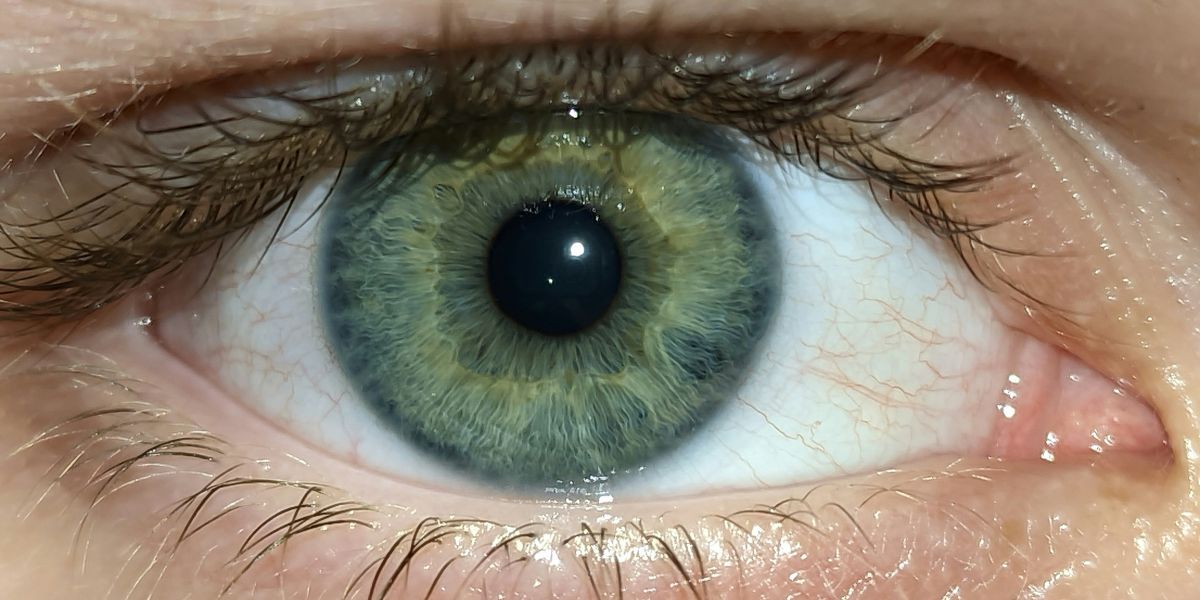

When to Visit Ocular Aesthetics in Melbourne

Ocular aesthetics is an increasingly popular field in cosmetic and functional eye care, offering treatments ranging from rejuvenation of the eyelids to enhanced tear film and ocular surface support. 

For residents of Melbourne and beyond, consulting with an ocular aesthetics specialist can make a meaningful difference to both appearance and eye comfort. This post explores when it’s the right time to explore ocular aesthetics in Melbourne, what options are available, and essential considerations to guide your journey.

Understanding Ocular Aesthetics

First, what exactly does “ocular aesthetics” encompass? It refers to a suite of interventions aimed at improving the health, comfort, and aesthetic appearance of the eyes and surrounding tissues. This includes:

  • Blepharoplasty and eyelid rejuvenation, addressing hooded eyelids, bulging fat, and lower eyelid bags
  • Tear film and ocular surface enhancement for those with dry eyes, irritation, or fluctuating vision
  • Non‑surgical cosmetic procedures, such as dermal fillers to support tear troughs or restore volume
  • Allergy management and ocular hygiene to reduce redness, puffiness, and chronic irritation

These treatments are tailored to individual needs, combining medical expertise with aesthetic skill. While many clinics around Melbourne offer cosmetic eyelid services, true ocular aesthetics professionals understand the delicate balance essential to preserving eye function and safety.

When to Consider Eyelid Rejuvenation

You’re Experiencing Physical Drooping or Bags

Over time, the skin of the upper eyelids stretches, and orbital fat may protrude. This can result in:

  • Hooded brows that obscure your vision
  • Puffy lower lids or under‑eye bags

When these changes interfere with sight or contribute to a constantly tired appearance, eyelid rejuvenation may help. A consultation can determine if surgical (blepharoplasty) or non‑surgical methods best suit your goals.

You’d Like a More Refreshed Look

Even if drooping is minimal, signs of aging around the eyes, such as fine lines, mild laxity, and loss of eyelid definition, can be softened with treatments like:

  • Laser resurfacing or plasma lifting to tighten skin
  • Targeted peptides or serums to improve texture
  • Minimally invasive eyelid tightening procedures

These can give your eyes a more vibrant and youthful appearance without major surgery or extended recovery.

When to Address Dryness and Irritation

Not all ocular aesthetics is about appearance. Many treatments focus on improving the comfort and function of the eye.

Persistent Dry or Red Eyes

Does your eye feel scratchy, tired, or watery despite lubrication drops? Do you work long hours at a screen or live in a dry climate? You may benefit from:

  • Meibomian gland expression or heating devices to treat gland blockage
  • Intense pulsed light (IPL) therapy for chronic dry eye associated with blepharitis
  • Nutritional advice and ocular surface testing to restore a healthy tear film

If you’ve tried standard lubricants without sustained relief, seek an ocular aesthetics clinician for a detailed tear film evaluation and tailored treatments.

Chronic Eyelid Conditions

Allergic reactions, blepharitis, and recurrent chalazia (eyelid lumps) often cause discomfort, irritation, and cosmetic concern. A specialist can recommend:

  • Lid hygiene protocols and medicated washes
  • In‑office treatments to close leaking glands or remove debris
  • Allergy testing, topical treatments, and lifestyle modifications

Addressing these conditions not only improves function but also supports long‑lasting cosmetic results.

When to Opt for Non‑Surgical Cosmetic Enhancements

If your primary aim is a subtle aesthetic lift with minimal downtime, non‑surgical options might be ideal.

You Want Volume Restoration Around the Eyes

As we age, we lose volume in the tear trough area, causing hollows, shadows, or dark circles. Gentle filler injections can:

  • Soften under‑eye hollows
  • Reduce contrast, making dark circles less noticeable
  • Create a smoother transition from the eyelid to the cheek

Performed by an ocular aesthetics expert, these treatments avoid excessive volume or migration that might impair eyelid function.

You’re Seeking a Subtle Lift Without Surgery

Procedures like plasma‑based treatments or light energy devices can enhance skin laxity or tighten minor sagging. These:

  • Require minimal downtime
  • Avoid surgical incisions
  • Provide progressive and natural‑looking results

For those wary of surgery, these techniques often strike just the right balance.

How to Choose the Right Time

Deciding when to visit a practitioner depends on your concerns and timeline.

Functional issues

If your vision is impaired, your eyelids are symptomatic, or you have chronic irritation, earlier assessment is wise. Addressing dysfunction promptly can prevent worsening and enhance lifestyle.

Cosmetic concerns

Think about how much time you’re willing to invest. Surgery offers dramatic results but requires more recovery. Non‑surgical routes may take longer to reach your goal but with less downtime.

Life context

If you have a busy schedule, upcoming events, or travel plans, plan your treatments accordingly, especially those with longer healing times.

Holistic eye health

Even if pursuing cosmetic enhancements, it’s important to evaluate eye health. The ideal provider will assess blink function, tear film quality, ocular surface, gland health, and eyelid anatomy in tandem with aesthetic ambitions.

What to Expect at Your Melbourne Appointment

Comprehensive eye and eyelid assessment

 Expect an evaluation of tear film, meibomian glands, eyelid position, and eye surface health.

Discussion of treatment goals

Clarify what’s bothering you, whether it’s function, fatigue, cosmetic appearance, or a combination.

Tailored treatment plan

Options may include in‑office gland expression, IPL, surgical eyelid lift, plasma skin resurfacing, or filler.

Personalized recovery and aftercare instructions

Guidance typically covers medications, lubrication, hygiene routines, and follow‑up visits.

Realistic expectations

The provider should walk you through what looks and feels normal, without overpromising.

Finding a Trustworthy Melbournian Specialist

While many beauty clinics in Melbourne offer eyelid rejuvenation, not all have the depth of ocular experience. Look for providers who are:

  • Trained in ophthalmology or optometry
  • Specialising in ocular surface management, eyelid function, or dry eye
  • Confident in integrating aesthetic goals with eye safety

You can often ask about their credentials, view before‑and‑after images, and inquire whether they’d consult with your regular eye doctor during planning.

Conclusion

The best time to get started is when symptoms, whether functional, cosmetic, or both, begin to affect your quality of life. With a tailored, eye‑sensitive approach, ocular aesthetics offers transformative results that look natural and feel safe.

By choosing a provider rooted in eye care, you’ll achieve enhancements that support not just your appearance, but also your vision and ocular health for years to come.


Disclaimer: The information provided in this article is for general informational purposes only and should not be considered medical advice. Consult with a qualified ocular aesthetics specialist to determine the most suitable treatments for your specific needs. Results may vary based on individual circumstances, and treatments should be discussed with a healthcare professional to ensure safety and efficacy.

Tips for Planning a Family Vacation to Pigeon Forge

Ever tried coordinating a vacation for people who can’t agree on where to eat lunch? Planning a family trip is less about destinations and more about negotiation, logistics, and somehow keeping everyone fed, happy, and not buried in their phones the whole time. In this blog, we will share how to plan a smooth, memorable family vacation to Pigeon Forge—without losing your mind in the process.

Balance Planning with Breathing Room

Families don’t operate like tightly scheduled itineraries, no matter how good your spreadsheet looks. And Pigeon Forge isn’t the kind of place that benefits from overly rigid agendas. It’s packed with attractions, shows, and roadside curiosities that you won’t find in travel brochures but somehow end up being everyone’s favorite part of the trip.

The key is to plan a structure, not a schedule. Build your trip around a few major activities or must-do outings—then leave open time between them to decompress or chase something spontaneous. If you lock down every hour of the day, you might find yourself stressed before breakfast. But if you don’t plan at all, the indecision spiral can set in quickly.

A lot of families end up building their vacation around Dollywood, and for good reason. The park blends thrill rides with craft demos and live performances, which means it appeals to a wide range of ages. While it can be tempting to skip the rides for broader appeal, it’s a good idea to make time for the standout coasters at Dollywood. Lightning Rod, Wild Eagle, and Thunderhead aren’t just adrenaline generators—they’re engineering marvels that spark conversation and shared excitement, especially for families with older kids or parents who don’t mind getting tossed around a bit. Let the kids lead the way on those. Even if you’re not a coaster person, sharing in their excitement from the sidelines can still make you a part of the memory.

Timing Makes or Breaks the Trip

The calendar doesn’t lie—some seasons just work out better than others. Pigeon Forge, nestled at the edge of the Great Smoky Mountains, follows a rhythm that might not be obvious unless you’ve been through it. Summer brings crowds, peak prices, and humid afternoons that can test any parent’s patience. Fall comes with cooler weather and a flood of leaf-peepers, but also better traffic and lighter wait times if you avoid weekends. Spring can be unpredictable, but it’s often your best bet for open space and mild temperatures. Winter slows everything down, which might be exactly what your crew needs.

Timing matters not just for hotel rates or weather forecasts, but for the mood of your trip. If you’ve got school-aged kids, consider planning right after the school year ends or during a short break when they’re not burned out. If you’re traveling with teens, you might want to think about avoiding summer altogether and leaning into long weekends or shoulder-season windows when things feel less chaotic. The smoother the setting, the easier it is to actually enjoy your time together, without turning your family photo op into a group therapy session.

Avoid the Trap of Overpacking—Mentally and Literally

Everyone tends to think they need more than they actually do. This applies to luggage, activities, and expectations. The most common mistake people make when traveling with family is packing for the trip they wish they were having, instead of the one they’re actually going on. No one wears five pairs of shoes in four days. No one wants to do seven hours of sightseeing on foot after a big breakfast buffet. The sooner you make peace with imperfection, the better your vacation will be.

Focus on what makes everyone comfortable. This could mean keeping a cooler in the car for snacks and drinks between stops, or packing a bag with chargers, wipes, and Band-Aids that lives in the backseat no matter where you go. Don’t assume you’ll always be near a store—or that you’ll want to interrupt a good moment to go buy something small.

And mentally, pack light too. Every trip has its hiccups. Someone forgets a toothbrush, someone melts down in a parking lot, someone complains about the food. Accept it as part of the journey. The goal isn’t a perfect photo album—it’s a shared story that feels good when you retell it later.

Tech Helps—Until It Doesn’t

Navigation apps, attraction maps, mobile tickets—all of it matters. Pigeon Forge may feel charmingly old school, but its layout can be confusing, and traffic moves slower than you might expect. Use your phone to check opening times, avoid bottlenecks, and grab updates from local pages that flag detours or limited-time events. Some of the smaller shows and attractions don’t advertise well, so keeping an eye on social media can help uncover surprises you’d otherwise miss.

But there’s a limit. At some point, the screen starts pulling everyone away. If you want this trip to feel different from your usual week, consider building intentional moments to unplug. This could mean turning off Wi-Fi for an hour in the cabin and playing cards, or putting phones in airplane mode during lunch and letting conversation take center stage. You’re not doing it for any moral reason—you’re doing it so the memories come from each other, not just the pictures.

Think About the Exit, Not Just the Arrival

Most people plan the start of their trip in minute detail and then fizzle out on the back end. The result? A great few days, followed by a stressful return that undoes all the relaxation. Don’t let the final leg derail your whole mood. Look at your return day not as a travel chore, but as the last chapter of your vacation. It deserves attention, too.

If you’ve got a long drive home, consider planning a stop an hour in that lets everyone stretch, eat real food, and reset. Keep the last night mellow—no need for a big closing event. Let people wind down naturally. And when you’re packing up, do it in a way that your future self will appreciate. Have a go-bag ready with chargers, snacks, and the things you’ll need on the road. Toss out the trash from the car before you pull out of the driveway. Small things, but they make re-entry smoother, and you might find yourself grateful for the effort later.

Planning a family vacation to Pigeon Forge means managing the usual travel chaos while embracing the quirks that make the place so rewarding. It’s not about chasing the perfect agenda or seeing every single thing. It’s about giving your family space to connect in a place that moves just slow enough to let it happen. The rides will thrill, the views will impress, and the unexpected moments—those are the ones that tend to stick.

The Moon and the Tree by D.L. Kreager Offers A Heartwarming Tale for Young Readers

By: Jeffrey C. Drozd

There’s a new gem in the world of children’s literature, and it’s as gentle and illuminating as the moonlight it describes. The Moon and the Tree, the beautifully written and soulfully illustrated children’s book by D.L. Kreager, is now available. And it’s already making the hearts of young readers and families happy.

At first glance, the book may appear to be a simple bedtime story, but at its core, it’s a poetic conversation between two natural companions: the moon and a sleeping tree. As the winter chill blankets the forest, the moon gently comforts the shivering tree, guiding it through the promise of changing seasons, warm sunrises, playful summers, and the peaceful return of winter once again. It’s a soothing, cyclical journey that not only entertains but also teaches children about the magic of nature and the passage of time.

Story Sparked by a Child’s Curiosity

The inspiration for the book came from a heartfelt question posed by the author’s young grandson: Grandma, why are the trees so quiet? From this simple, inquisitive moment, D.L. Kreager spun a story that honors the wonder of a child’s imagination while delivering timeless lessons in a soft, comforting voice.

Through lyrical prose and eye-catching imagery, Kreager creates a serene world where the moon becomes a wise guardian and the tree a symbol of patience and resilience. Their tender exchange encourages young minds to understand the importance of rest, change, and growth, reminding children (and adults) that every season has its purpose.

Perfect for Bedtime or Classroom Reading

Designed for children aged 3 to 8, The Moon and the Tree is the perfect read-aloud book for parents, grandparents, and educators. Its calming tone makes it ideal for bedtime routines, while its educational content aligns beautifully with early childhood science and nature themes.

Young readers will fall in love with the poetic rhythm and the tree’s dreamy visions of sunlit days and children playing beneath its branches. Parents will appreciate the way the story opens up natural conversations about emotions, seasons, and the beauty of waiting.

Personal Mission Behind the Pages

Beyond storytelling, D.L. Kreager’s mission with this book is deeply personal. The author, a proud grandmother of seven, wrote this book not only to share a message of wonder and warmth but also to raise awareness about Cystic Fibrosis. It is a condition her 5-year-old grandson, Rylan, lives with every day. Her hope is that through storytelling, she can bring light, awareness, and inspiration to others.

With a rich personal background rooted in the Ozark Mountains and a lifelong love for writing, the author brings authenticity and heart to every page. Her passion shines through, making the book much more than a story. It’s a gift of love, family, and quiet wisdom.

Takeaway

Whether you’re looking for a meaningful gift, a new bedtime favorite, or a way to teach your child about the seasons, The Moon and the Tree is a must-have addition to any bookshelf. It’s a celebration of the natural world, the passage of time, and the gentle magic that can be found in stillness. With its thoughtful message and tender storytelling, this book will leave children feeling calm, curious, and connected to the world around them.

Let the magic of the moon and the wisdom of the tree inspire your little one’s imagination. Get your copy of The Moon and the Tree by D.L. Kreager today!

Learn more about her at: www.DL-kreager.com

Why Visiting a Gut Health Consultant in Melbourne Is Important

Gut health is a growing area of interest for people looking to improve their overall well-being. While digestive concerns are common, they are often misunderstood, overlooked, or masked with temporary fixes. 

The gut health consultant in Melbourne plays a vital role in helping individuals understand and optimise the health of their digestive systems. Their work extends beyond digestion and touches on many aspects of physical and mental health.

Understanding the Gut’s Central Role in Health

The human gut is more than just a digestive tract. It is a central player in your immune system, metabolism, and even mood regulation. The gut is home to trillions of bacteria, collectively known as the gut microbiome. These microbes help digest food, produce essential nutrients, and keep harmful organisms in check.

When the balance of this microbiome is disrupted through diet, stress, medication, or illness, it can lead to a wide range of symptoms, including bloating, fatigue, mood swings, food intolerances, and more serious inflammatory conditions. A gut health consultant can help identify these imbalances and guide you through strategies to restore harmony.

Professional Insight into Persistent Symptoms

Many people experience digestive discomfort like constipation, diarrhoea, or abdominal pain but may not understand the root cause. A gut health consultant uses tools such as detailed health assessments, food journals, and testing like microbiome analysis to uncover what may be driving symptoms.

Instead of chasing symptom relief through trial and error, working with a professional can help identify specific triggers or underlying issues such as leaky gut, small intestinal bacterial overgrowth (SIBO), or food sensitivities. This helps reduce frustration and leads to a more tailored and effective treatment plan.

Individualized Diet and Lifestyle Advice

There is no one-size-fits-all approach to gut health. A gut health consultant can design a personalised program based on your symptoms, test results, medical history, and lifestyle. This often includes guidance on food choices, supplements, stress management, sleep, and physical activity.

In a city like Melbourne, where dietary preferences vary widely, such as plant-based diets, gluten-free eating, and cultural food diversity, a consultant can help adapt your eating habits without sacrificing enjoyment or nutrition.

Support for Mental and Emotional Wellbeing

The gut-brain connection is another important reason to consider consulting a gut health specialist. Research shows that the gut and brain are intricately linked through the vagus nerve and a complex network of signals. Anxiety, depression, and stress can affect gut function and vice versa.

A consultant who understands this relationship can help clients not only work on dietary and microbiome health but also support emotional well-being. Mindfulness, relaxation techniques, and gut-friendly nutrition can be powerful tools in managing mental health alongside digestive issues.

Managing Chronic Conditions

Gut health is often linked with chronic conditions like irritable bowel syndrome (IBS), inflammatory bowel disease (IBD), eczema, and autoimmune diseases. A gut health consultant works alongside general practitioners or specialists to complement traditional treatments.

By focusing on inflammation, immune responses, and nutrient absorption, a consultant can help manage symptoms, reduce flare-ups, and improve quality of life. This integrative approach is especially helpful for individuals seeking more than medication alone.

Preventative Health and Long-Term Wellness

Visiting a gut health consultant is not only for people with existing conditions. If you are looking to boost your energy levels, prevent illness, improve your skin, or simply feel your best, gut health could be the missing link.

Preventive care is often overlooked until problems become chronic. By checking in with a consultant early, you can take proactive steps to support your microbiome, balance your diet, and build habits that promote lasting well-being.

Navigating Overwhelming Health Information

With so much online information about probiotics, fermented foods, gut cleanses, and dietary trends, it can be difficult to know what is beneficial and what is marketing hype. A gut health consultant helps filter through the noise, providing evidence-based advice tailored to your needs.

Their goal is not to sell products or follow fads but to help you make informed decisions that work for your body and lifestyle. In Melbourne’s diverse health scene, this kind of trusted support can be invaluable.

Conclusion

Our gut plays a far greater role in health than many realise. From digestion and immunity to mental clarity and emotional balance, visiting a gut health consultant in Melbourne gives you access to personalised, science-backed support that can help you better understand your body, manage persistent symptoms, and live with more energy and confidence.

Whether you’re dealing with discomfort, navigating a chronic condition, or simply curious about improving your overall wellness, consulting a gut health professional can be a worthwhile step toward long-term health.


Disclaimer: The information provided in this article is for general informational purposes only and should not be considered medical advice. Consult with a qualified healthcare professional or gut health consultant before making any changes to your diet, lifestyle, or health regimen. Results may vary based on individual circumstances.