Alarming Drop in New Home Sales Sparks Housing Market Concern

By: Luka Tvaradze

The demand for newly built homes has fallen to its lowest point in nearly three years, signaling a pronounced deceleration in the housing sector. Recent data reveals that homebuilders nationwide are preparing for a marked downturn in construction activity in the near future. Nick Gerli, a real estate strategist, stated that buyers are largely disengaging from homes that are either under construction or have approved permits. He highlighted that the months of supply for both categories currently range between 15 to 20 months—figures that approach record-high levels.

Homebuyers Pull Back From New Construction Market

The term “months of supply” refers to how long it would take for the current inventory to be sold, assuming the present rate of sales continues. A range of 15 to 20 months is well above the six-month benchmark that typically defines a balanced housing market. This prolonged inventory overhang has already begun to influence builder behavior. Recent figures show that residential construction starts in the U.S. have slowed to levels not seen since the early months of the COVID-19 pandemic, underscoring the growing hesitation among developers to initiate new projects amidst weakening demand. In states where living is already costly, like New Jersey, more people are seeking alternative financial support options. Thus, the growing need for loan help for NJ households has prompted a surge in applications to credit unions, payday lenders, and community assistance programs. 

New Home Listings Surge While Sales Hit New Lows

In recent years, residential construction has accelerated nationwide, particularly in high-growth states such as NY, Florida and Texas, which have seen strong population and housing demand since the onset of the pandemic. As a result, the level of new housing inventory has reached its highest point since late 2007, signaling gradual progress in addressing the long-standing supply shortage that has persisted since the Great Recession.

Despite this increase in available housing, sales of new homes are in decline. Persistently high home prices and elevated mortgage rates continue to deter prospective buyers. As of June 26, the average 30-year fixed mortgage rate stood at 6.77 percent, nearly triple the historic lows recorded during the pandemic. In May, sales of new homes fell sharply by 13.7 percent from the previous month, dropping to a seasonally adjusted annualized rate of 623,000 units, according to data from the Census Bureau of the U.S. Commerce Department. This marked the steepest monthly decline since June 2022 and exceeded analysts’ expectations, further illustrating the broader cooling of demand across the housing market. On a year-over-year basis, new home sales were down 6.3 percent.

The months of supply for homes that are permitted but not yet started has reached a record high of 19.4 months. Nick Gerli, CEO of Reventure App, emphasized that this figure reflects a near-total absence of buyers willing to sign contracts for homes that have yet to break ground. In his view, this underscores the fragile state of current housing demand. In comparison, homes currently under construction have a month’s supply of 14.8 ranking as the second-highest figure ever recorded, trailing only the 2008 peak. Completed homes, on the other hand, present a more favorable supply level of 3.6 months.

Gerli noted that approximately 30,000 new home sales were completed in May 2025, aligning closely with historical highs, which indicates that builders are still able to sell completed homes relatively effectively. However, he also cautioned that the influx of finished inventory continues to mount due to the substantial pipeline of homes still under construction. Currently, there are 268,000 homes for sale that remain under construction, a figure reminiscent of the oversupply conditions seen during 2007–2008.

What It All Means for Home Buyers and Builders

The outlook for home construction in the United States remains dim, as rising costs continue to impact both builders and prospective buyers. This trend suggests that the country’s persistent housing shortage is unlikely to resolve in the near future, and Americans will remain burdened by elevated home prices.

According to Odeta Kushi, Deputy Chief Economist at First American, multiple factors are contributing to the slowdown in builder activity. In a statement to Real Estate News, she explained that builders are contending with higher financing costs, ongoing tariff uncertainties, and reduced buyer demand driven by elevated mortgage rates. Additionally, increasing competition from a growing inventory of existing homes, particularly in key markets such as Texas and Florida, combined with their own rising stock levels, has further dampened builder confidence.

How to Safely Upgrade Your Golf Cart to Lithium Power

Upgrading your golf cart to lithium power? Great call. It’s one of those changes that seems small at first but ends up making a big difference—lighter weight, more efficient, and just a smoother ride all around. Personally, I’ve seen firsthand how lithium golf cart batteries can stretch your range and cut down on those pesky maintenance routines.

But here’s the thing: as simple as the benefits might sound, the upgrade to lithium golf cart batteries isn’t something you want to rush through. It’s not plug-and-play. You’ll need to check that everything’s compatible, pick out the right batteries, and follow some important safety steps. That’s what we’re diving into here—your go-to guide for making the switch to lithium the smart (and safe) way. Trust me, taking the time to do this right will save you headaches later and keep your cart humming along like a dream.

How to Safely Upgrade Your Golf Cart to Lithium Batteries

Switching to LiTime lithium golf cart batteries isn’t hard, but it’s not something to do on a whim either. Here’s the basic roadmap:

  • Assess Compatibility: Not every cart is ready for lithium. Check voltage, capacity, and make sure your system can handle the upgrade.
  • Choose Quality Batteries: Don’t skimp here. Go for trusted brands with solid warranties—preferably ones rated for at least 6,000 cycles.
  • Gather Your Tools: Think sockets, wrenches, safety gear, and any connectors you’ll need.
  • Disconnect Old Batteries: Always remove the negative terminal first. Safety first, always.
  • Install the New Ones: Drop the lithium batteries into place and secure them tightly. You don’t want them bouncing around.
  • Wire It Up: Follow the wiring diagram that comes with the battery. If there’s ever a time to RTFM, it’s now.
  • Test Everything: Fire up your cart and see how it runs. Any weird behavior? Stop and double-check your connections.
  • Monitor Health: Keep an eye on your system after the install. Clean the terminals and check performance regularly.

Each step matters, and skipping one could cost you more than just time. Patience pays off here.

Assessing Compatibility

Before you go dropping in new lithium golf cart batteries, you’ve got to make sure everything fits—both literally and electrically.

Voltage Requirements

First, let’s talk volts. Lithium batteries usually come in 12V or 24V options, but your cart might be running on 36V or even 48V. That’s no problem—you can wire several lithium batteries in series to match. Just make sure the combined voltage lines up with your cart’s needs.

How to Safely Upgrade Your Golf Cart to Lithium Power

Physical Dimensions and Weight

Lithium batteries are much lighter and often smaller than the bulky lead-acid ones they’re replacing. That’s great for performance, but don’t forget to measure your battery compartment first. The last thing you want is a jigsaw puzzle on install day.

Fun fact: A typical lead-acid battery weighs about 60 pounds. A lithium equivalent? Closer to 30. Your back will thank you.

Electrical System Evaluation

Here’s where a lot of folks get tripped up. Lithium golf cart batteries require a charging system that plays nice with them, specifically, one with a Battery Management System (BMS). Your old charger probably won’t cut it.

How to Safely Upgrade Your Golf Cart to Lithium Power

Get this part right, and you’ll avoid some of the most common upgrade headaches.

Selecting the Appropriate Lithium Battery

Not all lithium golf cart batteries are created equal. Here’s what to look for when choosing yours.

Battery Chemistry

Go with lithium iron phosphate (LiFePO₄). It’s stable, safe, and perfect for golf carts. Some other chemistries might be out there, but LiFePO₄ gives you the most cycles, usually 2,000 or more.

Capacity and Range

How far do you want to go? Capacity is measured in amp-hours (Ah). A 60Ah battery should get you around 30 miles per charge, depending on terrain and cart size.

Built-in Battery Management System (BMS)

Don’t even think about skipping the BMS. It helps manage charge and discharge and protects your investment from issues like overcharging.

Brand Reputation and Warranty

Stick with brands people trust—and check that warranty. A good one is at least two years. Better ones go up to five or more.

How to Safely Upgrade Your Golf Cart to Lithium Power

Preparing for Installation

Let’s get ready to roll.

Safety Precautions

Wear gloves. Wear goggles. Disconnect all power. Trust me—you don’t want to learn this stuff the hard way. Make sure the workspace is dry, clear, and well-lit. Oh, and check those old cables for corrosion while you’re at it.

Tools and Materials

Here’s what you’ll need:

  • Socket set
  • Adjustable wrench
  • Phillips and flathead screwdrivers
  • Wire cutters
  • Electrical connectors
  • Multimeter
  • Gloves and goggles

Check your list before you start. Running back and forth for tools mid-install? That’s no fun.

Removal of Old Batteries

Start with the negative terminal, then the positive. Carefully lift out each battery—some of them are seriously heavy. If you’ve got a buddy around, now’s the time to ask for help.

Give the battery tray a quick clean while you’re in there. A little prep goes a long way.

Installing the Lithium Battery

Time to put those shiny new lithium golf cart batteries to work.

Placement and Securing

Place each battery in its assigned slot. Double-check spacing and alignment. Use straps or brackets to keep them snug—rattling around isn’t just annoying; it can be dangerous.

Electrical Connections

Positive goes first, then negative. Make sure cables are flat, untwisted, and tightly secured. Corroded connectors? Swap ’em out.

BMS Integration

This is your battery’s brain. Follow the manufacturer’s instructions carefully when connecting your BMS. Look out for any warning lights or error indicators.

Charging Considerations

Charger Compatibility

Don’t assume your old charger will cut it. Most lithium golf cart batteries need a dedicated charger with support for BMS and proper voltage profiles.

How to Safely Upgrade Your Golf Cart to Lithium Power

Charging Protocols

  • Charge when the voltage drops to about 20%
  • Don’t let the battery overheat while charging
  • Use a smart charger if you can—it makes life easier

Little things like this go a long way toward battery life and safety.

Post-Installation Testing

Time to make sure everything’s working the way it should.

System Verification

  • Check every terminal
  • Use a multimeter to confirm the voltage
  • Verify your BMS is active and reading correctly

A few extra minutes here can save you from annoying problems down the line.

Performance Assessment

Take your cart for a spin. Test the acceleration, check braking, and see how far you can go on a full charge. Pay attention to odd noises or sluggish responses.

If everything checks out, you’re good to go.

Maintenance and Safety Tips

Just because lithium golf cart batteries are low-maintenance doesn’t mean you can forget about them.

Regular Inspections

Give everything a once-over every month. Look for corrosion, loose connections, and voltage anomalies. Keep a log—it helps track performance over time.

Storage Guidelines

If you’re not using your cart for a while:

  • Store batteries at about 50% charge
  • Keep them in a dry, shaded spot
  • Avoid temperature extremes (32°F–86°F is ideal)

Environmental Considerations

Recycle. Seriously. Don’t just toss old batteries in the trash. Most cities have recycling programs for lithium batteries—take advantage of them. And when charging, avoid wet areas or direct sunlight. Better safe than sorry.

Conclusion

Making the switch to lithium golf cart batteries is one of those upgrades that pays off fast. You get better range, smoother performance, and way less hassle with maintenance. But like any good upgrade, it takes a bit of planning.

Check your system, pick the right batteries, install with care, and don’t skip the testing. Keep up with basic maintenance, and you’ll be cruising for years without a worry. Honestly? Once you go lithium, you’ll wonder why you didn’t do it sooner.

How Event Styling Mirrors High-End Interior Trends

By: Jacob Maslow

High-end interior design trends are being used to set the tone for upscale events as well as for homes. Understanding this crossover is crucial for your events, weddings, or design to upscale interior design, evident in event style, from well-chosen tablescapes to biophilic elements and plush textiles. Read on and discover how this visual harmony is shaping the futures of both ends.

Creating a Homey Atmosphere at Events

Events are now supposed to feel more like home than a hall. Designers create spaces to resemble upscale interiors with soft furnishings, dim lighting, and well-chosen vignettes. For instance, photo booths resemble bookshelves, velvet couches in cocktail bars, and warm-looking floor lamps at outdoor receptions. These items add visual cosiness and intimacy to the space.

These spaces are a good example of current interior design trends, such as open floor plans and the use of multiple textures. Dance floors with few shoes on them and rows of chairs are things of the past, overcome by natural room dividers, multi-layered rugs, and open sitting areas.

The configurations transform event spaces into corners where you can move, sit, and socialise just like you would in a finely furnished home.

Matching Colours and Swatches for Themes

The themes of events are directly impacted by colour trends in interior design. Vivid whites and colours that were once in style are giving way to softer earth tones like sage, sand, and terracotta.

Similarly, flower arrangements and accent walls frequently feature the colour of the year. To create scenes that complement one another, event planners are now using trendy colour schemes to help them arrange lighting and tablescapes.

Monochromatic palettes and subdued colour schemes lend both spaces a more elegant appearance. For both homes and events, tone-on-tone design is popular. Stationery, flowers, and linens are all various tones of the same colour. Whether it’s a fall wedding with rust and clay or an all-ivory dinner party, everything you see now has a backstory.

Mixing Design Elements for Interiors and Spaces

The popularity of natural textures, well-chosen furniture, and sculpted lighting creates multisensory experiences.

Event Furniture Hire and Stylist sharing concepts may overlap some of the style components. Large chandeliers, lanterns, or contemporary pendants hang over dining tables, just like in upscale dining establishments. You can see the established tone and provide an emotional core to the narrative.

Biophilic touches include hanging plants, flower arrangements, and plant-covered walls, which all contribute to the expanding trend of bringing nature indoors and improving the atmosphere.

Terrazzo accents are also being utilised in ceremony backdrops and event bars, in addition to boucle fabrics and curved seating. Both even show the rise of scent branding with customised diffusers or candles. These visual selections help you remember events by linking them to your personal style.

Considering Eco-Sustainability for Styling and Staging

Sustainability is now a must for venues and events, not just a nice-to-have. In order to reduce waste and expenses, many stylists now opt to use or rent items multiple times. You prefer to use organic fabrics, flowers from local farms, and vintage or second-hand decorations, all of which are in keeping with current trends in home design.

For example, it is now typical to see old cutlery or wooden tables with no coverings to display the natural grain at elegant weddings. The slow interiors movement, which prioritises quality over quantity, is another source of inspiration for the event industry. Designers concentrate on functional, long-lasting pieces rather than packing the room with too many trendy items.

A large statement piece, such as a handcrafted sign or a flowery chandelier, has greater impact than a collection of insignificant little pieces. In addition to being fashionable, this method is practical and environmentally friendly.

Spark Trends with Collaborative Event Service and Interior Styling

The integration of interior design and event styling is indicative of a broader shift in your lifestyle: every location, whether temporary or permanent, is selected with purpose. Events are naturally becoming more intimate, experience-based, and softer, just like interiors. As trends continue to shift, you can anticipate even more stylistic similarities between your living and partying locations.

Understanding Engineering Supplies What They Are and Why They Matter

By: Jacob Maslow

Engineering supplies are the unsung heroes behind the success of industrial, construction, and manufacturing projects. From essential fasteners to high-precision measuring tools, these items form the backbone of daily operations for engineers, technicians, and tradespeople. Whether you’re working on infrastructure, machinery maintenance, or new product development, reliable engineering supplies can make all the difference.

What Are Engineering Supplies?

Engineering supplies encompass a broad range of tools, components, and materials used in technical and industrial applications. These include:

  • Fasteners such as nuts, bolts, screws, washers, and rivets

  • Hand tools like spanners, hammers, screwdrivers, and pliers

  • Power tools such as drills, grinders, and cutting equipment

  • Measuring instruments like calipers, micrometers, and laser levels

  • Lubricants, adhesives, and sealants

  • Safety gear, including gloves, goggles, masks, and protective clothing

These supplies are essential for tasks ranging from equipment repair to the assembly of complex structures.

Why Engineering Supplies Are Essential

Consistency and Accuracy

Precision is critical in engineering. The right measuring tools and calibrated instruments help make sure components are installed or built to exact specifications. This reduces the risk of errors and improves safety and performance in any engineering application.

Operational Efficiency

Having the correct supplies on hand prevents downtime and keeps operations running smoothly. Imagine a machine needing urgent maintenance, only to find a missing part or tool. Reliable engineering supplies help avoid these disruptions and support productivity.

Cost Management

Choosing high-quality supplies may seem like a bigger investment upfront, but they often offer better durability and longer service life. This leads to reduced maintenance costs, fewer replacements, and better long-term financial outcomes.

Industries That Rely on Engineering Supplies

Many industries are dependent on engineering supplies to maintain and improve their systems, including:

  • Construction: From heavy-duty bolts to safety equipment, construction relies heavily on engineering stock.

  • Manufacturing: Machinery upkeep and product assembly require a wide range of tools and parts.

  • Mining and Resources: Durable and specialized equipment is needed to withstand harsh conditions.

  • Automotive: Precision tools and fasteners are used in vehicle assembly and repair.

  • Aerospace: High-spec materials and accurate instruments are essential for safety and performance.

Factors to Consider When Sourcing Engineering Supplies

Product Quality

Poor-quality tools or fasteners can lead to structural failures or safety risks. Look for durable, reliable products tested to industry standards.

Compatibility and Specifications

Using components that don’t meet the required technical standards can lead to inefficiencies or hazards. Always check material grades, measurements, and ratings before purchase.

Supplier Reliability

Delays in delivery or incorrect items can disrupt your project timeline. Sourcing from dependable suppliers with good stock availability and responsive customer support is vital.

Range and Availability

A well-stocked supplier that carries a wide variety of products can help streamline purchasing and make sure consistency across your projects.

How Technology Is Changing the Engineering Supplies Industry

Digital tools and e-commerce platforms have made it easier to browse, compare, and order engineering supplies online. Many suppliers now offer:

  • Digital catalogs with specifications

  • Real-time inventory tracking

  • Online account management and ordering

  • Technical support and application guidance

These advancements make procurement more efficient and accurate, particularly for large-scale projects that require careful planning and logistics.

Practical Tips for Engineers and Project Managers

  • Keep an updated inventory: This prevents shortages and allows for planned reordering.

  • Standardize supplies where possible: Using the same fastener types across projects simplifies stock management.

  • Train your team: Make sure your team knows how to use and store tools and materials correctly to extend their lifespan.

  • Review supplier performance: Periodically assess whether your suppliers meet expectations in terms of delivery, pricing, and quality.

Summary

Engineering supplies are more than just items on a shelf—they’re the components that hold projects together, literally and figuratively. Whether you’re managing a large infrastructure project or maintaining a production line, investing in the right tools and components is key to success. With evolving technology and growing demand across industries, understanding and managing your engineering supply needs is more important than ever.

Disclaimer: The information provided in this article is for general informational purposes only. It should not be considered as professional advice. The details shared are based on general industry knowledge and may not apply to every situation. For specific needs regarding engineering supplies, it is recommended to consult with an expert or supplier who can provide tailored solutions for your projects.

Why Trust Only the Professionals for Your Melbourne Commercial Roofing

By: Jacob Maslow

Commercial roofing is one of the critical elements of any commercial building. Whether it’s an office, warehouse, or retail space, a robust and professionally installed roof protects your assets, employees, and business operations. 

Melbourne, known for its unpredictable weather, underscores the need for skilled experts to handle roofing projects. Here’s why entrusting your Melbourne commercial roofing to professionals is not just advisable but essential.

Quality and Durability

When you hire professional roofing contractors, quality workmanship and durable materials are guaranteed. Professional roofers use high-quality roofing systems designed to withstand Melbourne’s harsh weather conditions, including heavy rain, wind, hailstorms, and intense summer heat. A professionally installed roof can last significantly longer, saving your business money on costly repairs or premature replacements.

Safety First

Roofing projects involve working at significant heights and handling heavy materials. Professionals are well-trained in safety protocols and are equipped with appropriate safety gear and insurance coverage. They understand how to navigate the complexities of commercial roofing safely, minimizing risks to personnel and the building itself.

Cost Efficiency and Savings

It might seem economical initially to opt for cheaper or less experienced services, but poor-quality work often leads to frequent repairs and increased long-term expenses. Professional roofers evaluate your roofing needs comprehensively, ensuring accurate installation and maintenance. They identify and address potential issues before they escalate, ultimately saving your business substantial amounts of money.

Compliance with Building Codes and Regulations

Melbourne has specific building codes and roofing standards that commercial buildings must adhere to. Professional roofers stay updated on these regulations and ensure compliance, protecting your business from potential fines or legal issues. Non-compliant roofing installations can lead to costly complications during inspections or when trying to sell or lease the property.

Increased Property Worth

Commercial real estate investors and tenants value buildings with well-maintained, professionally installed roofs. Professional roofing significantly increases the market value of your property. A quality roof signals reliability, safety, and commitment to maintenance, factors highly appealing to potential tenants and buyers.

Expert Advice and Reliable Support

Professionals offer more than just installation; they provide valuable advice, ongoing maintenance support, and immediate responses during emergencies. With professional roofers, your commercial roof will have consistent care, extending its lifespan and maintaining performance over the years.

Warranty and Peace of Mind

When professionals manage your roofing project, you typically receive warranties covering both materials and workmanship. These warranties provide peace of mind, knowing that any unexpected issues will be addressed promptly, without additional financial stress.

Choosing the Right Professional Roofers in Melbourne

When selecting professional roofers, always look for those with proven expertise, strong reputations, and comprehensive insurance coverage. Seek testimonials, ask for references, and ensure they offer clear, detailed quotes before work begins.

By investing in professional commercial roofing services in Melbourne, you’re safeguarding your business operations, protecting your investment, and ensuring long-term success. Trusting the experts is truly the prudent and beneficial choice for every commercial property owner.

Disclaimer: The information provided in this article is for general informational purposes only. It should not be considered as professional advice. The details shared are based on general industry knowledge and may not apply to every business or situation. For specific roofing needs or projects, we recommend consulting with a professional roofer who can assess your unique requirements. 

How Kaleidoscope’s Miracle Drops Support Healthy Hair Growth

By: Rhiannon Frater

Textured hair is often treated as an afterthought. From traction alopecia to postpartum shedding, thinning edges and dry scalp remain stubborn concerns, especially in the Black community. For those struggling with scalp health and slow hair growth, the hunt for a product that’s both effective and affordable has felt like chasing a myth. But Kaleidoscope Hair Products knew exactly where to look—back to the roots.

Why These Miracle Drops for Hair Are Taking Over

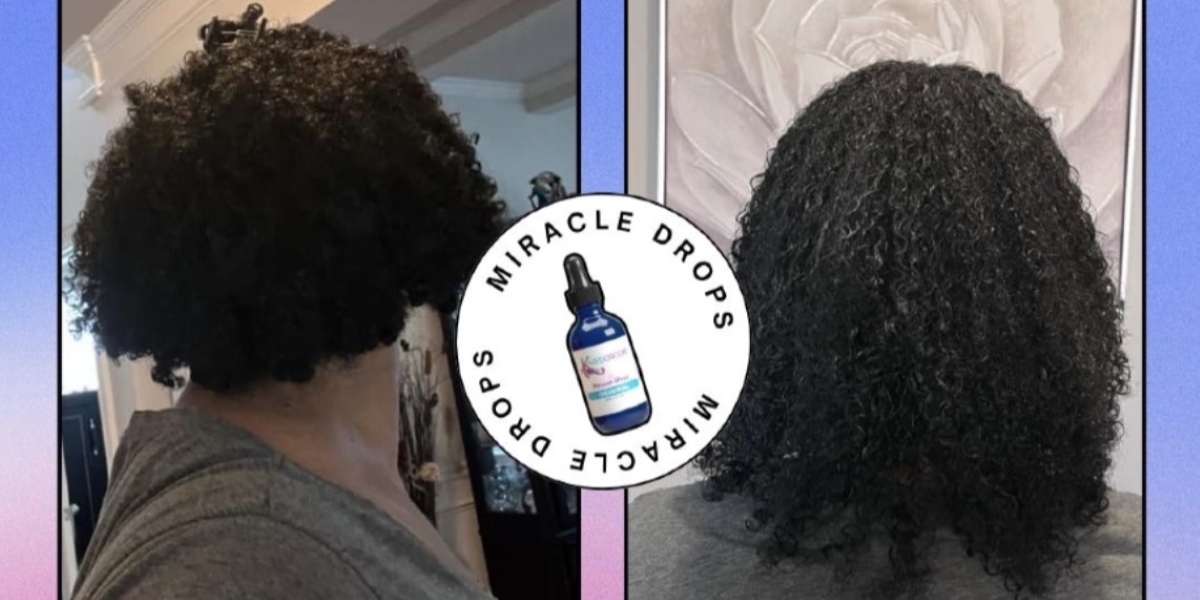
Enter Miracle Drops, the quick hair growth oil that has quickly become a cultural staple. This Miracle Drops Hair Oil for hair growth isn’t just another trend—it’s a community favorite born from real-life experience. Created by Jesseca “Judy” Dupart, a stylist-turned-mogul who understands the science and spirit of Black hair, the drops have earned their spot in vanities, salons, and social feeds across the country. What began in a small New Orleans salon is now fueling a national conversation about scalp care, growth, and self-expression.

What Makes Miracle Drops Ideal Scalp Oil for Growth?

How Kaleidoscope's Miracle Drops Support Healthy Hair Growth

Photo Courtesy: Kaleidoscope Hair Products

  • Targeted relief for common hair concerns – Specifically formulated to address dry, flaky scalp conditions and slow-growing hair strands that many people struggle with.
  • Powerful ingredient blend – Contains tea tree oil, peppermint oil, and other nutrient-rich essential ingredients that work together to nourish the scalp and promote growth.
  • Multi-purpose solution – Designed to help regrow thinning edges, reverse damage from tight hairstyles, and support recovery from postpartum hair shedding.
  • Root-focused approach – Targets the source of hair growth by working directly at the scalp level, where healthy hair begins.
  • Accessible pricing – Offers professional-quality results at a price point that doesn’t compromise affordability.
  • Stylist-trusted formula – Backed by hair professionals who recommend and use the product in their practice.
  • Proven effectiveness – Delivers visible hair growth results rather than just temporary cosmetic improvements.

With a price that’s accessible and a formula trusted by stylists, Kaleidoscope’s best oil for hair growth and thickness answers the call for results without compromise.

Boost Hair Growth Oil: The Story Behind the Brand

Jesseca’s story isn’t just inspiring—it’s foundational to the brand’s DNA. Long before she became the CEO of a multi-million-dollar haircare line, she was styling hair for free in her bedroom, sneaking her friends past her parents’ dreams of a law school career. Even after a devastating fire destroyed her salon in 2006, Jesseca rebuilt—stronger, smarter, and with even more ambition.

When she launched her now-legendary Edge Police campaign—a low-budget skit filmed on a phone—she didn’t just sell a product; she built a community. Viral growth followed, powered by word of mouth, authentic marketing, and a formula that spoke for itself. Today, her miracle drops for hair continue to gain popularity, now available on shelves at Target, Walmart, and Sally Beauty.

Why This Hair Growth Oil Is a Community Favorite

Kaleidoscope’s Miracle Drops Hair Oil is more than a beauty product—it’s a shared experience. On TikTok, customers share their before-and-after photos. YouTube stylists break down the step-by-step process of using the oil for hair growth. And Instagram fans share their growth journeys, shouting out the brand that helped bring their curls and confidence back.

This isn’t about chasing perfection—it’s about embracing growth. Real growth. At your own pace, with the ideal scalp oil for hair growth by your side.

Finding the Ideal Oil for Hair Growth and What It Means 

As Kaleidoscope Hair Products continues to thrive, so does Jesseca Dupart’s vision for what beauty can be—accessible, authentic, and built on community. With Miracle Drops for hair growth at the heart of the brand’s success, the mission is clear: to help you feel confident in your crown, whether you’re restoring your edges, soothing a dry scalp, or simply giving your hair the care it deserves.

What started with a stylist and a dream is now a national favorite—and it’s still growing. If you’re looking for a hair growth oil that actually listens to the needs of textured hair, you’ve found it. This is more than an oil for hair growth—it’s a movement, and you’re invited.

Find your favorite hair drops for growth today and take the first step toward results that speak volumes. Because when it comes to your hair, you don’t need miracles. You just need Kaleidoscope.


Disclaimer: This article is for informational purposes only and does not constitute medical or professional advice. Individual results may vary. Before using any hair care product, it is recommended to consult with a healthcare provider or dermatologist, especially if you have specific scalp or hair conditions.

How Kevin Turner Uses Comedy to Open Conversations on Mental Health

By: Tom White

In a cultural moment where mental health is finally being talked about with more openness and urgency, one comedian is taking that conversation center stage armed with sharp wit, therapeutic honesty, and a fearless hour that’s generating serious buzz on the festival circuit.

Kevin Turner’s new stand-up hour is being hailed as “hilarious and healing,” a rare blend of punchy observational comedy and deeply personal mental health storytelling. But getting here was no easy feat.

“I was struggling with my disorder for 10 years or so before I finally got help,” he revealed. “It wasn’t until I learned about OCD and got some distance from it that I could even consider the comedic potential. For a long time, I thought, ‘How could I ever joke about this?’ But that question became the challenge and the heartbeat of this show.”

What’s emerged is a set that is unflinchingly personal yet universally resonant. Kevin doesn’t just write jokes about mental health, he mines his own treatment journey for material, framing vulnerable truths with brutal honesty and expert timing.

“I don’t see vulnerability and comedy as opposites,” he says. “Comedy is how I process the feelings I’m most afraid of. When I write, I try to be deeply honest with myself, not the audience. I think that’s where my best jokes live.”

Still, some material felt too personal to touch at first, until a revelation changed everything.

“The goal of the whole show was to reach my darkest jokes at the end. Not for shock value, but because I learned how deeply misunderstood OCD is. I kept thinking: how many people are silently suffering? The only reason I could speak about it is because my aunt had the courage to tell me about her OCD. That gave me the clarity I needed, and I hope my set gives that to someone else.”

And it has. After nearly every show, someone comes up to say, “I thought I was the only one. I thought I was crazy.”

Even with some pushback from friends and fellow comics, “You can’t tell those jokes,” he was warned, Kevin’s intent has always been clear: reduce shame, raise understanding, and make people laugh along the way.

“I judge myself on intent,” he explains. “I know the jokes are dark, but I also know how much it would’ve helped me to hear them 10 years ago.”

Audience reactions have been as varied as they are meaningful.

“One person told me their favorite part was the darkest joke in the set—and that I should start there,” he recalls with a grin. “And my therapist came to a show and said it was ‘therapeutically accurate.’ Of course it was, I have OCD. We’re known for following instructions.”

As for what comes next?

“I have at least two other hours floating around in my head,” Kevin shares. “But right now, I want to keep building this one and hopefully take it to the Edinburgh Fringe in 2026.”

Beyond the accolades and laughs, Kevin Turner’s hour is helping shift the cultural narrative around mental health—and what it means to be a comedian in 2025.

“I hope it shows people you don’t have to like a joke to understand it. And that’s the first step to having more open, constructive conversations about mental health and each other.”

In this set, the line between stand-up and sit-down therapy is blurred and audiences are better for it.

The Modern Way to Stay Warm and Stylish in Winter

Gone are the days when staying warm meant sacrificing style with bulky, unflattering layers. Today’s heated apparel represents a perfect fusion of innovative technology and contemporary fashion, offering a fresh approach to winter dressing that doesn’t compromise on aesthetics.

Modern heated garments are revolutionizing how we approach cold-weather fashion, seamlessly blending into urban, outdoor, and professional settings while providing the comfort we crave during chilly months.

Instant Warmth, Instant Style

Today’s style-savvy consumers are discovering a fresh way to stay cozy without compromising their look. Modern heated apparel blends innovative technology with contemporary design, creating winter outfits that deliver both warmth and visual appeal. 

A weather-proof heated jacket paired with your favorite basics and on-trend accessories transforms everyday winter wear into fashion-forward streetwear.

The rising popularity of heated clothing reflects a broader shift in how we approach winter fashion. These pieces offer a perfect blend of functionality and style, making them increasingly attractive for daily wear. 

The beauty of heated clothing lies in its ability to adapt to different style preferences and occasions. Whether you’re heading to a casual meeting or enjoying weekend activities, these pieces seamlessly integrate into your existing wardrobe while providing the extra comfort you need during colder months.

Purpose-Driven Layering for Urban and Outdoor Lifestyles

Smart layering with heated apparel has become a game-changer for maintaining style while staying warm. Whether you’re rushing through busy city streets or exploring mountain trails, the right combination of layers can help you look polished while feeling cozy. The key lies in creating a harmonious blend of technical performance and contemporary fashion.

Starting with a proper foundation is essential for maximizing the effectiveness of your heated garments. A moisture-wicking base layer pulls sweat away from your skin, while a streamlined heated piece provides targeted warmth. Your final layer should complement your overall look while protecting you from the elements. 

Most consumers now prioritize sustainability in their clothing choices, pushing brands to create eco-friendly heated apparel that doesn’t compromise on style. Here’s how to build the perfect layered outfit with heated clothing:

  • Choose a fitted base layer that moves moisture away from your body
  • Add a slim-fit heated vest or jacket as your primary heat source
  • Select a weather-appropriate outer layer that maintains a clean silhouette
  • Keep accessories minimal and functional to avoid bulk

By following these layering principles, you’ll create outfits that work seamlessly from morning commutes to weekend adventures. The beauty of this approach lies in its versatility, you can adjust your layers based on activity level and temperature changes throughout the day, all while maintaining an effortlessly stylish appearance. According to Sir Ranulph Fiennes;

“There is no such thing as bad weather, only inappropriate clothing.”

Sleek Neutral Essentials for Every Occasion

Building a smart cold-weather wardrobe starts with versatile heated garments in neutral shades. These pieces serve as the perfect foundation for creating polished looks that work for various settings. A minimalist heated vest or jacket in classic colors like black, navy, or gray opens up countless styling possibilities while delivering essential warmth.

The key to maximizing your heated apparel’s potential lies in thoughtful color selection and strategic layering. By choosing neutral tones, you’ll create a cohesive collection that pairs effortlessly with your existing wardrobe pieces. Think of your heated garments as modern essentials that can adapt to different dress codes and occasions.

Your heated apparel can become the cornerstone of a streamlined winter wardrobe. Start with one or two key pieces in neutral shades, then mix and match them with your favorite basics. This approach creates endless outfit possibilities while ensuring you stay warm and look put-together, whether you’re heading to the office or enjoying weekend activities.

Confidence That Comes With Comfort

Heated apparel has revolutionized winter dressing by introducing a new level of comfort without compromising on style. Instead of piling on thick, shapeless layers, you can now step out in polished outfits that follow your natural silhouette while keeping you perfectly warm. The heated jacket technology has made it possible to maintain a sleek appearance even during the coldest months.

The transformative power of heated clothing lies in its ability to provide consistent warmth while maintaining a streamlined appearance. This innovative approach to winter wear has changed how we experience cold weather, making it possible to embrace outdoor activities with newfound confidence.

Here are key ways heated apparel elevates both comfort and style during the colder months:

  • Eliminates the need for bulky layering, allowing for more fitted, flattering outfits
  • Provides reliable warmth for extended outdoor activities and social events
  • Offers adjustable heating zones that adapt to your comfort needs
  • Maintains a professional appearance suitable for various settings

The strategic placement of heating elements ensures even distribution of warmth while maintaining a smooth, uncluttered appearance. This thoughtful design allows you to move freely and confidently, whether you’re rushing to a meeting or enjoying a winter hike. The controlled heat delivery system means you can stay comfortable for hours without appearing overdressed or feeling restricted by your clothing.

Adapting to Extreme Temperatures

Alt text: Woman outdoors wearing black heated jacket.

Photo Courtesy: Weston Store

Cold weather gear has come a long way, with heated apparel now offering sophisticated temperature control for winter comfort. However, understanding how these garments perform in different conditions is key to making the most of their features. 

The efficiency drops significantly from 55.3% at 0°C to 27.4% at -10°C when using a constant power setting, making it essential to plan your winter wardrobe thoughtfully. 

Smart layering becomes especially important as temperatures drop below freezing. The key is creating a balanced system where each piece works together to maintain warmth. Remember to adjust your power settings and layer combination based on activity level and weather conditions for the best results.

Smart Choices for Daily Versatility

Modern heated apparel has evolved beyond basic function to become a versatile addition to any winter wardrobe. 

The key is picking pieces that work hard for your lifestyle while maintaining a polished appearance. 

By focusing on these practical yet stylish elements, you can build a cold-weather wardrobe that delivers comfort and confidence. 

Whether you’re heading to the office, exploring the city, or enjoying outdoor events, the right heated apparel will keep you warm without compromising your style.

Your Winter Style Strategy

The evolution of heated apparel represents a significant shift in winter fashion, where style and functionality now coexist seamlessly in our everyday wardrobes. Through thoughtful layering and smart technology integration, these innovative pieces allow fashion-conscious individuals to maintain their personal style while staying comfortably warm in any setting.

Equipped with this knowledge about purposeful layering, neutral essentials, and temperature management, you can confidently build a winter wardrobe that’s both practical and polished. Remember, the future of cold-weather fashion isn’t about choosing between comfort and style, it’s about embracing both with heated apparel as your secret weapon against winter’s chill.

Disclaimer: The information provided in this article is for general informational purposes only. While every effort has been made to ensure the accuracy and reliability of the content, it should not be considered as professional advice. The details shared are based on general industry knowledge and may not apply to every individual’s needs. When considering the purchase or use of heated apparel, we recommend reviewing the manufacturer’s guidelines and product specifications. Additionally, it is advised to consult with professionals or consider user feedback to ensure the best fit for your specific lifestyle and comfort requirements. 

Exploring the Impact of Booth Seating on the Dining Experience

Restaurants have long been recognized as venues for social interaction and culinary exploration. While the food is often central to the experience, the setting plays a significant role in shaping the overall atmosphere. One key element that influences the dining experience is the seating arrangement. In particular, booth seating has become a favored option for many customers.

Traditional table and chair setups may lack the warmth, intimacy, and sense of privacy that booth seating often offers. This article examines the different variations, styles, and designs of restaurant booths, exploring how they cater to diverse tastes and preferences, thus enhancing the dining experience.

These cozy seating options have remained a popular choice and have become an important feature of restaurant design for many years. Restaurant booths have evolved alongside the culinary industry, maintaining a connection to luxury, style, and comfort. From the classic diners of the 1950s to the modern, sleek restaurant interiors of today, booth seating continues to appeal to both patrons and restaurateurs.

This article will explore the psychology, history, and enduring appeal of restaurant booths, offering insights into why they remain a preferred choice for customers and a common feature in many establishments.

The Evolution

The history of restaurant booths extends back to early civilizations. However, the contemporary restaurant booth as we recognize it today began to take shape in the 19th century, as the restaurant industry began to expand. Initially, booths were designed with functionality in mind, providing an efficient use of space. Over time, their design evolved to include considerations for comfort and aesthetic appeal.

Booth Material and Styles

The materials and styles chosen for restaurant booths play a significant role in shaping the ambiance and visual appeal of a dining space. Here, we explore some common choices:

Wooden Booths

Wooden booths are a timeless option that can evoke a sense of sophistication and warmth. These booths often contribute a feeling of heritage and refinement, and they are commonly found in upscale restaurants. Popular wood choices for such booths include oak, cherry, and dark mahogany.

Upholstered Booths

Upholstered booths are known for their comfort and flexibility. These booths come in a variety of fabric choices, allowing restaurant owners to select materials that align with their aesthetic vision. Common upholstery materials include vinyl, faux leather, velvet, and leather, each offering different textures and styles.

Banquette Seating

Banquette seating consists of benches with or without backs, typically arranged along a wall. It is a versatile option that can be used both as individual booth units or in combination with tables and chairs. In terms of space utilization, banquettes offer flexibility and can be adapted to various interior design themes.

Custom Booths

Some restaurants opt to design custom booths to create a more distinctive and memorable dining experience. Custom booths allow restaurateurs to incorporate unique themes, colors, and patterns that reflect their brand identity and enhance the overall atmosphere.

Impact of COVID-19

The COVID-19 pandemic had a substantial impact on the restaurant industry, particularly in how booths are utilized. Many restaurants were forced to reevaluate their seating configurations to adhere to social distancing guidelines and ensure the safety of their customers. As a result, creative solutions emerged, including the introduction of transparent partitions between booths and the expansion of outdoor dining options. The pandemic highlighted the need for adaptable booth designs that could accommodate evolving health and safety protocols.

Auto Glass Legend Why Timely Windshield Replacement is Important for Your Vehicle’s Safety

Your vehicle’s windshield is more than just a piece of glass – it plays a significant role in your safety. From supporting the roof in the event of a rollover to providing a clear line of sight, your windshield is an essential component of your vehicle’s structural integrity. However, when it gets damaged, replacing the windshield in a timely manner is important to maintain your safety on the road.

Understanding the Role of Your Windshield in Vehicle Safety

Your windshield can contribute up to a significant portion of the structural integrity of a car in a front-end collision, and up to about 60% in a rollover accident. It acts as a protective barrier, helps prevent passenger ejection, and supports airbag deployment. Driving with a compromised windshield can potentially put you and your passengers at risk. Here’s why replacing it promptly is advised:

  • Structural Support: In the event of an accident, a damaged windshield may shatter, reducing the car’s structural support and increasing the likelihood of roof collapse.

  • Airbag Support: A properly installed windshield helps the airbags deploy in the right position during a crash, which may help prevent more severe injuries.

  • Clear Visibility: Chips and cracks can obstruct your view, potentially creating dangerous glare and distracting reflections, especially during night driving or harsh weather conditions.

When to Replace vs. Repair Your Windshield

Knowing when to repair versus replace your windshield can help save both time and money. Here’s a quick breakdown:

  • Replace Your Windshield If:

    • The crack is longer than a dollar bill (6 inches or more).

    • The damage is in the driver’s line of sight.

    • The crack or chip reaches the edge of the glass, affecting structural integrity.

    • The inner layer of the laminated glass is affected.

  • Repair is an Option If:

    • The crack is smaller than a quarter (typically less than 1 inch).

    • It is not directly in the driver’s line of sight.

    • The damage is limited to the outer layer of the glass.

The Risks of Delaying Windshield Replacement

Postponing a necessary windshield replacement can lead to several potential risks, including:

  • Worsening Damage: Temperature changes, road vibrations, and moisture can cause small cracks to spread more quickly.

  • Compromised Safety: A weakened windshield may fail to provide adequate protection in a minor accident, putting passengers at greater risk of injury.

  • Legal Issues: In some states, driving with a cracked windshield may lead to traffic fines and failed vehicle inspections.

Choosing the Right Windshield Replacement Service

Selecting a reliable service provider is crucial for ensuring a proper fit and lasting durability. Here’s what to consider:

  • Certified Technicians: Make sure the company uses trained, certified technicians who follow industry standards.

  • High-Quality Materials: Opt for OEM or equivalent glass for a precise fit and clear visibility.

  • Warranty and Service: Look for providers that offer warranties on their workmanship and materials for added peace of mind.

For those seeking professional, reliable windshield replacement, choosing a service that prioritizes quality and safety is important.

Don’t Wait to Protect Your Investment

Your windshield is a critical safety feature, and delaying necessary repairs can increase the risk. Ensure your vehicle remains safe and road-ready by addressing damage promptly. For more information on keeping your windshield in peak condition, check out this guide on windshield repair.