
Temporary Events Raise Questions About Safety and Accountability

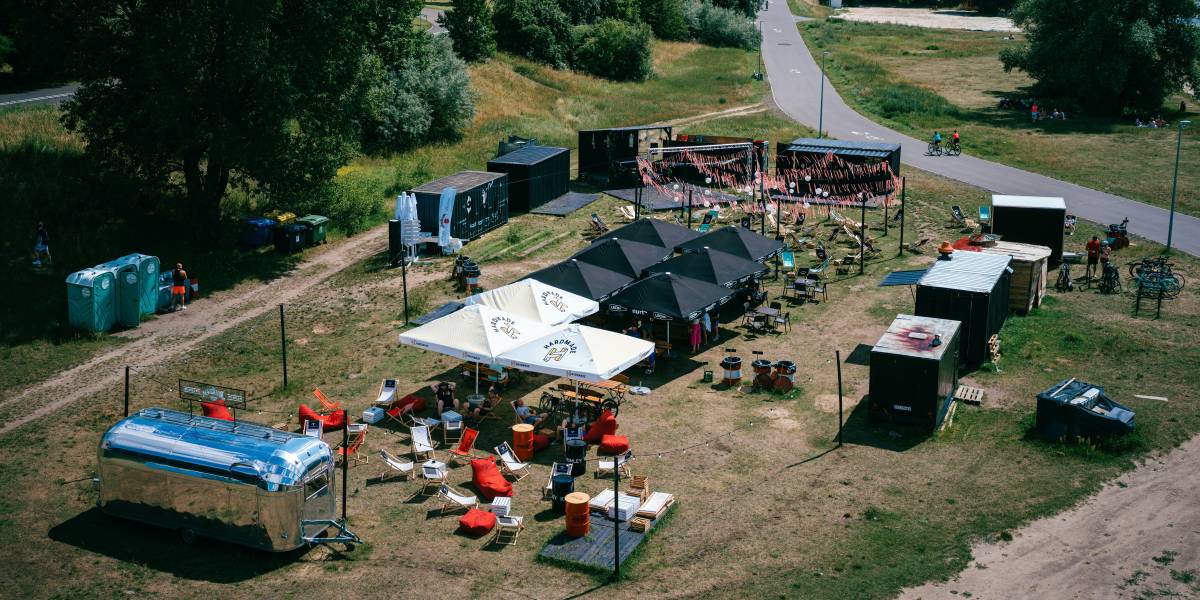
Pop-up markets, immersive art exhibits, street fairs, seasonal hayrides, and other temporary events have grown in popularity over the past decade. They offer people a chance to experience something new, exciting, and often limited-time—making them all the more enticing. However, while these events may appear festive and harmless on the surface, they sometimes present hidden risks that attendees might not always consider until it’s too late.
When something goes wrong at a pop-up or temporary installation, the question of accountability can become complicated. Unlike permanent venues with established procedures and oversight, temporary events often exist in a legal and logistical gray area. Organizers, vendors, and property owners may shift in and out of responsibility, which can leave visitors more vulnerable to safety hazards.
The Appeal and the Hidden Dangers
The spontaneity of pop-ups is part of what draws people in. A flash food market in Jersey City, a limited-run art installation in Brooklyn, or a seasonal hayride on a Long Island farm—all of these superexperiences are designed to feel fleeting and special. However, the same characteristics that make these events appealing—the temporary structures, the quick setup, the rotating vendors—can potentially make them less secure.
Temporary flooring, loose wires, unstable tents, and crowd control issues can arise at these events. And the risks don’t stop at physical structures. Food handling at pop-up eateries may not always meet the same standards as permanent restaurants, and attractions like hayrides or inflatable amusements may not always receive the same level of inspection.
Consider, for example, the growing popularity of seasonal events that offer hayrides, corn mazes, and pumpkin patches. While these are family favorites, safety isn’t always prioritized over entertainment. There have been isolated incidents where visitors were seriously injured on poorly maintained hay wagons or when operators overloaded rides. It’s not unusual for someone to wonder whether they could pursue a personal injury claim after such accidents, especially when safety precautions seemed lacking.
What to Watch For at Temporary Events
While legal questions about accountability may arise after an injury, it’s generally better to prevent harm in the first place. Temporary events are not inherently dangerous, but they do require visitors to be more aware of their surroundings than they might be at a more permanent venue. Here are some key things to watch for when attending these events:
Watch the Setup
Take note of the physical setup when you arrive. Are tents securely fastened? Are walkways clear, or are there loose wires, hoses, or uneven surfaces that could cause trips and falls? Temporary flooring or coverings are often quickly assembled and might shift underfoot.
Observe the Crowds
Pop-ups can attract large groups, often more people than the space was truly designed to hold. Pay attention to crowd management. Is there enough room to move comfortably? Are there clear, unobstructed exits in case you need to leave quickly?
Check for Safety Signage
Even at temporary events, organizers should display basic safety signs, whether warning of wet floors, indicating restricted areas, or pointing out emergency exits. If an event seems disorganized or lacks visible safety measures, that could be a red flag.
Evaluate Food Vendors
If you’re eating at a pop-up, look for visible signs of cleanliness. Are food handlers wearing gloves? Are perishable items kept at safe temperatures? While most vendors take their responsibilities seriously, occasional lapses in hygiene can result in foodborne illnesses.
Consider the Type of Activity
Some temporary events offer physical attractions—hayrides, inflatable obstacle courses, or makeshift rides—that might not always receive the same safety inspections as permanent amusement parks. These attractions are where injuries could happen most easily, especially if equipment is older or staff is inattentive.
The Complexity of Public Spaces
Many temporary events are held in public parks, parking lots, or city streets that are transformed for a day or a weekend. This can create confusion about who is responsible for maintaining safety. When someone is injured in a public space during such an event, it’s not always immediately clear whether the city, the event organizer, or an individual vendor holds responsibility for the condition of the area.
Even regular public spaces can become less safe when they are reconfigured for large crowds, temporary stages, or pop-up shops. Walkways may become obstructed, and safety barriers may be hastily installed—or overlooked entirely.
Staying Safe in the Moment
Personal vigilance is one of the best defenses when attending temporary events. Look down, watch your step, and avoid walking while distracted, especially in crowded or unfamiliar areas. Pay attention to event staff instructions, and if something seems unsafe—a sagging tent, an overloaded ride, or a missing safety barrier—trust your instincts and steer clear.
Also, make a mental note of emergency exits when you arrive. Temporary venues sometimes create unconventional layouts, and knowing how to leave quickly may make a difference in crowded or emergency situations.
Temporary events can be incredibly enjoyable, but they do require an extra layer of attention. Many people are understandably focused on the experience—whether it’s snapping photos at an interactive art pop-up or tasting street food at a night market—but a quick scan of your environment could help you spot potential hazards early.
When Questions Arise After the Fact
In the aftermath of an injury at a pop-up or seasonal event, people often start asking hard questions: Who was in charge? Who should have prevented this? Can I settle a personal injury claim in this kind of situation?
The answers aren’t always straightforward. Temporary events can involve multiple companies, short-term vendors, or event producers who move quickly from city to city. Determining who had control of the space and who bore the responsibility for safety can sometimes be complicated. In some cases, reaching out to a Jersey City personal injury lawyer or another local legal professional may be part of the process, especially if the event took place in a fast-moving or less regulated environment.
Pop-ups and temporary installations are exciting and memorable parts of modern urban life. But it’s worth remembering that their temporary nature may come with trade-offs when it comes to safety and accountability. By staying aware and asking the right questions—before, during, and even after an event—visitors may be better able to protect themselves while still enjoying everything these unique experiences have to offer.
Disclaimer: The information provided in this article is for informational or educational purposes only. It is not intended to serve as legal, medical, or professional advice. While efforts have been made to ensure the accuracy and reliability of the content, the author and publisher make no guarantees regarding its completeness or applicability. Individuals should exercise their own judgment and caution when attending temporary events. For specific legal or safety concerns, it is recommended to consult a professional.

