What School Accommodations Can Make Learning Easier for Dyslexic Kids?

Many students with dyslexia face everyday challenges in the classroom, but small changes can make a significant difference in how they learn. Providing targeted school accommodations, such as extra time on tests, audio resources, and simplified instructions, can help dyslexic children participate more fully and confidently in their learning. These supports give students the chance to use their strengths and develop effective strategies, making their education more accessible.

If you’ve ever tried helping a child who struggles with reading or following written instructions, you know how frustrating it can be for both of you. Dyslexia in children often shows up as more than just trouble with words; it can affect their confidence and how they connect with school altogether. That’s why teachers and parents look for practical ways to make learning more accessible, like giving verbal instructions or using tools that read text aloud. These kinds of changes don’t just help kids with dyslexia. They make the classroom better for everyone by offering more ways to learn and understand.

This content is not meant to diagnose or treat any medical condition. Please follow the guidance of your healthcare provider for any health-related concerns.

Key Takeaways

  • Accommodations help remove barriers for dyslexic students.
  • Simple classroom changes support better learning for all.
  • Encouraging inclusion fosters student confidence and participation.

Essential School Accommodations for Dyslexic Students

Dyslexic students benefit from adjustments that target their unique learning needs and help them succeed in a typical classroom setting. Providing effective accommodations can lead to improved reading comprehension, increased participation, and a more equitable academic experience.

Adjusting Instructional Methods

Teachers can make learning more accessible by using explicit, structured approaches such as the Orton-Gillingham method, which is designed to develop phonemic awareness through a multisensory approach. Breaking down instructions into step-by-step directions and repeating information using both verbal and visual formats can help dyslexic learners better process new material.

Advance organizers, like graphic organizers or self-monitoring checklists, aid in structuring information and tracking progress. Assignments can be adapted by allowing oral reports instead of written ones or using sentence starters for written tasks. Additional support includes reading buddies and giving extra practice to reinforce learning. Flexible group work and hands-on learning opportunities create an inclusive environment that respects diverse learning styles.

Assistive Technology and Tools

Students with dyslexia often benefit from a range of assistive technology to address difficulties with reading and writing. Text-to-speech software and audiobooks enable students to access grade-level content by listening instead of reading visually. Speech-to-text software assists with written assignments, allowing students to express ideas verbally.

Using large-print text, color coding, or colored strips can make written materials easier to navigate and understand. Visual schedules and timers help students manage their time, especially with assignments and tests. Many students work more effectively when given extra time for reading and testing, as recommended in many 504 plans and IEPs. These tools level the playing field and give students equal access to academic standards.

Building an Inclusive Learning Environment

An inclusive learning environment supports dyslexic students through tailored classroom accommodations, accessible teaching practices, and opportunities for growth. Fostering independence and collaboration, along with adopting universal strategies, reduces barriers to academic success for students with learning disabilities.

Promoting Self-Advocacy and Collaboration

Encouraging students with dyslexia to understand and communicate their learning needs is central to self-advocacy. Teachers can guide students in identifying which accommodations—such as extra time, alternate test formats, or text-to-speech technology—are most beneficial to them. They can also facilitate regular discussions to help students articulate their needs both in and out of the classroom.

Collaboration between educators, families, and specialists shapes effective support plans like 504 plans or Individualized Education Programs. Consistent communication ensures that everyone involved understands the strategies being used. Teachers can also build a supportive classroom culture by discussing learning differences openly and celebrating strengths, fostering a safe environment for students to seek help when needed. Peer collaboration may include structured group activities or pairing students with learning partners. This encourages cooperative problem-solving and reinforces social support networks. Creating opportunities for students to participate in their own educational planning builds self-esteem and prepares them for long-term self-advocacy.

Implementing Universal Design in the Classroom

Universal Design for Learning (UDL) provides diverse ways for students to access content and demonstrate knowledge. Teachers can combine visual aids, audio resources, clear written instructions, and hands-on activities to address a range of learning styles and needs, making the curriculum more accessible for everyone.

Flexible assessments—such as oral presentations or project-based assignments—help students show understanding beyond traditional testing. UDL also supports the integration of assistive technologies and differentiated instruction, giving students multiple options to engage with material.

Conclusion

Accommodations play a critical role in supporting students with dyslexia, helping them access the curriculum and demonstrate their knowledge more effectively. Key strategies include providing extra time, offering alternative formats for reading materials, and allowing the use of assistive technology. Simple changes, like breaking tasks into smaller steps or giving oral instructions, can make a noticeable difference.


Disclaimer: This article is for informational purposes only and does not constitute medical or educational advice. For tailored support or diagnosis related to dyslexia, please consult a healthcare provider or educational specialist.
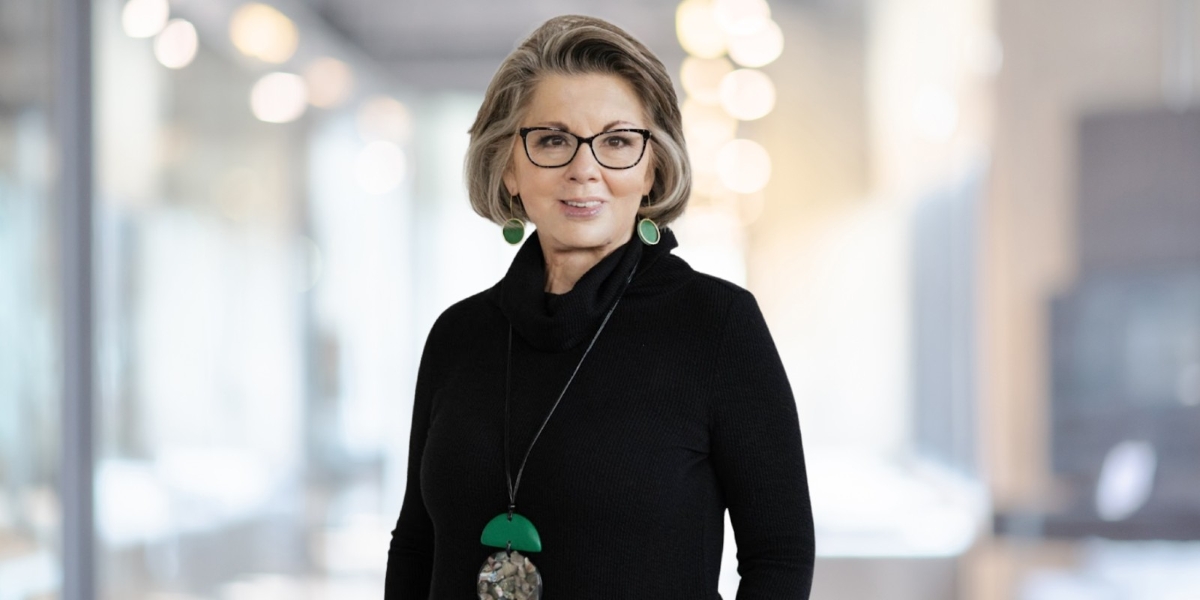
Brick by Brick Victoria Trabosh Leads Rwanda Tour of Hope

By: John Dixon

Internationally renowned speaker, bestselling author, and certified executive coach Victoria Trabosh has spent her life helping people lead with purpose and impact. Based in Lake Oswego, Oregon, Trabosh has coached Fortune 100 leaders, spoken on international stages, and guided changemakers across various sectors. Still, nothing has shaped her worldview more than her experiences with the people of Rwanda.

In 2004, what began as a casual lunch invitation from a former boss evolved into a calling that would span two decades, encompassing 13 international trips and raising over $1.5 million for community-based programs. Now, she’s preparing to return to Rwanda in October 2025, and this time, she’s taking others with her for a transformative tour through the Land of a Thousand Hills.

A Life-Changing Encounter

At that luncheon, Trabosh met a Rwandan woman named Rita Ngarambe. Rita introduced herself by saying, “I will be your mother,” after learning that Trabosh’s mother had shared her name. The connection was instant and unforgettable.

As Rita spoke about the impact of the 1994 Genocide Against the Tutsi and the despair her people still faced, Victoria offered her truth from her work with the elderly: “I don’t believe God wants us to wait. We should do what we can while we’re here.” 

Rita’s response? “You must come to Rwanda and speak to my people.”

Without hesitation, Trabosh said yes.

From Awareness to Action

Before boarding a plane, Trabosh hosted a fundraiser called Brick by Brick, raising $23,000 in one night. Every guest received a brick representing both the weight of pain and the possibility of rebuilding. The image stayed with her. When she visited Rwanda for the first time in 2005, she carried that promise and that purpose with her.

What she witnessed would forever alter her path.

“I was overwhelmed by the resilience,” she says. “This wasn’t a broken country. It was a healing one, full of strength, hope, and wisdom. I knew I had to do more to support a nation determined to rebuild, brick by brick by brick.”

The Itafari Foundation: Built on Partnership

Soon after returning, Trabosh co-founded the Itafari Foundation, the name meaning “brick” in Kinyarwanda. With no corporate infrastructure or paid staff, the organization raised over $1.5 million, with less than 6% of the funds allocated to overhead.

The foundation’s core mission was not to “help” but to partner. It funded microloans for women, built a high school, sponsored children, purchased goats for child-headed households, and supported female artisans through global sales of jewelry and baskets.

“For us, success was measured in dignity, not dependency,” says Trabosh. “The people of Rwanda didn’t need saving. They needed resources and respect.”

The foundation closed in 2016, having accomplished its goals. 

“Itafari was never meant to last forever,” she says. “It was meant to make a lasting impact—and it did.”

Leading with Heart: A Journey to Rwanda

In October 2025, Trabosh will return to Rwanda for her 14th visit—but this time, she’s leading a curated, purpose-driven tour for individuals ready to witness the country’s remarkable transformation firsthand. This comprehensive tour will allow visitors to engage with, experience, and embrace the Land of 1000 Hills. 

The itinerary is designed for individuals who seek more than a vacation—they want a meaningful experience. Travelers will meet local leaders, visit historic memorials, explore cooperatives, and experience Rwanda’s wildlife and culture, including the famed mountain gorillas and Akagera Game Park.

“This is not about being a tourist,” Trabosh says. “It’s about coming with reverence, listening to the stories, and allowing the experience to shift something inside of you.”

Participants will leave with a deeper understanding of what it means to lead, to serve, and to stand for something.

The Coach Behind the Mission

Victoria Trabosh isn’t just a philanthropist or storyteller; she is a master-level executive coach who uses her lived experiences to support high-level leaders seeking more than traditional success. Her coaching focuses on courageous communication, values-driven decision-making, and leading with legacy in mind.

“I’ve coached leaders through boardroom conflict, career transitions, crisis communication, you name it,” she says. “But the principles I use come from Rwanda. Listening deeply. Acting with intention. Staying grounded in integrity.”

Trabosh’s signature coaching style blends intuitive wisdom with practical strategies. She’s certified through the Center for Executive Coaching and holds multiple other certifications. Her clients range from entrepreneurs to executives, but all share one thing in common: a desire to live and lead with purpose.

“Rwanda taught me how to hold pain and possibility at the same time,” she says. “That’s what I help my clients do, too.”

Rwanda’s Future, and the Power of Witnessing

Today, Rwanda stands as one of Africa’s safest and most forward-thinking nations. It offers free education through 12th grade, leads the world in female political representation, and has built a strong foundation for digital transformation.

“This is a story of redemption,” Trabosh says. “And it deserves to be seen, not just read about.”

Her tours are a sacred offering: not only to honor the Rwandan people, but to help others return home with a clearer sense of what matters most.

“This isn’t charity—it’s humanity,” she says. “If you want to go fast, go alone. If you want to go far, go together. And I want us to go together.”

About Victoria Trabosh

Victoria Trabosh is a transformational coach, international speaker, and bestselling author. She is the creator of the AdFARsity™ framework, co-founder of the Itafari Foundation, and a certified executive coach with over 40 years of leadership experience. Learn more at www.victoriatrabosh.com. Tour information: https://rwanda2025.com/ 

Tower Climber Safety Progress, Gaps, and What’s Next

Did you know that a significant percentage of fatal work injuries in the telecommunications industry occur among contractors performing tower climbs? Many workers would never even consider taking on such a role, and those who do often face the reality that even a small error or accident can lead to serious consequences. According to the U.S. Bureau of Labor Statistics, these life-threatening incidents remain a notable concern despite the safety measures in place to reduce them.

Tower climbers are crucial to maintaining the infrastructure that supports our communication networks and utility functions. However, the physical demands, extreme heights, and inherent dangers of this work require ongoing efforts from companies to make advancements in safety practices.

Recent Progress in Tower Climber Safety

Industries such as telecommunications and utilities have made considerable strides in improving worker safety. Employers, regulatory bodies, and manufacturers are increasingly emphasizing stronger protections through collaboration with trusted industry leaders to meet the diverse needs of climbers.

Enhanced Regulatory Compliance

Organizations like the Occupational Safety and Health Administration (OSHA) have introduced more comprehensive guidelines to safeguard tower climbers. Mandatory certifications and training programs aim to ensure that workers understand fall prevention and risk mitigation strategies. Compliance with ANSI standards has also become more common, particularly regarding equipment such as full-body harnesses and self-retracting lifelines.

Innovative Harness and Gear Designs

The evolution of fall protection equipment has been a fascinating journey. Companies are investing in solutions to make the challenging job of tower climbing safer and more comfortable. For example, one tower harness employs ultralight materials, ergonomic features, and a magnetic deployment system for added safety and functionality.

Additionally, modern tower harness designs incorporate modular components that can easily be adapted to various tasks. Whether supporting the user’s tools or providing extra reinforcement, these advancements help climbers perform their work more efficiently, even in difficult conditions.

Data-Driven Safety Monitoring

AI-powered systems and smart technology integrated into climbing equipment now allow for real-time safety compliance monitoring. These systems can identify hazardous situations and alert climbers or supervisors, enabling quicker responses to potential issues.

Broader Training Programs

Employers are offering a broader range of hands-on training initiatives to ensure climbers are equipped to anticipate potential hazards. These include simulated climbing courses that replicate real-world conditions, allowing climbers to practice rescue procedures and emergency response strategies.

Despite these advancements, tower climbing remains a high-risk occupation, and several challenges persist, requiring continued attention.

Persistent Challenges in Tower Climber Safety

Even with cutting-edge innovation in equipment and training, significant challenges remain, and they must be consistently addressed by both workers and supervisors working at heights.

Arc Flash Protection

Arc flashes continue to pose a significant risk to utility climbers working near live electrical equipment. A single incident can lead to severe burns, neurological damage, or worse. The preventative gear available today provides some protection against such events, but additional innovation may be needed to offer greater safety.

Challenges for Women Tower Climbers

Historically, climbing equipment has been designed with male climbers in mind. Women have often faced challenges such as ill-fitting harnesses and gear that isn’t tailored to their body types. Today, some companies are beginning to address these issues with inclusive designs that feature adjustable features and sizing options.

Fall Risks During Extended Climbs

Extended ascents on towers, sometimes reaching hundreds of feet, increase the risks of fatigue, heat, and improper harness positioning. Such conditions can elevate the likelihood of falls or incorrect use of equipment.

Psychological Strain

The mental toll of working at extreme heights is also an important consideration. While employers provide physical safeguards, climbers often deal with stress and anxiety in this high-stakes environment. A well-rounded approach to safety should include mental resilience training and support. Addressing these challenges may require additional innovative solutions.

The Future of Tower Climber Safety

Improving tower climber safety will require ongoing collaboration between employers, industry standards organizations, and equipment innovators.

More Inclusive Gear Customization

Thanks to equipment like the versatile tower climbing harness, leading brands are beginning to make strides in catering to workers of all body types. Future designs may feature a wider range of adjustable parts, allowing climbers to customize their gear for optimal fit and functionality while still maintaining high safety standards.

Heat-Resistant Equipment for Arc Flash Prevention

Manufacturers are exploring heat-resistant materials to help minimize the effects of arc flashes during electrical work. Early prototypes include enhanced flame-retardant fabrics for clothing and harness components, designed to reduce damage in the event of an arc.

Expanded Use of Smart Technology

The introduction of AI and the Internet of Things (IoT) into the tower climbing sector opens up numerous possibilities for improving safety. For example, climbers’ equipment could include sensors to monitor real-time positioning, physical conditions, and environmental factors. Alerts could notify climbers and supervisors about fatigue risks, hazardous weather, or improper tethering.

Greater Awareness Campaigns

Improving safety goes beyond just upgrading gear. Partnerships between policymakers and corporations could help increase awareness about industry safety. Educational campaigns tailored to increase public understanding of these workers’ efforts might encourage broader support for safer practices.

Mental Health Support for Climbers

Comprehensive safety policies should also include wellness resources for workers. These could include mental resilience workshops, access to therapy, or specialized training aimed at addressing the psychological challenges of high-altitude work.

Who is Leading the Way in Tower Climber Safety

When it comes to providing climbers with dependable safety solutions, some of the major names in the industry stand out. With offerings such as safety harnesses and the Carbon FT-One Tower harness, they are focusing on climbers’ comfort and security. Combining ergonomic designs, robust materials, and innovation, these tools reflect a strong commitment to protecting climbers at various heights.

Stay Protected 24/7/365

Tower climbing is no ordinary job. It powers the modern conveniences we often take for granted while involving risks that require continuous safety improvements. While significant progress has been made in the industry, persistent challenges such as arc flashes and the need for more inclusive designs indicate that there is still room for development.

Whether you are a telecom company seeking the ideal gear or an organization aiming to enhance safety programs, investing in the right technologies and solutions remains a crucial factor in fostering a thriving workforce.

5 Things You Need to Know About the Maintenance of Different Parts of Steam Turbines

Steam turbines play an important role in power generation across various industries, including industrial captive power plants, independent power producers (IPPs), oil & gas plants, and utility power plants. Consistent maintenance of various steam turbine components can help enhance efficiency, extend operational life, and reduce the likelihood of costly downtime.

Here are key aspects of the maintenance of various parts of steam turbines to consider:

Rotor and Blades Maintenance

The rotor and blades are crucial components that influence the efficiency of steam turbines. Over time, they can experience wear and tear due to high-speed rotation and continuous exposure to steam. Regular inspection, cleaning, and surface polishing can help mitigate erosion and corrosion. Advanced techniques such as 3D scanning and Non-Destructive Testing (NDT) may help identify minor defects before they develop into significant issues.

Proper balancing of the rotor may contribute to vibration-free operation, reducing stress on the bearings and improving the performance of the steam turbine. Ensuring the ongoing reliability of steam turbines depends on the proper maintenance of these critical components.

Bearings and Lubrication System

Bearings support the rotating shaft and require ongoing lubrication to reduce friction and heat generation. Periodic oil analysis can help detect contamination, degradation, or insufficient lubrication, which could lead to overheating and premature wear.

Maintaining optimal oil viscosity and ensuring filtration systems are free of debris are important for prolonging bearing life and reducing the chances of unexpected shutdowns. Insufficient lubrication may result in significant damage to steam turbine components and lead to costly repairs.

Steam Seal Inspection

Steam seals are designed to prevent leakage and maintain pressure levels within the steam turbine. If seals become worn or damaged, steam loss can result in reduced efficiency and higher fuel consumption. Regular inspection and timely replacement of worn seals can help reduce leakage and maintain optimal steam flow.

Proper alignment and installation of sealing rings can enhance steam turbine efficiency and reliability. Effective maintenance of steam seals is necessary for protecting the critical components of steam turbines.

Casing and Structural Integrity

The steam turbine casing serves to protect internal components from external damage and environmental exposure. Cracks, misalignments, or loose bolts in the casing could lead to operational inefficiencies. Frequent visual inspections, along with ultrasonic testing and thermal imaging, can assist in the early detection of structural weaknesses.

Maintaining proper alignment and securing fasteners may help prevent excessive vibrations and pressure imbalances that might lead to significant failures. Protecting the integrity of the casing is vital for ensuring the safety and longevity of various steam turbine components.

Control Systems and Instrumentation

Steam turbines rely on precise control systems and instrumentation for efficient operation. Malfunctioning sensors, actuators, or control valves could result in improper steam flow regulation and reduced efficiency. Routine calibration, software updates, and diagnostic testing can help ensure that the control systems function as intended. Modern digital monitoring solutions allow for real-time performance tracking and predictive maintenance, which may help ensure that all parts of steam turbines operate smoothly.

Maintaining the different parts of steam turbines is important for ensuring optimal performance, efficiency, and reliability. These efforts can be further improved by partnering with manufacturers like Triveni Turbines, which offer specialized maintenance services aimed at supporting maximum performance and reliability.

Why Modern Luxury Dining Tables Are Worth the Splurge

Luxury dining tables have become a focal point in many homes. Far from being merely functional furniture, these tables often reflect style, craftsmanship, and sophistication. A well-chosen dining table has the potential to transform any dining area, creating a space where family and friends come together to make memories. Homeowners can make more informed decisions if they understand why these tables hold such value.

Material Quality and Craftsmanship

High-quality craftsmanship plays a significant role in luxury dining tables. Skilled artisans typically invest years in honing their craft, striving to ensure each piece feels authentic to its design. This careful attention to detail can result in exceptional quality and design.

Luxury tables often incorporate high-quality materials. Solid woods like walnut, oak, and mahogany are commonly chosen for their durability and aesthetic appeal. The wood’s varied and colorful textures can enhance the overall look of a dining area. Some tables also feature marble, glass, or metal elements, blending them seamlessly for a modern and sophisticated appearance. Shop our classy, modern luxury dining table collection today.

Design and Aesthetics

Modern luxury dining tables come in various sizes and styles, catering to a wide range of tastes. Whether you prefer minimalism or something more extravagant, there is likely a table that will complement your home’s aesthetic. For those with an eye for contemporary design, the clean lines and sleek finishes of these tables can be particularly appealing.

Aesthetics are not merely about looks. Such tables often act as conversation pieces, drawing attention and admiration from guests. A substantial piece, like a dining table, can set the tone for the entire room and influence how other decor elements are arranged, helping to create a cohesive environment.

Functional and Versatile

While style plays a crucial role, functionality remains a key consideration in luxury dining tables. Many of these tables are designed to work well in both large settings, like family gatherings, and more intimate dining experiences. Some models even offer adaptable features to meet the size preferences of homeowners.

Additionally, these tables tend to be easier to maintain due to the durability of their materials. Many higher-quality options are resistant to stains and scratches, helping the table maintain its appearance for years. This resilience makes them a worthwhile investment for busy families looking to refresh their spaces.

Investment Value

Investing in a luxury dining table can significantly help upgrade your home decor. These tables often retain their value due to their enduring design and craftsmanship. High-end furniture, particularly pieces crafted by renowned designers, often appreciates over time, in contrast to mass-produced items.

Moreover, a dining table that fits the overall aesthetic of your home can add value to the property. Many prospective buyers appreciate high-quality fixtures and furnishings, which can make a home more attractive. As a result, a beautiful luxury dining table could provide long-term economic benefits.

Creating a Lasting Memory

Dining tables are central to creating memorable moments in the home. Luxury tables elevate everyday meals, and a thoughtfully set table can transform everything from casual family dinners to formal gatherings.

Dining on a beautifully crafted table is a sensory experience. The tactile sensations of the dining surface, whether from the wood’s grain or the cool touch of marble, contribute to a richer mealtime experience. This sensory experience helps to bring the occasion into sharper focus.

Sustainable Luxury Dining Tables

Another emerging trend in luxury dining tables is a focus on sustainability. Many designers and manufacturers are now prioritizing eco-friendly designs and responsibly sourced materials. This commitment to the environment can provide homeowners with peace of mind while enjoying their furniture.

Homeowners can also support environmental initiatives by choosing tables made from renewable resources or recycled materials. This choice helps preserve natural ecosystems and reduces carbon footprints. Such practices align with the growing consumer demand for more responsible purchases.

Summary

A modern luxury dining table is more than just a piece of furniture. It combines art, functionality, and long-term value. Expertly crafted from high-quality materials, these tables can serve as a centerpiece in any home for generations.

While a luxury dining table can enhance the dining experience, it also contributes to the overall value of your home. Homeowners can find a table that suits their needs and tastes by considering design, sustainability, and customization options. Ultimately, a high-end dining table can provide lasting value through its aesthetics, quality, and the experiences it fosters.

Fringe’s Expanding Footprint in the European Art World

From Johannesburg’s Streets to London’s Galleries

The evolution of contemporary art has increasingly leaned towards the cross-pollination of geographies and narratives, with artists creating hybrid identities influenced by both local and global contexts. This dynamic is visible in the evolving landscape of the European art scene, where emerging voices from various continents are gaining recognition. Over the past decade, Western Europe—and London in particular—have become significant hubs for international exhibitions, showcasing artists from a variety of backgrounds and perspectives, while still maintaining relevance within global conversations. It’s an ecosystem rooted in tradition yet open to reinterpretation, creating space for artists like Fringe, a South African pop artist whose work has attracted growing attention across borders.

Fringe, born in Johannesburg on November 11, 1976, has cultivated a practice that blends the expressive freedom of street art with the more calculated clarity of pop art. His entry onto the European art circuit highlights the increasing interest in non-traditional Western voices. Although still emerging on the global stage, Fringe’s involvement in international platforms has helped him gain further recognition beyond his South African roots.

In 2021, Fringe’s work was introduced to the public in London, a significant milestone that opened up a Johannesburg-based practice to European collectors and critics. The exhibition ran at the same time as broader discussions about art in the context of pop culture recontextualization and critiques of transnational consumer narratives. Fringe’s method—founded in collage, sculpture, and text—addressed these themes with a combination of irony and insight, often centered on a recurring figure named MyLo. Created in 2019, MyLo has since become a symbol Fringe uses to explore themes like time, nostalgia, and identity.

Fringe’s exhibitions have served as a form of translation, moving his Johannesburg-based identity into a framework that can be understood—though not necessarily diluted—by international audiences. While his earlier work included found paper, coloring books, and graffiti, Fringe has gradually transitioned towards incorporating sculptural elements and large-format mixed media works. These shifts, though not only focused on scale, also signify how his work interacts with space and challenges traditional institutional narratives. For example, the resin sculptures of MyLo, which first appeared in his 2021 exhibition No Seriously at Scapegoat Gallery in Johannesburg, were subsequently shown in Europe and interpreted through various cultural lenses. In London, for instance, MyLo was not only viewed as a pop culture reference but also as a commentary on the fleeting nature of meaning in an oversaturated visual environment.

Fringe’s increasing visibility in European galleries aligns with a broader trend of South African artists gaining recognition on the international stage. According to the latest Art Basel and UBS Global Art Market Report, artists from the African continent have seen steady growth in attention, with sales of contemporary African art increasing by more than 40% in the past five years. While many of these artists are from West Africa or work in the U.S. or U.K., Fringe represents a distinctly Southern African perspective—rooted in local experience, yet outward-looking in its approach. His work does not seek to escape his origins, but rather frames them in ways that are accessible to a global audience.

This expanding recognition is not limited to exhibitions alone. Fringe has been featured in several international media outlets, which have contextualized his work within broader artistic movements. These articles often emphasize his non-traditional path into the art world—starting with A-Level qualifications at Kearseny College, working in auction houses, and transitioning into a full-time artistic practice after 2015.

Importantly, Fringe’s engagement with the international art community has not meant abandoning his home base. Exhibitions such as Calculus of Joy (2022) and Stress Narcotika (2024), both held at Scapegoat Gallery in Johannesburg, remain grounded in South African culture while exploring form and message in new ways. In these shows, Fringe continued his exploration of hyper-consumerism, language, and post-colonial identity—issues with global relevance, but often examined through a uniquely regional lens. This dual grounding—in specific cultural context and universal themes—has allowed Fringe to communicate across cultural lines without losing his distinctive voice.

As artists navigate a fragmented and highly digitalized global art economy, Fringe’s career illustrates the opportunities and challenges inherent in such a journey. His presence in European art institutions reflects the increasing permeability of borders in the creative world, while also highlighting the adaptability of an artistic voice that developed outside the traditional art capitals of New York, London, or Berlin.

Whether through exhibitions in London or features in international media, Fringe’s evolving practice continues to move across spaces—geographical, cultural, and aesthetic. His place within the European scene is still growing, but the foundations suggest a sustained and potentially expanding relevance.

Dan Youngkin: Satire, Space, and the Science Fiction Mind

Dan Youngkin isn’t just writing science fiction—he’s giving it a sharp, philosophical twist, laced with wit, and anchored in the absurdity of real life. With his debut novel, Dark Horizon: Rise of the Blue Eminence, Youngkin has stepped onto the sci-fi scene not with a whisper, but with the kind of cosmic boom that turns heads. Hailing from Eugene, Oregon, he’s part philosopher, part comedian, and all-in when it comes to imaginative storytelling.

Youngkin didn’t grow up in one place. His early years were spent crisscrossing the United States, a nomadic lifestyle that fostered an inner world rich in creativity. These early experiences didn’t just make him imaginative—they made him observant. When reality is constantly shifting, fiction becomes the only stable ground. This sensitivity to transition and change echoes in the worlds he builds—strange, unpredictable, often chaotic, yet grounded in character and theme.

It wasn’t until college that Youngkin began taking his writing seriously. The University of Oregon gave him the environment to start shaping the voices and ideas he had long kept in his head. What started as an outlet became a purpose. It’s not hard to imagine Youngkin, notebook in hand, connecting wild hypotheticals to modern-day dilemmas, amused by the contradictions that define modern existence. Writing science fiction, for him, became less about spaceships and aliens and more about exploring the philosophical contours of human life.

Youngkin’s literary voice is hard to box in. He blends satire with science fiction, and philosophical pondering with irreverent humor. Think Orwell with a punchline, or Douglas Adams with an existential itch. His style doesn’t just entertain—it nudges the reader to think, question, and occasionally laugh at the absurdities we take for granted.

His work doesn’t offer easy answers. Instead, it pokes at big questions: What drives human behavior? Why do we cling to belief systems? What happens when logic runs headlong into emotion, politics, or greed? And yet, even in these heavy themes, there’s always a layer of comedy that keeps the tone buoyant. This interplay of humor and thoughtfulness is one of the reasons Dark Horizon has struck a chord.

Dan Youngkin: Satire, Space, and the Science Fiction Mind

Photo Courtesy: Dan Youngkin

Released in February 2025, Dark Horizon: Rise of the Blue Eminence introduces readers to a ship crewed by misfits and led by Captain Niomi Athena, who ventures into the unexplored “Dark Zone” of space. Ships that enter this zone don’t return—but Athena and her crew go anyway, driven by a mix of duty, curiosity, and desperation. What unfolds is a sprawling, fast-paced narrative full of alien worlds, philosophical traps, bizarre religious sects, and dystopian governments—each a distorted mirror of our own world.

Captain Athena is no typical sci-fi hero. She’s thoughtful, a bit skeptical, and deeply human. She anchors the story with a clear sense of moral gravity, even when reality around her is dissolving into chaos. The characters around her—ranging from idealists to cynics, zealots to pragmatists—embody the range of human responses to crisis and ambiguity.

The book’s tone is cinematic and comic, like a space opera directed by someone who’s read too much Nietzsche and watched too much Monty Python. The narrative moves quickly but makes time for absurd side plots and deadpan dialogue. The reader is treated to spectacles of imagination—galactic empires, talking machines, moral paradoxes—without losing touch with the core theme: what it means to search for meaning in a universe that rarely offers clarity.

Youngkin’s inspirations are eclectic. He tips his hat to the greats—Orwell, H.G. Wells, Douglas Adams—but also to visual creators like Jack Kirby, whose cosmic scale and bold imagination resonate throughout Dark Horizon. There are nods to Star Trek and Star Wars too, particularly in the way Youngkin builds complex societies with their own ideologies, rituals, and blind spots. And then there’s mythology. Greek myth, in particular, sneaks into his storytelling—sometimes overtly, sometimes as a subtle archetype shaping a character’s journey or fall.

But perhaps what’s most striking about Youngkin’s debut is its polish. Dark Horizon isn’t just a fun or smart book—it’s also a well-crafted one. He credits much of that to his collaboration with Debra L. Hartmann of The Pro Book Editor, whose editorial guidance helped fine-tune the manuscript. That Youngkin sought professional editing speaks volumes about his respect for the craft and his intent to produce work that stands up in a crowded field.

The reception has been strong. The novel quickly climbed to Amazon’s #1 Bestseller list—an impressive feat for a debut indie title. But while the commercial success is worth noting, it’s the voice behind the book that stands out. Youngkin isn’t just jumping on the sci-fi bandwagon; he’s carving out a lane of his own—one that’s cerebral, strange, satirical, and sneakily profound.

As more readers discover Dark Horizon, and as Youngkin works on future projects, it’s clear he’s bringing something fresh to the genre. His stories aren’t just about escaping the world—they’re about understanding it better, laughing at it a little more, and imagining what it might become if we’re not careful—or if we’re very lucky. Either way, in Youngkin’s universe, the ride promises to be anything but ordinary.

OneClickDrive Emerging as a Notable Platform for Used Cars in Dubai

Dubai’s burgeoning population, cosmopolitan lifestyle, and high vehicle turnover have positioned the city as one of the most dynamic automotive markets in the region in recent years. The demand for affordable mobility as well as high-end vehicle options continues to grow steadily in the cheap second hand cars Dubai. Reflecting this trend is OneClickDrive, a widely recognized digital marketplace that has evolved into a preferred platform for used car buyers in Dubai. This shift in consumer behavior, driven by greater price awareness and digital convenience, has spurred the rise of platforms like OneClickDrive that offer an extensive online inventory with comprehensive information. Buyers today expect more than just listings—they seek reliability, comparisons, and a seamless purchase journey.

OneClickDrive originally focused on car rental services but has gradually expanded into the pre-owned car segment, introducing a notable level of convenience and transparency for those looking to purchase a used vehicle. The platform aggregates car listings from diverse sources, including local dealerships and individual sellers across Dubai. From entry-level budget hatchbacks to luxury sedans and performance vehicles, OneClickDrive offers access to a broad range of options catering to various budgets and preferences. In this highly competitive automotive space, having a centralized online source helps users cut through the clutter, offering a smoother process and saving valuable time during their car search.

Ease of use and informative listings are among the most valuable aspects for customers. Each listing provides key details such as mileage, model year, features, service history, any accident records, and pricing. Clear, high-resolution images, inspection reports when available, and seller contact information help buyers make more informed decisions even before initiating contact. This digital-first approach helps reduce the uncertainties often associated with traditional used car purchases. For those unfamiliar with Dubai’s car market, this structure can be particularly helpful, ensuring that even first-time buyers or expatriates can feel more confident about navigating the process.

The variety of vehicles showcased by sellers on OneClickDrive spans compact models like the Toyota Yaris and Nissan Sunny, to more premium names including BMW, Audi, Mercedes-Benz, and Range Rover.

Another noteworthy feature is the platform’s mobile-friendly interface, which facilitates direct interaction between buyers and sellers via phone, WhatsApp, or inquiry forms. Many users find this accessibility helpful in initiating conversations, requesting further details, or arranging a viewing at their convenience, often leading to successful transactions after evaluating options at their own pace. Such user-centric features help bridge the digital and real-world experience, offering potential buyers flexibility in how and when they engage with listings.

As Dubai continues to attract new residents and investors, the market for pre-owned vehicles is anticipated to expand. In response to this evolving demand, OneClickDrive has played a significant role in shaping how used cars are sourced and purchased in the region.  The platform now also offers cheap cars in Dubai for export to eco-friendly buyers. 

With its range of listings, user-focused functionality, and commitment to offering a streamlined experience, OneClickDrive has progressively positioned itself as a trusted access point for those seeking used cars at competitive rates. Looking ahead, the platform is well-positioned to adapt to consumer expectations, integrating further innovations and customer support tools that enhance every stage of the car-buying experience.

“You Better Not Get Old”: A Riveting Dive into the Ethics of Longevity

By: Elowen Gray

In You Better Not Get Old, Yomi Akinode offers a thoughtful exploration of the intersection between technology, ethics, and the human desire to defy aging. This novel goes beyond the usual boundaries of science fiction, delving into the profound implications of extending human life. It raises questions about the feasibility of such advancements and their ethical, emotional, and societal costs. As scientific breakthroughs gradually push the boundaries of what was once considered impossible, Akinode invites readers to reflect on a key question: just because we can, does that mean we should?

At the heart of the novel is Goram Naphtali, a former Israeli Knesset congressman and venture capitalist who, after experiencing significant personal losses, turns his focus to biotechnology in an effort to combat dementia and memory decline. His pursuit of a cure is not only a scientific endeavor but a deeply personal mission, forcing him to navigate a web of ambition, morality, and unintended consequences. Parallel to Goram’s journey is Berlin Yords, an FBI agent whose work entangles her in the geopolitical and security ramifications of the advancements Goram seeks to pioneer. Their paths cross in unexpected and sometimes troubling ways as they confront the cost of scientific progress and the moral dilemmas that arise when innovation challenges the natural order of life.

Akinode crafts a narrative that is both personal and global in scope. The novel takes readers from the innovation-driven streets of Tel Aviv to the shadowy corridors of power in the United States, illustrating how biotechnology is not just a personal quest but a global issue with far-reaching implications. It examines how different cultures, governments, and individuals might react to the potential of life-extending technology, highlighting the diverse ethical debates that emerge when science begins to redefine the meaning of being human.

One of the novel’s most thought-provoking aspects is its ability to combine intricate storytelling with deep philosophical questions. Through Goram’s pursuit of memory preservation and Berlin’s investigations into the consequences of such scientific advancements, Akinode asks readers to consider the very nature of human existence. What does living mean if our memories can be artificially preserved? Can we truly conquer aging without sacrificing something vital about who we are? And perhaps most crucially, what happens to society when the line between life and death becomes negotiable?

The novel does not provide simple answers, which is part of its appeal. Rather than presenting a one-sided argument, Akinode incorporates multiple viewpoints, each represented by well-developed characters who bring their own experiences, biases, and beliefs to the discussion. Some see biotechnology as a natural evolution of humanity, while others view it as a dangerous disruption of the natural cycle. This tension between perspectives creates an intellectually stimulating narrative that encourages reflection long after the final page.

Beyond its philosophical depth, You Better Not Get Old is also an engaging, suspense-filled story. The novel skillfully blends thriller, science fiction, and ethical debate elements, making it a rare literary achievement that appeals to both the intellect and the emotions. Akinode’s writing is rich in detail, his characters vivid, and his ability to build tension is impressive. Whether it’s Goram’s moral struggle, Berlin’s high-stakes investigations, or the broader political ramifications of emerging technologies, each element is carefully crafted to keep readers captivated.

However, the true brilliance of the novel lies in its ability to turn speculative fiction into something deeply personal. While the themes of longevity, memory preservation, and biotechnology may seem futuristic, Akinode roots them in universally relatable emotions and experiences. The fear of losing a loved one, the desperation to hold onto the past, and the ethical dilemmas of manipulating human life—these are struggles that resonate with every reader, regardless of their stance on scientific advancement.

Ultimately, You Better Not Get Old is not just a novel; it is a conversation that invites readers to reflect on the future of humanity. It encourages us to question not only what is possible but what is ethically right, urging us to confront our biases, fears, and hopes for the future. In an age where technology is advancing rapidly, Akinode’s work is both timely and essential. It compels us to consider whether the pursuit of longevity is a noble or dangerous quest—and whether the cost of living longer is truly one we are willing to pay.

For anyone intrigued by the intersection of science, ethics, and the future of humanity, You Better Not Get Old is a highly recommended read. It is a book that stays with you long after you’ve finished it, much like the memories it seeks to preserve, leaving readers both captivated and contemplative about the world that may lie ahead.

Getting older is challenging—You Better Not Get Old is a read you won’t soon forget. Available on Amazon now!

Disclaimer: The views and opinions expressed in this article are those of the author and do not necessarily reflect the official position of any organization or publisher. The information provided is for informational and entertainment purposes only. Readers are encouraged to conduct their own research and engage with the content critically. 

Building a Life of Purpose: The Journey of Roman Solonyy from Law Enforcement to Network Marketing Transformation

Roman Solonyy’s journey is an example of resilience and adaptability. On December 4, 2003, Roman was on his way to the United States from Ukraine where he served in law enforcement. What Roman wanted to do by opening his own Aikido Dojo and travelling worldwide to learn and teach this traditional martial art now appears to be more real than ever before. Roman longed to open his Aikido dojo but somehow got into a big problem en route.

Those who had a more conventional perspective recommended that he secure a stable job before pursuing his aspirations. Having experience in law in Ukraine since 1995, Roman chose to work on his English and prepare to advance in this field in the United States. 

The Shift to Law: A Career in the Legal Field

Roman worked very hard to make a name for himself in the United States. He finally got his law license and found a stable, well-paying job in the legal field. To make his financial standing more stable, he chose to start his own private law firm in addition to his current job. As his income grew, the demands on his time also escalated.

His health started to decline, and he realized he was trapped in a loop of stress and fatigue. He quickly understood that his aspiration of starting a martial arts school was becoming more distant. Although his career offered financial benefits, it lacked the personal meaning and balance he had originally hoped for.

Discovering Network Marketing: A Life-Changing Opportunity

Network Marketing entered Roman’s life at a crucial juncture. Roman wasn’t sure about the business model at first, but after doing a lot of research and talking to leaders in the field, he changed his mind. He found potential in a system that combined entrepreneurship with community, wellness, and education.

He saw an opportunity for personal growth and flexibility, while being able to support others in similar transitions. Today, he combines his interest in health and martial arts with a business model that aligns with his personal values and desire to help others explore similar paths. His journey in Network Marketing has deepened his commitment to continuous learning and adaptability.

The Power of Learning and Innovation in Network Marketing

Roman was able to adjust to the market because he never stopped learning. A quick learner and team player, Roman actively seeks out top professionals in the industry. He has also consulted with experts across disciplines who prioritize self-improvement, purpose, and sustainable success.

With a big-picture approach, Roman and his team have supported individuals in learning more about wellness and building entrepreneurial skills. His focus remains on education, support, and community, rather than quick outcomes.

The Guiding Principles Behind Roman Solonyy’s Success

All of Roman’s business dealings are influenced by the spiritual practices that are carved into his character. These are more than just words to Roman; they are the principles by which he lives his life: 

  • Family: Roman prioritizes family, emphasizing the significance of maintaining a healthy work-life balance and nurturing family connections.
  • Health: Roman is dedicated to promoting physical and mental well-being as a wellness advocate.
  • Productivity: Roman emphasizes the importance of working efficiently and productively to reach personal and business goals.
  • Freedom: Roman prioritizes personal and financial freedom, seeking to live a life that reflects his values and passions.

Roman’s values guide his professional and personal life, from his early career in law enforcement to his work as a paralegal, realtor, attorney, and martial arts teacher in the U.S.

Measuring Success in Life and Business

Although Roman considers monetary success a respectable objective, he believes that true success is determined by the quality of one’s life and the positive influence one has on other people. Through his Network Marketing business, he hopes that through his current work, others may find inspiration to focus on wellness, self-development, and sustainable lifestyle changes.

Roman believes that the information and products offered by his company have the potential to support individuals in making healthier lifestyle choices. While experiences may vary, he emphasizes the value of prioritizing health as a key factor in leading a more balanced and satisfying life.

For Roman, business is not solely about profit—it’s about promoting well-being and personal development. He envisions a future where his work contributes to helping others explore wellness in their own lives, fostering community and positive impact. This holistic approach reflects the core values that guide his work.

Advocating The Entrepreneurial Transformation

Roman’s journey into Network Marketing began with curiosity. Initially unsure about the industry, he took time to understand the model and eventually found alignment between its structure and his personal goals. Over time, his interest grew into a deeper commitment to its principles and potential.

Today, he views Network Marketing as one possible path to entrepreneurship and personal growth. Whether transitioning from a legal career to martial arts or exploring new business opportunities, Roman’s experience suggests that meaningful change is possible with the right mindset and support system.

For more information about Roman Solonyy, you may connect with him here. You can also follow him on TikTok for updates and insights.


Disclaimer: The experiences and testimonials shared in this article reflect the personal journey of Roman Solonyy. Any references to business, health, or lifestyle outcomes are not guarantees and may vary by individual. Results depend on factors such as effort, experience, and commitment. This content is for informational purposes only and should not be considered financial, legal, or medical advice. Use your judgment when interpreting this information.