Blaque Diamond: Exploring the Appeal of Black Rim Caps for Car Enthusiasts

If you’re a car enthusiast, you probably appreciate the thrill of adding personal touches to your vehicle. One such underrated but impactful accessory is the black rim cap. It may seem like a small piece of plastic or metal, but it plays a significant role in both your car’s appearance and functionality.

In this guide, we’ll explore why black rim caps are a popular choice for many car enthusiasts, the potential benefits they offer, how to choose the right ones, and where to buy them with confidence.

What Are Black Rim Caps?

Black rim caps, also known as center caps, are the small, usually circular covers that fit in the middle of your car’s wheels. They cover the central hub, nuts, and bolts, offering both protection and style.

They’re often made from durable materials like plastic, metal, or a combination of both. Available in various finishes, black rim caps are particularly sought after because they complement virtually any wheel color and enhance the overall aesthetics.

Why Car Enthusiasts Appreciate Black Rim Caps

1. Enhances Your Car’s Appearance

Let’s face it—looks matter.

If you’ve ever seen a car with shiny black rims and matching black rim caps, you know how striking it can be. These small details help create a polished, cohesive look. Whether your vehicle is a sports car, SUV, or sedan, black rim caps can add a bold touch that elevates the vehicle’s overall design.

2. Protects Your Wheel Hubs

While style is a key factor, functionality is just as important.

Your wheel hubs house crucial components like the axle, bearings, and bolts. Without a cover, these parts can be exposed to dirt, water, and road debris, which could potentially lead to rust, corrosion, or even mechanical issues.

Black rim caps help protect these components, potentially extending the lifespan of your wheels and preventing costly repairs.

According to TireBuyer, rim caps may help prevent corrosion, rust, and moisture damage to your wheel hub and axle components.

3. Versatile and Complements Any Car Color

Another significant benefit of black rim caps is their versatility.

They can seamlessly blend with chrome, silver, or black wheels, whether your car is red, white, gray, or even neon green, black works. It’s the neutral tone that still makes a bold statement.

Pro Tip: If you’re unsure which color cap to choose, black is often considered a safe and stylish choice.

How to Choose the Right Black Rim Caps (Step-by-Step Guide)

Step 1: Know Your Wheel Size

Most caps come in standard sizes, such as 2.5 inches, 3 inches, or 4 inches. Check your car manual or measure the existing center cap diameter.

Step 2: Check the Clip or Snap-In Style

Caps come in different attachment styles—some snap in, others clip in. Make sure to match the right type for a secure fit.

Step 3: Match the Finish

Choose from matte black, glossy black, or even carbon fiber black finishes based on your wheel style. For a more aggressive look, consider matte. For a clean and sleek appearance, glossy might be the right option.

Step 4: Look for Branding or Custom Logos

Some caps come branded (like BMW, Mercedes, or Ford), while others are blank. Choose based on your preference.

Step 5: Read Reviews Before Buying

Check user feedback on trusted sites like Amazon, eBay, or AutoZone to ensure the cap is durable, weather-resistant, and easy to install.

Benefits of Using Black Rim Caps

Blaque Diamond: Exploring the Appeal of Black Rim Caps for Car Enthusiasts

Common Questions About Black Rim Caps

Q1: Are Black Rim Caps Universal?

Not all are, but many manufacturers offer universal rim caps that fit multiple car models. Just double-check the diameter and attachment type.

Q2: Will They Fall Off Easily?

If you install the correct size with the right attachment type, they should stay in place, even at highway speeds.

Q3: Can I Paint My Rim Caps Black Instead?

Yes, you can paint them using high-temperature automotive paint, but it’s often simpler and more durable to buy pre-made black rim caps.

Where to Buy High-Quality Black Rim Caps

Here are a few trusted online platforms:

  • Amazon – Black Rim Caps

  • eBay – Wheel Center Caps

  • Tire Rack – Wheel Accessories

  • CARiD – Custom Black Caps

Be sure to check product warranties, user ratings, and return policies before making a purchase.

Installation Tips for Beginners

Tools Needed: None (in most cases)

Remove the Old Cap: Use a plastic pry tool or a flathead screwdriver wrapped in cloth to avoid scratching.

Clean the Hub Area: Wipe off any debris or rust.

Align and Snap: Align the cap properly and press until you hear a “click.”

That’s it—no mechanic required.

Why Black Rim Caps Could Be a Smart Investment

Think of them as the finishing touch—like cufflinks for your car. They can protect, enhance, and elevate your vehicle’s style without being a significant expense.

Whether you drive a Chevy, Audi, Honda, or a classic Mustang, black rim caps could give your wheels the high-end treatment they deserve.

Final Thoughts

In the world of car modifications, it’s often the smallest details that make a big difference. Black rim caps may seem like a minor upgrade, but they offer substantial value. From improved looks to hub protection, easy installation, and affordability, they offer a lot of benefits.

If you’re considering an upgrade, don’t overlook these small yet impactful accessories.

Ready for an upgrade? Check out black rim caps designed for performance, protection, and style—directly from Blaque Diamond.

Sully Bonnelly: Bridging Latin Heritage and American Fashion Through Design

By: Elowen Gray

Fashion in America is one realm where influence often outpaces identity, but few stories reflect the quiet resilience and global sensitivity of Sully Bonnelly. He is not just a Dominican-American designer; he is a visionary whose presence across decades of transformation has remained understated yet deeply impactful. What he has cultivated is not merely a brand but a bridge—between Latin heritage and American fashion, between architecture and silhouette, and between legacy and innovation.

From Santo Domingo to Seventh Avenue

Sully Osvaldo de Jesús Bonnelly Canaán was born in Santo Domingo on December 24, 1956, into a family where history and heritage loomed large. With Corsican and French ancestry, and a direct connection to Dominican political history through his uncle, former president Rafael Bonnelly-Fondeur, Sully was raised in a space rich with culture and expectation. He was the eldest of five and the only son. His early life was not marked by fashion, but by an architectural sensibility, which he formally pursued at Universidad Autónoma de Santo Domingo.

That foundational lens—thinking structurally and understanding space—later influenced his ability to construct garments with a distinct spatial intelligence. However, it wasn’t until he moved to New York in 1980 that his path in fashion began to take shape. He enrolled at Parsons School of Design and graduated in 1983. It was in the atelier of Oscar de la Renta, as a young assistant, that Sully began to establish what would become an enduring presence in American fashion.

Designing with Intent and Precision

Bonnelly’s career trajectory can be viewed as a study in purposeful evolution. After learning the precision and polish of de la Renta, he contributed his vision to other notable fashion houses, including Bill Blass and Elie Tahari. His time at Bill Blass proved particularly formative, where he created what would later be known as “Evening Separates”—a new category in the bridge-market that allowed women to create flexible evening wardrobes from separate pieces. It was practical, elegant, and showcased his signature eye for form and detail.

In 1993, Bonnelly launched his own label, Sully Bonnelly Ltd., later renamed Sully Bonnelly International. Entering a competitive market, he found early success with luxury retailers such as Saks Fifth Avenue, Neiman Marcus, and Bergdorf Goodman. His clothing stood out not only for its elegance but for how it made women feel. There was a freedom in the cut, a softness in the color palette, and always an emotional thread woven into the design.

By 2000, he expanded into mass retail with Sully Bonnelly Accents, an exclusive collection for the Home Shopping Network. This move was not just commercial; it made him one of the first Latin American designers to launch on a televised shopping platform, a significant shift in making fashion more accessible.

Representation Beyond the Runway

The significance of Bonnelly’s career lies not only in his garments but also in his cultural impact. In a fashion landscape where Latin identity was often treated as an accessory or afterthought, Bonnelly fully embraced and represented it without spectacle. His Dominican roots were integral to his designs, without being performative.

His honors reflect this quiet yet consistent contribution. From the Council of Fashion Designers of America, which he joined in 2001, to various national and international awards such as the Golden Coast Award and the Orden al Mérito Ciudadano, Bonnelly has been recognized for both artistic excellence and cultural representation. New York Governor George Pataki honored him in 2005 for his contributions to Dominican-American visibility. In 2022, he received a Congressional commendation celebrating his career in fashion.

These accolades reflect the dual role he has played—not only as a designer but also as a dignified symbol of diasporic pride.

The Philosophy Behind the Fabric

There is a distinctly poetic quality to Bonnelly’s work. His clothes are less about following trends and more about expressing a deeper truth. They reflect the travels of a curious mind attuned to light, rhythm, texture, and memory. In interviews, he has often described his designs as extensions of the places he has been and the women he has known. There is an emotional honesty sewn into each piece.

This is particularly evident in his bridal collections, launched in 2003. These designs, ethereal and contemporary, sought not to impose a particular fantasy but to honor the individual journey of the bride. The garments gave space for the bride’s individuality while still maintaining Bonnelly’s signature clarity of line and elegance of drape.

His collaborations with contemporary labels like Muse and his creative direction for Isaac Mizrahi’s sportswear and eveningwear further highlight his range. Yet across every collection, his central philosophy remains the same: empowering women to feel confident, grounded, and luminous.

A Private Life of Public Meaning

In 2012, Sully Bonnelly married Robert Littman, president of the Vergel Foundation. Their life together, deeply rooted in art and culture, spans New York and Cuernavaca, Mexico. It is a partnership based on mutual creativity and quiet strength.

His home, featured in Rima Suqi’s Fashion Designers At Home, is a reflection of his design ethos: inviting, refined, and deeply personal. Like his fashion, it resists ostentation while embracing intention.

Though he rarely seeks the spotlight, his impact is undeniable. He has mentored emerging designers, supported cultural initiatives, and contributed to numerous efforts that broaden fashion’s capacity for inclusion.

An Enduring Influence

Today, as conversations around diversity and inclusion continue to reverberate throughout the fashion industry, Bonnelly’s legacy serves as an important precursor. Long before the industry began to challenge its Eurocentric standards or question who is granted creative leadership, Sully Bonnelly was already designing, building, and belonging.

What makes his journey particularly resonant is not only that he broke barriers but that he did so with humility and purpose. His focus was always on the work: the fabric, the fit, and the woman who would wear the dress. By doing so, he expanded the definition of what American fashion could be.

His story is not one of loud revolution; it is one of steady, meaningful change. And, in both fashion and life, this is often the most enduring form of transformation.

Bonfe Leather: New York’s Hidden Gem in High-End Leatherwork

By: Elowen Gray

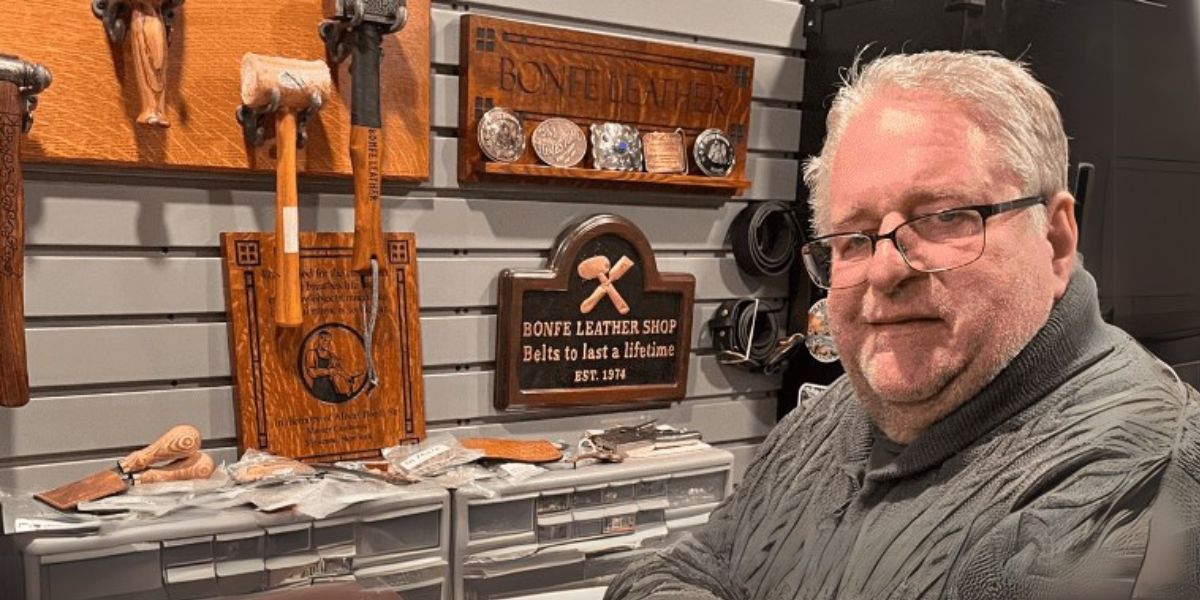
New York has long been a city where creativity and craftsmanship flourish, particularly in the realm of fashion. While styles may evolve with time, some artisans remain dedicated to preserving age-old techniques while thoughtfully adapting them for contemporary audiences. Bob Bonfe, the founder of Bonfe Leather, is widely regarded as a dedicated artisan in the world of handcrafted belts and buckles. With a sharp eye for detail and a deep appreciation for quality materials, he is known for producing belts that combine tradition with durability.

A Legacy of Craftsmanship

Bonfe’s interest in leatherwork began at a young age, influenced by his grandfather, a shoemaker in Syracuse, New York. As a child, he spent countless hours in his grandfather’s workshop, observing the creation of handmade shoes that reflected meticulous skill and care. These early experiences sparked an enduring respect for fine craftsmanship and the patience needed to create items of lasting value.

At 14, Bonfe got his first hands-on experience with leather as a craft supervisor for a special program serving exceptional children on Long Island. There, he began learning foundational techniques like tooling, dyeing, and leather selection—skills that would later become integral to his work as a belt maker.

A Thoughtful Approach to Belt Making

What sets Bonfe Leather apart from many commercially available brands is its consistent emphasis on quality materials and handcraftsmanship. In contrast to mass-market belts that are often made with lower-grade materials, Bonfe Leather uses carefully sourced full-grain leather and solid brass or nickel-brass hardware. His attention to construction and finishing techniques contributes to belts that can endure for years and develop a distinctive patina with age, giving each piece a personal character.

For Bonfe, belt making represents more than just function—it’s a form of self-expression. He matches buckles with leathers that complement both aesthetic and wearability, resulting in belts that aim to reflect the wearer’s individuality. His work spans classic styles and vintage-inspired designs, and includes themes drawn from Native American art, maritime culture, and iconic Harley-Davidson symbolism. Each belt is designed to evoke a story, transforming it into more than just a wardrobe accessory.

A Commitment to Preserving the Craft

Bonfe’s ambitions extend beyond personal success. A lifelong educator in science and special education, he is deeply committed to passing on traditional leatherworking skills. He hopes to teach his grandsons not only how to construct belts, but how to value the artistry and discipline that go into each piece.

Looking to the future, Bonfe has goals for his brand’s continued growth. He envisions Bonfe Leather earning recognition alongside notable figures in belt and buckle design, such as silversmiths David Yurman and Barry Kieselstein-Cord. By remaining committed to craftsmanship and ethical sourcing, he aims to bring his products to a broader audience and contribute meaningfully to the modern leatherwork landscape.

About the Author

Bob Bonfe is a leather artisan, educator, and founder of Bonfe Leather, a company focused on producing handcrafted belts and buckles. Inspired by his grandfather’s dedication to shoemaking, he has spent decades refining his leatherworking abilities. His belts, respected for their durability and distinctive design features, have attracted a loyal base of collectors and enthusiasts. Committed to preserving traditional techniques, Bonfe actively shares his knowledge to encourage future generations of artisans.

Discover Bonfe Leather’s carefully crafted belts and buckles by visiting Bonfe Leather online. Bob Bonfe’s book Bonfe Leather Shop is now available on Amazon, Barnes & Noble, and a number of local bookstores.

To connect with Wetmore and stay informed about upcoming projects, follow the social media channels below:

Instagram
Facebook

FOURSOME Brings Authentic Turkish Flavors to Greenwich Village

Greenwich Village welcomes a vibrant new addition to its culinary scene with the opening of Foursome, a Mediterranean restaurant and lounge officially launched on June 11th. Named in honor of its four founders—Haldun Kilit, Kaan Sekban, Tuba Demircioglu, and Oya Mungan—Foursome aims to bring authentic Turkish flavors to New York City while creating an immersive, all-day dining experience that transitions into an elegant evening lounge.

Meet the Founders

Foursome is the vision of four dynamic entrepreneurs. Haldun Kilit, Founder and Chairman of AHK Worldwide Interiors, has previously launched Sirali Restaurant and the AWC Art Gallery in Dubai. Tuba Demircioglu is an award-winning architect with more than 25 years of experience and a portfolio that includes the Louvre Abu Dhabi and DIFC Innovation One. Kaan Sekban made a name for himself as a banker-turned-comedian and author, and was the first Turkish stand-up comic to perform in English at the Metropolitan Museum of Art. Oya Mungan is a seasoned executive in hospitality and business, having founded The Lazy Llama café in New York after more than two decades of international leadership roles.

The Culinary Team

At the heart of Foursome’s kitchen is Executive Chef Kenan Atmaca, whose career has spanned high-profile posts across the Middle East, including serving royal families and international dignitaries. He brings with him a commitment to authentic Turkish flavors paired with modern technique. Chef Melih Turgay Yılmaz, a Hilton Hotels Best Young Chef Award recipient, has led acclaimed kitchens from New Jersey to Maine, while Sous Chef Ferhat Kanca brings Michelin-level finesse from top Turkish establishments including Mürver and Urla Vino Locale.

Breakfast and Brunch

The day begins with the Aegean Dream, a full Turkish breakfast for two that includes two eggs any style, sucuk (Turkish sausage), a variety of fresh breads including sourdough, simit, and pishi, an array of cheeses, green and black olives, cucumbers, tomatoes, house-made jams, acuka, honey and cream, and traditional Turkish tea. Other highlights include Simit and Egg, a toasted Turkish bagel with date, egg, and arugula salad; shakshuka with poached eggs, peppers and onions; and the colorful Rainbow Pancake made from matcha, beets, and spirulina, served with berries and a special cream sauce.

Lunch Favorites

For lunch, Foursome’s Pishi Taco offers a creative take on Mediterranean fried dough, served with pulled beef, Cajun chicken, and grilled vegetables. Turkish Teenage is a comfort-food favorite, with homemade meatballs, fries, yogurt, and tomato sauce. The PT Lover bowl features a health-conscious combination of grilled tofu, wild rice, avocado, spinach, edamame, and pomegranate seeds. Diners can also enjoy toasted sandwiches and flatbreads alongside rotating seasonal specials.

Dinner Delights

Dinner begins with a variety of small plates from the Just Getting Started section, such as Avocado Hummus, Cauliflower Tabbouleh, Kopoglu, and turmeric cauliflower with chickpeas and tahini. For mains, the Beauty & the Feast selection includes Braised Short Ribs with eggplant orzo, smoked yogurt, pistachio, and a chili blueberry sauce, as well as Sumac Crusted Salmon with pea purée, fondant potatoes, and broccolini. The Chicken Breast is served with pumpkin cinnamon purée and charred broccolini in a savory jus. A range of gluten-free pastas and fresh, seasonal salads—like the Foursome Beet Salad with arugula, burrata, beetroot, and apricot dressing—round out the dinner offerings.

Save Room for Dessert

Desserts at Foursome are both indulgent and refined. Guests can enjoy a Lavender Panna Cotta with berry sauce or opt for the house favorite, Nutella Banana Bread, drizzled in chocolate sauce and topped with pistachios and vanilla ice cream.

Cocktail Culture

The beverage program, led by seasoned mixologist Jorge Ramirez, features an array of Turkish-inspired cocktails that are as inventive as they are flavorful. The Espresso Fortuni combines Turkish espresso with Evil Bean liqueur, vodka, cardamaro, cardamom syrup, and is garnished with Turkish tobacco bitters and cardamom dust. Turkish Delight is a playful and floral blend of rose gin, strawberry syrup, elderflower cold foam, and citrus. Mr. Tambogreen pays tribute to Bob Dylan with gin, kiwi, cucumber juice, and elderflower tonic. For Pride Month, Ramirez performs behind the bar in his drag persona, Gigi Martini, bringing glam, sass, and sparkle to the cocktail experience.

A Feast for the Eyes

Foursome’s interior is a warm, inviting space adorned with playful artwork that reflects Mediterranean culture and nods to the neighborhood’s creative spirit. The dining room features white chairs, natural wood tables, and curated lighting that creates a cozy, elegant ambiance. A special Bob Dylan corner, designed by artist Omer Atakan, honors the music icon’s legacy in the West Village. The space will also serve as a rotating gallery with art exhibitions planned throughout the year.

Location and Reservations

Foursome is located at 9 Jones Street in Greenwich Village. The restaurant’s website is currently in development, but reservations can already be made through Resy.

Instagram: foursome.nyc

Harvest Meadow’s Splintered Innocence Offers a Stirring Portrait of Quiet Strength and Hidden Pain

By: Elowen Gray

In a literary market often filled with dramatic thrillers and fast-paced twists, Splintered Innocence — divided into two parts: Splintered Innocence Futile: Part I and Splintered Innocence Survival: Part II — emerges as a quietly resonant debut from author Harvest Meadow, notable for its emotional nuance and understated storytelling. Now released after more than a decade of thoughtful refinement, this novel series doesn’t demand attention — it gradually invites readers in, offering a compelling experience through steady pacing and emotional depth.

At first glance, Elizabeth — the novel’s central figure — appears to lead a calm and settled life. A stable home, family rhythms, and a tranquil exterior suggest order and contentment. But as the narrative unfolds, it becomes evident that deeper, unresolved emotions lie beneath. This is not a story driven by shock or spectacle. Rather, it unfolds through quiet moments of introspection and emotional restraint — emphasizing the things left unsaid, the truths avoided in the name of familial comfort, and the long-term weight of silence.

Splintered Innocence is built not on dramatic climaxes, but on careful layering — offering readers a slow, reflective look into how subtle emotional injuries can persist. Through Elizabeth’s perspective, we witness the complexity of growing up in an environment where silence often stood in for support, and where speaking up carried the risk of being disregarded.

The series’ impact stems from how thoughtfully Meadow explores patterns of familial strain: the secrets spoken in hushed tones, the subtle distancing, and the practiced smiles that hide deeper truths. Elizabeth’s internal landscape is charted with attention to suppressed memories, moments of resilience, and an ongoing search for visibility and validation. Every step she takes toward clarity is met with friction — a reminder that healing, while necessary, can be both uncomfortable and resisted.

It is within these character relationships that Meadow’s narrative strength becomes apparent. Elizabeth’s mother, Sophia, is not a stereotypical maternal figure. She is portrayed as resilient and composed, yet emotionally unavailable. Her stoic presence, while foundational, contributes to the emotional limitations experienced by those around her. For Elizabeth, this upbringing fosters strength, but it often lacks emotional nourishment.

And then there is Sebastian — thoughtful, present, and deeply patient. He does not arrive as a dramatic force of change but rather offers a sense of calm consistency. His presence introduces the idea that emotional safety is possible, and that love does not have to come with conditions. Their relationship, rendered with gentle care, provides one of the narrative’s most tender arcs: Elizabeth’s gradual realization that vulnerability can lead to connection rather than harm.

Harvest Meadow’s writing style is quietly evocative. Her prose doesn’t rely on grandiosity or spectacle; instead, she places trust in her readers to engage with the subtleties — the unfinished sentences, the emotional gaps, and the intimate silences. The result is a story that feels not only personal but relatable in its reflection of real-life emotional landscapes. It’s not just a novel about pain — it’s a meditation on the courage required for personal recovery and the incremental journey toward wholeness.

Outside her fiction, Meadow lives a creative and meaningful life that mirrors the sensitivity in her writing. A lifelong enthusiast of historical periods — particularly the Renaissance — she enjoys designing historically inspired garments for family events, reflecting her love for authenticity and detail. In addition, she finds joy in painting, crocheting, and other domestic arts that keep her rooted in tactile, hands-on expression.

At home, she is a wife, mother, and grandmother, often enjoying quiet moments curled up with her dogs and a favorite film. This harmony between creativity and personal fulfillment is evident in Splintered Innocence, giving the novel a grounded, deeply human quality. It’s a reflection not just of fictional characters, but of lived experience and emotional insight.

For readers seeking a series that doesn’t rely on spectacle, but instead offers a thoughtfully written journey through internal strength, quiet endurance, and emotional rediscovery, Splintered Innocence delivers a reflective reading experience worth engaging with over time. It isn’t loud. It isn’t hurried. But it resonates with sincerity — capturing the soft victories of healing and the power of finally being heard.

To explore Splintered Innocence and stay connected with Harvest Meadow, visit the following platforms:

Facebook

Instagram

Splintered Innocence Futile: Part I

Splintered Innocence Survival: Part II

NOVORÊX: Emotional Intelligence (EI) That Advances Humanity

In an era where healthcare faces unprecedented challenges and opportunities, NOVORÊX emerges with a transformative vision: creating a healthcare ecosystem where personalization meets compassion and artificial intelligence amplifies human expertise rather than replacing it. At the heart of this vision lies a simple yet powerful belief—that the future of healthcare must be both technologically advanced and deeply human, empowering not just doctors but medical staff and patients alike to create a better healthcare system and, ultimately, a better world.

A Vision Rooted in Transformation and Healing

NOVORÊX was born from the profound journey of its founder, Dr. Sater, whose childhood was marked by severe trauma, both physical and emotional. Through years of unrecognized suffering from borderline personality disorder and the abuse he endured from his surroundings, he turned to knowledge, reading hundreds of books across multiple disciplines. This relentless pursuit of understanding led him on the path of healing and paved the way for NOVORÊX, a revolutionary framework designed to empower individuals through healing and resilience. His journey shaped his calling as an empowering leader, driven by the mission to bring transformative change to healthcare and beyond.

HAS Consulting – Pioneering AI for Evidence-Based Medicine

At the technological core of this vision lies HAS Consulting, a company building the largest AI platform to revolutionize evidence-based medicine. Unlike traditional AI models that rely on limited datasets of hundreds or thousands of cases, HAS Consulting is creating a continuously evolving machine-learning system that refines data from millions of real-world cases. By leveraging humanized AI models using the Novorex framework, this platform ensures AI is not just an analytical tool but an intuitive system that enhances patient care through a uniquely human-centered approach.

By incorporating advanced AI models such as ChatGPT and DeepSeek, this platform is supervised by top medical experts to ensure accuracy, reliability, and effectiveness. This groundbreaking AI system tracks patient vital signs, quality of life, and longevity, bringing the next level of advanced, evidence-based care to patients’ homes. Dr. Sater believes that medicine is a true service, best delivered where patients feel safest and most dignified—in their homes. This minimizes the need for unnecessary hospital visits, reducing the burden on patients and their families while optimizing healthcare efficiency.

Using cutting-edge technologies such as X-rays, ultrasounds, and novel IV bags, highly trained emotionally intelligent medical professionals certified by NOVORÊX deliver compassionate care that empowers patients, restoring their confidence and inner energy to fight illnesses. Research in hospice care has already demonstrated that home-based treatment can significantly improve the quality of life and extend survival in advanced cancer patients, sometimes even leading them out of hospice entirely.

A Holistic and Visionary Approach to Healthcare

Both HAS Consulting and NOVORÊX represent a radical, first-of-its-kind approach to healthcare delivery. By eliminating inefficiencies such as excessive hospital overheads and exploitative pharmaceutical pricing, this model has the potential to save billions of dollars while vastly improving patient outcomes. Consider the broader impact: fewer unnecessary hospital visits mean reduced traffic congestion, lower pollution levels, and significant systemic financial savings.

NOVORÊX Academy – Translating Emotional Intelligence into Data

The NOVORÊX Academy is designed to continuously refine and optimize the framework through rigorous academic research. The academy will:

  • Develop and test different iterations of the NOVORÊX framework, ensuring its continual evolution.
  • Advance the tools for sentiment analysis, limiting belief maps, and real live EI feedback to scale the benefit of EI across multiple applications and populations
  • Track NOVORÊX-certified professionals’ progress and empower patients, using data to enhance future versions.
  • Conduct interdisciplinary studies on psychological barriers, social dynamics, and technological innovations to maximize patient and provider well-being.

The goal is to establish a self-improving, data-driven system that empowers doctors, nurses, patients and by extension humanity, using cutting-edge EI methodologies to drive lasting change in healthcare.

Beyond Medicine: A New Culture of Healing and Empowerment

Dr. Sater’s vision extends beyond healthcare. He envisions NOVORÊX as a global movement that empowers individuals in all aspects of life, from business to personal development. Inspired by his own experiences with mental health struggles, he is committed to using NOVORÊX to support those suffering from psychological disorders, offering them the same path to empowerment that he discovered.

This isn’t just another professional development program; it’s a movement that challenges the restrictive, bureaucratic norms that have held back doctors and patients alike. Traditional healthcare systems often impose rigid administrative controls that limit physicians’ autonomy, leading to burnout and compromised patient care. NOVORÊX offers a paradigm shift—one where doctors maintain their professional freedom, patients are treated as humans rather than cases, and healthcare is restored to its true purpose: healing.

NOVORÊX isn’t just about optimizing healthcare; it’s about fostering a new, empowered culture in medicine. This revolutionary system is emotionally intelligent and follows five empowering fundamental principles:

  • The Power of Human Connection
  • The Power of Safety and Trust
  • The Power of Knowledge
  • The Power of Choice, Autonomy, and Informed Decisions
  • The Power of Gratitude, Positivity, and Belief

Every word matters. A good word changes the world. This is the foundation upon which NOVORÊX is built.

Shaping the Future of Medicine

With its innovative blend of humanized AI models using the Novorex method, AI-driven insights, human-centered care, and academic rigor, NOVORÊX is not just a healthcare advancement—it’s a movement toward a more compassionate and effective system. Through HAS Consulting, NOVORÊX Academy, and an unwavering commitment to empowerment, this vision will redefine medicine, improve lives, and inspire future generations.

The future of healthcare isn’t about choosing between AI and humanity. It’s about merging the best of both worlds to create something extraordinary which is Emotional Intelligence.

To learn more about Dr. Sater’s groundbreaking work and his vision for the future of medicine, visit novorex.org.

Ascend by Project Future First: A Community Business Event in Springfield

By: Westwood Media Group

A Space for Learning and Connection in Springfield

In Springfield, Missouri, a growing initiative called Ascend offers an accessible platform for individuals interested in entrepreneurship and personal development. This free business event encourages community members to gather, share knowledge, and build connections in a relaxed and supportive environment. Designed to break down barriers often found in traditional conferences, Ascend offers educational opportunities without the burden of high costs or intense pressure.

Ascend is hosted by Project Future First, a nonprofit founded by Springfield resident Kyle Gardner and his collaborators Blake and Dmytro. The event takes place every few months and welcomes local business owners, professionals, and individuals exploring new business ideas or seeking inspiration. Attendance is free, with an RSVP being the only requirement.

Removing Barriers to Business Education

The origin of Ascend was rooted in a straightforward question: how can practical business knowledge be made accessible to a wider audience? Many individuals face financial or logistical obstacles that prevent them from participating in business education programs. Ascend aims to provide a solution by offering a high-quality learning experience at no cost.

Each Ascend event lasts about two hours and follows a simple, yet effective format. The first hour is dedicated to open networking, where attendees can connect informally. The setting includes light refreshments and live music from a local DJ, creating a welcoming and casual atmosphere. This networking opportunity allows people to form relationships without the formalities often present in conventional business gatherings.

The second hour features a series of talks from local or regional business owners. These speakers share their personal journeys, covering topics such as starting a business, overcoming challenges, and learning from setbacks. Their stories are relatable and grounded in real-world experiences, making the lessons relevant for attendees at any stage of their business journey.

Ascend by Project Future First: A Community Business Event in Springfield

Photo Courtesy: Project Future First

Real Stories from Local Entrepreneurs

Ascend emphasizes stories from everyday entrepreneurs rather than high-profile executives. This approach helps demystify the entrepreneurial process and offers practical insights. As an example, one recent speaker shared his experience growing up, including a period of homelessness, before becoming a business owner and licensed realtor in Springfield. His story resonated with the audience due to its honesty and openness.

The variety of speakers reflects Ascend’s commitment to diversity in business experiences. Past presenters have come from industries such as fitness, real estate, marketing, and food service. This range of perspectives helps attendees gain a broader understanding of entrepreneurship and leadership in different contexts.

A Focus on Substance Over Spectacle

Although Ascend includes production elements like lighting, music transitions, and stage design, the event avoids turning into a sales platform or promotional venue. The primary focus remains on learning and sharing knowledge. Organizers want attendees to leave with thoughtful insights and new ideas rather than feeling pressured by marketing messages or commercial pitches.

This focus on substance is one of the defining features of Ascend. By prioritizing real conversations and practical lessons, the event supports the ongoing development of the local business community in Springfield.

Supporting Springfield’s Growing Business Community

As Springfield grows, initiatives like Ascend contribute to a broader ecosystem of support for entrepreneurs and professionals. The event creates opportunities for people to build confidence, expand their networks, and explore new possibilities in business and personal growth. While not a comprehensive solution to all challenges in entrepreneurship, Ascend provides a meaningful step toward greater access to education and community connection.

The event’s organizers maintain that Ascend is just one part of a larger learning journey. It invites attendees to reflect on their experiences and consider different perspectives, which can be valuable as they pursue their own goals.

How to Attend Ascend

Those interested in attending Ascend can find more information and upcoming event dates on the Project Future First website at projectfuturefirst.com/events. The event is free and open to the public, with only an RSVP needed to reserve a spot.


Disclaimer: The information provided about Ascend and Project Future First is for educational and informational purposes only. Attendance at the Ascend event does not guarantee business success or specific outcomes. All business decisions should be made based on individual research and professional advice. 

Building A Custom Apparel Business: A Guide to T-Shirt Screen Printing

By: Leo Armstrong

Starting a custom apparel business and growing it to success can be a significant undertaking, but it’s certainly achievable. One strategy that can help set you on the right track is t-shirt screen printing. However, having the best technique alone may not ensure instant success. To build a profitable business, you need to approach it strategically. This guide offers insights to help you make informed decisions and set yourself up for growth. Here are some tips to keep in mind:

Figure Out Who You’re Selling To

The first question to ask is: Who are your customers? This will shape everything else about your business. Are you targeting local businesses that need uniforms? Or perhaps sports teams looking for jerseys? Maybe your customers are individuals who need custom shirts for events or gifts?

Understanding your audience is crucial. It helps you avoid spreading yourself too thin by trying to appeal to everyone. For instance, selling casual designs to corporate clients is likely to be less effective than tailoring your approach to suit their needs. By focusing on a specific audience, you’ll be able to carve out your niche.

Research Your Competition

Now that you know who you’re targeting, it’s time to investigate what others in the market are doing. Check out local screen printers and online shops. What services do they offer? How do their prices compare?

Look for gaps or unmet needs. Perhaps a competitor doesn’t offer quick turnaround times, or their website is outdated. These may be opportunities for you. If a competitor only offers basic custom t-shirt designs, you might set yourself apart by offering custom artwork creation. This way, even customers without design skills can still get exactly what they’re looking for.

Be sure to pay attention to reviews. What are people saying? Are they complaining about slow delivery or low-quality prints? Addressing these issues in your own business can give you a competitive edge.

Get Your Gear Together

Screen printing requires some investment upfront. Here’s a list of essentials:

  • Screens: These hold your design. Mesh screens are the standard, though the size depends on your projects.

  • Ink: Plastisol ink is a popular choice because it dries well and lasts long.

  • Squeegees: These are used to push ink through the screen and onto the shirt.

  • Exposure Unit: This is used to create stencils on the screens using light.

  • Flash Curing Unit: This unit dries the ink mid-process, enabling you to layer colors.

While these tools are essential, don’t worry if you don’t have access to everything right away. You can explore collaborating with established screen printing professionals as a starting point. This can help you grow your brand without the need for heavy upfront investment. Additionally, learning from experienced professionals will be invaluable when you’re ready to set up your own shop.

Build Your Brand

Building A Custom Apparel Business: A Guide to T-Shirt Screen Printing

Photo: Unsplash.com

Your brand is what sets you apart from the competition. Start with a simple, memorable name that clearly communicates what you do, like “Custom Ink Co.”

Designing a logo is the next step. If you’re not a designer, consider hiring a professional or using online tools like Canva. Stick to two or three colors to maintain a clean, professional look. Once you’ve established your branding, apply it across all your marketing materials, such as business cards, email signatures, and social media profiles.

Even if you’re running a local business, having a website can boost your credibility. Platforms like Squarespace or Wix make it easy to create a site. Be sure to include:

  • Photos of your work

  • Pricing details

  • An order form

  • Contact information

Bonus points for adding testimonials or before-and-after shots. Authentic feedback and real results build trust with potential customers.

Market Yourself

Marketing is where many new businesses face challenges. While word-of-mouth can be effective, it usually takes time.

Start with digital marketing. Set up social media accounts on Instagram, Facebook, and TikTok. Post consistently to show your process and display finished products. Run paid ads targeting your ideal customer. Platforms like Facebook allow you to narrow your audience based on age, location, interests, etc. Start with a small budget of around USD$ 10 – USD$ 20 per day to test what works.

Don’t forget offline marketing as well. Distribute flyers at local events, collaborate with nearby businesses, and offer discounts to schools or nonprofits in exchange for promotion.

Deliver Exceptional Service

Great customer service can set your business apart from the competition. Respond quickly to inquiries, confirm orders in writing, and take care in packaging. If something goes wrong, address it promptly. Offering replacements or refunds, when necessary, will help you build a loyal customer base.

Consider adding little extras, too. Free gift wrapping, personalized thank-you notes, or special discounts for repeat customers can go a long way in fostering loyalty.

Final Thoughts

Starting a t-shirt screen printing business and becoming profitable is not without its challenges. However, as this guide highlights, it is very much within reach with careful planning, hard work, and strategic decisions. Keep these tips in mind and consider partnering with industry professionals where needed. Their experience and guidance can help you succeed in this competitive field.


Disclaimer: This content is for informational purposes only and is not intended as professional business, financial, or legal advice. You should consult with a qualified professional before making any business or financial decisions.

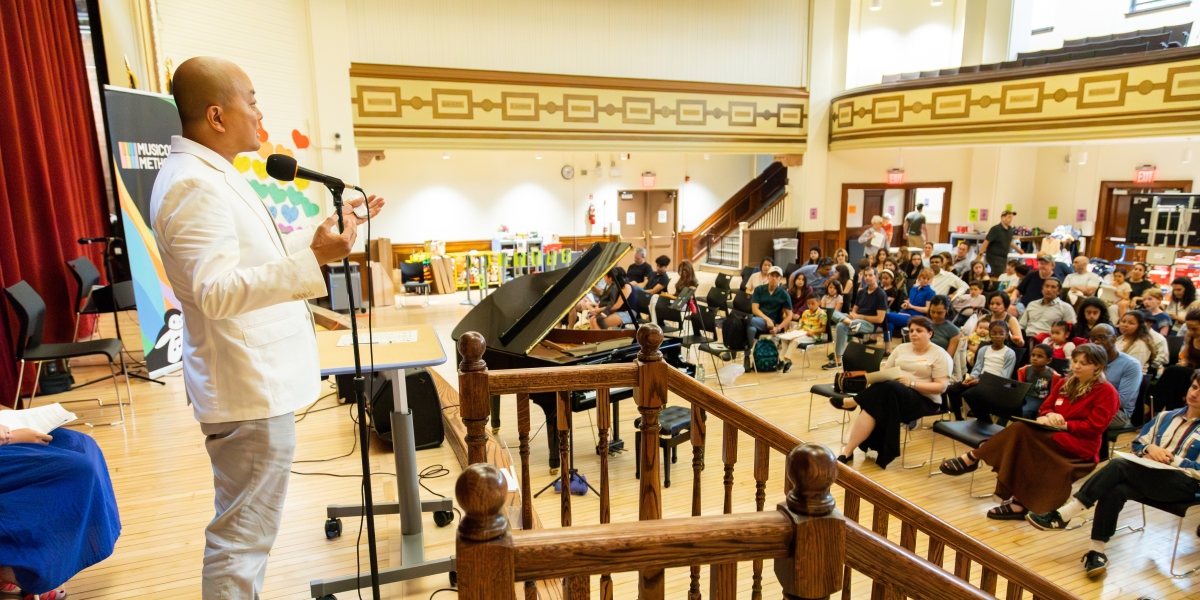
This Brooklyn Dad Couldn’t Find a Music School That Worked for His Son, so He Built One

By: Chelsea Robinson

When Andrew Ingkavet went searching for a music program for his four-year-old son Alejandro, he expected it to be a joyful journey. Instead, he found a system that felt disconnected from how children learn. The classes were rigid. The notation systems were confusing. The joy of music—something that had shaped Andrew’s life as a composer, advertising creative director, and former MTV Asia VJ—was nowhere to be found.

Rather than give up, Andrew decided to build something better.

What began at the family’s piano in their Park Slope apartment became the foundation for the Musicolor Method, an innovative approach to music education that uses colors, visuals, and storytelling to make music accessible to very young children, including those as young as three. What started as a way to teach his son quickly grew into a full-fledged school, with over 120 students enrolled and more than 20 teachers on staff. Today, the Musicolor Method of Park Slope is expanding nationwide and inspiring a movement to change how early childhood music education is taught.

The Musicolor Method is based on a fundamental understanding: young children learn best when having fun. Instead of diving directly into traditional music notation, the method uses a vibrant, color-based system that engages children playfully and visually. This system helps them build essential skills like pattern recognition and boosts their confidence as they become familiar with music in an intuitive and approachable manner. Over time, as their musical abilities develop, students gradually transition to more traditional forms of music reading, making the process feel natural and organic.

This approach is especially beneficial for neurodivergent children and those with learning differences. By focusing on visual cues and hands-on learning, the Musicolor Method helps children who might struggle with traditional methods to connect with music in a way that feels more accessible and engaging. It offers a supportive, flexible learning environment where every child can thrive at their own pace, tapping into their strengths while building foundational musical skills.

This Brooklyn Dad Couldn’t Find a Music School That Worked for His Son, so He Built One

Photo Courtesy: Michelle Ingkavet

Andrew has seen firsthand the transformation that happens when children are allowed to learn on their terms. He’s watched once-timid preschoolers light up with confidence after mastering a song. He’s seen students with ADHD find calm and focus at the piano bench. For many children, recitals held twice a year become proud milestones, offering a rare platform to shine regardless of their academic or social background.  There is a demand for music education, and so is Andrew’s vision. He’s developed a scalable licensing and teacher training program that allows educators nationwide to bring the Musicolor Method into their communities. The goal is ambitious: reach one million children with a method that makes music joyful, intuitive, and inclusive.

Ingkavet didn’t set out to start a business. He set out to help his son. But in doing so, he uncovered a profound need and a calling. Today, he’s not just teaching kids how to play music. He’s helping them build confidence, creativity, and resilience at one of the critical stages of their development.

In a world where academic pressure and screen time dominate childhood, the Musicolor Method is a powerful reminder that sometimes, a little color and a lot of heart may change everything.

How Wendeline McDonald Took Steps Toward Ending Generational Abuse

By: Jennifer C. Enriquez 

Generational abuse can feel like a cycle—one that binds trauma from one generation to the next. Many people who find themselves trapped in it often feel there’s no way out. But Wendeline McDonald’s story shows that change is possible, even when it seems out of reach.

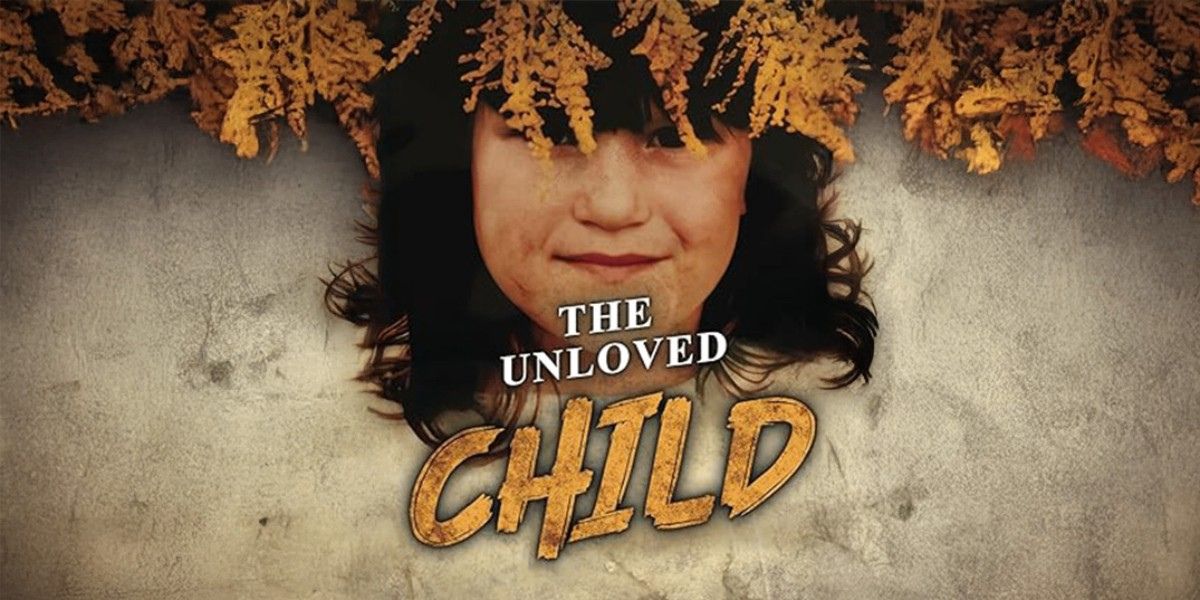
In her candid memoir, The Unloved Child, Wendeline opens up about her painful past and how she worked to break that chain, not just for herself, but for her children. Her journey is more than one of survival. It is about finding a way to heal and transform her life.

Facing the Past, Step by Step

Wendeline’s journey began with a childhood marked by neglect, cruelty, and betrayal—especially from her mother, JoAnn. But healing started at a young age, following her parents’ divorce, when she was ordered into therapy at the age of seven. What began as court-mandated therapy gradually became a critical part of her recovery.

Therapy played a key role in helping her unpack years of trauma, guiding her through repressed memories, anxiety, and shame. “I had to pop the balloons,” she writes, releasing the pain so it wouldn’t continue to affect her and her future generations.

Setting Boundaries That Matter

One of Wendeline’s most profound acts of healing was deciding to sever ties with her abuser. She visited JoAnn on her deathbed—not with the intention of forgiving, but to reclaim her own voice. Wendeline said goodbye on her own terms—and chose not to attend the funeral.

Wendeline also left two difficult marriages, choosing solitude over the chaos they brought. “I had to stop chasing love,” she says. It was a bold decision: to protect her peace, even if that meant standing alone.

Parenting With Purpose, Not Fear

Wendeline knew that she needed to parent her children in a way that was different from her upbringing. She focused on creating an environment without guilt, violence, or control.

She parented with empathy—listening, apologizing, and showing affection freely. When anger surfaced, she made an effort to pause, reflect, and adjust her approach. Even small gestures, like gently brushing her daughter’s hair, became ways to slowly undo the damage that had been passed down through the generations.

Finding Strength in Support

Wendeline didn’t have to walk this path alone. Her partner Lance, compassionate therapists, friends, and even strangers played a significant role in helping her rebuild. A doctor who stayed with her during a suicide attempt, or a counselor who reassured her, “It wasn’t your fault,” were just some of the sources of support that guided her.

And her children—healthy, thriving, and happy—became a testament to the possibility of a different path forward.

Choosing Self-Love Over Shame

The greatest battle Wendeline faced was often an internal one. The years of abuse left her struggling with feelings of guilt, wondering if she had somehow deserved it. But therapy, writing, and reflection helped her replace shame with self-compassion.

She took care of herself, physically and emotionally. She took her medication. She rested. And she wrote The Unloved Child.

Because Wendeline learned that healing isn’t selfish—it is essential for growth and recovery.

A New Legacy

Today, Wendeline’s children and grandchildren live free from the shadow of JoAnn’s cruelty. They have never heard her voice or experienced her harm, and they likely never will.

Wendeline didn’t just overcome abuse—she broke the cycle.

“Breaking generational abuse isn’t about being strong. It’s about having the courage to face the truth—and the persistence to build something better,” Wendeline McDonald writes in The Unloved Child.

If you’re seeking a story of resilience, understanding, and growth, Wendeline’s journey offers just that.

This memoir offers an intimate look at how someone can rise from the depths of trauma to create a healthier future. It is a testament to the possibility that even the deepest wounds can become a foundation for change.


Disclaimer: The content of this article is based on Wendeline McDonald’s memoir, The Unloved Child, and is intended for informational and inspirational purposes. The experiences shared in this article reflect the author’s personal journey and may not be representative of everyone’s experience with generational abuse. Readers who are affected by similar issues are encouraged to seek professional support and counseling.