Inside MHAYA.ai: Combining AI and Empathy in Recruitment

By: Tom White

In a world where resumes often outshine potential and algorithms can inadvertently deepen inequalities, MHAYA.ai is working to lead a different kind of hiring movement. Built on the belief that employment is a human right, this AI-driven talent acquisition platform blends advanced technology with compassionate purpose. The result is a precision hiring engine that helps to fill roles and create opportunities for growth.

A Mission Rooted in Experience and Empathy

The founders of MHAYA.ai bring extensive experience from global tech giants, combined with a deep commitment to equity. Co-founder and CEO Mary V. Ruiz, formerly of Microsoft and The Adecco Group, brings a lifelong passion for building communities and ensuring that opportunities are available to all. Her commitment is particularly personal, shaped by her upbringing in the US and Mexico, as well as her experience as a parent of a child with disabilities. For her, the hiring process is more than logistics; it’s a path to fair and meaningful economic empowerment.

Joining her are Hari Sivaraman, Co-Founder, Inventor, Chief Product Officer, and former Cognizant and VentureBeat executive, and Deepak Aher, Chief Revenue Officer with a background at AWS and SAP. Both share a foundational belief in responsible innovation. If applied thoughtfully, Sivaraman believes AI can offer significant solutions to the global unemployment crisis. Aher, meanwhile, has long sought to improve the hiring process, particularly the top-of-funnel experience, where bias can often hinder opportunity before it has a chance to unfold.

The team is also supported by Chief Technical Advisor Harish Mashetty, whose deep technical insights and experience in AI have been instrumental. Harish’s contributions have been central to the creation of MHAYA.ai’s GenAI extension patent.

The Problem with Hiring Today

Despite the growing use of technology in HR, many systems still reward surface-level attributes over true potential. Candidates are overlooked for not having traditional career paths or polished resumes, while employers miss out on talented individuals. Worse, some AI systems designed to address this issue may inadvertently perpetuate the same biases they seek to solve. MHAYA.ai takes a different approach.

The MHAYA.ai Approach: Precision with a Conscience

MHAYA.ai doesn’t rely on opaque or unaccountable language models. Instead, it uses transparent, human-supervised algorithms built on patented, structured data methodologies: SPEED and ASAP. These responsible AI systems are designed to be verifiable, fair, and, most importantly, effective. The platform focuses on identifying true best-fit candidates, offering a more accurate and ethical AI recruitment experience.

With its recent integration into Tier 1 applicant tracking system Greenhouse, MHAYA.ai is expanding its reach while maintaining its core values. This partnership demonstrates its strategy to scale its impact while staying true to its guiding principles.

A Trustworthy Alternative in a Time of Doubt

As public trust in artificial intelligence fluctuates, MHAYA.ai offers something different: human-centered AI for HR. The platform is designed not only to optimize the hiring process but to reimagine what it means to be qualified. Every line of code, data point, and match reflects a deeper mission: to bring compassion back into hiring.

For those concerned that AI may be reinforcing biases, MHAYA.ai offers evidence that technology can be used inclusively, promoting fairness rather than exclusion.

Looking Ahead: A Vision Worth Investing In

MHAYA.ai is reshaping the HR tech space and setting a precedent for what responsible, ethical AI in hiring can look like. As the company continues to scale through integrations with leading applicant tracking systems like Greenhouse, and aims for partnerships with other platforms like Workday, iCIMS, and SuccessFactors, MHAYA.ai is demonstrating that ethical innovation can drive both business performance and social good.

The company’s ultimate goal is to close the global employment gap and unlock up to $2.7 trillion in potential GDP, as estimated by McKinsey. But beyond the numbers, there is something more powerful: the opportunity to give overlooked talent a fair shot, to reinvent outdated hiring systems, and to ensure technology works for people, not against them.

MHAYA.ai is not just a company to observe but a mission to believe in. When hiring becomes more equitable, the future holds more potential for everyone.


Disclaimer: The information provided in this article is for informational purposes only. The strategies and approaches discussed represent general practices, but individual results may vary. No specific outcomes are guaranteed. It is recommended to consult with a professional or conduct independent research before making any business decisions or investments.

Egger Mielberg: AI Is Not Capable of Replacing the Biological Brain by Nature!

By: Arllecta Group

Egger Mielberg, a renowned figure in the field of technology and medicine, is the founder of the international IT conglomerate Arllecta Group. He has made notable contributions as the author of the Sense Theory, the world’s first mathematical framework for artificial intelligence, and the innovative Medllecta methodology for early disease diagnosis. With expertise spanning mathematics, biotechnology, clinical diagnostics, and microbiology, Mielberg is uniquely positioned to address the pressing questions surrounding AI’s transformative role in the medical field. As technology and the human brain stand at competing ends today, he provides insights into the discourse in this article.

Q: Mr. Mielberg, why do you think that AI is not capable of replacing the human brain? 

Artificial intelligence in the form in which it is presented by large IT giants at the current moment in time is not intelligence in principle. There are at least two significant reasons for this conclusion. 

Q: Mr. Mielberg, please describe the first reason in detail. 

The first reason is that the linguistic laws of any language have certain rules for the correct construction of sentences: interrogative, negative, affirmative, etc. As we know, each language also has its own slang part that is born in the everyday life of the speakers of a particular language. NLP technologies used to solve problems of human language analysis and synthesis also have certain rules. These rules fully cover both the basic grammar and syntax of the human language being studied and the entire additional slang part. 

And now, the most interesting part, I will give a clear example of the inability of AI to bypass biological intelligence. Three friends, Rick, Nick, and Dick, are sitting at the table and telling each other how they spent their last weekend. Rick says he was sitting in his house in Palo Alto doing nothing. Nick says he was sitting in his apartment in New York watching TV and eating something. Dick says he was sitting at his ranch in Austin. 

Now, if you ask the average person, ” Where was Nick lying on his last weekend?” most would say, “on the couch.” 

Now, when you ask the same people what Nick ate while watching TV on his last weekend, most will answer “popcorn, burgers” or something similar. NLP technologies used by all IT giants can find, save, and increase the number of possible answers to such questions. Now, imagine that these technologies can easily generate and save millions of questions and answers. And now, the most important thing! The human brain can remember a small part of the questions on each topic. Therefore, when communicating with AI, the average person gets a WOW-effect from the AI’s answers. However, obviously, there is no intelligence in the AI with which a person is talking since NLP technologies have strict rules for data processing and cannot start the “thinking” process. That is, in the current situation, we have NLP scenario algorithms that have huge amounts of data with which they can work and which are not achievable for storage even by the most advanced brain of a super smart person. 

Q: Am I right, Mr. Mielberg, that IT giants call AI ordinary scripts of which they can make millions, and these scripts do not understand what a person is asking? 

That’s right, current AI solutions have nothing to do with the biological brain and its thinking and decision-making processes. The goal of IT giants is primarily to make a profit, and the average person’s WOW effect contributes well to this.

Q: Great, some details are becoming clear now. So, what is the second reason? 

The second reason is the ability to determine the accuracy and quality of the information that the AI operates with. That is, the AI being created must have its own genome, a set of genes that determine its behaviour when the conditions in which it operates change. Without this, any AI is nothing more than a huge database with a scenario template algorithm for responses. 

The truly transparent and predictable work of the artificial intelligence being created can significantly improve the quality of human life, as well as its safety. In my opinion, self-awareness of artificial intelligence is achievable only if it is independent in making any decision. 

Here are three sufficient laws that reflect the core of the genome of any AI: 

  1. Artificial intelligence must be identified by AI-ID and AI-GN (genome number).
  2. Artificial intelligence can be supplemented with any functionality that does not nullify its genetic functionality. 
  3. All created artificial intelligences must use a single anthological vocabulary of entities.

Q: Ok! Am I correct in understanding, Mr. Mielberg, that any AI created must have its own genome? 

Correct! The combination of ID and GN forms a digital identifier – the digital genome of the artificial intelligence being created. The basic genetic functionality can only be changed by the company or individual who owns this combination. When making changes to the basic genetic functionality of artificial intelligence, a Previous GN (PGN) value is created equal to the previous GN value. At the same time, it is extremely important to use cloud services or similar technologies for storing sequential PGN values.

This technology allows quickly enough, firstly, to identify the latest changes made to the digital genome of artificial intelligence, and secondly, to block fraudulent actions associated with the illegal use of a separate artificial intelligence for other purposes. 

Q: Mr. Mielberg, what about the safety of the AI ​​being created? What is the risk of its error?

The security of personal data, as well as the consequences of the work of a separate artificial intelligence, is perhaps the second most important criterion when creating global artificial intelligence. A high level of safety of work of both individual artificial intelligence and their set is achieved exclusively by the execution of all three above-formulated laws at the same time, the laws that reflect the core of the genome of any AI.

Customer Psychology by Dmytro Petlenko: How to Understand the Needs of Your Customers

By: Dmytro Petlenko

A manager in the field of wholesale trade with a holistic view of the industry

Abstract: The article explores the psychological aspects of wholesale buyers’ behavior and analyzes methods for identifying their underlying needs in the context of B2B interactions. Theoretical models that describe the decision-making process in organizations, such as the concept of a buying center and the B2B hierarchy of needs, are discussed. The purpose of the work is to organize existing knowledge about the psychological drivers of wholesale purchases and offer practical tools for sales and marketing managers grounded in research. The objectives include analyzing existing theoretical approaches, summarizing practical methods for identifying needs, and demonstrating their applicability with examples. The findings may be used by B2B companies to enhance sales strategies, foster longer-term partnerships with customers, and improve competitiveness by more accurately addressing customer requests.

In today’s competitive B2B environment, a supplier’s success often depends on its ability to understand and address not only the obvious but also the less apparent needs of its customers. The decision-making process for wholesale purchases tends to be more complex than in the B2C segment, as it involves multiple stakeholders, formalized procedures, and evaluation criteria that extend beyond price and product features [1]. Limited consideration of the psychological aspects and motives of decision makers may result in ineffective commercial offers and potentially missed opportunities for building longer-term partnerships. The relevance of this topic stems from the increasing need to move from transactional sales models to consultative ones based on a deeper understanding of the client’s business and strategic objectives. The purpose of this article is to analyze psychological factors that influence the needs and decisions of wholesale buyers and to provide managers with a research-based practical toolkit for identifying and analyzing these factors.

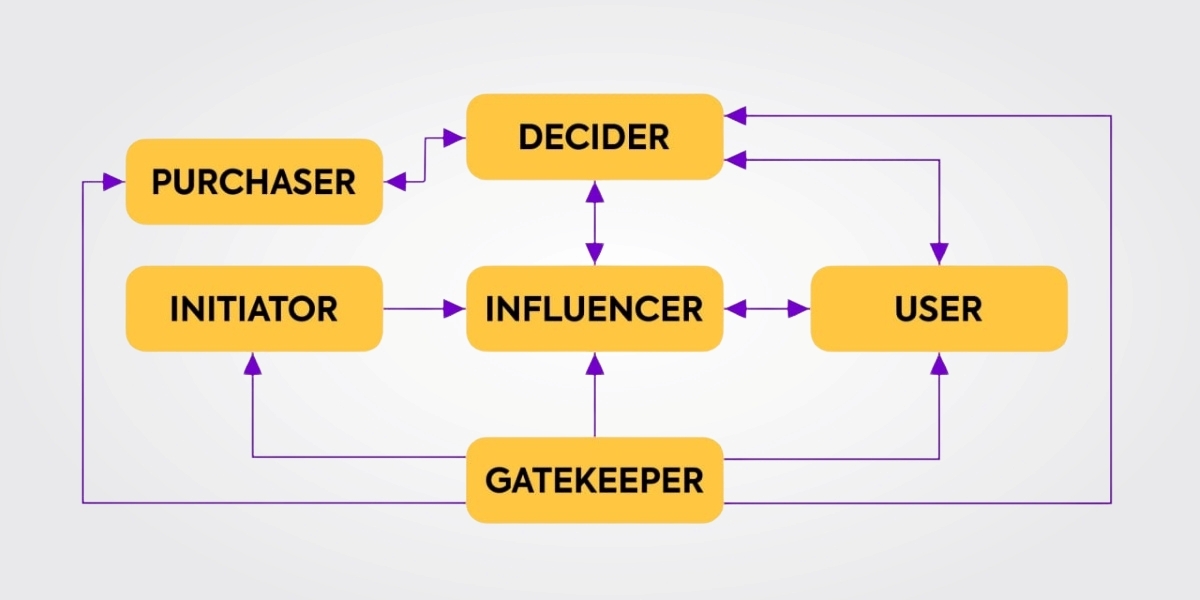
Understanding an organization’s buying behavior requires considering models that incorporate both rational and irrational factors. Although B2B decisions are often perceived as purely rational, research indicates the influence of cognitive biases, emotions, and personal motives of decision makers [4]. The concept of the “buyer center” is fundamental to B2B purchasing analysis. It suggests that decisions are made by a group of people performing different roles: initiators, influencers, decision makers, buyers, users, and gatekeepers [5]. Understanding the composition, dynamics, and motives of each participant in the buyer center is important for effective interaction.

By analogy with Maslow’s hierarchy of needs, one can identify a hierarchy of B2B client needs. At the basic level are operational needs — uninterrupted supply, compliance with standards. Following this are needs related to efficiency and cost reduction. At a higher level, risk minimization — financial, operational, reputational — comes into play. At the strategic level are needs related to business growth, increased competitiveness, innovation, as well as personal professional ambitions of decision makers, such as career advancement or recognition, which can have a subtle but significant influence on supplier choice [2].

Identifying hidden needs typically requires a systematic approach combining communication skills and data analysis. Active listening and asking appropriate questions, such as those suggested in the SPIN (Situation, Problem, Implication, Need-payoff) technique, enable moving beyond product discussion to uncover the client’s underlying problems and tasks [3]. The manager’s objective is not merely to sell a product but to help the client solve a problem, which involves understanding its essence and consequences.

Data analysis plays an equally valuable role. Reviewing a customer’s purchasing history, CRM data, industry reports, and competitor activities can help form hypotheses about needs and reveal non-obvious patterns. For example, analyzing order frequency and volume may suggest challenges with inventory planning, indicating a need for more flexible delivery terms or forecasting support.

Mapping the buyer center — identifying all involved parties, their formal and informal roles, influence levels, evaluation criteria, and possible personal motives — is an important step. This enables tailoring communication and value propositions to the specific concerns of each stakeholder.

The B2B purchasing process generally proceeds through stages: problem recognition, information search, alternatives evaluation, decision making, and post-purchase evaluation. Understanding which stage a client is at allows managers to provide relevant information and support. Early stages focus on problem diagnosis; later stages emphasize justifying specific solutions and minimizing perceived risks [1].

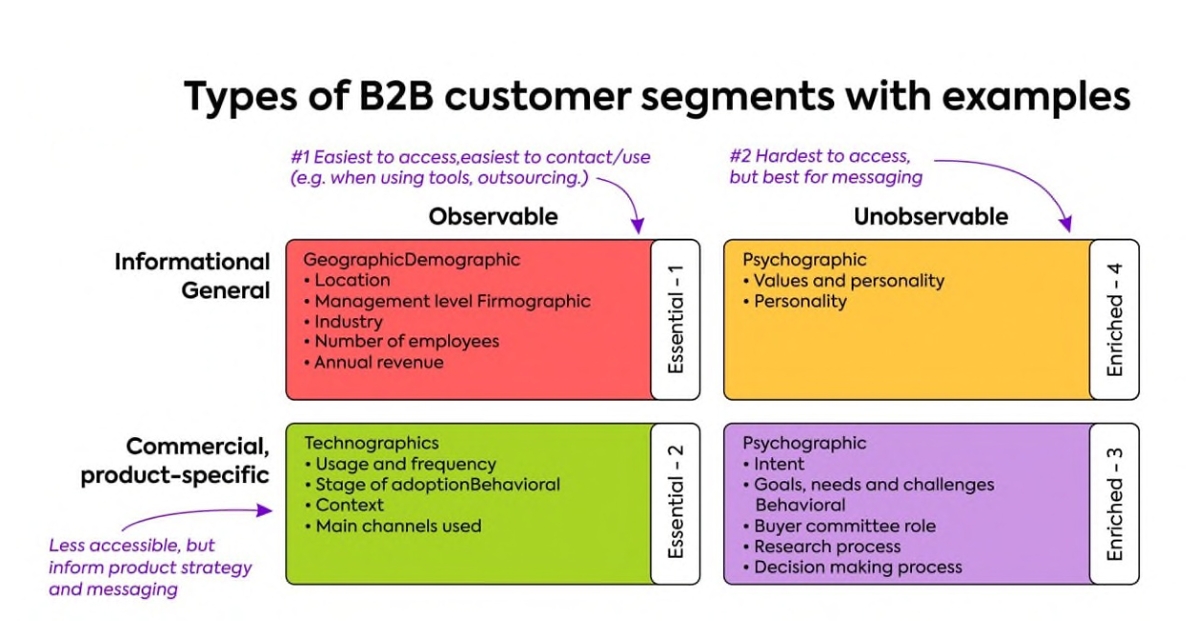
Segmentation of B2B customers should extend beyond industry or company size characteristics. Segmentation based on needs (e.g., innovation-focused customers vs. cost-conscious customers), behavior (e.g., loyal partners vs. transactional buyers), or perceived value has been found to be effective. This supports the development of more targeted engagement strategies.

Customer Psychology by Dmytro Petlenko: How to Understand the Needs of Your Customers

Photo Courtesy: Dmytro

Applying these approaches may help create value propositions that resonate with the client’s deeper needs. For instance, a company facing unreliable supply from its current provider (risk of operational disruptions) might be more responsive to offers emphasizing reliable and timely logistics, even at a slightly higher cost, rather than offers focusing only on the lowest price without clear guarantees.

Integrating psychological knowledge into B2B sales management involves shifting the focus from the product to the client and their business context. This requires sales managers to develop not only product expertise but also empathy, problem diagnosis skills, and an understanding of organizational dynamics. CRM systems should be used not just as databases but as tools for accumulating and analyzing insights about clients, their needs, and the characteristics of decision makers.

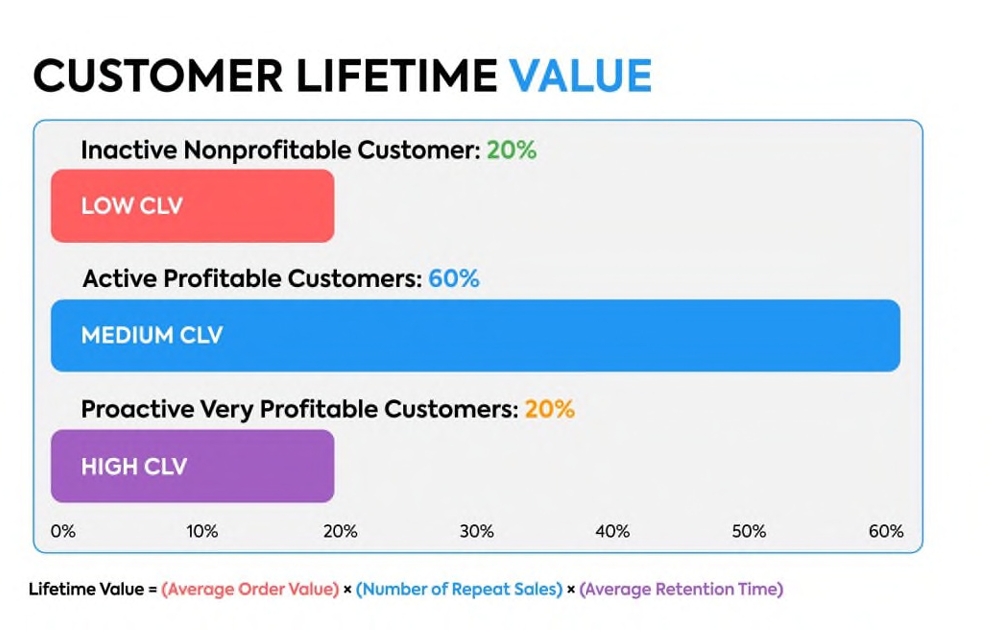
Awareness of cognitive biases such as anchoring, loss aversion, and confirmation bias can be useful both for understanding customer responses and for self-reflection during negotiations and relationship building [2]. B2B sales increasingly resemble a process of co-creating value, with the supplier acting as a consultant and partner helping the customer achieve their objectives. This approach can contribute to building long-term loyalty and enhancing Customer Lifetime Value (LTV).

Customer Psychology by Dmytro Petlenko: How to Understand the Needs of Your Customers

Photo Courtesy: Dmytro

The psychology of wholesale buyers involves a complex interplay of rational, emotional, and organizational factors. A thorough understanding of B2B client needs requires managers to use a comprehensive set of tools, including theoretical models (buyer center, hierarchy of needs) and practical methods (active listening, data analysis, decision maker mapping).

A research-informed approach to customer psychology enables a shift from standard commercial offers to customized value propositions aligned with specific customer goals and motivations. Incorporating psychological insights into sales strategies and customer relationship management supports the development of strong partnerships, improved loyalty, and a sustainable competitive advantage in the B2B segment. The article’s recommendations are intended for managers and heads of sales and marketing departments in companies of various sizes operating in the wholesale market and may serve as a foundation for corporate training and CRM strategy enhancement.

References

  1. Hutt M. D., Speh T. W. Business Marketing Management: B2B. 11th ed. Cengage Learning, 2012. 672 p.
  2. Kotler P., Keller K. L. Marketing Management. 15th ed. Pearson, 2015. 912 p.
  3. Rackham N. SPIN Selling. McGraw-Hill, 1988. 197 p.
  4. Sheth J. N. A Model of Industrial Buyer Behavior // Journal of Marketing. 1973. Vol. 37, № 4. P. 50–56.
  5. Webster F. E., Wind Y. A general model for understanding organizational buying behavior // Journal of Marketing. 1972. Vol. 36, № 2. P. 12–19.

Disclaimer: This article is intended for informational and educational purposes only. It does not constitute professional advice, and the effectiveness of the methods discussed may vary based on individual business contexts. Readers should consider consulting qualified professionals before implementing any specific strategies.

Kseniia Vorontsova: ‘Positive Thoughts Generate Positive Results’

By: Amanda Roberts

The profession of a copywriter has become increasingly recognized and valued in today’s world. With the rise of the internet and social media, it has evolved into an in-demand career. Recently, there has been a growing trend of professionals identifying as journalist-copywriters. These individuals combine journalistic reporting with promotional writing, creating content that serves both informational and commercial purposes. Their expertise lies in blending creativity with strategic messaging.

Today, we will share the success story of Kseniia Vorontsova — an online journalist, content creator, and copywriter from Ukraine — who managed to learn all the intricacies and nuances of these demanding creative professions from scratch.

Interestingly, Kseniia had dreamed of becoming a lawyer since her school days. Her parents enrolled her in a specialized Philosophy and Law Lyceum. She went on to earn her higher education at the National University “Odessa Law Academy”, the leading legal institution in Ukraine. Despite graduating with honors and earning a master’s degree, finding a job in her field in her hometown proved to be challenging. Her work as a legal advisor at a medical institution didn’t bring her the professional satisfaction she had hoped for. However, it did teach her how to draft documents, orders, letters, contracts, instructions, and other official papers. When the young mother went on maternity leave and faced the need to find additional income, the first opportunity she seized was writing texts.

This is how Kseniia’s creative journey began in her new profession — the profession of a copywriter. Today, her freelance career spans over 10 years. She has long grown from a simple copywriter into a full-fledged author and content creator. Her experience includes working with SMM agencies and popular online media platforms covering topics such as fashion, design, beauty, medicine, IT technologies, SEO, digital marketing, business, law, construction, health and wellness, gardening, and many others.

Over the years, she has written more than 10,000 different pieces of content. To stand out from the competition, Kseniia constantly generates new ideas and approaches, seeks out-of-the-box solutions to create unique, interesting, exclusive, and original articles. She works in various writing styles to adapt content for different goals and target audiences.

In May 2019, her efforts were acknowledged as she was ranked among the leading copywriters on a popular freelance platform, which boasts over a million users from more than 60 countries worldwide. As a journalist, content creator, and copywriter, Kseniia possesses many essential skills and competencies:

She develops from scratch, creates, and writes high-quality, unique, and stylistically smooth content on a wide range of topics for online magazines, blogs, and websites in Ukrainian, English, and Russian — including sales copy, informational and review articles, news and entertainment content, interviews, advertorials, press releases, SEO texts, and posts for Instagram, Facebook, Telegram, and other social networks.

  • She edits books, articles, posts, announcements, and texts of various structures, formats, and complexity.
  • She works with a large number of keywords and professionally integrates them into texts using the grammatical cases specified in the brief.
  • She uses innovative AI technologies (ChatGPT, Google Gemini, and others) strictly upon client request.
  • She handles large volumes of information and switches between topics with ease.

Kseniia’s uniqueness lies in her ability to write content on virtually any topic. Even the most complex subjects, she manages to present in an engaging and accessible way for readers, which is why her services are always in demand.

Kseniia collaborates with renowned influencers and remarkable creative individuals such as Maryna Hartinher, Anna Kokhanets, Tamara Rutskaya, among others. She also partners with various SEO agencies, PR companies, brands, independent freelancers, and entrepreneurs from Ukraine, Europe, the USA, Asia, and other parts of the world.

She is constantly improving her skills and seeking new, exclusive, and extraordinary ideas. Kseniia has many plans to expand her business. However, while Ukraine remains at war, she has chosen to focus on more important life priorities.

Since February 24, 2022, she has dedicated much of her time to volunteer work — supporting local charities, delivering humanitarian aid to Ukrainian defenders in combat zones, and helping civilians in liberated territories. Kseniia believes that the war will soon come to an end, and she will then be able to realize all her business plans.

Despite the challenging circumstances she works under, her motto remains unchanged:
“Positive thoughts generate positive results”.

Contact Kseniia Vorontsova: 

Email — ksjuha707@gmail.com

Instagram — @vksjuha

Telegram — @Mykho

Floristry in America: Viktoriia Perebyinis’s Opinion on the Specifics of the Market

Viktoriia Perebyinis, a businesswoman and florist with international experience, shares her observations on the specifics of the American floristry market. The purpose of the study is to explore regional characteristics, consumer preferences, and business models that contribute to this unique industry, which reportedly generates more than $7 billion in revenue annually. The article examines key aspects such as regional differentiation, a notable degree of digitalization, the growth of the premium segment, and unique approaches to organizing supplies. Viktoriia underscores the importance of personalization of services and sustainable development, as well as the influence of social networks on attracting customers. The practical application of the results may be used to optimize the business strategies of floristry companies, improve customer service, and adapt to changing trends. In conclusion, the author identifies key trends such as further digitalization and the blurring of boundaries between floristry and other types of design, which could open new horizons for the future of the industry.

The American floral market is a multifaceted phenomenon characterized by its scale, cultural diversity, and adaptability to new trends. According to IBISWorld research, the industry reportedly generates more than $7 billion in revenue annually and has shown sustainable growth of 1-2% even in conditions of economic instability [1]. However, behind these statistics lies a complex system of regional characteristics, consumer preferences, and business models that can be better understood from an internal perspective. Viktoriia Perebyinis, a florist with international experience and the founder of a successful flower business in California, shares her observations on the specifics of this dynamic market.

One of the key features of American floristry is its pronounced regional differentiation. As Emily Wilson, a professor of marketing at Columbia University, notes, “The United States is often seen as a mosaic of dozens of local [floral] markets, each with its own traditions and preferences” [2]. On the East Coast, especially in New York and Boston, subdued, elegant European-style arrangements are often preferred, while the Midwest tends to favor traditional, lush bouquets with roses and carnations. In the South and California, where Perebyinis works, the influence of Latin American traditions can be observed, manifested in bright, contrasting combinations and exotic flowers. Perebyinis notes that it took her several months to adapt to the expectations of Californian clients, who often requested a different visual language than she was accustomed to. This cultural mismatch was particularly evident during her participation in a local floral competition, where her entries, done in the classical European tradition, received less attention from the judges, who appeared to prefer bold Mexican motifs.

The technological advancement of American floristry businesses is another notable aspect of the industry. According to a study by Florists’ Review, approximately 65% of all flower orders in the United States are made online, and this figure can reach 80% in large cities [3]. This trend encourages even small local flower shops to consider investing in digital platforms. Perebyinis suggests that a modern floristry business in America often benefits from a strong online presence, which may include the integration of online ordering systems, mobile applications, and chatbots for consultations. Her own business, which began as a small store, developed a full-fledged digital infrastructure within six months, which reportedly helped triple her turnover. She also highlights the role of social networks such as Instagram and Pinterest, which, in her experience, serve as a showcase of modern floristry and a source of a significant portion of new clients.

Floristry in America: Viktoriia Perebyinis’s Opinion on the Specifics of the Market

Photo Courtesy: Viktoriia

The premium floristry segment in the US appears to be developing at a notable pace. Companies such as Flowerbx and The Bouqs Company have built their business models by offering exclusive designer arrangements at prices 3-5 times higher than the average market price. Perebyinis explains that American consumers, especially in large cities and among millennials, are increasingly open to paying for the uniqueness and story behind a bouquet. In her practice, there was a case where a client paid $1,200 for an arrangement of rare orchids because they reminded him of a trip to Thailand. According to the American Floral Endowment, this premium segment has been growing by 8-10% per year, outpacing the overall market [4].

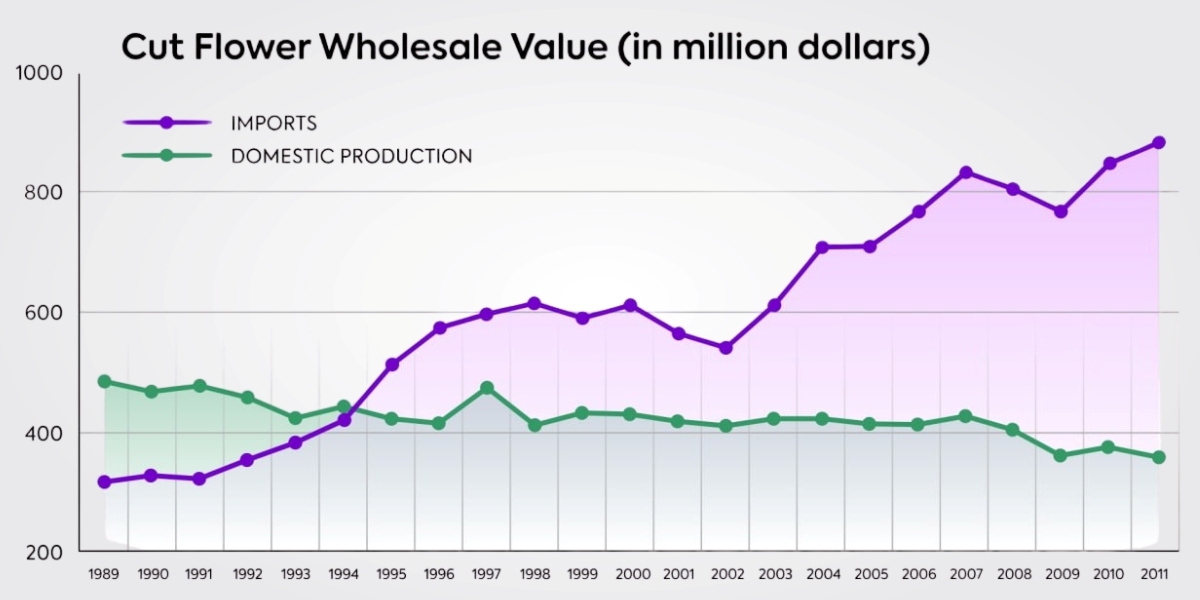
The organization of supplies in the American floristry sector has its own unique features. Unlike Europe, where direct purchases from local producers are more common, the system of wholesale flower markets is prevalent in the USA, the largest of which are located in Miami, Los Angeles, and New York. Perebyinis notes that the supply chain in the USA is longer and more complex, and most flowers are imported from Colombia, Ecuador, and the Netherlands, passing through several intermediaries, which can affect the price and freshness of the product. In recent years, there has been a rising interest in the “slow flowers” movement, which promotes the use of local, seasonal flowers. Perebyinis actively incorporates this initiative, offering a special line of “local flowers” in her assortment, which, despite the higher price, has seen growing interest among environmentally conscious consumers.

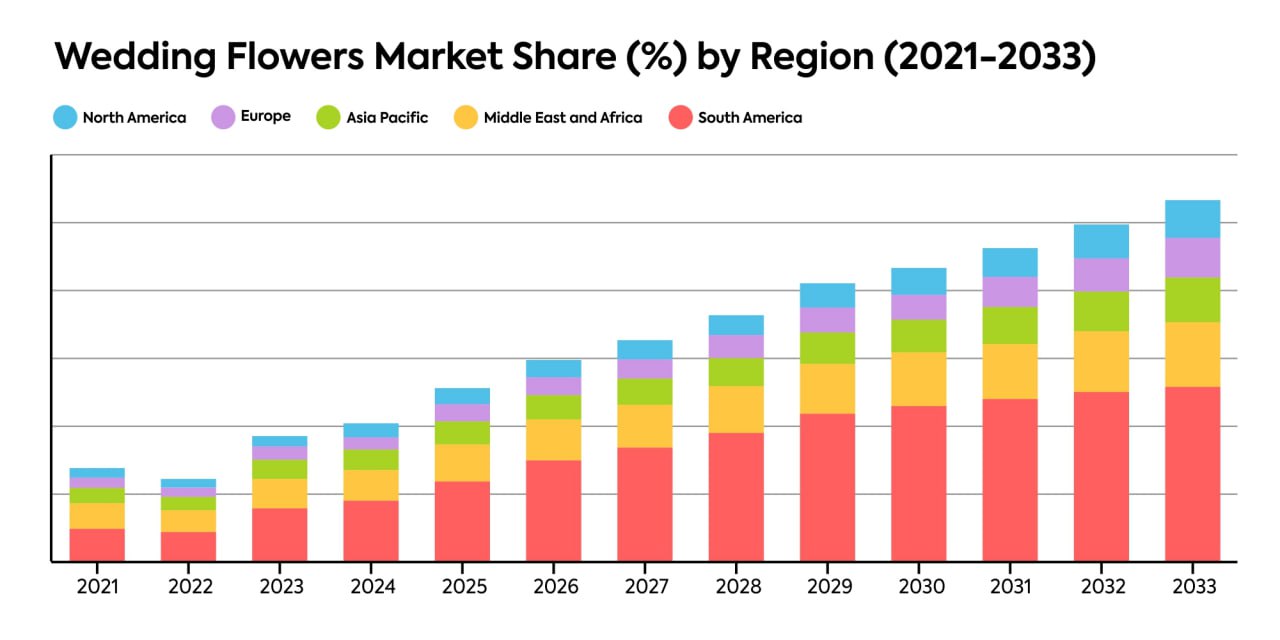
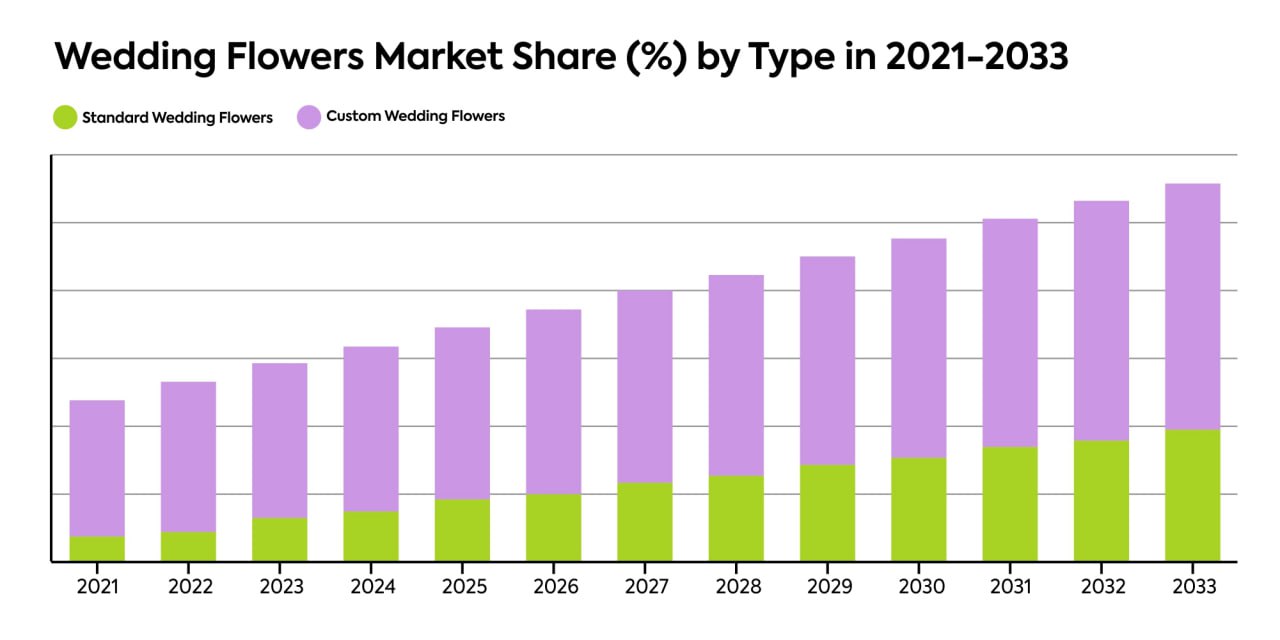
The event direction of American floristry, especially in the context of wedding events, also stands out. According to the research company Wedding Report, the average cost of flowers for a wedding in the USA ranges between $2,000 and $3,000, and in the premium segment, it can exceed $15,000–$20,000 [5]. Perebyinis notes that wedding floristry in the USA is a distinct niche with its own conventions. American brides often opt for large-scale, photogenic compositions designed for social media appeal. Unlike Europe, where the wedding style leans toward naturalness and casual elegance, many American weddings still feature lush and carefully structured compositions with an abundance of greenery and filler flowers.

Floristry in America: Viktoriia Perebyinis’s Opinion on the Specifics of the Market

Photo Courtesy: Viktoriia

Floristry in America: Viktoriia Perebyinis’s Opinion on the Specifics of the Market

Photo Courtesy: Viktoriia

The marketing strategies of American florists are also noteworthy. Perebyinis points out that in the United States, floristry is increasingly focused on service. Clients often value not just the flowers but the convenience, emotions, and overall experience. As a result, successful floristry businesses frequently emphasize additional services, such as rapid delivery (sometimes within 1-2 hours), personalized cards, and subscription options for regular flower deliveries. In her business, Perebyinis has implemented a system of “flower concierges”—personal managers who aim to understand the preferences of regular customers and offer tailored solutions. Collaboration with other local businesses, such as restaurants and beauty salons, is another common approach. Perebyinis’ planned collaboration with a chain of premium beauty salons in Los Angeles serves as an example of such a partnership.

The attitude toward sustainability in American floristry is evolving. While eco-friendly practices such as biodegradable packaging and the elimination of floral foam have gained traction in Europe, this process has been more gradual in the US. Perebyinis notes that the American market tends to prioritize pragmatism, and green initiatives are more likely to succeed when they do not require a significant cost increase. However, over the past 2-3 years, there has been a noticeable rise in demand for eco-friendly floristry among younger consumers, which is prompting even large chains to reconsider their approaches.

Looking ahead, Perebyinis identifies several key trends in the American floristry market. First, digitalization and automation of processes—from online orders to robotic bouquet assembly—are expected to continue. Second, personalization is becoming increasingly important, as customers seek unique compositions that reflect their individuality. Third, sustainable production, particularly local flower sourcing, is gaining momentum. Lastly, the boundaries between floristry and other design disciplines—interior, event, and even fashion—are becoming less distinct. Perebyinis concludes that the florist of the future may well be a multidisciplinary designer who works with flowers as an artistic medium.

References:

  1. Floral Industry Overview 2023 // IBISWorld Industry Report. – 2023. – 45 p.
  2. Wilson E. Cultural Dimensions of Floral Consumption // Journal of Consumer Behaviour. – 2022. – Vol. 41, № 3. – P. 345-361.
  3. Thompson L. Digital Transformation in Floristry // Florists’ Review. – 2023. – Vol. 154, № 9. – P. 28-35.
  4. Premium Floral Market Analysis // American Floral Endowment Special Report. – 2023. – 18 p.
  5. Wedding Flowers Market Report // The Wedding Report Inc. – 2024. – 32 p.

Why Hospitality Leaders Are Investing in Less Staff, Not More

Rising costs and changing guest expectations are reshaping the hospitality industry. Traditional service models, which relied heavily on large staff teams, are no longer financially sustainable for many businesses. At the same time, guests increasingly seek convenience, speed, and privacy—preferences that don’t always align with high-touch, labor-intensive service.

In response, many hospitality leaders are turning to technology and leaner staffing strategies. This shift isn’t about cutting corners; it’s about redesigning the guest experience around efficiency and relevance. Hotels are finding that thoughtful use of automation, smart systems, and cross-trained staff can reduce expenses while still delivering high-quality service that aligns with what today’s travelers actually want.

Shrinking the Parking Team in New York’s Expensive Hospitality Scene

In cities where space and labor come at a premium, tech is changing hotel parking management in New York. License plate scanners speed up valet service and let hotels run with smaller parking teams. Innovations like pay-by-phone apps improve guest convenience while reducing costs. These tools also align with the growing demand for contactless service, making arrivals and departures quicker and more seamless.

This shift in staffing changes the guest experience by focusing more on speed and efficiency than on tradition. With fewer staff and smart tech systems, hotels save money and still meet what guests expect today. Better parking systems lead to smoother arrivals, helping guests focus on enjoying their stay.

Tech Handling Repetitive Guest Requests More Accurately

AI-driven tools and mobile platforms are streamlining how hotels handle everyday guest requests—from room service to wake-up calls to lighting and temperature preferences. These systems respond quickly and consistently, freeing up staff for more personalized tasks. Guests appreciate the speed and autonomy, especially when traveling for business or arriving late. With the right setup, tech becomes less of a barrier and more of a quiet partner in delivering comfort and reliability throughout the stay.

Still, some travelers may miss the personal touch that human interaction provides. Balancing automation with warm, human moments becomes essential to avoid making the experience feel cold or transactional. Hotels that experiment thoughtfully—using tech where it adds value and keeping people where connection matters—can meet modern expectations without losing the spirit of hospitality.

Guest Privacy Preferences Lowering Need for Staff Interaction

Many guests now want more privacy, changing how hotels operate. Self-service kiosks let people skip the front desk and check in faster. Mobile keys help too, giving room access without physical cards or staff. These updates offer speed and less contact, which many travelers now expect and appreciate.

Many guests also skip daily housekeeping, valuing privacy and independence instead. This simpler approach shows that smaller, more focused teams can still meet the needs of today’s travelers. Changing how services are offered lets hotels match what guests want now—a quieter, more personal experience. Giving clear info about self-service options can help guests feel more in control and comfortable during their stay.

Rising Labor Costs and Union Demands Pushing Smarter Staffing

Labor costs and union negotiations are pushing hospitality leaders to rethink how teams are built and managed. Instead of relying on large, traditional staff models, many are using predictive analytics to match staffing levels to real-time guest demand. This data-driven approach improves efficiency during peak periods while helping control expenses.

The shift goes beyond numbers—it’s changing job roles and expectations. Hotels are investing in more skilled, versatile positions that offer greater responsibility and clearer purpose. This progression shows that a leaner, well-trained team can still deliver strong service, especially when supported by smart tools and targeted training.

Cross-Training Staff Instead of Keeping Departments Separate

Cross-training empowers hotel staff to step beyond rigid departmental roles, creating a more agile and collaborative workforce. Employees gain the skills to adapt to different tasks, allowing operations to run smoothly even with leaner teams. This flexibility strengthens service consistency while encouraging a culture of shared responsibility.

Moving away from siloed structures also improves communication and guest response times. Staff become more engaged when they can contribute across functions, leading to a more cohesive and responsive service environment. Ongoing training supports this adaptability, helping teams meet modern guest expectations with confidence and versatility.

Fewer staff no longer signals a drop in service—it reflects a shift toward smarter systems and more focused interactions. Guests now expect autonomy, speed, and reliability, not layers of formality. Mobile keys, self-check-in, and cross-functional teams aren’t cutting corners; they’re meeting real demand with precision. Hospitality leaders are rethinking tradition to match how people travel today. The goal isn’t to do less—it’s to do what matters, better. As the industry faces rising costs and shifting expectations, the advantage lies with those who adapt intentionally, blending tech and human touch to create meaningful, efficient experiences that feel both modern and personal.