Sustainable Plastic-Free Soap Packaging Ideas for Conscious Brands

If you sell soap, you’ve likely wondered whether your packaging is helping the planet or contributing to waste. More shoppers are paying attention to how products are packaged these days. Even if your soap smells amazing, wrapping it in plastic could make some customers hesitate before buying.

To better align with eco-conscious customers, this article offers helpful guidance. We’ll explore how to determine if your packaging is sustainable—and if not, what plastic-free alternatives might work for you. Let’s dive in.

Why Consider Plastic-Free Alternatives for Soap Packaging?

Cost is a major factor for brands when choosing packaging, which explains why plastic remains a common choice—it’s inexpensive to produce. However, its environmental impact is significant: it doesn’t break down easily and can persist in the environment for decades. Contaminated soil, habitat destruction, and microplastic pollution are just some of the challenges it creates.

At first glance, plastic-free packaging might seem like just a trend, but the shift reflects deeper consumer awareness. Retail and e-commerce brands looking to align with sustainability should consider plastic-free options. Here’s why:

  • Customer preferences are evolving: Millennials and Gen Z often prioritize brands that support eco-friendly practices.
  • Regulations are tightening: Many regions now restrict single-use plastics in packaging.
  • Enhanced shelf appeal: Materials like paper, cloth, or natural finishes can make your soap appear more authentic and artisanal, potentially boosting its perceived value.

This change can benefit both the environment and your brand’s reputation.

Checklist: Is Your Packaging Sustainable?

Now that we’ve covered the “why,” let’s assess whether your current soap packaging meets sustainability standards. Ask yourself these questions:

  • Is it made from renewable resources like paper, cotton, or bamboo?
  • Can customers easily recycle or compost it at home?
  • Are the inks and dyes minimal and nontoxic?
  • Is it free of plastic linings or coatings?
  • Is it lightweight to help reduce shipping emissions?

If you answered “yes” to most, your packaging is on the right track. If not, it might be time to explore alternatives.

Eco-Friendly Soap Packaging Options

There are many sustainable, cost-effective, and visually appealing alternatives to plastic. Some practical choices include:

  • Kraft Paper Wraps: Affordable, compostable, and great for handmade bars.
  • Corrugated Soap Boxes: Sturdy, recyclable, and ideal for delicate or moisture-sensitive soaps.
  • Seed Paper Wraps: Plantable after use, adding an extra layer of sustainability.
  • Glassine Paper Envelopes: Compostable and semi-transparent, letting your soap’s colors shine through.
  • Cotton or Jute Pouches: Reusable and durable, offering added value to customers.

There are also bags, paper bands, wrapping paper, rope or string, and other types of custom soap packaging that are considered plastic-free alternatives to package soap.

Choosing the Right Packaging for Your Soap Type

Different soaps require different packaging approaches. Here’s a breakdown to help you decide:

Moisture-Sensitive or Glycerin Soaps

These soaps can absorb moisture from the air, becoming soft or sticky. Consider corrugated boxes lined with waxed or butter paper, or glassine envelopes inside kraft boxes for extra protection.

Premium Artisan or Decorative Soaps

For luxury soaps, options like seed paper wraps, glassine envelopes, or rigid kraft boxes with custom inserts work well. A recycled cardboard sleeve with minimal printing can enhance the unboxing experience.

Gift Sets or Multi-Bar Bundles

Present them in reusable cotton or jute pouches with ribbons or branded tags. Biodegradable paper fillers inside kraft boxes help protect individual bars while maintaining a premium look. For a unique touch, try Furoshiki-style fabric wrapping.

Everyday Handmade Bars for Retail or Farmers Markets

Keep it simple with kraft paper wraps, biodegradable sleeves, or compostable labels. Twine or recycled string can add a rustic, handmade feel.

Travel or Mini Soap Bars

Small recycled paperboard boxes or compostable glassine bags are practical choices. Including a QR code linking to your brand’s sustainability efforts could further engage customers.

These are just recommendations—think about what your customers would prefer. The right packaging depends on your soap’s unique needs.

Key Takeaways: What’s Next?

Transitioning to plastic-free packaging may feel challenging at first, but breaking it into steps can help:

  1. Evaluate your current packaging using the checklist above.
  2. Match your soap type with a suitable sustainable option.
  3. Test different methods and scale gradually based on customer feedback and demand.

If you are looking for soap packaging that aligns with sustainability practices, go with a good custom packaging manufacturer that understands your needs. There are many companies out there, like Half Price Packaging, that offer sustainable packaging solutions at highly affordable prices. So, check out the manufacturers that fit your needs and compare them to find the right one for you.


Published by Jeremy S.

The Rewarding Journey of Classic Car Restoration: What to Consider

For most people, a car is simply a means of transportation, carrying them from point A to point B. For others, it’s more than that—it might be an artifact of history, a piece of art, or a cherished memory. The latter group often finds itself drawn into the rewarding world of automotive restoration, working to revive an aging automobile close to its former glory. The decision to restore a car, especially an older model, isn’t always a pragmatic one; it’s frequently influenced by a mix of passion, personal attachment, and respect for automotive heritage.

Sentimental value is often the strongest reason to restore a car. It could have been a family car, a vehicle from your youth, or one that represents an important period in your life. Restoring a car is, in a way, preserving a tangible piece of personal history. It’s about reviving memories, reconnecting with the past, and creating something that can be passed down for generations. For many enthusiasts, the satisfaction of seeing a beloved but neglected car—rusty, dormant, and barely functional—return to life often outweighs the financial investment required for the restoration.

Beyond sentimentality, another motivating factor is the timeless beauty and innovative designs found in older vehicles. Cars from past eras often stand out with their unique styling and intricate details, features that are less common in many modern mass-produced vehicles. From the sweeping fenders of a classic 1930s car to the powerful roar of a 1960s muscle car, these vehicles can be seen as mechanical sculptures. Restoration, then, becomes a way to preserve these examples of automotive art, ensuring they continue to be admired and enjoyed for decades. It’s not just about the car itself—it’s about honoring a notable part of design and engineering history.

For those who enjoy hands-on projects, classic car restoration offers one of the best opportunities to learn and refine skills. It’s a multifaceted process, covering everything from engine rebuilding and bodywork to electrical systems and upholstery. Each task presents its own challenges, and the skills gained can provide not only practical experience but also a deeper understanding of automotive mechanics and engineering. While problem-solving can be time-consuming, overcoming those hurdles often brings a deep sense of accomplishment. For many, the restoration process is as much about the journey as the result, offering both engagement and a therapeutic escape.

From a financial perspective, restoring a classic car can sometimes be a worthwhile endeavor. While not every restoration yields a profit, certain models may gain significant value in the collector’s market when carefully restored. The rarity of specific vehicles, combined with the demand for high-quality restorations, means that a well-executed project could result in a notable return on investment. Collectors typically seek cars that are either in pristine original condition or have been restored with meticulous attention to factory specifications. Documenting the restoration process with receipts and photographs can further enhance the vehicle’s value, potentially turning a passionate project into a strategic investment for those looking to sell.

Finally, driving a restored car offers a distinctive experience that’s hard to replicate in modern vehicles. It’s the unmediated connection between driver and machine—the sounds, the smells, and the tactile feedback—that tells a story of its own. It’s a return to a bygone era of driving, where every journey feels special. Whether it’s weekend drives, car shows, or simply enjoying the vehicle for personal pleasure, restoring a car means actively engaging with automotive history rather than just observing it.


Published by Jeremy S.

What to Expect After a DUI Arrest: A Step-by-Step Overview

A Driving Under the Influence (DUI) arrest can be a challenging and disruptive experience, thrusting a person into an unfamiliar and often intimidating legal process. In Canada, impaired driving laws are strictly enforced, reflecting the broader commitment to public safety. For those unexpectedly facing this situation, this guide for those arrested for DUI can offer a valuable perspective on what to expect in the days and weeks ahead.

The Initial Stop and Arrest

A DUI case often begins with a routine traffic stop. Law enforcement officers may look for signs of possible impairment, such as erratic driving, slurred speech, or the scent of alcohol. If there is reasonable suspicion, officers might use an Approved Screening Device (ASD) for a breath sample or conduct a Standardized Field Sobriety Test (SFST).

In Canada, refusing to comply with these requests can lead to serious consequences and may result in charges similar to or greater than those for impaired driving. While individuals have the right not to answer questions about their activities, laws around breath tests and field sobriety assessments are strictly applied.

What Happens After an Arrest

If a roadside test indicates impairment—whether due to alcohol, drugs, or a blood alcohol concentration (BAC) of 0.08% or more—an arrest often follows. At this point, an individual is informed of their Charter rights, including the right to contact legal counsel. Many people find it helpful to seek legal advice during this early stage to better understand what lies ahead.

Following the arrest, police typically transport the individual to a station for further procedures. These may include:

  • Further Testing: Additional breath tests could be administered using an Approved Instrument (commonly known as a “Breathalyzer”). If drug impairment is suspected, a Drug Recognition Expert (DRE) might perform evaluations, and additional samples such as blood or urine may be requested.
  • Booking: This generally includes recording personal information, fingerprinting, and photographing the individual. Personal belongings are often documented and held for safekeeping.
  • Release or Bail Hearing: Depending on the circumstances, the individual might be released with certain conditions, such as abstaining from alcohol or reporting to authorities. In more serious situations, or where public safety is a concern, the person could be held for a bail hearing, usually within 24 hours.

From Arrest to Court

Once released, the legal process continues. Police typically forward the details of the case to the Crown Prosecutor, who will review the evidence and determine whether to proceed with charges.

  • First Court Appearance: This is usually brief. Individuals or their representatives receive “disclosure”—a collection of materials the government intends to use as evidence, such as police reports, test results, and witness accounts. No plea is typically entered at this stage, allowing time for review.
  • Review and Strategy: The disclosure is thoroughly examined to identify any irregularities, such as issues with the initial stop or the procedures used during testing. This review can help shape the overall strategy moving forward.
  • Pre-Trial Activity: Depending on the findings, lawyers might engage in pre-trial negotiations with the prosecutor. These could involve discussions about modified charges or other possible outcomes. Pre-trial motions may also be filed to challenge elements of the evidence.
  • Trial and Sentencing: If no agreement is reached, the case moves to trial, where the Crown must establish guilt beyond a reasonable doubt. Sentences for impaired driving convictions in Canada can be severe and may include fines, driving prohibitions, educational or treatment programs, and—in more serious cases—incarceration. A conviction typically results in a criminal record.

Long-Term Consequences

The implications of a DUI charge often extend beyond the courtroom. In addition to possible penalties like license suspension and vehicle impoundment, a conviction might affect employment, international travel, and insurance rates. These challenges are some of the reasons why many individuals choose to seek legal representation early in the process.

A Complex Journey

The aftermath of a DUI arrest can be confusing and emotionally taxing. By understanding the sequence of events and potential outcomes, individuals can better navigate the process. While every case is unique, having a general awareness of how the system works—from initial stop to possible trial—may provide a sense of control during an otherwise disorienting experience.


Disclaimer: This article is intended for general informational purposes only and does not constitute legal advice. DUI laws and procedures can vary based on individual circumstances and provincial regulations. Readers facing DUI charges should consult a qualified legal professional to receive advice tailored to their specific situation.


Published by Jeremy S.

How DOBOT’s Flexible Feeder Supports Modern Manufacturing

By: SEO Mavens

Adaptive feeding systems have become indispensable components in modern automated manufacturing, transforming how production lines handle parts and materials. By integrating vision systems, robotics, and artificial intelligence, these flexible feeder technologies create a seamless workflow that can significantly enhance productivity and responsiveness in dynamic production environments where requirements change frequently.

Unlike conventional systems, flexible feeding technology is designed to address the challenges manufacturers face when dealing with irregular parts and the increasing complexities of small batch manufacturing. These advanced systems help eliminate mechanical reconfiguration when switching between different components, allowing production lines to adapt more quickly to changing demands while minimizing downtime and human intervention—key advantages in many competitive manufacturing settings.

Evolution of Feeding Systems

Feeding systems have transformed over the past decades, from manual operations to sophisticated automated solutions. In the 1950s, simple vibratory bowl feeders emerged as an important advancement, utilizing vibration to separate and orient parts along spiral tracks.

The 1970s saw the integration of basic sensing technologies, while the 1980s introduced programmable logic controllers (PLCs) that improved feeding precision. By the 1990s, machine vision began complementing mechanical feeding systems.

The shift accelerated in the early 2000s with the development of flexible feeders. Unlike their rigid predecessors, these systems combined advanced vision systems with intelligent algorithms to handle multiple part types without frequent mechanical adjustments.

Modern flexible feeder technology offers:

  • Multi-part handling capability
  • Rapid changeover between production runs
  • Reduced tooling costs
  • Adaptability to new components
  • Integration with Industry 4.0 systems

This evolution continues as manufacturers incorporate AI-driven part recognition and machine learning algorithms that may optimize performance based on operational data.

Overview of the FF220 Flexible Feeder

The FF220 Flexible Feeder, DOBOT’s flagship automated part handling solution, represents a notable advancement in manufacturing technology. This system combines precision engineering with smart vision capabilities to deliver broad versatility across diverse production environments.

Product Concept

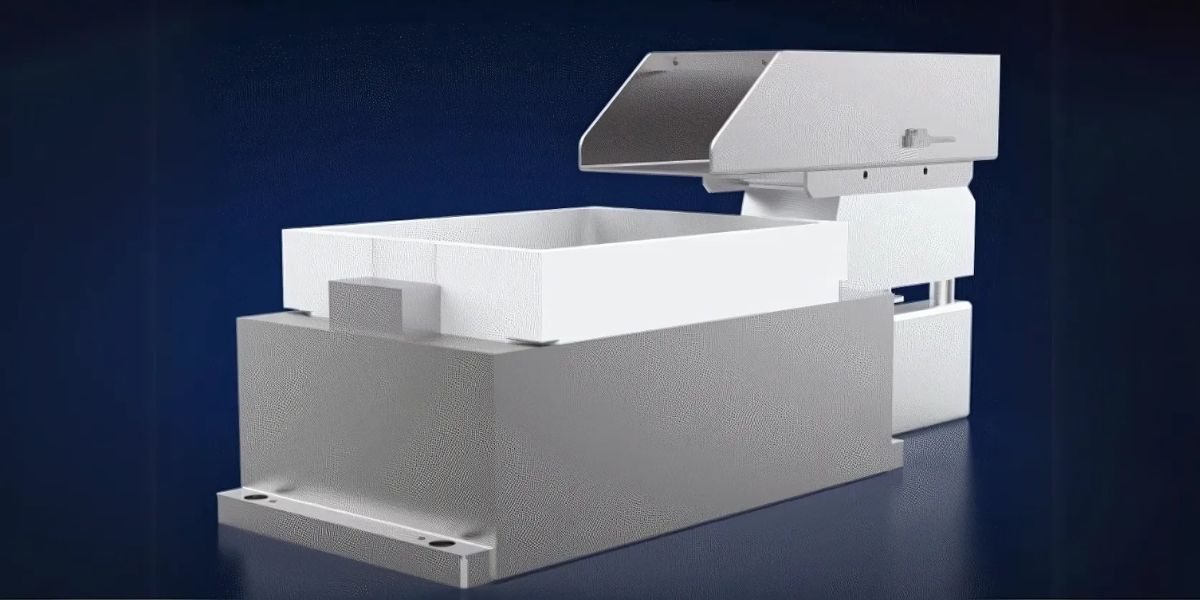
DOBOT’s FF220 integrates with production lines, eliminating the need for mechanical reconfiguration when switching between different parts. Its core functionality centers on a vibrating platform that randomly distributes components while an overhead vision system identifies correctly positioned parts for pickup. The system is capable of handling various component sizes and geometries without physical tooling changes, making it suitable for mixed-model production environments. Components fed into DOBOT’s flexible feeder are automatically recognized, located, and presented to robots for precise placement.

Design and Integration

The FF220’s compact design, a hallmark of DOBOT‘s engineering, occupies minimal floor space while aiming to maximize operational efficiency. The modular architecture includes:

  • Vibrating platform with adjustable frequency and amplitude
  • High-resolution camera system for accurate part recognition
  • Integrated LED lighting for consistent imaging
  • Direct connectivity with major robot brands
  • User-friendly interface for quick recipe changes

DOBOT’s flexible feeder connects to existing production lines through standardized interfaces, helping reduce installation time and complexity. Its programming interface allows operators to teach new parts by capturing images and defining pickup points, enabling changeover times that can be shorter than traditional systems.

Technical Operation and Mechanism

Flexible feeders use advanced automation technology to handle diverse parts without specific tooling requirements. These systems combine mechanical feeding mechanisms with sophisticated vision systems to identify, orient, and deliver components.

Feeding Mechanism

A flexible feeder’s core is its versatile feeding surface—typically a conveyor system or vibrating platform. This surface randomly distributes parts while maintaining optimal spacing for vision recognition. Unlike traditional feeders, flexible feeders don’t require part-specific mechanical tooling, enabling them to handle various components such as:

  • Complex geometries with irregular surfaces
  • Lightweight plastic components
  • Oddly shaped metal parts
  • Delicate electronic components

The feeding surface typically includes adjustable vibration parameters (frequency, amplitude) to optimize part movement based on material properties and weight.

Control and Communication

Flexible feeders employ control systems that enable integration with production equipment. The control architecture includes:

  • High-speed processors that analyze vision data rapidly
  • Real-time communication protocols
  • User-friendly HMI interfaces for quick recipe changes
  • Robot interfaces compatible with major brands

These communication capabilities allow flexible feeders to exchange operational data with other systems, enabling part recognition, position tracking, and robotic pick-point calculation. The control system continuously adjusts feed rates based on downstream equipment demands to help maintain production flow.

Key Features and Benefits

Flexible feeders represent a strong progression in manufacturing automation. They combine vision systems with robotic handling and offer features that may improve production efficiency and reduce operational costs.

Adaptability

Flexible feeders handle multiple part types without mechanical reconfiguration. The vision system identifies various components regardless of shape, size, or material, reducing the need for separate feeders. This multi-part capability allows a single flexible feeder to potentially replace several traditional bowl feeders, saving floor space and reducing capital investment. Production lines can switch between different components in minutes rather than hours, which makes flexible feeders a compelling option for high-mix environments.

Reliability

Vision-guided technology in flexible feeders is designed to deliver consistent performance. Systems like these have demonstrated part identification accuracy rates reaching up to 99.5% under optimal conditions. Compared to traditional feeders, they may operate continuously for extended periods—up to 5,000 hours—with routine maintenance intervals between 500-1,000 hours. Advanced algorithms can filter out damaged or incorrect parts, which helps prevent jams and reduce downtime. The absence of mechanical tooling results in fewer wear components, potentially lowering maintenance costs.

Ease of Deployment

Flexible feeder systems may require less setup time than traditional bowl feeders. The intuitive interface allows operators to program new parts in relatively short timeframes—often in under 10 minutes. Installation typically requires standard inputs (power, air, network), and integration is simplified through pre-configured protocols compatible with major robot brands.

Production Flexibility

Flexible feeders adjust to shifting production needs. Feed rates can be modified through software rather than hardware, scaling production volumes as needed. Recipe management systems store multiple part configurations, allowing just-in-time manufacturing with minimal setup. This adaptability supports both high-volume and small-batch runs on the same equipment.

Noise Reduction

Flexible feeders operate more quietly than traditional vibratory systems. Running at 65-70 dB, they generate approximately 15-20 dB less noise, helping reduce workplace noise pollution. Programmable vibration patterns facilitate part separation while minimizing acoustic output. This contributes to a more comfortable work environment and may reduce the need for sound-dampening infrastructure.

Detailed Technical Specifications

The FF220 Flexible Feeder incorporates precise specifications, enabling robust performance in automated environments:

 FF220 Flexible Feeder

How DOBOT's Flexible Feeder Supports Modern Manufacturing

Linear Vibration Feeder (Associated System)

The Linear Vibration Feeder complements the FF220 by delivering components at controlled rates. This system maintains optimal part density, preventing tangling and improving recognition by the vision system. Its design supports various part geometries while minimizing energy consumption.

Industrial Applications of Flexible Feeders

Flexible feeders have contributed to automation across multiple industries by simplifying part handling.

Metal Processing

In metal operations, flexible feeders manage irregular parts such as fasteners and machined components. They help reduce jams associated with inconsistent geometries. A single unit may take the place of multiple traditional feeders, reducing floor space usage and streamlining part changes.

Consumer Electronics

Flexible feeders support electronics production by handling fragile parts like connectors and switches. Vision systems assist in orienting asymmetrical components, helping ensure precise placement. Production lines using flexible feeders have reported faster changeovers, which support responsiveness to evolving product models.

Agile Manufacturing

In agile manufacturing, flexible feeders support just-in-time workflows by enabling fast recipe changes. Contract manufacturers benefit from switching between component types—such as medical devices and automotive parts—without hardware changes. This functionality helps meet variable production demands efficiently.

Summary

Flexible feeders mark a meaningful step in manufacturing automation. These systems integrate vision, robotics, and intelligent control to handle diverse parts without specialized tooling.

The transition from traditional bowl feeders to flexible systems has led to operational improvements in several sectors:

  • Metal operations benefit from simplified handling of complex geometries
  • Electronics lines achieve quicker transitions between part types
  • Agile manufacturing workflows adapt more easily to change

DOBOT’s FF220 demonstrates how compact, programmable feeders can support efficiency and reduce complexity in part handling. As demand for small-batch customization and rapid production increases, flexible feeders offer manufacturers a scalable, cost-effective alternative to traditional feeding methods.


Published by Jeremy S.

A Love Story in Every Sip: How One Couple Turned Long-Distance Heartache Into a Purpose-Driven Coffee Brand

By: Lindsey Chastain

In the world of coffee, flavor often reigns supreme. But at General Warfield’s Coffee, every sip aims to tell a deeper story—of resilience, reconnection, and the courageous leap two people took to build something that mattered.

For John and Onome Warfield, coffee became more than a morning ritual. It was the thread that kept them connected during one of the most uncertain chapters of their lives—and eventually became the foundation of a business rooted in purpose, legacy, and love.

From Miles Apart to a Shared Mission

In early 2020, as the world shut down and travel restrictions drew invisible lines between countries and loved ones, John and Onome found themselves navigating a long-distance relationship under the weight of a global pandemic. She was abroad. He was stateside. And there was no clear timeline for a reunion.

Rather than let distance wear them down, they found solace in routine. Daily video calls turned into virtual coffee dates. “It was the one part of the day that felt normal,” says John, a public health researcher with a background in HIV and cancer prevention. “We’d brew our coffee, talk about life, and reconnect. Coffee became more than a drink—it became our anchor.”

Those quiet moments sparked a bigger idea. Could their shared ritual evolve into something larger? Might they channel the values that mattered most to them—connection, integrity, sustainability—into a brand of their own?

And so, General Warfield’s Coffee was born.

Craft, Character, and a Fictional General

Despite the name, General Warfield isn’t a real person—it’s a character John and Onome created to represent the spirit behind the brand.

“We imagined General Warfield as someone who leads with integrity, not force,” Onome explains. “He’s a symbol of strength, yes, but the quiet kind—the kind rooted in ethics, not ego. That’s the energy we aimed to infuse into the business.”

The name, like the coffee, is intentional. It reflects their values and the kind of legacy they aspire to build—one rooted in courage, care, and doing things the right way, even when it’s not the easy way.

Those values guide everything the brand does, from sourcing to packaging to how it engages in the marketplace. For John and Onome, building a business wasn’t about being the loudest voice in the coffee industry—it was about staying true to their story.

A Love Story in Every Sip: How One Couple Turned Long-Distance Heartache Into a Purpose-Driven Coffee Brand

Photo Courtesy: General Warfield’s Coffee

A Cup with a Conscience

From the outset, General Warfield’s set out to prioritize quality and ethics. They focus exclusively on specialty-grade Arabica beans, sourcing directly from smallholder farms and cooperatives that often prioritize sustainable practices. Many of these farms are located at higher elevations, producing coffee with distinctive regional flavor profiles and providing critical income to the families who grow it.

“We strive to make coffee more than a product,” says Onome. “It should be a bridge between cultures, between people, between intention and action.”

To that end, every purchase contributes to reforestation efforts. The company plants one mangrove tree per bag sold, initially focusing on Madagascar and now expanding into Kenya. These trees can help restore coastal ecosystems while also supporting local jobs and long-term environmental resilience.

It’s a simple but potentially powerful equation: one bag, one tree, one small but meaningful impact.

The Art of Roasting

Of course, sustainability is only part of the story. The Warfields are equally passionate about the coffee itself.

All their beans are roasted in small batches in an FDA-approved facility, allowing for precision and quality control. Roasting is approached as a craft, balancing temperature, time, and bean origin to highlight complex notes while preserving a smooth, low-acid profile. That smoothness is intentional: they wanted their coffee to be inclusive, even for those with sensitive stomachs or who’ve had to give up acidic brews.

The result is coffee that aims to taste exceptional. Whether it’s a bright single-origin or a cozy, balanced blend, General Warfield’s coffees are designed to appeal to discerning palates without being pretentious.

Building Community Through Coffee

More than anything, John and Onome see their business as a form of connection. They’re not interested in faceless transactions or mass-market gimmicks. Instead, they want every customer to feel like they’re part of something—an ongoing story that includes farmers, roasters, buyers, and communities across the globe.

“From the very beginning, we hoped to foster a sense of belonging,” says John. “This company was born out of love and distance, and we’ve tried to build that same emotional resonance into every aspect of the brand.”

Their transparency is key to that connection. Customers can learn where their coffee comes from, what’s in it, and how it was grown. They can feel good knowing that their morning ritual helps plant trees and support small farms. And they can take comfort in the fact that behind each roast is a real couple with a real story.

Rooted in Maryland, Reaching the World

Though their impact is global, General Warfield’s remains deeply connected to its Maryland roots. The Warfields draw inspiration from the strength and grit of their home state, where legacy and hard work still matter. That same ethos drives their company: quality over speed, impact over noise, story over spin.

Since their 2022 launch, the brand has seen steady growth. Subscriptions are on the rise, customer retention remains strong, and their sustainability model appears to resonate with consumers looking for more than just another coffee brand. Their mugs, merch, and gift bundles are also gaining popularity, especially among those wanting to support mission-driven small businesses.

A Love Story in Every Sip: How One Couple Turned Long-Distance Heartache Into a Purpose-Driven Coffee Brand

Photo Courtesy: General Warfield’s Coffee

Looking Ahead

As General Warfield’s Coffee grows, so does its vision. John and Onome are working on deepening their direct partnerships with farmers and expanding their product offerings. They’re also planning to release more educational content—everything from brewing guides to behind-the-scenes looks at sourcing and roasting.

At the heart of it all is a desire to stay grounded.

“At the end of the day, we want this to stay personal,” says John. “This business came from something real, and we never want to lose that. Whether someone’s trying our coffee for the first time or joining our subscription family, we want them to feel like they’re part of something meaningful.”

And that’s the essence of General Warfield’s Coffee. It’s not just a brand—it’s a bridge. Between people, places, and purpose. Between the quiet moments we crave and the shared stories that fuel us.

Because sometimes, the best love stories aren’t just told. They’re brewed—one sip at a time.


Published by Jeremy S.

PointFive Introduces CEPM, a New Approach to Cloud Efficiency

On May 21, 2025, PointFive introduced its Cloud Efficiency Posture Management (CEPM) platform, positioning it as a potential advancement in how enterprises approach cloud optimization. This solution is designed to embed efficiency into engineering workflows, offering an alternative to traditional cost management tools that sometimes overlook deeper technical inefficiencies.

Addressing Challenges with Traditional Tools

Conventional cloud cost management tools often focus on financial reporting, which may not always address underlying technical inefficiencies contributing to rising costs. PointFive’s CEPM aims to bridge this gap by providing continuous, agentless monitoring and actionable recommendations tailored for engineering teams. By integrating with platforms like Jira, ServiceNow, Slack, and Microsoft Teams, CEPM helps make efficiency a more seamless part of daily operations without significantly disrupting developers’ workflows.

DeepWaste™: Identifying Hidden Inefficiencies

At the core of CEPM is DeepWaste™, PointFive’s proprietary technology that analyzes cloud environments to uncover inefficiencies that might be missed by conventional tools. By examining platform-specific metrics across AWS, Microsoft Azure, and Google Cloud, DeepWaste™ offers insights that can lead to cost savings. Some organizations have noted finding significantly more savings opportunities compared to traditional methods. These findings are backed by anonymized case studies, though results can vary based on deployment scale and existing cloud maturity.

Notable Results and Faster Insights

Enterprises adopting CEPM have seen substantial savings in relatively short timeframes. Companies like BlackHawk Network (BHN), E.ON,  Elastic, and Fanatics have observed improved efficiency and notable cost reductions within weeks of deployment. PointFive’s agentless architecture allows for quick deployment, helping teams gain visibility into inefficiencies sooner.

Simplifying Multi-Cloud Complexity

Managing multiple cloud platforms can be challenging, given varying metrics and cost structures. CEPM aims to simplify this by supporting AWS, Azure, and GCP with a unified view of efficiency while still highlighting cloud-specific insights. Early adopters report uncovering substantial savings with CEPM’s ability to identify platform-specific inefficiencies.

Encouraging a Culture of Ongoing Optimization

PointFive’s mission extends beyond cost savings. By embedding efficiency into engineering workflows, CEPM supports a culture where optimization is ongoing and proactive. This approach may reduce costs while also enhancing reliability and agility, potentially delivering strategic value to enterprises. As Alon Arvatz, CEO and Founder of PointFive, notes, “CEPM helps engineering teams integrate efficiency into daily operations more effectively. The result can include sustainable cloud savings, improved reliability, and increased agility, offering benefits beyond simple cost-cutting.” Teams using CEPM often cite improved collaboration between finance and engineering, as shared metrics create alignment on optimization goals.

A New Perspective on Cloud Operations

As cloud infrastructures evolve, many organizations are recognizing the need for proactive and integrated optimization tools. PointFive’s CEPM represents a shift from reactive cost management to a more strategic, engineering-first approach to cloud efficiency. By embedding optimization into workflows, CEPM may help enterprises achieve savings while also supporting system resilience. For businesses aiming to stay competitive, exploring innovative solutions like CEPM could be a worthwhile consideration. Industry analysts suggest that tools combining cost and performance insights will become standard as hybrid and multi-cloud environments grow in complexity.


Published by Jeremy S.

How Westwood Media Group Supports Brands Through Strategic Media Placement

By: Westwood Media Group

In today’s increasingly competitive media landscape, visibility plays a significant role in how brands connect with their audiences. Westwood Media Group approaches this challenge with a focus on strategic media placement across diverse platforms. From features in established publications to podcast interviews, television segments, and billboard advertising, the agency helps clients explore opportunities to engage with their audiences through multi-channel exposure.

The leadership team at Westwood Media Group brings a blend of operational expertise and creative vision. Dylan Smith oversees the agency’s day-to-day functions while guiding expansion along the East Coast, beginning with White Plains, New York. Kyle Gardner, who has a background in press, focuses on assembling teams to execute campaign fulfillment. Blake Shofner contributes digital strategy expertise, leveraging experience in media and a notable social following. Supporting the team’s efforts is Dmytro Andryeyev, whose work helps ensure continuity with the agency’s mission.

By tailoring strategies to the specific goals and industries of each client, Westwood Media Group offers a structure through which brands may seek to enhance their presence in a crowded market. The agency emphasizes collaboration and long-term relationship-building, with a goal of helping clients establish meaningful connections with their audiences.

A Broad Range of Media Services

Westwood Media Group provides a portfolio of services that span traditional and digital media channels. These services are structured to offer flexibility, allowing businesses to align their outreach with current market dynamics.

Among the agency’s core offerings is securing earned media placements in recognizable publications. While impact varies depending on audience engagement and industry relevance, inclusion in outlets such as FOX, NBC, or CBS can serve as a valuable form of third-party validation.

In addition to print and digital press, podcast appearances are increasingly part of the agency’s approach. Podcasts offer an opportunity for clients to share their stories in a long-form format that encourages authenticity. As listeners seek more in-depth content, this medium supports brand storytelling in a conversational setting.

Television appearances add another layer of exposure. A segment on a regional or national broadcast can provide additional credibility and public recognition. Similarly, billboard placements offer a visual approach to reaching audiences in high-traffic areas, supporting brand recall.

The agency also maintains an active presence on platforms like Instagram, where it shares campaign highlights and client milestones. These updates help foster engagement and community connection, giving clients another outlet to maintain visibility.

Supporting Client Leadership and Industry Presence

Westwood Media Group views its role not only as a media facilitator but also as a partner in developing client voice and presence within their respective sectors. Each campaign is informed by industry context, with strategies adapted to meet specific goals or challenges.

Part of the agency’s offering includes arranging opportunities for clients to participate in public discussions, speaking engagements, and industry events. These appearances can support a client’s efforts to contribute constructively to their field while building recognition among peers and stakeholders.

Engagement through live and digital formats allows brands to present themselves in ways that are often more personal than traditional advertising. While outcomes vary, these settings can help strengthen perceptions of authenticity and encourage audience trust.

Westwood Media Group also prioritizes community-building around each client, facilitating connections not just with customers but also with relevant influencers and collaborators. In a market that increasingly values transparency and trust, this approach aligns with evolving expectations for brand interaction.

Rather than focusing solely on publicity, the agency emphasizes measured and strategic steps aimed at sustainable visibility. Each client receives individualized planning, with an emphasis on detail and alignment with long-term brand goals.

Summary

Westwood Media Group operates at the intersection of media strategy and brand development, offering services designed to support visibility, engagement, and credibility. While the effectiveness of any media effort depends on various factors—such as industry, timing, and audience—Westwood’s personalized approach positions it as a resource for brands seeking tailored communication strategies. More information about their offerings and recent projects can be found through the agency’s online channels.

Disclaimer: This article is for informational purposes only and does not constitute professional advice or guarantees of specific outcomes. Results from media placements and campaigns may vary based on a range of factors, including industry, audience, and timing.


Published by Jeremy S.

From Swimwear Designer to Strategy Mentor: How Juanita Carmet Is Shaping the Future of Fashion Startups

By: Nic Abelian

Juanita Carmet, a seasoned Fashion Brand Strategist, is redefining the blueprint for fashion startups with her strategic and personalized approach. Through her consulting agency, Fashion Brand Strategist Lounge, Carmet is empowering emerging and established fashion, beauty, and lifestyle brands, particularly those without traditional fashion backgrounds, to craft profitable, authentic brands built for longevity.

Founded by Carmet, FBS Lounge bridges the gap between creative vision and business execution. With over 20 years of experience in fashion design, product development, and marketing strategy, Carmet’s expertise goes beyond basic advice, offering real-world insight into building successful brands. Her approach combines deep industry knowledge with a passion for guiding entrepreneurs, helping them create smart, informed decisions that lead to sustainable success.

Through one-on-one coaching and strategic initiatives, FBS Lounge offers guidance on developing brand identities, understanding customer profiles, optimizing messaging, and creating sound product strategies. Carmet’s guidance is highly valued by founders, especially those new to the fashion world, who benefit from her transparent, strategic coaching style.

Carmet’s career trajectory is marked by a series of notable accomplishments that include designing for celebrity brands like Nicki Minaj, Selena Gomez, and Kimora Lee Simmons, as well as creating collections for prominent retailers such as Saks and Bloomingdale’s. Her most significant achievement was spearheading the design and launch of AQUA’s swimwear line at Bloomingdale’s, which generated high six-figure revenue in its first quarter. These experiences have equipped Carmet with a profound understanding of the fashion industry, which she now uses to help entrepreneurs avoid the costly mistakes many new founders make.

Through FBS Lounge, Carmet has built a reputation for offering a highly personalized, results-driven experience that guides founders through the often overwhelming process of building a successful fashion business. By providing clarity, strategy, and business acumen, she helps founders feel seen, supported, and empowered as they navigate their entrepreneurial journeys.

From Swimwear Designer to Strategy Mentor: How Juanita Carmet Is Shaping the Future of Fashion Startups

Photo Courtesy: Juanita Carmet

“My mission is simple—help fashion founders turn their creative vision into profitable and sustainable brands,” says Carmet. “Building a fashion brand without expert guidance is like surfing without knowing the tide—possible, but unnecessarily risky. Behind every thriving fashion brand is a strategy you don’t see—and an expert who knows how to build it.”

Carmet’s rare 360-degree expertise across design, product development, branding, and marketing strategy sets her apart from other industry consultants. Few professionals possess the combination of creative insight and business strategy that she brings to the table, making her uniquely qualified to guide fashion founders through both the creative and business aspects of brand-building. Whether assisting with creative ideation, product development, or crafting go-to-market strategies, Carmet’s approach ensures that her clients walk away with the knowledge and confidence to make informed decisions.

Moreover, Carmet’s emphasis on education and empowerment differentiates her from competitors in the space. Rather than simply executing tasks on behalf of her clients, she prioritizes education, making her clients smarter, more confident decision-makers. This aspect is particularly beneficial for non-industry founders—individuals with passion and drive but without formal fashion expertise—who benefit from her clear, actionable insights.

“I work with many founders who may not come from traditional fashion backgrounds. I make the process accessible and strategic, offering guidance without jargon or fluff,” explains Carmet. “The goal is to help them grow with clarity, confidence, and a well-rounded approach that combines both creative intuition and sound business practices.”

Carmet’s professional credentials include a BFA in Fashion from the Savannah College of Art and Design (SCAD), where she graduated Cum Laude, and an MS in Marketing from Florida International University. Additionally, she holds certifications in Creative Project Management and Green Belt Lean Six Sigma, showcasing her commitment to continuous learning and professional growth. As an expert-vetted Top 1% talent on Upwork, Carmet is also recognized for her exceptional ability to deliver results, with her marketplace simulation championship generating over 400% ROI on a $2M project.

Her accolades further include her work with brands such as Rampage, where her strategy helped revive the company’s outerwear category, generating multi-million-dollar revenue during Black Friday promotions. Her efforts in product development and brand-building have consistently resulted in tangible success, earning her recognition as a trusted authority in the fashion industry.

From Swimwear Designer to Strategy Mentor: How Juanita Carmet Is Shaping the Future of Fashion Startups

Photo Courtesy: Juanita Carmet

Carmet’s commitment to empowering women and minority founders in the fashion space is another key aspect of her mission. “My journey is one of resilience and reinvention,” she says. “As an Afro-Latina woman in the fashion business, I’m proud to guide other women and minority founders through the process of building their own successful businesses. It’s about creating opportunities, breaking down barriers, and fostering long-term success.”

With a focus on delivering actionable insights and realistic strategies, Carmet’s mission is clear: to ensure that every brand she works with is not only creative but also sustainable and profitable. FBS Lounge is more than just a consulting service—it’s a space where founders are equipped to lead their brands with purpose and intention, with a strong foundation built on strategy.

“My approach isn’t just about making clients feel good about their ideas; it’s about providing them with the necessary tools and frameworks to scale their businesses in a way that aligns with both their creative vision and their business goals,” says Carmet.

Juanita Carmet and FBS Lounge are reshaping how fashion businesses build and grow, offering founders the confidence and support they need to succeed in today’s competitive market. Whether founders are in the early stages of their journey or looking to scale, FBS Lounge provides the clarity, direction, and expertise necessary to transform creative dreams into strategic success.

For more information, visit FBS Lounge or follow Juanita Carmet on Instagram.


Published by Jeremy S.

Ascend: A Business Event Bringing Learning and Connection to Springfield

By: Westwood Media Group

Springfield, Missouri, has a growing community of entrepreneurs and business professionals, and a local event called Ascend is helping to facilitate connections among them. Held every few months, Ascend offers a space for people interested in business—whether just starting out or with years of experience—to meet, learn, and share stories.

The event is organized by Project Future First, a nonprofit founded by Springfield native Kyle Gardner along with his friends Blake and Dmytro. Their goal is simple: to support more accessible business education for a diverse audience. Ascend reflects that mission by offering a free event where attendees can gather without cost or barriers.

Each Ascend event lasts about two hours and follows a familiar structure. The first hour is an informal networking session designed to create a welcoming atmosphere. Attendees can enjoy light refreshments and listen to music from a live DJ while meeting others from the community. The vibe is relaxed and friendly, encouraging conversation in a low-pressure environment.

The networking portion is open to everyone—from students and new entrepreneurs to established business owners and professionals. The event uses small touches like a red carpet entrance and curated music to create a sense of occasion, but the focus remains on building connections rather than formality.

After the first hour, the event moves into its main program. Three local or regional business owners take the stage, each given around 20 minutes to share their personal business story. The talks are straightforward and honest, highlighting the real experiences of starting and growing a business, including various challenges and lessons learned.

One recent speaker was Isaac, a young entrepreneur who owns Dirty Dough Cookies, a local bakery. Isaac shared how he overcame homelessness as a teenager and went on to build a business while also working as a licensed realtor. His story resonated with the audience because it was authentic and relatable, focusing on perseverance and practical insights gained through experience.

Ascend’s approach to storytelling emphasizes genuine, experience-based insights rather than polished presentations or theoretical advice. Speakers share what has worked for them and what hasn’t, offering attendees a variety of perspectives grounded in real life.

While the event includes some production elements such as lighting and music transitions, these features are designed to enhance the atmosphere without distracting from the content. The goal is to make the experience enjoyable and engaging while keeping the focus on learning and community.

The organizers emphasize that Ascend is not a sales event. There are no product pitches or promotions—just an opportunity to listen, learn, and connect. The event is supported by Project Future First, which helps to ensure it remains free and open to all.

Speakers come from many different industries, including food, fitness, real estate, marketing, and more. This diversity reflects the variety of paths available in business and encourages attendees to consider multiple approaches to their own goals.

Springfield’s business community is growing, and events like Ascend offer a welcoming space for people to come together and share ideas. It’s not about instant success or quick fixes but about building connections and gaining knowledge that can help over time.

Anyone interested in business or leadership—or simply looking to meet others with similar interests—can benefit from attending Ascend. It’s free, easy to access, and open to all who want to participate.

To learn more or RSVP for upcoming events, visit projectfuturefirst.com/events.

Disclaimer: This article is intended for informational purposes only. Readers are encouraged to conduct their own research and make decisions based on their individual needs. The views expressed are based on publicly available information and event descriptions provided by the organization.


Published by Jeremy S.

Ascend: A Business Event Bringing Energy and Opportunity to Springfield

By: Westwood Media Group

In Springfield, Missouri, a different kind of business event is quietly growing—one that’s open to everyone, available at no cost, and built on the idea that business education should be accessible, engaging, and rooted in real stories.

It’s called Ascend—a two-hour event held quarterly that mixes business learning with community connection and a touch of live-show atmosphere. It’s not about big names or big promises. It’s about real people sharing real experiences.

Ascend began with a simple goal. Springfield native Kyle Gardner wanted to create a space where people could come together to learn about business in a way that felt inviting rather than intimidating. With the support of his friends Blake and Dmytro, that idea evolved into Project Future First, a nonprofit dedicated to helping reduce barriers to business and leadership education.

Today, Ascend continues to reflect those roots. It’s open for attendance—no tickets or upsells, only an RSVP is requested. The goal is to bring people together to share ideas, connect, and grow.

Each event starts with an hour of open networking. There’s music from a live DJ, light refreshments, and a welcoming space that encourages conversation. Attendees walk in on a red carpet—not for glamour’s sake, but to create a vibe that’s inviting, friendly, and inclusive whether you’re just starting out or have years of experience.

This isn’t networking in the traditional sense. There’s no pressure to “pitch” or perform. It’s more about starting conversations—between students, business owners, creatives, and anyone curious about growth. The relaxed environment often helps break the ice.

After the networking hour, the focus shifts to the stage. Three speakers, usually local or regional business owners, each take 20 minutes to share their journey. These talks aren’t overly polished or rehearsed—they’re honest reflections on how the speakers got started, what challenges they faced, and what helped them keep going.

What makes Ascend different. The speakers don’t talk at the audience—they talk to them. There’s no script, no theory, and no one-size-fits-all advice. Just lessons from experience, shared in a way that’s meant to provide useful insights and encouragement.

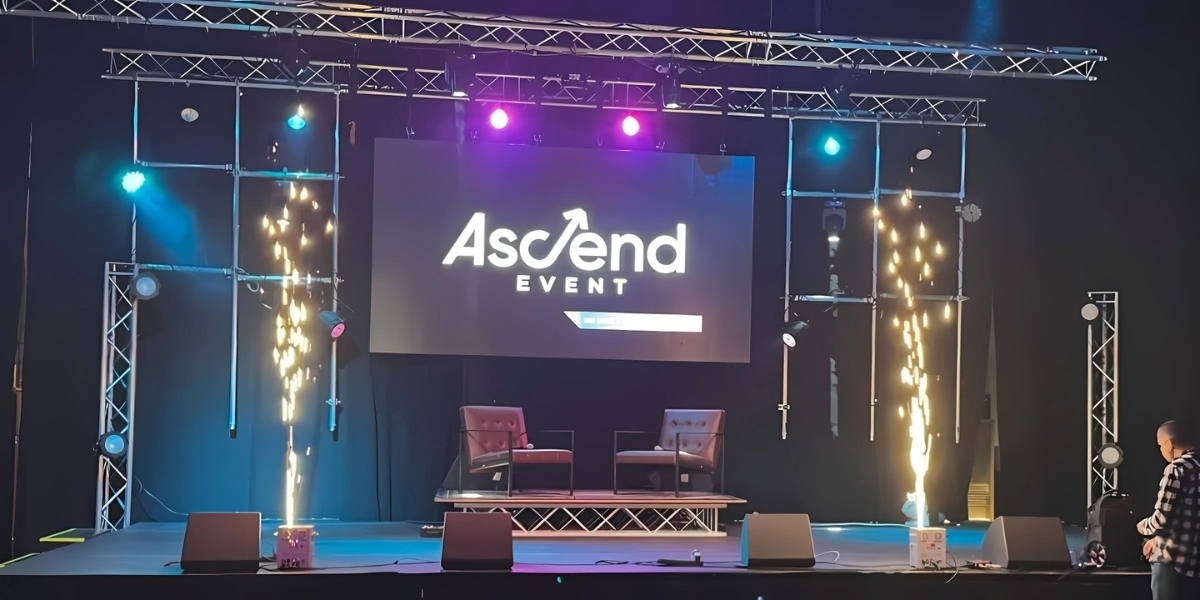
Visually, the event has its own style. There’s music between speakers, lighting effects to set the tone, and occasional creative production elements that help make it feel more like an experience than a lecture. These touches don’t overshadow the message—they help make it stick.

But even with its lively atmosphere, Ascend stays grounded in its purpose. It’s not a platform for selling or self-promotion. The team behind it is clear: the event exists to serve the community, not to market to it. The aim is to create a space where people can learn something new, meet someone they didn’t know before, or leave with a bit of clarity they didn’t walk in with.

Speakers come from a range of industries—real estate, fitness, food, marketing, and more. This variety shows that business can look different for everyone, and there’s no single path to success. For attendees, that often opens the door to possibilities they hadn’t considered before.

While Springfield might not be known for big business expos or major conferences, Ascend serves a specific role in the community. It’s small by design, focused on quality over scale, and powered by people who care about lifting others up.

For anyone in Springfield who’s curious about business, leadership, or just wants to connect with others in a meaningful way, Ascend offers an easy way to get started. It’s welcoming, engaging, and accessible.

To learn more or RSVP for the next event, visit projectfuturefirst.com/event.

Disclaimer: This article is intended for informational purposes only. Readers are encouraged to verify details independently and consider their own circumstances before participating in any events or engaging with the organization mentioned. The content does not constitute professional advice, endorsement, or guarantee of specific outcomes.


Published by Jeremy S.