The Lost Forest Trilogy: Legacy of the Golden Bird

By: Elowen Gray

A New Saga of Adventure Awaits!

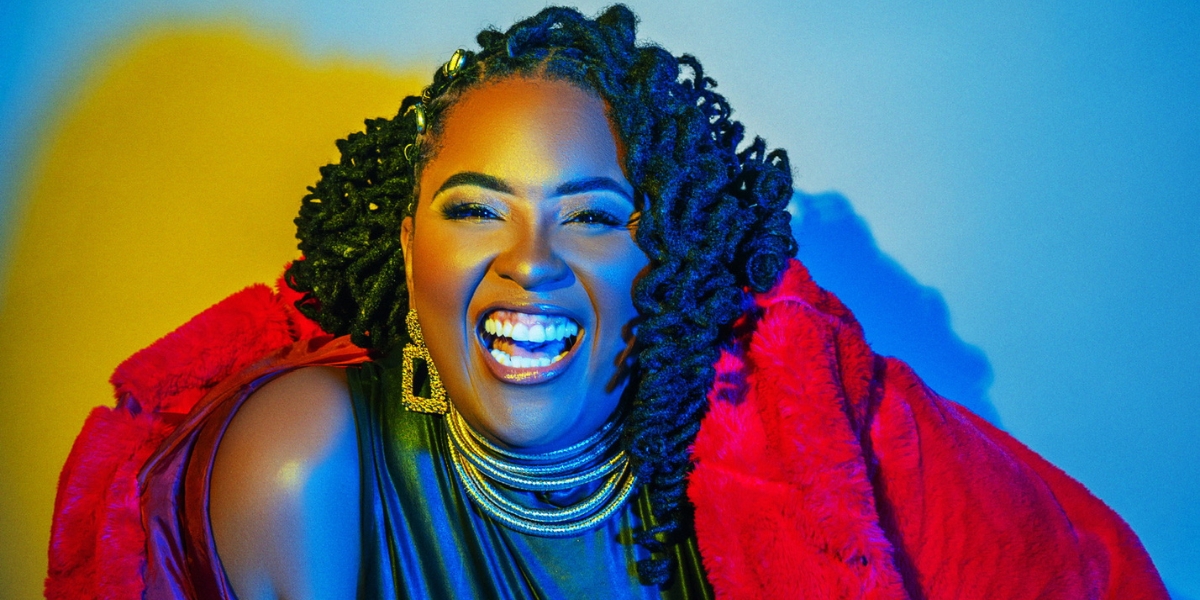
Once upon a time, in a realm filled with shadows and whispers, the struggle between good and evil raged on, and the discovery of a seemingly innocent golden bird would become the catalyst for an epic mission to rescue the lost and protect the future. Sherri Weaver, writing under the enchanting pen name Lainey Miles, invites readers to journey into her latest fantasy saga, The Lost Forest Trilogy: Legacy of the Golden Bird, a story poised to captivate fans of fantasy, adventure, and mystery.

A Tale of Two Forests

In the heart of this immersive tale lies the dichotomy between two powerful forests: The Dark Forest and The Lost Forest. The Dark Forest is steeped in sinister legends, ruled by a ruthless dynasty and dangerous creatures hell-bent on control and destruction. In stark contrast, The Lost Forest, often thought to be a mere myth, holds secrets and legacies that could change the course of their world—the golden bird and the turquoise flower that could revive all that was lost and drive out the dark forces forever.

As readers explore the intricate landscapes woven throughout the narrative, they will discover rich character depths alongside beautiful and terrifying creatures that fill these vibrant woodlands. The balance of light and darkness plays a crucial role in the interplay of character motivations and conflicts, elevating the story beyond mere adventure and infusing it with deeper meaning.

Meet Chuck and Kehi: Heroes of the Realm

Enter Chuck and Kehi, two characters intertwined in a destiny fueled by bravery and the thirst for justice. Chuck, a renowned warrior with the weight of legacy on his shoulders, finds himself navigating through treacherous situations and obstacles in his effort to unlock the mysteries that surround his precious golden bird, Berra, while at the same time protecting the innocent from the forces that threaten them. Alongside him is Kehi, a fierce Samurai who lends not only his combat prowess but also wisdom from his cultural lineage. Together, they epitomize the battle against tyranny and the struggle for what is just amid the chaos. 

Their journey is not without trials. They are thrust into action when they learn the King and Queen have been kidnapped and the mysterious ties that come to light between Berra and the Princess when they meet for the first time. Their alliance with their unexpected visitors deepens as they go beyond the limits of friendship and venture into the heart of danger, all the while battling enemies from the shadows who wish to extinguish the light of hope forever. 

Magic, Mystery, and the Unfolding Prophecy

As Legacy of the Golden Bird unfolds, readers will be drawn into the rich lore of the world—a combination of mystery, enchantment, and a hint of darkness that speaks to the elemental forces within nature. The golden bird, which becomes a symbol of hope and resilience, holds the key to unraveling the deeper mysteries of The Lost Forest while intertwining the destinies of those who dare to protect it.

While embarking on their mission, the urgency to unravel the secrets surrounding the golden bird intensifies alongside the realization that unwielding forces of darkness will do everything in their power to destroy them and save them from extinction.

The novel invites readers to dwell within a world where magic is alive, alliances are constantly tested, and the connection between the Princess and Berra just may divulge secrets long kept hidden. 

Join the Movement: Spreading the Word

As Legacy of the Golden Bird has already taken flight, Lainey Miles invites readers and fantasy enthusiasts to dive into her captivating tale. This narrative offers a unique blend of adventure, depth, and the eternal battle between light and darkness—exploring what it means to fight not only for our loved ones but for the future of the world around us. Join the movement and discover the journey that awaits!

By sharing your excitement on social media and supporting the newly released first book in the trilogy, readers can help lift this magical series into the hearts of countless adventurers of all ages. Whether through book clubs, online discussions, or treasured social media posts, your voice can help craft the legacy of The Lost Forest Trilogy.

Don’t miss your chance to step into a world full of adventure, mystery, and a sense of belonging in The Lost Forest Trilogy: Legacy of the Golden Bird. The opportunity to engage with an enchanting narrative that promises to resonate with champions of good and seekers of adventure and wonder is now at your fingertips

About the Author:

Lainey Miles is a gifted storyteller, weaving her magic through enchanting tales that captivate the hearts and minds of readers around the globe. With roots grounded in a passion for fantasy and adventure, Lainey has crafted her latest work, The Lost Forest Trilogy: Legacy of the Golden Bird, drawing inspiration from folklore, imagination, and the beauty of the natural world. 

With a strong belief in the power of narrative to inspire and connect, she hopes to ignite the imagination of readers of all ages. Follow Lainey on her magical journey at laineymiles.com


Published by Joseph T.

Leandra’s Law and DWI Charges: Key Information for Drivers in New York State

By: Maria Williams

Leandra’s Law, enacted in New York in 2009, aims to address impaired driving offenses involving child passengers. It classifies driving while intoxicated with a child aged 15 or younger as a felony, regardless of prior criminal history. The law was introduced to strengthen protections for minors in vehicles and holds drivers accountable through enhanced legal consequences. Those convicted may face prison time, mandatory use of ignition interlock devices, and other long-term implications that could affect many aspects of life beyond the courtroom.

Given the seriousness of a charge under Leandra’s Law, having a knowledgeable New York DWI lawyer can be crucial. Legal counsel can assess the facts of the case, advise on rights and responsibilities, and help shape a defense that aligns with the applicable law. If you are facing allegations under this statute, prompt action may have an impact on how the case proceeds. It is advisable to speak with a New York DWI attorney who can advocate for your interests and work toward a resolution focused on minimizing disruption to your life and future.

What is Leandra’s Law?

Leandra’s Law, officially known as the Child Passenger Protection Act, was enacted in New York State in 2009. This legislation introduced specific penalties for individuals who drive while intoxicated with a child passenger aged 15 or younger. The law was established in response to a tragic incident that underscored the need for enhanced protective measures for young passengers.

The Tragic Incident Behind the Legislation

On October 11, 2009, 11-year-old Leandra Rosado lost her life in a vehicular accident on the Henry Hudson Parkway in New York City. She was a passenger in a car driven by Carmen Huertas, the mother of one of her friends. Huertas was reportedly driving under the influence of alcohol, traveling at approximately 68 miles per hour in a 50 mph zone. The vehicle flipped, resulting in Leandra’s death and injuries to six other children. Huertas later pleaded guilty to all charges and received a prison sentence ranging from four to twelve years.

Legislative Response and Enactment

In the wake of this incident, the New York State Legislature acted swiftly. Within 38 days, both the Assembly and Senate unanimously passed legislation aimed at preventing similar tragedies. Governor David Paterson signed the bill into law on November 18, 2009. This rapid legislative action highlighted the state’s commitment to addressing the dangers of driving under the influence, especially when children are involved.

How Leandra’s Law Impacts DWI Cases in New York

Leandra’s Law, formally known as the Child Passenger Protection Act, was enacted in New York State in 2009. This legislation introduced specific measures to address the dangers of driving while intoxicated (DWI), especially when children are involved. The law mandates certain penalties and requirements for convicted offenders to enhance road safety and protect young passengers.

Mandatory Ignition Interlock Devices for Convicted Offenders

Under Leandra’s Law, individuals convicted of misdemeanor or felony DWI offenses are required to install and maintain an ignition interlock device (IID) on any vehicle they own or operate. This requirement applies to offenses committed after August 15, 2010. The IID measures the driver’s blood alcohol concentration (BAC) and prevents the vehicle from starting if alcohol is detected. The device must remain installed for a minimum of six months, and the driver’s license will carry an “ignition interlock” restriction during this period.

Felony Charges for Driving Intoxicated With a Child Passenger

Leandra’s Law elevates the offense of driving while intoxicated with a child passenger aged 15 or younger to a Class E felony, even for first-time offenders. This classification carries a potential prison sentence of up to four years and fines ranging from $1,000 to $5,000. In cases where the intoxicated driving results in serious physical injury to the child, the offense escalates to a Class C felony, punishable by up to 15 years in state prison. If the incident leads to the death of the child passenger, the charge becomes a Class B felony, with a potential sentence of up to 25 years.

Increased Penalties for Repeat DWI Offenders Under the Law

Leandra’s Law also imposes stricter penalties on repeat DWI offenders. A second offense can lead to a Class D felony charge, punishable by up to seven years in prison. A third or subsequent offense may result in a Class B felony, with a potential prison sentence of up to 25 years.

Immediate License Suspension and Child Abuse Reporting

Upon being charged under Leandra’s Law, a driver’s license is automatically suspended pending prosecution. If convicted, the individual’s license may be revoked for up to one year. Additionally, a conviction triggers a mandatory report to the Statewide Central Register of Child Abuse and Maltreatment, potentially initiating further investigations by child protective services. These provisions highlight New York State’s commitment to safeguarding children and holding individuals accountable for endangering young passengers through impaired driving.

Why Legal Representation Is Essential

Given these serious consequences, legal representation is crucial. An attorney can assess the specifics of the case, identify potential defenses, and advocate on behalf of the accused throughout the legal process. Prompt legal representation can make a significant difference in the outcome of your case. If you or someone you know is confronting such charges, it is essential to consult with a qualified DWI attorney who can provide guidance tailored to your situation. Taking immediate action may help protect your rights and navigate the legal process more effectively.


Disclaimer: The information provided in this article is for general informational purposes only and does not constitute legal advice. The content is intended to offer a broad understanding of Leandra’s Law and its legal implications. For specific legal advice regarding your situation, it is recommended that you consult with a qualified attorney who can provide guidance based on your individual circumstances


Published by Joseph T.

ByeCar’s Overview of Selling Non-Running SUVs Without Titles in New York

By: Henry Jackson

Dealing with a non-running SUV can be stressful, especially if the title is missing. Whether it’s sitting unused in your driveway or stranded after a breakdown, getting rid of a non-operational vehicle without ownership paperwork might seem complicated but is often manageable. Fortunately, New York State provides structured options for handling this situation legally and efficiently—if you understand the applicable guidelines and follow the correct steps.

To sell a junk car in New York—particularly one that doesn’t run and lacks a title—it’s important to comply with the New York Department of Motor Vehicles (DMV) protocols. While the absence of a title adds complexity, it doesn’t necessarily make a sale impossible. Knowing your options and responsibilities can help you avoid potential penalties and transfer the vehicle legally and responsibly.

Understand New York DMV Regulations for Vehicles Without Titles

In New York, selling a vehicle without a title is only permitted under certain, limited conditions. The DMV requires proof of ownership; the title is typically the primary and preferred document. However, if the title has been lost, stolen, or destroyed, you can apply for a duplicate before proceeding with the sale.

To request a replacement, complete Form MV-902 (Application for Duplicate Title) and submit the required fee. The current registered owner is typically required to sign the form, and the DMV may request supporting documentation, such as a valid ID and the vehicle’s VIN, year, and make. If you inherited or bought the SUV from someone who never transferred the title, additional documentation may be needed to establish legal ownership.

Without obtaining a duplicate, selling the SUV becomes more limited. Some junkyards and licensed dismantlers are authorized to accept non-titled vehicles, but they must follow state-regulated documentation procedures. This usually includes a bill of sale, a copy of your photo ID, and a written statement explaining the title’s absence.


Work With Licensed Salvage Dealers That Accept Non-Titled Vehicles

One commonly used option for selling a junk SUV without a title is to work with a licensed auto dismantler or scrap yard. These businesses are regulated in New York and typically have systems in place for accepting vehicles under unique circumstances.

Before moving forward, confirm the business is properly licensed by checking their license status with the New York DMV or the Department of Environmental Conservation. Many will ask for alternative documents such as a prior registration, insurance card, or other evidence of ownership. They may also require a signed and possibly notarized statement from the seller declaring legal ownership.

Always request a written agreement that details the sale. This should include the vehicle identification number (VIN), make and model, and the agreed-upon payment or conditions. A legitimate buyer will also submit the required paperwork to the DMV, helping to ensure that your name is no longer associated with the SUV after the transaction.


Prepare the SUV for Sale Without a Title

Even if the SUV isn’t operational, there are important preparatory steps to take. First, remove the license plates and return them to a DMV office. This is a legal requirement in New York and helps prevent additional registration fees or continued liability. Cancel the insurance policy after completing this step.

Take clear photos of the SUV’s interior and exterior to document its condition. Collect any service records, expired registration slips, or insurance papers if available. These items may help support your role as the vehicle’s owner, and some buyers may ask for this as added assurance.

Clean out the SUV and remove any valuables or personal items. Even junk vehicles can contain items you wouldn’t want left behind. While a clean appearance won’t greatly change the value, it can show that the seller is organized and help facilitate smoother transactions.

Consider Applying for a Bonded Title When Necessary

If there is no DMV record of ownership and no supporting documentation is available, you may be eligible to apply for a bonded title. This legal process is used for vehicles where ownership is presumed but cannot be conclusively proven.

A bonded title allows you to sell or register the SUV while offering protection to potential future claimants. You’ll need to purchase a surety bond valued at 1.5 times the vehicle’s estimated worth. This bond is a safeguard in case another party later proves ownership. If the DMV approves your application, they will issue a “bonded” title, valid for three years.

Although this process may take time and involve a modest investment, it provides a clear legal pathway for resale. It’s especially worth considering if the SUV has usable parts, brand value, or higher-than-scrap worth.


Use a Detailed Bill of Sale to Establish a Legal Record

The bill of sale is critical when selling a vehicle without a title. This document should include both parties’ full names, addresses, the date of sale, purchase price, vehicle information (including VIN), and a note that the SUV is sold “as is.”

Some buyers may provide a template, but preparing your own version is often recommended. Make sure both parties sign and date it, and keep copies for your records.

Additionally, consider filing a Vehicle Transfer Notification with the DMV using Form MV-78 or online services. This formally informs the state that the vehicle is no longer in your possession and protects you from any legal or financial issues related to its future use.


Explore Buyer Options Based on Condition and Value

Even non-running SUVs can have value depending on their make, model, and condition. Well-known models like the Toyota RAV4, Honda CR-V, or Ford Escape may attract buyers looking for parts—even in cases without a title. You can reach out to local salvage yards, parts resellers, or metal recycling centers to request quotes and compare options.

Avoid selling to individual buyers unless they fully understand the lack of title and are equipped to handle the legal implications. Many private buyers expect clear ownership documentation and may not want to pursue bonded titles or alternative registration processes.


Disclaimer: This article is for informational purposes only and does not constitute legal advice. Please consult with a qualified attorney or the New York DMV for assistance with specific legal questions regarding vehicle ownership or title-related matters.


Published by Joseph T.

The House You Build Before You’re Seen: Krystal Clark on the Architecture of a Brand That Lasts

By: Maria Williams

Before the first post. Before the website. Before the clever headline or strategic tagline, there is a question. Quiet but urgent. What are you building, and who is it meant to hold?

Krystal Clark calls this the Framework Phase. Not just a step in branding, but a shift in consciousness. “If your brand doesn’t have walls,” she says, “it won’t hold anything. Not clarity, not clients, not confidence.”

Most people try to build outward before they go inward. But Clark insists that personal branding isn’t about being seen; it’s about seeing yourself clearly first.

The Truth Behind Personal Branding

Clark has worked with clients across industries, and the pattern is familiar. They come with ambition but no anchor. Their message is clever but unrooted. They can describe what they do but not why it matters.

At the center of her work is a redefinition of humility, not as downplaying your worth, but as understanding your value and using it responsibly. For many, that starts with a difficult task: learning how to compliment themselves without apology.

Who Are You Really Speaking To?

A brand without a clear audience is a voice lost in a room of echoes. Clark’s clients don’t just build avatars. They build understanding. She teaches them to consider emotional proximity: what does their audience fear? What do they yearn for? What words are already running through their minds?

This is the heart of trust. Not just showing up online, but showing up in someone’s moment of need. That is where resonance begins.

What Do You Really Offer?

She pushes her clients beyond branding language. No more hype. No more hazy promises. The question becomes: what transformation are you offering? What lived experience do you carry that actually creates value?

Clark doesn’t separate identity from data. She introduces frameworks, evidence-based tools, even career matrices to help clients assess their goals in measurable terms. Every decision should account for commitment, capacity, and effort. She doesn’t dismiss instinct, but she focuses on results and something tangible to measure progress.  This comes through client feedback and outcomes.

The Message That Holds the Frame

Every Framework Phase leads here: the sentence that everything else bends toward. Clark calls it the anchor message. Not the tagline. Not the bio line. But the truth you are finally ready to say.

This message isn’t built for cleverness. It’s built to last. To say what you’re here for. To strip away the noise and center the legacy.

Her Own Journey Toward Alignment

Clark’s brand, Moving With Meaning, wasn’t born from certainty but emerged through personal healing. She confronted her own misalignments, refining her message and offerings. Utilizing techniques like data lineage and emotional root tracing, she navigated through anxiety and panic disorder, achieving a renewed sense of clarity and purpose.

Books as Bridges

What makes her story unique is not just the coaching. It’s the narrative instinct. Her fantasy fiction series, ‘The Chozien Path Series‘  and her business memoir, Embrace the Code, are more than personal milestones. They’re tools. The fantasy work allows her to explore emotional decision-making through reimagined worlds. The memoir documents the actual path of healing and brand clarity. Together, they create a language that reaches people’s logic sometimes.

Different Paths, Shared Structure

Clark tailors her framework to people at every career stage. Newcomers seeking purpose. Mid-career professionals craving reinvention. Veterans trying to articulate the legacy they’ve earned. Regardless of the stage, the question remains the same: What do you want to be remembered for?

The Cost of Skipping the Frame

When people skip the Framework Phase, they feel it. Burnout. Disconnection. Brands that attract attention but repel alignment. Audiences who click but never convert. And identities that don’t feel like home.

Structure That Scales

Even as Clark expands into TV, podcasting, and a growing suite of workshops, she builds with the same blueprint she gives her clients. The tools may evolve. But the structure holds.

So if someone reading this feels like their brand is built on sand, too many words, too much noise, too little meaning, Clark leaves them with a question. What would it look like to build something you’re finally willing to live inside?


Published by Jeremy S.

The Underground Blueprint: Madam Nselaa Ward, JD Shares Business Lessons from the World’s Powerful and Overlooked Entrepreneurs

By: Leslie Cole

Success in business is often perceived as a rigid path—an MBA, corporate experience, a startup with investor backing. The world celebrates the CEOs of tech giants and Wall Street moguls, but what if some of the sharpest business minds aren’t in boardrooms? What if the sharp negotiators, the innovative strategists, and the resilient entrepreneurs operate outside the boundaries of traditional legitimacy?

Madam Nselaa Ward, Juris Doctor, has spent years studying power—not only in corporations but also in the underground economies that have existed in plain sight for centuries. Her work with these communities is why she’s called America’s Madam. From the courtroom to the boardroom, she has observed that the people who deeply understand influence, sales, and business sustainability may not always come from business school; many are in the streets, in overlooked industries, and in survival-based economies. In her TEDx talk, Finding Unapologetic Self-Worth in Shame & Secrets, Madam Ward shares her experiences in these underground economies. These individuals often demonstrate mastery in negotiation, branding, and wealth creation in ways that differ significantly from traditional business training.

Madam Ward, a former criminal attorney turned business architect, has worked with some of the powerful (and underestimated) players in underground markets. What she observed was that the same principles that fuel billion-dollar corporations are often mirrored in underground entrepreneurs, who must thrive in industries where failure carries severe consequences. The difference? One is celebrated, while the other is dismissed… until recently.

The first lesson many underground entrepreneurs seem to grasp is that power is negotiated, not given. In traditional business, people often wait for permission. They apply for funding, seek validation from gatekeepers, and play by rules that were never written in their favor. But in underground economies, the successful players tend to create their own lanes, demand their worth, and control their own ecosystems. They rarely rely on banks to fund them; they build their own networks of capital. They don’t passively wait for clients to find them; they master influence and attraction, ensuring that they often remain in demand.

Another key business lesson from underground markets is the ability to adapt and pivot quickly. While corporate businesses may spend months analyzing data before making a decision, underground entrepreneurs often learn to read environments in real-time. They develop situational awareness, trend prediction, and customer psychology with precision. They understand that timing can be everything, where the difference between a deal closing and an opportunity vanishing might be seconds, not months.

One of the overlooked but potentially critical lessons is the art of branding and positioning. Underground entrepreneurs, despite working outside of traditional markets, often excel in personal branding at a level that rivals mainstream businesses. They build identities that command respect, create reputations that precede them, and ensure that their name alone holds value. They recognize that in business, perception can translate to power, and they take control of the narrative instead of letting the world define them.

Perhaps the insightful business lesson from underground markets is the psychology of high-ticket sales and customer loyalty. In traditional business, companies frequently struggle to justify their pricing, often competing to be the cheapest option. Underground entrepreneurs typically approach this differently. They tend to understand that price often reflects perception. If you sell cheap, people may see you as cheap. But if you position your product or service as high-value, people are often willing to pay a premium. They don’t focus on chasing customers; they create exclusivity, ensuring that clients feel a sense of privilege in doing business with them.

Madam Ward has incorporated these lessons into her work as a business architect, helping entrepreneurs transition from self-employed owners to established CEOs. She collaborates closely with her clients to develop premium offers, enhance influence, and structure their businesses to minimize risk. Through her firm, Ni’ Nava & Associates, she provides COO and CFO-level support, ensuring that business owners are equipped to build scalable enterprises.

What distinguishes Madam Ward’s approach from traditional business coaching is that she focuses on practical power dynamics. Her journey has given her a unique perspective on business. She recognizes that the business world is not solely about who has the premier product or service—it’s about who understands the marketplace, the psychology of persuasion, and how to navigate power dynamics effectively.

And this is why the underground blueprint can be so powerful. It encourages entrepreneurs to stop thinking like workers and start thinking like strategic leaders. Madam Ward discusses why more entrepreneurs might benefit from investing in a business architect here. It emphasizes resilience, influence, adaptability, and financial independence in ways that diverge from corporate training.

In a world where statistics suggest 70-90% of businesses fail, the underground blueprint offers an alternative approach—one that prioritizes self-determination over seeking approval. Because in business, as in life, those who truly understand the game don’t wait to be invited to the table. They build their own.

Disclaimer: The information provided in this article is for general informational purposes only. The business strategies and insights discussed may not be applicable to every individual or business. Success in business is influenced by a wide range of factors, and readers are encouraged to seek professional advice tailored to their specific circumstances. The author and any referenced individuals are not responsible for any outcomes resulting from the application of the concepts presented.


Published by Jeremy S.

Elevate Your BBQ Game with Hassell Cattle Company’s Wagyu Beef Cuts

By: Jennifer Brewer

The secret to hosting an excellent BBQ isn’t just in the seasoning or the sizzle: it often starts with choosing the right beef. For those looking to elevate their grilling experience without spending excessively, Hassell Cattle Company offers a combination of quality, tradition, and convenience delivered straight to your doorstep.

The Rise of Blue Collar Wagyu Beef You Can Get Online

At the heart of Hassell Cattle Company’s mission is its signature Blue Collar Wagyu, a refined approach to luxury beef that focuses on affordability without compromising quality. By crossing registered Wagyu bulls with Angus cows, Hassell Cattle Company produces F1 cross cattle, a method that typically results in well-marbled, high-prime beef that rivals other options on the market.

Additionally, the company’s cattle are 100% hormone-free and antibiotic-free, providing an option you can feel good about. Whether you’re preparing for a weekend BBQ or a quiet night in, Hassell’s Wagyu beef, available online, offers quality that many consumers enjoy.

Beef Cuts for Grilling That May Appeal to Grill Masters

Elevate Your BBQ Game with Hassell Cattle Company’s Wagyu Beef Cuts

Photo: Unsplash.com

Whether you’re an experienced pitmaster or just getting started, selecting the right beef cuts for grilling can make a significant difference. Hassell Cattle Company offers a variety of options that may suit various tastes: juicy Ribeye, tender New York Strip, and buttery Filet Mignon are among their top offerings. They also provide flavorful ground beef, hearty roasts, and brisket, all of which are well-suited for your next cookout.

If you’re not sure where to start, their curated box packages allow you to try a little bit of everything, while their seasonings and sauces provide a tasty finishing touch.

Wagyu: More Than Beef—A Culinary Experience

Grilling isn’t just about cooking; it’s about the experience. Hassell Cattle Company supports this journey with an active blog full of recipes and expert cooking tips. Discover new favorites like Red Wine-Braised Chuck Tenders or try your hand at a Tomahawk Steak with Cowboy Butter. These resources aim to help you refine your skills and expand your grilling repertoire.

Whether you’re a beginner or an experienced griller, their blog provides inspiration to make the most of every cut.

Personal Touch, National Reach

What truly sets Hassell Cattle Company apart is its customer-first mindset. As a small, family-run operation, they bring a personal touch to every interaction. When you buy beef online from them, you’re not just making a purchase; you’re becoming part of a community that values craftsmanship, connection, and care.

From your first click to your final bite, the process of purchasing beef online is designed to be simple and satisfying. You can order beef online with confidence, knowing you’re receiving premium cuts that reflect the company’s commitment to quality.

Hassell Cattle Company is Redefining Wagyu Beef Standards

By offering responsibly raised beef at more accessible prices, Hassell Cattle Company aims to create a new standard for what beef lovers can expect when it comes to grilling. They fill the gap between quality and cost, offering consumers an option that combines both elements.

Ready to fire up the grill? Explore their selection and buy high-quality beef cuts for grilling at Hassell Cattle Company, where tradition and taste meet, and where excellence is a consistent priority.


Published by Joseph T.

What Is Genetic Testing and How Does It Work?

In recent years, advancements in genetic research have dramatically altered the landscape of healthcare. Genetics plays an essential role in understanding and preventing diseases, allowing healthcare providers to offer more personalized treatments and prevention strategies. Genetic testing is a powerful tool that helps identify individuals who may be at risk for specific conditions, enabling early intervention and more targeted therapies. This article delves into genetic testing, its connection to disease prevention, key tests available for disease risk assessment, and the future of personalized medicine.

Genetic testing involves analyzing an individual’s DNA to identify changes or mutations that may predispose them to certain diseases or conditions. This testing examines specific genes, chromosomes, or proteins to detect genetic variations that could influence health. The most common form of genetic testing is through a blood or saliva sample, which contains the DNA needed for analysis.

Once the sample is collected, the DNA is extracted and analyzed in a laboratory. The goal of genetic testing is to identify specific genetic markers or mutations that are associated with various diseases. For example, testing can reveal mutations in genes that are linked to inherited conditions such as cystic fibrosis, sickle cell anemia, or certain types of cancer, such as breast cancer due to BRCA1 and BRCA2 gene mutations.

The results of genetic tests help doctors understand a person’s risk of developing specific diseases. In some cases, genetic testing can also identify whether an individual carries a genetic mutation that they could pass on to their children. It is a critical component of personalized medicine, where healthcare providers tailor treatments based on a patient’s genetic profile.

Read also: How Artificial Intelligence Can Help in Language Learning

Understanding the Connection Between Genetics and Disease

Genetics is closely tied to the development and progression of many diseases. Some conditions are directly caused by inherited genetic mutations, while others are influenced by a combination of genetic and environmental factors. Inherited genetic mutations can increase an individual’s susceptibility to diseases, but they do not guarantee that someone will develop a particular condition. Environmental factors, such as lifestyle choices, diet, and exposure to toxins, can also play a significant role in disease development.

For example, certain genetic mutations increase the risk of developing types of cancer, including breast, ovarian, and colorectal cancer. The BRCA1 and BRCA2 genes are well-known examples of genetic markers associated with an increased risk of breast and ovarian cancer. People who inherit these mutations have a higher likelihood of developing these cancers, but not everyone with these mutations will develop the disease. This interplay between genetics and environmental factors makes personalized medicine crucial in understanding individual health risks and devising tailored prevention plans.

Similarly, heart disease, diabetes, and neurodegenerative diseases like Alzheimer’s are also influenced by genetics. Specific genetic variations can contribute to conditions like high cholesterol, hypertension, and insulin resistance, all of which increase the risk of developing cardiovascular disease and diabetes. Understanding the genetic underpinnings of these diseases enables healthcare providers to recommend preventive strategies based on a person’s genetic makeup.

Key Genetic Tests for Disease Risk Assessment

Several genetic tests are widely used for disease risk assessment, helping individuals understand their potential for developing certain conditions. These tests are typically conducted as part of routine healthcare or when a person has a family history of a specific disease. Some of the most common genetic tests include:

  1. BRCA1 and BRCA2 Gene Testing
    This test is used to assess the risk of breast and ovarian cancer by detecting mutations in the BRCA1 and BRCA2 genes. Individuals with mutations in these genes have a significantly higher risk of developing breast and ovarian cancers, and the test helps doctors recommend preventive strategies, such as increased surveillance or preventive surgeries.

  2. Cystic Fibrosis Carrier Screening
    This test identifies carriers of the cystic fibrosis gene mutation. Carriers do not have the disease but can pass the mutation to their children. Genetic counseling is recommended for couples who are both carriers of the mutation to discuss the risk of having a child with cystic fibrosis.

  3. Genetic Testing for Cardiovascular Disease
    Some genetic tests focus on identifying genetic variations associated with cardiovascular disease, such as familial hypercholesterolemia. This condition causes high cholesterol levels and can lead to heart disease at an early age. Testing allows for early intervention, lifestyle changes, and treatment to manage cholesterol levels.

  4. Pharmacogenomic Testing
    Pharmacogenomic testing assesses how an individual’s genetic makeup affects their response to specific medications. This type of genetic testing helps doctors prescribe drugs that are more effective and less likely to cause adverse reactions, particularly for individuals with conditions like depression, cancer, or epilepsy.

  5. Diabetes Risk Genetic Testing
    Some genetic tests assess an individual’s risk for developing Type 2 diabetes by looking for specific gene mutations associated with insulin resistance and metabolic dysfunction. This information helps healthcare providers recommend lifestyle changes, such as diet and exercise, to reduce the risk of developing diabetes.

These tests, along with many others, offer significant insights into an individual’s genetic predispositions to various diseases, allowing for early interventions and personalized prevention strategies. It’s important to note that genetic testing should always be accompanied by genetic counseling, as the results can be complex and may require professional interpretation.

The Future of Genetic Testing in Personalized Medicine

The future of genetic testing in personalized medicine holds enormous potential. As technology advances, genetic tests are becoming more accessible, accurate, and affordable, paving the way for broader applications in disease prevention and treatment. One of the most exciting developments is the possibility of using genetic information to predict an individual’s risk of developing diseases long before symptoms appear, allowing for preventative measures to be taken early in life.

In the future, genetic testing could become a routine part of healthcare, with doctors using patients’ genetic profiles to develop highly individualized treatment plans. This could include tailored medication regimens, specific diet recommendations, and customized lifestyle changes based on genetic predispositions. For instance, a person’s genetic profile could determine the best treatment options for chronic conditions like asthma, rheumatoid arthritis, or even cancer, allowing for treatments that are more effective with fewer side effects.

Furthermore, advancements in gene editing technologies, such as CRISPR, may offer the potential for directly altering genetic material to correct mutations responsible for genetic disorders. This could lead to groundbreaking treatments for previously untreatable conditions like Duchenne muscular dystrophy or sickle cell anemia.

As genetic research progresses, scientists are also exploring the role of epigenetics—the study of how lifestyle and environmental factors can affect gene expression. Understanding how genes are influenced by external factors could further enhance personalized medicine, as healthcare providers could offer even more targeted prevention strategies based on both genetic and environmental factors.

Genetics plays a crucial role in disease prevention, offering the possibility of personalized healthcare that is tailored to an individual’s genetic profile. Through genetic testing, we can gain insight into our risk for various conditions, enabling early intervention and more effective treatment options. As the field of genetic research continues to evolve, the future of healthcare will likely involve even greater integration of genetic testing and personalized medicine, ultimately leading to improved health outcomes and a more proactive approach to disease prevention. The potential of genetics in healthcare is vast, and its role in disease prevention is only expected to grow as research and technology continue to advance.

Read also: Celebrating Mother’s Day: Meaningful Ways to Honor Moms Across the U.S.

Enrica Petrongari of Invest NYC Houses on Navigating Real Estate in New York City

By: Nic Abelian

Enrica Petrongari, a well-established real estate professional based in New York City, has built a reputation as a trusted guide in the highly competitive and constantly evolving premier property market. With years of experience navigating one of the world’s most active real estate sectors, Petrongari’s work focuses on connecting clients with discerning preferences to carefully selected properties that align with their investment goals and lifestyle interests. Her extensive knowledge of both domestic and international markets, combined with her dedication to client-focused service, has contributed to her recognition among peers and clients in the industry.

New York City continues to be a prominent real estate destination, attracting high-profile individuals, international buyers, and public figures in search of unique residences. As the city’s market shifts, Enrica Petrongari has positioned herself as a valuable point of contact for individuals exploring high-end real estate opportunities. Known for her thorough approach and ability to navigate complex premier transactions, Petrongari works closely with each client to support them throughout every stage of the process.

Petrongari’s business, Invest NYC Houses, offers a broad range of services tailored to high-net-worth individuals, investors, and those interested in exclusive properties across New York City. The firm specializes in connecting clients with real estate that reflects their personal or financial priorities—whether they are seeking a primary residence, a secondary home, or a longer-term investment opportunity. With a strong understanding of the nuances involved in premier property purchases, Petrongari aims to ensure her clients are equipped to make well-informed decisions.

The premier real estate market in New York can move quickly, with properties often changing hands in short timeframes. Petrongari’s ability to monitor emerging trends and anticipate client needs has been a significant factor in her business development. She emphasizes providing not only access to distinctive properties, but also an experience that aligns with the expectations of her clients. By placing importance on personalized service, Petrongari assists clients in navigating a real estate landscape where attention to detail and timing are often critical.

One of the notable aspects of Petrongari’s approach is her use of technology and modern strategies to address client expectations. In a fast-paced industry, she continually evaluates her lead conversion methods and client outreach practices to support efficient and responsive service. By integrating up-to-date market data and analytics into her approach, Petrongari offers insights that help clients move forward with confidence.

Beyond her real estate knowledge, Enrica Petrongari maintains a strong professional network, which includes architects, developers, and other professionals active in the high-end property sector. This network provides her clients with expanded access to listings, including off-market opportunities, and industry insights that may impact the buying process. Whether assisting with the purchase of a penthouse, a historic townhouse, or a recently completed development, Petrongari works to ensure each transaction is handled with care and transparency.

Her reputation as a committed professional is also reflected in her continued focus on personal development. Petrongari regularly updates her understanding of market conditions and explores ways to adapt her business in response to broader real estate trends. Her willingness to evolve ensures that clients receive timely, relevant guidance when making complex investment decisions.

As her business progresses, Petrongari remains focused on maintaining a high level of personalized service. Whether collaborating with seasoned investors or clients entering the premier market for the first time, she seeks to provide a tailored experience that considers their specific goals. Through her guidance, industry knowledge, and client-first philosophy, Enrica Petrongari has become a recognized name among professionals and clients in New York City’s premier real estate space.

Contact Information:

Phone: 646-922-2089
Business: Invest NYC Houses
Facebook: Enrica Marlene Petro


Published by Jeremy S.

The Neuroscience of Memory: How the Brain Stores and Retrieves Information

Memory is one of the most remarkable aspects of the human brain, enabling us to recall past experiences, learn new information, and apply knowledge to solve problems. Understanding the processes behind memory formation, storage, and retrieval is a crucial area of neuroscience research. In this article, we will explore how the brain forms and stores memories, the role of different brain regions in these processes, what happens when memory is impaired, and the exciting possibilities for the future of memory research.

How Does the Brain Form and Store Memories?

Memory formation begins when the brain receives sensory input—sights, sounds, and other stimuli. This information is processed by various parts of the brain and transferred into short-term memory before it can be encoded into long-term memory. The hippocampus, a small region located within the temporal lobe, plays a critical role in converting short-term memories into lasting ones. It does so by consolidating memories, essentially “cementing” them into the brain’s long-term storage.

Once a memory is consolidated, it is stored in different parts of the brain depending on the type of memory. For instance, episodic memories, which are related to personal experiences, are stored in the hippocampus and other areas involved in emotional processing, like the amygdala. Procedural memories, or those related to skills and habits, are stored in the basal ganglia, while semantic memories, which involve facts and general knowledge, are stored in the neocortex.

The Role of Different Brain Regions in Memory Processes

The process of memory is highly distributed across several brain regions, each contributing to different aspects of memory formation, storage, and recall. The hippocampus, already mentioned, is crucial in converting short-term memories into long-term ones, but it also helps to integrate new memories with existing ones, allowing for contextual understanding.

The amygdala, often referred to as the “emotional center” of the brain, plays a significant role in how memories are encoded, particularly those tied to emotions. For example, emotionally charged events tend to be remembered more vividly than neutral ones, a phenomenon often attributed to the heightened activity of the amygdala during such experiences.

The prefrontal cortex is essential for working memory—the type of memory involved in holding and manipulating information over short periods. This region is responsible for tasks like remembering a phone number long enough to dial it or keeping track of the steps in a complicated process.

The cerebellum and basal ganglia are involved in the storage of procedural memories, which help us learn and recall motor skills, such as riding a bike or playing a musical instrument. These brain regions allow us to perform complex tasks without conscious thought, relying on learned patterns and muscle memory.

What Happens When Memory Is Impaired?

Memory impairment can occur due to a variety of factors, including brain injury, disease, or aging. Conditions like Alzheimer’s disease, Parkinson’s disease, and stroke can affect specific brain regions responsible for memory processes, leading to difficulties in forming new memories or recalling old ones.

For example, Alzheimer’s disease primarily affects the hippocampus and other areas of the brain associated with memory and cognition. As the disease progresses, individuals often experience difficulty forming new memories and may struggle to recall even recent events. This form of memory impairment is known as anterograde amnesia.

In contrast, retrograde amnesia refers to the inability to recall memories that were formed before the onset of the condition. This type of memory loss can occur after head trauma or as a result of certain neurological conditions.

In addition to neurological conditions, age-related memory decline is a common issue. As people age, the hippocampus tends to shrink, and the connections between neurons may weaken, making it more difficult to store and retrieve information. However, research suggests that cognitive exercises, a healthy lifestyle, and proper nutrition can help slow down these memory declines.

The Future of Memory Research: Enhancing Retention and Recall

The future of memory research holds great promise, with new technologies and methodologies providing deeper insights into the brain’s memory systems. One area of exploration is the potential for enhancing memory retention and recall through neuroplasticity. Neuroplasticity refers to the brain’s ability to reorganize itself by forming new neural connections, which could be leveraged to improve memory functions in individuals with cognitive impairments.

Recent studies have shown that stimulating certain areas of the brain, like the hippocampus, can promote the growth of new neurons, a process known as neurogenesis. This could open the door to therapies aimed at restoring memory function, particularly in individuals with memory impairments due to age or disease.

Another promising avenue for improving memory involves the use of advanced neurotechnologies, such as brain-computer interfaces (BCIs). BCIs are devices that allow for direct communication between the brain and computers, and researchers are investigating their potential for enhancing memory recall. For instance, by stimulating specific brain regions with electrical impulses, scientists hope to strengthen memory retrieval processes and improve cognitive performance.

Moreover, pharmacological interventions are being explored as a way to enhance memory. Certain drugs that target neurotransmitters involved in memory processes, such as acetylcholine, are already being tested in clinical trials for their potential to improve memory in patients with Alzheimer’s disease.

Finally, lifestyle changes, including regular physical exercise, mental stimulation, and a balanced diet, are being recognized as critical factors in maintaining and improving memory function. Research is continually uncovering how these external factors influence the brain’s ability to form and retain memories.

Memory is a complex and essential function of the human brain, involving various brain regions and processes that allow us to store and retrieve information. From the hippocampus to the prefrontal cortex, different parts of the brain work in concert to encode, store, and recall memories. When memory is impaired, it can significantly impact daily life, but ongoing research is providing new insights and strategies to enhance retention and recall. As neuroscience continues to advance, the future of memory research holds exciting possibilities, from neuroplasticity-based therapies to cutting-edge technologies that may one day help restore memory function in those affected by cognitive impairments. Understanding how the brain forms and stores memories is not only fascinating but also a vital component of improving cognitive health and well-being.

Saying It Without Words: How Flowers Replace Greeting Cards and Convey Emotion

Traditional greeting cards are slowly losing popularity in a world overflowing with messages, notifications, and chat reactions. But the need to express emotions hasn’t gone anywhere — only the format has changed. More and more often, people say “thank you,” “goodbye,” “I love you,” or “I’m sorry” not with words but with flowers.

A bouquet has become a visual message, especially in more personal contexts where formal cards fall short. For example, a peony bouquet can express tenderness, gratitude, and admiration — without a single word. And unlike a card that might get lost in a drawer, a bouquet is a moment, an experience, a tangible gesture in the here and now.

Why Do We Choose Flowers Over Cards?

1. Sensory and Visual Impact

Flowers stimulate multiple senses — sight, smell, and sometimes even touch. They create a presence, a feeling of human warmth. Where words can feel obligatory or flat, flowers reflect care through selection, palette, and fragrance.

2. Personal Without Being Too Direct

Cards often rely on cliché messages. Flowers, on the other hand, offer freedom of interpretation. The same bouquet can symbolize love, support, or an apology, depending on the context. This “open-ended” meaning makes it deeply personal.

3. They Create a Moment

A bouquet is always an event. It’s unwrapped, placed in a vase, and admired. It transforms a space and a mood. It becomes part of the memory — more than just a delivery of information; it is the emotion itself.

How Flowers Speak Without Words

Every flower holds symbolic meaning. While modern floristry has largely moved away from strict Victorian “floriography,” the atmosphere, shape, and color of a bouquet still speak volumes:

  • Peonies — associated with tenderness, grace, strength, and nobility. They’re perfect for a partner, a mother, or a close friend — and each will interpret it differently.
  • Gerberas — convey joy and warmth.
  • Lisianthus — quiet respect and calm.
  • Lavender, mimosa, cornflowers — evoke coziness, simplicity, honesty.
  • White flowers — purity and sincerity.
  • Bold, contrasting bouquets — shout “I’m here for you!”
  • Mono-bouquets — confidence, clarity, minimalism.

When Is a “Floral Message” Appropriate?

1. For a loved one, just because

Instead of texting, “I hope you’re having a good day,” send a small bouquet. The emotional impact is significantly more substantial, especially if it’s in their favorite color.

2. For a colleague — to show appreciation

Rather than a formal thank-you note, give a neutral-toned bouquet with a short message. No frills, just sincere gratitude.

3. For yourself

Sometimes, the message we most need to hear comes from within. Buying flowers for yourself is not indulgent — it’s the acknowledgment of your worth.

4. During difficult times

Flowers offer quiet support, presence, and compassion when words are too heavy or inadequate.

How to “Write” a Bouquet: A Practical Guide

Think About the Recipient

Do they prefer a natural look or polished elegance? Soft colors or vibrant ones? Minimal or lush arrangements?

Define the Message

What are you trying to say?
– “I’m with you” → go for gentle tones, soft textures.
– “You’re beautiful” → bold shapes, rich colors.
– “Thank you” → light and airy palettes.
– “I’m sorry” → warm, earthy tones with no harsh contrasts.

Add a Short Note

A sentence or two is enough:
– “If warmth had a form, it would look like this.”
– “No need for words. Let these speak for me.”
– “You deserve small joys. Here’s one of them.”

Why It Works Better Than Text

Because the person feels seen. Not with a template phrase or a mass-printed sentiment — but through thoughtful color, selection, and care. Flowers can’t be sent by accident. They always require intent. Even if ordered online or delivered from afar, a bouquet whispers: “You were thought of. This was for you.”

Flowers as Modern Empathy

In a fast-paced, digital world, flowers ground us. They slow things down. They bring presence into moments, into spaces, into emotions.

Giving someone a bouquet is acknowledging their value, importance, or humanity. It’s a quiet, beautiful, and lasting visual expression of empathy.

Conclusion: Flowers Are the New Letters

As greeting cards fade, bouquets step into their place as a more intimate, sensory, and emotionally resonant form of communication. They don’t need deciphering — they live in space, carry feelings, and speak without noise.

A peony bouquet, or any bouquet created with intention, might say: “You matter,” “I’m here,” or “You’re not alone.” And that’s the most beautiful way to communicate — silently, sincerely, and soulfully.


Published by Joseph T.