Cream Cheese Italian Dressing Mix: A Creamy Twist on a Classic

Home cooks keep discovering more convenient shortcuts that capture the smell of weekend cooking even on a Tuesday.

Their most recent interest is how to make Italian dressing with cream cheese. The move can transform two humble pantry ingredients into a creamy sauce, dip, or marinade that tends to cling well to vegetables and chicken.

Slow-cooker blogs introduced the idea to some; others picked up the trick from a neighbour who often relies on the packet-plus-brick approach. ​

From a 1948 Kansas City Dining Room to Every Grocery Aisle

In America, Italian dressing traces back to the Wish-Bone café, which Phillip Sollomi opened in Kansas City after World War II. He reportedly first mixed his Sicilian mother’s spiced vinaigrette over fried chicken dinners in 1948, and guests apparently enjoyed it enough to take some home.

The family started bottling the dressing in small batches, then sold the recipe to a national distributor; suddenly, “Italian” often meant a bright, herb-slicked vinaigrette available on every supermarket shelf. That classic condiment later inspired cooks to mellow its vinegar with mayonnaise, yoghurt, and cream cheese.

Ingredient Choices That Make the Creamy Twist Shine

A block of full-fat cream cheese typically melts smoothly, but whipped tubs may incorporate faster when the clock is ticking. Reduced-fat Neufchâtel can keep things lighter but still offer a rich texture. Italian dressing mixes vary in flavor intensity, too. Commercial packs often lean toward saltiness and zest, while a custom blend of oregano, basil, parsley, garlic powder, and a hint of sugar allows for more tailored seasoning.

Three tablespoons of the homemade cream cheese Italian dressing mix roughly match an envelope from the store. Adding a splash or two of reserved pasta water to loosen the sauce, along with a final grating of Parmesan, enhances the umami notes. It’s no surprise recipes like slow cooker chicken, Italian dressing cream cheese often rank high in comfort-food searches.

Italian Pantry Pairings Elevate the Classic

Photo: Pexels.com

The richness of the creamy dressing pairs well with bright flavors rooted in an Italian larder. Fig compote can introduce a soft sweetness that offsets the vinegar’s sharpness, and a drizzle of acacia honey may provide a floral lift. A balsamic cream swirl adds fruity depth without overpowering the herbs. Shavings of aged Grana Padano contribute a crystalline crunch and salty punch, helping to balance every bite.

Spread the chilled mixture—now a smooth and rich cream cheese Italian dressing spread—over warm focaccia. For extra flavor, top with roasted pepper and a crack of pepper.

When Vinegar Meets Creaminess, Flavor Shines

America’s appreciation for cream cheese Italian dressing mix reflects culinary progress made not through planning but happy accidents. A straightforward dinner recipe combined with a dairy aisle staple opens up weeknight possibilities.

The blend works well with pasta bowls, coats baby potatoes, or is simmered into pulled chicken, evoking the comfort of Sunday gravy. Smooth, tangy, and highly adaptable, this riff suggests that when bright, acidic vinegar meets velvety cheese, the combination can feel greater than the sum of its parts.

Published by Stephanie M.

Kvon Royale: From Setback to Sovereign Influence

Kvon Royale’s story proves that success is not a straight line — it’s a bold, jagged path shaped by truth, resilience, and reinvention. Born on the South Side of Chicago by a 17-year-old mother and shortly after moving to Madison, Wisconsin, Kvon grew up without positive Black male role models in a predominantly white environment. Instead of allowing this to define him, he used it as the foundation to build something greater.

A turning point came not during a business win, but during one of his most public lows — a high-profile arrest at the Wisconsin State Capitol. Years earlier, he had been honored with the Martin Luther King Jr. Outstanding Young Person Award, but now faced headlines and scrutiny. “I was found innocent by reason of mental illness after doing a month and a half in maximum security,” he recalls. Rather than hiding the experience, he embraced it: “Truth sets you free is scripture. I had to live it.”

Diagnosed with a rare mental health condition affecting only 0.03% of the U.S. population, Kvon refused to shrink. “Everyone has a mental health,” he says. “Mine was impacted by a multitude of traumatic experiences, especially from my Air Force service and my dad passing away at 4 years old. I don’t hide from it.” His openness—especially in a business world that often masks vulnerability—has become a core strength. It’s this level of transparency that allows him to connect across industries, cultures, and power structures.

Kvon is a U.S. Air Force Veteran whose discipline and vision were sharpened through programs like the Veterans Institute for Procurement (VIP), Bunker Labs venture capital programs, and Project REAP. His leadership is multidimensional. From real estate and music to global partnerships, Kvon’s not just crossing lanes — he’s building highways. “I’m dynamic as a human being,” he says. “I do what I love. I’m like a Swiss Army knife in a screwdriver world.”

Left to right: Callie Korth, Dr. Joshua Babu, Me, Gabrielle O'Neal, Officer Luke Hoffman

Photo Courtesy: Splendid Musings

His music career alone reaches 4,000 monthly listeners on Spotify, with global streaming across 108 countries, a #4 spot on iTunes, and top rankings on Broadjam. But he doesn’t compartmentalize these wins — he uses them to strengthen his personal brand and deepen his influence across platforms.

Kvon’s capacity for authentic connection stretches from Chicago’s streets to Dubai’s royal halls. His collaboration with the Al Qassimi Royal Family of the UAE on a 3D-printed housing venture didn’t go as planned, but his faith remains unmoved. “God opens and closes doors for a reason,” he says. “I give the burden to Yahweh when it’s too heavy.”

Daily, Kvon grounds himself in gratitude. “I thank God for my fingers, my eyes, ears, my intelligence, even my smile,” he says. “It gives me momentum.” His journey isn’t about image — it’s about impact, truth, and legacy.

Respected leaders echo that sentiment. Michael R. Benezra, Managing Partner at Erez Capital, says, “His leadership places him in the top 10% of high-potential individuals I’ve encountered.” Bruce Neviaser, Chairman of Imagine Resorts & Hotels, adds, “He’s a bright and motivated young man who will succeed in whatever he puts his mind to.”

Lost in Translation Illuminates the Unspoken Words at RIFF 2025

By: Evelyn Ross

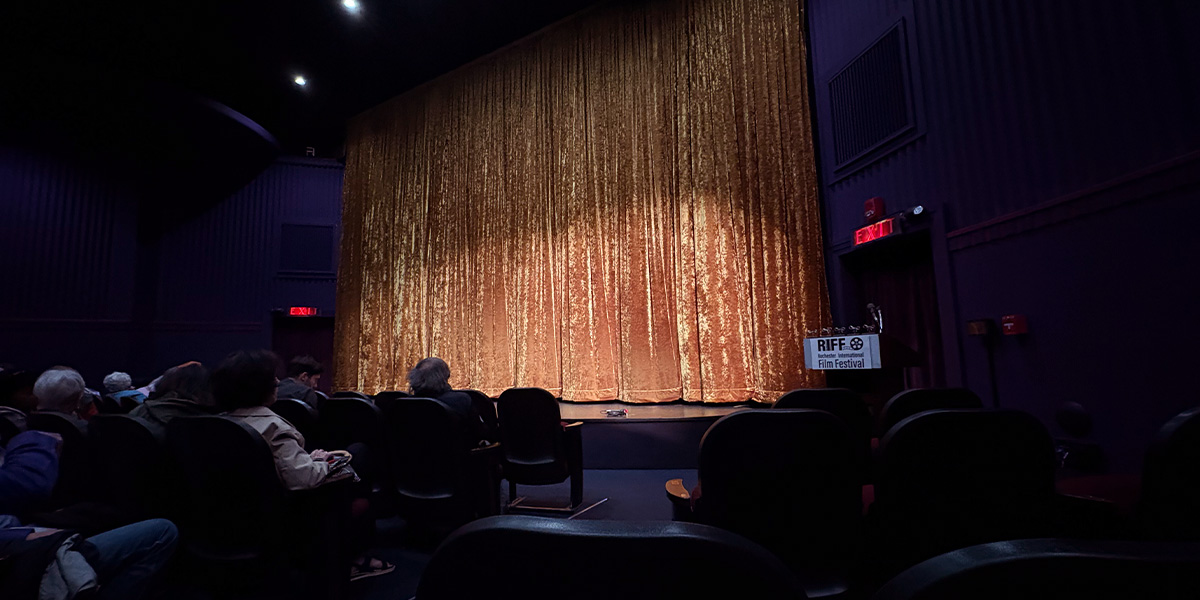
Rochester, NY – May 3, 2025 — At the intersection of language, culture, and emotion lies Lost in Translation, a short film that quietly captivated audiences during its screening at the 67th Rochester International Film Festival (RIFF) this past weekend. Directed by Chinese visual effects artist and filmmaker Yachan Yuan, the film reimagines three untranslatable words from different cultures into vivid moving imagery—transforming them into shared emotional landscapes.

Held at the historic Dryden Theatre inside the George Eastman Museum, RIFF is one of the longest-running short film festivals in the world, and this year’s program featured a curated selection of global short films. Among them, Lost in Translation stood out not through grand spectacle, but through its deep introspection and visual poetry.

The film is structured around three culturally unique words that have no direct English equivalent:

  • Mångata (Swedish) – “the road-like reflection of the moonlight on the water.”
  • Gluggaveður (Icelandic) – “weather best appreciated through a window.”
  • Saudade (Portuguese) – “a feeling of longing, melancholy, or nostalgia.”

Each word inspired a visual vignette, layered with atmospheric textures, quiet rhythms, and a distinct emotional undertone. Using a combination of green screen compositing, Unreal Engine environments, and practical textures, Yuan constructs an immersive experience that aims to transcend literal translation—offering viewers a chance to “feel” what cannot always be expressed in words.

“Language can sometimes be limiting,” Yuan shared during the post-screening Q&A. “I wanted to create something that communicates beyond words—something that speaks directly to the heart.”

Lost in Translation Illuminates the Unspoken Words at RIFF 2025

Photo Courtesy: Chen Zhang

The filmmaker, who holds an MFA in Visual Effects from Savannah College of Art and Design (SCAD) and an MA from Aalto University, is known for merging traditional aesthetics with emerging digital tools. Lost in Translation is part of her ongoing exploration of linguistic nuance, identity, and emotional memory, which has also been showcased in international exhibitions and design festivals from London to Florence.

Yuan’s practice is deeply personal. Born and raised in China, later studying in Europe, and now working in the United States, her work reflects a constant negotiation between languages, places, and cultural expectations. “As someone who has lived across continents, I often find myself unable to fully express certain feelings in any one language,” she explained. “This film is my attempt to visualize the silence between words.”

Audience members at RIFF responded with heartfelt applause and reflective comments, many sharing how the visuals reminded them of their own childhood memories, feelings of longing, or the serenity of natural light. The film’s deliberate pacing and lack of spoken dialogue allowed viewers to project their own interpretations, offering a more intimate experience.

The Rochester International Film Festival, established in 1959, has built a reputation for spotlighting innovative short-form storytelling. “This year’s lineup reflected a growing interest in hybrid storytelling—films that mix visual effects, poetry, and documentary tones,” said one of the curators. Lost in Translation was chosen to be the official visual banner in the RIFF website design: https://rochesterfilmfest.org.

The film has also received recognition at other festivals and design awards, including the London Design Awards (Gold Winner) and the AVA Digital Awards (Platinum Winner), showcasing its resonance beyond the film circuit.

As visual effects and immersive storytelling continue to reshape the creative industries, Yuan’s work offers a unique example of how technology can amplify, rather than dilute, human emotion. Her use of digital compositing is not about spectacle, but about introspection. It invites the viewer to slow down, to listen closely, and perhaps to recall a word—or a feeling—they once thought could not be named.

Lost in Translation is more than a film. It is a quiet reminder that some of the most meaningful things in life are not always meant to be explained, but to be felt.

Lost in Translation Illuminates the Unspoken Words at RIFF 2025

Photo Courtesy: Chen Zhang


Published by Jeremy S.

Should You Invest in France Vacation Rentals? Pros and Cons

France remains one of the most popular destinations for global tourism, attracting millions of visitors each year to its vibrant cities, charming countryside, and iconic coastlines. For property investors, this often translates to a steady stream of potential guests seeking short-term stays in France holiday rentals and vacation rentals in France.

But while the idea of owning a rental property in Paris or a villa in the South of France can be appealing, success often hinges on factors beyond the country’s tourist appeal. Investors should carefully assess the financial returns, legal considerations, and operational demands before entering the market.

This guide breaks down the key advantages and disadvantages of investing in French vacation rentals, providing balanced insights to help you make an informed decision.

Can You Make a Profit by Investing in Vacation Rentals in France?

The potential for profit is often considered strong. Short-term rental income in France can be attractive, particularly in cities and regions with heavy tourist traffic such as Paris, Lyon, Nice, Bordeaux, and the Côte d’Azur. In these locations, rental yields may outpace those of traditional long-term leases, driven by higher nightly rates and generally consistent demand.

Advantages of Investing in France Holiday Rentals

Investing in France holiday rentals offers a combination of personal lifestyle benefits and the possibility of strong financial returns. France is not only a global tourism leader but also a country with stable governance, robust infrastructure, and relatively favorable legal frameworks for property investors.

Good Income Potential

One of the key incentives is the opportunity to earn competitive rental income. Short-term lets frequently generate more revenue than long-term leases, especially in highly sought-after destinations. A centrally located apartment in Paris or a villa rental in France’s southern coast might generate several thousand euros per month, potentially exceeding what a standard lease would yield.

High Tourist Demand Year-Round

Unlike many destinations that rely on a single season or event to drive tourism, France typically enjoys year-round visitor appeal thanks to its varied climates, regions, and cultural richness. Tourism in France extends beyond the summer holidays.

  • In winter, the French Alps and Pyrenees attract skiers from all over Europe and beyond.
  • In spring, cities like Paris, Toulouse, and Bordeaux host festivals, exhibitions, and cherry blossom tourism.
  • In summer, the coasts of Brittany and the French Riviera become hotspots for beach tourism and luxury travel.
  • In autumn, wine regions like Burgundy and the Loire Valley often see increased activity with harvest festivals and vineyard tours.

This diversity helps mitigate the risk of prolonged vacancy periods and can contribute to more predictable revenue across months. For property investors, this may mean less reliance on a narrow window of opportunity and greater potential for financial stability throughout the year.

Potential for Capital Appreciation

Beyond short-term profitability, French real estate has historically offered long-term financial gains through capital appreciation. France is widely regarded for its well-regulated property market and historically stable real estate sector. Prime locations such as Paris, Lyon, Marseille, and coastal towns like Biarritz or Cannes have often demonstrated value growth over the last two decades.

Properties in urban centers with limited space and strict building regulations may benefit from supply constraints.

Tax Benefits

France’s tax system includes favorable regimes for furnished rental properties. Under the LMNP (non-professional) or LMP (professional) schemes, investors may be able to deduct a wide range of expenses, including mortgage interest, repairs, furnishings, and even property depreciation.

These deductions could significantly reduce taxable income, particularly in the early years of ownership. Working with a local tax advisor is advisable to ensure compliance while optimizing your investment’s tax efficiency.

Challenges of Investing in France Holiday Rentals

Substantial Initial Costs

Buying property in France often requires a significant financial commitment, particularly in destinations that consistently attract tourists, such as Paris, Nice, Cannes, or the Dordogne region. These areas tend to have high property prices, and the initial investment usually includes additional expenses beyond the purchase price.

Investors should account for:

  • Notary fees typically range from 7% to 8% of the purchase price.
  • Agency commissions, often split between buyer and seller, can add 3% to 6% to the transaction.
  • Legal assistance is especially for international buyers unfamiliar with French property laws.
  • Renovation and furnishing are frequently needed to meet the standards expected in the short-term rental market.
  • Utility setup and compliance costs, such as obtaining energy efficiency certificates or meeting fire safety standards for tourist rentals.

For luxury properties or villa rentals in France, these costs can be even higher, particularly when outdoor amenities like swimming pools are involved.

Ongoing Maintenance Costs

Vacation rentals tend to experience more wear and tear than long-term rentals due to frequent guest turnover. This often leads to higher ongoing expenses, from cleaning and laundry services to appliance repairs and décor updates.

To maintain high ratings and attract repeat guests, properties generally need to be kept in excellent condition at all times. Establishing reliable local maintenance teams is usually essential to avoid disruptions and ensure a positive guest experience.

Management Challenges

Running a vacation rental can be operationally demanding. Guest communication, calendar coordination, check-in logistics, and cleaning schedules typically require smooth and professional management. These tasks may prove particularly difficult for owners living abroad or managing multiple properties.

This is where property automation can play a key role. Although it is not the main focus of this article, a property management system can help centralize bookings, automate guest messaging, and coordinate cleaning.

How to Manage Your Vacation Rentals in France Effectively

Managing a vacation rental in France from afar can seem challenging, but with the right systems and support, it can become a streamlined process. The key often lies in combining local resources with digital solutions.

Start by establishing a trusted network on the ground: a cleaning service, a maintenance technician, and, if possible, a local co-host or property manager who can handle in-person tasks. Having someone available nearby helps ensure that any issues are resolved quickly, keeping guests satisfied and operations running smoothly.


Disclaimer: The information provided in this article is for general informational purposes only and should not be considered as professional investment or legal advice. Property investments, especially in foreign markets, involve significant financial risks. Readers are encouraged to conduct their own research and consult with qualified professionals, such as real estate agents, legal advisors, and tax experts, before making any investment decisions. The potential for profit and the challenges discussed may vary depending on individual circumstances, market conditions, and local regulations.

Published by Stephanie M.

How Video Is Advancing Modern Customer Outreach

In today’s digital landscape, video has become a leading language of online engagement. According to Wyzowl’s 2024 report, 89% of consumers say they want to see more video content from brands, suggesting that businesses may need to evolve to stay competitive. Whether through social media, landing pages, or email, video has become an increasingly essential pillar of modern outreach.

The Shift to Video-Centric Engagement

How audiences consume information has shifted dramatically. Attention spans are shorter, and expectations for fast, engaging content appear higher than ever. Short-form videos, particularly those under two minutes, are often considered the most effective format, preferred by 73% of consumers.

But it’s not just about consumption—it’s about influence. Research indicates that 82% of people report having been convinced to purchase a product or service after watching a video. In the B2B world, where decision-making cycles are longer, the ability of a short, well-crafted video to convey value quickly can be more important than ever.

Why Traditional Outreach Isn’t Cutting It

For years, marketers leaned heavily on text-heavy emails, static images, and templated outreach. While these methods still have a place, their impact seems to be declining. Consumers are overwhelmed with bland, impersonal messages, making it easy to tune out. Some studies have shown that attention spans have dropped to eight seconds, shrinking nearly 25% in just a few years.

People are increasingly easily distracted:

  • An office worker checks their email inbox 30 times every hour.
  • The average user picks up their phone more than 1,500 times a week, spending an average of 3 hours and 16 minutes a day on it.
  • Internet users spend six hours and 48 minutes per week watching online videos.
  • Users will read at most 28% of the words during an average webpage visit.
  • Users often leave webpages in just 10-20 seconds, making the average page visit time less than a minute.

In his article “The End of Linear Storytelling,” Ethan McCarty explains, “In our world of digital experiences, linear narratives no longer bring in the crowds, much less compel them to action. We have to rethink the value we place on stories and embrace new areas of opportunity for sharing and engaging through experiences.” Creating engaging, authoritative, and thought-provoking content can be critical for readers to feel a deeper connection.

Videos tend to be effective in driving engagement and creating memorable experiences. Studies suggest that viewers retain 95% of a message when played in a video, compared to 10% when read in text. Additionally, video has shown potential as a conversion engine. WebFX reports that including a video on a landing page may boost conversions by up to 80%, representing a significant return for a relatively small change in format.

Enter Interactive and Personalized Video

So, how do brands adapt to this new reality without seeming gimmicky or intrusive? The answer often lies in personalization and interactivity, two pillars that have gone from “nice-to-have” to increasingly essential.

Platforms like Blings aim to address this need. The platform specializes in data-driven video personalization at scale, allowing companies to produce interactive videos tailored to the user’s profile, behavior, and preferences. The potential benefits include higher engagement, more relevance, and an experience that feels like a one-on-one conversation rather than a broadcast.

Imagine a marketing video that changes its messaging, visuals, and even call-to-action based on who’s watching. Whether a first-time buyer, returning customer, or a high-value lead—that’s the kind of flexibility Blings strives to offer.

And it’s not just about superficial personalization like inserting a first name. Blings focuses on delivering contextual relevance. A video can dynamically reflect a user’s past behavior, geolocation, or buying history, turning passive content into an active, personalized conversation.

Blings also offers seamless integration with CRMs, marketing automation tools, and analytics platforms, making it a potentially useful solution for teams looking to add intelligence to their outreach without a massive technical lift. Because these videos are rendered on the fly, there’s no need to create hundreds of individual files.

What the Future Looks Like

Customer outreach is increasingly no longer about who can shout the loudest, but who can listen best and respond with precision and personality. With increasing privacy regulations and AI-driven content saturation, the brands that are likely to stand out are those that humanize their message using technology.

Personalized and interactive videos can help create a bridge between data and emotion. Platforms like Blings aim to enable companies to walk that bridge without requiring a huge budget or data science team.

The rules of customer outreach have changed. Static content is becoming less dominant, and personalization is increasingly expected. Video isn’t just a tool; it’s often the channel. To keep up with customers who want to engage, businesses may need to embrace formats that are not only visual but adaptable, authentic, and personal.

Because in a world that watches before it reads, your next customer could just start with “play.”


Published by Jeremy S.

On-Translate: How Manufacturing Translation Services Can Support Global Expansion

In today’s interconnected world, expanding beyond local markets can be a key driver of sustainable growth for manufacturing businesses. However, entering international markets often presents challenges, particularly in communication. Clear and effective communication is essential, making manufacturing translation services a valuable resource. Well-crafted, culturally adapted translations can help manufacturers overcome language barriers, meet compliance requirements, and effectively promote their products abroad.

The Role of Language Accuracy in Global Manufacturing

When entering a foreign market, accuracy plays a critical role. Documents ranging from technical manuals to safety protocols should be meticulously translated to minimize costly errors and misunderstandings. Translation isn’t just about converting words—it should also preserve the intended meaning while accounting for cultural and linguistic differences.

In industries like automotive, electronics, and pharmaceuticals, where precision is paramount, even minor translation errors could lead to significant consequences. Safety oversights might endanger workers, while inaccuracies in technical documentation could affect product performance.

Reducing Language Barriers in International Markets

Global expansion often involves engaging with customers, suppliers, and partners who speak different languages. Without clear and accurate translations, communication can become challenging, increasing the likelihood of misunderstandings. Manufacturing translation services help ensure that contracts, marketing materials, and operational instructions are conveyed clearly and effectively.

High-quality translations can foster trust with international partners and customers. Whether providing product details to a local distributor or offering customer support in the local language, translation plays a key role in streamlining cross-border operations. Partnering with a reliable translation service may help reduce communication barriers, potentially improving business relationships and facilitating smoother transactions.

Supporting Compliance with Local Regulations

Every country has its own set of laws and regulations, which can vary widely. Non-compliance may result in fines, delays, or even legal disputes. Manufacturing translation services can assist companies in adhering to local and industry-specific requirements for international markets. This is particularly important for safety manuals, product labels, certifications, and contracts.

For example, some countries have strict language requirements for product labeling. Similarly, industries like pharmaceuticals often mandate specific translations for certain documents. By working with professional translators, businesses can better ensure their documentation meets the target market’s legal standards, reducing risks and supporting smoother operations.

Improving Supply Chain Efficiency

Manufacturing supply chains frequently span multiple countries, involving suppliers, distributors, and logistics partners who may speak different languages. Manufacturing translation services can contribute to smoother communication across the supply chain. Translating purchase orders, invoices, contracts, and shipping instructions may help prevent misunderstandings and delays.

Clear communication with suppliers and logistics providers is important for meeting deadlines and maintaining quality. Accurate translations can help align all stakeholders, potentially leading to more efficient operations and faster product delivery. Specialized providers, such as On-Translate, offer services designed to enhance global supply chain coordination and minimize disruptions.

Strengthening Competitiveness in New Markets

Manufacturing translation services can provide an advantage when entering new markets. While some companies might rely on machine translations or generic language solutions, those investing in professional translation and localization may stand out from competitors.

A localized website, well-translated product descriptions, and customer service in the local language can enhance customer engagement and support long-term relationships.

Summary

Manufacturing translation services are an important consideration for businesses looking to grow internationally. These services can help address the complexities of global markets, from regulatory compliance to smoother supply chain communication. Whether localizing marketing content or translating technical documents, investing in professional translation services may build stronger connections with customers and partners, supporting global growth and market entry success.


Published by Jeremy S.

How to Treat Glabellar Lines: A Comprehensive Guide to Modern Treatments

Glabellar lines—commonly known as frown lines or “11s”—are vertical wrinkles that appear between the eyebrows. As we age, they may become more noticeable. Caused by repetitive muscle movement and gradual loss of skin elasticity, these lines can contribute to a tired or tense appearance. Fortunately, a range of treatment options is available that may help reduce the appearance of these lines when used under the guidance of a licensed provider.

Understanding Glabellar Lines: Causes and Contributing Factors

What Are Glabellar Lines?

Glabellar lines are dynamic wrinkles that may become static over time. They form from repeated movements of the corrugator and procerus muscles, such as during frowning or squinting. Over time, they may become more deeply set as the skin’s collagen and elastin levels decrease.

Common Causes

  • Repetitive facial expressions (e.g., frowning, squinting)

  • Gradual collagen breakdown and natural aging

  • Chronic sun exposure and environmental stressors

  • Individual skin characteristics and genetics

Treatments That May Help Reduce the Appearance of Glabellar Lines

Neuromodulators

Neuromodulators are injectable treatments that work by temporarily relaxing the muscles responsible for glabellar lines.

  • FDA-cleared for glabellar frown lines

  • Results typically last 3 to 6 months

  • Generally recommended for mild to moderate lines

Clinical Reference: Carruthers A, Carruthers J. Botulinum toxin type A for glabellar frown lines: safety and efficacy. Dermatol Surg. 2005.

Ultrasound-Based Skin Tightening (e.g., Sofwave™)

Sofwave™ technology uses synchronous ultrasound parallel beam (SUPERB™) technology to target the mid-dermis and encourage collagen formation.

  • FDA-cleared for facial lines and wrinkles

  • May help improve skin firmness and reduce fine lines, including in the glabellar area

  • Typically involves minimal to no downtime

Clinical Note: While Sofwave is cleared for general wrinkle improvement, direct clinical studies on glabellar-specific outcomes are still emerging.

Dermal Fillers

Hyaluronic acid-based products are injectables that add volume and structure beneath the skin, making them useful when glabellar lines remain visible even when the face is at rest.

  • Results are typically visible shortly after treatment

  • Effects may last 6 to 12 months, depending on the product

  • Must be administered with caution in the glabella due to its vascular sensitivity

Laser Resurfacing

Ablative and non-ablative lasers use laser energy to either remove damaged skin layers or stimulate collagen in deeper layers.

  • May improve skin texture and reduce wrinkles over time

  • Downtime can vary from a few days to over a week depending on the device used

Reference: Tierney EP, Hanke CW. Ablative fractionated CO2 laser treatment of photoaging: a review. J Drugs Dermatol. 2009.

Microneedling with Radiofrequency (RF)

This treatment combines microneedles and radiofrequency energy to stimulate dermal remodeling.

  • Often used to support collagen and elastin production

  • Considered less invasive than laser treatments

  • May be beneficial for those with mild to moderate glabellar lines

Lifestyle and Prevention Strategies

Sun Protection and Skincare

  • Use broad-spectrum sunscreen daily

  • Wear sunglasses to reduce squinting

  • Use antioxidant-rich skincare ingredients (e.g., Vitamin C, niacinamide)

Healthy Habits

  • Stay well-hydrated

  • Avoid smoking

  • Maintain a regular sleep schedule and reduce stress where possible

Choosing the Right Approach

How to Treat Glabellar Lines: A Comprehensive Guide to Modern Treatments

Consult with a board-certified dermatologist or licensed aesthetic provider to determine which approach is most appropriate for your skin type, goals, and medical history.

Summary

Glabellar lines are a natural part of aging, but a variety of professional treatments are available that may help reduce their appearance. From neuromodulators to ultrasound-based technologies like Sofwave™, there are several evidence-informed options that can be tailored to your needs. With guidance from a qualified provider and consistent skincare habits, you can support smoother, more refreshed-looking skin over time.

References

  • Carruthers A, Carruthers J. Botulinum toxin type A for glabellar frown lines: safety and efficacy. Dermatol Surg. 2005.
  • Tierney EP, Hanke CW. Ablative fractionated CO2 laser treatment of photoaging: a review. J Drugs Dermatol. 2009.
  • Glogau RG. Aesthetic and anatomic analysis of the aging face. Semin Cutan Med Surg. 1996.


Disclaimer: This content is for informational purposes only and should not be considered as medical advice. The effectiveness of treatments, including Sofwave™ and other options, may vary based on individual skin types, goals, and medical histories. Always consult with a licensed, board-certified dermatologist or qualified aesthetic provider before beginning any treatment. The information provided here does not guarantee specific results, and the choice of treatment should be made in consultation with a professional. Individual results may differ, and treatments should be performed under the guidance of a licensed healthcare provider.


Published by Jeremy S.

Why Ergonomically Designed Workspaces Can Support a Healthier Body and Mind

Across offices in Australia and around the world, the shift toward employee wellbeing is increasingly influencing how we design and use our workspaces. While productivity remains central to business performance, there’s growing recognition that physical and mental health often play a key role in sustaining it. Enter ergonomics—the design principle that aims to harmonise human movement with furniture function.

Once viewed as optional, ergonomic furniture is now considered a valuable investment for organisations aiming to support their teams while improving operational output. Whether you’re managing a government office, an education space, or a growing business, adopting an ergonomic mindset may offer a competitive edge.

The Potential Health Impact of Poor Workspace Design

It’s widely acknowledged that long hours at a poorly configured workstation often contribute to discomfort. But the potential consequences go deeper: musculoskeletal injuries, stress, fatigue, and absenteeism. In Australia, workplace injuries related to repetitive strain and posture account for a notable portion of worker compensation claims, especially in sectors requiring long hours of desk-based work.

Ergonomically designed environments are intended to reduce this risk. They can help support proper spinal alignment, minimise strain on muscles and joints, and promote natural movement. And with better physical comfort often comes improved mental focus—a valuable element in knowledge work.

How Ergonomics May Also Support Mental Wellness

The connection between physical setup and psychological health is sometimes overlooked. Yet when employees feel cramped, sore, or physically unsupported, their stress levels may rise, and cognitive function could decline. It’s not just about pain—it’s about sustaining performance.

Providing ergonomically supportive furniture can signal that employee well-being matters. This may improve morale, reduce mental fatigue, and contribute to better problem-solving and creative thinking.

Posture-Centric Screen Positioning

Eye strain, neck pain, and shoulder tightness are common complaints among office workers. These symptoms often stem from improperly positioned screens that force awkward viewing angles. By integrating monitor elevation arms that support posture alignment, organisations may help team members keep their gaze forward, shoulders relaxed, and spines aligned.

This adjustment can improve physical comfort and support sustained attention, particularly important for high-focus tasks in government agencies or academic settings.

The Potential Role of Seating in Cognitive Endurance

The average worker spends six to nine hours a day seated. Without appropriate support, this sedentary routine may contribute to poor posture and energy loss. Ergonomic seating tailored for concentration and comfort often incorporates the user’s body needs—adjustable seat depth, lumbar reinforcement, breathable backrests, and intuitive tilt mechanics.

These features may do more than prevent injury. They can also encourage alertness, reduce the need for fidgeting, and help users stay “in the zone” longer. In procurement terms, the cost of better chairs may be balanced by productivity gains and fewer sick days.

Encouraging Movement Throughout the Workday

Standing desks were once considered a niche trend. Today, they’re regarded as a useful tool in the movement toward a healthier office culture. Height-adjustable desks that support healthy transitions can empower employees to shift between sitting and standing throughout the day, potentially improving circulation, focus, and comfort.

This flexibility is particularly valuable in hybrid offices or co-working environments, where shared desks must adapt to different users’ needs. Adjustable desks reflect not only ergonomic awareness but also inclusivity and adaptability.

Customised Fit for Team Diversity

No two bodies are alike. The best ergonomic setups are typically those that can be personalised to suit an individual’s height, habits, and role. Features like adjustable armrests, mobile monitor arms, and modular desk systems can make it easier to accommodate the unique needs of each team member, whether they’re in finance, teaching, or IT.

In public institutions and corporate spaces alike, this may improve satisfaction, inclusivity, and compliance with workplace safety guidelines, while also fostering stronger relationships and culture.

Why Ergonomically Designed Workspaces Can Support a Healthier Body and Mind

Photo: Unsplash.com

The Potential Business and Government ROI of Ergonomic Workspaces

For executives, department heads, and facilities managers, ergonomics may represent more than employee wellbeing—it’s a possible strategic advantage. Workspaces that support natural movement could help reduce long-term injuries, potentially lowering costs associated with leave, claims, and turnover.

Similarly, a well-furnished environment may help attract top talent, support brand credibility, and reinforce the values of your organisation. Government buyers, in particular, might consider how ergonomic investments align with OH&S standards and ESG (Environmental, Social and Governance) mandates.

Summary: The Future of Work May Be Ergonomic

Whether you’re outfitting a new office or updating an existing one, ergonomic design should be a key consideration. It can influence every aspect of the workplace experience—from physical health to mental clarity, from compliance to culture. As the lines between work and wellness continue to blur, furniture becomes more than functional—it becomes a facilitator of wellbeing.

Start with better posture. Invest in movement. Build a culture of comfort. The results may follow—not just in fewer injuries, but in more productive, engaged, and resilient teams.


Published by Jeremy S.

Chris Catena: Between Opera, Rock, and Memory – The Director Who Turns Life Into Spectacle

A multifaceted artist, rebellious spirit, and exceptional organizer: Chris Catena is a rare figure in today’s international music scene. A visionary opera director, refined manager of opera singers, and at the same time an explosive rock frontman, Catena is living proof that seemingly irreconcilable worlds can merge into a single, authentic, and powerful artistic expression.

His connection to opera runs in his blood. The son of the great tenor Renato Francesconi, who passed away on May 11, 2023, Chris was raised in the theater. Francesconi is often remembered as an extraordinary interpreter of Otello, a role in which he conveyed dramatic strength and a powerful vocal presence. He was also one of the tenors most appreciated by the legendary Giacomo Lauri Volpi, who frequently cited him as one of the finest representatives of the Roman school of singing — a tradition rooted in rigorous technique, classical taste, and expressive depth. Catena has inherited this legacy both in his blood and in the aesthetic of his productions.

His operatic stagings are never conventional: whether it’s Madama Butterfly or Traviata, there is always a contemporary subtext, a social reflection, or a visual provocation that stirs emotion and thought. His direction is bold, symbolic, and unafraid to lay bare human fragility and passion through modern, arresting imagery but always respecting the author’s libretto and the tradition.

In recent years, Catena’s personal journey has been shaped by profound sorrow. After the loss of his beloved father, he also endured the passing of his mother Maria Grazia on February 17, 2025, following a long battle with Alzheimer’s. Two devastating losses in just over a year would crush most people — but Chris found in art the strength to rise again. He turned grief into fue for creativity, making the stage a sacred place to process love, loss, and legacy

Chris Catena: Between Opera, Rock, and Memory – The Director Who Turns Life Into Spectacle

Photo Courtesy: Chris Catena

That resilience was recognized on April 4, when Catena received the prestigious Maria Callas Award at the Italian Cultural Institute in New York, honoring his innovative contribution to opera in the modern era. A tribute not only to his artistry, but also to his courage, depth, and humanity.

Alongside his classical endeavors, Chris Catena has just produced a powerful and genre-defying album: the new Pop Crossover release by acclaimed soprano Lisa Houben. A project where classical music meets pop and symphonic rock, the album reflects Catena’s artistic DNA. Houben performs stunning duets with Catena himself, as well as with Plácido Domingo Jr., Fabio Armiliato, Armando Pina, Gabriel Mauro, Fabio Serani, and others. It’s a rich, eclectic record, where elegance and theatricality come together with emotional charge and contemporary flair — a testament to Catena’s belief in music without borders.

Meanwhile, Catena’s rock journey continues at full speed with the release of a striking new single: Radio.

Originally written by Ryan Whyte Maloney, a Las Vegas singer-songwriter and finalist on The Voice USA, Radio is an intense and soulful rock ballad, blending country influences with an emotional core. The track was mixed by Brian Vibberts, a seven-time Grammy Award-winning engineer who has worked with titans like Michael Jackson, Bon Jovi, Aerosmith, Beyoncé, and Prince.

With more than two decades in the business, Chris Catena is a respected name in international rock. Known for his powerful voice and stylistic versatility, he has collaborated with an impressive array of artists. His debut album Freak Out (2004) featured legends like Glenn Hughes, Eric Singer, Bruce Kulick, and Jeff Scott Soto. Later collaborations include Doug Aldrich, Stevie Salas, Kee Marcello, Bobby Kimball, Pat Travers, Brian Tichy, and Vitalij Kuprij.

Chris Catena: Between Opera, Rock, and Memory – The Director Who Turns Life Into Spectacle

Photo Courtesy: Chris Catena

In 2020, Truth in Unity took Catena’s reputation even higher, uniting more than 50 musicians from bands like Whitesnake, Dio, Mr. Big, Toto, Blue Murder, Guns N’ Roses, and Quiet Riot in a fusion of hard rock, blues, funk, and soul.

Today, Chris Catena’s Rock City Tribe features a powerful and stable lineup: Chris Catena on vocals, Marco Fiormonti on bass, Valerio Amoroso on lead and rhythm guitar, Massimo Canfora on lead and rhythm guitar, and Giorgio Gallo on drums. Recent singles include Freight Train, I Will Be With You, Tennessee Moonlight, and A Little Bitty Drunk, all showcasing the group’s stylistic range and growing maturity.

Catena says of Radio:

This ballad was born from a spark. Ryan Whyte Maloney — a brilliant artist gone too soon — was thrilled when I chose to record it, and contributed banjo, rhythm guitar, and backing vocals. The song is a tribute to him and to those magical childhood moments when just one song on the radio was enough to make you dream.

Radio captures the heart of the Chris Catena’s Rock City Tribe ethos: emotionally charged, musically rich, and produced with impeccable precision. It’s more than just a single — it’s a mission statement of unity, passion, and the eternal power of rock.

Watch the official video for Radio here:
https://www.youtube.com/watch?v=5Qj15OCdTRM

The band’s next major appearance will be at the IntenCity Festival in Craiova, Romania, on June 28, 2025 — an event where Catena’s group will stand as the only rock band amid a dazzling lineup of international pop and EDM stars including Paris Hilton, Bebe Rexha, G-Eazy, Foster the People, Tyga, Meduza, Gianluca Vacchi, and Cyril.

Chris Catena: Between Opera, Rock, and Memory – The Director Who Turns Life Into Spectacle

Photo Courtesy: Chris Catena

Their inclusion is more than a performance — it’s a statement. A bold and visionary decision by the festival’s organizer, it proves that rock can coexist with audiences who love disco, pop, electronic, or Latin music. It’s a celebration of musical diversity and artistic courage — the kind of challenge Catena has built his life around.

As an artist manager, Chris Catena has also built a solid reputation for nurturing emerging talent and guiding mature voices across the global stage. He remains driven by quality, emotional truth, and an unwavering belief in the power of the human voice — in every form it takes.

Chris Catena is not a man divided between genres — he is a whole artist. Complex, passionate, shaped by loss and driven by vision. A devoted son, a fearless creator, and a professional with a thousand faces, all in service of one unshakable calling: to make art a mirror of the soul.


Published by Jeremy S.

Full-Service SEO Company in the USA – Customized Strategies That Work

Let’s be real—just having a website isn’t enough anymore. With thousands of businesses popping up online every day, the competition is wild. If you want people to find your brand, trust it, and actually buy from you, your website needs to be seen. That’s where a full-service SEO company in the USA earns its keep, not just by sprinkling in some keywords, but by creating strategies that fit your business like a glove.

Not Just Rankings—Real Results That Matter

Many SEO providers love to brag about rankings. But what good is being number one if no one’s clicking, converting, or even caring? A true SEO company in USA looks beyond vanity metrics. They focus on results that impact your bottom line — like more leads, better traffic, and repeat customers. 

They dig into your business, study your audience, and build a strategy around what makes you different. It’s not about copying what competitors are doing; it’s about finding what works for your brand and running with it.

What a Full-Service SEO Company Offers?

Let’s break it down. A full-service SEO partner isn’t just doing keyword research and calling it a day. They’re building an entire ecosystem to boost your visibility from every angle:

1. Technical SEO Tune-Ups

Your website might look great, but if it loads like a sloth or has broken links all over the place, Google’s not going to show it love. Technical SEO fixes all the behind-the-scenes stuff—like speed, mobile-friendliness, and crawlability—so search engines can actually index your pages properly.

2. Content That Speaks (and Converts)

It’s not just about stuffing keywords into blog posts. Smart content balances SEO with personality. Whether it’s a product page, service description, or weekly blog, everything needs to be optimized and human-friendly. A great SEO company in the USA knows how to strike that balance.

3. Link Building That Isn’t Spammy

If you’ve ever gotten emails offering 1,000 backlinks for $10, you already know there’s a shady side to link building. But real SEO companies build high-quality links through outreach, partnerships, and content that naturally earns shares. No shortcuts. No penalties.

4. Local SEO for Targeted Visibility

If you’re running a brick-and-mortar or service-based business, showing up in local search is crucial. A solid SEO partner will optimize your Google Business Profile, get you in local directories, and make sure people in your area can actually find you.

5. Monthly Reports That Make Sense

Ever opened an SEO report that looks like it was written in another language? Yeah, not helpful. A quality agency will give you clear, straightforward updates—what’s working, what’s not, and what’s next.

Why Customization is Non-Negotiable

Let’s face it—no two businesses are alike. What works for a bakery in New York won’t fly for a law firm in Texas. That’s why customization is key. You need a team that listens to your goals, understands your niche, and doesn’t mind tweaking the game plan as your business grows. A top-tier full-service SEO company in the USA doesn’t hand you a strategy from a template—they build it from scratch, just for you.

Trust the Process (But Pick the Right Partner)

SEO isn’t magic—it’s a process. It takes time, effort, and a bit of trial and error. But with the right partner, the results are worth the wait. The key is choosing a company that’s transparent, experienced, and actually invested in your success, not just their retainer.

Ready to Rank Smarter?

If you’re serious about building your brand, boosting traffic, and making your online presence actually work, it’s time to team up with pros who get it. Digital Guider is a full-service SEO company that doesn’t just check boxes—they build real strategies that drive growth.

Let’s talk about what your business actually needs. Contact the Digital Guider today and get a customized SEO plan that makes sense—for your goals, your budget, and your future.


Published by Jeremy S.