How Dynamics CRM Consulting Supports Enterprise Growth

Customer relationship management has evolved from a useful database to a powerful tool for driving growth. Enterprises that unify sales, service, and marketing data within a single hub often experience faster deal cycles and improved client satisfaction. Microsoft Dynamics CRM stands out due to its modular architecture and strong scalability, enabling businesses to expand without re‑platforming. However, extracting optimal value typically requires strategic configuration and cross‑department adoption. This article explores how leading Microsoft Dynamics CRM consulting providers help transform standard deployments into tools that support measurable enterprise change.

The Role of Dynamics CRM Consulting Companies in Business Transformation

Beyond Basic Implementation

A Dynamics CRM consulting company often goes beyond installing licenses and importing contacts. Many analysts assess commercial objectives, revenue targets, and customer‑service bottlenecks to design a configuration that aligns with daily operations.

Multi‑Disciplinary Expertise

Consultants typically combine skills that internal IT teams may lack, such as:

  • Business‑process analysis and gap identification
  • Solution architecture planning, including entity relationships and security layers
  • Low‑code customization using Power Apps and plug‑ins
  • Role‑based training to support adoption
  • Proactive maintenance, performance tuning, and phased feature rollouts

For enterprises seeking specialized CRM expertise tailored to their industry and size, platforms like HireDynamicsDevelopers connect organizations with experienced specialists who have a track record of delivering transformation results.

Translating Needs into Solutions

A subscription business requesting “better retention visibility” might receive a churn‑prediction dashboard with risk scores, automated renewal reminders, and escalation workflows. Manufacturing teams looking for quote accuracy could benefit from guided‑selling rules tied to live inventory and discount matrices. Each enhancement is often measured against KPIs—such as average handling time, net promoter score, or quota attainment—to assess commercial impact.

Ongoing Support and Refinement

Consultants frequently monitor system usage, identifying underutilized modules that may indicate training gaps or interface issues, then refine the system iteratively. The goal is a CRM platform that feels intuitive to users, supports continuous improvement, and maintains data integrity. Many enterprises report shorter onboarding cycles and reduced reliance on spreadsheets once the CRM aligns with departmental workflows.

Key Areas Where Dynamics CRM Consultants Drive Impact

Customer Relationship Optimization

Through Dynamics CRM consulting services, specialists often merge sales, service, and marketing data, providing representatives with a 360‑degree customer view that updates in real time. Lead‑scoring rules can adjust automatically during website intent spikes, prompting timely outreach. Personalized engagement sequences may reference purchase history, potentially improving engagement metrics.

Operational Efficiency

Workflow automation can reduce repetitive tasks, such as:

  • Auto‑creating cases from emails with pre‑filled priority levels
  • Routing approvals via Teams notifications instead of email clutter
  • Surfacing AI‑assisted knowledge articles directly in agent consoles

These refinements often shorten resolution times and free up talent for higher-value work.

Sales and Marketing Alignment

How Dynamics CRM Consulting Supports Enterprise Growth

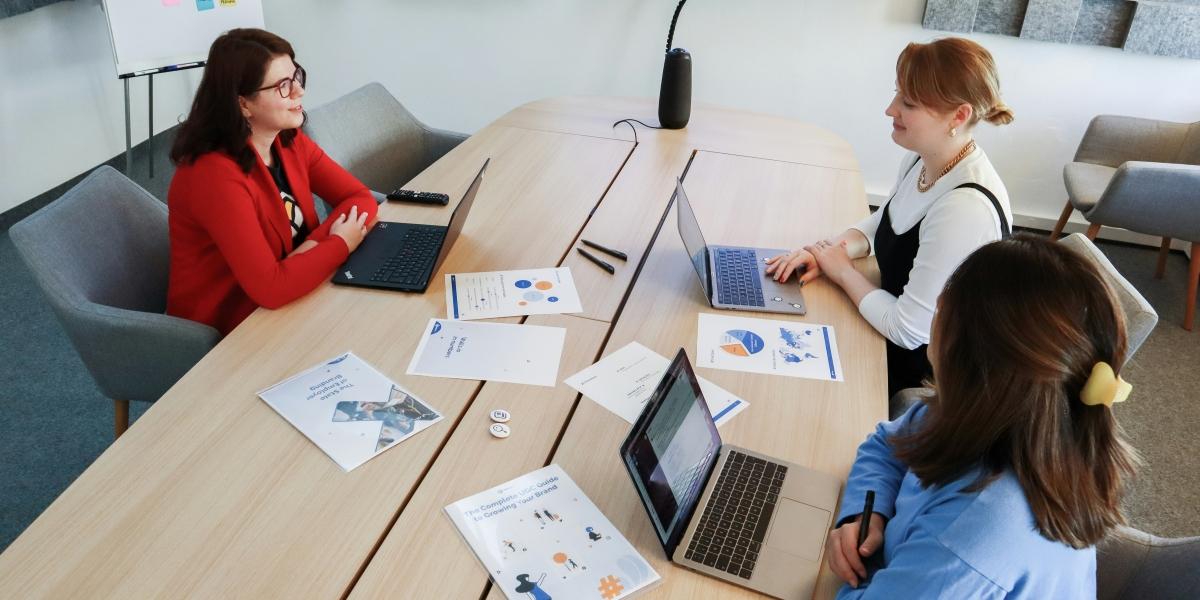
Forecasting tends to become more reliable when both departments share a single data set. Marketers can analyze pipeline velocity, while sellers receive campaign‑sourced opportunity alerts in their dashboards. Shared metrics help foster accountability.

Scenario Illustration

A global electronics firm integrated its e‑commerce platform with Dynamics. Abandoned‑cart leads flowed into the sales queue, triggering follow-up calls within thirty minutes. Conversion rates reportedly climbed from 6% to 18% in one quarter, while support agents saved an estimated 400 hours by eliminating manual ticket classification. These improvements highlight why many executives prioritize CRM optimization alongside other software initiatives.

Customization and Integration: Key Drivers of Effective CRM Solutions

Tailored Modules

Through Dynamics 365 CRM consulting, specialists often design custom entities and dashboards that reflect approval workflows, pricing structures, and multi‑currency needs—rather than relying on generic templates. Conditional business rules can streamline data entry by showing only relevant fields.

Seamless Integration

Consultants frequently connect the CRM with:

  • ERP systems for real‑time inventory and invoice visibility
  • Marketing automation platforms to sync behavioral data
  • Legacy databases via API gateways

This integration helps prevent data silos and ensures accuracy across teams.

Scalability and Governance

Modular design, managed packages, and governance policies can control system complexity. Data‑retention settings and audit logs often support compliance without sacrificing performance. A 2024 Forrester study suggested a 25% faster quote‑to‑cash cycle and a 19% rise in customer satisfaction when CRM was integrated with other systems.

Data Integrity Measures

Duplicate detection, field‑level security, and automated alerts can help maintain data quality, while cleanup jobs archive stale contacts and inactive cases. When integrations, governance, and unique processes work together, CRM is more likely to adapt to business growth rather than become a technical burden.

Choosing the Right Dynamics CRM Consulting Partner

Certification and Experience

Look for Microsoft Solutions Partner status, individual certifications, and participation in early‑access programs.

Industry Expertise

Sector‑specific tools—such as templates, compliance packs, and integration kits—may accelerate deployment and reduce regulatory risks.

Proven Results

Request concrete examples of success, such as:

  • Case studies with before-and-after metrics
  • Client references willing to discuss collaboration experiences
  • Demos showcasing configuration depth, not just basic dashboards

Collaborative Approach

Leading providers often embed teams—including solution architects, change‑management coaches, and data analysts—and hold regular reviews to adjust priorities based on adoption analytics. A shared backlog can keep projects transparent and within budget.

Ongoing Support

Consider partners offering managed services, including feature updates, security patches, and periodic optimization reviews.

Transparent Pricing

Fixed‑fee discovery and architecture phases can provide cost clarity, while consumption‑based managed services may align expenses with actual usage. A balanced commercial framework encourages partners to deliver sustained value. A well-chosen partner can help accelerate transformation, manage costs, and keep technology aligned with business goals.


Disclaimer: The content provided in this article is for informational purposes only. It does not constitute professional business, financial, or technical advice. Readers are encouraged to seek consultation with certified Dynamics CRM specialists or other relevant professionals for guidance specific to their needs.


Published by Jeremy S.
How High-End Architectural Signage Can Elevate Your Project

In high-end architecture, every detail, including signage, plays a significant role. Architectural signage often acts as a silent ambassador for your brand, reflecting attention to detail and excellence. Custom signage can help businesses differentiate themselves in a crowded market, potentially leaving a lasting impression. The design and materials are ideally aligned with the architectural style to create a cohesive visual experience. Investing in quality signage may enhance customer experience, guide them, and contribute to loyalty. This guide explores the significance of high-end architectural signage and its potential to elevate your brand and positively impact your business.

The Importance of High-End Architectural Signage

High-end architectural signage can be essential for establishing your brand’s identity. A 2023 study by the Sign Research Foundation suggests that effective signage could boost customer recall by up to 20%, highlighting its importance. Well-designed signs often reflect your commitment to quality and may influence customer perception, serving as an extension of your brand’s ethos.

Key benefits of architectural signage include:

  • Brand Differentiation: Can help your business stand out.
  • Customer Engagement: May attract customers through visual appeal.
  • Image Enhancement: Often elevates your brand’s sophistication.
  • First Impressions: Frequently sets the tone for customer interactions.

Additionally, high-quality signage can guide customers and enhance their experience, potentially leading to increased brand loyalty and repeat business, as seen in examples like Tiffany & Co.’s iconic blue signs.

Defining Your Brand with Custom Signage

Custom signage offers a distinctive branding opportunity that mass-produced options may not match, enabling businesses to express their unique identity and values. For instance, a boutique hotel in Miami reportedly utilized a neon sign inspired by its Art Deco heritage to differentiate itself from generic chains. Every design choice, from font to color, can influence the brand’s message. Custom signage might also incorporate elements that reflect your story or location, potentially enhancing customer engagement and fostering loyalty. As architect Frank Gehry once noted, custom signage can transform a logo into a compelling narrative, potentially deepening connections with your audience.

Material Matters: Quality and Craftsmanship in Signage

The materials selected for signage can significantly reflect your brand’s quality. High-end architectural signage typically requires both aesthetic appeal and durability. Premium options like stainless steel, glass, brass, wood, and acrylic not only enhance visual appeal but may also ensure longevity. For instance, a brass sign could endure coastal storms for over a decade, unlike cheaper alternatives. Each material offers distinct benefits: stainless steel and brass provide a modern look, glass adds elegance, wood offers warmth, and acrylic allows for vibrant designs. Quality craftsmanship is often essential, as it can enhance the sign’s overall impression. According to the International Sign Association, 60% of customers reportedly assess a business’s quality based on signage materials, making this investment potentially valuable for brand perception and customer trust.

The Role of Signage in Customer Experience

Signage often plays a crucial role in shaping the customer journey. A well-designed, illuminated sign might create a relaxing atmosphere even before a service is booked. Clear signage can enhance navigation, reducing frustration and possibly increasing customer satisfaction, which may lead to repeat visits. For instance, a wayfinding sign in a large office lobby reportedly decreased navigation complaints. Additionally, effective signage could evoke emotions that resonate with your brand, potentially fostering loyalty and positive reviews. When prioritized, signage might elevate a customer’s experience and strengthen brand relationships.

Illuminating Your Brand: The Impact of Lighting

Lighting can significantly enhance the visual appeal of architectural signage, making it not only visible but also adding depth and allure. In low-light conditions, illuminated signs help ensure your brand stands out. Techniques such as backlighting and halo lighting often provide a sophisticated touch, with halo lighting being a popular choice among upscale brands for its subtle glow, sometimes compared to a whispered compliment. A 2024 survey by Signage Solutions Magazine found that illuminated signs could increase nighttime visibility by 80%, potentially transforming dark storefronts into beacons.

Various signage types that may benefit from effective lighting include:

  • Channel Letter Signs: Often illuminated, these three-dimensional signs can enhance visibility day and night.
  • Monument Signs: Freestanding signs that can be lit to highlight the brand name, attracting attention from pedestrians and drivers.
  • Wall-mounted and Pylon Signs: Equipped with spotlights or integrated lighting for outdoor visibility.
  • Indoor Signage: Illuminated wayfinding signs may enhance customer experience and aesthetic value.

Effective lighting not only improves visibility but might also draw foot traffic, making well-lit signs more memorable. Additionally, using energy-efficient lighting can demonstrate a commitment to sustainability, appealing to eco-conscious customers. When executed well, lighting can transform signage into a powerful marketing tool, enriching the brand experience and leaving a lasting impression.

Real-World High-End Case Study: West Luxury Apartments, San Diego

Residents at West, a luxurious apartment community in Downtown San Diego, enjoy a sophisticated lifestyle with modern elegance and resort-style amenities.

Project Scope

The project involved the design, manufacturing, and installation of a comprehensive exterior and interior signage and graphics package, aimed at enhancing brand identity and improving the resident experience.

Project Highlights

  • Illuminated Channel Letter Signs: Eye-catching LED-lit channel letters serve as prominent outdoor building signage. A resident reportedly said, ‘I knew I’d arrived home when I saw that glow from two blocks away.’
  • Room ID Signs: Stylish room identification signs were crafted to improve navigation and accessibility, complementing the building’s interior design while conveying essential information.
  • Way-finding Signs: Custom way-finding signage was implemented to facilitate seamless navigation through the complex, reportedly enhancing resident and visitor experiences.
  • Lobby Signage: Elegant lobby signs were designed to create a lasting first impression. The signage blends creativity with high-quality materials, reflecting the upscale ambiance of the building.
  • Printed Type II Wallpaper for Wall Murals: Blank walls were transformed into vibrant visual displays with durable Type II wallpaper murals, adding personality and energy to communal areas.
  • Ceiling Graphics That Mimic Wood: Innovative ceiling graphics designed to resemble real wood brought warmth and texture to interior spaces, offering a cost-effective alternative to traditional wood paneling. This idea reportedly came from a last-minute brainstorm with the architect.

This case study illustrates how thoughtful signage design and quality materials can work together to create an inviting atmosphere and memorable brand experience. By considering high-end architectural signage, businesses may transform their environments and enhance the overall customer journey.

Consistency is Key: Brand Recognition Across Locations

Consistency in signage is often crucial for brand recognition, as demonstrated by Starbucks, where the uniform green mermaid creates a recognizable identity worldwide. Architectural signs that reflect the same aesthetic can help build customer trust and loyalty. Maintaining consistent signage contributes to a coherent brand image, linking various outlets under a unified identity and reinforcing professionalism. Partnering with a company that combines brand design and signage expertise may yield superior results, ensuring that every signage element aligns with your brand’s core values and effectively supports recognition and trust among customers.

Embracing Technology: Digital Signage Solutions

Digital signage can enhance marketing by enabling real-time content updates, potentially fostering customer engagement. It supports interactive features like touchscreens and augmented reality, which may enrich the shopping experience. Since the first digital billboard appeared in Times Square in 1996, this technology has evolved to meet modern consumer expectations and is increasingly seen as valuable for attracting tech-savvy audiences. Additionally, captivating visual displays created by digital signage could increase foot traffic and customer interest, helping brands stand out in a competitive market.

Navigating Regulations and Compliance in Signage

Creating effective signage extends beyond mere design and installation; it often requires a thorough understanding of local regulations, including zoning laws that dictate signage dimensions and placement. Compliance not only helps avoid fines but may also enhance your brand’s reputation, particularly through adherence to ADA standards for inclusivity. Collaborating with signage experts can help ensure legal compliance and protect your investment.

Moreover, signage serves as an artistic opportunity, utilizing materials like glass and metal, and custom lighting to create visually appealing displays that may attract customers. Strategic placement is often essential for maximizing visibility and guiding customer behavior, particularly in high foot traffic areas.

Summary: Elevating Your Brand with Architectural Signage

Architectural signage can play a key role in enhancing your brand’s visibility, going beyond simple directionality to create lasting impressions. High-quality signage may improve brand perception and reflect a commitment to excellence, potentially boosting recognition and customer engagement. A cohesive design that aligns with your brand message can craft an unforgettable experience. Partnering with the right signage expert, like Coastal Signs Plus, Inc, is often important, as a sign represents more than just information; it can embody your brand’s identity.

About the Author: Mark Krenn

Mark Krenn, founder of Coastal Signs Plus, Inc., is a recognized expert in high-end architectural signage with over 20 years of experience. His commitment to quality and innovative design has helped establish the company as a trusted partner for businesses seeking to enhance their brand identity through customized signage solutions.


Published by Joseph T.