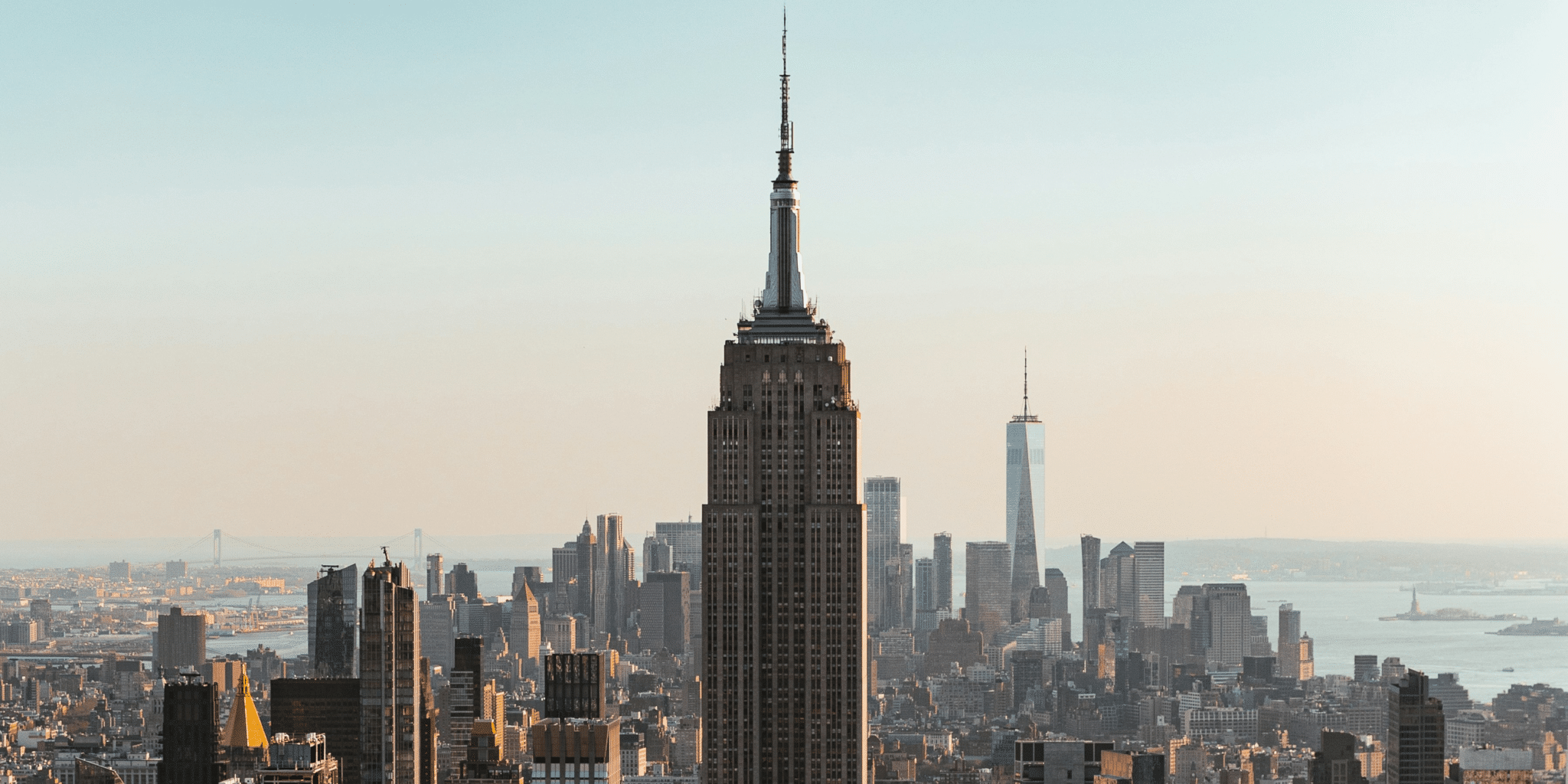
Exploring Opportunities for Interior Designers in New York

New York City, often hailed as the epicenter of art, culture, and innovation, offers a plethora of opportunities for aspiring and seasoned interior designers alike. With its diverse population, thriving real estate market, and rich architectural history, the city serves as a fertile ground for creative exploration and professional growth in the field of interior design. This article delves into the myriad opportunities available to interior designers in New York, from residential and commercial projects to specialized niches and collaborative ventures.

The Dynamic Real Estate Landscape

One of the primary drivers of opportunity for interior designers in New York is the dynamic and ever-evolving real estate landscape. With a constant influx of new developments, renovations, and redesigns, there is a constant demand for innovative and skilled designers to bring spaces to life. From luxury penthouses in Manhattan to trendy lofts in Brooklyn, interior designers have the opportunity to work on a diverse range of projects, each presenting its own set of challenges and creative possibilities.

Collaborative Partnerships with Architects and Developers

In New York City, collaboration is key, and interior designers often have the opportunity to partner with architects, developers, and other industry professionals to bring ambitious projects to fruition. By forging strategic partnerships, designers can leverage their expertise and creativity to contribute to large-scale developments, such as residential towers, commercial complexes, and hospitality venues. These collaborative ventures not only expand the designer’s portfolio but also foster innovation and interdisciplinary exchange within the design community.

Specialized Niches and Emerging Trends

In addition to traditional residential and commercial projects, New York City offers a wealth of opportunities for interior designers to explore specialized niches and emerging trends. From sustainable design and adaptive reuse projects to wellness-focused spaces and smart home technologies, designers have the opportunity to stay at the forefront of industry innovation and cater to the evolving needs and preferences of clients. By tapping into niche markets and embracing new trends, designers can differentiate themselves and carve out a unique niche in the competitive New York design scene.

The Influence of Cultural Diversity

New York City’s vibrant cultural landscape, shaped by its diverse population and rich heritage, serves as a constant source of inspiration for interior designers. Whether it’s infusing spaces with elements of cultural heritage, incorporating global design influences, or celebrating the city’s multicultural identity, designers have the opportunity to create spaces that resonate with a wide range of audiences. By embracing cultural diversity and incorporating inclusive design principles, designers can create spaces that reflect the richness and diversity of the city itself.

Embracing Technological Advancements

In an era of rapid technological advancement, interior designers in New York have the opportunity to harness the power of technology to enhance their creative process and deliver innovative solutions to clients. From virtual reality and augmented reality tools for immersive design experiences to advanced software for 3D modeling and rendering, designers can leverage cutting-edge technologies to visualize concepts, streamline workflows, and communicate ideas more effectively. By staying abreast of the latest technological advancements, designers can stay competitive and push the boundaries of design innovation in New York City.

Professional Development and Networking Opportunities

Beyond project work, New York City offers a wealth of professional development and networking opportunities for interior designers to expand their skill sets, build industry connections, and stay engaged with the design community. From industry conferences and trade shows to networking events and design competitions, designers have ample opportunities to learn from industry leaders, exchange ideas with peers, and showcase their talents on a larger stage. By actively participating in these events and initiatives, designers can stay inspired, informed, and connected in the dynamic and fast-paced world of New York design.

A City of Opportunities

In the vibrant and competitive landscape of New York City, interior designers have the opportunity to thrive and succeed by embracing collaboration, innovation, and creativity. From collaborating on ambitious projects with industry partners to exploring specialized niches and embracing emerging trends, designers can make their mark on the city’s iconic skyline and shape the way people live, work, and interact with their environments. By seizing the myriad opportunities available in the city, interior designers can unlock their full potential and contribute to the dynamic tapestry of design excellence that defines New York City.


The Evolution of New York Offices: A Look Back Over the Decades

In the bustling metropolis of New York City, the landscape of office spaces has undergone significant changes throughout the decades. From the iconic skyscrapers of the early 20th century to the modern, tech-driven workspaces of today, the evolution of New York offices reflects broader societal shifts and advancements in technology.

Early 20th Century: The Rise of Skyscrapers

As New York City boomed in the early 1900s, so too did the demand for office space. The iconic skyscrapers that now define the city’s skyline began to emerge, with buildings like the Woolworth Building and the Chrysler Building becoming symbols of prosperity and progress. These towering structures offered vast amounts of space for businesses to expand, ushering in an era of vertical growth and urban development.

With their steel frames and innovative construction techniques, skyscrapers revolutionized the way office buildings were designed and built. The use of elevators made it feasible to construct taller buildings, leading to the iconic skyline that has come to define New York City.

Mid-20th Century: The Age of Corporate America

During the mid-20th century, New York offices underwent a transformation as corporate America flourished. Large companies established headquarters in the city, and office spaces became more standardized and hierarchical. Open-plan layouts and cubicles became prevalent, reflecting the emphasis on efficiency and productivity.

This era also saw the rise of iconic corporate landmarks such as the Seagram Building, designed by renowned architect Mies van der Rohe, which set new standards for modern office design. With its sleek glass facade and minimalist aesthetic, the Seagram Building epitomized the corporate ethos of the time, symbolizing power, wealth, and prestige.

Late 20th Century: The Advent of Technology

The late 20th century brought about significant changes in New York offices, driven largely by advancements in technology. The introduction of computers revolutionized the way work was done, leading to the digitization of many office processes. As a result, office layouts began to adapt to accommodate new technologies, with the widespread adoption of personal computers and networking infrastructure.

This period also saw the emergence of coworking spaces and flexible office arrangements, catering to the evolving needs of a more dynamic workforce. These spaces provided an alternative to traditional office environments, offering greater flexibility and opportunities for collaboration and networking.

21st Century: The Era of Innovation

In the 21st century, New York offices have continued to evolve in response to changing economic and social trends. The rise of startups and tech companies has fueled demand for modern, collaborative workspaces, leading to the proliferation of coworking hubs and innovation centers across the city.

These spaces prioritize flexibility, creativity, and community, offering amenities such as shared work areas, networking events, and on-site amenities like coffee bars and fitness facilities. Additionally, sustainability has become a key focus in office design, with many buildings incorporating green features such as energy-efficient lighting, recycled materials, and green roofs.

Contrarian View: Are Traditional Offices Making a Comeback?

Despite the trend towards modern, tech-driven workspaces, some argue that traditional office environments are making a comeback. With the rise of remote work and virtual collaboration tools, there is a growing appreciation for the benefits of in-person interaction and face-to-face communication.

As a result, some businesses are reevaluating their office strategies and investing in traditional office spaces that foster collaboration and team building. While coworking spaces offer many benefits, they may not be suitable for all businesses or work styles, leading some companies to embrace more traditional office environments.

Summary

The evolution of New York offices over the decades reflects a dynamic interplay of historical, technological, and social factors. From the towering skyscrapers of the early 20th century to the innovative coworking spaces of today, the landscape of office design continues to evolve to meet the needs of a changing workforce.

As we look to the future, it is clear that New York offices will continue to adapt and innovate in response to emerging trends and technologies, shaping the way we work for years to come. With a rich history of innovation and creativity, New York City remains at the forefront of office design, setting new standards and pushing the boundaries of what is possible in the modern workplace.

The Timeless Appeal of the 1950s Old Hollywood Headscarf Look

In the world of fashion, trends come and go, but some styles stand the test of time. One such iconic look is the 1950s Old Hollywood headscarf, which continues to captivate fashion enthusiasts with its timeless appeal. From the glamorous starlets of the silver screen to modern-day fashionistas, the headscarf remains a versatile accessory that adds a touch of vintage charm to any outfit. In this article, we’ll explore the enduring popularity of the 1950s Old Hollywood headscarf look and how you can incorporate it into your own wardrobe.

The Golden Era of Hollywood Glamor

The 1950s are often regarded as the golden era of Hollywood glamor, with iconic actresses like Audrey Hepburn, Grace Kelly, and Marilyn Monroe setting the standard for elegance and sophistication. One staple accessory of this era was the headscarf, which was often worn by starlets to protect their hair and add a touch of flair to their ensembles.

Timeless Elegance and Versatility

What makes the 1950s Old Hollywood headscarf look so enduringly popular is its timeless elegance and versatility. Whether tied around the head in a classic knot or wrapped elegantly around a chic updo, the headscarf adds a touch of old-world glamor to any outfit. It can be worn with casual jeans and a t-shirt for a laid-back, retro-inspired look, or paired with a cocktail dress for a more formal occasion.

A Touch of Nostalgia

For many fashion enthusiasts, the appeal of the 1950s Old Hollywood headscarf look lies in its nostalgic charm. It evokes a sense of nostalgia for a bygone era of glamor and sophistication, reminding us of the iconic starlets who graced the silver screen with their timeless beauty. By incorporating a headscarf into their own wardrobe, fashion lovers can channel the spirit of Old Hollywood and add a touch of vintage flair to their everyday style.

Modern-Day Interpretations

While the 1950s Old Hollywood headscarf look may have originated in a different era, it remains as relevant and stylish as ever in today’s fashion landscape. Modern-day fashion designers and influencers continue to put their own spin on the classic headscarf, experimenting with different fabrics, prints, and tying techniques to create fresh, contemporary looks.

How to Wear a Headscarf

If you’re looking to embrace the timeless appeal of the 1950s Old Hollywood headscarf look, here are a few simple ways to incorporate this classic accessory into your own wardrobe:

  • Classic Knot: Simply fold a square scarf into a triangle, place it over your head with the long edge at the front, and tie it in a knot at the back. This classic look is perfect for adding a touch of vintage glamor to any outfit.
  • Chic Updo: For a more elegant look, tie a silk scarf around a sleek updo or bun. You can leave the ends of the scarf trailing down your back for a dramatic effect, or tuck them neatly underneath for a more polished finish.
  • Bohemian Vibes: For a laid-back, bohemian look, try wrapping a long scarf around your head and tying it at the nape of your neck. This relaxed style is perfect for casual days out or beachside picnics.
  • Statement Bow: For a playful twist on the classic headscarf look, tie a large silk scarf into a statement bow and wear it at the top of your head. This bold accessory adds a touch of whimsy to any outfit and is sure to turn heads wherever you go.

Embracing Vintage Glamor

Whether you’re a die-hard fan of Old Hollywood glamor or simply looking to add a touch of vintage charm to your wardrobe, the 1950s Old Hollywood headscarf look is a timeless choice that never goes out of style. With its elegant simplicity and nostalgic appeal, the headscarf remains a beloved accessory for fashion lovers of all ages. So why not channel your inner screen siren and embrace the timeless glamor of the 1950s Old Hollywood headscarf look today?

Urban Gardening Services Flourish Amidst Skyscrapers

In the heart of bustling metropolises like New York City, where skyscrapers dominate the skyline, a green revolution is quietly taking root. The desire to bring nature into urban spaces has given rise to a burgeoning interest in urban gardening services. Entrepreneurs are tapping into this demand, offering innovative solutions to city dwellers yearning for a connection with nature within the confines of their homes.

Seeding the Idea: Urban Gardening Services Take Root

Amidst the towering structures of steel and glass, a yearning for greenery has sprouted in the hearts of city residents. Urban gardening services have emerged as a beacon for those seeking a piece of nature in their homes. Whether it’s the charm of rooftop gardens, the simplicity of balcony planters, or the tranquility of indoor greenery, these services are cultivating a new way of living in urban landscapes.

Rooftop Gardens: Elevating Urban Living

The concept of rooftop gardens is gaining momentum as city dwellers discover the untapped potential of their urban spaces. Urban gardening services specialize in transforming these often-neglected areas into lush green havens. From creating vegetable patches to designing ornamental landscapes, rooftop gardens not only add aesthetic value but also contribute to sustainable living in the heart of the city.

Balcony Planters: Greening Compact Spaces

For those with limited outdoor space, balcony planters provide a solution that is both practical and visually pleasing. Urban gardening services offer expertise in maximizing the potential of compact balconies. Whether it’s cultivating a herb garden, flowering plants, or even vertical gardens, these planters turn small balconies into vibrant green retreats.

Indoor Greenery Solutions: Bringing Nature Inside

Recognizing the constraints of urban living, many urban gardening services extend their offerings to indoor greenery solutions. From potted plants to innovative vertical gardens that adorn interior walls, these services cater to the desire for a touch of nature within the confines of apartments and homes. The benefits of indoor plants, including improved air quality and enhanced well-being, make this an increasingly popular choice among urban residents.

Contrarian Statement: Challenges in the Concrete Jungle

While the idea of urban gardening services is blooming, entrepreneurs face challenges amidst the concrete jungle. Limited space, stringent building regulations, and the need for specialized knowledge in urban horticulture pose hurdles. However, with creativity and a strategic approach, these challenges can be turned into opportunities, making urban gardening services a sustainable venture.

Nurturing Nature in the City

In the heart of urban chaos, the rise of urban gardening services signifies a collective yearning for a greener, more sustainable lifestyle. The benefits go beyond mere aesthetics, reaching into the realms of environmental consciousness and personal well-being.

Fostering a Connection with Nature

Urban gardening services play a pivotal role in fostering a connection with nature in a world dominated by concrete and steel. The sight of greenery amidst skyscrapers becomes a therapeutic escape, providing residents with a sanctuary that balances the demands of urban living.

Contributing to Sustainable Urban Living

Beyond the personal benefits, these services contribute to the broader goal of sustainable urban living. Rooftop gardens and balcony planters act as miniature ecosystems, absorbing carbon dioxide, reducing heat island effects, and promoting biodiversity. In this way, urban gardening becomes a microcosm of environmental stewardship in the heart of the city.

Nurturing Green Dreams Amidst Urban Chaos

In conclusion, the surge in urban gardening services reflects a deep-seated need for nature’s presence in the urban landscape. Entrepreneurs venturing into this field are not only cultivating plants but also nurturing dreams of a greener, more balanced urban life. As skyscrapers continue to reach for the sky, these green initiatives root themselves firmly, proving that even in the midst of concrete, a touch of nature can thrive and flourish.

The Benefits of Consistent Reading for New York Business Owners

In the hustle and bustle of New York City, where every minute counts and competition is fierce, staying ahead in the business world is paramount. One often-overlooked yet powerful tool for success is the habit of regular reading. Whether it’s staying updated on industry trends, learning new strategies, or gaining insights from successful entrepreneurs, reading can be a game-changer for New York business owners looking to boost their success.

Why Reading Matters

Reading isn’t just about flipping through pages or scrolling on a screen; it’s about absorbing valuable information and expanding your knowledge base. For New York business owners, this can mean staying informed about the latest market trends, understanding consumer behavior, or learning from the successes and failures of others in their field.

By dedicating time to reading consistently, business owners can gain a competitive edge by staying ahead of the curve. Whether it’s through industry publications, business books, or online resources, the knowledge gained from reading can provide valuable insights and inspiration for growth and innovation.

How Reading Boosts Success

  • Knowledge is Power: In the fast-paced world of New York business, staying informed is key. By regularly consuming relevant content, business owners can make informed decisions, anticipate market shifts, and identify new opportunities for growth.
  • Continuous Learning: The business landscape is constantly evolving, and successful entrepreneurs understand the importance of lifelong learning. By reading regularly, business owners can stay abreast of emerging trends, new technologies, and innovative strategies, giving them a competitive advantage in their industry.
  • Inspiration and Motivation: Running a business in New York City can be challenging, but reading success stories and insights from other entrepreneurs can provide much-needed inspiration and motivation. Whether it’s learning how a successful startup overcame obstacles or gaining insights from industry leaders, reading can reignite passion and drive for success.
  • Networking and Connections: Many successful entrepreneurs share their experiences and insights through books, articles, and online platforms. By engaging with this content, business owners can expand their network, connect with like-minded individuals, and potentially form valuable partnerships or mentorships.

Contrarian Viewpoint: Is Reading Overrated?

Despite the numerous benefits of reading for business owners, some may argue that it’s overrated in today’s digital age. With the abundance of information available online, some may question the value of traditional reading habits.

However, while it’s true that the internet offers a wealth of information, not all of it is reliable or relevant. Books and reputable publications often provide more in-depth analysis and insights than quick online articles or social media posts. Additionally, the act of reading itself encourages focus and deep engagement with the material, which can lead to better retention and understanding.

While reading alone may not guarantee success for New York business owners, it can certainly be a powerful tool for growth and innovation. By dedicating time to regular reading, business owners can stay informed, inspired, and ahead of the competition in one of the world’s most dynamic business environments. Ultimately, it’s not just about the act of reading itself, but the knowledge and insights gained from it that can make all the difference in achieving success.

Why Workspaces Trump Traditional Offices in New York

In the bustling metropolis of New York, the debate between traditional offices and modern workspaces has gained momentum. With the evolving landscape of work culture, many professionals are leaning towards workspaces over conventional office setups. Let’s delve into why this shift is occurring and the benefits it brings to professionals in the Big Apple.

The Rise of Workspaces in New York

In recent years, workspaces have been on the rise in New York City. These innovative spaces offer a dynamic environment where professionals from diverse industries can collaborate, network, and thrive. Unlike traditional offices, which can feel restrictive and isolating, workspaces foster creativity and community engagement. The emergence of co-working spaces, incubators, and shared offices reflects a growing demand for flexible and collaborative work environments. This trend is not only evident in Manhattan but also in Brooklyn, Queens, and other boroughs, indicating a city-wide shift towards alternative work setups.

Flexibility and Adaptability

One of the primary reasons professionals prefer workspaces over offices is the flexibility they offer. In a traditional office setting, employees are often confined to a specific location, desk, and schedule. However, workspaces provide the freedom to choose where and when to work, accommodating different work styles and preferences. Whether it’s hot-desking, dedicated desks, or private offices, workspaces offer customizable solutions to suit individual needs. This flexibility is particularly beneficial for freelancers, remote workers, and entrepreneurs who require autonomy and agility in their work environments.

Cost-Effectiveness

Another compelling factor driving the preference for workspaces is cost-effectiveness. Renting a traditional office space in New York City can be exorbitantly expensive, especially for startups and small businesses. The skyrocketing real estate prices, coupled with additional expenses such as utilities, maintenance, and security, make traditional offices financially burdensome. On the other hand, workspaces offer flexible membership plans, allowing professionals to access premium amenities at a fraction of the cost. By sharing resources such as meeting rooms, printing facilities, and reception services, businesses can significantly reduce overhead expenses and allocate their budgets more efficiently.

Collaboration and Networking Opportunities

Workspaces serve as hubs for collaboration and networking, facilitating interactions between individuals from various industries and backgrounds. Unlike traditional offices, where employees often interact solely with colleagues from the same company, workspaces encourage cross-pollination of ideas and skills, fostering innovation and creativity. From networking events and workshops to informal meetups, workspaces provide ample opportunities for professionals to connect and collaborate. These interactions not only enrich the work experience but also lead to new partnerships, projects, and business ventures, driving professional growth and success.

Work-Life Balance

Maintaining a healthy work-life balance is essential for professionals in New York City, where the pace of life can be relentless. Workspaces promote work-life balance by offering amenities such as onsite gyms, recreational areas, and wellness programs. These facilities enable professionals to take breaks, recharge, and prioritize their well-being amidst their busy schedules. Moreover, the flexibility to choose one’s working hours and environment contributes to a more balanced lifestyle. Whether it’s taking a yoga class during lunch break or spending time with family in the evening, workspaces empower individuals to integrate work and personal life seamlessly, reducing stress and burnout.

Contrarian View: The Value of Traditional Offices

While workspaces offer numerous benefits, some professionals still prefer traditional offices for certain reasons. Traditional offices provide a sense of stability and permanence, which can be reassuring for established businesses and organizations. Additionally, some individuals prefer the structure and routine that traditional offices provide, finding it conducive to their productivity and focus. For businesses that require a dedicated space for team meetings, client visits, or specialized equipment, a traditional office setup may still be preferred. Moreover, the privacy and security offered by traditional offices may be essential for industries dealing with sensitive information or regulatory requirements.

In Summary

In the dynamic landscape of New York City, workspaces have emerged as a preferred choice for professionals seeking flexibility, collaboration, and cost-effectiveness. These innovative spaces offer a vibrant environment where individuals can thrive personally and professionally. However, it’s essential to acknowledge that traditional offices still hold value for some professionals, emphasizing the importance of choice and diversity in the workplace.

As the work culture continues to evolve, the debate between workspaces and traditional offices will likely persist, reflecting the diverse needs and preferences of professionals in the Big Apple. Ultimately, the key lies in finding the right balance between innovation and tradition to create productive and fulfilling work environments that cater to the diverse needs of individuals and businesses alike.

The Impact of the New York Subway System on Local Businesses

The New York City subway system, an iconic feature of the city’s landscape, plays a crucial role in influencing local businesses. With its extensive network of routes spanning across the five boroughs, the subway serves as a lifeline for commuters and tourists alike, facilitating the movement of millions of people every day. In this article, we explore how the subway system shapes the dynamics of businesses in the Big Apple.

Enhancing Accessibility and Foot Traffic

One of the most significant ways the New York subway system influences businesses is by enhancing accessibility and increasing foot traffic. Businesses located near subway stations benefit from the constant flow of commuters and tourists passing by their storefronts. The convenience of the subway encourages people to explore different neighborhoods, thereby exposing them to a diverse range of shops, restaurants, and services.

Moreover, the accessibility provided by the subway system extends beyond local residents to include tourists visiting the city. Tourists often rely on the subway to navigate the city’s expansive landscape, making it easier for them to discover and patronize businesses they may not have otherwise encountered.

Facilitating Commuter Convenience

The efficiency and reliability of the New York subway system play a vital role in facilitating commuter convenience, which indirectly impacts local businesses. Commuters rely on the subway to travel to and from work, meetings, and appointments, often stopping at nearby establishments for meals, snacks, or other necessities.

In addition to daily commuters, the subway system also serves as a transportation option for attendees of events and attractions throughout the city. Whether it’s a Broadway show, a sporting event, or a cultural festival, the subway provides a convenient way for people to reach their destinations, contributing to increased business activity in surrounding areas.

Fostering Urban Development

The presence of a well-connected subway system can also foster urban development and attract investment to specific neighborhoods. Developers and entrepreneurs are more likely to invest in areas with easy access to public transportation, knowing that it will draw residents, workers, and visitors to the area.

As a result, neighborhoods served by efficient subway lines often experience revitalization and economic growth. New businesses, such as trendy cafes, boutique shops, and coworking spaces, spring up in these areas, catering to the needs and preferences of the diverse population brought in by the subway.

Furthermore, the subway system facilitates commuting for employees, allowing businesses to tap into a larger pool of talent from different parts of the city. This accessibility to a diverse workforce can contribute to the success and competitiveness of businesses located in these neighborhoods.

Contrarian View: Challenges and Disruptions

Despite its numerous benefits, the New York subway system also poses challenges and disruptions to local businesses. Service interruptions, delays, and closures, which are not uncommon in such a vast and aging infrastructure, can negatively impact businesses that rely heavily on foot traffic from subway commuters.

Additionally, ongoing construction projects and renovations aimed at improving the subway system may deter customers from visiting affected areas, leading to temporary declines in sales for businesses located nearby.

The Subway System: A Cornerstone in the Big Apple

The New York subway system plays a significant role in shaping the success and vitality of local businesses throughout the city. By enhancing accessibility, facilitating commuter convenience, and fostering urban development, the subway contributes to the economic vibrancy of neighborhoods across the five boroughs.

However, challenges such as service disruptions and construction activities underscore the need for businesses to adapt and innovate in response to the ever-evolving dynamics of the subway system. Despite these challenges, the enduring influence of the New York subway system on businesses remains a testament to its status as a cornerstone of the city’s infrastructure and culture.

Debunking the Myth: Understanding the Risks of Overnight Charging

In today’s digital age, smartphones have become an integral part of our daily lives. We rely on them for communication, entertainment, and staying connected with the world around us. With this constant usage comes the need to recharge our devices regularly, often leading to the common practice of overnight charging. However, there is a prevailing myth that overnight charging can be harmful to your smartphone’s battery health. In this article, we’ll debunk this myth and provide insights into the actual risks associated with overnight charging.

Understanding Smartphone Batteries

Before delving into the myth of overnight charging, it’s essential to understand how smartphone batteries function. Most smartphones today utilize lithium-ion batteries, which are known for their high energy density and rechargeable properties. These batteries consist of several cells that store and release energy, powering our devices throughout the day.

The Myth of Overnight Charging

The myth of overnight charging stems from the belief that continuously charging your smartphone beyond its full capacity can degrade the battery over time. Some people fear that leaving their phone plugged in overnight will cause overcharging, leading to reduced battery life and performance. However, modern smartphones are equipped with advanced charging circuitry that prevents overcharging and regulates the charging process to ensure optimal battery health.

Debunking the Myth

Contrary to popular belief, overnight charging is not inherently harmful to your smartphone’s battery. Lithium-ion batteries are designed to handle charging cycles efficiently, and modern smartphones are equipped with built-in safeguards to protect against overcharging. Once your phone reaches full charge, the charging circuitry automatically stops the flow of electricity, preventing any potential damage to the battery cells.

Factors Affecting Battery Health

While overnight charging itself may not pose a significant risk, there are other factors that can affect the long-term health of your smartphone’s battery. Exposure to high temperatures, frequent deep discharges, and excessive usage can all contribute to battery degradation over time. It’s essential to maintain proper charging habits and avoid subjecting your device to extreme conditions that could compromise its battery life.

Best Practices for Battery Care

To ensure optimal battery health and longevity, consider adopting the following best practices for battery care:

  • Avoid Extreme Temperatures: Exposure to extreme heat or cold can negatively impact battery performance. Keep your smartphone away from direct sunlight and avoid leaving it in hot cars or freezing temperatures.
  • Charge Responsibly: While overnight charging is generally safe, it’s still a good idea to unplug your phone once it reaches full charge to conserve energy and prevent unnecessary wear on the battery.
  • Use Official Chargers: To avoid compatibility issues and potential damage to your device, use official chargers and cables provided by the manufacturer. Third-party accessories may not meet the same quality standards and could pose a risk to your smartphone’s battery.
  • Manage Battery Usage: Monitor your smartphone’s battery usage and limit activities that consume a lot of power, such as gaming, video streaming, and GPS navigation. Closing background apps and reducing screen brightness can also help conserve battery life.

Always Charge Your Phones Responsibly

The myth of overnight charging causing harm to your smartphone’s battery is largely unfounded. While it’s essential to practice responsible charging habits and avoid exposing your device to extreme conditions, overnight charging itself is unlikely to cause significant damage. By understanding how lithium-ion batteries work and adopting best practices for battery care, you can ensure that your smartphone remains powered up and ready for use whenever you need it. So rest easy and charge your phone overnight without worrying about damaging its battery. Remember, a well-maintained battery means longer-lasting performance for your beloved device.

Understanding How Color Shapes the Mood in Movies: Exploring the Impact of Orange

In the world of cinema, every aspect of filmmaking plays a crucial role in shaping the viewer’s experience. From the storyline to the cinematography, filmmakers employ various techniques to evoke emotions and immerse audiences in their narratives. One such powerful tool is color, which can profoundly influence the atmosphere and mood of a film. In this article, we’ll delve into the significance of the color orange in filmmaking and how it contributes to building atmosphere on the silver screen.

The Power of Color in Film

Color has long been recognized as a fundamental element of visual storytelling. It has the ability to convey emotions, set the tone, and enhance the narrative of a film. Filmmakers carefully select colors to create specific moods and evoke desired responses from their audience. Among the myriad of colors used in cinema, orange holds a unique place due to its versatility and symbolic significance.

The Symbolism of Orange

Orange is a warm and vibrant color that often symbolizes energy, warmth, and optimism. It is associated with emotions such as happiness, enthusiasm, and creativity. In film, the use of orange can evoke feelings of joy, excitement, and comfort. Additionally, orange is commonly associated with elements of nature such as sunsets, autumn foliage, and fire, further enriching its symbolic meaning.

Creating Atmosphere with Orange

In filmmaking, the strategic use of color can effectively enhance the atmosphere and tone of a scene. Orange, with its warm and inviting properties, is often employed to create a sense of coziness, intimacy, or nostalgia. For example, filmmakers may use orange hues in scenes depicting family gatherings, romantic moments, or leisurely activities to evoke a feeling of warmth and togetherness.

Orange in Genre Films

The use of orange is particularly prominent in certain film genres where atmosphere plays a significant role. In horror films, for instance, orange can be used to create an eerie or unsettling atmosphere, especially in scenes set during dusk or in dimly lit environments. The juxtaposition of warm orange tones with dark shadows can enhance the sense of foreboding and tension, keeping audiences on the edge of their seats.

Orange as a Narrative Device

Beyond its visual appeal, orange can also serve as a narrative device in film, conveying subtle messages and themes. For example, the gradual transition from cool blue tones to warm orange hues can symbolize a character’s emotional journey from isolation to connection or from despair to hope. Similarly, the use of orange in costume design, set decoration, and lighting can reinforce character traits, relationships, and plot developments.

Case Studies: Iconic Uses of Orange in Film

Several notable films have effectively utilized orange to enhance their visual storytelling and atmosphere. One such example is “The Shawshank Redemption,” where the golden glow of sunlight symbolizes freedom, redemption, and hope amidst the bleakness of prison life. Similarly, in “The Godfather” trilogy, the use of orange in iconic scenes such as the opening wedding sequence and the final moments of Michael Corleone adds depth and richness to the storytelling.

Contrarian View: Limitations of Orange

While orange can be a powerful tool in filmmaking, it is essential for filmmakers to exercise restraint and consideration in its use. Overuse of orange or inappropriate application can lead to visual clutter, distraction, or tonal imbalance, detracting from the overall effectiveness of the film. Additionally, cultural and contextual factors may influence the interpretation of orange, requiring filmmakers to be mindful of their audience’s perceptions and sensitivities.

Embracing the Versatility of Orange

In summary, color plays a vital role in shaping the mood and atmosphere of a film, with orange being a particularly versatile and evocative choice. Whether used to convey warmth and intimacy or to create tension and suspense, orange has the power to immerse audiences in the world of cinema and enhance their viewing experience. By understanding the symbolic significance and narrative potential of orange, filmmakers can effectively harness its power to create compelling and memorable stories on the silver screen. As filmmakers continue to experiment with color and explore new ways to engage their audience, the role of orange in cinema is sure to remain an enduring and impactful element of visual storytelling.

The Political Influence of New York: A Closer Look

New York, often regarded as the epicenter of American culture and finance, wields significant influence in shaping political discourse and agendas on both national and international scales. From its diverse population to its vibrant media landscape, New York City serves as a nexus where political ideas are born, debated, and disseminated. Understanding how New York sways political topics is essential for grasping the dynamics of contemporary politics and the forces that shape public opinion.

Political Diversity and Representation

One of the defining features of New York’s political landscape is its remarkable diversity. With a population comprising people from all walks of life, ethnicities, and socio-economic backgrounds, the city serves as a microcosm of the broader American experience. This diversity is reflected in its political representation, with elected officials championing a wide range of ideologies and policy priorities. From progressive lawmakers advocating for social justice to conservative voices promoting fiscal responsibility, New York’s political spectrum is as varied as its population.

Media Influence and Power Centers

New York’s status as a media capital amplifies its influence in shaping political topics and narratives. With major news outlets headquartered in the city, including The New York Times, CNN, and Fox News, the media landscape is characterized by a constant churn of political commentary, analysis, and investigative reporting. These outlets serve as influential gatekeepers of information, shaping public opinion and setting the agenda for political discussions. Additionally, New York’s status as a global financial hub provides a platform for influential individuals and organizations to exert their political influence through lobbying, philanthropy, and advocacy.

Cultural and Artistic Expression

Beyond the realm of traditional politics, New York’s cultural and artistic communities play a significant role in shaping public discourse and influencing political topics. From Broadway productions addressing social issues to public art installations advocating for environmental conservation, cultural expressions serve as catalysts for conversations about pressing political issues. Moreover, the city’s vibrant arts scene attracts creative minds from around the world, fostering a dynamic exchange of ideas and perspectives that contribute to the evolution of political discourse.

Activism and Grassroots Movements

New York has long been a hotbed of activism and grassroots organizing, with movements for civil rights, environmental justice, and LGBTQ+ rights finding fertile ground in the city’s streets and neighborhoods. From the Stonewall riots to the Women’s March, New York has been the backdrop for pivotal moments in the history of social and political movements. These grassroots efforts have not only shaped local policies but also influenced national conversations and inspired similar movements across the country.

Contrarian View: Challenges and Criticisms

Despite its influence, New York’s political sway is not without its challenges and criticisms. Critics argue that the city’s concentration of wealth and power exacerbates inequalities and undermines democratic principles. Moreover, the dominance of certain media outlets and political elites has been criticized for stifling dissenting voices and perpetuating partisan divides. Additionally, concerns about political corruption and undue influence from special interests persist, raising questions about the integrity of the political process.

Takeaway

New York’s influence on political topics is undeniable, driven by its diverse population, influential media landscape, vibrant cultural scene, and tradition of activism. As a melting pot of ideas and perspectives, the city serves as a crucible where political debates are waged, alliances forged, and policies shaped. While New York’s political sway may face challenges and criticisms, its role in shaping the national discourse remains paramount. By understanding the dynamics of New York’s political influence, we gain insight into the broader forces shaping the trajectory of American politics.