Carlton Fine Arts Presents DeVon

Carlton Fine Arts is pleased to present DeVon, a solo exhibition featuring new works by the acclaimed contemporary pop artist. The show will be on view from May 15th to August 15th at Carlton Fine Arts Ltd. located at 543 Madison Avenue, New York, NY 10022.

Boasting an impressive client list including Mariah Carey, Charlie Sheen, Joe Rogan, Erin Brockovich, Kaskade, Heineken, Porsche, Macklemore, Blake Lively, Larry King, Kurt Russel, among others, the colorful exhibition will take over the first two floors paying homage to the biggest Hollywood characters and iconic brands like Marilyn Monroe, The Godfather, Ferrari and Campbell’s Soup. Off the heels of The Beatles Biopic news being released, the exhibition will also feature a selection of works highlighting the iconic bandmates from Liverpool.

Photo Courtesy: DeVon (Abbey Road, 2024)

Gallery director Charles Saffati and his associate Claude Pardo will host an artist reception on May 14th to celebrate the new exhibition.

DeVon has solidified his place in the art world, blending nostalgia, pop culture, and mixed media mastery. Following in the artistic lineage of Andy Warhol and mentored by Warhol’s former assistant, Steve Kaufman, the artist has emerged as a defining voice in modern pop art. His work has been showcased in over 60 solo exhibitions and numerous group shows across the world, earning a spot in prestigious private and corporate collections.

“It’s just my way to make a difference in this world. To inspire people to live their life as if it were their own heroic story,” says DeVon.

Photo Courtesy: DeVon (The Godfather, 2023)

DeVon’s work is a vibrant exploration of the heroes, icons, and cultural touchstones that shape our world. With a signature technique that combines painting, photography, collage, and high-gloss resin, each piece is an electrifying tribute to the legends of music, film, and modern mythology. Encrusted with diamond dust, glitter, and jewel-like embellishments, DeVon’s art elevates pop imagery. He offers a witty view of modern society, filled with a strong sense of optimism. The finished pieces tell an emotional story of the hero’s journey.

The DeVon will be on display with all works available for purchase at Carlton Fine Arts Ltd. 543 Madison Ave, New York, NY 10022 location.

Exhibition hours are Mondays – Thursdays: 10 AM – 6 PM; Fridays: 10 AM – 4 PM; Saturdays: Closed; Sundays: 11 AM – 6 PM and by appointment.

Visit www.carltonfa.com  for more information.

ABOUT CARLTON FINE ARTS:

Carlton Fine Arts locations are nestled on Madison Avenue and 5th Avenue in the Upper East Side of New York City showcasing the highest quality Pop Art and Modern Masters from across the world in their five-level flagship gallery. Gaining their start in 1969, Carlton Fine Arts is a family owned and operated business.

Carlton Fine Arts Ltd. is located at 543 Madison Ave and 689 Fifth Ave in New York, NY.

Exhibition hours are Mondays – Thursdays: 10 AM – 7 PM; Fridays: 10 AM – 4 PM; Saturdays: Closed; Sundays: 11 AM – 6 PM and by appointment.

For those interested in checking out the exhibition outside of open hours, appointments can be scheduled by calling 212-593-2800 or email: .

For more information visit www.carltonfa.com or @carltonfinearts.


Published by Stephanie M.

Skaleet’s Role in Scalable Financial Services for Businesses

By: David Smith

Every financial services company must stay highly competitive if it hopes to meet the needs of its clients in the current era. Financial providers must be adaptable and scalable to remain competitive in the core banking services sector. When regular businesses leverage scalable and flexible financial services, they’ll achieve massive growth and consistently stay efficient. Let’s highlight several advantages of leveraging scalable and adaptable financial services for your firm.  

Why Should You Leverage Scalable Financial Services as a Business?

Below are several pros of leveraging scalable financial services: 

More Efficient Risk Management Capabilities

Using scalable financial services as a business exposes it to real-time tracking, automated support systems, and advanced analytics. These tools help your business comply with the regulatory requirements for financial entities. Financial services can provide more straightforward checks for anti-money laundering and KYC compliance with these tools. Companies can detect fraud and halt any action initiated by bad actors. Ultimately, your business will be strengthened with a sophisticated risk management system.  

Higher Productivity

Businesses that leverage scalable financial services will operate at an optimal level. Automating your financial services processes reduces the risk of mistakes and also frees space for your employees to focus on other, more demanding tasks. This efficient allocation of tasks at the workplace helps your enterprise complete transactions quicker, improves customer service, and implements a better risk management system. Streamlining your operations as a business via scalable financial services will boost your productivity, cut costs, and make your workforce more efficient. 

Rapid Deployment of Products and Services

Another benefit of using scalable financial services is that it helps quickly deploy products or services into the market, allowing businesses to stay competitive. The easy way to meet consumer needs is to stay ahead and innovate. Scalability strategies include offering your clients digital payment options, P2P payment systems, and mobile wallets. These innovative transaction models are convenient and more secure than traditional systems, making it easier for businesses to accelerate their production process.  

Better Customer Experience

One significant advantage of deploying scalable financial services is the impact it can have on your customer service. Customers can enjoy personalized solutions, omnichannel experiences, and smoother customer-company relationships. Your business may benefit from solutions like online banking services, mobile banking, portals, and software wallets. These solutions help customers enjoy a more secure and convenient way to complete transactions. In the end, your customer loyalty will increase.  

Save Costs

Scalable financial services cut down the need for expensive upgrades in your infrastructure and reduce the burden or workload on your IT personnel. This, in turn, enables a more efficient reallocation of resources. You can automate your services via scalable financial services with SaaS models, cloud-based solutions, and managed services, ultimately offering your business better flexibility. When IT costs and workloads are reduced, tasks can be effectively allocated adequately. You can find time to implement strategic growth models. 

Conclusion

Adopting scalable financial services has the potential to change your business in several ways, all of which lead to help with its growth. Doing this allows your business to benefit from an innovative and automated model. When your manual processes are automated, you’ll save costs, help with regulatory compliance, improve risk management, and stay ahead of your competitors.

Disclaimer: The content in this article is for informational purposes only and does not constitute financial or legal advice. The author and publisher are not responsible for any decisions made based on the information presented. Readers should consult with a professional advisor before making any financial or business decisions.

Nikita Fernandes: Bridging Cultures in Mental Health Therapy

By: Maria Williams

Understanding the Rise of Human Isolation

Since the COVID-19 pandemic, many have felt more alone. Lockdowns and distancing left over 60% of adults reporting increased loneliness, according to the National Academy of Sciences. This shift affects mental health and attachment styles, making it harder to form and maintain healthy relationships.

Licensed mental health therapist Nikita Fernandes tackles these challenges by blending Eastern philosophies with Western therapeutic techniques. “When we became physically distanced, many lost touch not just with friends and family but also with themselves,” she says. This disconnect often breeds negative inner dialogue and emotional distress.

Fernandes emphasizes that cultural backgrounds influence how people respond to isolation. “For some cultures, community is foundational. The sudden shift to solitude can be devastating,” she notes. Her approach centers on resilience, self-compassion, and reconnection—with oneself and with others.

The Role of Technology in Modern Relationships

Technology has reshaped how people connect. While dating apps, social media, and virtual therapy promise convenience, Fernandes warns they often create shallow connections. “Technology promises connectivity but can leave people feeling unfulfilled,” she says.

Studies back this up. Research from the Journal of Social and Personal Relationships shows dating app users often feel more anxious about self-worth. Fernandes attributes this to the constant comparisons encouraged by curated online personas. “The images we see don’t reflect the full truth,” she explains. She encourages clients to be mindful of their digital habits to build healthier relationships, both online and off.

Empowering Through Multicultural Perspectives

Fernandes’ multicultural background informs her work. Born in India and later moving to the U.S., she knows firsthand the challenges of navigating identity without the safety net of family. “My experience helps me connect with clients who feel caught between cultures,” she says.

She believes that understanding cultural influences is key to emotional well-being. “Each person’s self-concept is shaped by their cultural story. Acknowledging this gives us tools to heal and grow,” she explains. For immigrants or those raised in multicultural homes, this can ease the stress of identity confusion.

Learning to Connect Again

Reconnection is central to Fernandes’ work. She urges people to take small steps: practice mindfulness, engage in their communities, and talk openly about emotions. “It’s okay to ask for help,” she reminds clients.

Looking ahead, Fernandes plans to write a book exploring human attachment through a cultural lens. She hopes it will serve as a practical and relatable resource. “Compassion—for others and for ourselves—has the power to heal,” she says.

She also sees herself teaching and speaking publicly, sharing her insights on how culture and connection shape mental health. Her goal: to bridge the gap in understanding attachments across diverse experiences.

Strategies for Nurturing Healthy Attachments

Clients often arrive in therapy feeling disconnected. Fernandes uses techniques like active listening to rebuild communication. “Being fully present creates space for meaningful interaction,” she explains.

She also teaches boundary-setting. “Many confuse love with unconditional tolerance,” she says. Learning to set clear boundaries fosters self-respect and healthier relationships.

Another key tool is self-reflection. Through journaling and mindfulness, clients can better understand their emotional patterns. “Self-reflection brings clarity,” she adds. This awareness helps clients engage more authentically with themselves and others.

Building Community in Therapy

Fernandes sees healing as a collective effort. She’s passionate about expanding her work into group therapy, especially with diverse populations. “When we share stories, we realize we’re not alone,” she says.

She also plans to lead workshops that encourage open dialogue around mental health, aiming to dismantle cultural stigma and make support more accessible. “These workshops are about empowerment. Everyone deserves mental health resources,” she says.

The Road Ahead

Fernandes is carving out a space in mental health that honors both individuality and cultural complexity. In a world still grappling with the aftershocks of isolation and disconnection, her approach feels timely and necessary. She offers not just therapy but a roadmap for healing—through compassion, cultural understanding, and meaningful connection.

Published by Stephanie M.

KR Rao’s Role in Renewable Energy Research and Editorial Influence

The global transition to renewable energy has increasingly become a critical priority as nations seek to mitigate climate change and reduce reliance on finite fossil fuel resources. The energy sector is undergoing a transformation driven by innovations in hydro, wave, tidal, and other alternative energy sources. Researchers, policymakers, and industry leaders are working to develop sustainable solutions that could help balance economic growth with environmental responsibility. Amid this evolving landscape, the role of scientific publications and editorial leadership in disseminating knowledge and potentially guiding energy policy appears significant. Through rigorous peer-reviewed research and technical discussion, these platforms help shape the agenda for renewable energy research and may influence local, national, and global decision-making.

One figure who has played a notable role in shaping the discourse on renewable energy is KR Rao, a researcher and editor. As Editor-in-Chief of ASME Technical Publications’ Renewable Energy Series, Rao has helped oversee the publication of influential research on a broad range of energy technologies. His editorship has facilitated the exchange of ideas among researchers, engineers, and policymakers, contributing to the broader scientific community’s access to the latest renewable energy advancements. His work has supported discussions on the potential practicability and feasibility of alternative power sources, particularly in emerging areas such as osmotic power, fuel cells, and nano-energy technologies.

Rao’s contributions appear to extend beyond editorial inputs. Trained in civil and municipal engineering and urban and regional planning, Rao has been involved in energy policy and infrastructure planning domains. His research has often focused on integrating renewable energy into urban planning frameworks, a relevant consideration in an age of rapid urbanization and rising energy demand. By examining the relationship between energy sustainability and metropolitan planning, Rao has contributed to ongoing discussions about how cities might lower their carbon footprint without compromising economic vibrancy.

His work is evident in his extensive body of technical papers, where he explores the challenges and opportunities of various renewable energy sources. His forthcoming book, the second in the Renewable Energy Series, examines emerging technologies that could play a role in the future of sustainable power generation. These include advancements in fuel cell efficiency, explorations of nano-energy technology applications, and the continued progress in hydro, wave, and tidal energy systems. Such studies are considered important as policymakers work to diversify energy portfolios and invest in long-term sustainable alternatives.

Rao’s work also touches on regional and city planning implications, particularly regarding sustainable land use and resource management. His insights into urban and regional economics have provided policymakers with frameworks for incorporating renewable energy projects into city planning. The challenge of balancing growing populations with limited land and energy resources has been a recurring theme in his work, aligning with perspectives shared by economists and urban planners for decades. By advocating for policies that could encourage renewable energy adoption at the municipal level, Rao has contributed to strategies aimed at making cities more resilient.

Industry professionals and colleagues at ASME have acknowledged Rao’s impact on the field. His ability to bridge academic research and practical applications has positioned him as an active participant in discussions on renewable energy policy. As countries increase investments in clean energy projects and pursue reductions in fossil fuel consumption, the research and editorial efforts led by individuals such as Rao help provide technical and analytical foundations for informed decision-making.

While Rao’s body of work has garnered recognition in technical and policy circles, it also raises broader questions about the role of scholarly publishing in shaping energy discourse. Through his editorship of the Renewable Energy Series, Rao has supported the publication of research that advances scientific knowledge and offers real-world applications. By curating and editing work from diverse authors, Rao has helped foster innovative solutions and new perspectives in an increasingly complex energy landscape.

KR Rao’s Role in Renewable Energy Research and Editorial Influence

Photo Courtesy: KR Rao

The global energy landscape continues to evolve, and the need for interdisciplinary collaboration remains pressing. As governments and industries transition to sustainable energy, the role of research, technical publishing, and policy-focused dialogue continues to be important. Through his editorial work and research contributions, Rao has played a part in extending discussions beyond academia to real-world energy planning and infrastructure development.

As the demand for clean and efficient energy solutions grows, knowledge-sharing forums such as ASME Technical Publications are likely to remain influential in the transition. Researchers such as KR Rao exemplify the connection between technical innovation and policy-making, demonstrating how scientific inquiry can contribute to the next generation of energy solutions. With his upcoming books and ongoing work in the field, his contributions are anticipated to remain relevant as the renewable energy sector adapts to future challenges.


Published by Jeremy S.

The Resilient Journey of Truman Wallace: Overcoming Adversity Through Music and Purpose

By: Lennard James

Truman Wallace’s life offers a compelling story of resilience, faith, and purpose. His journey, marked by both challenges and moments of growth, demonstrates how personal struggles can evolve into sources of strength. Wallace’s life has been shaped by a series of transformative events, which have allowed him to discover new depths of resilience and a sense of greater purpose.

Wallace’s path began with the prayers and dreams of his mother, who envisioned a future filled with strength and purpose for her son. However, an accident in his youth changed his life’s direction, leaving him with a disability. While the physical scars were visible, it was the internal struggles that proved more significant. Facing rejection and self-doubt, Wallace often found himself questioning his place in a world that, at times, seemed to overlook him.

During these difficult years, music became his source of solace. What began as a means of escape gradually grew into a profound form of personal expression. Music allowed him to channel his emotions, transforming his pain into something meaningful, and to connect with others in ways words could not. It became both his voice and his strength when he felt most vulnerable.

Yet, his journey was not without its struggles. In addition to physical challenges, Wallace faced heartbreak, betrayal, and times of deep isolation. Depression and feelings of insecurity often overshadowed his efforts, making him feel invisible in spaces where he sought acceptance. However, instead of succumbing to these challenges, he chose to embrace them as opportunities for growth. Wallace began to see that pain, while difficult, can serve as a valuable teacher—one that refines, strengthens, and ultimately shapes us into who we are meant to be.

As Wallace continued along his path, he gradually discovered a deeper sense of purpose—not just through creating music, but also in using his experiences to uplift others. He began to realize that his struggles were not signs of failure but symbols of his resilience. With this new perspective, Wallace dedicated himself to helping others find healing through music, mentorship, and service.

Through his TRU-MAN Center of Hope initiative, Wallace has provided young people with disabilities the opportunity to explore music and production, offering them the same creative outlet that once brought him peace. His commitment to fostering their growth and empowerment reflects his belief in the positive impact of creative expression and community support.

The Resilient Journey of Truman Wallace: Overcoming Adversity Through Music and Purpose

Photo Courtesy: Truman Wallace

Today, Wallace’s story serves as an example of perseverance in the face of adversity. It is a reminder that, even in difficult circumstances, growth, redemption, and transformation are within reach. Wallace’s journey offers proof that challenges do not have to define us; rather, it is the way we rise from those challenges that determines our future.

Through his music, mentorship, and faith, Truman Wallace continues to inspire and uplift others, proving that even the most challenging paths can lead to meaningful destinations. His life and work serve as a reminder that every struggle holds the potential for growth, and that each step forward, no matter how small, is an important part of the journey.

For more information about Truman Wallace, visit: https://trumanwallace.com


Published by Jeremy S.

Learning to Connect the Links Based on Family History You May Find Online

Family history is much more than just names and dates; it’s a collection of stories that help define who we are. The internet has made it easier to begin exploring your ancestral roots. However, weaving together these fragmented details into a cohesive family narrative requires some thoughtful planning and strategy.

This guide outlines effective methods to help you find family history links online. Whether you’re just starting your journey or are looking to further research your family tree, these strategies offer reliable ways to uncover your ancestral connections.

Family History Research in the Digital Age

The advent of modern technology has significantly transformed online family history research. What was once reliant on paper records and physical archives is now largely digital.

Defining Family History Research

Family history research involves studying familial connections and ancestry through historical records, such as census data, immigration papers, and various other documents. Traditionally, this research involved physical archives and in-person interviews.

Today, digital research opens access to a variety of online resources, enabling researchers to cross-reference information from different sources. This approach helps uncover connections that might have been difficult to trace using traditional methods. However, it’s important to carefully evaluate digital sources to maintain accuracy and keep historical context intact.

The Role of Online Resources

Digital records and online archives are key to modern-day family history research. Online databases often include public records, historical newspapers, and digitized manuscripts, which help expand the scope of available information. Reliable websites provide verified documents, which are essential for confirming family details.

However, it’s crucial to be aware that some online resources may contain outdated or unverified information. Researchers should exercise caution when using these resources and double-check information against multiple reliable sources.

Foundational Steps to Start Your Research

Before diving into complex family connections, it’s important to build a solid foundation for your research. These foundational steps can help ensure that your results are accurate and that you avoid wasting time on incorrect leads.

Identifying and Collecting Key Family Records

Start with the information you already have. Speak to your relatives, gather birth certificates, and note any family stories or traditions. These details can serve as valuable clues when searching through historical census data or immigration databases. Public records, like marriage licenses or property deeds, may also offer unexpected insights into your family’s history.

Validating Sources for Accurate Lineage Tracing

Not all records are equally reliable. It’s crucial to cross-check names and dates across multiple sources. For example, a birth certificate may list a slightly different spelling of a name compared to a census record. Addressing these discrepancies early on will help avoid dead ends and inaccuracies in your research later.

Strategies for Connecting Family History Links Online

Turning scattered records into a coherent and meaningful family story requires careful planning and organization. Below are some practical techniques for locating, organizing, and synthesizing information effectively.

Identifying and Accessing Reliable Sources

The first step is to pinpoint trusted online archives and historical databases. Start by checking national and local public record sites, then expand your search to include digital libraries. Look for sources like:

  • Official government records
  • Reputable historical society websites

To ensure that documents are credible, check for:

  • Clear dates
  • Proper citations
  • Cross-references to other records

A consistent method for evaluating these sources will help maintain the accuracy of your information and strengthen your research narrative. Reliable sources are key to connecting the data points in your family history project.

Organizing and Documenting Findings

A well-organized system is essential for managing research. Begin by keeping a detailed log of records, including dates, locations, and relationships noted in the documents. You can use digital note-taking tools or spreadsheets to track your findings. It’s also helpful to organize records by family branches or chronological order to create a clear and easy-to-follow structure.

Proper documentation prevents duplicate efforts and enables you to refer back to sources when needed. This organizational process sets the stage for ongoing research and ensures that your family tree remains up to date.

Linking Information for a Comprehensive Family Narrative

Once you’ve collected and organized your sources, it’s time to connect the dots. Start by comparing data from birth certificates, census records, and marriage registers. Look for recurring names, dates, and locations that indicate family ties.

When making these connections, it’s important to note discrepancies and check the consistency of information across various sources. Creating simple flowcharts or diagrams can help visualize connections and clarify the relationships between different ancestors. This method of linking information will enable you to build a more complete and accurate story about your family’s history.

Organizing and Interpreting Your Findings

Raw data only becomes meaningful when organized thoughtfully. This phase involves mapping connections, filling in gaps, and transforming the raw facts into insights that offer a clearer picture of your family’s past.

Structuring Your Family Tree with Logical Frameworks

Start with your direct ancestors (such as parents and grandparents) and move outward to include lateral family members. Use genealogy research tools like timeline builders to track key events and find intersections between them. For example, you might discover that your grandfather’s military service was linked to significant historical events that shaped his life.

This approach not only helps you structure your family tree but also adds depth to the stories of your ancestors.

Solving Challenges Like Missing Data or Name Variations

It’s common to encounter spelling variations or missing records in family history research. To overcome this, try expanding your search by using phonetic variations of names (for instance, “Smyth” versus “Smith”). You can also check alternative record types, such as church registries or newspaper archives, which may contain valuable details that official documents lack.

Connecting Historical Context to Personal Stories

Family histories gain richness when they are placed within the broader historical context. Understanding the events and circumstances your ancestors experienced can offer a more complete and meaningful picture of their lives.

Linking Family Milestones to Cultural or Historical Events

Did your ancestors emigrate during a major historical event, such as a famine or war? Were they involved in significant cultural movements? Aligning personal milestones with historical timelines can provide greater insight into their choices and actions. This approach brings your family’s history to life and helps turn simple facts into compelling narratives.

Collaborating with Relatives to Fill Knowledge Gaps

Don’t hesitate to reach out to distant relatives or genealogy forums. Many people may have old photos, letters, or oral histories that can complement your research and fill in the gaps you may have missed.

Ethical Practices in Family History Research

Respect and accuracy should always be your guiding principles when researching your family history. It’s essential to approach sensitive discoveries with care and consideration.

Respecting Privacy When Handling Sensitive Information

Be mindful of living relatives’ privacy and avoid sharing personal details without their consent. Similarly, when documenting potentially sensitive topics like adoptions or family scandals, it’s important to consider the emotional impact on those involved.

Balancing Factual Accuracy with Family Lore

Oral histories may sometimes conflict with recorded facts, but both should be acknowledged. For instance, if family lore suggests your great-grandmother was a midwife, cross-reference this with licensing records or community archives to confirm or clarify the story.

Preserving and Sharing Your Family Legacy

Your research is a gift for future generations. Finding ways to preserve and share your family history ensures it is accessible and meaningful for those who come after you.

Digitizing Records for Long-Term Accessibility

Scan photos, documents, and important records and store them in multiple formats (such as cloud storage and external hard drives). By tagging metadata like names and dates, you can make files easily searchable for future generations.

Storytelling Techniques to Engage Future Generations

Transform your research into engaging narratives. Pair photos of ancestors with short bios or illustrate migration routes and key events in their lives. The goal is to create a family history that resonates with future generations, combining historical facts with emotional depth.

Conclusion

Connecting family history links online is a process that requires patience, curiosity, and a methodical approach. By using digital archives, organizing your findings carefully, and following ethical practices, you can transform scattered pieces of information into a coherent and meaningful family narrative. Remember, every document you uncover is a small part of the larger story that makes up your heritage. Take your time, stay dedicated, and let the journey strengthen your connection to the past—and to those who will carry your legacy forward.


Published by Drake M.

Supporting Teen Brain Development: Nutrition and Supplements Insights

By: Jacob Maslow

The teen years are a time of immense change, both physically and mentally. During this phase, teen brain development is also at its peak, making it necessary to provide them with the right nutrition and supplements. This can help support cognitive function, mood regulation, and focus, all of which are important for success in school, sports, and social interactions.

Let’s explore how nutrition and supplements may contribute to supporting teen brain development.

A Sneak Peek into Teen Brain Development

During adolescence, the brain undergoes significant development, especially in areas responsible for decision-making, problem-solving, and self-control. The teen brain is highly sensitive to environmental influences, such as stress, anxiety, and sleep. According to the World Health Organization, one in seven 10-19-year-olds experiences a mental disorder.

What a teen eats can have an impact on their brain development and function. A balanced, nutrient-rich diet may support brain development in teens, while poor nutrition could potentially affect mental clarity, attention, and emotional health.

How Critical Is Nutrition in Teen Brain Development?

Nutrition and the teen brain are closely linked. Teens need essential nutrients that support healthy brain function and promote cognitive development. Without proper nutrition, brain development might not reach its full potential, which could result in difficulties with learning, concentration, and memory.

Some of the key nutrients that are thought to support teen brain development include:

1. Omega-3 Fatty Acids: These healthy fats are important for teen brain development. Found in foods like fish, flaxseeds, and walnuts, omega-3s may help with memory, mood regulation, and focus. Omega-3 supplements might help teens improve focus and clarity.

2. Proteins and Amino Acids: The brain uses amino acids, the building blocks of proteins, to produce neurotransmitters that help regulate mood, focus, and behavior. A protein-rich diet, such as meat, eggs, beans, and legumes, may support brain development in teens, particularly concentration and memory.

3. B Vitamins: B vitamins, including B6, B12, and folate, are essential for brain function. They assist with energy production and support neurotransmitter function, which can affect mood and cognition, two critical elements of teen brain development. These vitamins can be found in foods like leafy greens, whole grains, and animal products.

4. Iron: Iron is necessary for oxygen transport in the blood, which is vital for brain function. Teens with low iron levels may experience fatigue, poor concentration, and reduced cognitive performance. Foods like red meat, spinach, and lentils are good sources of iron.

5. Antioxidants: Free radicals can damage brain cells, but antioxidants help protect the brain from oxidative stress. Fruits like berries, dark chocolate, and leafy greens are rich in antioxidants, which may support overall brain health and cognitive function.

Most Essential Brain Supplements for Teens

While a balanced diet is the best way to ensure proper nutrition, supplements can sometimes help fill the gaps in diet. Teenagers may struggle to get all the nutrients they need due to busy schedules, picky eating habits, or a lack of awareness about nutrition.

Here are a few brain supplements that may benefit teens:

  • Omega-3s: If your teen isn’t eating enough fish, omega-3 supplements could be a helpful option. These supplements are thought to support brain development in teens and may improve focus, reduce symptoms of ADHD, and enhance overall cognitive function.
  • Multivitamins: A high-quality multivitamin designed for teens can help ensure they get all the essential nutrients, including vitamins B, C, D, and E, which are important for teen brain development. Look for brain supplements specifically formulated to meet the needs of adolescents.
  • Magnesium: Magnesium is critical in over 300 biochemical reactions in the human body, including those related to brain function. It may help regulate neurotransmitters and can improve focus and mood. If your teen is experiencing symptoms of anxiety or difficulty concentrating, magnesium might help.
  • Vitamin D: Many teens are deficient in vitamin D, especially during the winter months when sun exposure is limited. Vitamin D is important for brain development and has been linked to improved mood, focus, and cognitive function.

Always Choose the Right Supplements

When selecting brain supplements for teens, it’s important to consider a few factors to ensure they are safe and effective:

1. Quality: Choose brain supplements from reputable brands that use high-quality, tested ingredients. Look for third-party certifications that verify the product’s purity and potency.

2. Dosage: Follow the recommended dosage on the label or as advised by your healthcare provider. Over-supplementing can lead to adverse effects, so stick to the suggested amounts.

3. Consult a Healthcare Professional: Before adding any new supplement to your teen’s routine, it’s always a good idea to consult with a doctor or nutritionist. They can help determine which supplements, if any, are appropriate for brain development in teens.

Lifestyle Habits that Support Teen Brain Development

While supplements can help support brain development in teens, they should not be relied upon alone. A combination of a healthy diet, supplements, exercise, and sleep is essential to promote optimal brain development. Ensure your teen is getting:

1. Sleep: Sleep is vital for teen brain development. During deep sleep, the brain consolidates memories and processes information. Teens should aim for 8-10 hours of sleep per night to support cognitive function and emotional well-being.

2. Physical Activity: Exercise has been shown to improve brain function by increasing blood flow to the brain, promoting the growth of new brain cells, and enhancing memory. Encourage your teen to engage in regular physical activity, whether it’s sports, walking, or dancing.

3. Stress Management: Chronic stress can impair teen brain development and cognitive function. Teach your teen healthy ways to manage stress, such as mindfulness, yoga, or hobbies they enjoy.

4. Social Connections: Healthy social interactions are also important for brain development in teens. Positive relationships and strong social support can enhance emotional well-being, reduce stress, and promote mental clarity.

Parting Words

Supporting brain development is key to setting teenagers up for success in both their academic and personal lives. Teen brain development often relies on nutrients like omega-3s, B vitamins, and iron. Brain supplements can provide additional support, especially when a balanced diet falls short. However, supplements are just one part of the puzzle. Adequate sleep, regular exercise, stress management, and social connections all contribute to healthy brain development in teens.

Disclaimer: The information provided in this article is for informational purposes only and is not intended to serve as medical advice. Results from the use of supplements may vary from person to person. Always consult with a healthcare professional, such as a doctor or nutritionist, before starting any new supplement regimen, especially if you have underlying health conditions or concerns. The content does not make any guarantees regarding the effectiveness of the products discussed. Nutritional supplements should be used as part of a balanced diet and healthy lifestyle.


Published by Art B.

Strickland Capital Group Japan: A Closer Look

Strickland Capital Group has established a strong presence on a global scale as a well-regarded name in financial and investment services, and its activities in Japan reflect this reputation. Combining an in-depth understanding of local markets with global experience, the company has emerged as a notable financial institution in one of the largest economies in Asia. This article explores how Strickland Capital Group Japan operates and why it is regarded as a key player in facilitating economic opportunities and investments across the region.

Strickland Capital Group Japan’s Competitive Advantage

Operating within a dynamic and complex market like Japan requires in-depth expertise and adaptability. Strickland Capital Group Japan has found success due to its distinctive approach to investments. Here’s what contributes to their standing as a prominent firm:

Localized Expertise with a Global Network

Strickland Capital Group Japan recognizes that successful investments in the Japanese market often depend on respect for cultural and economic nuances. The company leverages a vast global financial network to address regional challenges and provide tailored investment strategies to its clients.

Focus on Investment Innovation

Whether in renewable energy, technology, or manufacturing, Strickland Capital Group Japan directs resources into industries that are often at the forefront of innovation. They seek out projects that may not only offer financial returns but also support long-term sustainability and growth.

Client-Centric Approach

The company prioritizes building long-term relationships with clients. They work closely with investors to promote transparency and confidence while delivering customized financial solutions.

Promoting Japan’s Investment Potential

Japan is the third-largest economy in the world, with strong fundamentals in manufacturing, a reputation for technological innovation, and a workforce renowned for quality and efficiency. Strickland Capital Group Japan utilizes these strengths to identify potential high-growth opportunities across a variety of sectors. From financing renewable energy initiatives to supporting corporate-level innovation, their portfolio aligns with a vision of sustainable development that addresses global concerns such as climate change and digital transformation.

The Road Ahead

Strickland Capital Group Japan continues to adapt to market changes and economic shifts. The focus on innovation, regional adaptation, and global connections suggests that they are likely to remain a significant player in Japan’s financial ecosystem in the coming years. For investors exploring opportunities in Japan, Strickland Capital Group provides a pathway to potentially benefit from established expertise and engage with one of the world’s most vibrant markets.

Summary

In conclusion, Strickland Capital Group Japan stands as a notable player in the investment landscape, offering customized financial strategies designed to meet individual and institutional needs. With a focus on transparency, research-driven decisions, and long-term client relationships, the firm has earned recognition for its trust and consistent performance. Their expertise in global markets, combined with a deep understanding of regional trends, helps them identify potential opportunities for sustainable growth. Whether you’re a seasoned investor or new to wealth management, Strickland Capital Group Japan offers a thoughtful, client-centric approach to navigating complex financial environments. As the global economy evolves, their dedication to innovation and integrity positions them as a strong contender in the competitive financial sector.

Disclaimer: This article is for informational purposes only and does not constitute financial, investment, or legal advice. The views expressed are based on general market trends and are not intended to be recommendations for specific investment actions. Readers should conduct their own research or consult with a licensed financial advisor before making any investment decisions. All investments carry risk, and past performance is not indicative of future results.

Published by Drake M.

Safeguarding Global Payroll: How Mercans Ensures Compliance and Data Protection

By: Kyla Marquez

Compliance and data security stand paramount for global payroll management. Mercans has established itself as a trusted partner for businesses navigating these challenges across 160 countries. With a robust platform and dedication to advancement, Mercans actively secures its clients’ data and maintains compliance with international standards.

Mercans’ Strategic Regulatory Mastery

Mercans’ strategy for compliance rests on local competence and a specialized compliance mechanism. It utilizes a globally distributed workforce with deep knowledge of local regulations to establish alignment with the latest legal requirements. This works alongside a comprehensive compliance flow that integrates seamlessly into its development processes, allowing rapid adaptation to changing regulations.

“Compliance is the very basis of payroll, so local compliance is crucial,” notes Eero Plato, global head of engineering at Mercans. “We navigate these challenges through a combination of local aptitude and dedicated compliance mechanisms in the business.”

“We swiftly adapt to regulatory changes and maintain compliance. This is achieved by combining agile methodologies with close collaboration between operations, compliance, and engineering,” Plato adds.

The company integrates compliance development into its software development process. It embeds regulatory accuracy into its platform and focuses on similarities rather than differences across different regions. The company adapts quickly to regulatory changes, demonstrating its dedication to compliance and forward-thinking method of integrating compliance into its engineering processes.

Furthermore, Mercans enhances its compliance strategy through specialized compliance schemes that maintain regulatory accuracy across over 100 countries. These schemes address payroll management aspects, such as tax compliance and labor laws, with meticulous attention. 

The company adheres to strict regulatory requirements and continuously advances its payroll solutions by integrating compliance into the software development lifecycle.

Bulletproof Data Protection Arsenal

Mercans is dedicated to data security. It implements a layered security model that includes multi-factor authentication and real-time fraud detection. All locations and processes meet ISO and SOC standards. It recently achieved certifications of ISO 27017 and ISO 27018, further strengthening its cybersecurity and data privacy capabilities.

“Keeping your data secure is non-negotiable,” emphasizes Andre Voolaid, chief technology officer at Mercans. “We take security seriously, and our platform complies with the strictest international standards and regulations. We deploy AI-based data anonymization processes and maintain stringent access controls, certifying client data receives access only on a need-to-know basis.”

Additionally, the company employs end-to-end encryption for all inbound and outbound data, consistently protecting client privacy. It adheres to data minimization principles, accepting only data necessary for compliant payroll calculations. 

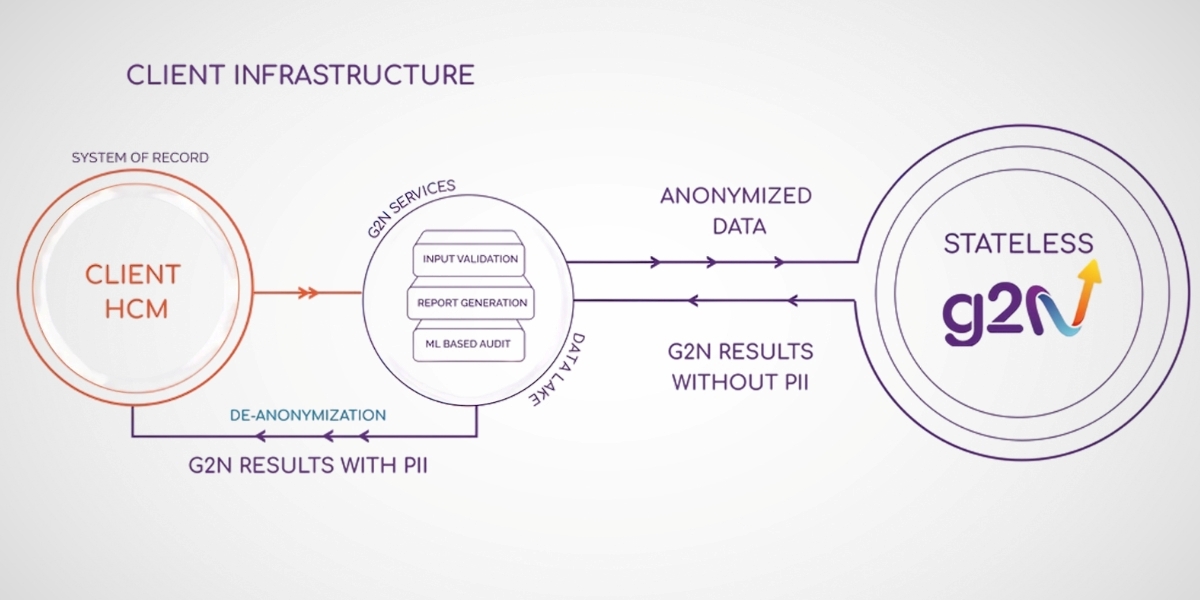
Mercans also implements anonymized payroll processes, converting data into a format that does not expose personally identifiable information (PII), thus safeguarding employee privacy. This method strengthens security and builds client trust with their sensitive data.

Mercans’s robust security measures protect against evolving threats. The company continuously develops and improves its data security protocols to stay ahead of potential risks. The company combines advanced technology with strict access controls to assure clients that their data remains protected.

Mercans’ Game-Changing Payroll Technology

HR Blizz, Mercans’ global payroll platform, leads the advancement in payroll technology. The platform helps businesses manage HR and payroll across 160 countries. It offers self-service tools and integrates with major HR systems such as SuccessFactors and Workday. Continued investment in technology, including no-code HR integration tools and instant payments functionality, has positioned the company as a payroll business process transformation leader.

The integration of AI and machine learning into payroll calculations has improved the efficiency and accuracy of Mercans’ services. This technological aptitude, combined with its global delivery network and local knowledge, makes the company an essential partner for businesses expanding internationally. Automating complex calculations and providing predictive analytics help clients make informed decisions about their global workforce.

Mercans’ payroll engine G2N Nova deserves particular note for its stateless application architecture, which enables anonymous payroll processing. AI identifies and anonymizes personal information before transfer, eliminating data breach risks and securing sensitive information. This progressive technique for payroll processing highlights the company’s dedication to protecting client data while delivering efficient and compliant payroll solutions.

Mercans also extends its AI use in payroll processing to improve accuracy and efficiency. Task automation and large dataset analysis allow the identification of potential errors before they occur, pledging correct and timely payroll processing. This reduces the administrative burden on clients and enhances the overall reliability of the payroll process.

While the global payroll field continues to evolve, Mercans remains at the forefront, driving progress and enabling businesses to operate securely and compliantly across borders. With robust security measures and a focus on compliance, the brand supports multinational companies’ growth, safeguarding their data, and facilitating seamless global operations.


Published by Drake M.

Exploring David Phung’s Thoughtful Books on Personal Growth and Social Awareness

By: Senoria Williams

David Phung, a respected author and advocate for personal development and social awareness, has dedicated his works to exploring meaningful challenges and opportunities in modern society. His books offer insightful perspectives on the experiences of aging seniors and the process of discovering one’s talents and passions. With a blend of practical guidance and thoughtful reflection, Phung encourages readers to engage in deeper learning and take intentional steps toward growth in their own lives.

His two notable books, Left Behind: The Loneliness, Challenges, and Needs of Aging Seniors and Uncover Your Genius, Gifts, Talent, Aptitude, or Passion in Life (For Adults and Children), address two vastly different yet equally significant topics. These works combine informative content with reflective storytelling, making them valuable resources for those interested in better understanding the needs of the aging population and exploring their own potential.

Left Behind: Shedding Light on the Challenges of Aging Seniors

Aging is a universal experience, yet many seniors face increasing isolation, health concerns, and a lack of visibility in public discourse. In Left Behind, David Phung raises awareness about the emotional, social, and healthcare-related issues that older adults often encounter. This book serves as a helpful resource for families, caregivers, and community leaders seeking to build empathy and support for elderly individuals.

Some of the key topics explored in the book include:

  • The Experience of Aging: Examining the physical and emotional shifts that occur over time.
  • Social Isolation and Loneliness: Discussing how prolonged loneliness can affect mental and physical well-being and considering ways to build stronger community support.
  • Healthcare Accessibility: Highlighting the obstacles seniors may face in accessing adequate medical care and the importance of advocating for responsive healthcare systems.

Through this compassionate and informative work, David invites readers to contribute to a more inclusive and considerate society that values its elders. Left Behind offers meaningful awareness and suggestions, whether you’re supporting a loved one or simply want to understand the aging experience more fully.

Uncover Your Genius: A Reflective Guide to Discovering Your Strengths

Concepts like talent, passion, and aptitude can be elusive, and many individuals find it challenging to identify their own gifts. In this book, David Phung offers a thought-provoking framework for self-discovery—supporting readers of all ages as they reflect on their abilities, interests, and potential career paths. Whether guiding children or reevaluating personal goals as an adult, the book offers tools to encourage growth and exploration.

Some of the key themes addressed in the book include:

  • Where Talent Comes From: Considering both inherent traits and learned skills in understanding personal strengths.
  • Recognizing Personal Gifts: Exercises and reflection prompts designed to uncover natural inclinations and abilities.
  • The Impact of Passion: Exploring how genuine interests can drive motivation and how to cultivate them.
  • Navigating Obstacles: Offering strategies to overcome internal doubt and external limitations on the path to self-realization.

This book is a supportive and motivational guide for individuals seeking greater clarity and purpose. Uncover Your Genius encourages readers to embrace their individuality and consider the many ways personal fulfillment can be achieved.

David Phung: An Author Dedicated to Awareness and Empowerment

David Phung’s work goes beyond sharing information—it invites dialogue, introspection, and constructive action. His dedication to exploring both societal challenges and personal development has positioned him as a thoughtful voice in these overlapping fields. His books serve as bridges between understanding and progress, helping readers gain more nuanced insights into aging, identity, and human potential.

Takeaway

Looking to expand your awareness and deepen your personal growth? Left Behind and Uncover Your Genius offer encouraging insights and reflective tools for readers who want to better understand the world and themselves. These titles can serve as starting points for meaningful conversations and inner transformation.

Explore David Phung’s books and take a thoughtful step toward self-discovery, empathy, and greater connection with others.


Published by Drake M.