Operation Healing Forces’ ‘The New Playbook’ Event Raises Over $1.5 Million for Special Operations Families

By: Margaux Rowan

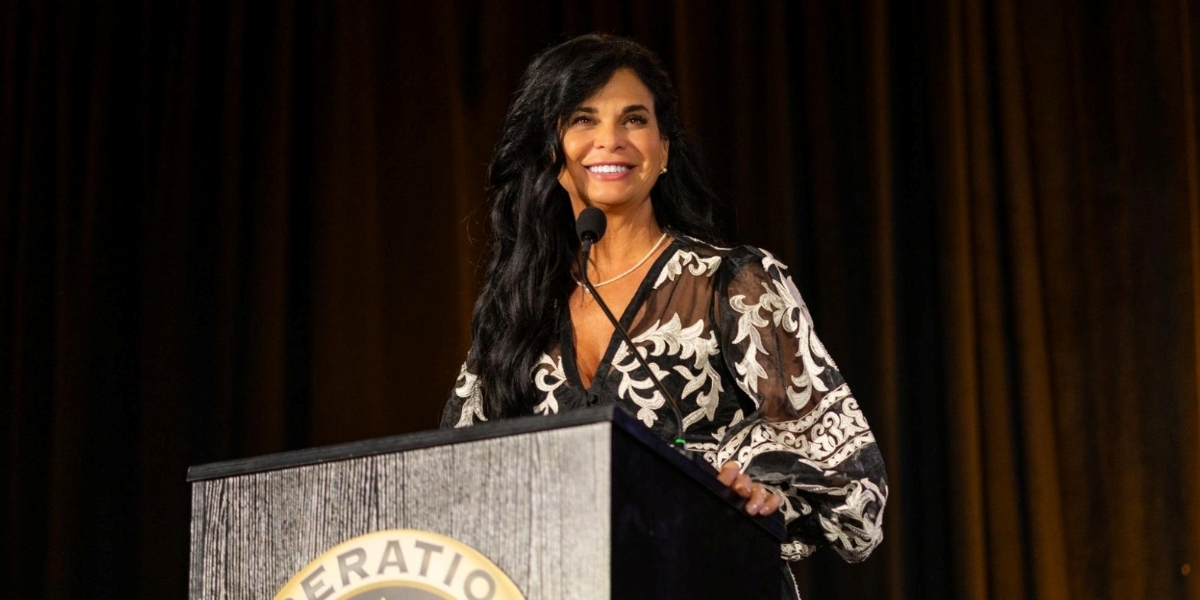
Operation Healing Forces (OHF) is pleased to share the success of The New Playbook Benefit Dinner & Forum, held on March 10, 2025, at The Ritz-Carlton in Naples. Thanks to the generosity of attendees, sponsors, and matching donors, the event raised more than $1.5 million to support life-changing programs for wounded and catastrophically ill Special Operations Forces (SOF) service members, veterans, families, and caregivers.

The elegant evening brought together a diverse group of community leaders, military advocates, and patriotic supporters united by one cause: to uplift and empower the families of America’s most elite warriors. From start to finish, the energy in the room suggested a shared mission to honor and serve those who have selflessly defended our nation.

Because OHF’s Board of Directors covers all overhead and administrative costs, nearly 100% of the funds are expected to go directly to programs that provide critical financial resources in times of hardship and to therapeutic retreats that have been shown to help SOF families heal and reconnect. These initiatives aim not only to address immediate needs but also to support long-term resilience and emotional well-being within military households.

Operation Healing Forces’ ‘The New Playbook’ Event Raises Over $1.5 Million for Special Operations Families

Photo Courtesy: Operation Healing Forces (OHF Board Secretary Robert McBride, Scott Robertson)

One of the evening’s most memorable moments came from OHF Alumni guests Sergeant First Class Brant and Tanya Ireland. Brant, a combat-wounded Green Beret who had his leg amputated as a result of his injuries, shared how an OHF Therapeutic Couples Retreat played a key role in helping their marriage and kept their family together when the challenges of war had them on the brink of divorce. Now, as they prepare to celebrate their 20th wedding anniversary, their story illustrates the potential impact of OHF’s programs. Their heartfelt testimony moved the audience and served as a powerful example of the difference that support, understanding, and dedicated resources can make in the lives of SOF families.

“Stories like Brant and Tanya’s are why OHF exists,” said Kerry Irvin, CEO of Operation Healing Forces. “This event was not just about raising funds—it was about raising hope and fostering healing, with the goal of ensuring these warriors and their families, who have sacrificed so much on behalf of our nation, receive the support they deserve.”

The evening also featured a compelling sports forum moderated by PGA Champion and NBC/Golf Channel Analyst Peter Jacobsen. Panelists Gary Danielson (CBS Sports), Carla Williams (University of Virginia Athletic Director), and Tony Bennett (renowned basketball coach) engaged in a lively discussion on the future of NCAA sports, the impact of NIL policies, and the transfer portal. Their insights provided guests with valuable perspectives on leadership, teamwork, and navigating change—topics that often resonate far beyond the playing field.

Operation Healing Forces’ ‘The New Playbook’ Event Raises Over $1.5 Million for Special Operations Families

Photo Courtesy: Operation Healing Forces (OHF Alumni Speakers Sergeant First Class Brant and Tanya Ireland)

“As a longtime advocate for our military families, I am deeply moved by what we achieved at this event,” said Robert McBride, OHF Executive Board Member. “The generosity in the room was remarkable and reflects our shared commitment to those who serve.”

OHF extends its deepest gratitude to all who attended and contributed to making The New Playbook a notable success. Your support helps ensure that we can continue serving those who have sacrificed so much for our freedom.

For more information on Operation Healing Forces and how to support its mission, visit operationhealingforces.org.


Published by Jeremy S.

Why Mesothelioma Awareness Matters More Than Ever in 2025

Understanding Mesothelioma: A Silent Threat

What is Mesothelioma?

Mesothelioma is a rare and often aggressive cancer linked to exposure to asbestos. It affects the mesothelium, the thin lining of the lungs, abdomen, and heart. Due to its long latency period—typically spanning 20 to 50 years—many people are diagnosed at an advanced stage, which can make treatment more difficult.

Causes and Risk Factors

The primary known cause of mesothelioma is asbestos exposure. Despite regulations limiting its use, asbestos may still be present in older buildings, industrial sites, and some consumer products. Individuals at higher risk include construction workers, shipbuilders, military veterans, and those exposed to secondhand asbestos through family members. If you or a loved one has been affected, seeking legal guidance from a qualified MesotheliomaAttorney may help you understand your rights and possible compensation options.

Symptoms and Diagnosis Challenges

Mesothelioma symptoms can often resemble those of common respiratory conditions, sometimes leading to misdiagnosis. Common symptoms may include:

  • Persistent cough
  • Shortness of breath
  • Chest or abdominal pain
  • Unexplained weight loss

Since early diagnosis can improve treatment options, raising awareness about mesothelioma symptoms may be critical for early detection.

The Growing Importance of Awareness in 2025

Rising Cases Despite Regulations

Although asbestos use has declined in many countries, cases of mesothelioma are still being reported due to past exposure. The long latency period suggests that individuals exposed decades ago may only now be experiencing symptoms. With new diagnoses projected to continue in the coming years, awareness could be more crucial than ever.

Global Asbestos Threat

While many developed nations have banned asbestos, it is reportedly still used in some industries worldwide. Developing countries, where asbestos regulations may be less stringent, could continue to expose workers and residents to dangerous fibers. Raising global awareness might help push for stricter regulations and safer alternatives.

The Role of Advocacy and Support Groups

Mesothelioma advocacy organizations are thought to play a key role in education, research funding, and patient support. Groups such as the Mesothelioma Applied Research Foundation and the Asbestos Disease Awareness Organization work to inform the public, support affected individuals and advocate for policy changes.

Medical Advancements in Mesothelioma Treatment

New Diagnostic Techniques

Advancements in medical imaging and biomarker research have shown potential for earlier and more accurate detection of mesothelioma. Techniques such as liquid biopsies and genetic testing are being explored as possible ways to identify the disease sooner, potentially improving survival rates.

Cutting-Edge Treatments

Traditional mesothelioma treatments include surgery, chemotherapy, and radiation therapy. However, in recent years, some new treatments have emerged, such as:

  • Immunotherapy: May help boost the immune system to target cancer cells
  • Gene Therapy: This could involve altering genetic material to fight cancer
  • Targeted Therapy: Uses drugs that aim to attack cancerous cells while sparing healthy ones
  • Multimodal Therapy: Combines multiple treatments for potentially improved effectiveness

The Role of Clinical Trials

Clinical trials may offer hope for mesothelioma patients by testing innovative therapies. Increased awareness could encourage more patients to participate, possibly accelerating the development of effective treatments.

Legal and Financial Aspects of Mesothelioma

Compensation for Victims

Since many mesothelioma cases are associated with occupational exposure, legal avenues may exist for victims to seek compensation. Asbestos trust funds, lawsuits, and veterans’ benefits could provide financial support for medical expenses and lost wages.

The Fight for Stricter Regulations

Awareness campaigns might help push for stricter asbestos regulations and enforcement. Stronger policies could prevent future asbestos exposure and potentially reduce mesothelioma cases.

Employer Responsibility

Companies that have historically used asbestos or may still expose workers to its dangers should be held accountable. Advocacy efforts can help ensure businesses follow safety protocols and provide protective measures for employees.

How Individuals Can Raise Awareness

Education and Advocacy

Anyone can contribute to mesothelioma awareness by educating themselves and others about its dangers. Sharing information on social media, attending awareness events, and supporting mesothelioma-focused organizations might make a difference.

Supporting Research and Fundraising

Donating to mesothelioma research institutions could help fund important studies that might lead to better treatments and, in time, a cure. Fundraising events, such as walks, charity runs, and online campaigns, also play a role in supporting patient care and advocacy efforts.

Encouraging Policy Changes

Public pressure can play a part in legislative action. Supporting policies that enforce stricter asbestos bans, improve workplace safety, and fund mesothelioma research may contribute to long-term change.

Summary: The Urgency of Mesothelioma Awareness in 2025

Mesothelioma remains a serious health concern, and raising awareness could be essential to improving early diagnosis, treatment options, and prevention efforts. With cases likely to persist, advocacy, research funding, and policy reforms may be more critical than ever. By spreading knowledge, supporting affected individuals, and pushing for stronger regulations, we can work toward a future where mesothelioma is no longer a devastating diagnosis.

Disclaimer: This article is intended for informational purposes only and does not constitute medical, legal, or financial advice. Individuals affected by mesothelioma or asbestos exposure should consult with qualified healthcare providers and legal professionals for personalized guidance. References to legal options or medical treatments do not guarantee specific outcomes and should be evaluated based on individual circumstances.


Published by Jeremy S.